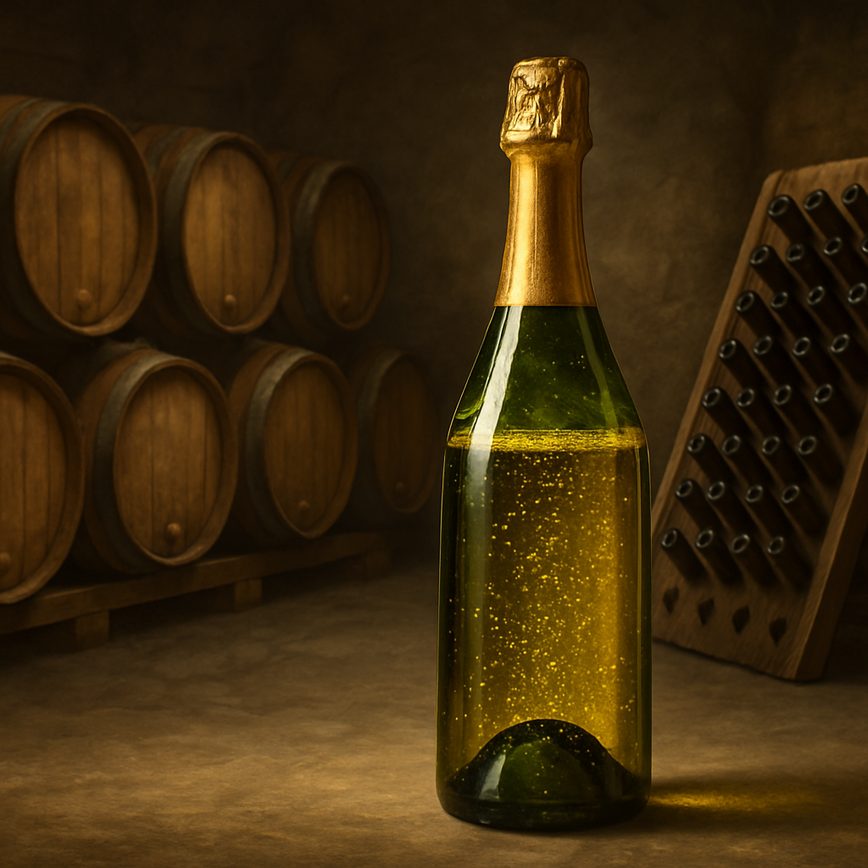
Introduction to Sparkling Wine Production
Sparkling wine stands out as a unique and celebratory beverage within the realm of wine making, renowned for its effervescent charm and distinctive qualities. Unlike still wine, which remains flat and without bubbles, sparkling wine is characterized by its lively bubbles, created through a secondary fermentation process that traps carbon dioxide in the liquid.
The production basics of sparkling wine involve carefully controlled steps that differentiate it from the production of still wines. Initially, the base wine is crafted just like a still wine, using grapes that are typically harvested early to retain high acidity. This acidity is crucial as it balances the sweetness added later and ensures freshness and vibrancy in the final product.
One of the key distinctive features of sparkling wine is the secondary fermentation, which is where producers introduce additional sugar and yeast to the base wine before sealing it in a pressure-resistant container, traditionally a bottle. This fermentation generates carbon dioxide, which dissolves into the wine, creating the characteristic bubbles. Depending on the method—most famously the traditional Champagne method or the Charmat method—the secondary fermentation might occur in the bottle or in large tanks.
This secondary fermentation not only produces bubbles but also contributes to the complexity of flavors and aromas in sparkling wines. The process enhances the wine’s texture, lending a creamy mouthfeel and a distinctive mousse, setting sparkling wines apart from their still counterparts.
Sparkling wine enjoys immense popularity worldwide as a symbol of celebration and luxury. Its refreshing qualities and versatile food pairings make it a favorite choice for a variety of occasions, from casual gatherings to formal events. Enthusiasts appreciate how the production basics, which combine precision and tradition, result in an uplifting sensory experience unlike any other in wine making.
In sum, understanding sparkling wine production basics illuminates the intricate balance of art and science involved in crafting this beloved sparkling beverage. Its unique production methods and distinctive features underline why sparkling wine continues to captivate wine lovers globally, maintaining a timeless allure distinct from still wines.
What is Sparkling Wine?
Sparkling wine is a type of wine characterized by the presence of carbonation, which gives it a distinctive effervescence or “bubbles.” This lively effervescence is the key factor that sets sparkling wine apart from other wines. Unlike still wines, which have no bubbles, sparkling wines undergo a secondary fermentation process that produces carbon dioxide gas, naturally infusing the wine with tiny bubbles that create a refreshing and celebratory drinking experience.
The sparkling wine definition encompasses various styles and methods of production, but all share the common trait of carbonation. The effervescence can be created through traditional methods like the Champagne method, where the second fermentation occurs inside the bottle, or through tank methods where carbonation is added in a controlled environment. The bubbles not only enhance the sensory appeal but also affect the wine’s texture, balance, and taste by adding crispness and a slight acidity.
There are many wine types that can be made sparkling, utilizing different grape varieties and regions worldwide. From the iconic sparkling wines of Champagne in France to Prosecco from Italy and Cava from Spain, the diversity of sparkling wines is vast. Each type varies in sweetness, flavor profile, and bubble intensity, but the defining characteristic remains the carbonation that gives sparkling wine its joyous sparkle.
History and Popular Regions
Sparkling wine has a rich and fascinating history that dates back several centuries. The earliest known production of sparkling wine occurred in the Champagne region of France, where the unique climate and soil conditions helped create this effervescent delight. The method of producing sparkling wine, famously perfected in Champagne, involves a secondary fermentation in the bottle, which produces the characteristic bubbles. The region of Champagne is world-renowned for its strict production regulations and the high quality of its sparkling wines, making it synonymous with luxury and celebration.
Beyond Champagne, other wine regions have gained prominence for their sparkling wine production. Italy’s Prosecco is a notable example, coming from the Veneto region. Prosecco is known for its light, fruity character and is produced using a different method called the Charmat process, which is faster and less costly than the traditional Champagne method. Prosecco’s popularity has surged globally due to its approachable style and affordability.
In addition to Champagne and Prosecco, sparkling wines are produced in other notable regions such as Spain’s Cava in Catalonia and the New World regions including California and Australia. Each of these wine regions brings unique characteristics and techniques to sparkling wine production, enriching the global landscape of sparkling wine history and offering diverse styles for enthusiasts to enjoy.
The Sparkling Wine Production Process
The sparkling wine making process is a fascinating combination of art and science, involving several crucial steps from grape selection to bottling. Understanding the production process helps appreciate the effort behind every bubbly sip. Below are the main steps involved in producing sparkling wine, emphasizing the key role of fermentation in creating those delightful bubbles.
- Grape Selection and Harvesting: The journey begins with selecting the highest quality grapes, often Chardonnay, Pinot Noir, or Pinot Meunier. Grapes are usually harvested early to retain high acidity levels, which is essential for sparkling wine making.
- Pressing: Once harvested, the grapes are gently pressed to extract the juice without excessive color or tannins, especially for white sparkling wines. The juice is separated from the skins immediately to maintain clarity and freshness.
- Primary Fermentation: The clear grape juice undergoes its first fermentation, turning natural sugars into alcohol. This base wine is typically still and low in alcohol but high in acidity, setting the foundation for the sparkling character.
- Blending: After the primary fermentation, different base wines are blended to create the desired flavor profile. This step allows winemakers to balance acidity, sweetness, and complexity according to the style they aim to achieve.
- Second Fermentation: The blended base wine is bottled with a mixture of sugar and yeast, initiating a second fermentation inside the bottle or a tank, depending on the method used (traditional or tank method). This fermentation creates carbon dioxide, which dissolves into the wine to form sparkling bubbles.
- Riddling and Clarification: Once the second fermentation is complete, bottles undergo riddling—gradually tilting and rotating to collect sediment near the bottle neck. Sediment is then removed during disgorgement, ensuring a clear sparkling wine.
- Dosage and Corking: A dosage of sugar syrup may be added to adjust sweetness levels before final corking. The bottles are then sealed with a cork and wire cage to secure the pressure inside, ready for aging or immediate release.
- Bottling and Labeling: The sparkling wine is carefully bottled, labeled, and prepared for distribution. Proper handling during this phase preserves the effervescence and quality until it reaches the consumer.
Each step of the sparkling wine making process requires precision and care, with fermentation playing a pivotal role in creating the wine’s signature sparkle and lively character. The combination of grape quality, careful fermentation, and expert blending defines the exceptional experiences bubbling in every glass.
Primary and Secondary Fermentation
Fermentation is the heart of sparkling wine production, playing a crucial role in developing its signature bubbles and complex flavor profile. The process begins with primary fermentation, where yeast converts the natural sugars in grape juice into alcohol and carbon dioxide. This initial stage not only produces the base wine but also sets the foundation for the wine’s acidity and fruit flavors, essential for the final sparkling product.
Following primary fermentation, the wine undergoes secondary fermentation, a defining step that creates sparkling wine’s characteristic effervescence. In this phase, a mixture of sugar and yeast is added to the base wine, and the liquid is sealed in a bottle or pressurized tank. As the yeast consumes the sugar, additional carbon dioxide is produced but cannot escape, resulting in the formation of fine bubbles that give sparkling wine its lively and refreshing texture.
Beyond bubble creation, secondary fermentation also enhances the wine’s complexity. The extended contact with yeast sediment during this stage imparts richer aromas and flavors, often described as toasty, nutty, or brioche-like, contributing to the depth and elegance of sparkling wine. Together, primary and secondary fermentation shape both the sensory experience and the overall quality, making them indispensable in sparkling wine production.
Traditional vs. Charmat Method
The traditional method and the Charmat method are two primary wine production techniques used to create sparkling wines, each with distinct processes and characteristics. The traditional method, also known as méthode champenoise, involves a secondary fermentation occurring in the bottle. This process is labor-intensive and time-consuming but results in complex flavors and fine bubbles due to the extended yeast contact during aging. It is favored for producing high-quality sparkling wines with rich textures and nuanced profiles.
On the other hand, the Charmat method conducts the secondary fermentation in large pressurized tanks rather than individual bottles. This technique is faster and more cost-effective, making it popular for producing fresh, fruity sparkling wines with larger bubbles and a lighter mouthfeel. The Charmat method is ideal for wines meant to be consumed relatively young and emphasizes the pure fruit flavors over yeast complexity.
While the traditional method offers depth and elegance, it requires more time and effort, thus increasing production costs. The Charmat method provides efficiency and affordability but can lack the complexity achieved through bottle aging. Winemakers choose between these techniques based on the style of sparkling wine they aim to create, balancing tradition, flavor complexity, and production practicality.
Bottling, Aging, and Dosage
The final stages of sparkling wine production are crucial for achieving the perfect balance of flavor, texture, and effervescence. These steps include bottling, the aging process, and the addition of dosage.
- Bottling Sparkling Wine: After the secondary fermentation in the bottle, which produces the bubbles, the wine is carefully riddled to collect sediment near the bottle’s neck. The sediment is then removed through disgorging, a process where the bottle neck is frozen and the frozen plug of sediment is expelled. The bottle is then quickly corked to preserve carbonation.
- Aging Process: Following disgorgement, the sparkling wine undergoes an aging period which can vary depending on the style and quality level desired. This aging, typically done on the lees or after dosage addition, helps to develop complex flavors and a creamy mouthfeel. Regulations often mandate minimum aging times to ensure quality.
- Dosage Addition: Dosage is the final step where a mixture of wine and sugar, known as the liqueur d’expédition, is added. This step adjusts the sweetness level and enhances the wine’s balance and flavor profile. The amount of sugar in the dosage defines the wine’s style, from brut nature (very dry) to doux (sweet).
Key Factors Affecting Sparkling Wine Quality
The quality of sparkling wine is influenced by a combination of several critical production factors, starting with grape selection and extending all the way through to fermentation control and storage. Each stage in the production process plays a pivotal role in shaping the final character and excellence of the wine.
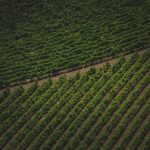
First and foremost, grape variety is one of the fundamental determinants of wine quality. Sparkling wines typically rely on specific grape varieties that offer the right balance of acidity, sugar, and flavor compounds needed to create a fresh and lively profile. Chardonnay, Pinot Noir, and Pinot Meunier are classic examples widely used in renowned sparkling wine regions. The selection of healthy, ripe grapes harvested at the optimal time ensures a solid foundation for producing high-quality sparkling wine.
Production factors such as vineyard management also directly affect grape quality. Careful attention to soil conditions, climate, and pruning techniques helps maintain grapevine health and optimize flavor development. These efforts contribute to the concentration and purity of the fruit characteristics, which are essential for creating a balanced sparkling wine.
Once the grapes have been harvested, the fermentation process becomes critical. Controlled fermentation helps preserve the delicate aromas and acidity required for superior sparkling wine. Winemakers often use specific yeast strains and carefully monitor fermentation temperatures to avoid any off-flavors or spoilage. The second fermentation, conducted in the bottle for traditional method sparkling wines, requires precise timing and conditions to develop the signature bubbles and fine mousse.
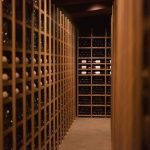
Storage conditions also play a key role in maintaining wine quality over time. Proper aging in cool, dark cellars allows flavors to mature and integrate smoothly. The length of time the sparkling wine spends on the lees (dead yeast cells) often enhances complexity and mouthfeel. Additionally, consistent temperature and humidity control during storage prevent oxidation and degradation, ensuring that the sparkling wine remains fresh and vibrant until consumption.
In summary, the quality of sparkling wine is shaped by a series of interconnected production factors. From careful grape selection to diligent control of fermentation and thoughtful storage practices, winemakers must meticulously manage each step. When these elements align successfully, the resulting sparkling wine showcases exceptional balance, brightness, and depth, meeting the highest standards of wine quality.
Grape Varieties and Harvesting
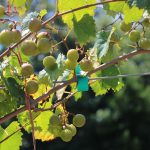
Choosing the right grape varieties and carefully timing the harvest are crucial steps in crafting sparkling wine with the desired flavors and balance. Different grape varieties bring unique characteristics to the wine, influencing aroma, acidity, and flavor complexity. Classic sparkling wine grapes such as Chardonnay, Pinot Noir, and Pinot Meunier are widely favored for their ability to produce crisp acidity and elegant flavors that complement the sparkling wine style.
Harvesting timing plays a significant role in determining the final taste profile of sparkling wine. Grapes intended for sparkling wine are often picked earlier than those for still wines to preserve high acidity and avoid excessive sugar levels, which can lead to unwanted alcohol content. The balance between acidity and sugar is essential to ensure freshness and the right level of effervescence in the finished wine.
By selecting specific grape varieties and harvesting them at their optimal ripeness, winemakers can control the flavor intensity and structural balance of sparkling wine grapes. This precision contributes to the finesse, mouthfeel, and aging potential of the sparkling wine, making grape variety choices and harvesting timing foundational to quality production.
Temperature and Storage Conditions
Proper temperature control and storage conditions are essential factors in the production and aging of sparkling wine, directly influencing the final quality and taste. During production, maintaining a consistent cool temperature ensures that fermentation proceeds at a steady pace, preventing unwanted fluctuations that could lead to off-flavors or compromised carbonation.
Once the sparkling wine is produced, storage conditions become crucial. Ideally, wines should be stored in a cool, dark environment with stable temperatures—typically between 50°F and 59°F (10°C to 15°C). Such conditions help preserve the wine’s delicate aromas and flavors while preventing premature aging or spoilage. Excessive heat or temperature variations can cause the wine to age too quickly or develop undesirable characteristics, negatively affecting its freshness and balance.
In addition to temperature control, humidity levels and protection from light exposure also play important roles. Adequate humidity prevents corks from drying out, which can lead to oxidation. Meanwhile, shielding the wine from direct light minimizes the risk of photochemical reactions that may degrade its quality.
In summary, careful management of temperature and storage conditions throughout the production and aging process is vital for sparkling wine preservation. These practices ensure that the wine maintains its intended taste profile, effervescence, and overall excellence when it reaches the consumer.

Winemaker with 12 years in the cellar. I write about fermentation, terroir, and the honest mistakes that taught me more than any textbook. I’ve ruined more barrels than most people have tasted. That’s not a disclaimer — that’s a résumé. Twelve years making wine in France, now making sense of it in words.