Understanding the Influence of Soil on Wine Flavor
Soil plays a crucial role in shaping the flavor profile of wine, acting as one of the fundamental elements in grape growing. The influence of soil on wine flavor extends beyond basic nutrition—it affects vine health, grape composition, and ultimately the sensory characteristics of the wine. This complex interaction is encompassed in the concept of terroir, which emphasizes the unique combination of natural factors including soil, climate, and topography that define a vineyard’s distinctive character.
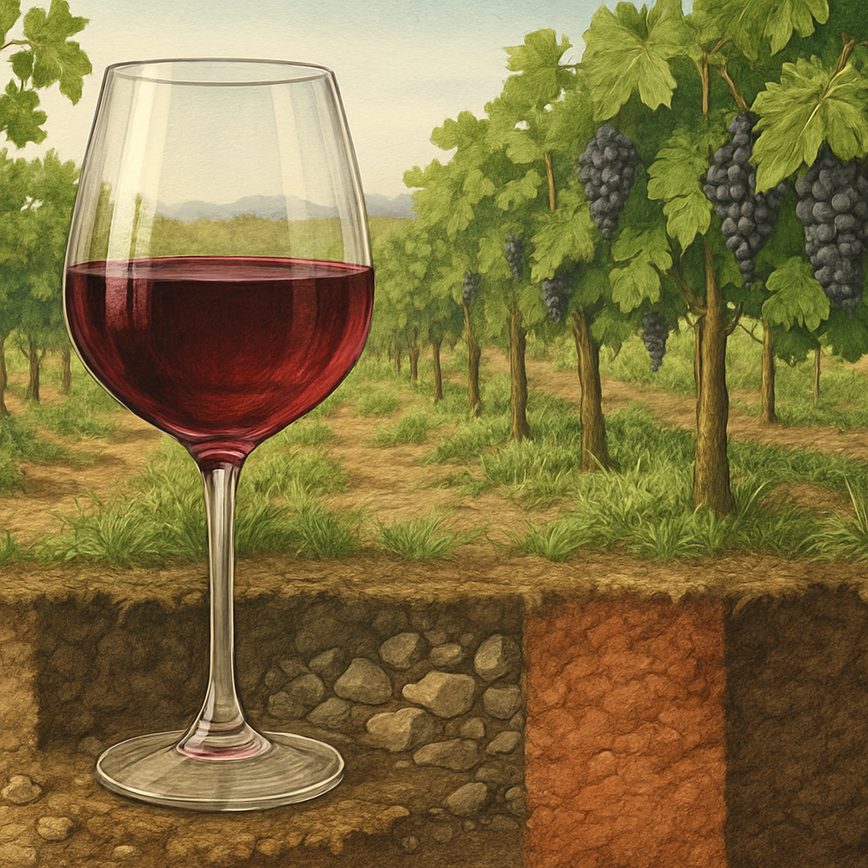
The vineyard soil contributes to the flavor of wine in multiple ways. Different soil types, such as clay, sand, silt, and loam, have varying drainage capabilities and nutrient contents. These soil characteristics influence root development, water availability, and vine vigor, all of which impact grape quality. For example, well-drained soils often stress the vines slightly, producing grapes with more concentrated flavors and balanced acidity—key for crafting wines with complexity and depth.
Mineral content in vineyard soil also plays a role, as it affects nutrient uptake by the vines. Though the direct transfer of minerals to the grapes is limited, diverse soil compositions can lead to subtle variations in grape chemistry. These variations contribute to the wine’s aroma, taste, and mouthfeel, adding layers to its flavor profile that are often unique to specific regions or plots.
Moreover, the physical structure of the soil influences temperature regulation in the vineyard. Soils that retain heat can accelerate grape ripening, enhancing sugar concentration and flavor development, while cooler soils may preserve acidity and freshness. This balance of ripening conditions is a significant aspect of terroir, demonstrating how vineyard soil is integral to a wine’s identity.
In summary, the influence of soil on wine flavor is profound and multifaceted. From water retention and nutrient supply to temperature control, vineyard soil shapes the growth environment of grapevines and thus the characteristics of the grapes themselves. Understanding soil influence within the broader concept of terroir helps wine enthusiasts appreciate why wines from different regions—or even different vineyards—can taste so distinct, despite being made from the same grape variety.
Soil Types and Their Characteristics
Vineyards often feature a variety of soil types, each influencing grape quality through water retention and nutrient availability. Clay soil, known for its fine particles, retains water exceptionally well, making it ideal in dry climates. However, its poor drainage can lead to waterlogged roots if not managed carefully. This soil type typically provides abundant nutrients, promoting vigorous vine growth but sometimes at the expense of concentrated flavors in the grapes.
Sandy soil, composed of larger particles, drains quickly and tends to be low in nutrients. Its fast drainage limits water retention, which stresses the vines moderately—a factor that can enhance the complexity of grape flavors by encouraging deeper root growth. Though less fertile, sandy soil vineyards often produce grapes with lighter, more delicate characteristics, ideal for aromatic and fresh wine styles.
Gravel soil, formed from small stones and pebbles, offers excellent drainage and moderate water retention. It warms up quickly in the spring, encouraging early vine growth. Gravel soils usually have good nutrient availability and help prevent excessive vigor, leading to balanced grape development. Wines from gravel soil vineyards often show a robust structure and well-defined fruit notes.
Role of Soil Composition and Minerals
Soil composition plays a crucial role in shaping the flavor profile of wine, as the minerals and nutrients present in the soil directly influence the growth and health of grapevines. Essential minerals such as potassium, magnesium, calcium, and iron are absorbed by the vines from the soil, each contributing uniquely to the aroma, taste, and structure of the resulting wine.
Potassium, for example, regulates the acidity of grapes, which is fundamental to balancing the wine’s flavor and enhancing its freshness. Magnesium and calcium contribute to the development of phenolic compounds that affect the wine’s tannins and texture, providing a smoother mouthfeel and complexity. Iron influences the metabolic processes in the vine, which can alter the intensity and nuances of the wine’s aroma.
The presence of these minerals and other trace nutrients ensures that vines receive a balanced diet, supporting consistent ripening and sugar accumulation. This nutrient availability helps define the wine’s structure, from the body to the finish. Variations in soil composition can highlight different varietal characters, leading to diverse expressions even within the same grape type.
Ultimately, soil minerals not only support vine nutrients but also leave an indelible mark on the sensory qualities of the wine, enhancing its complexity and making each bottle a true reflection of its terroir.
How Soil Management Affects Wine Quality
Effective soil management is a cornerstone of successful vineyard practices, directly influencing the health of the soil and consequently, the quality and consistency of wine flavors. Vineyard managers implement a variety of soil management techniques to maintain and enhance soil vitality, ensuring that grapevines receive the optimal nutrients and conditions needed for producing premium grapes.
One of the primary soil management strategies is the careful monitoring and balancing of soil nutrients through organic and inorganic amendments. Adding compost, cover crops, and natural fertilizers not only replenishes essential nutrients but also improves soil structure and microbial activity. This holistic approach supports soil health by fostering a rich ecosystem, which in turn enables vines to develop strong root systems and access nutrients more efficiently.
Another critical practice is soil aeration and drainage management. Compact soil inhibits root growth and limits oxygen availability, which can stress the vines and negatively impact grape development. Techniques such as subsoiling, tilling, and creating drainage channels help to alleviate soil compaction, promoting better water infiltration and root penetration. Proper water management prevents both waterlogging and drought stress, conditions that can alter the delicate balance of flavors in the resulting wine.
Maintaining soil biodiversity is equally important. Vineyard practices like rotating cover crops and minimizing chemical pesticide and herbicide use contribute to a thriving soil microbiome. These beneficial microorganisms play a crucial role in nutrient cycling and disease suppression, which directly correlate with healthier vines and more consistent grape quality from vintage to vintage.
Ultimately, diligent soil management enhances the terroir expression in wine by providing vines with a stable and nurturing environment. Healthy soils yield grapes with balanced sugar, acidity, and phenolic compounds—key elements that define wine flavor profiles. By committing to sustainable vineyard practices focused on soil health, winemakers can consistently produce wines of exceptional quality, reflecting the unique characteristics of their vineyard’s soil.
Sustainable Soil Practices in Viticulture
Sustainable viticulture increasingly emphasizes soil conservation to maintain and enhance vineyard health and wine quality. One key technique is cover cropping, which involves planting specific crops between vine rows. These cover crops help reduce soil erosion, improve soil structure, increase organic matter, and support beneficial microbial activity. They act as natural mulch, preserving moisture and reducing weed competition, which ultimately promotes stronger vine growth and better grape development.
Organic practices are another cornerstone of sustainable soil management in viticulture. Rather than relying on chemical fertilizers and pesticides, organic amendments such as compost and green manures are applied to enrich the soil naturally. These inputs enhance soil vitality by boosting nutrient availability and fostering a dynamic ecosystem within the soil, leading to healthier vines and more expressive wine characteristics. The enhanced biodiversity also helps vineyards become more resilient against pests and diseases.
Implementing sustainable viticulture through these practices not only preserves the long-term productivity of vineyard soils but also positively influences the flavor complexity of wines. Healthier soils tend to produce grapes that better reflect their terroir, with richer aromas and balanced acidity. Therefore, focusing on soil conservation, cover cropping, and organic amendments is essential for vintners committed to cultivating quality wines while protecting their land for future generations.
Impact of Soil pH and Drainage
Soil pH and drainage play crucial roles in determining vine health, affecting both grape development and the resulting wine flavor complexity. Soil pH influences nutrient availability to grapevines; an optimal pH range allows vines to absorb essential minerals efficiently, fostering balanced growth. When the soil is too acidic or alkaline, nutrient uptake is hindered, causing vine stress that can alter the physiological processes involved in grape ripening. This stress can sometimes enhance flavor by concentrating certain compounds but may also reduce vine productivity if extreme.
Drainage affects how water moves through the soil, directly impacting vine stress and root health. Well-drained soils prevent waterlogging that can suffocate roots, while retaining enough moisture to support steady vine growth. Conversely, poor drainage causes excessive moisture, which can lead to root diseases and reduce oxygen availability, imposing stress on the vine. Controlled stress from moderate drainage limitations often encourages deeper root systems and better flavor development, as vines allocate resources to fruit quality rather than excessive vegetative growth.
In summary, optimal soil pH and drainage foster ideal vine growth conditions, minimizing harmful stress while enabling beneficial stress that promotes complex flavor profiles. Balanced soil chemistry and water management contribute to consistent grape ripening, impacting sugar accumulation, acidity, and phenolic development. These factors ultimately enhance the depth and nuance of flavors expressed in the finished wine, underscoring the significant influence of soil on viticulture and enology.
Regional Soil Profiles and Their Effect on Wine Varietals
Regional soils play a pivotal role in shaping the character and complexity of wine varietals produced in different wine-growing areas. Each wine region boasts a unique soil profile, a fundamental component of the regional terroir that directly influences vine growth, grape development, and ultimately, the sensory qualities of the wine.
Soil profiles vary tremendously in texture, composition, drainage, and mineral content. These variations affect how vines access water and nutrients, impacting grape ripeness, acidity, and flavor compounds. For example, chalky soils often found in parts of Champagne contribute to the crisp acidity and minerality found in sparkling wines, while the volcanic soils of Mount Etna infuse Sicilian wines with pronounced minerality and distinctive earthy nuances.
Understanding the interaction between soil and grape varietals in a specific region allows winegrowers to select the best-suited grapes, thereby enhancing the expression of the regional terroir. Bordeaux’s gravelly soils favor Cabernet Sauvignon and Merlot, contributing to the robust structure and rich fruit profile of the red wines there. Similarly, the limestone-rich soils of Burgundy are ideal for Chardonnay and Pinot Noir, imparting finesse and complexity to these varietals.
The relationship between the soil profile and wine varietals is also evident in New World regions. California’s Napa Valley, with its diverse alluvial soils, produces bold and fruit-forward wines, while the sandy, loamy soils in parts of Australia’s Barossa Valley support Shiraz grapes that result in deeply flavored and spicy wines. Each region’s unique soil composition lends a signature texture, aroma, and flavor palette that wine enthusiasts learn to associate with particular varietals from those areas.
In essence, regional soils are not merely a backdrop for vineyards but active contributors to the distinctiveness of wine varietals. They define a terroir’s personality and leave an indelible mark on the wines, making the study and appreciation of soil profiles essential for understanding and celebrating the diversity of wines worldwide.
Famous Wine Regions and Soil Characteristics
Soil plays a crucial role in defining the unique identity of wines from renowned regions around the world, each with its distinctive regional terroir. Bordeaux soil, for example, is composed of a mixture of gravel, clay, and limestone, which provides excellent drainage and reflects heat to aid grape ripening. This soil combination contributes to Bordeaux wines’ famed balance of rich fruit flavors, firm tannins, and subtle minerality.
In Napa Valley, the soil is heavily influenced by volcanic ash, sedimentary deposits, and well-drained alluvial soils. Napa soil’s mineral content and varied textures support robust grape vines which produce wines with bold, ripe fruit profiles, notable depth, and a pronounced structure that defines the region’s Cabernet Sauvignons and Chardonnays.
Champagne soil, primarily chalk with layers of limestone, is vital to the sparkling wines’ signature freshness and elegance. The chalky Champagne soil retains moisture in dry periods while providing excellent drainage, allowing the grapes to develop bright acidity and delicate flavors essential for premium sparkling wines.
Each of these famous wine regions showcases how specific soil types shape the character and flavor profile of their wines, underscoring the importance of regional terroir in viticulture and winemaking.
Matching Soil Profiles to Grape Varieties
Understanding the relationship between soil and grape match is crucial for achieving optimal flavor in wines. Different grape varieties thrive in specific soil conditions, making varietal suitability a vital consideration in vineyard planning. For example, Cabernet Sauvignon flourishes in well-drained gravelly soils that encourage deep root growth and moderate vigor, which enhances concentration and complexity in the resulting wine. In contrast, Pinot Noir prefers lighter, sandy soils with good drainage that allow delicate aromas and nuanced flavors to develop fully.
Chardonnay typically benefits from chalky or limestone-rich soils that help maintain acidity and add a vibrant minerality to the wine. Merlot finds its best expression in clay-rich soils that retain moisture, supporting lush fruit flavors and soft tannins. By matching the soil’s physical and chemical properties to the specific needs of the grape variety, vintners can create optimal growing conditions that positively influence the flavor profile of the wine.
Moreover, the appropriate pairing of soil and grape variety helps regulate vine vigor, manage water availability, and influence nutrient uptake, all of which play critical roles in flavor development. Vineyard planning that incorporates an understanding of soil and grape match ensures a balanced vine growth and enhanced expression of terroir. This thoughtful matching ultimately leads to wines with greater depth, distinctiveness, and authenticity, reflecting both the grape variety and the unique characteristics of the vineyard site.

Winemaker with 12 years in the cellar. I write about fermentation, terroir, and the honest mistakes that taught me more than any textbook. I’ve ruined more barrels than most people have tasted. That’s not a disclaimer — that’s a résumé. Twelve years making wine in France, now making sense of it in words.