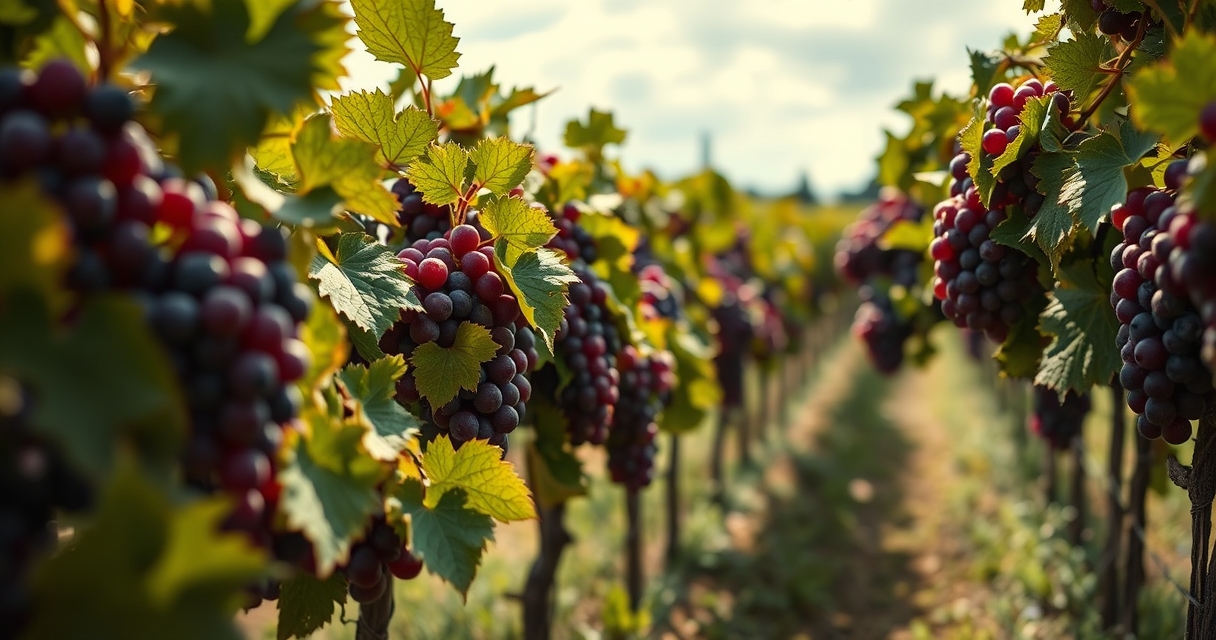
Louisiana may not be the first place that comes to mind when you think of sweet wine, but the state’s humid climate and rich agricultural traditions have given rise to a unique and growing wine culture. Unlike the dry wines of California or the bold reds of Bordeaux, Louisiana’s winemakers have carved out a niche with sweet wines that reflect the region’s terroir. From muscadine grapes thriving in the heat to innovative fruit wines made from local produce, these wines offer a taste of the South that’s as distinctive as it is delicious. Whether you’re a seasoned oenophile or a curious newcomer, exploring Louisiana’s sweet wines reveals a side of viticulture that’s deeply rooted in the state’s history and landscape.
The Muscadine Grape: Louisiana’s Sweet Wine Foundation
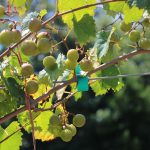
The muscadine grape is the backbone of Louisiana’s sweet wine industry, a native variety that thrives in the state’s hot, humid summers. Unlike European wine grapes, muscadines are thick-skinned, disease-resistant, and perfectly adapted to the Gulf Coast climate. They produce wines with a naturally high sugar content, often resulting in sweet or semi-sweet profiles that range from light and floral to rich and jammy. Many Louisiana wineries, including Feliciana Cellars, use muscadines as the primary grape for their sweet wines, crafting bottles that highlight the fruit’s unique characteristics. The grape’s natural sweetness means less intervention is needed during fermentation, allowing winemakers to preserve its vibrant, fruity flavors. This makes muscadine wines a great introduction to Louisiana’s wine scene, especially for those who prefer a sweeter palate.
Muscadine wines are often labeled as “scuppernong,” though that term technically refers to a specific bronze-skinned muscadine variety. In Louisiana, winemakers produce red wine from muscadine grapes, experimenting with both red and white varieties. The red muscadine wines, for example, often have notes of blackberry and plum, while the white varieties lean toward citrus and tropical fruit. These wines are not just sweet; they’re complex, with a slight earthiness that grounds their natural sugars. For visitors to Louisiana wineries, tasting a muscadine wine is a must, as it offers a true sense of the state’s viticultural identity.
Fruit Wines: Louisiana’s Creative Sweet Wine Tradition
Beyond traditional grape wines, Louisiana’s winemakers have embraced fruit wines as a way to showcase the state’s abundant local produce. Peaches, blackberries, blueberries, and even mayhaws, a tart, native fruit, are transformed into sweet wines that capture the essence of Louisiana’s orchards and wild landscapes. These fruit wines are often lighter and more aromatic than grape-based wines, making them a refreshing alternative for those who prefer something different. At Feliciana Cellars, fruit wines are crafted with the same care as grape wines, using locally sourced ingredients to ensure freshness and authenticity. The result is a lineup of sweet wines that are as versatile as they are flavorful, perfect for sipping on a porch swing or pairing with spicy Cajun dishes.
One of the most popular fruit wines in Louisiana is blackberry wine, which balances sweetness with a bright acidity that keeps it from being cloying. Winemakers often ferment the fruit with a touch of sugar to enhance its natural flavors, creating a wine that’s both rich and balanced. Peach wine, another local favorite, offers a softer, more delicate sweetness, with floral notes that make it ideal for summer sipping. Mayhaw wine, on the other hand, is a Louisiana specialty, made from a fruit that grows wild in the state’s swamps and forests. Its tartness is tempered by fermentation, resulting in a wine that’s uniquely Southern. These fruit wines are not just novelties; they’re a testament to Louisiana’s agricultural diversity and the creativity of its winemakers.
How Louisiana’s Climate Shapes Its Sweet Wines
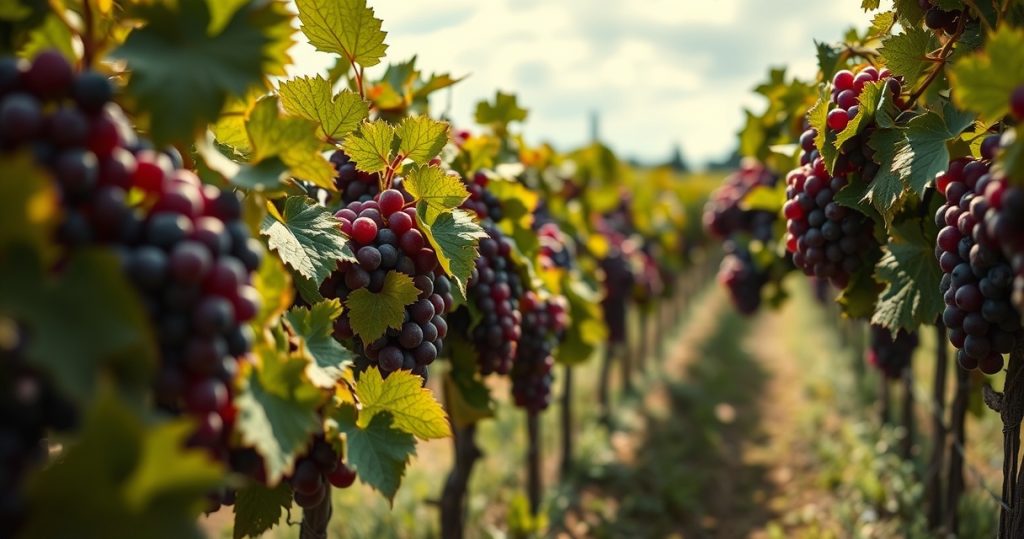
Louisiana vineyards benefit from the state’s long, hot summers and high humidity, creating ideal conditions for certain grape varieties. The state’s proximity to the Gulf of Mexico means that vineyards benefit from consistent rainfall and warm temperatures, which help grapes ripen fully and develop high sugar levels. However, this same climate also presents challenges, such as fungal diseases and pests, which is why muscadine grapes are so well-suited to the region. Their thick skins and natural resistance to disease make them a reliable choice for winemakers, allowing them to focus on crafting wines that highlight the grape’s natural sweetness without excessive intervention.
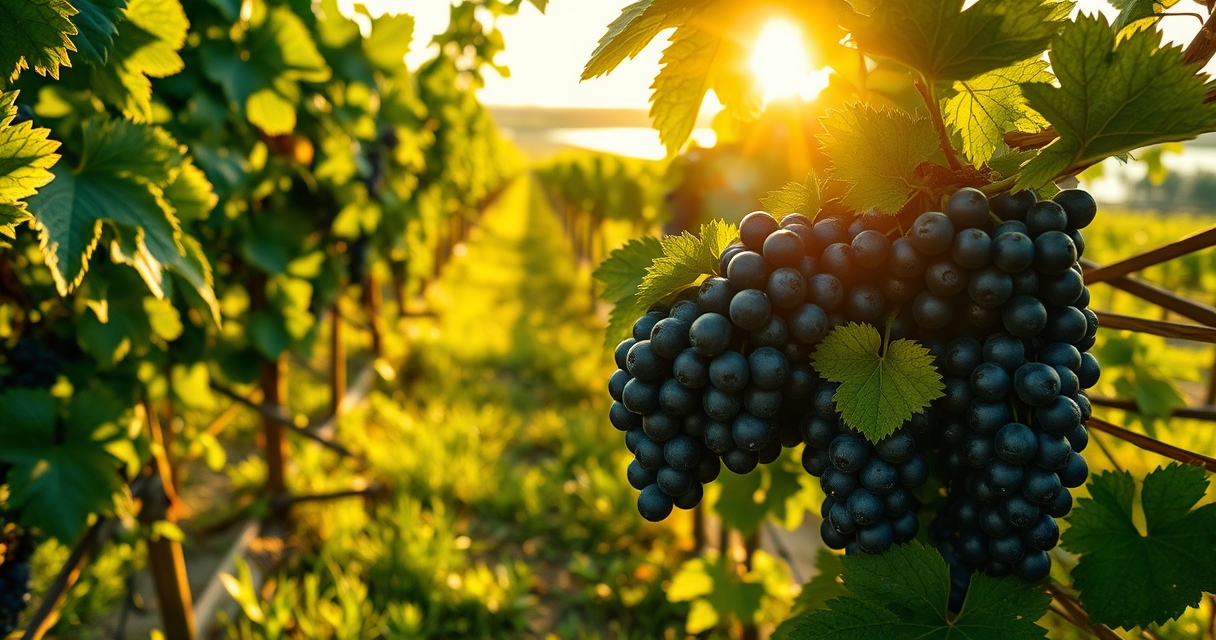
The humidity in Louisiana also plays a role in the fermentation process, as winemakers must carefully monitor sugar levels to achieve the desired sweetness. Too much heat can cause fermentation to stall, leaving residual sugar that results in a sweeter wine. Conversely, cooler nights during harvest season can help preserve acidity, which balances the sweetness and adds complexity to the final product. This delicate balance is what makes Louisiana’s sweet wines so distinctive, as winemakers must adapt their techniques to the region’s unique climate. The result is a range of wines that are not only sweet but also nuanced, with layers of flavor that reflect the terroir of the Deep South.
Pairing Louisiana Sweet Wines with Local Cuisine
sweet wines from Louisiana are a natural match for the state’s bold, flavorful cuisine, which often features a mix of spicy, smoky, and savory elements. A glass of muscadine wine, for example, pairs beautifully with Cajun dishes like gumbo or jambalaya, as its sweetness helps to temper the heat of the spices. The wine’s fruity notes also complement the rich, smoky flavors of barbecued meats, making it a great choice for a backyard cookout. For those who prefer fruit wines, a peach or blackberry wine can be a delightful accompaniment to fried chicken or shrimp étouffée, as the wine’s acidity cuts through the dish’s richness while its sweetness enhances the flavors.
Dessert pairings are another area where Louisiana’s sweet wines shine. A mayhaw wine, with its tart-sweet profile, is perfect with pecan pie or bread pudding, as it mirrors the caramelized flavors of the desserts. Muscadine wines, especially the red varieties, can stand up to chocolate-based desserts, offering a contrast that highlights the wine’s jammy notes. Even savory dishes like boudin or crawfish boil can benefit from a glass of sweet wine, as the wine’s sugar content helps to balance the saltiness and spice. For visitors to Louisiana wineries, tasting these pairings is a great way to experience how the state’s wines and cuisine come together to create a truly Southern dining experience.
The Rise of Small-Batch Sweet Wines in Louisiana
In recent years, Louisiana’s wine industry has seen a surge in small-batch production, with boutique wineries focusing on quality over quantity. This shift has allowed winemakers to experiment with sweet wines in ways that were previously impossible, using limited-edition releases to showcase unique grape varieties and innovative techniques. At Feliciana Cellars, for example, small-batch muscadine wines are aged in oak barrels to add depth and complexity, resulting in wines that are both sweet and sophisticated. These limited releases often sell out quickly, as wine enthusiasts seek out bottles that offer something different from mass-produced options.
Small-batch production also allows winemakers to work with lesser-known grape varieties, such as the Lenoir grape, which is used to produce sweet red wines with a spicy, peppery finish. These wines are a far cry from the overly sweet, one-dimensional offerings that some associate with Southern wines, instead offering layers of flavor that appeal to serious wine drinkers. The rise of small-batch sweet wines has also given Louisiana wineries a competitive edge, as they can cater to niche markets and attract visitors looking for unique, locally made products. For those who appreciate wine with a story, these small-batch releases are a must-try, as they reflect the passion and creativity of Louisiana’s winemakers.
Visiting Louisiana Wineries for a Sweet Wine Experience
A trip to Louisiana’s wineries is the best way to fully appreciate the state’s sweet wine culture, as many offer tastings, tours, and even hands-on experiences. Feliciana Cellars, for example, provides visitors with the opportunity to sample a range of sweet wines, from muscadine and fruit wines to small-batch releases. The winery’s knowledgeable staff can guide you through the tasting, explaining the differences between each wine and offering pairing suggestions. Many wineries also feature on-site restaurants or food trucks, where you can enjoy local dishes that complement the wines. This makes for a well-rounded experience, as you can taste the wines in the context of Louisiana’s broader culinary traditions.
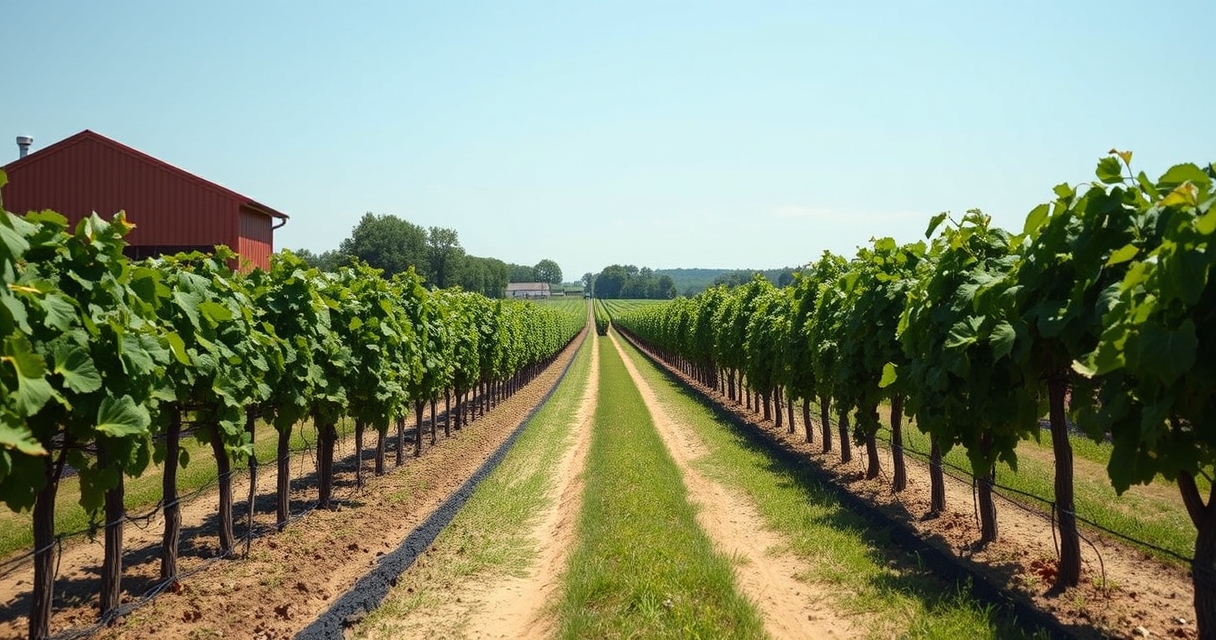
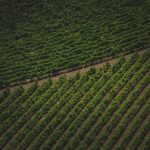
Beyond tastings, some wineries offer vineyard tours, where you can see firsthand how muscadine grapes are grown and harvested. These tours often include a walk through the vineyards, followed by a visit to the production facility, where you can learn about the fermentation and aging process. For those who want to take their experience to the next level, some wineries offer blending workshops, where you can create your own custom sweet wine under the guidance of a winemaker. These experiences are not only fun but also educational, giving you a deeper appreciation for the craft behind Louisiana’s sweet wines. Whether you’re a seasoned wine lover or a first-time visitor, a trip to a Louisiana winery is a great way to explore the state’s unique viticultural offerings.
Why Louisiana’s Sweet Wines Deserve a Place in Your Cellar
Louisiana’s sweet wines are more than just a regional curiosity; they’re a reflection of the state’s history, climate, and agricultural traditions. Unlike the mass-produced sweet wines found in many liquor stores, Louisiana’s offerings are crafted with care, using locally grown grapes and fruit to create wines that are both distinctive and delicious. A bottle of muscadine wine, for example, is a great way to experience the flavors of the South, with its jammy notes and natural sweetness. Similarly, fruit wines like blackberry or peach offer a taste of Louisiana’s orchards, making them a unique addition to any wine collection.
These wines are also incredibly versatile, pairing well with a wide range of foods and occasions. A sweet muscadine wine can be enjoyed on its own as an aperitif, or paired with spicy dishes to create a balanced dining experience. Fruit wines, with their bright acidity and fruity flavors, are perfect for summer sipping or as a dessert wine. For those who appreciate wine with a story, Louisiana’s sweet wines offer a connection to the state’s rich cultural heritage, from its agricultural roots to its modern-day winemaking innovations. Whether you’re looking to expand your palate or simply enjoy a glass of something sweet, Louisiana’s wines are a worthy addition to any cellar.

Winemaker with 12 years in the cellar. I write about fermentation, terroir, and the honest mistakes that taught me more than any textbook. I’ve ruined more barrels than most people have tasted. That’s not a disclaimer — that’s a résumé. Twelve years making wine in France, now making sense of it in words.