
Introduction to Muscadine Wine
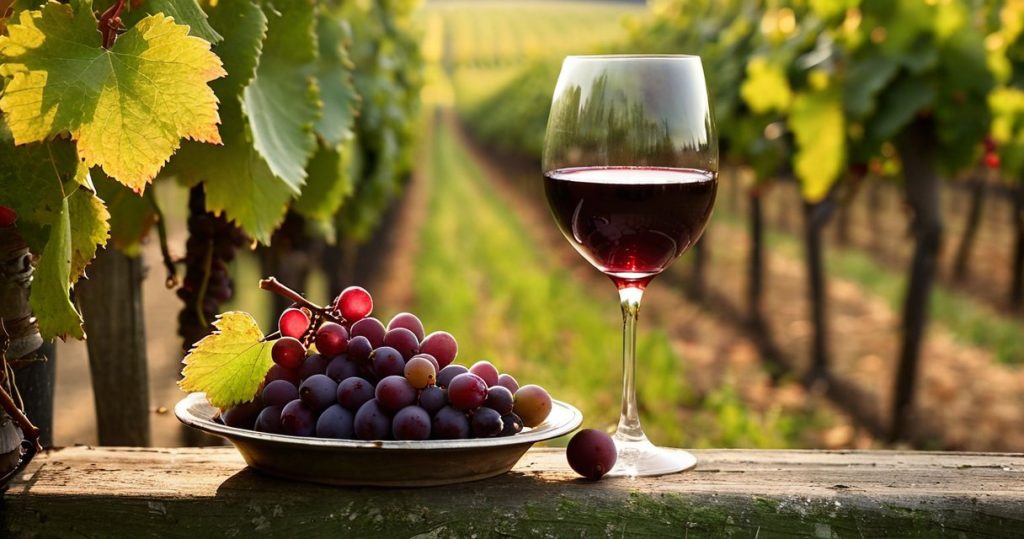
Muscadine wine holds a special place in the world of wine due to its distinctive origins and unique characteristics. This introduction aims to provide a foundational understanding of Muscadine wine, weaving together essential wine basics with the diverse wine styles this variety offers. Native to the southeastern United States, Muscadine grapes have been cultivated for centuries, thriving in warm and humid climates where traditional European grape varieties often struggle to survive. These grapes are well-known for their thick skins, robust flavor profiles, and natural resistance to pests and diseases.
The origins of Muscadine wine are deeply intertwined with American history and heritage. Long before the rise of modern viticulture in North America, indigenous peoples and early settlers recognized the potential of Muscadine grapes for making wine. The thick-skinned berries produce wines that are markedly different from the more widespread Vitis vinifera varieties commonly found in global wine markets. Muscadine wine is often celebrated for its bold aroma, pronounced fruitiness, and sometimes sweet or semi-sweet palate, making it a unique experience for both casual wine drinkers and connoisseurs alike.
Understanding Muscadine wine requires an appreciation of its diverse wine styles. From dry to sweet, and even fortified versions, Muscadine wines offer a spectrum that showcases the versatility of this remarkable grape. The varied styles stem from different fermentation techniques, aging methods, and blending practices unique to the regions where Muscadine grapes are grown. These styles not only highlight the wine’s adaptability but also its cultural significance in Southern winemaking traditions.
In conclusion, this introduction to Muscadine wine provides readers with a glimpse into an often underappreciated segment of the wine world. By combining wine basics with a focus on Muscadine’s origins and distinctive wine styles, one can better understand why Muscadine wine continues to garner interest and admiration. Whether you are new to wine or looking to expand your palate, exploring Muscadine offers an opportunity to experience something truly unique and deeply rooted in American terroir.
Popular Muscadine Wine Styles
Muscadine wine offers a unique and flavorful experience, celebrated for its versatility and distinct character. Among the many muscadine wine variations available, the most popular styles are sweet muscadine, semi-sweet, and dry muscadine. Each style brings its own nuances in taste, aroma, and mouthfeel, catering to a variety of wine preferences.
Sweet muscadine wines are perhaps the most recognized and traditional form of muscadine wine. These wines are known for their rich, fruity sweetness, often reminiscent of ripe grapes, berries, and melons. The natural high sugar content of the muscadine grape lends itself perfectly to producing these luscious, dessert-like wines. Sweet muscadine wines can be enjoyed on their own or paired beautifully with spicy dishes, cheeses, or fruit-based desserts. Their smooth, velvety texture and aromatic bouquet make them popular among those new to muscadine wine variations.
Semi-sweet muscadine wines strike a balance between the rich sweetness of traditional sweet styles and the complexity of drier wines. This style appeals to drinkers who appreciate a hint of sugar but prefer less pronounced sweetness. Semi-sweet muscadine wines maintain much of the fruit-forward character while offering a refreshing crispness that complements a wide range of cuisines. They are versatile on the table and excellent as casual sipping wines, capturing many of the best traits found in muscadine wine variations.
On the other end of the spectrum lies dry muscadine wine, which showcases the grape’s unique qualities with minimal residual sugar. Dry muscadine wines tend to emphasize earthy, herbal, and sometimes smoky notes that appeal to connoisseurs who enjoy complex, well-structured wines. This style brings forth a different dimension of muscadine wine, highlighting its adaptability within various wine styles. Dry muscadine wines pair particularly well with hearty meats, grilled vegetables, and aged cheeses, making them a sophisticated choice for diverse dining experiences.
Across sweet, semi-sweet, and dry muscadine wine styles, the diversity of muscadine wine variations provides something for every palate. Whether you are drawn to the intense sweetness, a balanced hint of sugar, or a completely dry expression, muscadine wines offer a delightful exploration of flavors and textures unique to this native American grape. Exploring these popular wine styles is a great way to appreciate the cultural and regional significance of the muscadine grape in modern winemaking.
Sweet Muscadine Wine
Sweet Muscadine wine is celebrated for its lush, fruity flavor profile that captures the essence of the Muscadine grape. Known for being an easy drinking option, this style of wine offers a natural sweetness balanced with bright acidity, making it extremely approachable for both new wine enthusiasts and seasoned drinkers. The inherent sugar levels in the Muscadine grape translate into a dessert wine character, often exhibiting notes of ripe peaches, honey, and tropical fruits, accompanied by subtle floral undertones.
Its smooth texture and aromatic bouquet make sweet Muscadine wine a fantastic companion to a variety of dishes. It pairs exceptionally well with rich desserts such as crème brûlée, peach cobbler, or vanilla ice cream, enhancing the overall tasting experience without overwhelming the palate. Beyond desserts, this wine complements spicy cuisine, including Cajun and barbecue dishes, where its sweetness can offset heat and add depth of flavor.
For those looking to explore a truly distinctive wine style, sweet Muscadine wine offers a delightful balance of sweetness and complexity. Its approachable nature makes it perfect for casual sipping or special occasions, inviting wine lovers to enjoy a unique taste of the American South in every glass.
Dry Muscadine Wine
Dry Muscadine wine offers a unique twist on the traditional Muscadine experience by emphasizing less sweetness and showcasing its natural wine acidity. Unlike its sweeter counterparts, dry Muscadine wine presents a crisp, refreshing profile with subtle fruity notes that highlight the grape’s inherent complexity. This style appeals to wine enthusiasts who prefer a more restrained sweetness, allowing the vibrant acidity to take center stage and balance the overall flavor profile.
The wine’s bright acidity enhances its food pairing versatility, making it an excellent companion for a wide range of dishes. Dry Muscadine wine pairs particularly well with grilled seafood, such as shrimp or scallops, where its crispness complements the smoky flavors. It also works beautifully with light poultry dishes, fresh salads, and creamy cheeses, providing a pleasant contrast that elevates the dining experience.
When considering food pairing, look for dishes that benefit from the wine’s acidity and less sweetness to balance rich or savory flavors. Dry Muscadine wine’s lively character can also stand up to spicy cuisines, including Southeast Asian or Mexican dishes, where its acidity helps to cool the palate. Overall, this style offers a sophisticated option for those seeking a less sweet but equally flavorful Muscadine wine experience.
How to Choose the Right Muscadine Wine Style
When you decide to choose muscadine wine, it helps to consider the occasion, your personal wine preferences, and how you plan to pair muscadine with food. Muscadine wines come in a variety of styles—from sweet and fruity to dry and robust—making them versatile options for different settings and palates. Understanding these nuances will guide you in making the best selection and enhance your overall wine experience.
First, think about the event or meal you’re attending. For casual gatherings or summer picnics, sweeter muscadine wines like a late-harvest or a muscadine dessert wine can be refreshing and crowd-pleasing due to their easy-drinking nature. Conversely, if you’re planning a more formal dinner, a dry muscadine wine might better complement the meal’s flavors and elevate the dining experience.
Your personal wine preferences also play a critical role in the decision-making process. If you typically enjoy traditional table wines with rich complexity, try exploring dry or semi-dry muscadine varieties, which offer more depth and layered aromas. Those who lean towards sweeter wines will appreciate muscadine’s natural fruity notes, often reminiscent of grape jelly or berries—perfect for sipping on their own or mixing into cocktails.
Wine selection tips for muscadine also highlight the importance of pairing muscadine with complementary dishes. Sweet muscadine wines pair wonderfully with spicy foods, barbecue, or strong cheeses, balancing heat and richness. Dry muscadine styles are excellent alongside seafood, poultry, and lighter fare where the wine’s acidity can cut through and highlight those flavors. Matching your muscadine wine style with the meal will enhance both the food and the wine, creating a harmonious experience.
Finally, don’t hesitate to experiment and trust your palate. Exploring different muscadine wine styles—whether they are sparkling, fortified, or traditional table wines—can uncover new favorites and deepen your appreciation for this unique grape. By considering your occasion, wine preferences, and pairing muscadine thoughtfully, you’ll confidently select the perfect bottle to enjoy time and time again.
Serving and Storing Muscadine Wine
When you serve Muscadine wine, maintaining the right wine temperature is essential to enhance its unique sweetness and bold flavors. Generally, Muscadine wines are best served slightly chilled, around 50 to 60 degrees Fahrenheit. This temperature range allows the natural fruity and floral notes to shine without dulling the wine’s characteristic richness. For sweeter styles, serving them on the cooler end of the spectrum helps balance the sugar, while drier Muscadine wines can be enjoyed closer to cellar temperature, bringing out their complexity.
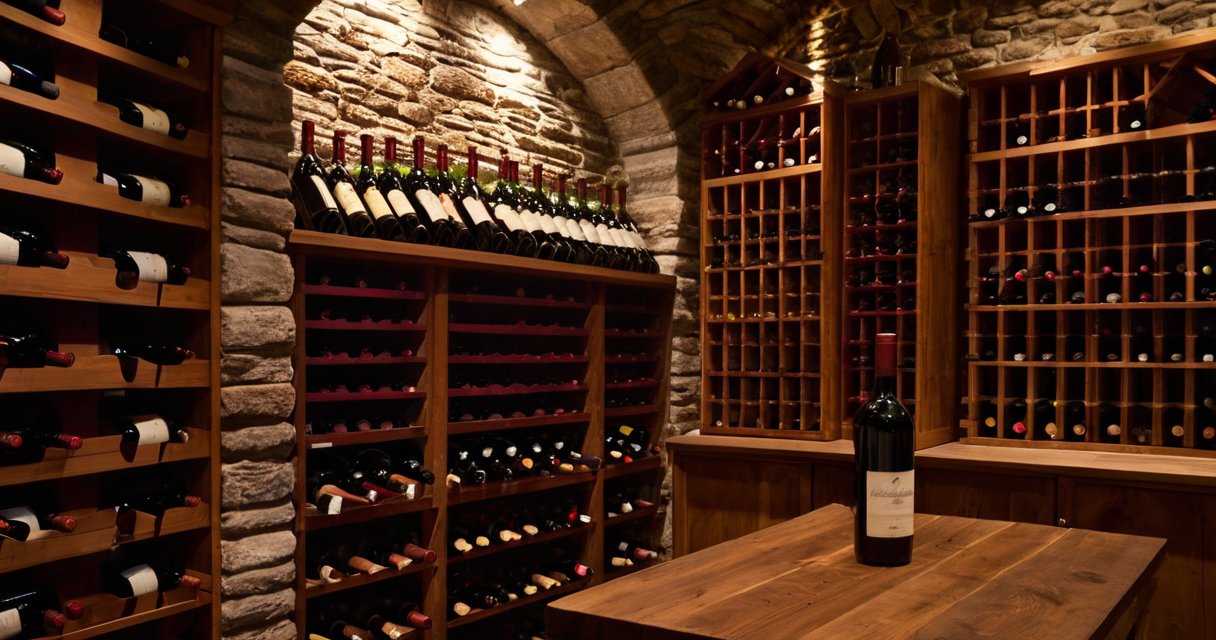
Properly storing your Muscadine wine is equally important for wine preservation and to ensure optimal aging potential. Like other wines, Muscadine should be stored in a cool, dark, and humid environment, ideally at a stable temperature between 55 and 58 degrees Fahrenheit. Avoiding fluctuations in temperature helps prevent premature aging and preserves the wine’s delicate aromas and flavors. Additionally, storing bottles on their side keeps the cork moist, reducing the risk of oxidation.
If you plan to store your wine for a shorter time, such as a few months, keeping bottles in a wine refrigerator can be advantageous as it maintains a dedicated wine temperature and humidity level. For longer-term wine storage, a traditional wine cellar or a climate-controlled wine cabinet provides the best conditions for Muscadine wine preservation.
Once opened, it’s crucial to properly store Muscadine wine to maintain its freshness. Resealing the bottle with a wine stopper and refrigerating it slows oxidation and keeps the flavors vibrant for several days. Unlike many table wines, Muscadine’s higher sugar content can sometimes make it more resilient but it’s best to consume it within 3 to 5 days for optimal taste.
By paying attention to how you serve Muscadine wine and following proper storage techniques, you can fully enjoy its distinctiveness and ensure that each glass offers the best possible experience. Whether you’re uncorking a bottle for a casual evening or cellaring bottles for special occasions, mindful handling will reward you with the true character of this Southern treasure.

Winemaker with 12 years in the cellar. I write about fermentation, terroir, and the honest mistakes that taught me more than any textbook. I’ve ruined more barrels than most people have tasted. That’s not a disclaimer — that’s a résumé. Twelve years making wine in France, now making sense of it in words.