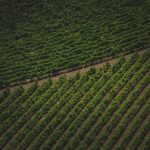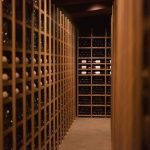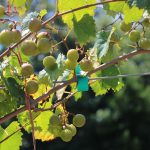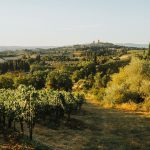
Organic wine Louisiana has moved from a niche curiosity to a vibrant segment of the state’s wine scene, and the shift reflects both consumer demand and a growing respect for the unique terroir of the Gulf Coast. Local growers are planting vines without synthetic fertilizers or pesticides, trusting native soil microbes and climate patterns to nurture healthy grapes. This approach aligns with broader national trends that see organic wine sales climbing by double‑digit percentages each year, yet Louisiana’s humid subtropical conditions add a layer of complexity that few other regions face. For wine lovers who appreciate authenticity, the story behind each bottle becomes as compelling as the flavors that unfold on the palate.
The Rise of Organic Viticulture in Louisiana
Over the past decade, more than a dozen wineries across the state have announced organic programs, and the momentum shows no sign of slowing. Early adopters such as Feliciana Cellars began experimenting with disease‑resistant rootstocks and cover crops, discovering that natural pest control can reduce chemical inputs while still delivering consistent yields. By 2022, the Louisiana Department of Agriculture reported that organic grape acreage had increased by roughly 35 percent compared with 2015, indicating that vintners are confident in the economic viability of the method. The rise is also fueled by a consumer base that frequently checks labels for the USDA organic seal, treating the designation as a guarantee of environmental stewardship and minimal additives.
Industry groups have responded by organizing workshops that teach growers how to balance soil health with the demands of premium wine production. These sessions often feature agronomists who explain how compost teas, biochar, and mycorrhizal fungi can replace conventional fertilizers without sacrificing fruit quality. As a result, many new vineyards report higher biodiversity in their blocks, with beneficial insects like lady beetles and predatory mites naturally curbing grapevine pests. The collective experience suggests that organic viticulture is not merely a marketing gimmick but a practical pathway toward resilient, high‑quality wine.
Climate and Soil: How the Gulf Coast Shapes Organic Grapes
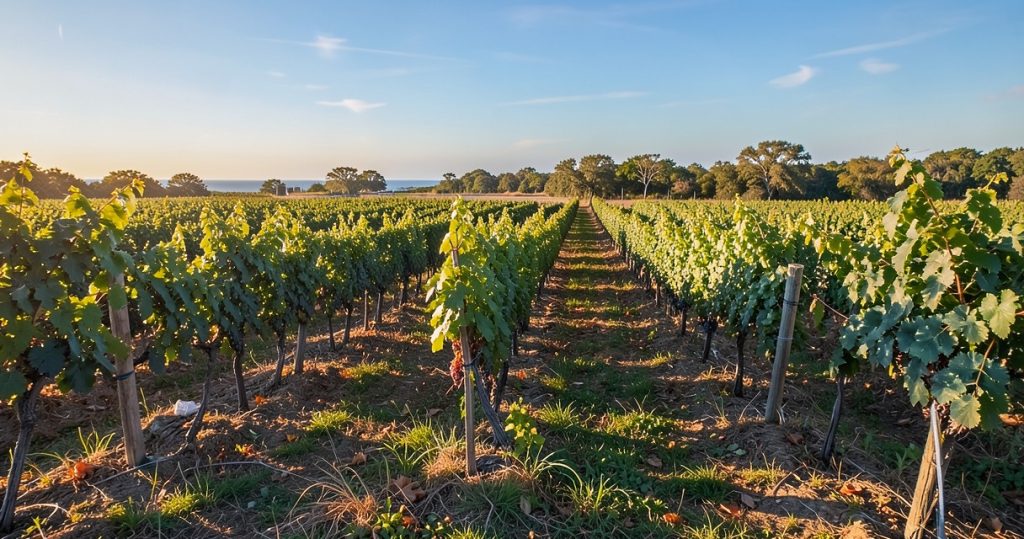
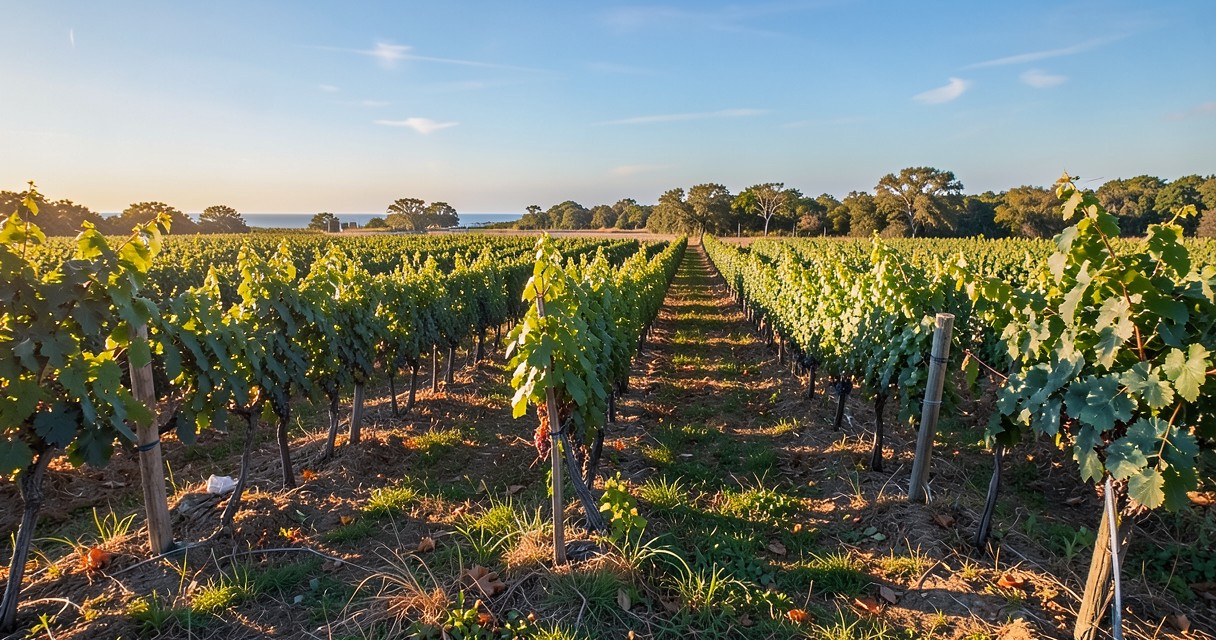
The Louisiana climate presents a blend of heat, humidity, and occasional flooding that challenges traditional European grape varieties but offers opportunities for innovative organic growers. Average summer temperatures hover around 90 °F, while nighttime lows rarely dip below 70 °F, creating a long growing season that can enhance sugar accumulation in the berries. However, the same warmth encourages fungal diseases such as powdery mildew, making the choice of disease‑resistant cultivars essential for organic vineyards. Soil profiles along the Mississippi River range from alluvial loams to silty clays, providing excellent drainage when managed with organic mulches and cover crops.
To mitigate the risk of excess moisture, many Louisiana organic vineyards employ raised beds and contour planting, allowing rainwater to flow away from vine roots and reducing the need for chemical fungicides. The use of composted rice hulls as a mulch not only conserves soil moisture during hot spells but also creates a physical barrier against spore germination. These practices demonstrate how the region’s distinctive environmental factors can be harnessed to produce grapes that reflect the true character of the bayou while adhering to strict organic standards.
Certification Standards and What Makes a Wine “Organic” in Louisiana
In the United States, a wine can bear the USDA organic seal only after the grapes and the winemaking process meet rigorous criteria set by the National Organic Program. For Louisiana producers, this means that every step, from vine to bottle, must avoid synthetic pesticides, herbicides, and fertilizers, and any additives used during fermentation must be on the approved organic list. Certification agencies conduct annual inspections and require detailed record‑keeping, so wineries must track everything from soil amendments to the source of yeast cultures.
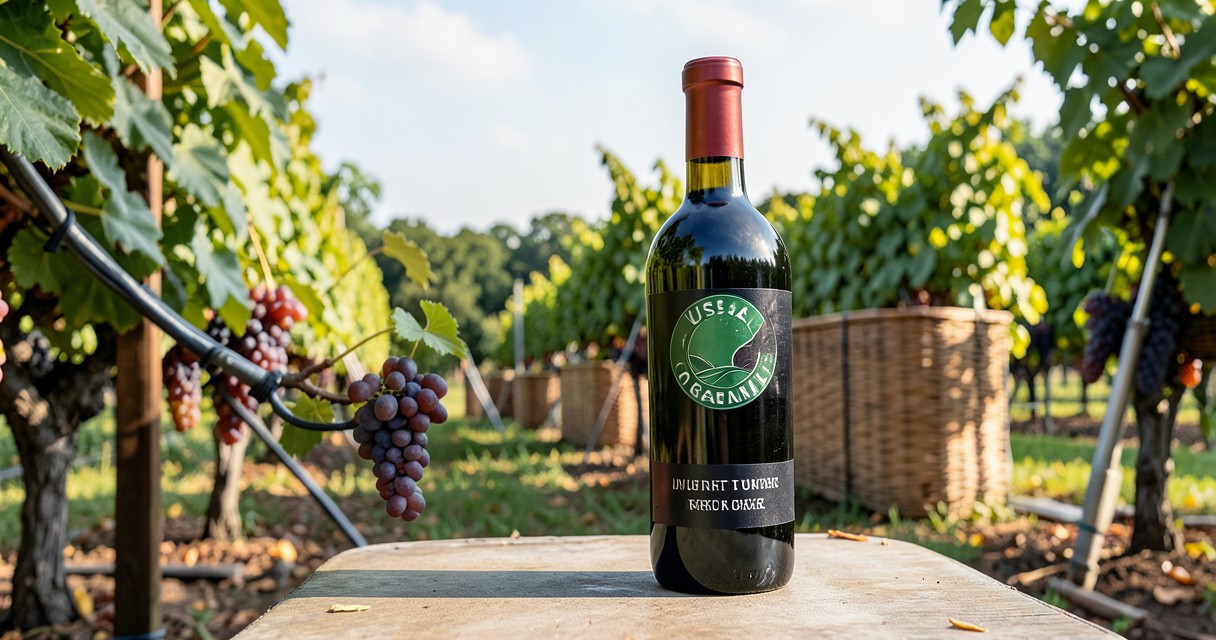
Beyond the federal standards, many Louisiana wineries voluntarily adopt additional sustainability measures that exceed the baseline requirements. These can include using renewable energy for cellar operations, implementing water‑recycling systems, and sourcing corks from responsibly managed forests. Such practices resonate with environmentally conscious consumers, who often search for terms like “organic wine Louisiana” and “sustainable winery” when planning their next purchase. The layered certification landscape ensures that a bottle labeled organic truly reflects a commitment to ecological balance and minimal intervention.
Signature Organic Varietals Grown in the Bayou State
While classic French‑American hybrids dominate much of the South, Louisiana’s organic vineyards have identified a handful of varietals that thrive under the region’s conditions. Blanc du Bois, a disease‑resistant white grape, consistently produces crisp, citrus‑forward wines with subtle tropical notes, making it a favorite for organic winemakers seeking a versatile base. On the red side, Muscadine grapes, native to the southeastern United States, yield wines that are naturally high in antioxidants and often feature flavors of ripe peach, honey, and a hint of spice.
Emerging experiments with hybrid varieties such as Seyval Blanc and Vidal Blanc have also shown promise, especially when grown on organic soils enriched with compost and cover crops. These grapes tend to develop a balanced acidity that counters the natural sweetness imparted by the warm climate, resulting in wines that can stand up to both seafood and barbecue pairings. The diversity of organic varietals available in Louisiana illustrates how winemakers are adapting traditional practices to create distinct, terroir‑driven expressions.
Tasting Profiles: What to Expect from Louisiana Organic Wines
When you uncork an organic wine from Louisiana, the first impression is often a bright, fruit‑laden aroma that reflects the region’s abundant sunshine. Blanc du Bois whites typically showcase notes of grapefruit, green apple, and a whisper of honeysuckle, while maintaining a refreshing acidity that prevents the palate from feeling overly sweet. Muscadine reds, on the other hand, deliver a lush mouthfeel with flavors of blackberry, plum, and a faint mineral edge that hints at the alluvial soils of the Mississippi delta.
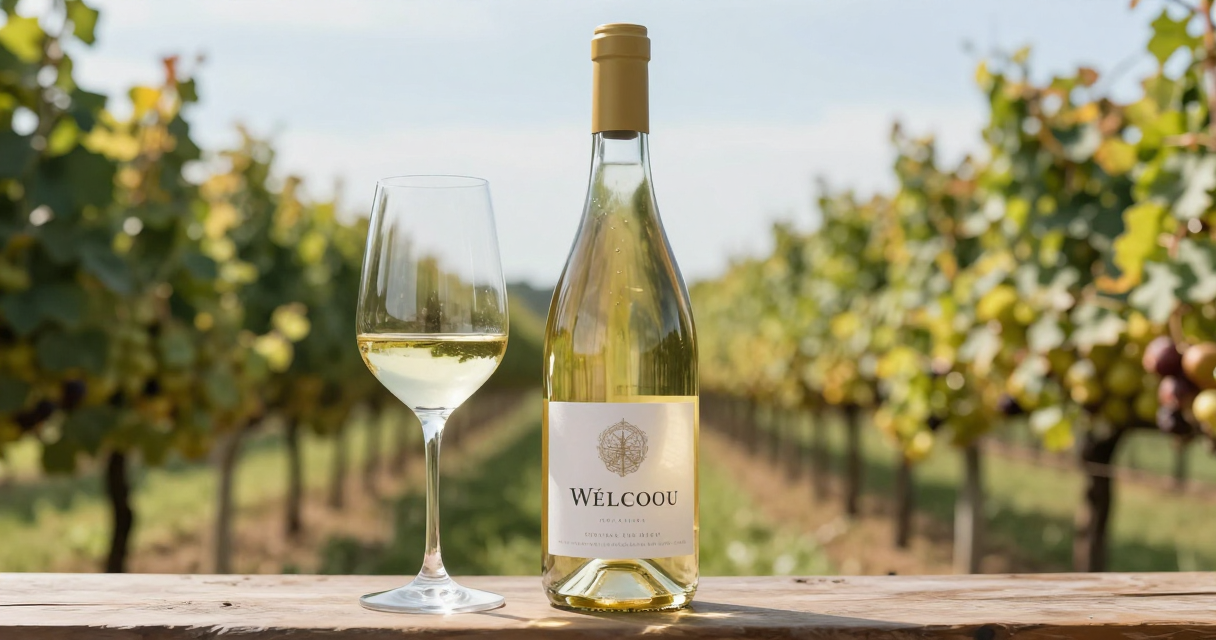
Organic winemaking techniques, such as the use of native yeasts and minimal sulfite additions, can lend a sense of terroir that is both vivid and nuanced. Drinkers often report a cleaner finish compared with conventionally produced counterparts, as the absence of synthetic preservatives allows the grape’s natural character to shine through. These sensory qualities make Louisiana organic wines well suited for casual gatherings as well as more formal tasting events, where the story of sustainable cultivation adds an extra layer of appreciation.
Where to Find and Pair Louisiana Organic Wines
Local retailers and specialty wine shops across the state have begun dedicating shelf space to organic selections, and many offer tasting flights that let customers explore the range of flavors available. Feliciana Cellars, for instance, operates a tasting room in Lake Charles where visitors can sample their organically farmed Blanc du Bois alongside a curated menu of Gulf seafood dishes. Restaurants that emphasize farm‑to‑table concepts often feature Louisiana organic wines on their wine lists, pairing them with dishes such as blackened catfish, crawfish étouffée, and smoked pork ribs.
For home enthusiasts, online ordering platforms now provide direct shipment of certified organic bottles, ensuring that the integrity of the product remains intact from vineyard to doorstep. Pairing suggestions typically recommend a crisp white with oysters or a Muscadine rosé alongside grilled shrimp, while richer reds complement slow‑cooked jambalaya or smoked duck. By integrating organic wine into everyday meals, Louisianans can enjoy a beverage that not only tastes good but also supports farming practices that protect the state’s delicate ecosystems.

Winemaker with 12 years in the cellar. I write about fermentation, terroir, and the honest mistakes that taught me more than any textbook. I’ve ruined more barrels than most people have tasted. That’s not a disclaimer — that’s a résumé. Twelve years making wine in France, now making sense of it in words.