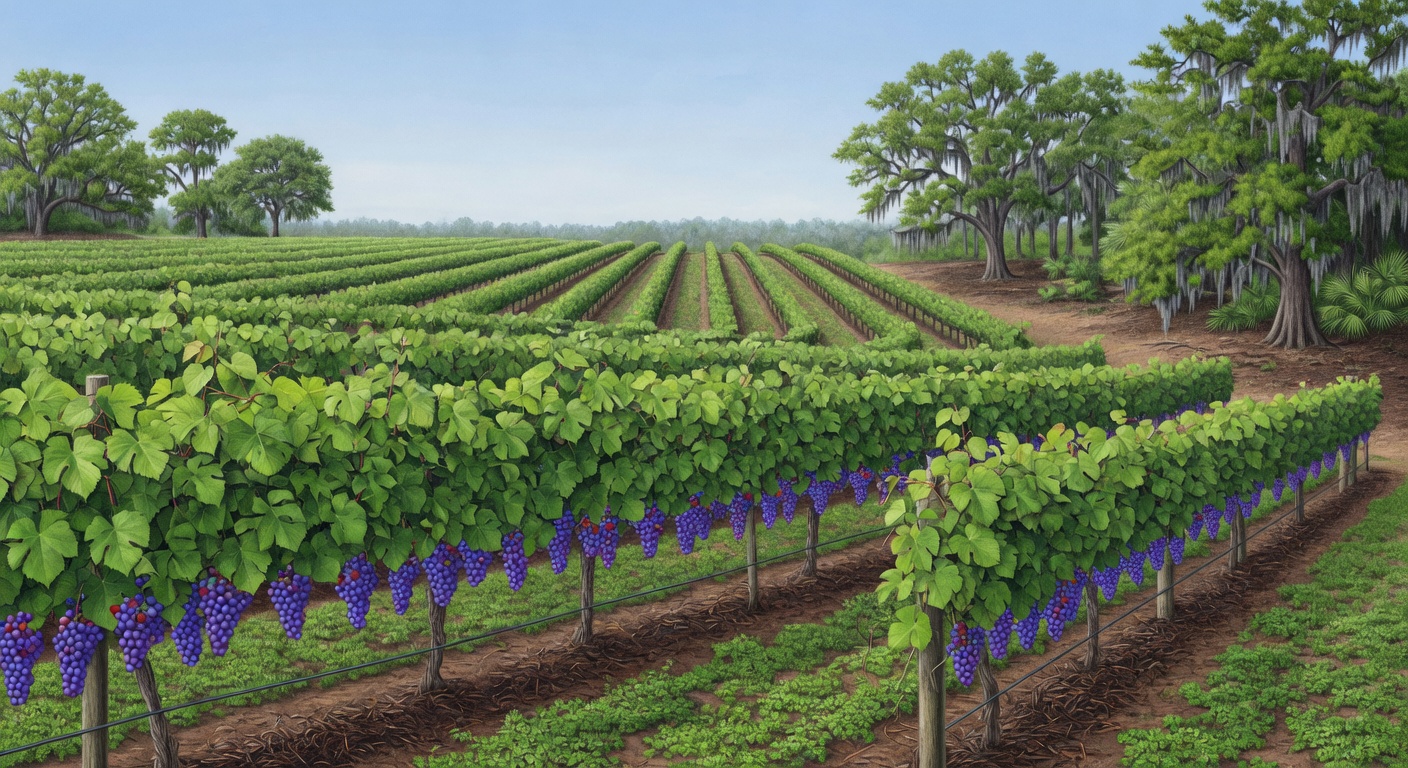
Overview of Louisiana Vineyard Sustainability
Sustainability in Louisiana vineyards is gaining increasing importance as growers face unique climate challenges that impact traditional vineyard practices. Unlike more temperate wine regions, Louisiana’s hot, humid, and rainy climate creates a demanding environment that requires innovative approaches to sustainability. Vineyard managers in this region must carefully balance the need for productivity with the responsibility to protect their land and resources for future generations.
The concept of sustainability in Louisiana vineyards goes beyond merely maintaining the grapevines. It encompasses an eco-friendly motivation to reduce environmental impact through responsible water management, soil conservation, and integrated pest management. The region’s vineyards often deal with soil erosion and disease pressures, making sustainable practices essential for long-term viability. By adopting cover crops, organic mulches, and minimal chemical interventions, Louisiana vineyards aim to enhance biodiversity and soil health while minimizing harm to the surrounding ecosystem.
Louisiana vineyards are also focusing on water conservation techniques tailored to their climate’s high rainfall patterns. Efficient irrigation systems, rainwater capture, and drainage management help reduce water waste and prevent runoff pollution. These efforts are key components of their sustainability overview, reflecting a comprehensive approach that aligns with global environmental goals while addressing local challenges. Growers are motivated not only by environmental responsibility but also by the desire to produce high-quality grapes under sustainable conditions that resonate with eco-conscious consumers.
In conclusion, Louisiana vineyards exemplify how sustainability in viticulture must adapt to region-specific conditions. Their practices serve as a model of how vineyard sustainability can be achieved through a combination of climate-adapted solutions, eco-friendly motivations, and a commitment to preserving the land’s natural resources. This dedication ensures that Louisiana vineyards remain productive and environmentally responsible in the face of ongoing climate and ecological challenges.
Climate and Environmental Considerations
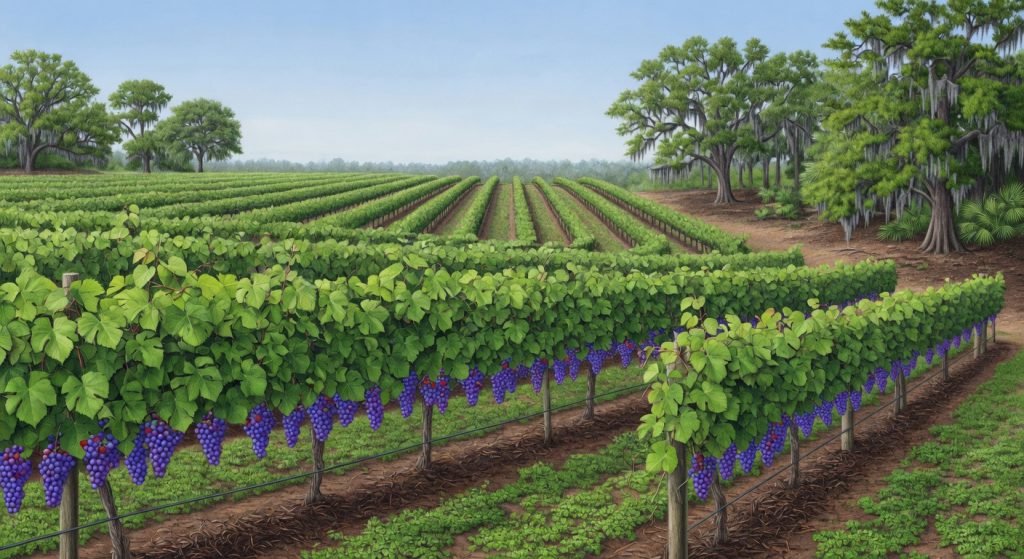
Louisiana’s unique climate plays a crucial role in shaping vineyard sustainability efforts across the region. The combination of warm temperatures, high humidity, and frequent rainfall presents specific challenges that vineyard owners must address to maintain healthy crops. Unlike more temperate wine-producing areas, Louisiana vineyards must contend with a subtropical environment that fosters the rapid growth of vines but also increases the risk of fungal diseases and pests.
The vineyard environment here is characterized by a long growing season and intense summer heat, which requires growers to adopt specialized practices to protect their vines. Disease management is a key aspect, with growers often relying on integrated pest management techniques and careful monitoring to combat mildew and other moisture-related issues. Additionally, proper canopy management helps improve air circulation around the grapes, reducing humidity’s impact and minimizing disease outbreaks.
Weather challenges such as heavy storms and unpredictable rainfall patterns necessitate resilient vineyard designs. Many growers use raised beds and efficient drainage systems to prevent waterlogging and soil erosion. Sustainable practices including cover cropping and organic fertilizers enhance soil health, helping vineyards withstand Louisiana’s dynamic weather while supporting environmental goals.
Through these adaptive strategies, Louisiana vineyard owners are able to sustain productive and environmentally responsible operations despite the demanding climate. Their innovative responses to the region’s weather challenges highlight an ongoing commitment to sustainable viticulture in the face of unique environmental conditions.
Historical Development of Sustainable Practices
The history of sustainable viticulture in Louisiana is a story of adaptation and evolution. Early Louisiana vineyards faced numerous environmental challenges, including humidity, pests, and soil conditions. Initially, farmers relied on conventional methods that often overlooked ecological balance, leading to soil depletion and chemical overuse. However, as awareness of eco-friendly farming grew globally, Louisiana vineyards began to embrace more sustainable approaches.
In the mid-20th century, pioneering vineyard managers in Louisiana started experimenting with integrated pest management and organic fertilizers, marking the beginning of the shift toward sustainable viticulture history in the region. These practices emphasized minimizing chemical inputs and enhancing natural soil fertility, which was a significant step forward for Louisiana vineyards evolution.
By the late 20th and early 21st centuries, sustainable vineyard practices became more widespread in Louisiana. Advances in understanding local ecosystems allowed vintners to implement better water management, erosion control, and biodiversity conservation. The state’s vineyards began to prioritize eco-friendly farming techniques, including cover cropping, composting, and use of beneficial insects to reduce pesticide dependency. These efforts reflect a broader commitment to sustainability that balances production goals with environmental stewardship, ensuring the health and vitality of Louisiana’s vineyards for future generations.
Sustainable Agriculture Techniques Used in Louisiana Vineyards
Louisiana vineyards are embracing a variety of sustainable agriculture techniques that focus on protecting soil health, conserving water resources, and promoting biodiversity. These practices not only contribute to the long-term viability of the vineyards but also enhance the quality of the grapes produced. Among the most notable approaches are organic farming methods, integrated pest management, and soil conservation strategies.
Organic farming is a cornerstone of sustainability in many Louisiana vineyards. By avoiding synthetic fertilizers and pesticides, vineyard managers encourage natural processes to nourish the soil and control pests. Organic compost and cover crops are commonly used to enrich soil fertility and structure. These cover crops also help prevent erosion by protecting the soil surface during heavy rains, which is especially important in Louisiana’s humid climate prone to intense storms.
Integrated pest management (IPM) is another critical component. IPM balances the need to control vineyard pests while minimizing chemical inputs. Vineyard operators monitor pest populations closely and use biological controls such as beneficial insects, pheromone traps, and disease-resistant grape varieties. This approach reduces the reliance on chemical pesticides and helps maintain a balanced ecosystem within the vineyard, preserving beneficial insects and other wildlife.
Water conservation is equally vital in Louisiana’s sustainable viticulture. Many vineyards adopt drip irrigation systems that deliver precise amounts of water directly to the vine roots, substantially reducing water waste. Additionally, rainwater harvesting and soil moisture retention practices are used to ensure efficient water use. These methods protect local water sources from contamination and overuse, supporting the sustainability of both the vineyard and its surrounding environments.
Promoting biodiversity is another key priority. Louisiana vineyards often incorporate habitats such as wildflower strips and wooded buffers around grape-growing areas. These habitats attract pollinators and predators of vineyard pests, creating a healthier, resilient ecosystem. The presence of diverse plant and animal species contributes to natural pest regulation and enhances ecosystem services, making vineyards less vulnerable to environmental stresses.
Overall, Louisiana’s sustainable agriculture efforts in vineyards reflect a commitment to ecological stewardship. By integrating organic farming, integrated pest management, efficient water use, and biodiversity preservation, these vineyards protect essential natural resources while producing high-quality grapes in an environmentally responsible manner.
Soil Health and Conservation Methods
Maintaining healthy vineyard soils is crucial for sustainable wine production, and several effective soil conservation methods are commonly employed. One of the key practices is composting, which enhances soil fertility by adding organic matter and essential nutrients. Composting not only improves soil structure but also promotes beneficial microbial activity, leading to healthier grapevines.
Cover cropping is another vital method used in sustainable vineyards. By planting cover crops such as legumes, grasses, or clover, vineyard managers protect the soil from erosion, retain moisture, and increase biodiversity. Cover crops help fix nitrogen in the soil, reducing the need for synthetic fertilizers and improving overall soil health.
Effective soil management practices, including minimal tillage and careful monitoring of soil pH and nutrient levels, support the long-term vitality of vineyard soils. These practices prevent soil degradation and compaction, ensuring that grapevine roots can access the nutrients and water they need for optimal growth. Combining composting, cover cropping, and attentive soil management creates a resilient vineyard ecosystem that supports sustainable wine production while preserving soil health for future generations.
Water Management Strategies
Efficient water conservation is essential for sustainable vineyard management, especially in regions like Louisiana where water resources must be carefully managed. One of the primary irrigation techniques employed is drip irrigation, which delivers water directly to the roots of grapevines. This method not only reduces water wastage but also minimizes evaporation and runoff, ensuring that vines receive optimal hydration without excess use of water. Drip irrigation systems can be precisely controlled to adjust water flow based on the specific needs of different vineyard areas, promoting healthy vine growth and enhancing grape quality.
Another key water management strategy is rainwater harvesting, which captures and stores rainwater for vineyard use. This approach reduces reliance on external water sources, helping wineries become more self-sufficient and environmentally friendly. Collected rainwater can be filtered and applied during dry periods to maintain adequate soil moisture. This technique supports water conservation efforts by maximizing natural resources and reducing the vineyard’s overall water footprint.
Combining drip irrigation and rainwater harvesting creates a comprehensive water management system that strengthens vineyard sustainability. These strategies help preserve water, reduce costs, and promote ecological balance, all while maintaining the quality and yield of the grape harvest. By implementing these efficient water use techniques, Louisiana vineyards demonstrate a commitment to responsible environmental stewardship and long-term sustainability.
Community and Economic Impact of Sustainable Vineyards in Louisiana
Sustainable vineyard practices in Louisiana have a tangible and positive influence on both local economies and communities. By prioritizing eco-friendly methods, vineyards not only reduce their environmental footprint but also create economic benefits that resonate throughout the surrounding areas. These practices help local farmers maintain soil health and conserve water, which in turn supports the longevity and productivity of their lands, fostering a stable economic base.
The economic benefits of sustainable vineyards extend beyond the farm gates to the broader community. Sustainable vineyards often attract tourism, drawing visitors interested in experiencing eco-conscious wine production and tasting local varieties. This influx boosts local hospitality industries such as restaurants, bed and breakfasts, and retail stores, contributing to overall community prosperity. Additionally, these vineyards create jobs that range from vineyard workers to hospitality staff, providing steady employment opportunities for residents.
Community involvement is another crucial aspect of sustainable vineyard operations in Louisiana. Many vineyards actively engage with local organizations and schools to promote environmental education and awareness. These partnerships strengthen community bonds and encourage a shared commitment to sustainability and conservation efforts. Local events, like harvest festivals and tours, invite residents and tourists alike to participate and support the vineyard’s sustainable mission, enhancing social cohesion.
Moreover, sustainable vineyards contribute to the local vineyard impact by promoting responsible land use and biodiversity. By reducing chemical inputs and embracing organic farming techniques, these vineyards protect surrounding wildlife and support the ecological balance essential to the region’s natural heritage. This approach not only sustains the vineyards themselves but also preserves the beauty and environmental quality valued by the community.
Overall, the intersection of economic benefits, community involvement, and the local vineyard impact demonstrates the vital role sustainable vineyards play in Louisiana. Through responsible practices and community engagement, these vineyards foster economic resilience and enrich the social and environmental fabric of their communities.
Supporting Local Economies through Sustainability
Sustainable vineyards play a vital role in bolstering local economies throughout Louisiana by fostering job creation and promoting sustainable business practices. These vineyards prioritize environmentally friendly methods that not only conserve resources but also create long-term employment opportunities for community residents. From vineyard management and grape harvesting to production and direct sales, sustainable vineyards require a diverse workforce, which helps reduce unemployment and drives economic growth in the region.
Moreover, sustainable vineyards often collaborate closely with local suppliers and service providers, further stimulating the local economy. This interconnectedness supports small businesses and helps circulate money within the community, reinforcing economic resilience. By investing in sustainable practices, vineyards enhance the region’s appeal to eco-conscious tourists, generating additional revenue streams and encouraging the development of related industries such as hospitality and agritourism.
Ultimately, sustainable vineyards embody a model of business that balances ecological responsibility with economic vitality. Their commitment to sustainability ensures that their operations contribute positively to the local economy while nurturing the environment. This synergy between environmental stewardship and economic development highlights how sustainable business practices in Louisiana’s vineyards are essential for creating lasting value for both the community and the environment.
Educational and Community Outreach Programs
Louisiana vineyards actively engage in community education and outreach programs to foster greater awareness about sustainability in viticulture. These initiatives aim to connect local residents with the importance of sustainable farming practices and encourage community involvement in environmental stewardship.
Many vineyards host regular workshops, farm tours, and tasting events that highlight their sustainability programs. These events provide hands-on learning experiences, illustrating how eco-friendly practices such as water conservation, organic pest management, and soil health maintenance contribute to healthier vineyards and a more sustainable future.
Outreach efforts often extend into local schools and community centers, where vineyard professionals and educators present tailored programs to students and community members. These programs emphasize the role of sustainable agriculture in preserving Louisiana’s unique ecosystem and promote responsible consumption and production.
By promoting vineyard outreach, these initiatives help build a more informed and environmentally conscious community. They also strengthen the relationship between vineyards and local residents, encouraging ongoing support and participation in sustainability efforts that benefit both the environment and the local economy.

Winemaker with 12 years in the cellar. I write about fermentation, terroir, and the honest mistakes that taught me more than any textbook. I’ve ruined more barrels than most people have tasted. That’s not a disclaimer — that’s a résumé. Twelve years making wine in France, now making sense of it in words.