Understanding Vineyard Challenges in Warm Climates
Vineyard challenges in warm climates present unique obstacles that require careful management and adaptation by viticulturists. One of the most significant issues is heat stress in vineyards, which can severely affect vine health, grape quality, and overall vineyard productivity. Prolonged exposure to high temperatures can cause vines to shut down photosynthesis, reduce berry size, and accelerate ripening in a way that compromises the balance of sugars, acids, and phenolic compounds in the grapes.
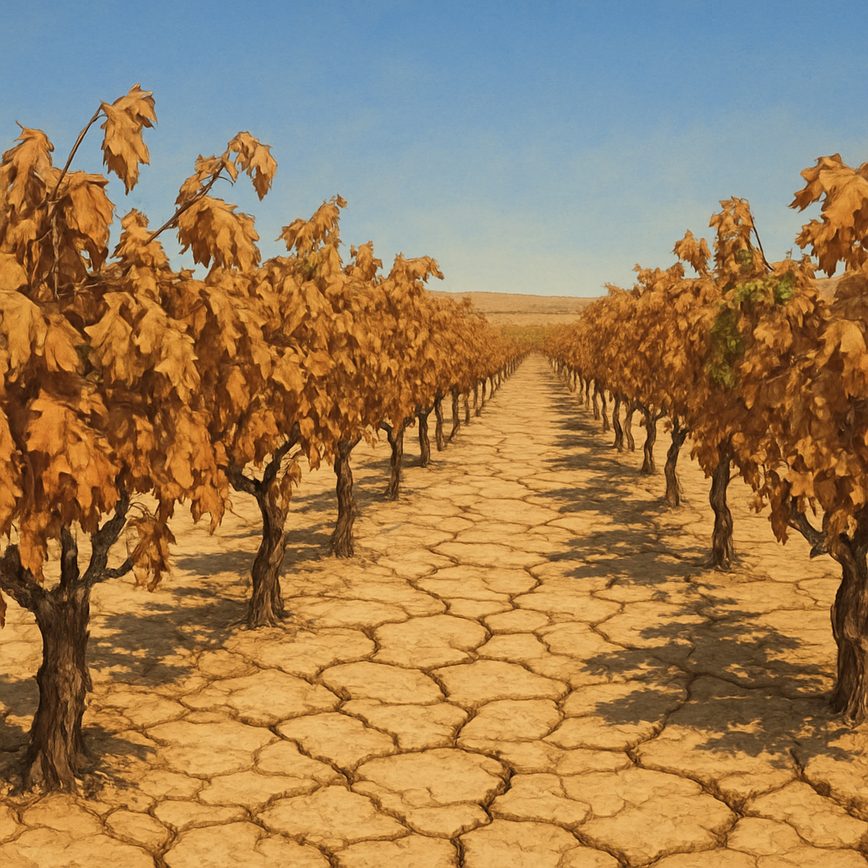
Water scarcity is another critical challenge in warm climate viticulture. Vineyards in these regions often face limited water availability due to low rainfall and high evaporation rates. Efficient irrigation management and water conservation techniques become essential to ensure vines receive adequate moisture without overwatering, which can lead to poor fruit quality or increased susceptibility to diseases. Drought conditions can cause vines to close their stomata to conserve water, limiting photosynthesis and stressing the plants further.
In addition to heat and water challenges, pest pressures are heightened in warm climates. Warm temperatures can lead to increased populations of vineyard pests such as spider mites, leafhoppers, and various fungal pathogens that thrive in the heat. These pests damage leaves and fruit, reducing photosynthetic capacity and compromising grape quality. Integrated pest management strategies, including monitoring, biological controls, and targeted pesticide use, are vital for mitigating these risks without harming the vineyard ecosystem.
Successfully managing these vineyard challenges requires a combination of traditional knowledge and innovative practices. Shade nets or cover crops may be used to reduce heat exposure, while selecting drought-tolerant rootstocks can improve water efficiency. Moreover, timely canopy management helps optimize sunlight exposure and air circulation, reducing pest and disease incidence. Grapevine growers in warm climates must remain vigilant and adaptive to these environmental pressures to maintain vine vigor and produce high-quality grapes.
Heat Stress and Its Impact on Grapevines
Elevated temperatures in warm climates can significantly impact grapevine physiology, leading to heat stress that affects both growth and fruit development. When vineyard temperatures rise beyond the optimal range, grapevines experience physiological strain, disrupting photosynthesis and reducing the plant’s ability to produce and store energy. This stress can cause leaf scorching, wilting, and premature leaf drop, all of which diminish the vine’s overall health and vigor.
Heat stress plays a crucial role in fruit development by accelerating berry ripening, which may result in unbalanced sugar and acid levels in the grapes. This imbalance can compromise wine quality, as grapes may reach high sugar concentrations before phenolic and flavor compounds have fully developed. Furthermore, prolonged exposure to excessive heat can lead to berry shriveling and sunburn, directly impacting yield and increasing vulnerability to pests and diseases.
Management of vineyard temperature effects is essential to mitigate heat stress. Techniques such as canopy management to provide shade, mulching to retain soil moisture, and regulated deficit irrigation help maintain vine water status and reduce temperature extremes around the vine canopy. Understanding how heat stress alters grapevine physiology enables vineyard managers to implement strategies that preserve plant health, optimize fruit quality, and sustain productivity in warm climate vineyards.
Water Management and Irrigation Strategies
Efficient water management is crucial for vineyards in warm climates, where irrigation techniques must be optimized to combat drought and maintain vine health. One of the best practices is implementing drip irrigation systems, which deliver water directly to the roots with minimal waste, improving drought resistance. This method allows precise control over water volume and timing, ensuring vines receive adequate hydration without over-irrigation.
Scheduling irrigation based on soil moisture monitoring and weather forecasts is another essential strategy. This ensures water is applied only when necessary, conserving resources and enhancing the vine’s ability to withstand dry periods. Using sensors to track soil moisture levels helps vineyard managers make informed decisions, preventing both under- and over-watering.
Additionally, mulching around the base of vines reduces evaporation and keeps the soil cooler, supporting water retention. Combining mulching with regulated deficit irrigation—a technique where water supply is intentionally limited at certain growth stages—can improve grape quality while enhancing drought resilience.
Overall, adopting strategic water management practices and effective irrigation techniques is key to sustaining vineyard productivity in warm climates. These approaches not only optimize vine hydration but also promote long-term drought resistance, securing healthy growth and consistent yields despite challenging environmental conditions.
Effective Vineyard Management Practices
Managing a vineyard in warm climates requires tailored vineyard management strategies to ensure healthy vine growth and optimal grape quality. One of the key components is effective canopy management. By carefully controlling the leaf canopy, growers can optimize sunlight exposure and air circulation, reducing the risk of heat stress and disease. Canopy management techniques such as leaf thinning, shoot positioning, and strategic pruning help create a balanced microclimate around grape clusters, allowing the fruit to ripen evenly while protecting it from excessive solar radiation.
Pruning techniques play a crucial role in warm climate vineyard management. Pruning should aim to regulate vine vigor and fruit load to prevent overproduction, which can lead to lower grape quality. In warm regions, spur pruning or cane pruning methods are often adapted to maintain a balance between vegetative growth and fruit development. Properly timed pruning reduces excessive canopy density, improves airflow, and minimizes shading, which in turn helps control temperature around the grape clusters and reduces water stress.
Soil management is another essential aspect of vineyard management in warm climates. Maintaining soil moisture levels through effective irrigation practices is vital to support vine health under heat stress. Mulching can also help retain soil moisture and regulate soil temperature. Additionally, soil amendments, such as organic matter incorporation, improve soil structure and water retention capacity. Monitoring soil pH and nutrient levels ensures vines receive balanced nutrition, which is critical for sustaining productivity and grape quality in warm environments.
Integrating these vineyard management practices—canopy management, precise pruning techniques, and thoughtful soil care—allows grape growers in warm climates to optimize vine performance and fruit quality. This holistic approach not only enhances grapevine health but also contributes to the production of high-quality wines that express the unique characteristics of warm terroirs.
Canopy Management for Optimal Sun Exposure
Effective canopy management is crucial in warm climates to balance vine vigor and ensure optimal sunlight control. By regulating leaf coverage, growers can enhance grape quality while minimizing the risk of sunburn on the fruit. One key method involves strategic leaf thinning, where select leaves are removed to increase sunlight penetration without exposing clusters excessively. This improves air circulation and allows gentle sunlight to reach the grapes, promoting even ripening and better color development.
Another important technique is shoot positioning, which helps spread the canopy evenly and prevents dense shading. Proper shoot orientation ensures that leaves are arranged to provide enough shade to protect the grapes from harsh midday sun while still allowing adequate photosynthesis. This balance reduces the likelihood of sunburn damage and maintains vine health by controlling excessive vegetative growth.
Additionally, delaying or adjusting leaf removal depending on the stage of berry development can optimize sunlight exposure. Early leaf thinning may improve fruit set and cluster exposure, while later adjustments can protect sensitive berries during peak sun intensity. Implementing these canopy management strategies supports the delicate regulation of sunlight, promoting better fruit quality and enhancing the overall vigor of the vines in warm climate vineyards.
Soil Health and Nutrient Management
In warm climate regions, soil health plays a critical role in successful vineyard management. Common soil types in these areas include sandy loam, clay loam, and calcareous soils, each presenting unique challenges and benefits for vine growth. Sandy loam soils tend to drain quickly, requiring careful monitoring of moisture and nutrient levels, while clay loam retains more water but may impede root development if compacted. Calcareous soils, rich in calcium carbonate, often contribute to balanced pH but can limit the availability of some micronutrients.
Maintaining soil fertility and nutrient balance is essential for promoting vigorous vine growth and high-quality grape production. Regular soil testing is the foundation of effective soil health management, allowing vineyard managers to tailor fertilization programs to the specific nutrient needs of the vines. Fertilization strategies should aim to correct nutrient deficiencies without causing excess, which can stress vines or lead to environmental issues.
Organic matter incorporation and cover cropping are valuable practices to enhance soil structure and microbial activity, thus improving nutrient cycling and retention. Additionally, the use of balanced fertilizers, often incorporating nitrogen, phosphorus, potassium, and trace elements, supports sustained vine development. Vigilant monitoring and adjustment of nutrient inputs based on soil and tissue analysis help maintain an optimal nutrient balance, ensuring the vineyard thrives in the challenging conditions typical of warm climate regions.
Pruning Strategies to Manage Heat and Yield
Effective pruning techniques are essential in warm climates to regulate vine growth and optimize grape yield. By carefully managing the vine canopy, growers can enhance air circulation and sunlight exposure, which helps vines adapt better to heat stresses. One common method is spur pruning, which limits the number of buds left on the vine, reducing excessive vigor and ultimately controlling yield.
Another strategy involves cane pruning, where selected canes are preserved and others removed to balance shoot growth and fruit production. This technique allows for precise yield control, ensuring grape clusters receive adequate nutrients without overburdening the vine in hot conditions. Both methods reduce shading, which minimizes heat buildup within the canopy and prevents sunburn on grape clusters.
Additionally, timing the pruning to later in the dormant season can delay bud break, protecting vines from early heat waves and preserving fruit quality. Growers may also employ minimal pruning in certain blocks to maintain a moderate canopy that provides some shade, balancing heat adaptation with yield goals. Incorporating these pruning strategies helps vineyards in warm climates maintain productivity while mitigating the adverse effects of elevated temperatures.
Pest and Disease Control in Warm Vineyard Environments
Warm climate vineyard pests present unique challenges for grape growers, as elevated temperatures and humidity levels can encourage the rapid spread of insects and diseases. Effective pest control and disease management are critical for maintaining healthy vines and ensuring high-quality grape production in these environments.
Common pests in warm climate vineyards include spider mites, leafhoppers, mealybugs, and grape berry moths. These pests thrive in hotter temperatures and can cause significant damage by feeding on vine leaves and berries, which reduces photosynthesis and fruit quality. Additionally, warm and humid conditions often increase the risk of fungal diseases like powdery mildew and downy mildew, while bacterial infections and viruses can also proliferate under these stresses.
Integrated pest management (IPM) strategies are recommended to effectively control these pests and diseases while minimizing environmental impact. IPM involves monitoring pest populations regularly to detect infestations early, using biological controls such as beneficial insects (e.g., predatory mites and parasitic wasps) that naturally suppress pest populations. These biological agents provide a sustainable alternative to broad-spectrum insecticides, which can harm beneficial organisms and lead to resistance issues.
Another vital aspect of disease management in warm vineyards is cultural practices. Proper canopy management improves air circulation and sunlight penetration, reducing humidity levels that favor fungal growth. Sanitation measures, including removing diseased plant material and using disease-free planting stock, help prevent outbreaks. Additionally, applying fungicides judiciously and according to local extension recommendations can protect vines during periods of high disease pressure without causing undue chemical buildup.
Farmers should tailor their pest control and disease management plans based on specific warm climate vineyard pests and environmental conditions. Combining monitoring, biological controls, cultural practices, and targeted chemical applications provides a balanced and effective approach. This integrated strategy not only safeguards the vineyard’s health but also supports sustainable grape production in challenging warm climates.
Identifying and Managing Common Warm Climate Pests
Warm climate vineyards are often challenged by various insect pests and mites that can significantly impact vine health and grape quality. Common insect pests include the grapevine leafhopper, mealybugs, and thrips, which feed on vine foliage and fruit, causing damage and potential disease transmission. Mite infestations, particularly from spider mites, can lead to leaf bronzing and reduced photosynthesis, weakening the vine.
Effective pest identification is crucial for implementing timely control measures. Vineyard managers should conduct regular monitoring using yellow sticky traps, visual inspections, and binoculars to detect early pest presence. Identifying specific pests accurately ensures appropriate management strategies, avoiding unnecessary pesticide use and promoting vineyard sustainability.
Mite control in warm climates often involves integrating cultural practices like canopy management to improve air circulation and reduce humidity, which deters mite proliferation. Biological controls, including predatory mites and insecticidal soaps, offer eco-friendly alternatives to chemical pesticides. When chemical treatments are necessary, targeted applications based on monitoring data help minimize environmental impact and enhance effectiveness in controlling insect pests and mites.
Fungal and Bacterial Disease Prevention
Warm climates create an ideal environment for the proliferation of fungal diseases and bacterial infections that threaten vineyard health. High temperatures combined with humidity facilitate the rapid spread of pathogens such as powdery mildew, downy mildew, and botrytis bunch rot, while bacterial infections like bacterial blight can also intensify. Effective vine disease control in these conditions relies heavily on preventative measures and vigilant cultural practices.
Preventative treatments include timely applications of fungicides tailored to the specific fungal threats prevalent in warm regions. Rotating fungicide classes helps prevent resistance development, ensuring long-term efficacy. Additionally, copper-based sprays can be effective against certain bacterial infections. These chemical controls must be integrated with cultural controls for optimal results.
Cultural controls involve canopy management strategies such as leaf thinning and shoot positioning to improve air circulation and reduce humidity around clusters. Removing infected plant material promptly and maintaining good sanitation in the vineyard also minimize the sources of infection. Proper irrigation management is crucial in warm climates to avoid excessive moisture that encourages pathogen growth.
By combining these disease prevention strategies—fungal disease treatments, bacterial infection controls, and sound cultural practices—growers can effectively mitigate the risks posed by warm climates, safeguarding vine health and ensuring a successful harvest.

Winemaker with 12 years in the cellar. I write about fermentation, terroir, and the honest mistakes that taught me more than any textbook. I’ve ruined more barrels than most people have tasted. That’s not a disclaimer — that’s a résumé. Twelve years making wine in France, now making sense of it in words.