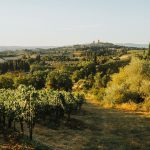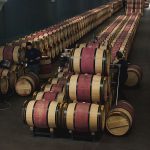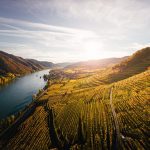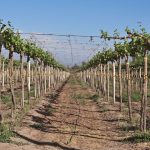
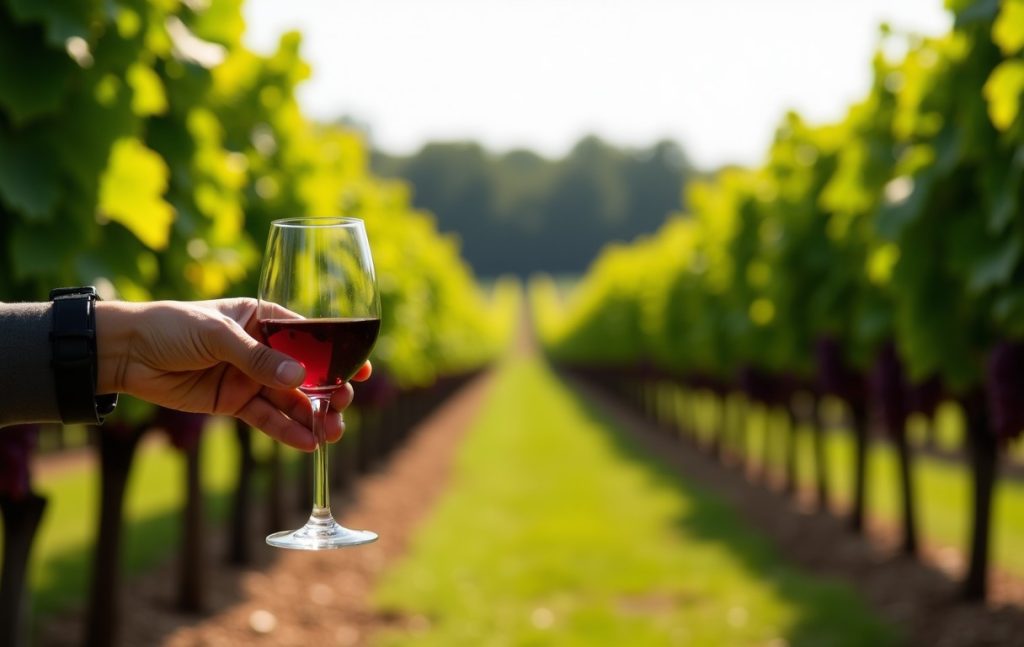
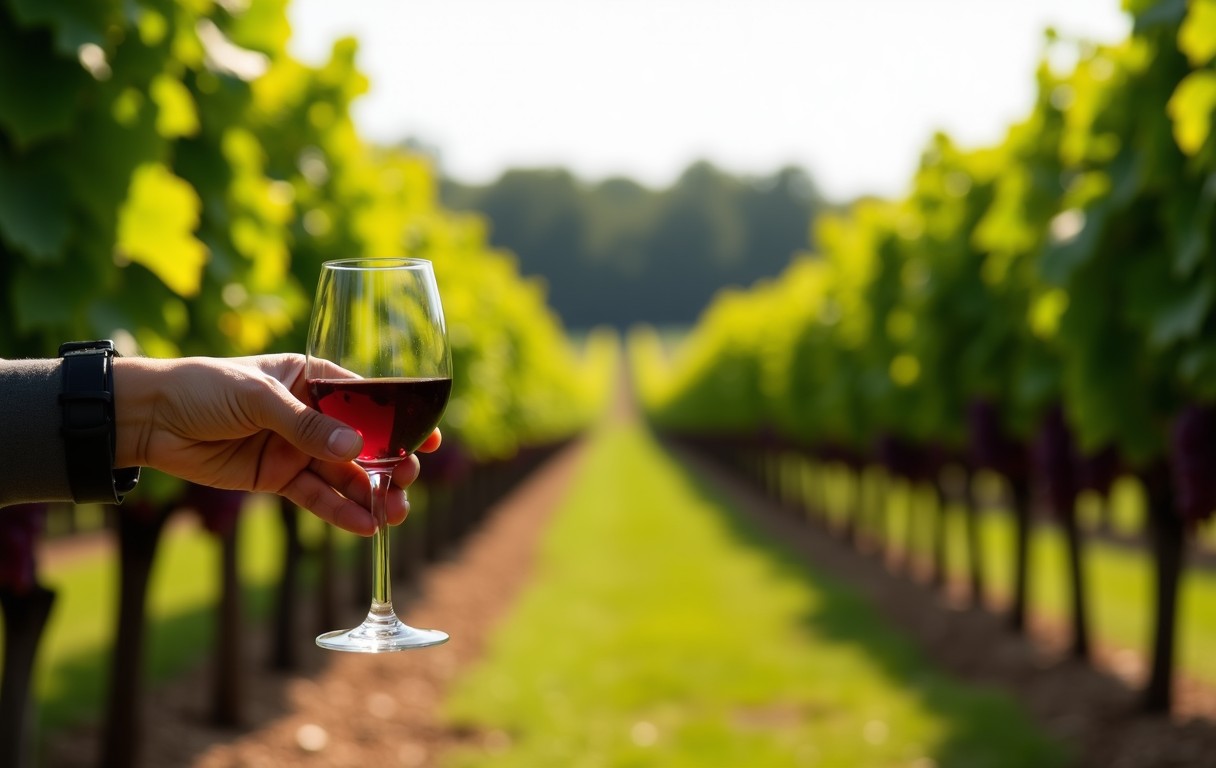
Louisiana may not be the first place that comes to mind when you think of American wine country, but the state’s small yet passionate winemaking scene offers a distinct and rewarding experience for anyone willing to explore it. With humid subtropical climates, rich river soils, and a growing number of boutique vineyards, Louisiana is carving out its own identity in the world of Southern winemaking. Wine tasting here isn’t just about sampling bottles, it’s about discovering how local vintners adapt classic techniques to the challenges and opportunities of the Gulf South. Whether you’re a seasoned oenophile or a curious newcomer, a visit to one of Louisiana’s wineries reveals flavors, stories, and traditions that you won’t find anywhere else.
Why Louisiana’s Climate Shapes Its Unique Wines
Most wine regions thrive in dry, temperate climates, but Louisiana’s vineyards operate in a world of heat, humidity, and frequent rain. These conditions force winemakers to get creative with grape varieties and farming practices. Muscadine grapes, native to the Southeast, dominate many vineyards because they’re naturally resistant to fungal diseases that plague European varietals in wet climates. At Landry Vineyards in West Monroe, for example, the focus is on Carlos and Noble muscadines, which produce wines with bright, jammy flavors and a slight effervescence that pairs well with the state’s spicy cuisine.
Other wineries, like Wild Bush Farm + Vineyard in Bush, experiment with hybrid grapes such as Blanc du Bois and Lenoir, which can withstand humidity while still delivering complex profiles. These grapes often yield wines with tropical fruit notes, a touch of earthiness, and a crisp acidity that cuts through the heat. The result is a style of wine that’s distinctly Louisiana, bold, approachable, and perfectly suited for sipping on a porch during a summer thunderstorm.
The Best Louisiana Wineries for a Tasting Experience
If you’re planning a wine-tasting trip through Louisiana, a few standout vineyards should be at the top of your list. Landry Vineyards, one of the state’s oldest and most established wineries, offers a relaxed tasting room where visitors can sample everything from dry muscadine whites to sweet, dessert-style reds. Their outdoor patio, shaded by live oaks, is an ideal spot to linger with a glass and a charcuterie board featuring local cheeses and smoked meats.
For a more intimate experience, Wild Bush Farm + Vineyard provides a rustic, farm-to-table vibe. Their tasting room is open on weekends, and visitors can book a tour to see the vineyards up close and learn about the winemaking process. The winery also hosts seasonal events like “Be a Winemaker for a Day,” where guests can participate in harvesting or blending sessions. Meanwhile, Pontchartrain Vineyards in Covington specializes in fruit wines, offering unique options like blackberry and peach that highlight Louisiana’s agricultural bounty.
Don’t overlook smaller operations like Dubois Winery in St. Francisville, where the focus is on handcrafted, small-batch wines. Their tasting room is housed in a historic building, and the staff often shares stories about the winery’s experiments with aging techniques and barrel selections. While each of these wineries has its unique offerings, they all showcase the native grape varieties that define Louisiana’s winemaking culture.
What to Expect During a Louisiana Wine Tasting
A typical wine tasting in Louisiana is less formal than what you might find in Napa or Bordeaux, but that’s part of the charm. Most tastings are self-guided, with a flight of four to six wines served in small pours. At Wild Bush, for instance, you’ll receive a tasting sheet that describes each wine’s flavor profile, grape variety, and suggested food pairings. The staff encourages questions and often shares insights about how the wines were made, from fermentation methods to the impact of the previous year’s weather.
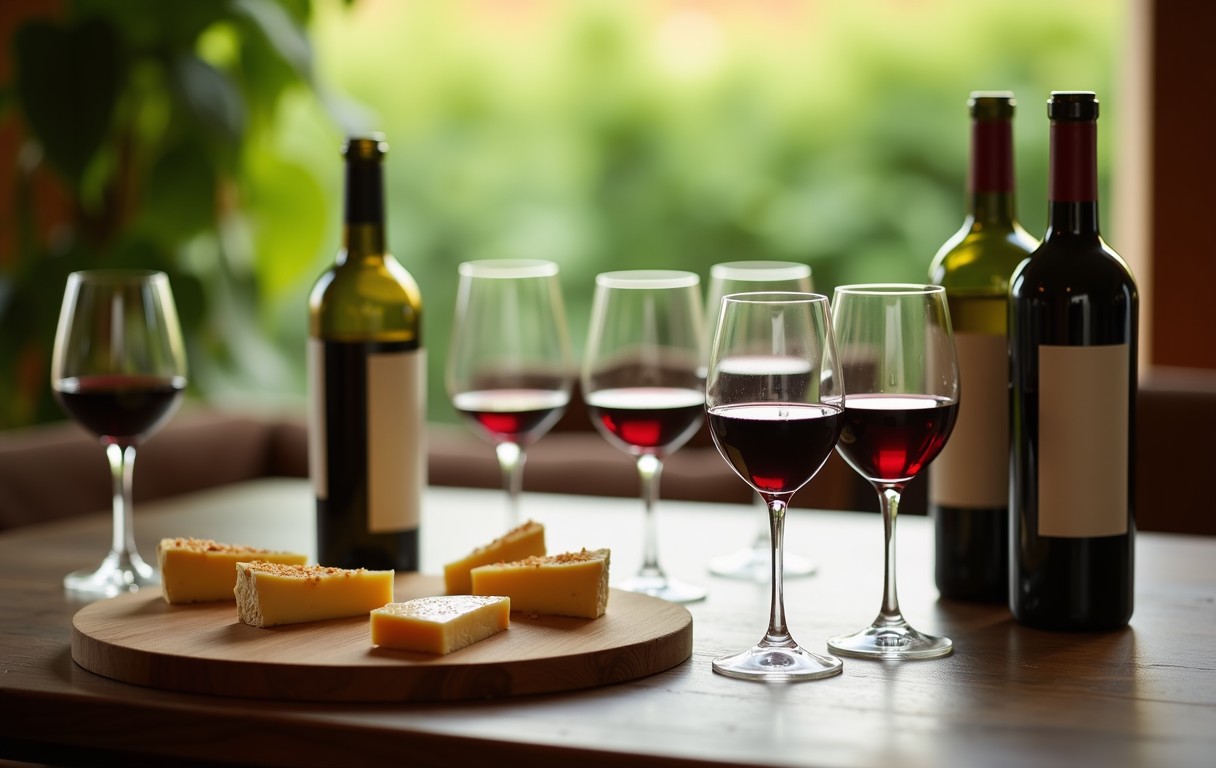
Many wineries also offer add-ons like cheese plates, chocolate pairings, or even full meals. Landry Vineyards, for example, serves a “Wine and Dine” experience where a chef-prepared meal is paired with their wines. If you’re visiting during harvest season, some wineries allow guests to stomp grapes or participate in blending trials, giving you a hands-on understanding of the winemaking process. Prices for tastings usually range from $10 to $20 per person, and many wineries waive the fee if you purchase a bottle.
Pairing Louisiana Wines with Local Cuisine
Louisiana’s wines are as much a part of the state’s culinary identity as gumbo or crawfish étouffée. The key to pairing them with local dishes is to embrace the region’s bold flavors. A dry muscadine white, like those produced at Landry Vineyards, cuts through the richness of fried seafood or buttery boudin. For spicier dishes, such as Cajun jambalaya or blackened catfish, a slightly sweet Blanc du Bois from Wild Bush can balance the heat while complementing the smoky, charred notes.
Fruit wines, like those made from blackberries or peaches at Pontchartrain Vineyards, are excellent with desserts. Try a glass of blackberry wine with a slice of pecan pie or a peach wine alongside a warm beignet. Even savory pairings work well, imagine sipping a chilled Lenoir red with a plate of slow-cooked barbecue ribs, the wine’s dark fruit flavors enhancing the smoky, caramelized crust of the meat.
For a truly local experience, ask the winery staff for their recommendations. Many have partnerships with nearby restaurants or food trucks and can suggest specific pairings based on what’s in season. Some wineries, like Dubois, even host “wine and food pairing” dinners where chefs create multi-course menus designed to highlight the wines.
Seasonal Events and Festivals Worth Attending
Louisiana’s wineries don’t just open their doors for tastings, they also host events that celebrate the state’s culture, music, and food. One of the most popular is Wild Bush’s “Jazz’n the Vines,” an annual summer festival featuring live jazz bands, food trucks, and unlimited wine tastings. The event draws crowds from across the region and offers a chance to mingle with winemakers while enjoying the laid-back atmosphere of the Northshore.
Landry Vineyards hosts a “Harvest Festival” in the fall, complete with grape stomping, live bluegrass music, and farm-fresh meals. It’s a family-friendly event that gives visitors a behind-the-scenes look at the winemaking process, from vine to bottle. For something more educational, check out Wild Bush’s “Be a Winemaker Experience,” where participants can help blend their own custom wine and take home a bottle with a personalized label.
If you’re visiting in the spring, Pontchartrain Vineyards’ “Blossom Festival” is a must. The event coincides with the blooming of the vineyards and includes guided tours, live music, and tastings of their newest releases. These events are a great way to meet other wine lovers, learn from the experts, and experience Louisiana’s winemaking community in a festive setting.
Tips for Planning Your Louisiana Wine Tasting Trip
To make the most of your visit, start by checking the wineries’ websites for their tasting room hours. Most are open on weekends, but some, like Wild Bush, have limited weekday hours. It’s also a good idea to call ahead if you’re planning a group visit, as some wineries require reservations for parties of six or more. If you’re traveling from Baton Rouge or New Orleans, consider making a day trip out of it. The drive to Landry Vineyards in West Monroe takes about three hours, but the scenic route along the Mississippi River makes it worthwhile.
When packing for your trip, dress comfortably but keep in mind that many tastings take place outdoors. A hat, sunscreen, and a light jacket for cooler evenings are smart additions. If you’re visiting multiple wineries in one day, designate a driver or book a wine tour service. Some companies, like Louisiana Wine Tours, offer guided excursions that include transportation, tastings, and stops at local restaurants.
Finally, don’t leave without joining a wine club. Most Louisiana wineries offer memberships that include discounts on bottles, exclusive access to limited releases, and invitations to members-only events. Wild Bush’s “Wild Bunch” club, for example, sends quarterly shipments of rare and unreleased wines straight to your door, along with swag like branded glasses and tote bags. It’s a great way to stay connected to the state’s winemaking scene long after your visit.
The Future of Winemaking in Louisiana
Louisiana’s wine industry is still in its early stages, but the momentum is undeniable. As more vineyards experiment with new grape varieties and sustainable farming practices, the quality and diversity of the state’s wines continue to improve. Winemakers are also finding innovative ways to market their products, from collaborating with local chefs to hosting virtual tastings for out-of-state customers. The rise of agritourism in the state has further boosted the industry, with visitors increasingly seeking out unique, locally produced wines.
One of the most exciting developments is the growing interest in natural and organic winemaking. Some vineyards are exploring minimal-intervention techniques, such as native yeast fermentation and reduced sulfur use, to create wines that reflect the terroir of Louisiana. Others are planting experimental plots with lesser-known hybrid grapes to see what thrives in the state’s challenging climate. These efforts are not only expanding the range of wines available but also positioning Louisiana as a leader in Southern winemaking.
For wine lovers, this is an exciting time to explore Louisiana’s vineyards. The state’s winemakers are passionate, innovative, and eager to share their craft with visitors. Whether you’re sipping a glass of muscadine on a back porch or participating in a blending session, you’re not just tasting wine, you’re experiencing a piece of Louisiana’s culture, one pour at a time.

Winemaker with 12 years in the cellar. I write about fermentation, terroir, and the honest mistakes that taught me more than any textbook. I’ve ruined more barrels than most people have tasted. That’s not a disclaimer — that’s a résumé. Twelve years making wine in France, now making sense of it in words.