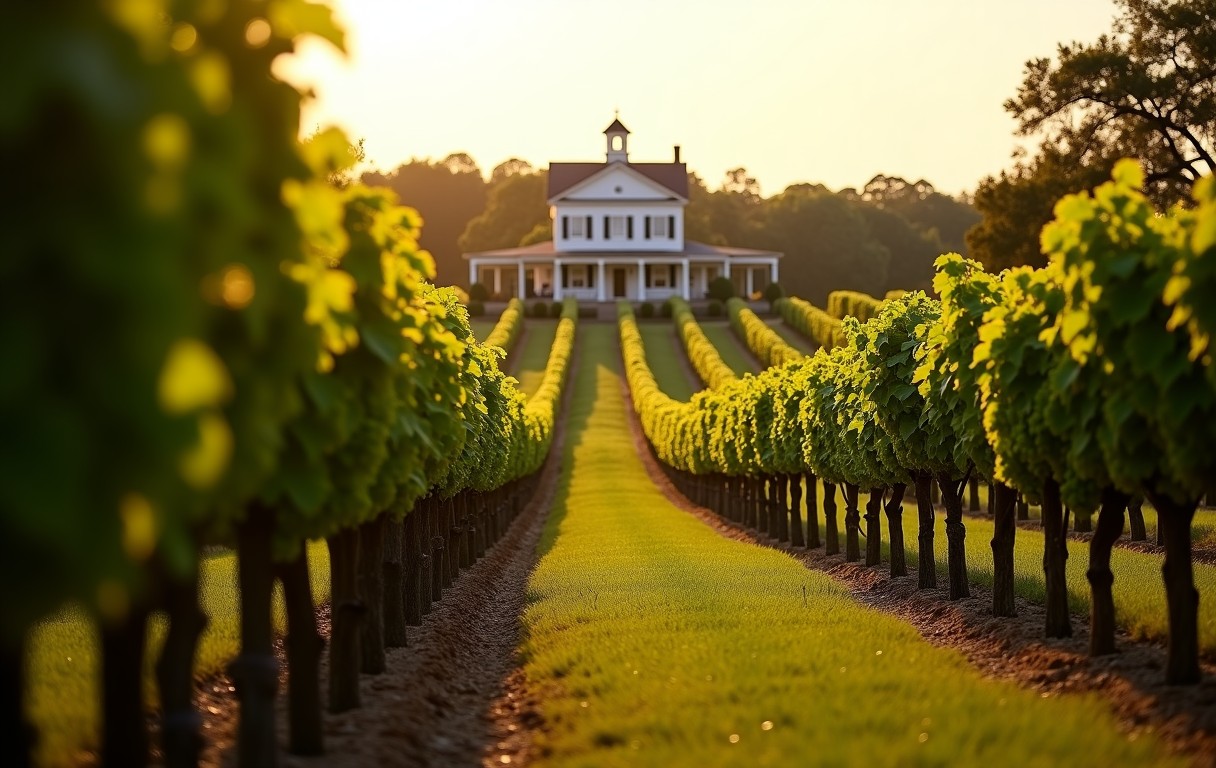
Louisiana Vineyards: A Unique Winemaking Experience
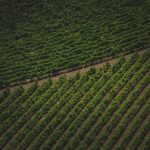
Louisiana may not be the first state that comes to mind when discussing vineyards and winemaking, but this southern gem is quickly carving out a niche in the wine industry. With its rich history, diverse climate, and innovative winemakers, Louisiana vineyards are producing unique wines that reflect the state’s culture and terroir. This article explores the burgeoning wine scene in Louisiana, highlighting key vineyards, grape varieties, and the challenges and triumphs of winemaking in this distinctive region.
The Emergence of Louisiana’s Wine Industry
Historically, Louisiana has been known for its vibrant food culture, which includes Cajun and Creole cuisines. However, the wine industry has been gaining momentum since the late 20th century, thanks in part to the establishment of wineries and vineyards across the state. The Louisiana Wine Industry Development Board has played a significant role in promoting local wineries and supporting grape growers. With a focus on sustainability and local production, Louisiana’s wine scene is becoming increasingly recognized.
Today, the state boasts several wineries that offer tastings and tours, allowing visitors to experience the local flavors and craftsmanship firsthand. Vineyards like Felicianas Cellars and Pontchartrain Vineyards are at the forefront of this movement, showcasing the potential of Louisiana grapes and wines.
Key Vineyards to Visit
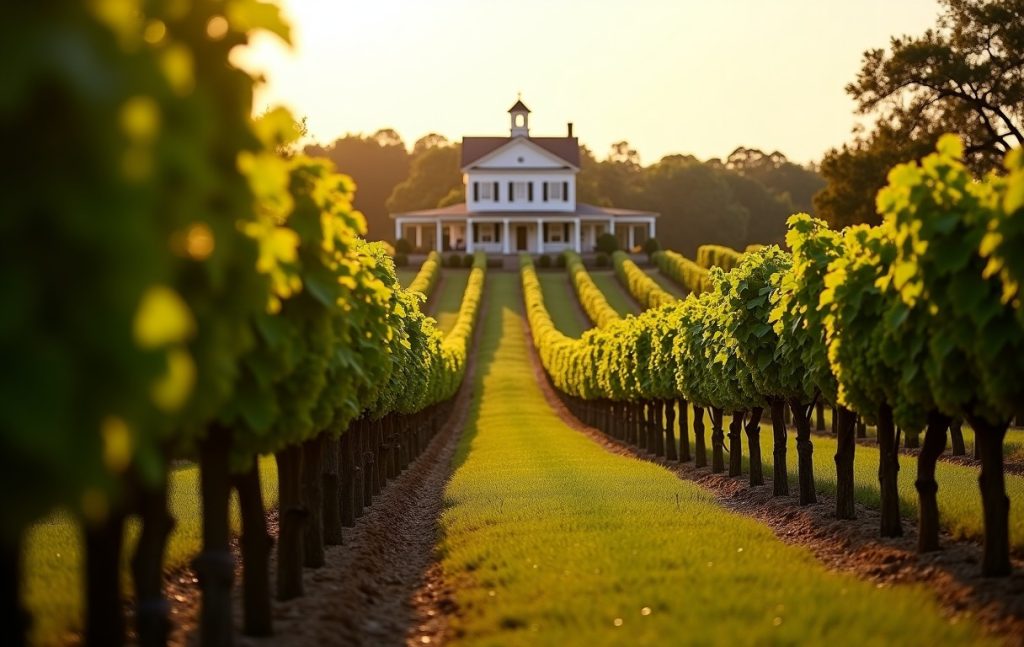
Several vineyards in Louisiana stand out for their commitment to quality and innovation. Felicianas Cellars, located in the Felicianas region, is known for its extensive range of wines, including muscadine and traditional varietals. Visitors can enjoy detailed Wine Tasting Notes while experiencing the vineyard’s scenic beauty, often paired with live music and regional cuisine.
Pontchartrain Vineyards, nestled in the heart of the North Shore, is another must-visit destination. This vineyard offers a variety of wines, from dry reds to sweet whites, and features a beautiful setting for outdoor events. Both vineyards not only produce wine but also engage with the community through events, festivals, and educational programs about viticulture and enology.
Grape Varieties Thriving in Louisiana
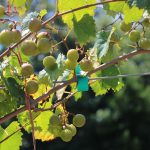
Louisiana’s climate, characterized by hot summers and mild winters, is conducive to growing specific grape varieties. One of the standout varieties is the muscadine grape, native to the southeastern United States. Muscadine wines are known for their fruity flavors and sweetness, making them popular among local consumers. These grapes thrive in the warm, humid climate of Louisiana and are often used to create delicious dessert wines.
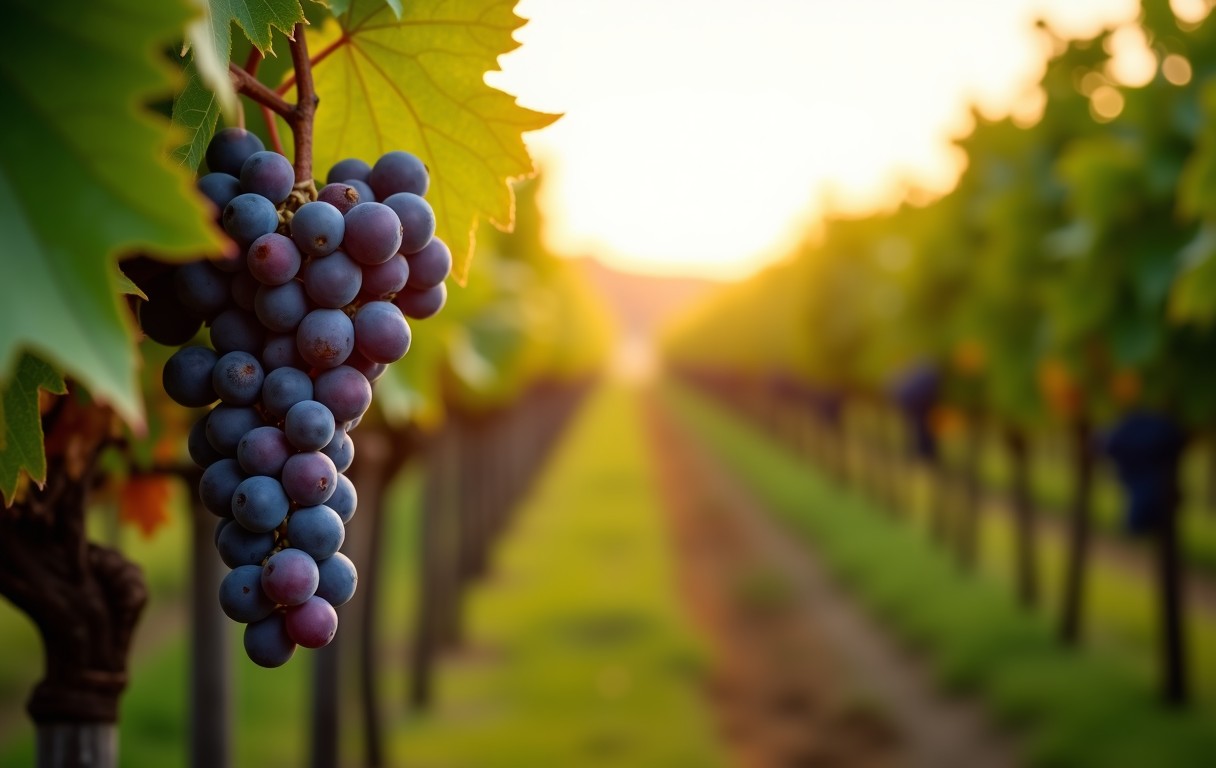
Additionally, winemakers are experimenting with other varietals like Chardonnay, Cabernet Sauvignon, and Merlot, which are becoming more common in Louisiana vineyards. The Southern University AgCenter in Baton Rouge has been instrumental in testing and developing grape varieties suited for the local climate, providing valuable insights for growers.
Challenges Faced by Louisiana Vineyards
While the growth of the wine industry in Louisiana is promising, it comes with its set of challenges. The state’s humid climate can lead to issues with pests and diseases, which require vigilant management. Vineyards must employ sustainable practices to mitigate these concerns without compromising the quality of their wines.
Additionally, Louisiana’s unique terroir can be unpredictable. Winemakers often face challenges related to soil composition and weather patterns, which can affect grape yields and quality. However, the resilience of local vintners and their commitment to adapting to these challenges is a testament to their passion for winemaking.
The Role of Education and Tourism
Education plays a vital role in the success of Louisiana’s wine industry. Many vineyards offer workshops, tastings, and tours to educate visitors about the winemaking process and the unique characteristics of Louisiana wines. Programs aimed at teaching aspiring winemakers about viticulture and enology are also becoming more prevalent.
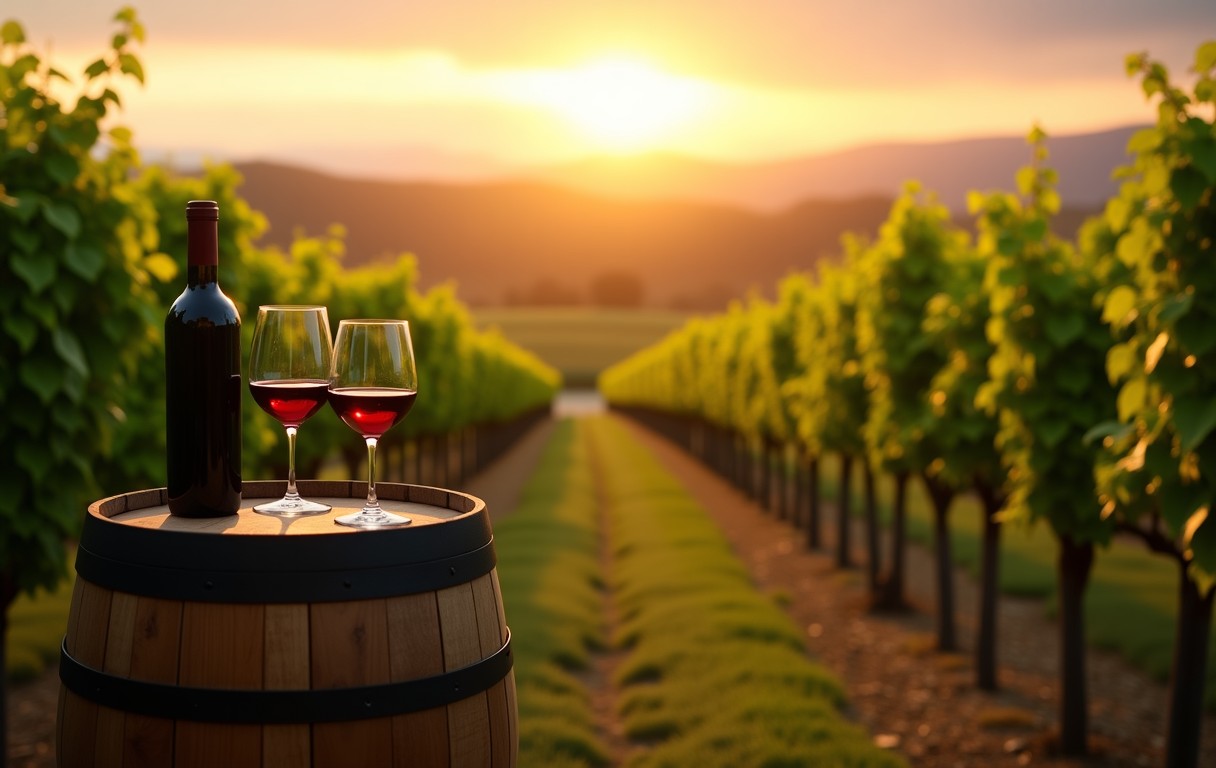
Wine tourism is another significant aspect of Louisiana’s vineyard scene. The state’s scenic landscapes, combined with its rich culinary traditions, make it an attractive destination for wine enthusiasts. Events like the Louisiana Wine and Food Festival celebrate local wines and cuisine, drawing visitors from around the country. These events not only promote local wines but also contribute to the overall economic growth of the region.
Future Prospects for Louisiana Vineyards
The future of Louisiana vineyards looks bright as more producers enter the market and existing wineries expand their offerings. The increasing interest in local and sustainable products is driving demand for Louisiana wines, prompting winemakers to innovate and experiment with new techniques and grape varieties.
As the industry continues to grow, collaborations between vineyards, local chefs, and culinary schools are likely to flourish. These partnerships will further elevate the profile of Louisiana wines, showcasing their versatility and enhancing the overall dining experience in the region.
Conclusion: The Unique Flavor of Louisiana Wines
Louisiana vineyards are not just about producing wine; they encapsulate the essence of the state’s culture, history, and community spirit. With a focus on local grape varieties, sustainability, and education, these vineyards are redefining what it means to enjoy wine in Louisiana. As more people discover the unique flavors and stories behind these wines, the state’s wine industry is poised for continued growth and recognition on the national stage.

Winemaker with 12 years in the cellar. I write about fermentation, terroir, and the honest mistakes that taught me more than any textbook. I’ve ruined more barrels than most people have tasted. That’s not a disclaimer — that’s a résumé. Twelve years making wine in France, now making sense of it in words.