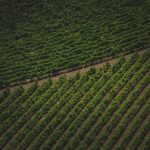
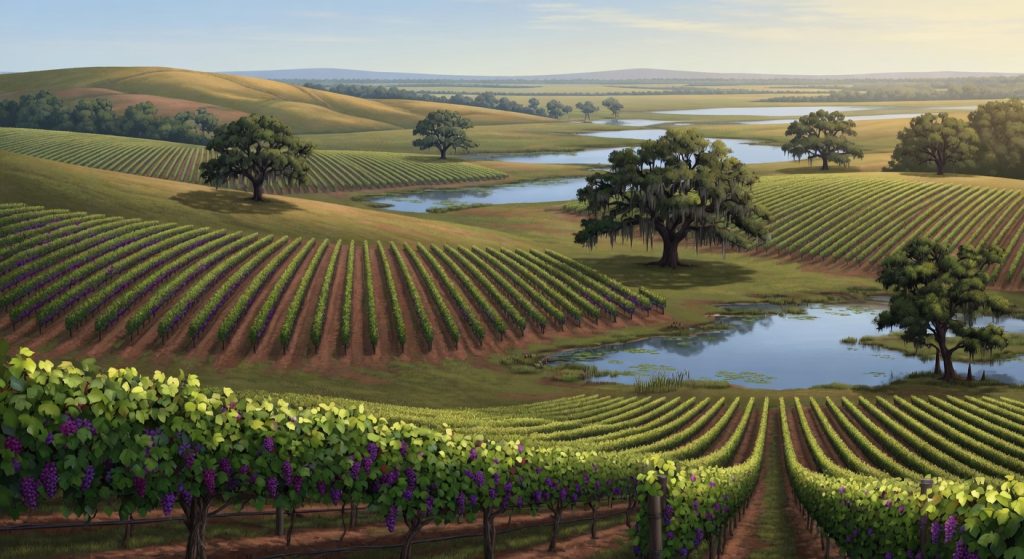
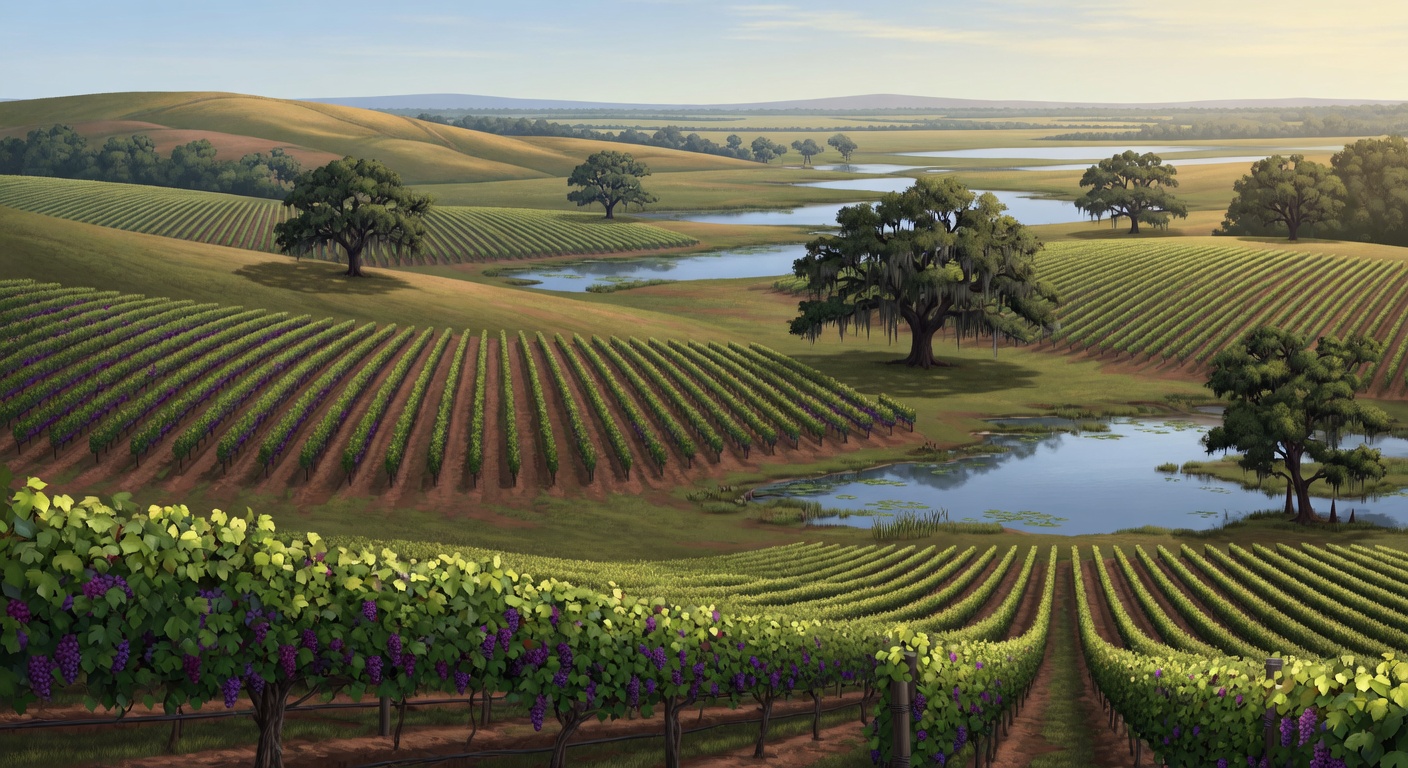
Technological advances also extend to vineyard equipment. Automated canopy management systems and mechanized pruning have improved efficiency and consistency in vine care. Furthermore, advancements in pest control methods such as integrated pest management (IPM) help Louisiana vineyards combat common pests without heavy reliance on pesticides.
Collectively, these innovations in new viticulture techniques and Louisiana vineyard technology enable growers to produce higher-quality grapes, leading to more vibrant and complex wines that truly reflect Louisiana’s terroir. As wine innovation Louisiana continues to progress, the state’s wine industry is positioned for ongoing growth and recognition.

Moreover, Louisiana wine pests add another layer of difficulty for growers. Insects like grape berry moths, leafhoppers, and phylloxera infest vineyards, causing damage that reduces grape quality and yield. These pests thrive in Louisiana’s warm and moist conditions, requiring vigilant monitoring and integrated pest management strategies to protect vines.
The combination of weather challenges and pest pressures means Louisiana vintners must adopt rigorous vineyard practices, including choosing disease-resistant grape varieties, timely fungicide applications, and effective pest control measures. Despite these hurdles, growers continue to innovate, striving to produce quality wines while balancing the demands of the local environment.
Advancements and Innovations in Viticulture
Louisiana’s wine industry is embracing a wave of wine innovation Louisiana to tackle its unique climatic and soil challenges. Recent years have seen significant advancements in both agricultural practices and vineyard technology, providing local growers with new viticulture techniques that improve grape quality and yield.
One notable innovation is the adoption of precision agriculture tools, including soil sensors and drone imaging, which allow vineyard managers to monitor vine health and soil conditions in real-time. This data-driven approach helps optimize irrigation and nutrient management, essential in Louisiana’s humid and variable climate. Additionally, disease-resistant grape varieties, developed through selective breeding and genetic techniques, are gaining popularity, reducing the need for chemical treatments and supporting sustainable winemaking.
Technological advances also extend to vineyard equipment. Automated canopy management systems and mechanized pruning have improved efficiency and consistency in vine care. Furthermore, advancements in pest control methods such as integrated pest management (IPM) help Louisiana vineyards combat common pests without heavy reliance on pesticides.
Collectively, these innovations in new viticulture techniques and Louisiana vineyard technology enable growers to produce higher-quality grapes, leading to more vibrant and complex wines that truly reflect Louisiana’s terroir. As wine innovation Louisiana continues to progress, the state’s wine industry is positioned for ongoing growth and recognition.
Moreover, Louisiana wine pests add another layer of difficulty for growers. Insects like grape berry moths, leafhoppers, and phylloxera infest vineyards, causing damage that reduces grape quality and yield. These pests thrive in Louisiana’s warm and moist conditions, requiring vigilant monitoring and integrated pest management strategies to protect vines.
The combination of weather challenges and pest pressures means Louisiana vintners must adopt rigorous vineyard practices, including choosing disease-resistant grape varieties, timely fungicide applications, and effective pest control measures. Despite these hurdles, growers continue to innovate, striving to produce quality wines while balancing the demands of the local environment.
Advancements and Innovations in Viticulture
Louisiana’s wine industry is embracing a wave of wine innovation Louisiana to tackle its unique climatic and soil challenges. Recent years have seen significant advancements in both agricultural practices and vineyard technology, providing local growers with new viticulture techniques that improve grape quality and yield.
One notable innovation is the adoption of precision agriculture tools, including soil sensors and drone imaging, which allow vineyard managers to monitor vine health and soil conditions in real-time. This data-driven approach helps optimize irrigation and nutrient management, essential in Louisiana’s humid and variable climate. Additionally, disease-resistant grape varieties, developed through selective breeding and genetic techniques, are gaining popularity, reducing the need for chemical treatments and supporting sustainable winemaking.
Technological advances also extend to vineyard equipment. Automated canopy management systems and mechanized pruning have improved efficiency and consistency in vine care. Furthermore, advancements in pest control methods such as integrated pest management (IPM) help Louisiana vineyards combat common pests without heavy reliance on pesticides.
Collectively, these innovations in new viticulture techniques and Louisiana vineyard technology enable growers to produce higher-quality grapes, leading to more vibrant and complex wines that truly reflect Louisiana’s terroir. As wine innovation Louisiana continues to progress, the state’s wine industry is positioned for ongoing growth and recognition.
Overview of Louisiana Wine Growing Regions
Louisiana wine regions are a vital part of the state’s burgeoning wine industry, offering unique terroirs and climates that contribute to the distinctive character of Louisiana wines. Despite challenges posed by the humid subtropical climate, the state’s vineyards demonstrate resilience and adaptability, creating a diverse landscape for wine production. Understanding the major wine growing regions in Louisiana provides valuable insight into the state’s wine growing overview and highlights the significance of these areas in nurturing Louisiana vineyards.
The most prominent wine growing regions in Louisiana include the Northshore, the Mississippi River Delta, and the Southwest Louisiana area. Each region boasts unique soil compositions and microclimates that influence the grape varieties cultivated and the styles of wine produced. The Northshore region, located along the northern edge of Lake Pontchartrain, is noted for its sandy loam soils and slightly cooler temperatures, making it ideal for growing hybrid grape varieties best suited for the local climate.
The Mississippi River Delta region plays a central role in the state’s wine industry due to its rich alluvial soils and access to vital water resources. This area has historical significance, as wine growing here dates back to early settlers who experimented with various grapes in the fertile delta lands. Today, vintners in this region produce a range of wines that capture the essence of Louisiana’s terroir, helping to raise the profile of Louisiana vineyards nationally.
Southwest Louisiana, with its warmer climate and diverse soil types, is gaining recognition as a promising area for viticulture. Vineyards in this region benefit from long growing seasons and ample sunshine, which help balance the humidity challenges and enable the production of ripe, flavorful grapes. Wineries here are innovating with both traditional and native grape varieties, contributing diversity to the landscape of Louisiana wine regions.
Overall, the wine growing overview of Louisiana reveals a state rich in potential and regional character. The combination of varied climates, soils, and dedicated vineyard efforts make Louisiana an exciting destination for wine enthusiasts. These wine growing regions not only support local economies but also foster a unique wine culture that elevates Louisiana’s reputation in the broader wine community.
Climate and Geography of Louisiana Wine Regions
Louisiana’s unique climate and geography play a significant role in shaping the state’s wine growing regions. The warm and humid Louisiana climate presents both opportunities and challenges for grape cultivation. Long, hot summers with high humidity create an environment where certain grape varieties thrive, particularly those resistant to fungal diseases that are common in moist conditions. However, the weather impact on grapes requires careful vineyard management to prevent rot and other climate-related issues.
The geography of Louisiana is characterized by lowlands, river valleys, and alluvial soil deposits, which contribute to the diversity of its wine region geography. These fertile soils, combined with the state’s flat terrain, provide ideal conditions for grapevines to develop strong root systems. The proximity to the Gulf of Mexico also influences the microclimates within wine regions, moderating temperatures and reducing frost risks during colder months, thus extending the growing season for grapes.
Overall, the Louisiana climate and wine region geography demand adaptive viticultural practices, including selecting grape varieties suited to warm, humid climates and implementing vineyard techniques to manage moisture and heat. This intricate relationship between climate and geography ultimately shapes the character and quality of Louisiana wines, highlighting the importance of understanding local environmental factors in successful wine production.
History of Wine Growing in Louisiana
The history of Louisiana wine growing is a fascinating tale marked by persistence and adaptation. Louisiana’s wine history dates back to the early 18th century, when European settlers first attempted to cultivate vineyards in the region. Despite the challenging climate marked by heat, humidity, and various pests, these pioneers were determined to develop a thriving wine industry. Initial vineyard development centered around experimenting with native grape varieties and European hybrids that could withstand local conditions.
Key milestones in the growth of Louisiana’s wine industry include the establishment of the first commercial vineyards in the late 20th century, which helped revive interest in local winemaking. Innovations in vineyard cultivation techniques and pest management allowed vintners to expand grape production successfully. The creation of wine-growing regions in the cooler, northern parts of the state also contributed notably to this evolution.
Over the years, Louisiana wine growers have built a reputation for producing unique wines that reflect the state’s terroir. The steady growth of the wine industry has been supported by tourism, festivals, and local marketing efforts that highlight the region’s rich viticultural heritage. Today, Louisiana stands as a testimony to the resilience of its wine industry and its continuous vineyard development, giving wine enthusiasts access to a distinctive and diverse array of local wines.
Key Wine Growing Regions in Louisiana
Louisiana wine regions boast a distinctive charm shaped by the state’s warm, humid climate and diverse terroir. These unique conditions influence the vineyards and the types of grapes that thrive, resulting in wines with special regional characteristics. While Louisiana is not traditionally known as a major wine-producing state, its local vineyards are gaining recognition for producing flavorful wines that reflect the area’s rich agricultural heritage.
One of the main wine growing regions is the Mississippi River Valley area, where fertile alluvial soils provide an excellent foundation for vineyards. The vineyards here often cultivate hybrid grape varieties that are well-suited for Louisiana’s challenging weather. Popular grapes include Blanc Du Bois, a disease-resistant white grape, and Black Spanish, a grape variety favored for its resilience in humid climates. These varieties produce wines with crisp acidity and vibrant fruit notes, highlighting the region’s unique environmental influences.
Another notable region is the West Gulf Coastal Plain, which encompasses parts of southwestern Louisiana. The vineyards in this area benefit from sandy loam soils and a longer growing season, affording winemakers the opportunity to grow Muscadine grapes and other native varieties. Muscadine grapes, known for their thick skins and natural resistance to pests, yield sweet and aromatic wines that capture the essence of Louisiana’s terroir. The regional wine characteristics here often include fruit-forward profiles and a refreshing balance between sweetness and acidity.
North Louisiana’s rolling hills also host several emerging vineyards that are experimenting with both traditional and hybrid grape varieties. The slightly higher elevation and varied soil compositions in this region create microclimates beneficial for growing grapes such as Seyval Blanc and Vignoles. These grapes thrive in the cooler microclimate pockets, producing wines that exhibit floral aromas and bright citrus flavors, adding diversity to Louisiana’s growing wine portfolio.
Overall, Louisiana wine regions contribute a vibrant, growing presence to the American wine scene. The vineyards across these areas emphasize grape varieties that withstand local climate challenges while expressing the regional wine characteristics that make Louisiana wines distinctive. From Blanc Du Bois to Muscadine, the state’s vineyards showcase a diverse range of grapes, each adding to the story of Louisiana’s evolving wine landscape.
Northwestern Louisiana Wine Region
The Northwestern Louisiana wine region is distinguished by its unique climate and soil conditions that greatly influence the characteristics of the wines produced here. This area experiences a blend of humid subtropical weather, which provides warm summers, mild winters, and sufficient rainfall, creating favorable growing conditions for a variety of Louisiana grape varieties. The climate allows for a longer growing season, which is beneficial in developing rich flavors and balanced acidity in the grapes.
The soil in this region is primarily alluvial with a mixture of sandy loam and clay, offering excellent drainage while retaining enough moisture to support healthy vine growth. These well-drained soils contribute to the development of deep-rooted vines, which enhances the complexity and intensity of the wines produced. The terroir here promotes the cultivation of both native and hybrid grape varieties that thrive in Louisiana’s warm and challenging climate.
Northwestern Louisiana vineyards commonly grow grape varieties such as Muscadine, Blanc du Bois, and Norton, which are well-adapted to resist local pests and diseases while delivering distinct flavor profiles. Muscadine grapes, in particular, contribute to robust, aromatic wines with a sweet, fruity character, whereas Blanc du Bois yields lighter, crisp white wines. The regional wine profile is marked by a diverse expression of these grapes, reflecting the rich natural environment and distinctive viticultural practices.
Central Louisiana Wine Region
The Central Louisiana wine region is a distinctive area known for its unique climate and diverse vineyard locations that contribute to a growing reputation in the wine industry. Central Louisiana vineyards benefit from a humid subtropical climate, characterized by warm temperatures and ample rainfall throughout the growing season. These grape growing conditions create a vibrant environment for a variety of grape varieties that thrive in this warm and moist setting.
Vineyards in Central Louisiana are often found along riverbanks and gentle rolling hills, which provide good drainage and sun exposure necessary for healthy grape development. This region has seen an increase in dedicated wine production central LA as local vintners experiment with both classic and hybrid grape varieties suitable for the climate. The combination of soils, temperature, and humidity in Central Louisiana allows for unique flavor profiles in the wines produced here.
Wineries in this region produce a range of wine styles, from crisp whites to robust reds, often incorporating grapes such as Muscadine, Blanc du Bois, and Norton. These wines reflect the terroir and winemaking tradition of Central Louisiana, gaining popularity among enthusiasts looking for distinct regional flavors. As the Central Louisiana vineyards continue to expand, the area is poised to become a notable player in the southeastern United States wine map.
Southern Louisiana Wine Region
Southern Louisiana wineries face unique challenges and opportunities due to the region’s distinctive Louisiana wine climate. The area experiences a humid subtropical climate characterized by hot summers, high humidity, and frequent rainfall, posing challenges such as disease pressure and vine stress. Despite these conditions, Southern Louisiana is home to diverse wine growing areas that have adapted well to local environmental factors.
The soil types in Southern Louisiana vary but generally include alluvial soils rich in clay and silt, deposited by rivers and wetlands. These soils offer good drainage but require careful vineyard management to prevent erosion and water retention issues. Viticultural practices here often emphasize mold and mildew control given the moist climate.
Notable regional grape varieties cultivated in Southern Louisiana wineries include Blanc du Bois, a hybrid grape well-suited to the humid climate and resistant to many vine diseases. Other cultivated varietals include Muscadine grapes known for their natural tolerance to heat and humidity, and tropical hybrids such as Niagara and Vidal Blanc, which thrive in the local conditions and produce distinctive wines emblematic of the area.
| Aspect | Description |
|---|---|
| Climate | Humid subtropical with hot summers, high humidity, and frequent rainfall, challenging for vine health and disease management. |
| Soil Types | Alluvial soils rich in clay and silt, offering good drainage but requiring erosion control measures. |
| Regional Grape Varieties | Blanc du Bois, Muscadine, Niagara, Vidal Blanc—all adapted to resist humidity and heat. |
Challenges and Opportunities in Louisiana Wine Growing
Louisiana viticulture faces several significant challenges, largely stemming from the state’s unique climate and environmental conditions. The hot, humid climate coupled with high annual rainfall creates an environment prone to fungal diseases such as powdery mildew and downy mildew. These diseases can severely impact grape quality and yield, making the task of growing premium wine grapes particularly demanding. Additionally, the risk of hurricanes and tropical storms subjects vineyards to potential physical damage, which complicates long-term vineyard management and investment strategies.
Another challenge is the limited choice of grape varieties suited to Louisiana’s climate. Traditional Vitis vinifera grapes, commonly used in many renowned wine regions worldwide, often struggle in the humid, subtropical conditions prevalent in Louisiana. As a result, wine growers in Louisiana have had to explore native and hybrid grape varieties that are more resistant to local pests, diseases, and environmental stresses. This necessitates ongoing research and adaption to find the right balance between quality and resilience, which can slow the growth of the wine industry in the state.
Despite these hurdles, the Louisiana wine industry shows promising opportunities for growth and development. One of the key opportunities lies in the growing interest in local and artisanal wines among consumers, both locally and nationally. This trend supports boutique wineries and encourages sustainable wine production practices suited to Louisiana’s conditions. Additionally, there is potential in agritourism, with vineyards offering unique experiences such as tours, tastings, and events that attract visitors and bolster the local economy.
Investment in research and development by universities and viticultural organizations is also paving the way for better disease management techniques and the identification of grape varieties that could thrive in Louisiana’s climate. With these advancements, the wine industry growth in LA could accelerate, positioning Louisiana as a distinctive and emerging wine region in the U.S. Finally, fostering collaboration between growers, winemakers, and the local community can help overcome challenges collectively, promoting innovation and expanding market presence for Louisiana wines.
Climate and Pest Challenges
Louisiana’s wine regions face unique climate and pest challenges that significantly impact grape growing. The state’s hot, humid climate creates weather challenges such as high temperatures and excessive rainfall, which promote the development of various grape diseases. One of the most pressing issues is grape disease in Louisiana, including powdery mildew, downy mildew, and black rot, which can devastate vineyards if not managed effectively.
Moreover, Louisiana wine pests add another layer of difficulty for growers. Insects like grape berry moths, leafhoppers, and phylloxera infest vineyards, causing damage that reduces grape quality and yield. These pests thrive in Louisiana’s warm and moist conditions, requiring vigilant monitoring and integrated pest management strategies to protect vines.
The combination of weather challenges and pest pressures means Louisiana vintners must adopt rigorous vineyard practices, including choosing disease-resistant grape varieties, timely fungicide applications, and effective pest control measures. Despite these hurdles, growers continue to innovate, striving to produce quality wines while balancing the demands of the local environment.
Advancements and Innovations in Viticulture
Louisiana’s wine industry is embracing a wave of wine innovation Louisiana to tackle its unique climatic and soil challenges. Recent years have seen significant advancements in both agricultural practices and vineyard technology, providing local growers with new viticulture techniques that improve grape quality and yield.
One notable innovation is the adoption of precision agriculture tools, including soil sensors and drone imaging, which allow vineyard managers to monitor vine health and soil conditions in real-time. This data-driven approach helps optimize irrigation and nutrient management, essential in Louisiana’s humid and variable climate. Additionally, disease-resistant grape varieties, developed through selective breeding and genetic techniques, are gaining popularity, reducing the need for chemical treatments and supporting sustainable winemaking.
Technological advances also extend to vineyard equipment. Automated canopy management systems and mechanized pruning have improved efficiency and consistency in vine care. Furthermore, advancements in pest control methods such as integrated pest management (IPM) help Louisiana vineyards combat common pests without heavy reliance on pesticides.
Collectively, these innovations in new viticulture techniques and Louisiana vineyard technology enable growers to produce higher-quality grapes, leading to more vibrant and complex wines that truly reflect Louisiana’s terroir. As wine innovation Louisiana continues to progress, the state’s wine industry is positioned for ongoing growth and recognition.
Moreover, Louisiana wine pests add another layer of difficulty for growers. Insects like grape berry moths, leafhoppers, and phylloxera infest vineyards, causing damage that reduces grape quality and yield. These pests thrive in Louisiana’s warm and moist conditions, requiring vigilant monitoring and integrated pest management strategies to protect vines.
The combination of weather challenges and pest pressures means Louisiana vintners must adopt rigorous vineyard practices, including choosing disease-resistant grape varieties, timely fungicide applications, and effective pest control measures. Despite these hurdles, growers continue to innovate, striving to produce quality wines while balancing the demands of the local environment.
Advancements and Innovations in Viticulture
Louisiana’s wine industry is embracing a wave of wine innovation Louisiana to tackle its unique climatic and soil challenges. Recent years have seen significant advancements in both agricultural practices and vineyard technology, providing local growers with new viticulture techniques that improve grape quality and yield.
One notable innovation is the adoption of precision agriculture tools, including soil sensors and drone imaging, which allow vineyard managers to monitor vine health and soil conditions in real-time. This data-driven approach helps optimize irrigation and nutrient management, essential in Louisiana’s humid and variable climate. Additionally, disease-resistant grape varieties, developed through selective breeding and genetic techniques, are gaining popularity, reducing the need for chemical treatments and supporting sustainable winemaking.
Technological advances also extend to vineyard equipment. Automated canopy management systems and mechanized pruning have improved efficiency and consistency in vine care. Furthermore, advancements in pest control methods such as integrated pest management (IPM) help Louisiana vineyards combat common pests without heavy reliance on pesticides.
Collectively, these innovations in new viticulture techniques and Louisiana vineyard technology enable growers to produce higher-quality grapes, leading to more vibrant and complex wines that truly reflect Louisiana’s terroir. As wine innovation Louisiana continues to progress, the state’s wine industry is positioned for ongoing growth and recognition.
Overview of Louisiana Wine Growing Regions
Louisiana wine regions are a vital part of the state’s burgeoning wine industry, offering unique terroirs and climates that contribute to the distinctive character of Louisiana wines. Despite challenges posed by the humid subtropical climate, the state’s vineyards demonstrate resilience and adaptability, creating a diverse landscape for wine production. Understanding the major wine growing regions in Louisiana provides valuable insight into the state’s wine growing overview and highlights the significance of these areas in nurturing Louisiana vineyards.
The most prominent wine growing regions in Louisiana include the Northshore, the Mississippi River Delta, and the Southwest Louisiana area. Each region boasts unique soil compositions and microclimates that influence the grape varieties cultivated and the styles of wine produced. The Northshore region, located along the northern edge of Lake Pontchartrain, is noted for its sandy loam soils and slightly cooler temperatures, making it ideal for growing hybrid grape varieties best suited for the local climate.
The Mississippi River Delta region plays a central role in the state’s wine industry due to its rich alluvial soils and access to vital water resources. This area has historical significance, as wine growing here dates back to early settlers who experimented with various grapes in the fertile delta lands. Today, vintners in this region produce a range of wines that capture the essence of Louisiana’s terroir, helping to raise the profile of Louisiana vineyards nationally.
Southwest Louisiana, with its warmer climate and diverse soil types, is gaining recognition as a promising area for viticulture. Vineyards in this region benefit from long growing seasons and ample sunshine, which help balance the humidity challenges and enable the production of ripe, flavorful grapes. Wineries here are innovating with both traditional and native grape varieties, contributing diversity to the landscape of Louisiana wine regions.
Overall, the wine growing overview of Louisiana reveals a state rich in potential and regional character. The combination of varied climates, soils, and dedicated vineyard efforts make Louisiana an exciting destination for wine enthusiasts. These wine growing regions not only support local economies but also foster a unique wine culture that elevates Louisiana’s reputation in the broader wine community.
Climate and Geography of Louisiana Wine Regions
Louisiana’s unique climate and geography play a significant role in shaping the state’s wine growing regions. The warm and humid Louisiana climate presents both opportunities and challenges for grape cultivation. Long, hot summers with high humidity create an environment where certain grape varieties thrive, particularly those resistant to fungal diseases that are common in moist conditions. However, the weather impact on grapes requires careful vineyard management to prevent rot and other climate-related issues.
The geography of Louisiana is characterized by lowlands, river valleys, and alluvial soil deposits, which contribute to the diversity of its wine region geography. These fertile soils, combined with the state’s flat terrain, provide ideal conditions for grapevines to develop strong root systems. The proximity to the Gulf of Mexico also influences the microclimates within wine regions, moderating temperatures and reducing frost risks during colder months, thus extending the growing season for grapes.
Overall, the Louisiana climate and wine region geography demand adaptive viticultural practices, including selecting grape varieties suited to warm, humid climates and implementing vineyard techniques to manage moisture and heat. This intricate relationship between climate and geography ultimately shapes the character and quality of Louisiana wines, highlighting the importance of understanding local environmental factors in successful wine production.
History of Wine Growing in Louisiana
The history of Louisiana wine growing is a fascinating tale marked by persistence and adaptation. Louisiana’s wine history dates back to the early 18th century, when European settlers first attempted to cultivate vineyards in the region. Despite the challenging climate marked by heat, humidity, and various pests, these pioneers were determined to develop a thriving wine industry. Initial vineyard development centered around experimenting with native grape varieties and European hybrids that could withstand local conditions.
Key milestones in the growth of Louisiana’s wine industry include the establishment of the first commercial vineyards in the late 20th century, which helped revive interest in local winemaking. Innovations in vineyard cultivation techniques and pest management allowed vintners to expand grape production successfully. The creation of wine-growing regions in the cooler, northern parts of the state also contributed notably to this evolution.
Over the years, Louisiana wine growers have built a reputation for producing unique wines that reflect the state’s terroir. The steady growth of the wine industry has been supported by tourism, festivals, and local marketing efforts that highlight the region’s rich viticultural heritage. Today, Louisiana stands as a testimony to the resilience of its wine industry and its continuous vineyard development, giving wine enthusiasts access to a distinctive and diverse array of local wines.
Key Wine Growing Regions in Louisiana
Louisiana wine regions boast a distinctive charm shaped by the state’s warm, humid climate and diverse terroir. These unique conditions influence the vineyards and the types of grapes that thrive, resulting in wines with special regional characteristics. While Louisiana is not traditionally known as a major wine-producing state, its local vineyards are gaining recognition for producing flavorful wines that reflect the area’s rich agricultural heritage.
One of the main wine growing regions is the Mississippi River Valley area, where fertile alluvial soils provide an excellent foundation for vineyards. The vineyards here often cultivate hybrid grape varieties that are well-suited for Louisiana’s challenging weather. Popular grapes include Blanc Du Bois, a disease-resistant white grape, and Black Spanish, a grape variety favored for its resilience in humid climates. These varieties produce wines with crisp acidity and vibrant fruit notes, highlighting the region’s unique environmental influences.
Another notable region is the West Gulf Coastal Plain, which encompasses parts of southwestern Louisiana. The vineyards in this area benefit from sandy loam soils and a longer growing season, affording winemakers the opportunity to grow Muscadine grapes and other native varieties. Muscadine grapes, known for their thick skins and natural resistance to pests, yield sweet and aromatic wines that capture the essence of Louisiana’s terroir. The regional wine characteristics here often include fruit-forward profiles and a refreshing balance between sweetness and acidity.
North Louisiana’s rolling hills also host several emerging vineyards that are experimenting with both traditional and hybrid grape varieties. The slightly higher elevation and varied soil compositions in this region create microclimates beneficial for growing grapes such as Seyval Blanc and Vignoles. These grapes thrive in the cooler microclimate pockets, producing wines that exhibit floral aromas and bright citrus flavors, adding diversity to Louisiana’s growing wine portfolio.
Overall, Louisiana wine regions contribute a vibrant, growing presence to the American wine scene. The vineyards across these areas emphasize grape varieties that withstand local climate challenges while expressing the regional wine characteristics that make Louisiana wines distinctive. From Blanc Du Bois to Muscadine, the state’s vineyards showcase a diverse range of grapes, each adding to the story of Louisiana’s evolving wine landscape.
Northwestern Louisiana Wine Region
The Northwestern Louisiana wine region is distinguished by its unique climate and soil conditions that greatly influence the characteristics of the wines produced here. This area experiences a blend of humid subtropical weather, which provides warm summers, mild winters, and sufficient rainfall, creating favorable growing conditions for a variety of Louisiana grape varieties. The climate allows for a longer growing season, which is beneficial in developing rich flavors and balanced acidity in the grapes.
The soil in this region is primarily alluvial with a mixture of sandy loam and clay, offering excellent drainage while retaining enough moisture to support healthy vine growth. These well-drained soils contribute to the development of deep-rooted vines, which enhances the complexity and intensity of the wines produced. The terroir here promotes the cultivation of both native and hybrid grape varieties that thrive in Louisiana’s warm and challenging climate.
Northwestern Louisiana vineyards commonly grow grape varieties such as Muscadine, Blanc du Bois, and Norton, which are well-adapted to resist local pests and diseases while delivering distinct flavor profiles. Muscadine grapes, in particular, contribute to robust, aromatic wines with a sweet, fruity character, whereas Blanc du Bois yields lighter, crisp white wines. The regional wine profile is marked by a diverse expression of these grapes, reflecting the rich natural environment and distinctive viticultural practices.
Central Louisiana Wine Region
The Central Louisiana wine region is a distinctive area known for its unique climate and diverse vineyard locations that contribute to a growing reputation in the wine industry. Central Louisiana vineyards benefit from a humid subtropical climate, characterized by warm temperatures and ample rainfall throughout the growing season. These grape growing conditions create a vibrant environment for a variety of grape varieties that thrive in this warm and moist setting.
Vineyards in Central Louisiana are often found along riverbanks and gentle rolling hills, which provide good drainage and sun exposure necessary for healthy grape development. This region has seen an increase in dedicated wine production central LA as local vintners experiment with both classic and hybrid grape varieties suitable for the climate. The combination of soils, temperature, and humidity in Central Louisiana allows for unique flavor profiles in the wines produced here.
Wineries in this region produce a range of wine styles, from crisp whites to robust reds, often incorporating grapes such as Muscadine, Blanc du Bois, and Norton. These wines reflect the terroir and winemaking tradition of Central Louisiana, gaining popularity among enthusiasts looking for distinct regional flavors. As the Central Louisiana vineyards continue to expand, the area is poised to become a notable player in the southeastern United States wine map.
Southern Louisiana Wine Region
Southern Louisiana wineries face unique challenges and opportunities due to the region’s distinctive Louisiana wine climate. The area experiences a humid subtropical climate characterized by hot summers, high humidity, and frequent rainfall, posing challenges such as disease pressure and vine stress. Despite these conditions, Southern Louisiana is home to diverse wine growing areas that have adapted well to local environmental factors.
The soil types in Southern Louisiana vary but generally include alluvial soils rich in clay and silt, deposited by rivers and wetlands. These soils offer good drainage but require careful vineyard management to prevent erosion and water retention issues. Viticultural practices here often emphasize mold and mildew control given the moist climate.
Notable regional grape varieties cultivated in Southern Louisiana wineries include Blanc du Bois, a hybrid grape well-suited to the humid climate and resistant to many vine diseases. Other cultivated varietals include Muscadine grapes known for their natural tolerance to heat and humidity, and tropical hybrids such as Niagara and Vidal Blanc, which thrive in the local conditions and produce distinctive wines emblematic of the area.
| Aspect | Description |
|---|---|
| Climate | Humid subtropical with hot summers, high humidity, and frequent rainfall, challenging for vine health and disease management. |
| Soil Types | Alluvial soils rich in clay and silt, offering good drainage but requiring erosion control measures. |
| Regional Grape Varieties | Blanc du Bois, Muscadine, Niagara, Vidal Blanc—all adapted to resist humidity and heat. |
Challenges and Opportunities in Louisiana Wine Growing
Louisiana viticulture faces several significant challenges, largely stemming from the state’s unique climate and environmental conditions. The hot, humid climate coupled with high annual rainfall creates an environment prone to fungal diseases such as powdery mildew and downy mildew. These diseases can severely impact grape quality and yield, making the task of growing premium wine grapes particularly demanding. Additionally, the risk of hurricanes and tropical storms subjects vineyards to potential physical damage, which complicates long-term vineyard management and investment strategies.
Another challenge is the limited choice of grape varieties suited to Louisiana’s climate. Traditional Vitis vinifera grapes, commonly used in many renowned wine regions worldwide, often struggle in the humid, subtropical conditions prevalent in Louisiana. As a result, wine growers in Louisiana have had to explore native and hybrid grape varieties that are more resistant to local pests, diseases, and environmental stresses. This necessitates ongoing research and adaption to find the right balance between quality and resilience, which can slow the growth of the wine industry in the state.
Despite these hurdles, the Louisiana wine industry shows promising opportunities for growth and development. One of the key opportunities lies in the growing interest in local and artisanal wines among consumers, both locally and nationally. This trend supports boutique wineries and encourages sustainable wine production practices suited to Louisiana’s conditions. Additionally, there is potential in agritourism, with vineyards offering unique experiences such as tours, tastings, and events that attract visitors and bolster the local economy.
Investment in research and development by universities and viticultural organizations is also paving the way for better disease management techniques and the identification of grape varieties that could thrive in Louisiana’s climate. With these advancements, the wine industry growth in LA could accelerate, positioning Louisiana as a distinctive and emerging wine region in the U.S. Finally, fostering collaboration between growers, winemakers, and the local community can help overcome challenges collectively, promoting innovation and expanding market presence for Louisiana wines.
Climate and Pest Challenges
Louisiana’s wine regions face unique climate and pest challenges that significantly impact grape growing. The state’s hot, humid climate creates weather challenges such as high temperatures and excessive rainfall, which promote the development of various grape diseases. One of the most pressing issues is grape disease in Louisiana, including powdery mildew, downy mildew, and black rot, which can devastate vineyards if not managed effectively.
Moreover, Louisiana wine pests add another layer of difficulty for growers. Insects like grape berry moths, leafhoppers, and phylloxera infest vineyards, causing damage that reduces grape quality and yield. These pests thrive in Louisiana’s warm and moist conditions, requiring vigilant monitoring and integrated pest management strategies to protect vines.
The combination of weather challenges and pest pressures means Louisiana vintners must adopt rigorous vineyard practices, including choosing disease-resistant grape varieties, timely fungicide applications, and effective pest control measures. Despite these hurdles, growers continue to innovate, striving to produce quality wines while balancing the demands of the local environment.
Advancements and Innovations in Viticulture
Louisiana’s wine industry is embracing a wave of wine innovation Louisiana to tackle its unique climatic and soil challenges. Recent years have seen significant advancements in both agricultural practices and vineyard technology, providing local growers with new viticulture techniques that improve grape quality and yield.
One notable innovation is the adoption of precision agriculture tools, including soil sensors and drone imaging, which allow vineyard managers to monitor vine health and soil conditions in real-time. This data-driven approach helps optimize irrigation and nutrient management, essential in Louisiana’s humid and variable climate. Additionally, disease-resistant grape varieties, developed through selective breeding and genetic techniques, are gaining popularity, reducing the need for chemical treatments and supporting sustainable winemaking.
Technological advances also extend to vineyard equipment. Automated canopy management systems and mechanized pruning have improved efficiency and consistency in vine care. Furthermore, advancements in pest control methods such as integrated pest management (IPM) help Louisiana vineyards combat common pests without heavy reliance on pesticides.
Collectively, these innovations in new viticulture techniques and Louisiana vineyard technology enable growers to produce higher-quality grapes, leading to more vibrant and complex wines that truly reflect Louisiana’s terroir. As wine innovation Louisiana continues to progress, the state’s wine industry is positioned for ongoing growth and recognition.
Moreover, Louisiana wine pests add another layer of difficulty for growers. Insects like grape berry moths, leafhoppers, and phylloxera infest vineyards, causing damage that reduces grape quality and yield. These pests thrive in Louisiana’s warm and moist conditions, requiring vigilant monitoring and integrated pest management strategies to protect vines.
The combination of weather challenges and pest pressures means Louisiana vintners must adopt rigorous vineyard practices, including choosing disease-resistant grape varieties, timely fungicide applications, and effective pest control measures. Despite these hurdles, growers continue to innovate, striving to produce quality wines while balancing the demands of the local environment.
Advancements and Innovations in Viticulture
Louisiana’s wine industry is embracing a wave of wine innovation Louisiana to tackle its unique climatic and soil challenges. Recent years have seen significant advancements in both agricultural practices and vineyard technology, providing local growers with new viticulture techniques that improve grape quality and yield.
One notable innovation is the adoption of precision agriculture tools, including soil sensors and drone imaging, which allow vineyard managers to monitor vine health and soil conditions in real-time. This data-driven approach helps optimize irrigation and nutrient management, essential in Louisiana’s humid and variable climate. Additionally, disease-resistant grape varieties, developed through selective breeding and genetic techniques, are gaining popularity, reducing the need for chemical treatments and supporting sustainable winemaking.
Technological advances also extend to vineyard equipment. Automated canopy management systems and mechanized pruning have improved efficiency and consistency in vine care. Furthermore, advancements in pest control methods such as integrated pest management (IPM) help Louisiana vineyards combat common pests without heavy reliance on pesticides.
Collectively, these innovations in new viticulture techniques and Louisiana vineyard technology enable growers to produce higher-quality grapes, leading to more vibrant and complex wines that truly reflect Louisiana’s terroir. As wine innovation Louisiana continues to progress, the state’s wine industry is positioned for ongoing growth and recognition.
Overview of Louisiana Wine Growing Regions
Louisiana wine regions are a vital part of the state’s burgeoning wine industry, offering unique terroirs and climates that contribute to the distinctive character of Louisiana wines. Despite challenges posed by the humid subtropical climate, the state’s vineyards demonstrate resilience and adaptability, creating a diverse landscape for wine production. Understanding the major wine growing regions in Louisiana provides valuable insight into the state’s wine growing overview and highlights the significance of these areas in nurturing Louisiana vineyards.
The most prominent wine growing regions in Louisiana include the Northshore, the Mississippi River Delta, and the Southwest Louisiana area. Each region boasts unique soil compositions and microclimates that influence the grape varieties cultivated and the styles of wine produced. The Northshore region, located along the northern edge of Lake Pontchartrain, is noted for its sandy loam soils and slightly cooler temperatures, making it ideal for growing hybrid grape varieties best suited for the local climate.
The Mississippi River Delta region plays a central role in the state’s wine industry due to its rich alluvial soils and access to vital water resources. This area has historical significance, as wine growing here dates back to early settlers who experimented with various grapes in the fertile delta lands. Today, vintners in this region produce a range of wines that capture the essence of Louisiana’s terroir, helping to raise the profile of Louisiana vineyards nationally.
Southwest Louisiana, with its warmer climate and diverse soil types, is gaining recognition as a promising area for viticulture. Vineyards in this region benefit from long growing seasons and ample sunshine, which help balance the humidity challenges and enable the production of ripe, flavorful grapes. Wineries here are innovating with both traditional and native grape varieties, contributing diversity to the landscape of Louisiana wine regions.
Overall, the wine growing overview of Louisiana reveals a state rich in potential and regional character. The combination of varied climates, soils, and dedicated vineyard efforts make Louisiana an exciting destination for wine enthusiasts. These wine growing regions not only support local economies but also foster a unique wine culture that elevates Louisiana’s reputation in the broader wine community.
Climate and Geography of Louisiana Wine Regions
Louisiana’s unique climate and geography play a significant role in shaping the state’s wine growing regions. The warm and humid Louisiana climate presents both opportunities and challenges for grape cultivation. Long, hot summers with high humidity create an environment where certain grape varieties thrive, particularly those resistant to fungal diseases that are common in moist conditions. However, the weather impact on grapes requires careful vineyard management to prevent rot and other climate-related issues.
The geography of Louisiana is characterized by lowlands, river valleys, and alluvial soil deposits, which contribute to the diversity of its wine region geography. These fertile soils, combined with the state’s flat terrain, provide ideal conditions for grapevines to develop strong root systems. The proximity to the Gulf of Mexico also influences the microclimates within wine regions, moderating temperatures and reducing frost risks during colder months, thus extending the growing season for grapes.
Overall, the Louisiana climate and wine region geography demand adaptive viticultural practices, including selecting grape varieties suited to warm, humid climates and implementing vineyard techniques to manage moisture and heat. This intricate relationship between climate and geography ultimately shapes the character and quality of Louisiana wines, highlighting the importance of understanding local environmental factors in successful wine production.
History of Wine Growing in Louisiana
The history of Louisiana wine growing is a fascinating tale marked by persistence and adaptation. Louisiana’s wine history dates back to the early 18th century, when European settlers first attempted to cultivate vineyards in the region. Despite the challenging climate marked by heat, humidity, and various pests, these pioneers were determined to develop a thriving wine industry. Initial vineyard development centered around experimenting with native grape varieties and European hybrids that could withstand local conditions.
Key milestones in the growth of Louisiana’s wine industry include the establishment of the first commercial vineyards in the late 20th century, which helped revive interest in local winemaking. Innovations in vineyard cultivation techniques and pest management allowed vintners to expand grape production successfully. The creation of wine-growing regions in the cooler, northern parts of the state also contributed notably to this evolution.
Over the years, Louisiana wine growers have built a reputation for producing unique wines that reflect the state’s terroir. The steady growth of the wine industry has been supported by tourism, festivals, and local marketing efforts that highlight the region’s rich viticultural heritage. Today, Louisiana stands as a testimony to the resilience of its wine industry and its continuous vineyard development, giving wine enthusiasts access to a distinctive and diverse array of local wines.
Key Wine Growing Regions in Louisiana
Louisiana wine regions boast a distinctive charm shaped by the state’s warm, humid climate and diverse terroir. These unique conditions influence the vineyards and the types of grapes that thrive, resulting in wines with special regional characteristics. While Louisiana is not traditionally known as a major wine-producing state, its local vineyards are gaining recognition for producing flavorful wines that reflect the area’s rich agricultural heritage.
One of the main wine growing regions is the Mississippi River Valley area, where fertile alluvial soils provide an excellent foundation for vineyards. The vineyards here often cultivate hybrid grape varieties that are well-suited for Louisiana’s challenging weather. Popular grapes include Blanc Du Bois, a disease-resistant white grape, and Black Spanish, a grape variety favored for its resilience in humid climates. These varieties produce wines with crisp acidity and vibrant fruit notes, highlighting the region’s unique environmental influences.
Another notable region is the West Gulf Coastal Plain, which encompasses parts of southwestern Louisiana. The vineyards in this area benefit from sandy loam soils and a longer growing season, affording winemakers the opportunity to grow Muscadine grapes and other native varieties. Muscadine grapes, known for their thick skins and natural resistance to pests, yield sweet and aromatic wines that capture the essence of Louisiana’s terroir. The regional wine characteristics here often include fruit-forward profiles and a refreshing balance between sweetness and acidity.
North Louisiana’s rolling hills also host several emerging vineyards that are experimenting with both traditional and hybrid grape varieties. The slightly higher elevation and varied soil compositions in this region create microclimates beneficial for growing grapes such as Seyval Blanc and Vignoles. These grapes thrive in the cooler microclimate pockets, producing wines that exhibit floral aromas and bright citrus flavors, adding diversity to Louisiana’s growing wine portfolio.
Overall, Louisiana wine regions contribute a vibrant, growing presence to the American wine scene. The vineyards across these areas emphasize grape varieties that withstand local climate challenges while expressing the regional wine characteristics that make Louisiana wines distinctive. From Blanc Du Bois to Muscadine, the state’s vineyards showcase a diverse range of grapes, each adding to the story of Louisiana’s evolving wine landscape.
Northwestern Louisiana Wine Region
The Northwestern Louisiana wine region is distinguished by its unique climate and soil conditions that greatly influence the characteristics of the wines produced here. This area experiences a blend of humid subtropical weather, which provides warm summers, mild winters, and sufficient rainfall, creating favorable growing conditions for a variety of Louisiana grape varieties. The climate allows for a longer growing season, which is beneficial in developing rich flavors and balanced acidity in the grapes.
The soil in this region is primarily alluvial with a mixture of sandy loam and clay, offering excellent drainage while retaining enough moisture to support healthy vine growth. These well-drained soils contribute to the development of deep-rooted vines, which enhances the complexity and intensity of the wines produced. The terroir here promotes the cultivation of both native and hybrid grape varieties that thrive in Louisiana’s warm and challenging climate.
Northwestern Louisiana vineyards commonly grow grape varieties such as Muscadine, Blanc du Bois, and Norton, which are well-adapted to resist local pests and diseases while delivering distinct flavor profiles. Muscadine grapes, in particular, contribute to robust, aromatic wines with a sweet, fruity character, whereas Blanc du Bois yields lighter, crisp white wines. The regional wine profile is marked by a diverse expression of these grapes, reflecting the rich natural environment and distinctive viticultural practices.
Central Louisiana Wine Region
The Central Louisiana wine region is a distinctive area known for its unique climate and diverse vineyard locations that contribute to a growing reputation in the wine industry. Central Louisiana vineyards benefit from a humid subtropical climate, characterized by warm temperatures and ample rainfall throughout the growing season. These grape growing conditions create a vibrant environment for a variety of grape varieties that thrive in this warm and moist setting.
Vineyards in Central Louisiana are often found along riverbanks and gentle rolling hills, which provide good drainage and sun exposure necessary for healthy grape development. This region has seen an increase in dedicated wine production central LA as local vintners experiment with both classic and hybrid grape varieties suitable for the climate. The combination of soils, temperature, and humidity in Central Louisiana allows for unique flavor profiles in the wines produced here.
Wineries in this region produce a range of wine styles, from crisp whites to robust reds, often incorporating grapes such as Muscadine, Blanc du Bois, and Norton. These wines reflect the terroir and winemaking tradition of Central Louisiana, gaining popularity among enthusiasts looking for distinct regional flavors. As the Central Louisiana vineyards continue to expand, the area is poised to become a notable player in the southeastern United States wine map.
Southern Louisiana Wine Region
Southern Louisiana wineries face unique challenges and opportunities due to the region’s distinctive Louisiana wine climate. The area experiences a humid subtropical climate characterized by hot summers, high humidity, and frequent rainfall, posing challenges such as disease pressure and vine stress. Despite these conditions, Southern Louisiana is home to diverse wine growing areas that have adapted well to local environmental factors.
The soil types in Southern Louisiana vary but generally include alluvial soils rich in clay and silt, deposited by rivers and wetlands. These soils offer good drainage but require careful vineyard management to prevent erosion and water retention issues. Viticultural practices here often emphasize mold and mildew control given the moist climate.
Notable regional grape varieties cultivated in Southern Louisiana wineries include Blanc du Bois, a hybrid grape well-suited to the humid climate and resistant to many vine diseases. Other cultivated varietals include Muscadine grapes known for their natural tolerance to heat and humidity, and tropical hybrids such as Niagara and Vidal Blanc, which thrive in the local conditions and produce distinctive wines emblematic of the area.
| Aspect | Description |
|---|---|
| Climate | Humid subtropical with hot summers, high humidity, and frequent rainfall, challenging for vine health and disease management. |
| Soil Types | Alluvial soils rich in clay and silt, offering good drainage but requiring erosion control measures. |
| Regional Grape Varieties | Blanc du Bois, Muscadine, Niagara, Vidal Blanc—all adapted to resist humidity and heat. |
Challenges and Opportunities in Louisiana Wine Growing
Louisiana viticulture faces several significant challenges, largely stemming from the state’s unique climate and environmental conditions. The hot, humid climate coupled with high annual rainfall creates an environment prone to fungal diseases such as powdery mildew and downy mildew. These diseases can severely impact grape quality and yield, making the task of growing premium wine grapes particularly demanding. Additionally, the risk of hurricanes and tropical storms subjects vineyards to potential physical damage, which complicates long-term vineyard management and investment strategies.
Another challenge is the limited choice of grape varieties suited to Louisiana’s climate. Traditional Vitis vinifera grapes, commonly used in many renowned wine regions worldwide, often struggle in the humid, subtropical conditions prevalent in Louisiana. As a result, wine growers in Louisiana have had to explore native and hybrid grape varieties that are more resistant to local pests, diseases, and environmental stresses. This necessitates ongoing research and adaption to find the right balance between quality and resilience, which can slow the growth of the wine industry in the state.
Despite these hurdles, the Louisiana wine industry shows promising opportunities for growth and development. One of the key opportunities lies in the growing interest in local and artisanal wines among consumers, both locally and nationally. This trend supports boutique wineries and encourages sustainable wine production practices suited to Louisiana’s conditions. Additionally, there is potential in agritourism, with vineyards offering unique experiences such as tours, tastings, and events that attract visitors and bolster the local economy.
Investment in research and development by universities and viticultural organizations is also paving the way for better disease management techniques and the identification of grape varieties that could thrive in Louisiana’s climate. With these advancements, the wine industry growth in LA could accelerate, positioning Louisiana as a distinctive and emerging wine region in the U.S. Finally, fostering collaboration between growers, winemakers, and the local community can help overcome challenges collectively, promoting innovation and expanding market presence for Louisiana wines.
Climate and Pest Challenges
Louisiana’s wine regions face unique climate and pest challenges that significantly impact grape growing. The state’s hot, humid climate creates weather challenges such as high temperatures and excessive rainfall, which promote the development of various grape diseases. One of the most pressing issues is grape disease in Louisiana, including powdery mildew, downy mildew, and black rot, which can devastate vineyards if not managed effectively.
Moreover, Louisiana wine pests add another layer of difficulty for growers. Insects like grape berry moths, leafhoppers, and phylloxera infest vineyards, causing damage that reduces grape quality and yield. These pests thrive in Louisiana’s warm and moist conditions, requiring vigilant monitoring and integrated pest management strategies to protect vines.
The combination of weather challenges and pest pressures means Louisiana vintners must adopt rigorous vineyard practices, including choosing disease-resistant grape varieties, timely fungicide applications, and effective pest control measures. Despite these hurdles, growers continue to innovate, striving to produce quality wines while balancing the demands of the local environment.
Advancements and Innovations in Viticulture
Louisiana’s wine industry is embracing a wave of wine innovation Louisiana to tackle its unique climatic and soil challenges. Recent years have seen significant advancements in both agricultural practices and vineyard technology, providing local growers with new viticulture techniques that improve grape quality and yield.
One notable innovation is the adoption of precision agriculture tools, including soil sensors and drone imaging, which allow vineyard managers to monitor vine health and soil conditions in real-time. This data-driven approach helps optimize irrigation and nutrient management, essential in Louisiana’s humid and variable climate. Additionally, disease-resistant grape varieties, developed through selective breeding and genetic techniques, are gaining popularity, reducing the need for chemical treatments and supporting sustainable winemaking.
Technological advances also extend to vineyard equipment. Automated canopy management systems and mechanized pruning have improved efficiency and consistency in vine care. Furthermore, advancements in pest control methods such as integrated pest management (IPM) help Louisiana vineyards combat common pests without heavy reliance on pesticides.
Collectively, these innovations in new viticulture techniques and Louisiana vineyard technology enable growers to produce higher-quality grapes, leading to more vibrant and complex wines that truly reflect Louisiana’s terroir. As wine innovation Louisiana continues to progress, the state’s wine industry is positioned for ongoing growth and recognition.
Moreover, Louisiana wine pests add another layer of difficulty for growers. Insects like grape berry moths, leafhoppers, and phylloxera infest vineyards, causing damage that reduces grape quality and yield. These pests thrive in Louisiana’s warm and moist conditions, requiring vigilant monitoring and integrated pest management strategies to protect vines.
The combination of weather challenges and pest pressures means Louisiana vintners must adopt rigorous vineyard practices, including choosing disease-resistant grape varieties, timely fungicide applications, and effective pest control measures. Despite these hurdles, growers continue to innovate, striving to produce quality wines while balancing the demands of the local environment.
Advancements and Innovations in Viticulture
Louisiana’s wine industry is embracing a wave of wine innovation Louisiana to tackle its unique climatic and soil challenges. Recent years have seen significant advancements in both agricultural practices and vineyard technology, providing local growers with new viticulture techniques that improve grape quality and yield.
One notable innovation is the adoption of precision agriculture tools, including soil sensors and drone imaging, which allow vineyard managers to monitor vine health and soil conditions in real-time. This data-driven approach helps optimize irrigation and nutrient management, essential in Louisiana’s humid and variable climate. Additionally, disease-resistant grape varieties, developed through selective breeding and genetic techniques, are gaining popularity, reducing the need for chemical treatments and supporting sustainable winemaking.
Technological advances also extend to vineyard equipment. Automated canopy management systems and mechanized pruning have improved efficiency and consistency in vine care. Furthermore, advancements in pest control methods such as integrated pest management (IPM) help Louisiana vineyards combat common pests without heavy reliance on pesticides.
Collectively, these innovations in new viticulture techniques and Louisiana vineyard technology enable growers to produce higher-quality grapes, leading to more vibrant and complex wines that truly reflect Louisiana’s terroir. As wine innovation Louisiana continues to progress, the state’s wine industry is positioned for ongoing growth and recognition.
Moreover, Louisiana wine pests add another layer of difficulty for growers. Insects like grape berry moths, leafhoppers, and phylloxera infest vineyards, causing damage that reduces grape quality and yield. These pests thrive in Louisiana’s warm and moist conditions, requiring vigilant monitoring and integrated pest management strategies to protect vines.
The combination of weather challenges and pest pressures means Louisiana vintners must adopt rigorous vineyard practices, including choosing disease-resistant grape varieties, timely fungicide applications, and effective pest control measures. Despite these hurdles, growers continue to innovate, striving to produce quality wines while balancing the demands of the local environment.
Advancements and Innovations in Viticulture
Louisiana’s wine industry is embracing a wave of wine innovation Louisiana to tackle its unique climatic and soil challenges. Recent years have seen significant advancements in both agricultural practices and vineyard technology, providing local growers with new viticulture techniques that improve grape quality and yield.
One notable innovation is the adoption of precision agriculture tools, including soil sensors and drone imaging, which allow vineyard managers to monitor vine health and soil conditions in real-time. This data-driven approach helps optimize irrigation and nutrient management, essential in Louisiana’s humid and variable climate. Additionally, disease-resistant grape varieties, developed through selective breeding and genetic techniques, are gaining popularity, reducing the need for chemical treatments and supporting sustainable winemaking.
Technological advances also extend to vineyard equipment. Automated canopy management systems and mechanized pruning have improved efficiency and consistency in vine care. Furthermore, advancements in pest control methods such as integrated pest management (IPM) help Louisiana vineyards combat common pests without heavy reliance on pesticides.
Collectively, these innovations in new viticulture techniques and Louisiana vineyard technology enable growers to produce higher-quality grapes, leading to more vibrant and complex wines that truly reflect Louisiana’s terroir. As wine innovation Louisiana continues to progress, the state’s wine industry is positioned for ongoing growth and recognition.
Overview of Louisiana Wine Growing Regions
Louisiana wine regions are a vital part of the state’s burgeoning wine industry, offering unique terroirs and climates that contribute to the distinctive character of Louisiana wines. Despite challenges posed by the humid subtropical climate, the state’s vineyards demonstrate resilience and adaptability, creating a diverse landscape for wine production. Understanding the major wine growing regions in Louisiana provides valuable insight into the state’s wine growing overview and highlights the significance of these areas in nurturing Louisiana vineyards.
The most prominent wine growing regions in Louisiana include the Northshore, the Mississippi River Delta, and the Southwest Louisiana area. Each region boasts unique soil compositions and microclimates that influence the grape varieties cultivated and the styles of wine produced. The Northshore region, located along the northern edge of Lake Pontchartrain, is noted for its sandy loam soils and slightly cooler temperatures, making it ideal for growing hybrid grape varieties best suited for the local climate.
The Mississippi River Delta region plays a central role in the state’s wine industry due to its rich alluvial soils and access to vital water resources. This area has historical significance, as wine growing here dates back to early settlers who experimented with various grapes in the fertile delta lands. Today, vintners in this region produce a range of wines that capture the essence of Louisiana’s terroir, helping to raise the profile of Louisiana vineyards nationally.
Southwest Louisiana, with its warmer climate and diverse soil types, is gaining recognition as a promising area for viticulture. Vineyards in this region benefit from long growing seasons and ample sunshine, which help balance the humidity challenges and enable the production of ripe, flavorful grapes. Wineries here are innovating with both traditional and native grape varieties, contributing diversity to the landscape of Louisiana wine regions.
Overall, the wine growing overview of Louisiana reveals a state rich in potential and regional character. The combination of varied climates, soils, and dedicated vineyard efforts make Louisiana an exciting destination for wine enthusiasts. These wine growing regions not only support local economies but also foster a unique wine culture that elevates Louisiana’s reputation in the broader wine community.
Climate and Geography of Louisiana Wine Regions
Louisiana’s unique climate and geography play a significant role in shaping the state’s wine growing regions. The warm and humid Louisiana climate presents both opportunities and challenges for grape cultivation. Long, hot summers with high humidity create an environment where certain grape varieties thrive, particularly those resistant to fungal diseases that are common in moist conditions. However, the weather impact on grapes requires careful vineyard management to prevent rot and other climate-related issues.
The geography of Louisiana is characterized by lowlands, river valleys, and alluvial soil deposits, which contribute to the diversity of its wine region geography. These fertile soils, combined with the state’s flat terrain, provide ideal conditions for grapevines to develop strong root systems. The proximity to the Gulf of Mexico also influences the microclimates within wine regions, moderating temperatures and reducing frost risks during colder months, thus extending the growing season for grapes.
Overall, the Louisiana climate and wine region geography demand adaptive viticultural practices, including selecting grape varieties suited to warm, humid climates and implementing vineyard techniques to manage moisture and heat. This intricate relationship between climate and geography ultimately shapes the character and quality of Louisiana wines, highlighting the importance of understanding local environmental factors in successful wine production.
History of Wine Growing in Louisiana
The history of Louisiana wine growing is a fascinating tale marked by persistence and adaptation. Louisiana’s wine history dates back to the early 18th century, when European settlers first attempted to cultivate vineyards in the region. Despite the challenging climate marked by heat, humidity, and various pests, these pioneers were determined to develop a thriving wine industry. Initial vineyard development centered around experimenting with native grape varieties and European hybrids that could withstand local conditions.
Key milestones in the growth of Louisiana’s wine industry include the establishment of the first commercial vineyards in the late 20th century, which helped revive interest in local winemaking. Innovations in vineyard cultivation techniques and pest management allowed vintners to expand grape production successfully. The creation of wine-growing regions in the cooler, northern parts of the state also contributed notably to this evolution.
Over the years, Louisiana wine growers have built a reputation for producing unique wines that reflect the state’s terroir. The steady growth of the wine industry has been supported by tourism, festivals, and local marketing efforts that highlight the region’s rich viticultural heritage. Today, Louisiana stands as a testimony to the resilience of its wine industry and its continuous vineyard development, giving wine enthusiasts access to a distinctive and diverse array of local wines.
Key Wine Growing Regions in Louisiana
Louisiana wine regions boast a distinctive charm shaped by the state’s warm, humid climate and diverse terroir. These unique conditions influence the vineyards and the types of grapes that thrive, resulting in wines with special regional characteristics. While Louisiana is not traditionally known as a major wine-producing state, its local vineyards are gaining recognition for producing flavorful wines that reflect the area’s rich agricultural heritage.
One of the main wine growing regions is the Mississippi River Valley area, where fertile alluvial soils provide an excellent foundation for vineyards. The vineyards here often cultivate hybrid grape varieties that are well-suited for Louisiana’s challenging weather. Popular grapes include Blanc Du Bois, a disease-resistant white grape, and Black Spanish, a grape variety favored for its resilience in humid climates. These varieties produce wines with crisp acidity and vibrant fruit notes, highlighting the region’s unique environmental influences.
Another notable region is the West Gulf Coastal Plain, which encompasses parts of southwestern Louisiana. The vineyards in this area benefit from sandy loam soils and a longer growing season, affording winemakers the opportunity to grow Muscadine grapes and other native varieties. Muscadine grapes, known for their thick skins and natural resistance to pests, yield sweet and aromatic wines that capture the essence of Louisiana’s terroir. The regional wine characteristics here often include fruit-forward profiles and a refreshing balance between sweetness and acidity.
North Louisiana’s rolling hills also host several emerging vineyards that are experimenting with both traditional and hybrid grape varieties. The slightly higher elevation and varied soil compositions in this region create microclimates beneficial for growing grapes such as Seyval Blanc and Vignoles. These grapes thrive in the cooler microclimate pockets, producing wines that exhibit floral aromas and bright citrus flavors, adding diversity to Louisiana’s growing wine portfolio.
Overall, Louisiana wine regions contribute a vibrant, growing presence to the American wine scene. The vineyards across these areas emphasize grape varieties that withstand local climate challenges while expressing the regional wine characteristics that make Louisiana wines distinctive. From Blanc Du Bois to Muscadine, the state’s vineyards showcase a diverse range of grapes, each adding to the story of Louisiana’s evolving wine landscape.
Northwestern Louisiana Wine Region
The Northwestern Louisiana wine region is distinguished by its unique climate and soil conditions that greatly influence the characteristics of the wines produced here. This area experiences a blend of humid subtropical weather, which provides warm summers, mild winters, and sufficient rainfall, creating favorable growing conditions for a variety of Louisiana grape varieties. The climate allows for a longer growing season, which is beneficial in developing rich flavors and balanced acidity in the grapes.
The soil in this region is primarily alluvial with a mixture of sandy loam and clay, offering excellent drainage while retaining enough moisture to support healthy vine growth. These well-drained soils contribute to the development of deep-rooted vines, which enhances the complexity and intensity of the wines produced. The terroir here promotes the cultivation of both native and hybrid grape varieties that thrive in Louisiana’s warm and challenging climate.
Northwestern Louisiana vineyards commonly grow grape varieties such as Muscadine, Blanc du Bois, and Norton, which are well-adapted to resist local pests and diseases while delivering distinct flavor profiles. Muscadine grapes, in particular, contribute to robust, aromatic wines with a sweet, fruity character, whereas Blanc du Bois yields lighter, crisp white wines. The regional wine profile is marked by a diverse expression of these grapes, reflecting the rich natural environment and distinctive viticultural practices.
Central Louisiana Wine Region
The Central Louisiana wine region is a distinctive area known for its unique climate and diverse vineyard locations that contribute to a growing reputation in the wine industry. Central Louisiana vineyards benefit from a humid subtropical climate, characterized by warm temperatures and ample rainfall throughout the growing season. These grape growing conditions create a vibrant environment for a variety of grape varieties that thrive in this warm and moist setting.
Vineyards in Central Louisiana are often found along riverbanks and gentle rolling hills, which provide good drainage and sun exposure necessary for healthy grape development. This region has seen an increase in dedicated wine production central LA as local vintners experiment with both classic and hybrid grape varieties suitable for the climate. The combination of soils, temperature, and humidity in Central Louisiana allows for unique flavor profiles in the wines produced here.
Wineries in this region produce a range of wine styles, from crisp whites to robust reds, often incorporating grapes such as Muscadine, Blanc du Bois, and Norton. These wines reflect the terroir and winemaking tradition of Central Louisiana, gaining popularity among enthusiasts looking for distinct regional flavors. As the Central Louisiana vineyards continue to expand, the area is poised to become a notable player in the southeastern United States wine map.
Southern Louisiana Wine Region
Southern Louisiana wineries face unique challenges and opportunities due to the region’s distinctive Louisiana wine climate. The area experiences a humid subtropical climate characterized by hot summers, high humidity, and frequent rainfall, posing challenges such as disease pressure and vine stress. Despite these conditions, Southern Louisiana is home to diverse wine growing areas that have adapted well to local environmental factors.
The soil types in Southern Louisiana vary but generally include alluvial soils rich in clay and silt, deposited by rivers and wetlands. These soils offer good drainage but require careful vineyard management to prevent erosion and water retention issues. Viticultural practices here often emphasize mold and mildew control given the moist climate.
Notable regional grape varieties cultivated in Southern Louisiana wineries include Blanc du Bois, a hybrid grape well-suited to the humid climate and resistant to many vine diseases. Other cultivated varietals include Muscadine grapes known for their natural tolerance to heat and humidity, and tropical hybrids such as Niagara and Vidal Blanc, which thrive in the local conditions and produce distinctive wines emblematic of the area.
| Aspect | Description |
|---|---|
| Climate | Humid subtropical with hot summers, high humidity, and frequent rainfall, challenging for vine health and disease management. |
| Soil Types | Alluvial soils rich in clay and silt, offering good drainage but requiring erosion control measures. |
| Regional Grape Varieties | Blanc du Bois, Muscadine, Niagara, Vidal Blanc—all adapted to resist humidity and heat. |
Challenges and Opportunities in Louisiana Wine Growing
Louisiana viticulture faces several significant challenges, largely stemming from the state’s unique climate and environmental conditions. The hot, humid climate coupled with high annual rainfall creates an environment prone to fungal diseases such as powdery mildew and downy mildew. These diseases can severely impact grape quality and yield, making the task of growing premium wine grapes particularly demanding. Additionally, the risk of hurricanes and tropical storms subjects vineyards to potential physical damage, which complicates long-term vineyard management and investment strategies.
Another challenge is the limited choice of grape varieties suited to Louisiana’s climate. Traditional Vitis vinifera grapes, commonly used in many renowned wine regions worldwide, often struggle in the humid, subtropical conditions prevalent in Louisiana. As a result, wine growers in Louisiana have had to explore native and hybrid grape varieties that are more resistant to local pests, diseases, and environmental stresses. This necessitates ongoing research and adaption to find the right balance between quality and resilience, which can slow the growth of the wine industry in the state.
Despite these hurdles, the Louisiana wine industry shows promising opportunities for growth and development. One of the key opportunities lies in the growing interest in local and artisanal wines among consumers, both locally and nationally. This trend supports boutique wineries and encourages sustainable wine production practices suited to Louisiana’s conditions. Additionally, there is potential in agritourism, with vineyards offering unique experiences such as tours, tastings, and events that attract visitors and bolster the local economy.
Investment in research and development by universities and viticultural organizations is also paving the way for better disease management techniques and the identification of grape varieties that could thrive in Louisiana’s climate. With these advancements, the wine industry growth in LA could accelerate, positioning Louisiana as a distinctive and emerging wine region in the U.S. Finally, fostering collaboration between growers, winemakers, and the local community can help overcome challenges collectively, promoting innovation and expanding market presence for Louisiana wines.
Climate and Pest Challenges
Louisiana’s wine regions face unique climate and pest challenges that significantly impact grape growing. The state’s hot, humid climate creates weather challenges such as high temperatures and excessive rainfall, which promote the development of various grape diseases. One of the most pressing issues is grape disease in Louisiana, including powdery mildew, downy mildew, and black rot, which can devastate vineyards if not managed effectively.
Moreover, Louisiana wine pests add another layer of difficulty for growers. Insects like grape berry moths, leafhoppers, and phylloxera infest vineyards, causing damage that reduces grape quality and yield. These pests thrive in Louisiana’s warm and moist conditions, requiring vigilant monitoring and integrated pest management strategies to protect vines.
The combination of weather challenges and pest pressures means Louisiana vintners must adopt rigorous vineyard practices, including choosing disease-resistant grape varieties, timely fungicide applications, and effective pest control measures. Despite these hurdles, growers continue to innovate, striving to produce quality wines while balancing the demands of the local environment.
Advancements and Innovations in Viticulture
Louisiana’s wine industry is embracing a wave of wine innovation Louisiana to tackle its unique climatic and soil challenges. Recent years have seen significant advancements in both agricultural practices and vineyard technology, providing local growers with new viticulture techniques that improve grape quality and yield.
One notable innovation is the adoption of precision agriculture tools, including soil sensors and drone imaging, which allow vineyard managers to monitor vine health and soil conditions in real-time. This data-driven approach helps optimize irrigation and nutrient management, essential in Louisiana’s humid and variable climate. Additionally, disease-resistant grape varieties, developed through selective breeding and genetic techniques, are gaining popularity, reducing the need for chemical treatments and supporting sustainable winemaking.
Technological advances also extend to vineyard equipment. Automated canopy management systems and mechanized pruning have improved efficiency and consistency in vine care. Furthermore, advancements in pest control methods such as integrated pest management (IPM) help Louisiana vineyards combat common pests without heavy reliance on pesticides.
Collectively, these innovations in new viticulture techniques and Louisiana vineyard technology enable growers to produce higher-quality grapes, leading to more vibrant and complex wines that truly reflect Louisiana’s terroir. As wine innovation Louisiana continues to progress, the state’s wine industry is positioned for ongoing growth and recognition.