Overview of Louisiana’s Wine Industry
Louisiana wineries boast a rich history that reflects the resilience and creativity of local vintners amid a challenging climate. The state’s wine industry originated in the early 19th century when settlers began cultivating grapes adapted to Louisiana’s humid subtropical environment. This pioneering effort established the foundation for what would become a distinctive regional wine culture. Unlike many traditional wine regions, Louisiana’s local wine production thrives despite warm temperatures and annual rainfall, which many wine regions avoid. This uniqueness is a testament to the innovation of the region’s vineyards and their ability to nurture grape varieties resilient to the climate and soil conditions.
Today, the wine industry overview of Louisiana highlights a diverse group of regional vineyards, each contributing to the state’s expanding wine portfolio. These vineyards experiment with native grapes as well as hybrid varieties developed to withstand the heat and humidity that characterize the Gulf Coast. The success of local wine production has not only enriched Louisiana’s agricultural heritage but also helped carve out a niche market that appeals to both casual wine drinkers and connoisseurs looking for something different. The distinct flavors that arise from these terroirs underscore the uniqueness of Louisiana wineries within the broader American wine landscape.
The economic impact of Louisiana’s wine industry continues to grow as numerous wineries attract tourism, support local agriculture, and provide employment opportunities. Wine festivals, tasting rooms, and vineyard tours bridge the gap between consumers and producers, fostering a greater appreciation for the region’s offerings. This symbiotic relationship between local wine production and the community strengthens rural economies and encourages sustainable farming practices tailored to the environment. As the industry matures, Louisiana wineries stand as a testament to the potential of regional innovation in viticulture and the enduring appeal of their distinctive wines.
Climate Challenges Impacting Louisiana Wineries
Louisiana wineries face unique and significant climate challenges that directly affect wine grape growing and the overall success of vineyards in the region. The unpredictable Louisiana weather impact brings a series of vineyard climate risks that require careful management and adaptation by growers.
One of the primary climate challenges is the extreme temperature fluctuations experienced throughout the year. Louisiana’s subtropical climate results in periods of intense heat during the summer, often accompanied by sudden drops in temperature, especially as seasons transition. These temperature swings can stress grapevines, disrupting their growth and development and potentially reducing yield and grape quality.
High humidity presents another major difficulty for Louisiana wineries. The state’s consistently humid environment fosters an ideal breeding ground for fungal diseases such as powdery mildew and downy mildew, which can devastate grape crops. Managing these diseases requires vigilant monitoring and the use of fungicides, increasing production costs and labor while also impacting sustainable practices.
Additionally, severe weather events, including hurricanes and tropical storms, pose significant risks to vineyards. Heavy rains can cause soil erosion and waterlogging, suffocating vine roots and leading to root rot. Strong winds can physically damage vines and trellises, disrupting vineyard infrastructure and delaying harvests. These severe events are becoming more frequent and intense under changing climate conditions, amplifying the risks to Louisiana wine grape growing.
Together, these climate challenges demand that Louisiana wineries continuously adapt their viticultural practices. Strategies such as selecting disease-resistant grape varieties, improving drainage systems, and implementing windbreaks are vital for mitigating the impacts of temperature fluctuations, humidity, and severe weather. Despite these challenges, understanding and addressing the vineyard climate risks inherent in Louisiana’s weather offers wineries the opportunity to innovate and thrive in this distinctive terroir.
Humidity and Fungal Diseases
Louisiana’s climate is characterized by high humidity levels, which create an ideal environment for fungal infections to thrive in vineyards. The persistent moisture in the air and on vine surfaces promotes the growth of harmful fungi such as powdery mildew, downy mildew, and Botrytis bunch rot. These fungal infections can severely damage grapevines, reducing yield and compromising grape quality, which poses a significant challenge for wineries operating in this region.
To tackle these issues, Louisiana wineries employ rigorous vineyard disease control strategies. Regular canopy management is crucial to improving airflow around the grape clusters, helping to reduce moisture buildup that fosters fungal growth. This includes pruning techniques that open the vine canopy and removing excess foliage to enhance sunlight penetration. Additionally, wineries implement frequent monitoring to detect early signs of fungal infections, enabling timely intervention.
Fungicide applications, tailored specifically for the Louisiana climate, form a critical component of vineyard disease control. Wineries often follow integrated pest management (IPM) practices, combining chemical treatments with cultural methods to minimize the impact of fungal diseases while reducing chemical use. Selecting grape varieties that are more resistant to fungal diseases also helps to mitigate the risks brought on by the high humidity environment.
Overall, dealing with Louisiana’s high humidity requires a comprehensive approach to protect vineyards from fungal infections. Through vigilant monitoring, careful canopy management, and strategic fungicide use, wineries strive to maintain healthy vines and produce quality wines despite the challenging climate conditions.
Impact of Extreme Weather Events
Hurricanes, flooding, and severe storms pose significant challenges to Louisiana wineries, often causing extensive weather damage to vineyards. The state’s geographic location makes it particularly vulnerable to these extreme weather events, which can devastate grapevines, erode soil, and disrupt the delicate balance necessary for quality wine production.
Hurricanes bring powerful winds and heavy rainfall that can break vines, flatten trellises, and lead to waterlogged soils, which threaten the root systems. Flooding further compounds these effects by saturating the ground, reducing oxygen availability for roots, and increasing the risk of fungal diseases. These conditions jeopardize the health of the vineyard and hinder timely harvests.
To counter these risks, Louisiana wineries implement various strategies to enhance vineyard resilience. These include careful site selection to avoid flood-prone areas, installing robust drainage systems, and reinforcing trellising structures to withstand strong winds. Additionally, growers regularly monitor vine health and soil conditions to respond swiftly to emerging threats.
After extreme weather events, recovery involves pruning damaged vines, treating diseases caused by excess moisture, and replenishing lost nutrients through soil amendments. Many wineries also invest in insurance and emergency preparedness plans to mitigate potential financial losses.
Overall, while hurricanes and flooding present persistent obstacles, the adaptability and proactive measures of Louisiana wineries play a crucial role in maintaining the vitality and productivity of their vineyards despite the challenges of severe weather.
Temperature Variability and Grape Quality
In Louisiana’s climate, temperature swings play a critical role in grape ripening and overall wine quality. The region experiences significant climate variability, with temperatures often fluctuating unpredictably throughout the growing season. These temperature swings can disrupt the delicate balance required for optimal grape development.
Grapevines rely on consistent temperatures to properly mature their fruit. When sudden drops or rises in temperature occur, it can delay or accelerate grape ripening, leading to uneven maturation within the same vineyard. This uneven ripening affects the sugar levels and acidity in the grapes, crucial factors in determining the final flavor profile of the wine.
Moreover, fluctuations in temperature can increase the risk of damage from frost or heat stress, both harmful to grape quality. During cooler spells, grapevines may slow down their metabolic processes, reducing the accumulation of desirable flavor compounds. Conversely, abrupt heat waves can cause grapes to overripen or dry out, resulting in wines with altered taste and lower complexity.
Ultimately, managing the impact of climate variability and temperature swings is essential for Louisiana wineries to maintain consistent wine quality. Viticulturists must adapt their practices to the challenges posed by an unstable climate, ensuring grapes reach their full potential despite the unpredictability of temperature changes.
Adaptive Strategies for Sustainable Winegrowing
Louisiana wineries face unique climate challenges that demand innovative and sustainable viticulture practices. To ensure long-term viability amidst increasing weather unpredictability, these vineyards are adopting robust adaptation methods focused on climate resilience. Sustainable viticulture in Louisiana is evolving, combining traditional knowledge with modern techniques to address rising temperatures, humidity levels, and extreme weather events.
One key adaptation method is the careful selection of grape varieties better suited to Louisiana’s humid subtropical climate. Growers are increasingly planting hybrid grapes that exhibit strong resistance to fungal diseases and can thrive despite excessive moisture. This proactive approach reduces the need for chemical interventions, promoting both environmental health and economic sustainability. By choosing resilient cultivars, Louisiana wineries can maintain grape quality and yield even as climate stressors intensify.
In addition to varietal selection, Louisiana vintners are implementing advanced canopy management techniques. Properly managed vine canopies improve airflow and light penetration, helping to curb disease prevalence caused by humidity and reducing water retention on leaves and fruit. These cultural practices contribute to healthier vines, lower pesticide dependency, and more consistent grape production, reinforcing the sustainability of vineyard operations.
Water management is another critical aspect of sustainable viticulture in Louisiana. With increasing rainfall variability and occasional droughts, wineries are investing in efficient irrigation systems that optimize water use without waste. Rainwater harvesting and soil moisture monitoring technologies enable precise watering schedules, conserving resources while supporting vine health. These innovations exemplify practical adaptation methods that enhance climate resilience at the vineyard level.
Beyond vineyard-specific strategies, many Louisiana wineries are embracing integrated pest management (IPM) to sustainably control pests and diseases. IPM combines biological controls, habitat management, and minimal chemical use to maintain ecological balance. This strategy not only lessens environmental impact but also builds the vineyard’s resilience to climate-driven pest fluctuations, securing healthier grape crops over time.
By integrating these sustainable viticulture practices—varietal selection, canopy management, precision water use, and integrated pest management—Louisiana wineries are building stronger defenses against climate challenges. These adaptive strategies foster a climate-resilient wine industry, ensuring that vineyards can continue to thrive and produce quality wines despite ongoing environmental shifts.
Innovative Vineyard Management Techniques
Modern vineyard management employs several innovative techniques to address the challenges posed by climate change. Among the most crucial strategies is adjusting irrigation systems to optimize water use efficiency. By utilizing advanced technologies such as soil moisture sensors and weather-based irrigation scheduling, vineyard managers can fine-tune water delivery, ensuring vines receive the precise amount needed for growth without wastage. This approach helps vineyards conserve water, an increasingly scarce resource, while maintaining healthy vine development.
Another vital aspect of vineyard management is maintaining soil health. Practices such as cover cropping, organic mulching, and reduced tillage improve soil structure, enhance microbial activity, and boost nutrient cycling. Healthy soils not only support strong vine roots but also enhance the vineyard’s resilience to extreme weather events like droughts or heavy rains. These soil preservation efforts contribute significantly to the long-term sustainability of wine production in Louisiana’s shifting climate.
Climate adaptation in vineyards also involves the selection of rootstocks and grape varieties best suited to evolving conditions. Using drought-resistant rootstocks and experimenting with varietals that thrive in warmer temperatures enable vintners to better withstand harsh environmental stresses. Coupled with precision irrigation and soil management, these techniques form a comprehensive vineyard management approach that mitigates the adverse effects of climate variability and promotes sustainable wine production.
Selection of Climate-Resilient Grape Varieties
In Louisiana viticulture, selecting grape varieties with inherent climate resilience is crucial for overcoming the state’s unique environmental challenges. Traditional Vitis vinifera varieties often struggle with Louisiana’s hot, humid conditions and frequent rainfall, leading to issues such as fungal diseases and inconsistent fruit quality. To address this, many growers turn to hybrid grapes and native varieties which are better adapted to the climate.
Hybrid grapes, developed through crossbreeding European wine grapes with native American species, offer increased resistance to pests, diseases, and humidity. These varieties exhibit stronger tolerance to the heat and moisture typical of Louisiana’s growing season, reducing the need for chemical interventions. As a result, they promote more sustainable vineyard management practices while maintaining grape quality.
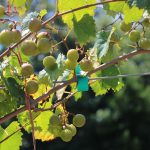
Native grape varieties, such as Muscadine, are also well-suited for Louisiana’s environment. Known for their thick skins and natural resistance to diseases, native grapes contribute to climate resilience by thriving where more delicate varieties might fail. Incorporating these grapes into vineyard plantings helps maintain consistent yields and enhances the overall diversity and robustness of Louisiana’s wine production.
By focusing on climate-resilient grape varieties, Louisiana wineries can improve both the quality and sustainability of their wines. The strategic use of hybrid and native grapes is an essential step toward adapting to climate pressures and ensuring the long-term success of viticulture in this unique region.

Winemaker with 12 years in the cellar. I write about fermentation, terroir, and the honest mistakes that taught me more than any textbook. I’ve ruined more barrels than most people have tasted. That’s not a disclaimer — that’s a résumé. Twelve years making wine in France, now making sense of it in words.