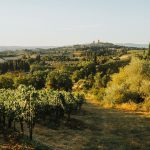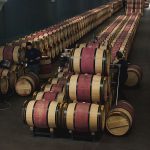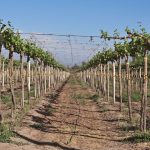
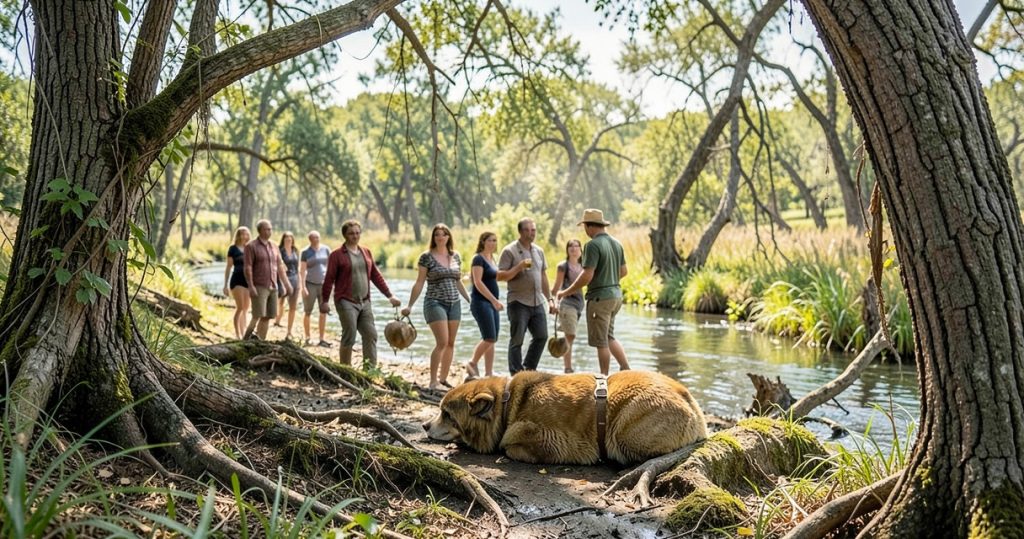
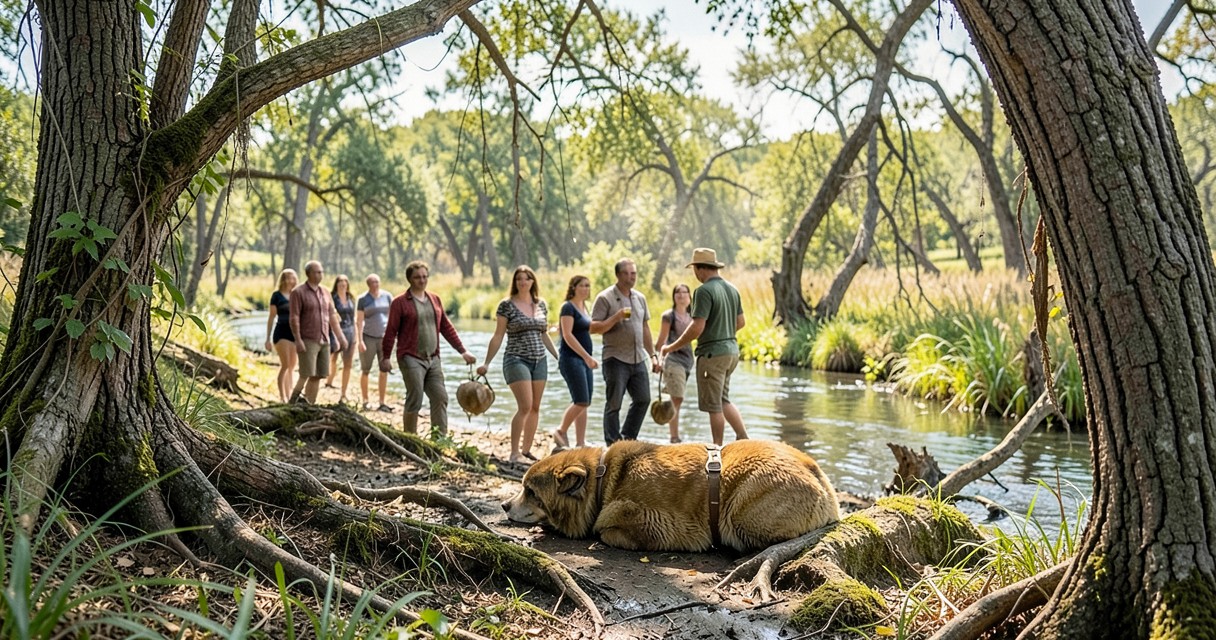
Natural wine has found a surprising home in the bayou state, where humid summers, river‑influenced soils, and a growing community of adventurous winemakers intersect. At Felicia Napa Cellars we see an emerging dialogue between traditional Southern viticulture and the minimalist philosophy that defines natural wine, a conversation that invites both locals and travelers to explore a palate shaped by Louisiana’s unique environment. This article walks through the definition of natural wine, the terroir that nurtures it, the producers who champion it, and the ways you can experience it in the heart of the state.
What Makes a Wine “Natural” in the Louisiana Context
In the simplest terms a natural wine is crafted with minimal intervention, meaning the grapes are harvested by hand, fermented with indigenous yeasts, and bottled without added sulfites or filtration. Louisiana’s winemakers often adopt this approach because humidity’s impact on Louisiana wine encourages a vibrant microbial population that can drive spontaneous fermentations, creating flavors that would be muted in a more controlled environment. The absence of commercial yeast cultures allows the native flora of the vineyard to express itself, resulting in wines that can taste of fresh citrus, wet stone, or even the subtle brine of nearby wetlands.
Beyond the technical definition, local wine in Louisiana carries a cultural dimension tied to sustainability and locality. Many producers source their grapes from vineyards that practice organic or biodynamic farming, eschewing synthetic pesticides and embracing cover crops that improve soil health. This commitment aligns with the state’s broader push toward environmentally friendly agriculture, especially in regions where the Mississippi River delta provides both fertile ground and a reminder of the need for stewardship. By limiting additives, natural winemakers also reduce the carbon footprint associated with transportation of chemicals and equipment, making each bottle a small but meaningful statement about place.
Louisianan Terroir: Climate, Soil, and Grape Varieties
The climate of Louisiana is classified as humid subtropical, with average summer temperatures hovering around 90 °F and annual rainfall exceeding 60 inches in many parts of the state. Such conditions can be challenging for classic European varieties, yet they open doors for grapes that thrive in heat and humidity. Varieties like Muscadine, Blanc du Bois, and the hybrid Seyval Blanc have become staples, offering thick skins and disease resistance that suit the moist environment. These grapes often produce wines with pronounced acidity and fruit-forward profiles, traits that pair well with the bold flavors of Cajun and Creole cuisine.
Soil composition across the state adds another layer of complexity. Alluvial deposits along the Mississippi and Atchafalaya rivers contribute loamy, well‑drained soils rich in organic matter, while inland areas feature clay‑rich loam that retains moisture. Such diversity enables winemakers to experiment with micro‑terroirs, planting vineyards on slightly elevated ground to mitigate flood risk and to capture subtle mineral nuances. The combination of warm days, cool nights, and varied soil types yields natural wines that can range from bright, citrusy whites to medium‑bodied reds with a hint of earthiness.
Key Natural Wine Producers in Louisiana
Among the pioneers, Bayou Vineyards in Lafayette has garnered attention for its commitment to spontaneous fermentation using Muscadine grapes harvested at peak ripeness. Their flagship natural wine, a semi‑dry rosé, showcases aromas of wild strawberry and pepper, with a palate that balances acidity against a soft, lingering finish. The winery’s philosophy emphasizes hand‑picked grapes and the use of native yeasts that originate from the vineyard floor, allowing the terroir to shine through each vintage.
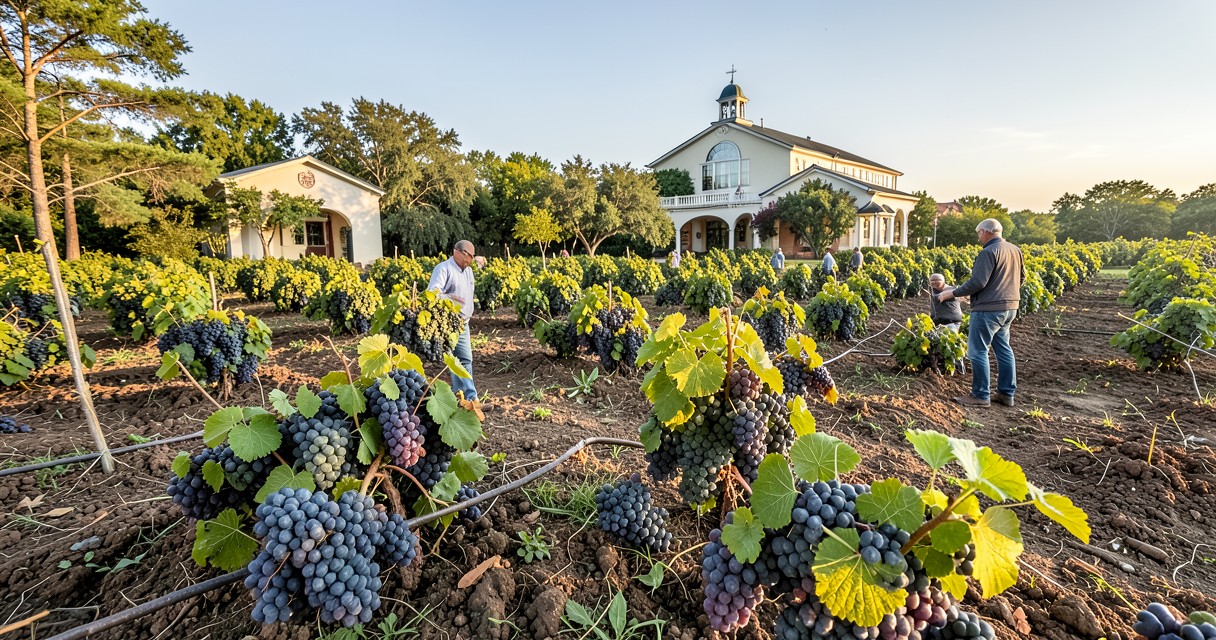
Further east, Riverbank Cellars near New Orleans blends traditional French varietals with local hybrids, producing a natural Chardonnay that forgoes sulfite addition. The wine’s texture is creamy yet crisp, featuring notes of green apple, tropical mango, and a faint mineral edge reminiscent of the nearby Gulf waters. Their approach includes a cover‑crop program of clover and rye, which not only enriches the soil but also attracts pollinators that enhance biodiversity, a practice that aligns with the broader natural wine ethos.
Tasting Profiles and Food Pairings Unique to the Gulf Coast
Natural wines from Louisiana often exhibit bright acidity and a slight effervescence, making them a highlight of any Louisiana wine tasting. A Muscadine‑based natural red, with its soft tannins and berry‑forward character, pairs beautifully with gumbo rich in sausage and okra, as the wine’s fruit can cut through the dish’s heavy spices. Similarly, a natural white made from Blanc du Bois, with its citrus zest and herbal undertones, complements shrimp étouffée, where the wine’s freshness mirrors the dish’s butter‑laden sauce without being overwhelmed.
For those seeking a more adventurous palate, the region’s natural sparkling wines, produced through ancestral method fermentation, offer a fine‑bubbled experience reminiscent of Champagne but with a distinct Southern twist. The bubbles carry aromas of tropical fruit and a whisper of earth, making them an ideal match for fried catfish or a plate of crawfish po’boys. These pairings highlight how the natural winemaking process can amplify the interplay between local cuisine and the subtle nuances of the wine.
Challenges and Opportunities: From Regulation to Distribution
Operating a natural wine business in Louisiana presents regulatory hurdles, as the state’s alcohol laws require specific labeling and licensing that can be more stringent for producers who avoid conventional additives. For instance, the lack of added sulfites means that natural wines may be more prone to oxidation, prompting the need for careful storage and transport protocols that comply with state health standards. Nevertheless, the growing consumer interest in authentic, low‑intervention products has spurred legislative discussions aimed at simplifying the approval process for small‑scale wineries.
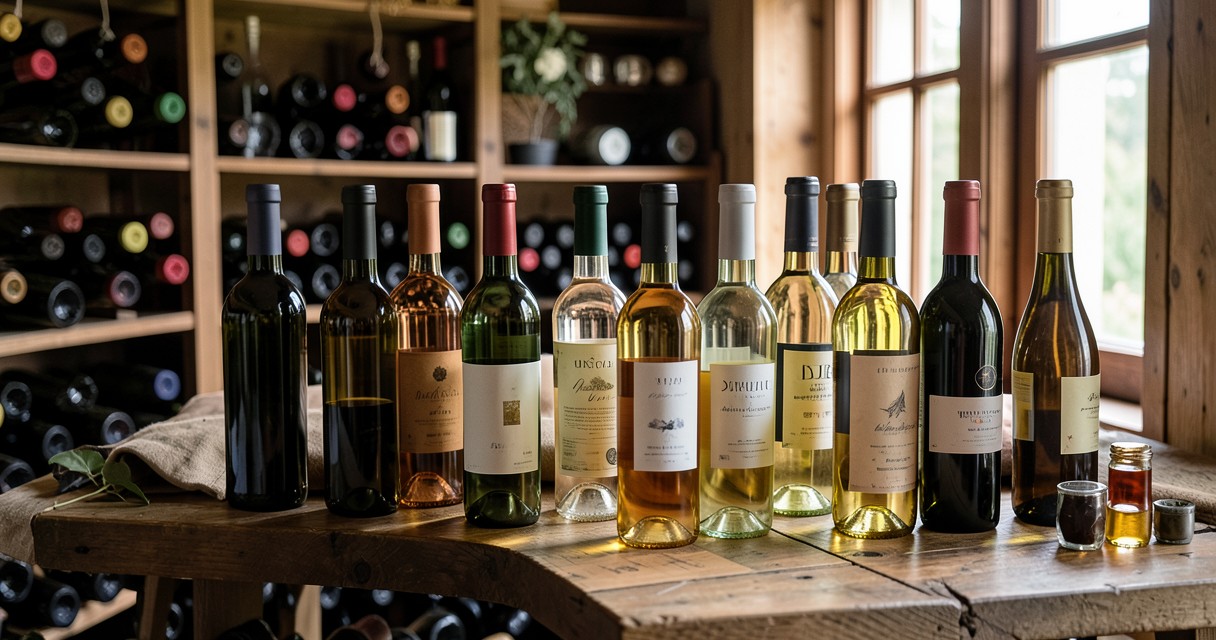
Distribution channels are evolving as well, with a rise in direct‑to‑consumer sales and boutique wine shops that specialize in natural selections. Online platforms now allow Louisiana winemakers to ship across state lines, reaching enthusiasts in neighboring states such as Texas and Mississippi, where the demand for natural wine is also on the rise. At Felicia Napa Cellars we have observed a steady increase in inquiries about limited‑edition natural bottles, a trend that encourages producers to experiment further and expand their offerings.
Visiting Natural Wine at Felicia Napa Cellars and Nearby Tasting Rooms
Felicia Napa Cellars welcomes visitors to explore the burgeoning natural wine scene through curated wine tasting events in Louisiana that feature both local producers and select international natural wines. Our tasting room offers a rotating selection of four‑to‑six‑bottle flights, each accompanied by detailed notes on the vineyard’s practices, the grape’s origin, and suggested food pairings. Guests can also attend seasonal workshops that delve into topics such as spontaneous fermentation, the impact of terroir on natural wine, and the art of low‑sulfite bottling.
Beyond our own cellar doors, the surrounding region boasts a network of boutique tasting rooms that celebrate the state’s winemaking heritage. In the historic French Quarter, the Bayou Barrel offers river‑view tastings of Muscadine natural reds, while the Oak Grove Vineyard near Lake Charles hosts weekend harvest festivals where visitors can meet winemakers and witness spontaneous fermentations in real time. These experiences not only highlight the diversity of natural wine in Louisiana but also provide a tangible connection to the land and its people, illustrating why wine tours in Louisiana are both vibrant and uniquely Southern.

Winemaker with 12 years in the cellar. I write about fermentation, terroir, and the honest mistakes that taught me more than any textbook. I’ve ruined more barrels than most people have tasted. That’s not a disclaimer — that’s a résumé. Twelve years making wine in France, now making sense of it in words.