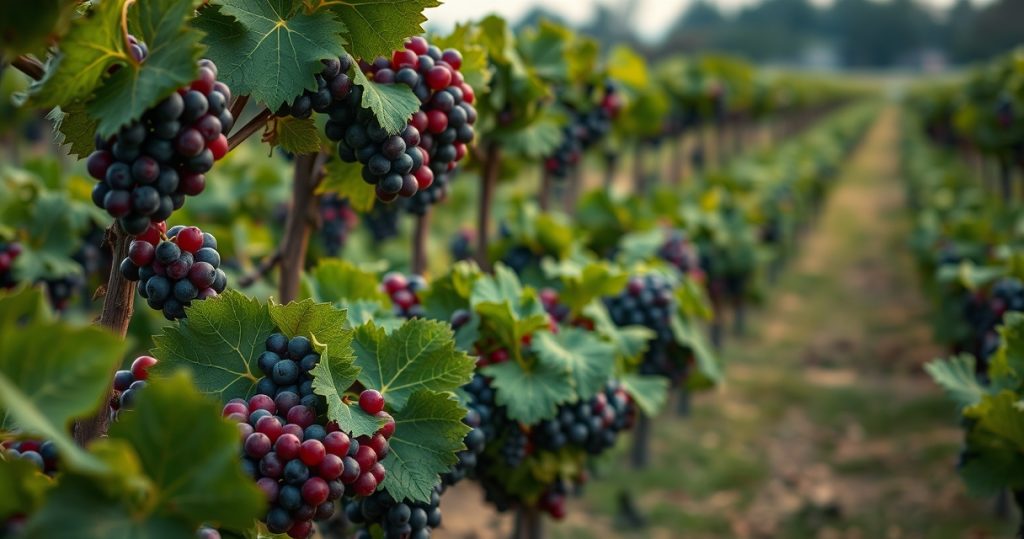
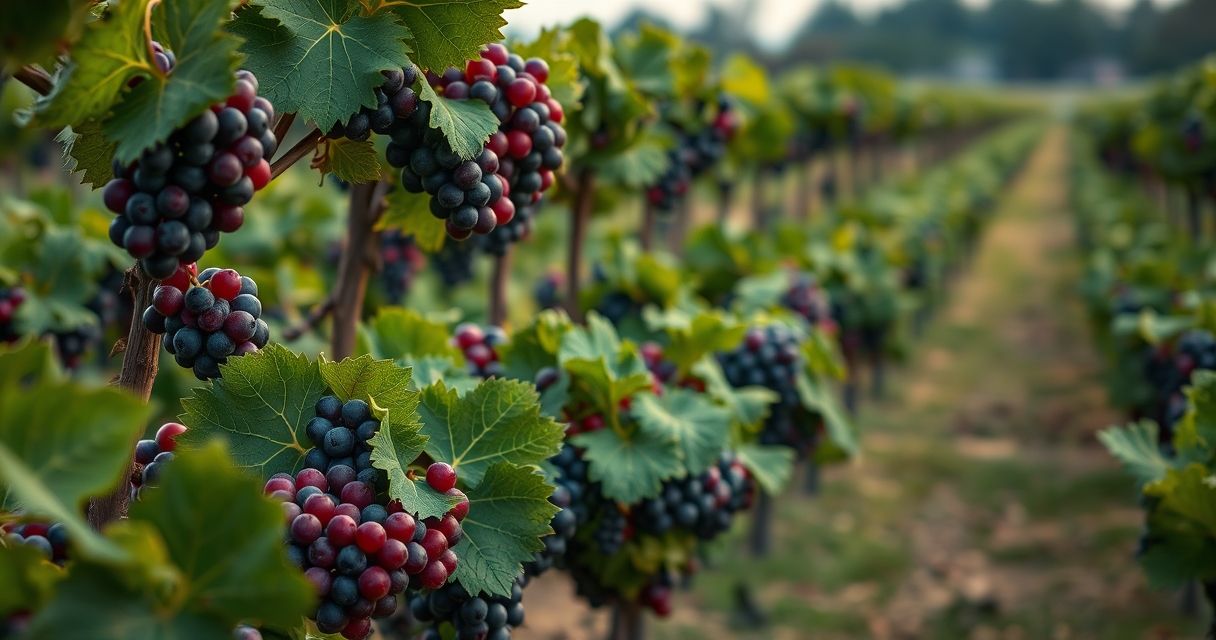
Louisiana may be best known for its vibrant music, spicy cuisine, and riverboat history, but its wine scene is quietly gaining momentum, especially on the red side. The state’s unique blend of humid subtropical climate, alluvial soils, and a legacy of French settlement creates conditions that, while challenging, also inspire innovative winemakers to craft distinctive reds. Small‑scale vineyards have emerged along the Mississippi floodplain, in the rolling hills of the northern parishes, and even on the coastal islands, each offering a different expression of terroir. For consumers seeking a wine that reflects a sense of place, Louisiana red wine delivers a mix of fruit, spice, and earth that mirrors the state’s cultural richness. This article explores the evolution, grape choices, key producers, tasting notes, and ways to enjoy these wines at home and on the road.
Early Roots and French Influence
The story of red wine in Louisiana begins in the early 1700s, when French colonists introduced vines to the colony of New France. Settlers planted cuttings of Cabernet Franc and Pinot Noir in the modest gardens surrounding New Orleans, hoping to recreate the flavors of their homeland. Although the humid climate and occasional hurricanes limited early successes, the French tradition of blending fruit and spirits persisted, influencing local practices such as the creation of fortified wines and fruit liqueurs. By the late 1800s, small family farms in the river valleys began experimenting with hybrid grapes that could survive the heat, laying a foundation for today’s resurgence.
During the Prohibition era, many of these vineyards fell silent, but the post‑World War II period saw a renewed interest in agricultural diversification. Visionary growers like the Feliciana family invested in research to identify grape varieties tolerant of Louisiana’s humidity while still delivering color and tannin. Their efforts coincided with a broader movement across the South to establish a distinct wine identity separate from the dominant California narrative. The result was a modest but growing portfolio of reds that began to appear on restaurant wine lists in Baton Rouge and Shreveport by the early 2000s.
Why the Gulf Coast Climate Shapes Red Grapes
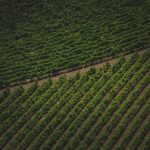
Louisiana’s climate is characterized by long, hot summers, mild winters, and abundant rainfall, a combination that forces winemakers to adapt their vineyard practices. The high humidity encourages fungal pressure, so growers often employ canopy management techniques such as leaf thinning and strategic pruning to improve airflow. Soil types range from clay‑rich delta deposits along the Mississippi to sandy loams in the northern piney woods, each influencing water retention and root development. These conditions tend to produce grapes with higher sugar levels, which can translate into richer, fuller‑bodied reds if managed carefully.
Temperature fluctuations between day and night are modest, limiting the development of complex aromatics that cooler regions provide. To compensate, vintners emphasize terroir expression through oak aging and controlled fermentation, allowing subtle spice and mineral notes to emerge. The occasional cold snap in winter can be a blessing, halting premature bud break and reducing the risk of early frost damage. Overall, the climate demands a hands‑on approach, rewarding producers who blend scientific precision with a respect for the state’s natural rhythms.
Red Varieties That Thrive in Louisiana Soil
Hybrid grapes such as Marechal Foch, Vignoles, and Cinsault have proven resilient in the humid environment, offering deep color and moderate tannins. Marechal Foch, a French‑American cross, tolerates heat and disease, producing wines with blackberry, plum, and a hint of pepper that pair well with Cajun dishes. Cinsault, originally from the Mediterranean, adapts to sandy soils and yields a lighter‑bodied red with red‑fruit aromas and a smooth finish, making it popular for blended bottlings. Vignoles, though more commonly associated with white wines, is sometimes used in rosé blends that showcase the versatility of Louisiana vineyards.
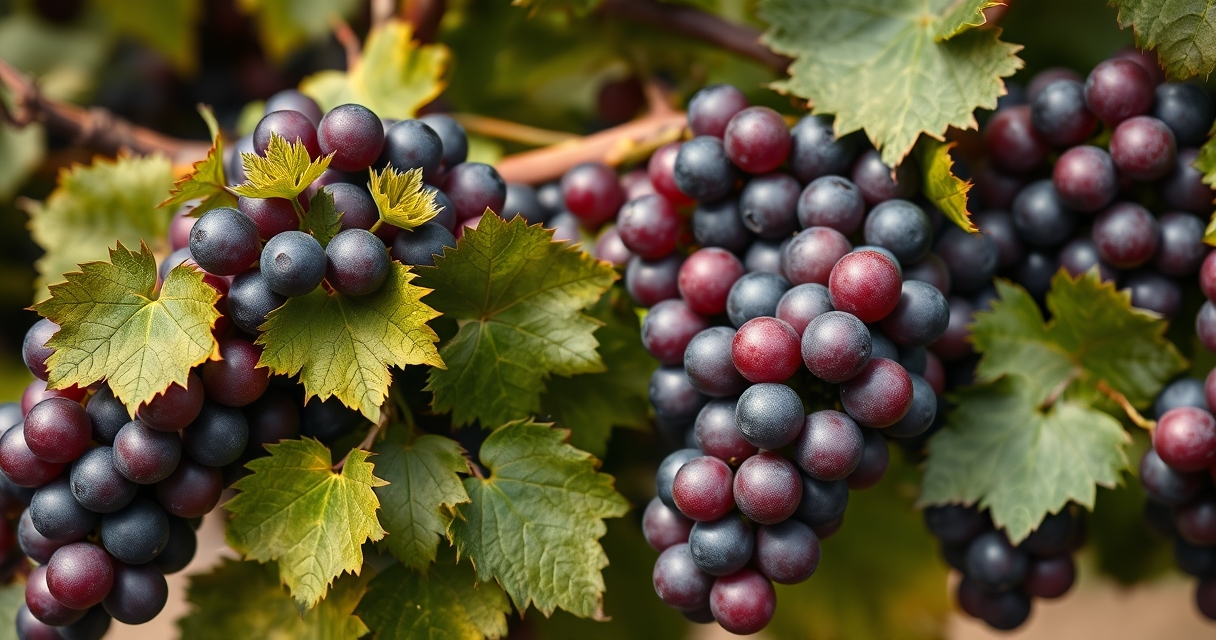
Traditional Vitis vinifera varieties are also making inroads, thanks to improved canopy management and micro‑climate site selection. Small plots of Cabernet Sauvignon and Merlot thrive on the slightly elevated, well‑drained sites near the Ouachita foothills, where cooler breezes temper the summer heat. These grapes produce structured wines with dark‑fruit intensity and firm tannic backbones, suitable for aging. Meanwhile, experimental plantings of Syrah and Grenache on the southern coastal plains are yielding spicy, peppery profiles that echo the region’s culinary heat.
Key Producers and Their Signature Reds
Feliciana Cellars, situated on the historic Feliciana Plantation, has become a benchmark for Louisiana red wine. Their flagship “Bayou Blend” combines Marechal Foch, Cinsault, and a touch of Cabernet Sauvignon, delivering a deep ruby hue, ripe blackberry notes, and a subtle oak‑spiced finish. The wine’s moderate alcohol level, typically around 12.5 percent, makes it approachable for both seasoned connoisseurs and casual diners. Another standout is “Riverbank Syrah,” a limited‑release wine that showcases the bold, peppery character of the grape when cultivated on the delta’s alluvial soils.
In the north, Red River Vineyards focuses on cooler‑climate varietals, producing a Merlot with soft plum flavors, gentle tannins, and a lingering chocolate undertone. Their “Crescent Cabernet” benefits from a carefully timed harvest that captures peak acidity, resulting in a wine that balances fruit intensity with structural elegance. Smaller boutique wineries such as Gulf Harvest and Piney Oak also contribute to the diversity, offering single‑varietal Pinot Noir expressions that emphasize delicate cherry and earth aromas, a rare find in the Gulf region.
Flavor Characteristics and Local Pairings
The distinct flavor notes in Louisiana reds, such as fruit and spice, are deeply tied to Louisiana Terroir and Its Influence on the wine’s character. Marechal Foch‑based blends tend to feature ripe blackberry, blackcurrant, and a peppery edge that complements the heat of jambalaya or étouffée. Cinsault blends, lighter in body, bring fresh strawberry and cranberry notes that pair nicely with grilled catfish or a classic shrimp po’boy, allowing the wine’s acidity to cut through the fried batter. Syrah expressions, with their dark‑fruit concentration and subtle smoke, enhance the richness of smoked sausage and red beans.
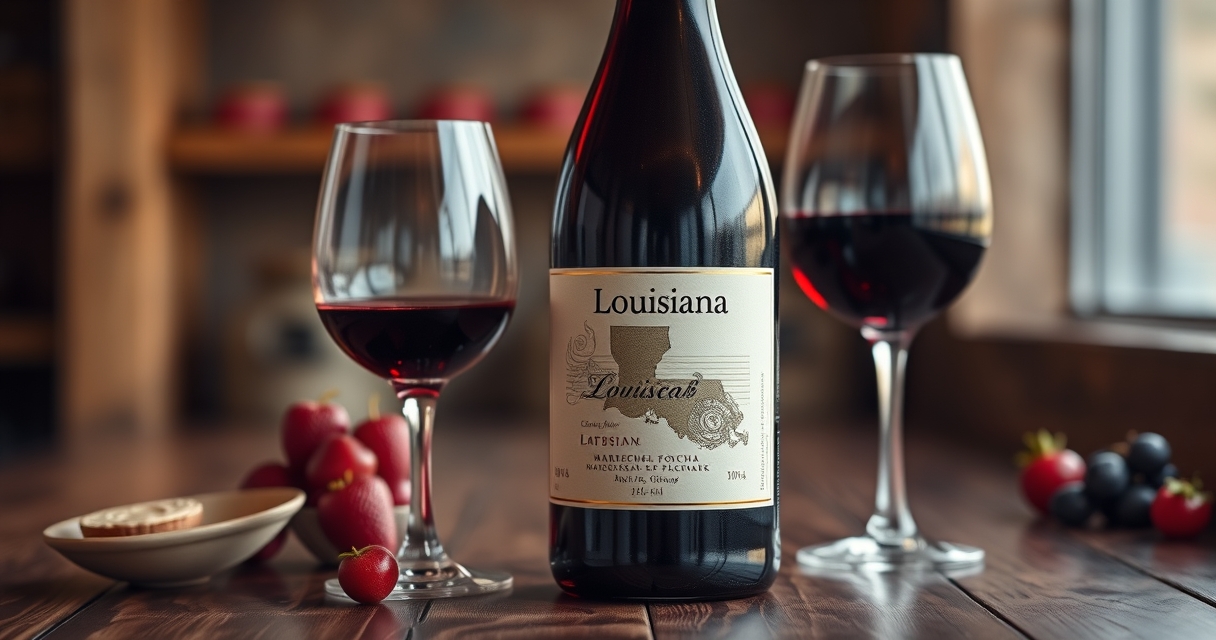
Oak aging introduces vanilla, toasted almond, and gentle tannic structure, which can stand up to heartier dishes such as braised short ribs or gumbo featuring Andouille sausage. For dessert, a lightly chilled Merlot from Red River Vineyards pairs surprisingly well with pecan pralines, its soft tannins echoing the nutty sweetness. Exploring Louisiana wine tasting allows diners to discover how local wines complement the region’s bold culinary traditions.
Experiencing Louisiana Red Wine on the Ground
Visiting a Louisiana Vineyard offers more than a tasting; it immerses guests in a landscape shaped by river, bayou, and pine forest. Many wineries host weekend harvest festivals, where visitors can watch grape picking, participate in barrel tastings, and enjoy live zydeco music. The annual CORK fundraiser in Bossier City, for example, brings together local vintners, chefs, and charity supporters, showcasing the region’s best reds alongside Southern-inspired small plates. Guided tours often include a walk through the historic plantation houses, providing context for the wine’s cultural roots.
For those who cannot travel, several producers ship directly from their cellar doors, offering curated case selections that highlight the diversity of Louisiana reds. Subscription services allow enthusiasts to receive seasonal releases, such as the limited‑edition “Winter Reserve” Syrah, delivered to their door within a few days of bottling. Retail outlets in New Orleans and Baton Rouge now carry these wines alongside craft beers and spirits, making it easier for locals to incorporate a touch of state‑grown red into everyday meals. Whether tasting on a patio overlooking the Mississippi or uncorking a bottle at home, the experience of Louisiana red wine remains deeply tied to the state’s sense of place and hospitality.

Winemaker with 12 years in the cellar. I write about fermentation, terroir, and the honest mistakes that taught me more than any textbook. I’ve ruined more barrels than most people have tasted. That’s not a disclaimer — that’s a résumé. Twelve years making wine in France, now making sense of it in words.