Blog » Exploring Fruit Wines in Louisiana

Exploring Fruit Wines in Louisiana

The sweet and tart characteristics of fruit wines work especially well with the smoky and savory flavors of dishes such as crawfish étouffée and blackened catfish. These pairings allow the wine’s subtle sweetness to balance the bold spices of the food, enhancing the overall tasting experience.

Other delightful food pairings include shrimp remoulade and fried green tomatoes, where the acidity and fruitiness of the wines cut through the creamy and fried textures, creating a refreshing contrast. For cheese lovers, soft cheeses like brie or goat cheese also pair excellently with the lighter fruit wines from Louisiana.

Experimenting with these combinations not only honors the culinary heritage of Louisiana but also elevates your appreciation of food pairings with Louisiana fruit wines, ensuring each sip and bite are perfectly matched.

In addition to the fruity components, Louisiana wine characteristics frequently include floral undertones and hints of spice, which add depth and complexity to the bouquet. The humid subtropical climate contributes to riper fruit harvests, imparting luscious sweetness and round textures in the finished wines. Some fruit wines produced here carry delicate citrus zest notes, which enhance the wine’s vibrancy and provide a refreshing finish.

Furthermore, Louisiana fruit wines often exhibit a smooth, medium body paired with moderate acidity, making them approachable and enjoyable for a wide range of palates. These varied flavor nuances combine to create wines that are both aromatic and flavorful, celebrating the state’s rich agricultural heritage and promising a memorable tasting experience for wine enthusiasts seeking unique fruit wine taste profiles.

Best Food Pairings with Louisiana Fruit Wines

Louisiana fruit wines offer a unique taste experience that pairs beautifully with the rich flavors of Louisiana cuisine. For an ideal wine and food matching, consider traditional dishes like gumbo and jambalaya, which feature complex spices and ingredients that complement the fruity notes of local wines.

The sweet and tart characteristics of fruit wines work especially well with the smoky and savory flavors of dishes such as crawfish étouffée and blackened catfish. These pairings allow the wine’s subtle sweetness to balance the bold spices of the food, enhancing the overall tasting experience.

Other delightful food pairings include shrimp remoulade and fried green tomatoes, where the acidity and fruitiness of the wines cut through the creamy and fried textures, creating a refreshing contrast. For cheese lovers, soft cheeses like brie or goat cheese also pair excellently with the lighter fruit wines from Louisiana.

Experimenting with these combinations not only honors the culinary heritage of Louisiana but also elevates your appreciation of food pairings with Louisiana fruit wines, ensuring each sip and bite are perfectly matched.

In addition to the fruity components, Louisiana wine characteristics frequently include floral undertones and hints of spice, which add depth and complexity to the bouquet. The humid subtropical climate contributes to riper fruit harvests, imparting luscious sweetness and round textures in the finished wines. Some fruit wines produced here carry delicate citrus zest notes, which enhance the wine’s vibrancy and provide a refreshing finish.

Furthermore, Louisiana fruit wines often exhibit a smooth, medium body paired with moderate acidity, making them approachable and enjoyable for a wide range of palates. These varied flavor nuances combine to create wines that are both aromatic and flavorful, celebrating the state’s rich agricultural heritage and promising a memorable tasting experience for wine enthusiasts seeking unique fruit wine taste profiles.

Best Food Pairings with Louisiana Fruit Wines

Louisiana fruit wines offer a unique taste experience that pairs beautifully with the rich flavors of Louisiana cuisine. For an ideal wine and food matching, consider traditional dishes like gumbo and jambalaya, which feature complex spices and ingredients that complement the fruity notes of local wines.

The sweet and tart characteristics of fruit wines work especially well with the smoky and savory flavors of dishes such as crawfish étouffée and blackened catfish. These pairings allow the wine’s subtle sweetness to balance the bold spices of the food, enhancing the overall tasting experience.

Other delightful food pairings include shrimp remoulade and fried green tomatoes, where the acidity and fruitiness of the wines cut through the creamy and fried textures, creating a refreshing contrast. For cheese lovers, soft cheeses like brie or goat cheese also pair excellently with the lighter fruit wines from Louisiana.

Experimenting with these combinations not only honors the culinary heritage of Louisiana but also elevates your appreciation of food pairings with Louisiana fruit wines, ensuring each sip and bite are perfectly matched.

Introduction to Fruit Wines in Louisiana

Fruit wines in Louisiana offer a unique and flavorful twist on traditional winemaking, showcasing the rich agricultural diversity of the region. Unlike grape wines, fruit wines are crafted from a variety of local fruits such as muscadine grapes, peaches, blackberries, and even strawberries, all of which thrive in Louisiana’s warm and humid climate. The tradition of making fruit wines in Louisiana dates back to the early settlers who utilized the abundant fruits around them to create vibrant and distinctive wines. This historical approach to winemaking has been passed down through generations, blending both cultural heritage and innovative techniques.

Louisiana wine history is deeply intertwined with the state’s agricultural practices and cultural influences. Fruit wines gave early settlers an accessible way to produce alcoholic beverages suited to the regional environment where classic grape varieties were often difficult to cultivate. Over time, local fruit wines have evolved, reflecting Louisiana’s diverse ecosystem and the creativity of its winemakers. Today, these fruit wines are celebrated not only for their traditional roots but also for their unique taste profiles that capture the essence of Louisiana’s fruit harvests.

The growing popularity of fruit wines Louisiana-wide is driven by a renewed consumer interest in locally produced, artisanal beverages. Enthusiasts and casual wine drinkers alike are drawn to the fresh, often sweeter flavors of fruit wines that differ significantly from conventional grape wines. Local fruit wines are gaining attention at farmers’ markets, wine festivals, and regional tasting rooms, making them a rising trend in Louisiana’s vibrant culinary scene. This resurgence highlights the importance of supporting local producers and celebrating Louisiana’s distinctive agricultural heritage.

In summary, fruit wines in Louisiana represent a fusion of history, tradition, and modern taste preferences. With a strong connection to the land and its fruits, these wines provide an exciting alternative to classic grape wines and play a significant role in Louisiana’s expanding wine culture. As interest continues to grow, local fruit wines stand as a testament to the state’s innovative spirit and rich winemaking legacy.

History and Evolution of Fruit Wines in Louisiana

The history of fruit wine in Louisiana is a rich tapestry that intertwines cultural traditions and agricultural heritage. From the early days of French and Spanish settlers, the production of traditional fruit wines was a common practice, utilizing the abundant local fruits such as muscadine grapes, peaches, plums, and berries. These early producers crafted wines that reflected the unique terroir and climate of the region, planting the seeds for a localized wine culture.

As Louisiana’s wine evolution progressed, these traditional fruit wines gained popularity beyond personal and community use, gradually moving toward commercial production. The humid subtropical climate presented challenges for conventional grape growing, which encouraged vintners to experiment with native and hybrid fruit varieties that thrived in these conditions. This adaptability helped shape a distinctive Louisiana fruit wine industry that celebrates native fruits and innovative blends.

In modern production, Louisiana’s fruit wines have embraced new techniques and quality standards that elevate them to compete on a larger scale. Wineries have expanded their portfolios to include a wide array of fruit wines, highlighting both sweet and dry styles. This evolution reflects a growing appreciation for the history of fruit wine in Louisiana, honoring traditional methods while embracing contemporary advancements in winemaking. Today’s fruit wines represent both a tribute to Louisiana’s past and a vibrant future for its wine culture.

Popular Fruits Used in Louisiana’s Wines

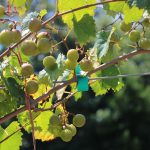
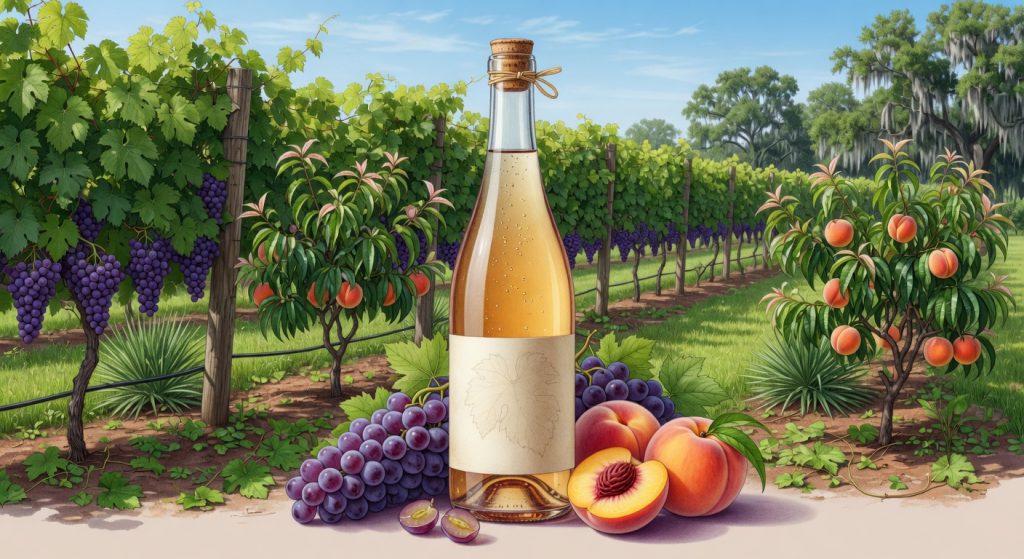
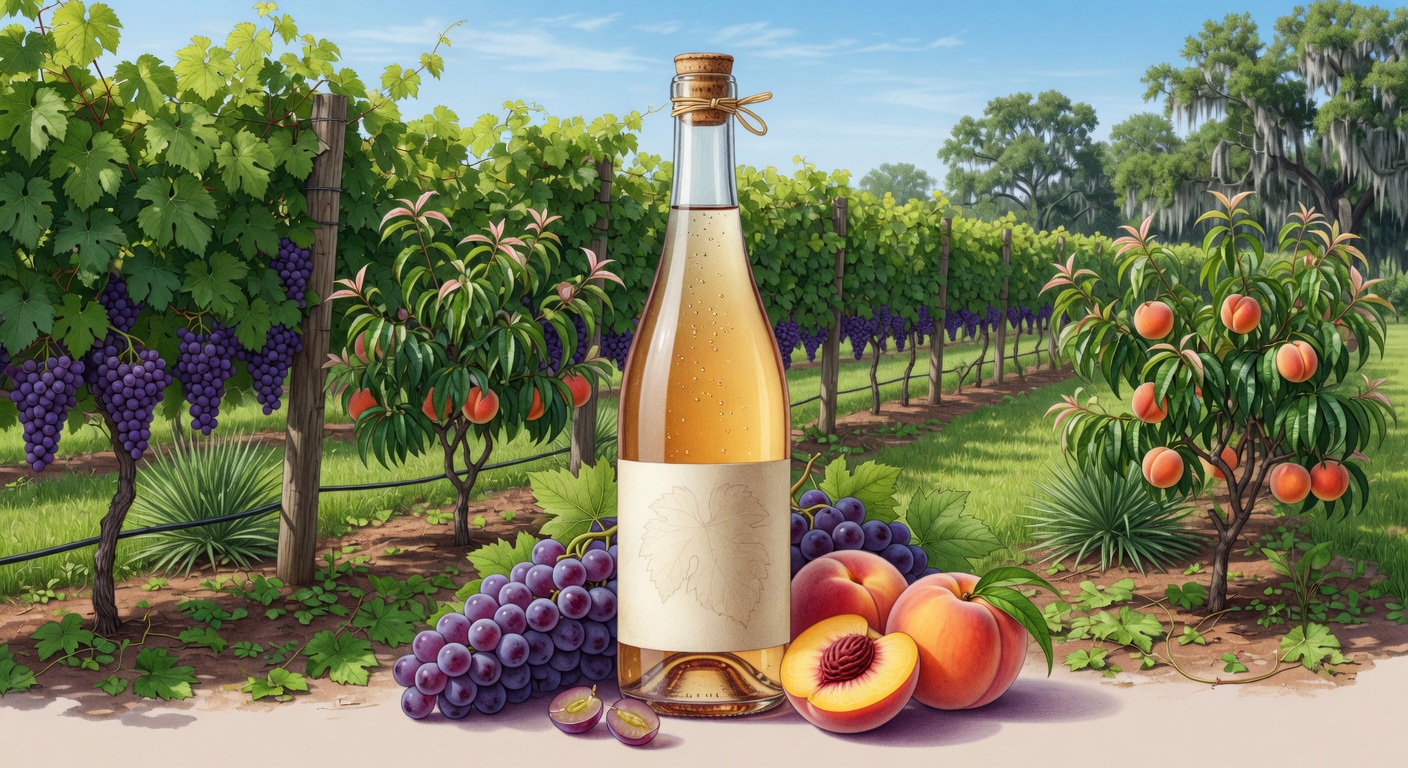
Louisiana’s unique climate and fertile soil contribute to the availability of a diverse range of fruits for wine production, making the state’s fruit wine types rich and varied. Among the most popular fruits for wine in Louisiana are muscadine grapes, blueberries, blackberries, and peaches. Muscadine grapes, native to the southeastern United States, are especially prized for their thick skins and robust flavor, producing wines with deep, complex character that are a signature of Louisiana’s local fruit varieties.

Blueberries and blackberries thrive in Louisiana’s humid climate, and their wines are popular for their sweet yet tangy profiles. These berries are not only delicious fresh but also bring vibrant color and unique flavor nuances to the wines crafted here. Peaches, another beloved fruit grown locally, are utilized for their fragrant aroma and subtle sweetness, creating wines that are both refreshing and distinctive in the region.

In addition to these staples, winemakers in Louisiana experiment with other regional fruits like figs and persimmons, adding to the rich tapestry of flavors in Louisiana fruit wine types. The blend of these local fruit varieties ensures that Louisiana wines have a unique regional identity, standing out in the broader world of fruit wines. Whether drawing from traditional muscadine grapes or exploring lesser-used fruits, Louisiana’s fruit wines offer a taste of the local terroir and culture.

Top Fruit Wine Producers and Vineyards in Louisiana

Louisiana’s vibrant wine scene extends beyond traditional grape varieties to embrace a remarkable array of fruit wines. Renowned Louisiana vineyards have carved a niche for themselves by crafting outstanding fruit wines that capture the essence of the region’s abundant and diverse fruit harvests. Visitors and wine enthusiasts alike can explore some of the best Louisiana wineries dedicated to innovative and flavorful fruit wines, showcasing the state’s unique terroir and agricultural richness.

One of the leading fruit wine producers in Louisiana is Feliciana Cellars, situated in the heart of the Feliciana region. This vineyard is acclaimed for its commitment to crafting exquisite wines from a variety of fruits such as muscadine grapes, blackberries, and other locally sourced fruits. Feliciana Cellars’ dedication to quality and craftsmanship has earned it a reputation as one of the premier Louisiana vineyards producing distinctive fruit wines that appeal to a wide spectrum of wine lovers.

Another prominent name among Louisiana fruit wine producers is Southern Heritage Vineyard. With an emphasis on native fruits and organic farming practices, Southern Heritage Vineyard offers a collection of fruit wines renowned for their bold flavors and balanced sweetness. These wines are crafted using traditional methods combined with modern techniques to bring out the natural fruit characteristics, making the vineyard a must-visit destination for anyone interested in fruit wines.

In the greater New Orleans area, Bayou Fruit Winery has gained acclaim for its innovative approaches to fruit wine production. Utilizing a variety of fruits including figs, persimmons, and honeysuckle berries, Bayou Fruit Winery captures the distinctive flavors of Louisiana’s Gulf Coast. Their fruit wines are celebrated for their fresh and aromatic profiles, which distinctly reflect the rich biodiversity of the region.

Overall, these top fruit wine producers and vineyards highlight the diversity and creativity found within Louisiana’s wine industry. They demonstrate how Louisiana vineyards are not only cultivating traditional grape wines but also pioneering the production of exceptional fruit wines that emphasize local fruits and flavors. For enthusiasts seeking an authentic taste of Louisiana’s winemaking prowess, visiting these best Louisiana wineries offers an insightful and delicious journey into the world of fruit wines.

Notable Wineries Specializing in Fruit Wines

Louisiana is home to several notable Louisiana wineries that have earned acclaim for their expertise in crafting exquisite fruit wines. These fruit wine experts have significantly contributed to the state’s growing reputation in the wine industry, bringing unique regional flavors to life through their innovative techniques and dedication to quality.

Feliciana Cellars, located in the heart of Louisiana, stands out as a renowned vineyard known for its exceptional black cherry and muscadine fruit wines. Their award-winning selections have gained recognition in regional wine competitions, reinforcing their status as leaders in fruit wine production. Their approach combines traditional winemaking methods with modern practices, resulting in wines that celebrate the vibrant tastes of Louisiana’s native fruits.

Another esteemed contender is Abita Springs Winery, famous for its charming fig and persimmon wines. This winery’s commitment to quality has earned it several accolades at local and national levels, highlighting its skillful craftmanship. The expertise of their winemakers ensures the preservation of each fruit’s distinct character, offering an authentic taste experience that resonates with wine enthusiasts nationwide.

These renowned vineyards exemplify the spirit and innovation found within Louisiana’s wine community. Their dedication to fruit wine production not only enriches the local culture but also invites visitors to explore a diverse palate of tastes unique to the region. For those interested in fruit wines, these notable Louisiana wineries are must-visit destinations.

Visiting Louisiana Fruit Wine Vineyards

Planning a visit to fruit wine vineyards in Louisiana offers a unique opportunity to explore the state’s vibrant fruit wine tourism scene. To make the most of your vineyard visits, start by researching local vineyards that specialize in fruit wines, such as muscadine, blackberry, and blueberry varieties. Many vineyards provide wine tasting Louisiana experiences where visitors can sample an assortment of fruit wines in a scenic setting, perfect for both enthusiasts and casual visitors.

When arranging your trip, check the vineyard’s website or contact them directly to learn about their tasting room hours, special events, and tours. Several vineyards host seasonal festivals and wine release parties, which can elevate your visit with live music, local food, and the chance to meet the winemakers. Booking a guided tasting tour can enrich your understanding of the wine production process and highlight the unique flavors of Louisiana’s fruit wines.

Keep in mind that many vineyards encourage reservations, especially on weekends or during popular events. Some vineyards even offer picnic spots or partner with local caterers for a full-day outing experience. Whether you’re planning a solo adventure, a romantic day out, or a group gathering, exploring Louisiana’s fruit wine vineyards combines wine tasting Louisiana with picturesque vineyard visits and lively fruit wine tourism events, making it a memorable experience for all visitors.

Tasting and Pairing Fruit Wines from Louisiana

Tasting fruit wine is an experience that engages all your senses. Start by observing the wine’s color and clarity, which can hint at the type of fruit and its ripeness. Next, gently swirl the glass to release the wine’s aromas—savor the fragrant bouquet that often reflects the vibrant Louisiana fruit wine flavors such as peach, muscadine, or blackberry. Bring the glass to your nose and take a deep breath to capture the full scent profile.

When tasting, take a small sip and let the wine coat your palate. Pay attention to the balance of sweetness, acidity, and tannins if present. Fruit wine tasting in Louisiana often reveals a harmonious blend of native fruit characteristics with a smooth finish, making the tasting process both refreshing and insightful.

Pairing food with Louisiana fruit wines enhances both the dish and the wine’s unique notes. For sweeter fruit wines like muscadine or blackberry, try pairing with spicy Cajun dishes such as blackened fish or jambalaya; the wine’s sweetness balances the spice beautifully. Lighter fruit wines, like those made from peaches, complement creamy cheeses such as Brie or goat cheese, creating a delightful interplay of flavors on the palate.

For drier fruit wines, consider pairing with roasted poultry or pork, where the wine’s acidity can cut through the richness of the meat. Louisiana fruit wine flavors often carry subtle earthiness or floral hints, so dishes featuring herbs like thyme, rosemary, or bay leaf pair wonderfully. Don’t hesitate to experiment with seafood risottos or charcuterie boards to find your perfect match.

To truly enjoy fruit wine tasting and food pairings, serve the wines slightly chilled to highlight their fresh fruit flavors. Use appropriate glassware— tulip-shaped glasses work well to concentrate the aromatic profile. Whether you’re new to fruit wines or a seasoned enthusiast, embracing the full tasting ritual and thoughtful pairings will deepen your appreciation of Louisiana’s vibrant fruit wine culture.

Flavor Profiles of Louisiana Fruit Wines

Louisiana fruit wines offer a diverse and enticing range of wine flavor profiles that reflect the state’s unique terroir and fruit varieties. These wines commonly showcase bright and vibrant fruit wine taste characteristics, often bursting with fresh, juicy notes. Many Louisiana fruit wines highlight tropical and stone fruit aromas such as peach, apricot, and mango, merging sweetness with subtle acidity to create a well-balanced profile.

In addition to the fruity components, Louisiana wine characteristics frequently include floral undertones and hints of spice, which add depth and complexity to the bouquet. The humid subtropical climate contributes to riper fruit harvests, imparting luscious sweetness and round textures in the finished wines. Some fruit wines produced here carry delicate citrus zest notes, which enhance the wine’s vibrancy and provide a refreshing finish.

Furthermore, Louisiana fruit wines often exhibit a smooth, medium body paired with moderate acidity, making them approachable and enjoyable for a wide range of palates. These varied flavor nuances combine to create wines that are both aromatic and flavorful, celebrating the state’s rich agricultural heritage and promising a memorable tasting experience for wine enthusiasts seeking unique fruit wine taste profiles.

Best Food Pairings with Louisiana Fruit Wines

Louisiana fruit wines offer a unique taste experience that pairs beautifully with the rich flavors of Louisiana cuisine. For an ideal wine and food matching, consider traditional dishes like gumbo and jambalaya, which feature complex spices and ingredients that complement the fruity notes of local wines.

The sweet and tart characteristics of fruit wines work especially well with the smoky and savory flavors of dishes such as crawfish étouffée and blackened catfish. These pairings allow the wine’s subtle sweetness to balance the bold spices of the food, enhancing the overall tasting experience.

Other delightful food pairings include shrimp remoulade and fried green tomatoes, where the acidity and fruitiness of the wines cut through the creamy and fried textures, creating a refreshing contrast. For cheese lovers, soft cheeses like brie or goat cheese also pair excellently with the lighter fruit wines from Louisiana.

Experimenting with these combinations not only honors the culinary heritage of Louisiana but also elevates your appreciation of food pairings with Louisiana fruit wines, ensuring each sip and bite are perfectly matched.

In addition to the fruity components, Louisiana wine characteristics frequently include floral undertones and hints of spice, which add depth and complexity to the bouquet. The humid subtropical climate contributes to riper fruit harvests, imparting luscious sweetness and round textures in the finished wines. Some fruit wines produced here carry delicate citrus zest notes, which enhance the wine’s vibrancy and provide a refreshing finish.

Furthermore, Louisiana fruit wines often exhibit a smooth, medium body paired with moderate acidity, making them approachable and enjoyable for a wide range of palates. These varied flavor nuances combine to create wines that are both aromatic and flavorful, celebrating the state’s rich agricultural heritage and promising a memorable tasting experience for wine enthusiasts seeking unique fruit wine taste profiles.

Best Food Pairings with Louisiana Fruit Wines

Louisiana fruit wines offer a unique taste experience that pairs beautifully with the rich flavors of Louisiana cuisine. For an ideal wine and food matching, consider traditional dishes like gumbo and jambalaya, which feature complex spices and ingredients that complement the fruity notes of local wines.

The sweet and tart characteristics of fruit wines work especially well with the smoky and savory flavors of dishes such as crawfish étouffée and blackened catfish. These pairings allow the wine’s subtle sweetness to balance the bold spices of the food, enhancing the overall tasting experience.

Other delightful food pairings include shrimp remoulade and fried green tomatoes, where the acidity and fruitiness of the wines cut through the creamy and fried textures, creating a refreshing contrast. For cheese lovers, soft cheeses like brie or goat cheese also pair excellently with the lighter fruit wines from Louisiana.

Experimenting with these combinations not only honors the culinary heritage of Louisiana but also elevates your appreciation of food pairings with Louisiana fruit wines, ensuring each sip and bite are perfectly matched.

Introduction to Fruit Wines in Louisiana

Fruit wines in Louisiana offer a unique and flavorful twist on traditional winemaking, showcasing the rich agricultural diversity of the region. Unlike grape wines, fruit wines are crafted from a variety of local fruits such as muscadine grapes, peaches, blackberries, and even strawberries, all of which thrive in Louisiana’s warm and humid climate. The tradition of making fruit wines in Louisiana dates back to the early settlers who utilized the abundant fruits around them to create vibrant and distinctive wines. This historical approach to winemaking has been passed down through generations, blending both cultural heritage and innovative techniques.

Louisiana wine history is deeply intertwined with the state’s agricultural practices and cultural influences. Fruit wines gave early settlers an accessible way to produce alcoholic beverages suited to the regional environment where classic grape varieties were often difficult to cultivate. Over time, local fruit wines have evolved, reflecting Louisiana’s diverse ecosystem and the creativity of its winemakers. Today, these fruit wines are celebrated not only for their traditional roots but also for their unique taste profiles that capture the essence of Louisiana’s fruit harvests.

The growing popularity of fruit wines Louisiana-wide is driven by a renewed consumer interest in locally produced, artisanal beverages. Enthusiasts and casual wine drinkers alike are drawn to the fresh, often sweeter flavors of fruit wines that differ significantly from conventional grape wines. Local fruit wines are gaining attention at farmers’ markets, wine festivals, and regional tasting rooms, making them a rising trend in Louisiana’s vibrant culinary scene. This resurgence highlights the importance of supporting local producers and celebrating Louisiana’s distinctive agricultural heritage.

In summary, fruit wines in Louisiana represent a fusion of history, tradition, and modern taste preferences. With a strong connection to the land and its fruits, these wines provide an exciting alternative to classic grape wines and play a significant role in Louisiana’s expanding wine culture. As interest continues to grow, local fruit wines stand as a testament to the state’s innovative spirit and rich winemaking legacy.

History and Evolution of Fruit Wines in Louisiana

The history of fruit wine in Louisiana is a rich tapestry that intertwines cultural traditions and agricultural heritage. From the early days of French and Spanish settlers, the production of traditional fruit wines was a common practice, utilizing the abundant local fruits such as muscadine grapes, peaches, plums, and berries. These early producers crafted wines that reflected the unique terroir and climate of the region, planting the seeds for a localized wine culture.

As Louisiana’s wine evolution progressed, these traditional fruit wines gained popularity beyond personal and community use, gradually moving toward commercial production. The humid subtropical climate presented challenges for conventional grape growing, which encouraged vintners to experiment with native and hybrid fruit varieties that thrived in these conditions. This adaptability helped shape a distinctive Louisiana fruit wine industry that celebrates native fruits and innovative blends.

In modern production, Louisiana’s fruit wines have embraced new techniques and quality standards that elevate them to compete on a larger scale. Wineries have expanded their portfolios to include a wide array of fruit wines, highlighting both sweet and dry styles. This evolution reflects a growing appreciation for the history of fruit wine in Louisiana, honoring traditional methods while embracing contemporary advancements in winemaking. Today’s fruit wines represent both a tribute to Louisiana’s past and a vibrant future for its wine culture.

Popular Fruits Used in Louisiana’s Wines

Louisiana’s unique climate and fertile soil contribute to the availability of a diverse range of fruits for wine production, making the state’s fruit wine types rich and varied. Among the most popular fruits for wine in Louisiana are muscadine grapes, blueberries, blackberries, and peaches. Muscadine grapes, native to the southeastern United States, are especially prized for their thick skins and robust flavor, producing wines with deep, complex character that are a signature of Louisiana’s local fruit varieties.

Blueberries and blackberries thrive in Louisiana’s humid climate, and their wines are popular for their sweet yet tangy profiles. These berries are not only delicious fresh but also bring vibrant color and unique flavor nuances to the wines crafted here. Peaches, another beloved fruit grown locally, are utilized for their fragrant aroma and subtle sweetness, creating wines that are both refreshing and distinctive in the region.

In addition to these staples, winemakers in Louisiana experiment with other regional fruits like figs and persimmons, adding to the rich tapestry of flavors in Louisiana fruit wine types. The blend of these local fruit varieties ensures that Louisiana wines have a unique regional identity, standing out in the broader world of fruit wines. Whether drawing from traditional muscadine grapes or exploring lesser-used fruits, Louisiana’s fruit wines offer a taste of the local terroir and culture.

Top Fruit Wine Producers and Vineyards in Louisiana

Louisiana’s vibrant wine scene extends beyond traditional grape varieties to embrace a remarkable array of fruit wines. Renowned Louisiana vineyards have carved a niche for themselves by crafting outstanding fruit wines that capture the essence of the region’s abundant and diverse fruit harvests. Visitors and wine enthusiasts alike can explore some of the best Louisiana wineries dedicated to innovative and flavorful fruit wines, showcasing the state’s unique terroir and agricultural richness.

One of the leading fruit wine producers in Louisiana is Feliciana Cellars, situated in the heart of the Feliciana region. This vineyard is acclaimed for its commitment to crafting exquisite wines from a variety of fruits such as muscadine grapes, blackberries, and other locally sourced fruits. Feliciana Cellars’ dedication to quality and craftsmanship has earned it a reputation as one of the premier Louisiana vineyards producing distinctive fruit wines that appeal to a wide spectrum of wine lovers.

Another prominent name among Louisiana fruit wine producers is Southern Heritage Vineyard. With an emphasis on native fruits and organic farming practices, Southern Heritage Vineyard offers a collection of fruit wines renowned for their bold flavors and balanced sweetness. These wines are crafted using traditional methods combined with modern techniques to bring out the natural fruit characteristics, making the vineyard a must-visit destination for anyone interested in fruit wines.

In the greater New Orleans area, Bayou Fruit Winery has gained acclaim for its innovative approaches to fruit wine production. Utilizing a variety of fruits including figs, persimmons, and honeysuckle berries, Bayou Fruit Winery captures the distinctive flavors of Louisiana’s Gulf Coast. Their fruit wines are celebrated for their fresh and aromatic profiles, which distinctly reflect the rich biodiversity of the region.

Overall, these top fruit wine producers and vineyards highlight the diversity and creativity found within Louisiana’s wine industry. They demonstrate how Louisiana vineyards are not only cultivating traditional grape wines but also pioneering the production of exceptional fruit wines that emphasize local fruits and flavors. For enthusiasts seeking an authentic taste of Louisiana’s winemaking prowess, visiting these best Louisiana wineries offers an insightful and delicious journey into the world of fruit wines.

Notable Wineries Specializing in Fruit Wines

Louisiana is home to several notable Louisiana wineries that have earned acclaim for their expertise in crafting exquisite fruit wines. These fruit wine experts have significantly contributed to the state’s growing reputation in the wine industry, bringing unique regional flavors to life through their innovative techniques and dedication to quality.

Feliciana Cellars, located in the heart of Louisiana, stands out as a renowned vineyard known for its exceptional black cherry and muscadine fruit wines. Their award-winning selections have gained recognition in regional wine competitions, reinforcing their status as leaders in fruit wine production. Their approach combines traditional winemaking methods with modern practices, resulting in wines that celebrate the vibrant tastes of Louisiana’s native fruits.

Another esteemed contender is Abita Springs Winery, famous for its charming fig and persimmon wines. This winery’s commitment to quality has earned it several accolades at local and national levels, highlighting its skillful craftmanship. The expertise of their winemakers ensures the preservation of each fruit’s distinct character, offering an authentic taste experience that resonates with wine enthusiasts nationwide.

These renowned vineyards exemplify the spirit and innovation found within Louisiana’s wine community. Their dedication to fruit wine production not only enriches the local culture but also invites visitors to explore a diverse palate of tastes unique to the region. For those interested in fruit wines, these notable Louisiana wineries are must-visit destinations.

Visiting Louisiana Fruit Wine Vineyards

Planning a visit to fruit wine vineyards in Louisiana offers a unique opportunity to explore the state’s vibrant fruit wine tourism scene. To make the most of your vineyard visits, start by researching local vineyards that specialize in fruit wines, such as muscadine, blackberry, and blueberry varieties. Many vineyards provide wine tasting Louisiana experiences where visitors can sample an assortment of fruit wines in a scenic setting, perfect for both enthusiasts and casual visitors.

When arranging your trip, check the vineyard’s website or contact them directly to learn about their tasting room hours, special events, and tours. Several vineyards host seasonal festivals and wine release parties, which can elevate your visit with live music, local food, and the chance to meet the winemakers. Booking a guided tasting tour can enrich your understanding of the wine production process and highlight the unique flavors of Louisiana’s fruit wines.

Keep in mind that many vineyards encourage reservations, especially on weekends or during popular events. Some vineyards even offer picnic spots or partner with local caterers for a full-day outing experience. Whether you’re planning a solo adventure, a romantic day out, or a group gathering, exploring Louisiana’s fruit wine vineyards combines wine tasting Louisiana with picturesque vineyard visits and lively fruit wine tourism events, making it a memorable experience for all visitors.

Tasting and Pairing Fruit Wines from Louisiana

Tasting fruit wine is an experience that engages all your senses. Start by observing the wine’s color and clarity, which can hint at the type of fruit and its ripeness. Next, gently swirl the glass to release the wine’s aromas—savor the fragrant bouquet that often reflects the vibrant Louisiana fruit wine flavors such as peach, muscadine, or blackberry. Bring the glass to your nose and take a deep breath to capture the full scent profile.

When tasting, take a small sip and let the wine coat your palate. Pay attention to the balance of sweetness, acidity, and tannins if present. Fruit wine tasting in Louisiana often reveals a harmonious blend of native fruit characteristics with a smooth finish, making the tasting process both refreshing and insightful.

Pairing food with Louisiana fruit wines enhances both the dish and the wine’s unique notes. For sweeter fruit wines like muscadine or blackberry, try pairing with spicy Cajun dishes such as blackened fish or jambalaya; the wine’s sweetness balances the spice beautifully. Lighter fruit wines, like those made from peaches, complement creamy cheeses such as Brie or goat cheese, creating a delightful interplay of flavors on the palate.

For drier fruit wines, consider pairing with roasted poultry or pork, where the wine’s acidity can cut through the richness of the meat. Louisiana fruit wine flavors often carry subtle earthiness or floral hints, so dishes featuring herbs like thyme, rosemary, or bay leaf pair wonderfully. Don’t hesitate to experiment with seafood risottos or charcuterie boards to find your perfect match.

To truly enjoy fruit wine tasting and food pairings, serve the wines slightly chilled to highlight their fresh fruit flavors. Use appropriate glassware— tulip-shaped glasses work well to concentrate the aromatic profile. Whether you’re new to fruit wines or a seasoned enthusiast, embracing the full tasting ritual and thoughtful pairings will deepen your appreciation of Louisiana’s vibrant fruit wine culture.

Flavor Profiles of Louisiana Fruit Wines

Louisiana fruit wines offer a diverse and enticing range of wine flavor profiles that reflect the state’s unique terroir and fruit varieties. These wines commonly showcase bright and vibrant fruit wine taste characteristics, often bursting with fresh, juicy notes. Many Louisiana fruit wines highlight tropical and stone fruit aromas such as peach, apricot, and mango, merging sweetness with subtle acidity to create a well-balanced profile.

In addition to the fruity components, Louisiana wine characteristics frequently include floral undertones and hints of spice, which add depth and complexity to the bouquet. The humid subtropical climate contributes to riper fruit harvests, imparting luscious sweetness and round textures in the finished wines. Some fruit wines produced here carry delicate citrus zest notes, which enhance the wine’s vibrancy and provide a refreshing finish.

Furthermore, Louisiana fruit wines often exhibit a smooth, medium body paired with moderate acidity, making them approachable and enjoyable for a wide range of palates. These varied flavor nuances combine to create wines that are both aromatic and flavorful, celebrating the state’s rich agricultural heritage and promising a memorable tasting experience for wine enthusiasts seeking unique fruit wine taste profiles.

Best Food Pairings with Louisiana Fruit Wines

Louisiana fruit wines offer a unique taste experience that pairs beautifully with the rich flavors of Louisiana cuisine. For an ideal wine and food matching, consider traditional dishes like gumbo and jambalaya, which feature complex spices and ingredients that complement the fruity notes of local wines.

The sweet and tart characteristics of fruit wines work especially well with the smoky and savory flavors of dishes such as crawfish étouffée and blackened catfish. These pairings allow the wine’s subtle sweetness to balance the bold spices of the food, enhancing the overall tasting experience.

Other delightful food pairings include shrimp remoulade and fried green tomatoes, where the acidity and fruitiness of the wines cut through the creamy and fried textures, creating a refreshing contrast. For cheese lovers, soft cheeses like brie or goat cheese also pair excellently with the lighter fruit wines from Louisiana.

Experimenting with these combinations not only honors the culinary heritage of Louisiana but also elevates your appreciation of food pairings with Louisiana fruit wines, ensuring each sip and bite are perfectly matched.

In addition to the fruity components, Louisiana wine characteristics frequently include floral undertones and hints of spice, which add depth and complexity to the bouquet. The humid subtropical climate contributes to riper fruit harvests, imparting luscious sweetness and round textures in the finished wines. Some fruit wines produced here carry delicate citrus zest notes, which enhance the wine’s vibrancy and provide a refreshing finish.

Furthermore, Louisiana fruit wines often exhibit a smooth, medium body paired with moderate acidity, making them approachable and enjoyable for a wide range of palates. These varied flavor nuances combine to create wines that are both aromatic and flavorful, celebrating the state’s rich agricultural heritage and promising a memorable tasting experience for wine enthusiasts seeking unique fruit wine taste profiles.

Best Food Pairings with Louisiana Fruit Wines

Louisiana fruit wines offer a unique taste experience that pairs beautifully with the rich flavors of Louisiana cuisine. For an ideal wine and food matching, consider traditional dishes like gumbo and jambalaya, which feature complex spices and ingredients that complement the fruity notes of local wines.

The sweet and tart characteristics of fruit wines work especially well with the smoky and savory flavors of dishes such as crawfish étouffée and blackened catfish. These pairings allow the wine’s subtle sweetness to balance the bold spices of the food, enhancing the overall tasting experience.

Other delightful food pairings include shrimp remoulade and fried green tomatoes, where the acidity and fruitiness of the wines cut through the creamy and fried textures, creating a refreshing contrast. For cheese lovers, soft cheeses like brie or goat cheese also pair excellently with the lighter fruit wines from Louisiana.

Experimenting with these combinations not only honors the culinary heritage of Louisiana but also elevates your appreciation of food pairings with Louisiana fruit wines, ensuring each sip and bite are perfectly matched.

Introduction to Fruit Wines in Louisiana

Fruit wines in Louisiana offer a unique and flavorful twist on traditional winemaking, showcasing the rich agricultural diversity of the region. Unlike grape wines, fruit wines are crafted from a variety of local fruits such as muscadine grapes, peaches, blackberries, and even strawberries, all of which thrive in Louisiana’s warm and humid climate. The tradition of making fruit wines in Louisiana dates back to the early settlers who utilized the abundant fruits around them to create vibrant and distinctive wines. This historical approach to winemaking has been passed down through generations, blending both cultural heritage and innovative techniques.

Louisiana wine history is deeply intertwined with the state’s agricultural practices and cultural influences. Fruit wines gave early settlers an accessible way to produce alcoholic beverages suited to the regional environment where classic grape varieties were often difficult to cultivate. Over time, local fruit wines have evolved, reflecting Louisiana’s diverse ecosystem and the creativity of its winemakers. Today, these fruit wines are celebrated not only for their traditional roots but also for their unique taste profiles that capture the essence of Louisiana’s fruit harvests.

The growing popularity of fruit wines Louisiana-wide is driven by a renewed consumer interest in locally produced, artisanal beverages. Enthusiasts and casual wine drinkers alike are drawn to the fresh, often sweeter flavors of fruit wines that differ significantly from conventional grape wines. Local fruit wines are gaining attention at farmers’ markets, wine festivals, and regional tasting rooms, making them a rising trend in Louisiana’s vibrant culinary scene. This resurgence highlights the importance of supporting local producers and celebrating Louisiana’s distinctive agricultural heritage.

In summary, fruit wines in Louisiana represent a fusion of history, tradition, and modern taste preferences. With a strong connection to the land and its fruits, these wines provide an exciting alternative to classic grape wines and play a significant role in Louisiana’s expanding wine culture. As interest continues to grow, local fruit wines stand as a testament to the state’s innovative spirit and rich winemaking legacy.

History and Evolution of Fruit Wines in Louisiana

The history of fruit wine in Louisiana is a rich tapestry that intertwines cultural traditions and agricultural heritage. From the early days of French and Spanish settlers, the production of traditional fruit wines was a common practice, utilizing the abundant local fruits such as muscadine grapes, peaches, plums, and berries. These early producers crafted wines that reflected the unique terroir and climate of the region, planting the seeds for a localized wine culture.

As Louisiana’s wine evolution progressed, these traditional fruit wines gained popularity beyond personal and community use, gradually moving toward commercial production. The humid subtropical climate presented challenges for conventional grape growing, which encouraged vintners to experiment with native and hybrid fruit varieties that thrived in these conditions. This adaptability helped shape a distinctive Louisiana fruit wine industry that celebrates native fruits and innovative blends.

In modern production, Louisiana’s fruit wines have embraced new techniques and quality standards that elevate them to compete on a larger scale. Wineries have expanded their portfolios to include a wide array of fruit wines, highlighting both sweet and dry styles. This evolution reflects a growing appreciation for the history of fruit wine in Louisiana, honoring traditional methods while embracing contemporary advancements in winemaking. Today’s fruit wines represent both a tribute to Louisiana’s past and a vibrant future for its wine culture.

Popular Fruits Used in Louisiana’s Wines

Louisiana’s unique climate and fertile soil contribute to the availability of a diverse range of fruits for wine production, making the state’s fruit wine types rich and varied. Among the most popular fruits for wine in Louisiana are muscadine grapes, blueberries, blackberries, and peaches. Muscadine grapes, native to the southeastern United States, are especially prized for their thick skins and robust flavor, producing wines with deep, complex character that are a signature of Louisiana’s local fruit varieties.

Blueberries and blackberries thrive in Louisiana’s humid climate, and their wines are popular for their sweet yet tangy profiles. These berries are not only delicious fresh but also bring vibrant color and unique flavor nuances to the wines crafted here. Peaches, another beloved fruit grown locally, are utilized for their fragrant aroma and subtle sweetness, creating wines that are both refreshing and distinctive in the region.

In addition to these staples, winemakers in Louisiana experiment with other regional fruits like figs and persimmons, adding to the rich tapestry of flavors in Louisiana fruit wine types. The blend of these local fruit varieties ensures that Louisiana wines have a unique regional identity, standing out in the broader world of fruit wines. Whether drawing from traditional muscadine grapes or exploring lesser-used fruits, Louisiana’s fruit wines offer a taste of the local terroir and culture.

Top Fruit Wine Producers and Vineyards in Louisiana

Louisiana’s vibrant wine scene extends beyond traditional grape varieties to embrace a remarkable array of fruit wines. Renowned Louisiana vineyards have carved a niche for themselves by crafting outstanding fruit wines that capture the essence of the region’s abundant and diverse fruit harvests. Visitors and wine enthusiasts alike can explore some of the best Louisiana wineries dedicated to innovative and flavorful fruit wines, showcasing the state’s unique terroir and agricultural richness.

One of the leading fruit wine producers in Louisiana is Feliciana Cellars, situated in the heart of the Feliciana region. This vineyard is acclaimed for its commitment to crafting exquisite wines from a variety of fruits such as muscadine grapes, blackberries, and other locally sourced fruits. Feliciana Cellars’ dedication to quality and craftsmanship has earned it a reputation as one of the premier Louisiana vineyards producing distinctive fruit wines that appeal to a wide spectrum of wine lovers.

Another prominent name among Louisiana fruit wine producers is Southern Heritage Vineyard. With an emphasis on native fruits and organic farming practices, Southern Heritage Vineyard offers a collection of fruit wines renowned for their bold flavors and balanced sweetness. These wines are crafted using traditional methods combined with modern techniques to bring out the natural fruit characteristics, making the vineyard a must-visit destination for anyone interested in fruit wines.

In the greater New Orleans area, Bayou Fruit Winery has gained acclaim for its innovative approaches to fruit wine production. Utilizing a variety of fruits including figs, persimmons, and honeysuckle berries, Bayou Fruit Winery captures the distinctive flavors of Louisiana’s Gulf Coast. Their fruit wines are celebrated for their fresh and aromatic profiles, which distinctly reflect the rich biodiversity of the region.

Overall, these top fruit wine producers and vineyards highlight the diversity and creativity found within Louisiana’s wine industry. They demonstrate how Louisiana vineyards are not only cultivating traditional grape wines but also pioneering the production of exceptional fruit wines that emphasize local fruits and flavors. For enthusiasts seeking an authentic taste of Louisiana’s winemaking prowess, visiting these best Louisiana wineries offers an insightful and delicious journey into the world of fruit wines.

Notable Wineries Specializing in Fruit Wines

Louisiana is home to several notable Louisiana wineries that have earned acclaim for their expertise in crafting exquisite fruit wines. These fruit wine experts have significantly contributed to the state’s growing reputation in the wine industry, bringing unique regional flavors to life through their innovative techniques and dedication to quality.

Feliciana Cellars, located in the heart of Louisiana, stands out as a renowned vineyard known for its exceptional black cherry and muscadine fruit wines. Their award-winning selections have gained recognition in regional wine competitions, reinforcing their status as leaders in fruit wine production. Their approach combines traditional winemaking methods with modern practices, resulting in wines that celebrate the vibrant tastes of Louisiana’s native fruits.

Another esteemed contender is Abita Springs Winery, famous for its charming fig and persimmon wines. This winery’s commitment to quality has earned it several accolades at local and national levels, highlighting its skillful craftmanship. The expertise of their winemakers ensures the preservation of each fruit’s distinct character, offering an authentic taste experience that resonates with wine enthusiasts nationwide.

These renowned vineyards exemplify the spirit and innovation found within Louisiana’s wine community. Their dedication to fruit wine production not only enriches the local culture but also invites visitors to explore a diverse palate of tastes unique to the region. For those interested in fruit wines, these notable Louisiana wineries are must-visit destinations.

Visiting Louisiana Fruit Wine Vineyards

Planning a visit to fruit wine vineyards in Louisiana offers a unique opportunity to explore the state’s vibrant fruit wine tourism scene. To make the most of your vineyard visits, start by researching local vineyards that specialize in fruit wines, such as muscadine, blackberry, and blueberry varieties. Many vineyards provide wine tasting Louisiana experiences where visitors can sample an assortment of fruit wines in a scenic setting, perfect for both enthusiasts and casual visitors.

When arranging your trip, check the vineyard’s website or contact them directly to learn about their tasting room hours, special events, and tours. Several vineyards host seasonal festivals and wine release parties, which can elevate your visit with live music, local food, and the chance to meet the winemakers. Booking a guided tasting tour can enrich your understanding of the wine production process and highlight the unique flavors of Louisiana’s fruit wines.

Keep in mind that many vineyards encourage reservations, especially on weekends or during popular events. Some vineyards even offer picnic spots or partner with local caterers for a full-day outing experience. Whether you’re planning a solo adventure, a romantic day out, or a group gathering, exploring Louisiana’s fruit wine vineyards combines wine tasting Louisiana with picturesque vineyard visits and lively fruit wine tourism events, making it a memorable experience for all visitors.

Tasting and Pairing Fruit Wines from Louisiana

Tasting fruit wine is an experience that engages all your senses. Start by observing the wine’s color and clarity, which can hint at the type of fruit and its ripeness. Next, gently swirl the glass to release the wine’s aromas—savor the fragrant bouquet that often reflects the vibrant Louisiana fruit wine flavors such as peach, muscadine, or blackberry. Bring the glass to your nose and take a deep breath to capture the full scent profile.

When tasting, take a small sip and let the wine coat your palate. Pay attention to the balance of sweetness, acidity, and tannins if present. Fruit wine tasting in Louisiana often reveals a harmonious blend of native fruit characteristics with a smooth finish, making the tasting process both refreshing and insightful.

Pairing food with Louisiana fruit wines enhances both the dish and the wine’s unique notes. For sweeter fruit wines like muscadine or blackberry, try pairing with spicy Cajun dishes such as blackened fish or jambalaya; the wine’s sweetness balances the spice beautifully. Lighter fruit wines, like those made from peaches, complement creamy cheeses such as Brie or goat cheese, creating a delightful interplay of flavors on the palate.

For drier fruit wines, consider pairing with roasted poultry or pork, where the wine’s acidity can cut through the richness of the meat. Louisiana fruit wine flavors often carry subtle earthiness or floral hints, so dishes featuring herbs like thyme, rosemary, or bay leaf pair wonderfully. Don’t hesitate to experiment with seafood risottos or charcuterie boards to find your perfect match.

To truly enjoy fruit wine tasting and food pairings, serve the wines slightly chilled to highlight their fresh fruit flavors. Use appropriate glassware— tulip-shaped glasses work well to concentrate the aromatic profile. Whether you’re new to fruit wines or a seasoned enthusiast, embracing the full tasting ritual and thoughtful pairings will deepen your appreciation of Louisiana’s vibrant fruit wine culture.

Flavor Profiles of Louisiana Fruit Wines

Louisiana fruit wines offer a diverse and enticing range of wine flavor profiles that reflect the state’s unique terroir and fruit varieties. These wines commonly showcase bright and vibrant fruit wine taste characteristics, often bursting with fresh, juicy notes. Many Louisiana fruit wines highlight tropical and stone fruit aromas such as peach, apricot, and mango, merging sweetness with subtle acidity to create a well-balanced profile.

In addition to the fruity components, Louisiana wine characteristics frequently include floral undertones and hints of spice, which add depth and complexity to the bouquet. The humid subtropical climate contributes to riper fruit harvests, imparting luscious sweetness and round textures in the finished wines. Some fruit wines produced here carry delicate citrus zest notes, which enhance the wine’s vibrancy and provide a refreshing finish.

Furthermore, Louisiana fruit wines often exhibit a smooth, medium body paired with moderate acidity, making them approachable and enjoyable for a wide range of palates. These varied flavor nuances combine to create wines that are both aromatic and flavorful, celebrating the state’s rich agricultural heritage and promising a memorable tasting experience for wine enthusiasts seeking unique fruit wine taste profiles.

Best Food Pairings with Louisiana Fruit Wines

Louisiana fruit wines offer a unique taste experience that pairs beautifully with the rich flavors of Louisiana cuisine. For an ideal wine and food matching, consider traditional dishes like gumbo and jambalaya, which feature complex spices and ingredients that complement the fruity notes of local wines.

The sweet and tart characteristics of fruit wines work especially well with the smoky and savory flavors of dishes such as crawfish étouffée and blackened catfish. These pairings allow the wine’s subtle sweetness to balance the bold spices of the food, enhancing the overall tasting experience.

Other delightful food pairings include shrimp remoulade and fried green tomatoes, where the acidity and fruitiness of the wines cut through the creamy and fried textures, creating a refreshing contrast. For cheese lovers, soft cheeses like brie or goat cheese also pair excellently with the lighter fruit wines from Louisiana.

Experimenting with these combinations not only honors the culinary heritage of Louisiana but also elevates your appreciation of food pairings with Louisiana fruit wines, ensuring each sip and bite are perfectly matched.

In addition to the fruity components, Louisiana wine characteristics frequently include floral undertones and hints of spice, which add depth and complexity to the bouquet. The humid subtropical climate contributes to riper fruit harvests, imparting luscious sweetness and round textures in the finished wines. Some fruit wines produced here carry delicate citrus zest notes, which enhance the wine’s vibrancy and provide a refreshing finish.

Furthermore, Louisiana fruit wines often exhibit a smooth, medium body paired with moderate acidity, making them approachable and enjoyable for a wide range of palates. These varied flavor nuances combine to create wines that are both aromatic and flavorful, celebrating the state’s rich agricultural heritage and promising a memorable tasting experience for wine enthusiasts seeking unique fruit wine taste profiles.

Best Food Pairings with Louisiana Fruit Wines

Louisiana fruit wines offer a unique taste experience that pairs beautifully with the rich flavors of Louisiana cuisine. For an ideal wine and food matching, consider traditional dishes like gumbo and jambalaya, which feature complex spices and ingredients that complement the fruity notes of local wines.

The sweet and tart characteristics of fruit wines work especially well with the smoky and savory flavors of dishes such as crawfish étouffée and blackened catfish. These pairings allow the wine’s subtle sweetness to balance the bold spices of the food, enhancing the overall tasting experience.

Other delightful food pairings include shrimp remoulade and fried green tomatoes, where the acidity and fruitiness of the wines cut through the creamy and fried textures, creating a refreshing contrast. For cheese lovers, soft cheeses like brie or goat cheese also pair excellently with the lighter fruit wines from Louisiana.

Experimenting with these combinations not only honors the culinary heritage of Louisiana but also elevates your appreciation of food pairings with Louisiana fruit wines, ensuring each sip and bite are perfectly matched.

In addition to the fruity components, Louisiana wine characteristics frequently include floral undertones and hints of spice, which add depth and complexity to the bouquet. The humid subtropical climate contributes to riper fruit harvests, imparting luscious sweetness and round textures in the finished wines. Some fruit wines produced here carry delicate citrus zest notes, which enhance the wine’s vibrancy and provide a refreshing finish.

Furthermore, Louisiana fruit wines often exhibit a smooth, medium body paired with moderate acidity, making them approachable and enjoyable for a wide range of palates. These varied flavor nuances combine to create wines that are both aromatic and flavorful, celebrating the state’s rich agricultural heritage and promising a memorable tasting experience for wine enthusiasts seeking unique fruit wine taste profiles.

Best Food Pairings with Louisiana Fruit Wines

Louisiana fruit wines offer a unique taste experience that pairs beautifully with the rich flavors of Louisiana cuisine. For an ideal wine and food matching, consider traditional dishes like gumbo and jambalaya, which feature complex spices and ingredients that complement the fruity notes of local wines.

The sweet and tart characteristics of fruit wines work especially well with the smoky and savory flavors of dishes such as crawfish étouffée and blackened catfish. These pairings allow the wine’s subtle sweetness to balance the bold spices of the food, enhancing the overall tasting experience.

Other delightful food pairings include shrimp remoulade and fried green tomatoes, where the acidity and fruitiness of the wines cut through the creamy and fried textures, creating a refreshing contrast. For cheese lovers, soft cheeses like brie or goat cheese also pair excellently with the lighter fruit wines from Louisiana.

Experimenting with these combinations not only honors the culinary heritage of Louisiana but also elevates your appreciation of food pairings with Louisiana fruit wines, ensuring each sip and bite are perfectly matched.

Introduction to Fruit Wines in Louisiana

Fruit wines in Louisiana offer a unique and flavorful twist on traditional winemaking, showcasing the rich agricultural diversity of the region. Unlike grape wines, fruit wines are crafted from a variety of local fruits such as muscadine grapes, peaches, blackberries, and even strawberries, all of which thrive in Louisiana’s warm and humid climate. The tradition of making fruit wines in Louisiana dates back to the early settlers who utilized the abundant fruits around them to create vibrant and distinctive wines. This historical approach to winemaking has been passed down through generations, blending both cultural heritage and innovative techniques.

Louisiana wine history is deeply intertwined with the state’s agricultural practices and cultural influences. Fruit wines gave early settlers an accessible way to produce alcoholic beverages suited to the regional environment where classic grape varieties were often difficult to cultivate. Over time, local fruit wines have evolved, reflecting Louisiana’s diverse ecosystem and the creativity of its winemakers. Today, these fruit wines are celebrated not only for their traditional roots but also for their unique taste profiles that capture the essence of Louisiana’s fruit harvests.

The growing popularity of fruit wines Louisiana-wide is driven by a renewed consumer interest in locally produced, artisanal beverages. Enthusiasts and casual wine drinkers alike are drawn to the fresh, often sweeter flavors of fruit wines that differ significantly from conventional grape wines. Local fruit wines are gaining attention at farmers’ markets, wine festivals, and regional tasting rooms, making them a rising trend in Louisiana’s vibrant culinary scene. This resurgence highlights the importance of supporting local producers and celebrating Louisiana’s distinctive agricultural heritage.

In summary, fruit wines in Louisiana represent a fusion of history, tradition, and modern taste preferences. With a strong connection to the land and its fruits, these wines provide an exciting alternative to classic grape wines and play a significant role in Louisiana’s expanding wine culture. As interest continues to grow, local fruit wines stand as a testament to the state’s innovative spirit and rich winemaking legacy.

History and Evolution of Fruit Wines in Louisiana

The history of fruit wine in Louisiana is a rich tapestry that intertwines cultural traditions and agricultural heritage. From the early days of French and Spanish settlers, the production of traditional fruit wines was a common practice, utilizing the abundant local fruits such as muscadine grapes, peaches, plums, and berries. These early producers crafted wines that reflected the unique terroir and climate of the region, planting the seeds for a localized wine culture.

As Louisiana’s wine evolution progressed, these traditional fruit wines gained popularity beyond personal and community use, gradually moving toward commercial production. The humid subtropical climate presented challenges for conventional grape growing, which encouraged vintners to experiment with native and hybrid fruit varieties that thrived in these conditions. This adaptability helped shape a distinctive Louisiana fruit wine industry that celebrates native fruits and innovative blends.

In modern production, Louisiana’s fruit wines have embraced new techniques and quality standards that elevate them to compete on a larger scale. Wineries have expanded their portfolios to include a wide array of fruit wines, highlighting both sweet and dry styles. This evolution reflects a growing appreciation for the history of fruit wine in Louisiana, honoring traditional methods while embracing contemporary advancements in winemaking. Today’s fruit wines represent both a tribute to Louisiana’s past and a vibrant future for its wine culture.

Popular Fruits Used in Louisiana’s Wines

Louisiana’s unique climate and fertile soil contribute to the availability of a diverse range of fruits for wine production, making the state’s fruit wine types rich and varied. Among the most popular fruits for wine in Louisiana are muscadine grapes, blueberries, blackberries, and peaches. Muscadine grapes, native to the southeastern United States, are especially prized for their thick skins and robust flavor, producing wines with deep, complex character that are a signature of Louisiana’s local fruit varieties.

Blueberries and blackberries thrive in Louisiana’s humid climate, and their wines are popular for their sweet yet tangy profiles. These berries are not only delicious fresh but also bring vibrant color and unique flavor nuances to the wines crafted here. Peaches, another beloved fruit grown locally, are utilized for their fragrant aroma and subtle sweetness, creating wines that are both refreshing and distinctive in the region.

In addition to these staples, winemakers in Louisiana experiment with other regional fruits like figs and persimmons, adding to the rich tapestry of flavors in Louisiana fruit wine types. The blend of these local fruit varieties ensures that Louisiana wines have a unique regional identity, standing out in the broader world of fruit wines. Whether drawing from traditional muscadine grapes or exploring lesser-used fruits, Louisiana’s fruit wines offer a taste of the local terroir and culture.

Top Fruit Wine Producers and Vineyards in Louisiana

Louisiana’s vibrant wine scene extends beyond traditional grape varieties to embrace a remarkable array of fruit wines. Renowned Louisiana vineyards have carved a niche for themselves by crafting outstanding fruit wines that capture the essence of the region’s abundant and diverse fruit harvests. Visitors and wine enthusiasts alike can explore some of the best Louisiana wineries dedicated to innovative and flavorful fruit wines, showcasing the state’s unique terroir and agricultural richness.

One of the leading fruit wine producers in Louisiana is Feliciana Cellars, situated in the heart of the Feliciana region. This vineyard is acclaimed for its commitment to crafting exquisite wines from a variety of fruits such as muscadine grapes, blackberries, and other locally sourced fruits. Feliciana Cellars’ dedication to quality and craftsmanship has earned it a reputation as one of the premier Louisiana vineyards producing distinctive fruit wines that appeal to a wide spectrum of wine lovers.

Another prominent name among Louisiana fruit wine producers is Southern Heritage Vineyard. With an emphasis on native fruits and organic farming practices, Southern Heritage Vineyard offers a collection of fruit wines renowned for their bold flavors and balanced sweetness. These wines are crafted using traditional methods combined with modern techniques to bring out the natural fruit characteristics, making the vineyard a must-visit destination for anyone interested in fruit wines.

In the greater New Orleans area, Bayou Fruit Winery has gained acclaim for its innovative approaches to fruit wine production. Utilizing a variety of fruits including figs, persimmons, and honeysuckle berries, Bayou Fruit Winery captures the distinctive flavors of Louisiana’s Gulf Coast. Their fruit wines are celebrated for their fresh and aromatic profiles, which distinctly reflect the rich biodiversity of the region.

Overall, these top fruit wine producers and vineyards highlight the diversity and creativity found within Louisiana’s wine industry. They demonstrate how Louisiana vineyards are not only cultivating traditional grape wines but also pioneering the production of exceptional fruit wines that emphasize local fruits and flavors. For enthusiasts seeking an authentic taste of Louisiana’s winemaking prowess, visiting these best Louisiana wineries offers an insightful and delicious journey into the world of fruit wines.

Notable Wineries Specializing in Fruit Wines

Louisiana is home to several notable Louisiana wineries that have earned acclaim for their expertise in crafting exquisite fruit wines. These fruit wine experts have significantly contributed to the state’s growing reputation in the wine industry, bringing unique regional flavors to life through their innovative techniques and dedication to quality.

Feliciana Cellars, located in the heart of Louisiana, stands out as a renowned vineyard known for its exceptional black cherry and muscadine fruit wines. Their award-winning selections have gained recognition in regional wine competitions, reinforcing their status as leaders in fruit wine production. Their approach combines traditional winemaking methods with modern practices, resulting in wines that celebrate the vibrant tastes of Louisiana’s native fruits.

Another esteemed contender is Abita Springs Winery, famous for its charming fig and persimmon wines. This winery’s commitment to quality has earned it several accolades at local and national levels, highlighting its skillful craftmanship. The expertise of their winemakers ensures the preservation of each fruit’s distinct character, offering an authentic taste experience that resonates with wine enthusiasts nationwide.

These renowned vineyards exemplify the spirit and innovation found within Louisiana’s wine community. Their dedication to fruit wine production not only enriches the local culture but also invites visitors to explore a diverse palate of tastes unique to the region. For those interested in fruit wines, these notable Louisiana wineries are must-visit destinations.

Visiting Louisiana Fruit Wine Vineyards

Planning a visit to fruit wine vineyards in Louisiana offers a unique opportunity to explore the state’s vibrant fruit wine tourism scene. To make the most of your vineyard visits, start by researching local vineyards that specialize in fruit wines, such as muscadine, blackberry, and blueberry varieties. Many vineyards provide wine tasting Louisiana experiences where visitors can sample an assortment of fruit wines in a scenic setting, perfect for both enthusiasts and casual visitors.

When arranging your trip, check the vineyard’s website or contact them directly to learn about their tasting room hours, special events, and tours. Several vineyards host seasonal festivals and wine release parties, which can elevate your visit with live music, local food, and the chance to meet the winemakers. Booking a guided tasting tour can enrich your understanding of the wine production process and highlight the unique flavors of Louisiana’s fruit wines.

Keep in mind that many vineyards encourage reservations, especially on weekends or during popular events. Some vineyards even offer picnic spots or partner with local caterers for a full-day outing experience. Whether you’re planning a solo adventure, a romantic day out, or a group gathering, exploring Louisiana’s fruit wine vineyards combines wine tasting Louisiana with picturesque vineyard visits and lively fruit wine tourism events, making it a memorable experience for all visitors.

Tasting and Pairing Fruit Wines from Louisiana

Tasting fruit wine is an experience that engages all your senses. Start by observing the wine’s color and clarity, which can hint at the type of fruit and its ripeness. Next, gently swirl the glass to release the wine’s aromas—savor the fragrant bouquet that often reflects the vibrant Louisiana fruit wine flavors such as peach, muscadine, or blackberry. Bring the glass to your nose and take a deep breath to capture the full scent profile.

When tasting, take a small sip and let the wine coat your palate. Pay attention to the balance of sweetness, acidity, and tannins if present. Fruit wine tasting in Louisiana often reveals a harmonious blend of native fruit characteristics with a smooth finish, making the tasting process both refreshing and insightful.

Pairing food with Louisiana fruit wines enhances both the dish and the wine’s unique notes. For sweeter fruit wines like muscadine or blackberry, try pairing with spicy Cajun dishes such as blackened fish or jambalaya; the wine’s sweetness balances the spice beautifully. Lighter fruit wines, like those made from peaches, complement creamy cheeses such as Brie or goat cheese, creating a delightful interplay of flavors on the palate.

For drier fruit wines, consider pairing with roasted poultry or pork, where the wine’s acidity can cut through the richness of the meat. Louisiana fruit wine flavors often carry subtle earthiness or floral hints, so dishes featuring herbs like thyme, rosemary, or bay leaf pair wonderfully. Don’t hesitate to experiment with seafood risottos or charcuterie boards to find your perfect match.

To truly enjoy fruit wine tasting and food pairings, serve the wines slightly chilled to highlight their fresh fruit flavors. Use appropriate glassware— tulip-shaped glasses work well to concentrate the aromatic profile. Whether you’re new to fruit wines or a seasoned enthusiast, embracing the full tasting ritual and thoughtful pairings will deepen your appreciation of Louisiana’s vibrant fruit wine culture.

Flavor Profiles of Louisiana Fruit Wines

Louisiana fruit wines offer a diverse and enticing range of wine flavor profiles that reflect the state’s unique terroir and fruit varieties. These wines commonly showcase bright and vibrant fruit wine taste characteristics, often bursting with fresh, juicy notes. Many Louisiana fruit wines highlight tropical and stone fruit aromas such as peach, apricot, and mango, merging sweetness with subtle acidity to create a well-balanced profile.

In addition to the fruity components, Louisiana wine characteristics frequently include floral undertones and hints of spice, which add depth and complexity to the bouquet. The humid subtropical climate contributes to riper fruit harvests, imparting luscious sweetness and round textures in the finished wines. Some fruit wines produced here carry delicate citrus zest notes, which enhance the wine’s vibrancy and provide a refreshing finish.

Furthermore, Louisiana fruit wines often exhibit a smooth, medium body paired with moderate acidity, making them approachable and enjoyable for a wide range of palates. These varied flavor nuances combine to create wines that are both aromatic and flavorful, celebrating the state’s rich agricultural heritage and promising a memorable tasting experience for wine enthusiasts seeking unique fruit wine taste profiles.

Best Food Pairings with Louisiana Fruit Wines

Louisiana fruit wines offer a unique taste experience that pairs beautifully with the rich flavors of Louisiana cuisine. For an ideal wine and food matching, consider traditional dishes like gumbo and jambalaya, which feature complex spices and ingredients that complement the fruity notes of local wines.

The sweet and tart characteristics of fruit wines work especially well with the smoky and savory flavors of dishes such as crawfish étouffée and blackened catfish. These pairings allow the wine’s subtle sweetness to balance the bold spices of the food, enhancing the overall tasting experience.

Other delightful food pairings include shrimp remoulade and fried green tomatoes, where the acidity and fruitiness of the wines cut through the creamy and fried textures, creating a refreshing contrast. For cheese lovers, soft cheeses like brie or goat cheese also pair excellently with the lighter fruit wines from Louisiana.

Experimenting with these combinations not only honors the culinary heritage of Louisiana but also elevates your appreciation of food pairings with Louisiana fruit wines, ensuring each sip and bite are perfectly matched.

Categories: