Blog » Exploring Regional Wine Identity

Exploring Regional Wine Identity

Rainfall influence is equally important, as the amount and timing of precipitation affect vine health and grape quality. Excessive rainfall during the growing season can dilute grape flavors and increase the risk of disease, while insufficient rainfall may stress vines, sometimes enhancing flavor concentration but potentially reducing yields. Well-regulated water availability often leads to healthier grapes and more consistent wine quality.

The length of the growing seasons also significantly contributes to wine characteristics. Longer growing seasons allow grapes to develop complex flavors and fully mature tannins, favoring regions with extended periods of warmth. Conversely, shorter growing seasons can limit ripening, producing wines with higher acidity and lighter body. These variations highlight why climate and its various factors are integral to understanding and appreciating regional wine diversity.

Notable Wine Regions and Their Unique Identities

Wine regions around the world are celebrated for their distinct regional wine characteristics, shaped by local terroir, climate, and winemaking traditions. These unique identities are expressed through the flavors, grape varietals, and winemaking techniques that define each area. Exploring these notable wine regions reveals a fascinating tapestry of diversity in the global wine landscape.

One of the most famous wine regions is Bordeaux, France, known for its sophisticated blends primarily using Cabernet Sauvignon, Merlot, and Cabernet Franc grapes. The region’s maritime climate and gravelly soils produce wines with rich tannins, complex aromas of blackcurrant, cedar, and tobacco, and excellent aging potential. Bordeaux’s tradition of precision in blending grapes contributes to a style that balances power and elegance uniquely.

Moving to Italy, the region of Tuscany stands out with its famed Sangiovese-based wines, notably Chianti and Brunello di Montalcino. These wines are characterized by bright cherry flavors, earthy undertones, and a firm acidity that reflects the rugged hillside vineyards. Tuscan winemakers often employ aging in oak barrels, contributing layers of vanilla and spice that complement the natural fruitiness of the local varietals.

Crossing over to the New World, California’s Napa Valley is synonymous with bold, fruit-forward wines, especially Cabernet Sauvignon. The region’s Mediterranean climate, combined with innovative winemaking techniques such as selective harvest and controlled fermentation, yield wines bursting with ripe blackberry and cassis notes, often complemented by vanilla and toasted oak nuances. Napa’s focus on both tradition and innovation has elevated its global reputation.

In the Southern Hemisphere, Mendoza in Argentina is celebrated for Malbec, a grape that thrives in its high-altitude vineyards. Malbec wines from Mendoza are renowned for deep color, robust fruit flavors like plum and blackberry, and velvety tannins. The region’s unique terroir, with significant diurnal temperature variation, preserves acidity and enhances aromatic complexity, forging a distinctive profile.

Lastly, the Mosel region in Germany offers a stark contrast with its delicate Riesling wines. Steep slate terraces alongside the Mosel River create mineral-driven whites with vibrant acidity and pronounced floral and citrus notes. The cool climate and traditional hand-harvesting techniques lead to wines that can range from bone dry to lusciously sweet, highlighting the versatility of local varietals and precision in craftsmanship.

These renowned wine regions exemplify how regional wine characteristics emerge from a harmonious blend of environment, grape varietals, and human expertise, making each bottle a reflection of its unique origin.

Old World Wine Regions

Old World wines are deeply rooted in centuries of tradition and the unique characteristics of their native terroirs. Among the most celebrated Europe vineyards are those in Bordeaux, Tuscany, and Burgundy, each exhibiting a distinct wine identity shaped by their environment and winemaking heritage. Bordeaux, located in southwestern France, is renowned for its structured red blends, predominantly made from Cabernet Sauvignon and Merlot. The maritime climate and gravelly soils contribute to the complexity and aging potential of Bordeaux wines, which embody French wine identity with elegance and power.

In Italy, Tuscany offers a contrasting but equally compelling wine style. Known for its iconic Sangiovese grape, Tuscan wines showcase a rustic charm combined with vibrant acidity and rich fruit flavors. The rolling hills and varied microclimates of Tuscany allow for diverse expressions, from the bold, earthy Chianti Classico to the opulent Brunello di Montalcino. These wines reflect the Italian wine styles’ emphasis on balance, tradition, and a profound connection to the land.

Burgundy, another jewel of France, is famed for its delicate and intricate Pinot Noir and Chardonnay wines. The region’s fragmented vineyard parcels, or climats, highlight the subtle differences in soil and aspect, creating wines of remarkable nuance and finesse. Burgundy’s approach to viticulture and winemaking underscores the Old World wines’ respect for terroir and tradition, making it a benchmark for quality and authenticity across the globe.

New World Wine Regions

New World wines from regions such as California, Australia, and Chile have carved a distinct identity in the global wine landscape. These areas are recognized for their innovation and willingness to experiment, which has led to the development of unique regional wine profiles that stand apart from traditional Old World counterparts. American vineyards, particularly those in California, benefit from a wide range of microclimates that allow for diverse grape cultivation—from the cool coastal areas producing crisp Chardonnays and Pinot Noirs to the warmer inland valleys yielding robust Cabernet Sauvignons and Zinfandels.

Meanwhile, Australian wine culture boasts a deep connection to its terroir, emphasizing regional grape varieties such as Shiraz and Cabernet Sauvignon, which thrive in distinct climates across states like Barossa Valley and Margaret River. These regions exemplify how climatic diversity shapes the flavor profiles, offering bold, fruit-forward wines celebrated worldwide. Chile, with its unique geography nestled between the Andes and the Pacific Ocean, combines old vine traditions with modern techniques. Its cool coastal regions produce elegant Sauvignon Blancs and Carmenère wines rich with spice and complexity.

Overall, New World regions continue to push boundaries in viticulture and winemaking, blending innovation with climatic diversity to create authentic wines that reflect their specific origins. This evolving identity not only enhances the richness of the global wine market but also invites enthusiasts to explore flavors defined by place, climate, and culture.

Preserving and Promoting Regional Wine Identity

Winemakers and wine regions around the world recognize the vital importance of preserving their unique wine identities. This preservation not only ensures the continuation of traditional wine styles and practices but also strengthens the recognition and value of their wines globally. Several strategic approaches underpin these efforts, integrating wine preservation, regional branding, wine tourism, and cultural heritage.

First and foremost, wine preservation is achieved through meticulous attention to vineyard management and winemaking techniques that uphold the specific characteristics of a region’s terroir. Many regions adopt strict regulations regarding grape varieties, cultivation methods, and production practices to safeguard authenticity. This commitment protects the distinct flavors and qualities that define their wines and prevents dilution of regional uniqueness.

Regional branding is another powerful tool that elevates the profile of local wines. Effective branding communicates the story and heritage behind the wine, forging emotional connections with consumers. Winemakers and regional bodies often collaborate to create recognizable logos, appellation marks, and quality seals that consumers can trust. These branding efforts underline the exclusivity and cultural significance of the wine, making it stand out in a crowded market.

Wine tourism plays a complementary role in reinforcing regional identities. By inviting visitors to experience the vineyards, wineries, and the surrounding cultural environment firsthand, regions create immersive experiences that deepen appreciation for their wines. Wine tours, tastings, festivals, and educational workshops allow consumers to explore the origins and traditions that shape the wines they enjoy. This direct engagement boosts local economies and helps build loyal customer bases.

Lastly, honoring cultural heritage through storytelling and preservation activities ensures the continuity of regional wine identities. Many regions organize cultural events, maintain historic winemaking sites, and document oral histories and recipes passed down through generations. Such initiatives link wine production to the broader social and historical context, enriching the narrative that surrounds these wines. By embedding wine identity within cultural heritage, regions create lasting value that transcends the bottle.

In summary, the coordinated use of wine preservation techniques, strategic regional branding, vibrant wine tourism, and deep respect for cultural heritage enables wineries and regions to maintain and promote their unique wine identities effectively. These strategies not only protect the distinctiveness of their wines but also engage consumers in meaningful, lasting ways.

The Impact of Wine Tourism

Wine tourism plays a crucial role in showcasing and sustaining regional wine identities by drawing visitors directly to the vineyards and wineries that define an area’s unique wine culture. This form of tourism offers a tangible experience that connects visitors with local wine traditions, terroir, and production methods, fostering a deeper appreciation and understanding of regional wines. By engaging visitors through tours, tastings, and events, wine tourism creates memorable visitor experiences that highlight the distinctiveness of regional wine styles and heritage.

Beyond cultural exposure, wine tourism significantly benefits local economies by increasing demand for regional products and services. It creates employment opportunities in hospitality, retail, and transportation sectors, supporting small businesses alongside wineries. The economic impact extends to increased revenue for local restaurants, hotels, and artisans, all of which contribute to a thriving community ecosystem.

Moreover, wine tourism encourages sustainable practices as wineries invest in preserving their environment and heritage to attract conscientious visitors. This symbiotic relationship ensures that regional wine identities are not only celebrated but also protected for future generations. Ultimately, wine tourism acts as a dynamic platform that promotes regional exposure, economic vitality, and enriching visitor experiences, making it an indispensable aspect of the wine industry’s growth and cultural preservation.

Protecting Terroir Through Sustainable Practices

Sustainable viticulture plays a crucial role in protecting the terroir, ensuring that the unique soil and climate conditions essential for distinctive regional wine characteristics are preserved for future generations. By adopting sustainable and organic wine growing practices, vineyards minimize their environmental impact, enhance biodiversity, and maintain soil health. Techniques such as cover cropping, reduced chemical usage, and natural pest control help protect the delicate balance of the vineyard ecosystem, preserving the integrity of the terroir.

Organic wine growing specifically avoids synthetic fertilizers and pesticides, promoting a more natural approach that supports soil microbiology and water retention. This commitment to environmental protection not only safeguards the vineyard’s resources but also contributes to the authenticity and quality of the wine produced. Sustainable practices like water conservation, energy efficiency, and careful land management reduce carbon footprints and help mitigate climate change effects that could otherwise alter the region’s wine identity.

Preservation of terroir through such methods ensures that the wines truly reflect their geographic origin, embodying the flavors and characteristics unique to their environment. As more vineyards embrace sustainable viticulture, the future of regional wine identity looks promising, combining ecological responsibility with exceptional wine quality.

Local climate is another critical factor influencing regional wine identity. Variability in temperature, rainfall, sunlight hours, and seasonal changes greatly impact grape quality and the final profile of the wine. Cooler climates might produce wines with higher acidity and subtle fruit notes, while warmer regions tend to yield richer, fuller-bodied wines with bolder flavors. This climatic influence, combined with terroir, crafts the regional flavor that wine enthusiasts seek and appreciate.

Understanding how terroir and local climate contribute to wine characteristics is essential for anyone exploring regional wine identity. These natural elements imbue wines with traits that tell the story of their origin, connecting drinkers to the land and culture behind each bottle. Appreciating this connection deepens the enjoyment of wine, highlighting the diversity and complexity that regional differences bring to the global wine landscape.

The Role of Terroir in Wine

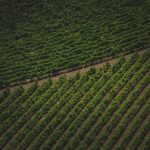
Terroir is a fundamental concept in understanding regional wine identity, encompassing the unique combination of soil influence, climate effects, and vineyard conditions that together shape the flavor and style of wines. The soil composition in a vineyard plays a critical role in determining the nutrients available to the grapevines, affecting vine health and ultimately the taste profile of the grapes. For example, limestone-rich soils can impart a crisp minerality, while clay soils may contribute to fuller-bodied wines.

Climate effects, including temperature fluctuations, sunlight exposure, and rainfall patterns, also significantly impact grape development and wine characteristics. Cooler climates tend to produce wines with higher acidity and fresher flavors, whereas warmer climates often yield riper, fruit-forward wines. The microclimate of a vineyard, influenced by geographic features such as elevation, slope, and proximity to bodies of water, further enhances the diversity and complexity of regional wines.

In combination, the soil influence, climate effects, and unique vineyard conditions create a sense of place that is distinctive to each wine-producing region. This interplay of terroir not only defines the sensory qualities of the wine but also contributes to its authenticity and connection to the land. Understanding terroir allows wine enthusiasts and producers alike to appreciate the depth and individuality inherent in every bottle, highlighting the profound relationship between nature and winemaking.

How Climate Shapes Regional Wines

Climate impact plays a crucial role in shaping the unique character of regional wines. Temperature effects influence grape ripening, sugar accumulation, and acid retention, ultimately affecting the flavor profile and balance of wines. Warmer climates typically produce wines with higher alcohol content and riper fruit flavors, while cooler climates tend to yield wines with crisp acidity and more nuanced aromatics.

Rainfall influence is equally important, as the amount and timing of precipitation affect vine health and grape quality. Excessive rainfall during the growing season can dilute grape flavors and increase the risk of disease, while insufficient rainfall may stress vines, sometimes enhancing flavor concentration but potentially reducing yields. Well-regulated water availability often leads to healthier grapes and more consistent wine quality.

The length of the growing seasons also significantly contributes to wine characteristics. Longer growing seasons allow grapes to develop complex flavors and fully mature tannins, favoring regions with extended periods of warmth. Conversely, shorter growing seasons can limit ripening, producing wines with higher acidity and lighter body. These variations highlight why climate and its various factors are integral to understanding and appreciating regional wine diversity.

Notable Wine Regions and Their Unique Identities

Wine regions around the world are celebrated for their distinct regional wine characteristics, shaped by local terroir, climate, and winemaking traditions. These unique identities are expressed through the flavors, grape varietals, and winemaking techniques that define each area. Exploring these notable wine regions reveals a fascinating tapestry of diversity in the global wine landscape.

One of the most famous wine regions is Bordeaux, France, known for its sophisticated blends primarily using Cabernet Sauvignon, Merlot, and Cabernet Franc grapes. The region’s maritime climate and gravelly soils produce wines with rich tannins, complex aromas of blackcurrant, cedar, and tobacco, and excellent aging potential. Bordeaux’s tradition of precision in blending grapes contributes to a style that balances power and elegance uniquely.

Moving to Italy, the region of Tuscany stands out with its famed Sangiovese-based wines, notably Chianti and Brunello di Montalcino. These wines are characterized by bright cherry flavors, earthy undertones, and a firm acidity that reflects the rugged hillside vineyards. Tuscan winemakers often employ aging in oak barrels, contributing layers of vanilla and spice that complement the natural fruitiness of the local varietals.

Crossing over to the New World, California’s Napa Valley is synonymous with bold, fruit-forward wines, especially Cabernet Sauvignon. The region’s Mediterranean climate, combined with innovative winemaking techniques such as selective harvest and controlled fermentation, yield wines bursting with ripe blackberry and cassis notes, often complemented by vanilla and toasted oak nuances. Napa’s focus on both tradition and innovation has elevated its global reputation.

In the Southern Hemisphere, Mendoza in Argentina is celebrated for Malbec, a grape that thrives in its high-altitude vineyards. Malbec wines from Mendoza are renowned for deep color, robust fruit flavors like plum and blackberry, and velvety tannins. The region’s unique terroir, with significant diurnal temperature variation, preserves acidity and enhances aromatic complexity, forging a distinctive profile.

Lastly, the Mosel region in Germany offers a stark contrast with its delicate Riesling wines. Steep slate terraces alongside the Mosel River create mineral-driven whites with vibrant acidity and pronounced floral and citrus notes. The cool climate and traditional hand-harvesting techniques lead to wines that can range from bone dry to lusciously sweet, highlighting the versatility of local varietals and precision in craftsmanship.

These renowned wine regions exemplify how regional wine characteristics emerge from a harmonious blend of environment, grape varietals, and human expertise, making each bottle a reflection of its unique origin.

Old World Wine Regions

Old World wines are deeply rooted in centuries of tradition and the unique characteristics of their native terroirs. Among the most celebrated Europe vineyards are those in Bordeaux, Tuscany, and Burgundy, each exhibiting a distinct wine identity shaped by their environment and winemaking heritage. Bordeaux, located in southwestern France, is renowned for its structured red blends, predominantly made from Cabernet Sauvignon and Merlot. The maritime climate and gravelly soils contribute to the complexity and aging potential of Bordeaux wines, which embody French wine identity with elegance and power.

In Italy, Tuscany offers a contrasting but equally compelling wine style. Known for its iconic Sangiovese grape, Tuscan wines showcase a rustic charm combined with vibrant acidity and rich fruit flavors. The rolling hills and varied microclimates of Tuscany allow for diverse expressions, from the bold, earthy Chianti Classico to the opulent Brunello di Montalcino. These wines reflect the Italian wine styles’ emphasis on balance, tradition, and a profound connection to the land.

Burgundy, another jewel of France, is famed for its delicate and intricate Pinot Noir and Chardonnay wines. The region’s fragmented vineyard parcels, or climats, highlight the subtle differences in soil and aspect, creating wines of remarkable nuance and finesse. Burgundy’s approach to viticulture and winemaking underscores the Old World wines’ respect for terroir and tradition, making it a benchmark for quality and authenticity across the globe.

New World Wine Regions

New World wines from regions such as California, Australia, and Chile have carved a distinct identity in the global wine landscape. These areas are recognized for their innovation and willingness to experiment, which has led to the development of unique regional wine profiles that stand apart from traditional Old World counterparts. American vineyards, particularly those in California, benefit from a wide range of microclimates that allow for diverse grape cultivation—from the cool coastal areas producing crisp Chardonnays and Pinot Noirs to the warmer inland valleys yielding robust Cabernet Sauvignons and Zinfandels.

Meanwhile, Australian wine culture boasts a deep connection to its terroir, emphasizing regional grape varieties such as Shiraz and Cabernet Sauvignon, which thrive in distinct climates across states like Barossa Valley and Margaret River. These regions exemplify how climatic diversity shapes the flavor profiles, offering bold, fruit-forward wines celebrated worldwide. Chile, with its unique geography nestled between the Andes and the Pacific Ocean, combines old vine traditions with modern techniques. Its cool coastal regions produce elegant Sauvignon Blancs and Carmenère wines rich with spice and complexity.

Overall, New World regions continue to push boundaries in viticulture and winemaking, blending innovation with climatic diversity to create authentic wines that reflect their specific origins. This evolving identity not only enhances the richness of the global wine market but also invites enthusiasts to explore flavors defined by place, climate, and culture.

Preserving and Promoting Regional Wine Identity

Winemakers and wine regions around the world recognize the vital importance of preserving their unique wine identities. This preservation not only ensures the continuation of traditional wine styles and practices but also strengthens the recognition and value of their wines globally. Several strategic approaches underpin these efforts, integrating wine preservation, regional branding, wine tourism, and cultural heritage.

First and foremost, wine preservation is achieved through meticulous attention to vineyard management and winemaking techniques that uphold the specific characteristics of a region’s terroir. Many regions adopt strict regulations regarding grape varieties, cultivation methods, and production practices to safeguard authenticity. This commitment protects the distinct flavors and qualities that define their wines and prevents dilution of regional uniqueness.

Regional branding is another powerful tool that elevates the profile of local wines. Effective branding communicates the story and heritage behind the wine, forging emotional connections with consumers. Winemakers and regional bodies often collaborate to create recognizable logos, appellation marks, and quality seals that consumers can trust. These branding efforts underline the exclusivity and cultural significance of the wine, making it stand out in a crowded market.

Wine tourism plays a complementary role in reinforcing regional identities. By inviting visitors to experience the vineyards, wineries, and the surrounding cultural environment firsthand, regions create immersive experiences that deepen appreciation for their wines. Wine tours, tastings, festivals, and educational workshops allow consumers to explore the origins and traditions that shape the wines they enjoy. This direct engagement boosts local economies and helps build loyal customer bases.

Lastly, honoring cultural heritage through storytelling and preservation activities ensures the continuity of regional wine identities. Many regions organize cultural events, maintain historic winemaking sites, and document oral histories and recipes passed down through generations. Such initiatives link wine production to the broader social and historical context, enriching the narrative that surrounds these wines. By embedding wine identity within cultural heritage, regions create lasting value that transcends the bottle.

In summary, the coordinated use of wine preservation techniques, strategic regional branding, vibrant wine tourism, and deep respect for cultural heritage enables wineries and regions to maintain and promote their unique wine identities effectively. These strategies not only protect the distinctiveness of their wines but also engage consumers in meaningful, lasting ways.

The Impact of Wine Tourism

Wine tourism plays a crucial role in showcasing and sustaining regional wine identities by drawing visitors directly to the vineyards and wineries that define an area’s unique wine culture. This form of tourism offers a tangible experience that connects visitors with local wine traditions, terroir, and production methods, fostering a deeper appreciation and understanding of regional wines. By engaging visitors through tours, tastings, and events, wine tourism creates memorable visitor experiences that highlight the distinctiveness of regional wine styles and heritage.

Beyond cultural exposure, wine tourism significantly benefits local economies by increasing demand for regional products and services. It creates employment opportunities in hospitality, retail, and transportation sectors, supporting small businesses alongside wineries. The economic impact extends to increased revenue for local restaurants, hotels, and artisans, all of which contribute to a thriving community ecosystem.

Moreover, wine tourism encourages sustainable practices as wineries invest in preserving their environment and heritage to attract conscientious visitors. This symbiotic relationship ensures that regional wine identities are not only celebrated but also protected for future generations. Ultimately, wine tourism acts as a dynamic platform that promotes regional exposure, economic vitality, and enriching visitor experiences, making it an indispensable aspect of the wine industry’s growth and cultural preservation.

Protecting Terroir Through Sustainable Practices

Sustainable viticulture plays a crucial role in protecting the terroir, ensuring that the unique soil and climate conditions essential for distinctive regional wine characteristics are preserved for future generations. By adopting sustainable and organic wine growing practices, vineyards minimize their environmental impact, enhance biodiversity, and maintain soil health. Techniques such as cover cropping, reduced chemical usage, and natural pest control help protect the delicate balance of the vineyard ecosystem, preserving the integrity of the terroir.

Organic wine growing specifically avoids synthetic fertilizers and pesticides, promoting a more natural approach that supports soil microbiology and water retention. This commitment to environmental protection not only safeguards the vineyard’s resources but also contributes to the authenticity and quality of the wine produced. Sustainable practices like water conservation, energy efficiency, and careful land management reduce carbon footprints and help mitigate climate change effects that could otherwise alter the region’s wine identity.

Preservation of terroir through such methods ensures that the wines truly reflect their geographic origin, embodying the flavors and characteristics unique to their environment. As more vineyards embrace sustainable viticulture, the future of regional wine identity looks promising, combining ecological responsibility with exceptional wine quality.

Local climate is another critical factor influencing regional wine identity. Variability in temperature, rainfall, sunlight hours, and seasonal changes greatly impact grape quality and the final profile of the wine. Cooler climates might produce wines with higher acidity and subtle fruit notes, while warmer regions tend to yield richer, fuller-bodied wines with bolder flavors. This climatic influence, combined with terroir, crafts the regional flavor that wine enthusiasts seek and appreciate.

Understanding how terroir and local climate contribute to wine characteristics is essential for anyone exploring regional wine identity. These natural elements imbue wines with traits that tell the story of their origin, connecting drinkers to the land and culture behind each bottle. Appreciating this connection deepens the enjoyment of wine, highlighting the diversity and complexity that regional differences bring to the global wine landscape.

The Role of Terroir in Wine

Terroir is a fundamental concept in understanding regional wine identity, encompassing the unique combination of soil influence, climate effects, and vineyard conditions that together shape the flavor and style of wines. The soil composition in a vineyard plays a critical role in determining the nutrients available to the grapevines, affecting vine health and ultimately the taste profile of the grapes. For example, limestone-rich soils can impart a crisp minerality, while clay soils may contribute to fuller-bodied wines.

Climate effects, including temperature fluctuations, sunlight exposure, and rainfall patterns, also significantly impact grape development and wine characteristics. Cooler climates tend to produce wines with higher acidity and fresher flavors, whereas warmer climates often yield riper, fruit-forward wines. The microclimate of a vineyard, influenced by geographic features such as elevation, slope, and proximity to bodies of water, further enhances the diversity and complexity of regional wines.

In combination, the soil influence, climate effects, and unique vineyard conditions create a sense of place that is distinctive to each wine-producing region. This interplay of terroir not only defines the sensory qualities of the wine but also contributes to its authenticity and connection to the land. Understanding terroir allows wine enthusiasts and producers alike to appreciate the depth and individuality inherent in every bottle, highlighting the profound relationship between nature and winemaking.

How Climate Shapes Regional Wines

Climate impact plays a crucial role in shaping the unique character of regional wines. Temperature effects influence grape ripening, sugar accumulation, and acid retention, ultimately affecting the flavor profile and balance of wines. Warmer climates typically produce wines with higher alcohol content and riper fruit flavors, while cooler climates tend to yield wines with crisp acidity and more nuanced aromatics.

Rainfall influence is equally important, as the amount and timing of precipitation affect vine health and grape quality. Excessive rainfall during the growing season can dilute grape flavors and increase the risk of disease, while insufficient rainfall may stress vines, sometimes enhancing flavor concentration but potentially reducing yields. Well-regulated water availability often leads to healthier grapes and more consistent wine quality.

The length of the growing seasons also significantly contributes to wine characteristics. Longer growing seasons allow grapes to develop complex flavors and fully mature tannins, favoring regions with extended periods of warmth. Conversely, shorter growing seasons can limit ripening, producing wines with higher acidity and lighter body. These variations highlight why climate and its various factors are integral to understanding and appreciating regional wine diversity.

Notable Wine Regions and Their Unique Identities

Wine regions around the world are celebrated for their distinct regional wine characteristics, shaped by local terroir, climate, and winemaking traditions. These unique identities are expressed through the flavors, grape varietals, and winemaking techniques that define each area. Exploring these notable wine regions reveals a fascinating tapestry of diversity in the global wine landscape.

One of the most famous wine regions is Bordeaux, France, known for its sophisticated blends primarily using Cabernet Sauvignon, Merlot, and Cabernet Franc grapes. The region’s maritime climate and gravelly soils produce wines with rich tannins, complex aromas of blackcurrant, cedar, and tobacco, and excellent aging potential. Bordeaux’s tradition of precision in blending grapes contributes to a style that balances power and elegance uniquely.

Moving to Italy, the region of Tuscany stands out with its famed Sangiovese-based wines, notably Chianti and Brunello di Montalcino. These wines are characterized by bright cherry flavors, earthy undertones, and a firm acidity that reflects the rugged hillside vineyards. Tuscan winemakers often employ aging in oak barrels, contributing layers of vanilla and spice that complement the natural fruitiness of the local varietals.

Crossing over to the New World, California’s Napa Valley is synonymous with bold, fruit-forward wines, especially Cabernet Sauvignon. The region’s Mediterranean climate, combined with innovative winemaking techniques such as selective harvest and controlled fermentation, yield wines bursting with ripe blackberry and cassis notes, often complemented by vanilla and toasted oak nuances. Napa’s focus on both tradition and innovation has elevated its global reputation.

In the Southern Hemisphere, Mendoza in Argentina is celebrated for Malbec, a grape that thrives in its high-altitude vineyards. Malbec wines from Mendoza are renowned for deep color, robust fruit flavors like plum and blackberry, and velvety tannins. The region’s unique terroir, with significant diurnal temperature variation, preserves acidity and enhances aromatic complexity, forging a distinctive profile.

Lastly, the Mosel region in Germany offers a stark contrast with its delicate Riesling wines. Steep slate terraces alongside the Mosel River create mineral-driven whites with vibrant acidity and pronounced floral and citrus notes. The cool climate and traditional hand-harvesting techniques lead to wines that can range from bone dry to lusciously sweet, highlighting the versatility of local varietals and precision in craftsmanship.

These renowned wine regions exemplify how regional wine characteristics emerge from a harmonious blend of environment, grape varietals, and human expertise, making each bottle a reflection of its unique origin.

Old World Wine Regions

Old World wines are deeply rooted in centuries of tradition and the unique characteristics of their native terroirs. Among the most celebrated Europe vineyards are those in Bordeaux, Tuscany, and Burgundy, each exhibiting a distinct wine identity shaped by their environment and winemaking heritage. Bordeaux, located in southwestern France, is renowned for its structured red blends, predominantly made from Cabernet Sauvignon and Merlot. The maritime climate and gravelly soils contribute to the complexity and aging potential of Bordeaux wines, which embody French wine identity with elegance and power.

In Italy, Tuscany offers a contrasting but equally compelling wine style. Known for its iconic Sangiovese grape, Tuscan wines showcase a rustic charm combined with vibrant acidity and rich fruit flavors. The rolling hills and varied microclimates of Tuscany allow for diverse expressions, from the bold, earthy Chianti Classico to the opulent Brunello di Montalcino. These wines reflect the Italian wine styles’ emphasis on balance, tradition, and a profound connection to the land.

Burgundy, another jewel of France, is famed for its delicate and intricate Pinot Noir and Chardonnay wines. The region’s fragmented vineyard parcels, or climats, highlight the subtle differences in soil and aspect, creating wines of remarkable nuance and finesse. Burgundy’s approach to viticulture and winemaking underscores the Old World wines’ respect for terroir and tradition, making it a benchmark for quality and authenticity across the globe.

New World Wine Regions

New World wines from regions such as California, Australia, and Chile have carved a distinct identity in the global wine landscape. These areas are recognized for their innovation and willingness to experiment, which has led to the development of unique regional wine profiles that stand apart from traditional Old World counterparts. American vineyards, particularly those in California, benefit from a wide range of microclimates that allow for diverse grape cultivation—from the cool coastal areas producing crisp Chardonnays and Pinot Noirs to the warmer inland valleys yielding robust Cabernet Sauvignons and Zinfandels.

Meanwhile, Australian wine culture boasts a deep connection to its terroir, emphasizing regional grape varieties such as Shiraz and Cabernet Sauvignon, which thrive in distinct climates across states like Barossa Valley and Margaret River. These regions exemplify how climatic diversity shapes the flavor profiles, offering bold, fruit-forward wines celebrated worldwide. Chile, with its unique geography nestled between the Andes and the Pacific Ocean, combines old vine traditions with modern techniques. Its cool coastal regions produce elegant Sauvignon Blancs and Carmenère wines rich with spice and complexity.

Overall, New World regions continue to push boundaries in viticulture and winemaking, blending innovation with climatic diversity to create authentic wines that reflect their specific origins. This evolving identity not only enhances the richness of the global wine market but also invites enthusiasts to explore flavors defined by place, climate, and culture.

Preserving and Promoting Regional Wine Identity

Winemakers and wine regions around the world recognize the vital importance of preserving their unique wine identities. This preservation not only ensures the continuation of traditional wine styles and practices but also strengthens the recognition and value of their wines globally. Several strategic approaches underpin these efforts, integrating wine preservation, regional branding, wine tourism, and cultural heritage.

First and foremost, wine preservation is achieved through meticulous attention to vineyard management and winemaking techniques that uphold the specific characteristics of a region’s terroir. Many regions adopt strict regulations regarding grape varieties, cultivation methods, and production practices to safeguard authenticity. This commitment protects the distinct flavors and qualities that define their wines and prevents dilution of regional uniqueness.

Regional branding is another powerful tool that elevates the profile of local wines. Effective branding communicates the story and heritage behind the wine, forging emotional connections with consumers. Winemakers and regional bodies often collaborate to create recognizable logos, appellation marks, and quality seals that consumers can trust. These branding efforts underline the exclusivity and cultural significance of the wine, making it stand out in a crowded market.

Wine tourism plays a complementary role in reinforcing regional identities. By inviting visitors to experience the vineyards, wineries, and the surrounding cultural environment firsthand, regions create immersive experiences that deepen appreciation for their wines. Wine tours, tastings, festivals, and educational workshops allow consumers to explore the origins and traditions that shape the wines they enjoy. This direct engagement boosts local economies and helps build loyal customer bases.

Lastly, honoring cultural heritage through storytelling and preservation activities ensures the continuity of regional wine identities. Many regions organize cultural events, maintain historic winemaking sites, and document oral histories and recipes passed down through generations. Such initiatives link wine production to the broader social and historical context, enriching the narrative that surrounds these wines. By embedding wine identity within cultural heritage, regions create lasting value that transcends the bottle.

In summary, the coordinated use of wine preservation techniques, strategic regional branding, vibrant wine tourism, and deep respect for cultural heritage enables wineries and regions to maintain and promote their unique wine identities effectively. These strategies not only protect the distinctiveness of their wines but also engage consumers in meaningful, lasting ways.

The Impact of Wine Tourism

Wine tourism plays a crucial role in showcasing and sustaining regional wine identities by drawing visitors directly to the vineyards and wineries that define an area’s unique wine culture. This form of tourism offers a tangible experience that connects visitors with local wine traditions, terroir, and production methods, fostering a deeper appreciation and understanding of regional wines. By engaging visitors through tours, tastings, and events, wine tourism creates memorable visitor experiences that highlight the distinctiveness of regional wine styles and heritage.

Beyond cultural exposure, wine tourism significantly benefits local economies by increasing demand for regional products and services. It creates employment opportunities in hospitality, retail, and transportation sectors, supporting small businesses alongside wineries. The economic impact extends to increased revenue for local restaurants, hotels, and artisans, all of which contribute to a thriving community ecosystem.

Moreover, wine tourism encourages sustainable practices as wineries invest in preserving their environment and heritage to attract conscientious visitors. This symbiotic relationship ensures that regional wine identities are not only celebrated but also protected for future generations. Ultimately, wine tourism acts as a dynamic platform that promotes regional exposure, economic vitality, and enriching visitor experiences, making it an indispensable aspect of the wine industry’s growth and cultural preservation.

Protecting Terroir Through Sustainable Practices

Sustainable viticulture plays a crucial role in protecting the terroir, ensuring that the unique soil and climate conditions essential for distinctive regional wine characteristics are preserved for future generations. By adopting sustainable and organic wine growing practices, vineyards minimize their environmental impact, enhance biodiversity, and maintain soil health. Techniques such as cover cropping, reduced chemical usage, and natural pest control help protect the delicate balance of the vineyard ecosystem, preserving the integrity of the terroir.

Organic wine growing specifically avoids synthetic fertilizers and pesticides, promoting a more natural approach that supports soil microbiology and water retention. This commitment to environmental protection not only safeguards the vineyard’s resources but also contributes to the authenticity and quality of the wine produced. Sustainable practices like water conservation, energy efficiency, and careful land management reduce carbon footprints and help mitigate climate change effects that could otherwise alter the region’s wine identity.

Preservation of terroir through such methods ensures that the wines truly reflect their geographic origin, embodying the flavors and characteristics unique to their environment. As more vineyards embrace sustainable viticulture, the future of regional wine identity looks promising, combining ecological responsibility with exceptional wine quality.

Understanding Regional Wine Identity

Regional wine identity is the unique expression of a wine that reflects its specific geographical origin. It encompasses the distinct characteristics imparted by the environment where the grapevines are grown, making each regional wine a representation of its home terroir. This identity is shaped by a combination of factors including soil composition, climate, topography, and local viticultural practices, which together create a wine profile that is unmistakably tied to its region.

Terroir plays a central role in defining regional wine identity. It refers to the complete natural environment in which a particular wine is produced, including the soil type, terrain, weather conditions, and even the local ecosystem. Each element of terroir interacts to influence vine growth and grape development, resulting in wine characteristics unique to that locality. For instance, the mineral content of the soil can affect the flavor notes and texture of the wine, while the climate determines grape ripening cycles and sugar-acid balance. This interplay ensures that wines from different regions, even when made from the same grape variety, possess distinct flavors and aromas.

Local climate is another critical factor influencing regional wine identity. Variability in temperature, rainfall, sunlight hours, and seasonal changes greatly impact grape quality and the final profile of the wine. Cooler climates might produce wines with higher acidity and subtle fruit notes, while warmer regions tend to yield richer, fuller-bodied wines with bolder flavors. This climatic influence, combined with terroir, crafts the regional flavor that wine enthusiasts seek and appreciate.

Understanding how terroir and local climate contribute to wine characteristics is essential for anyone exploring regional wine identity. These natural elements imbue wines with traits that tell the story of their origin, connecting drinkers to the land and culture behind each bottle. Appreciating this connection deepens the enjoyment of wine, highlighting the diversity and complexity that regional differences bring to the global wine landscape.

The Role of Terroir in Wine

Terroir is a fundamental concept in understanding regional wine identity, encompassing the unique combination of soil influence, climate effects, and vineyard conditions that together shape the flavor and style of wines. The soil composition in a vineyard plays a critical role in determining the nutrients available to the grapevines, affecting vine health and ultimately the taste profile of the grapes. For example, limestone-rich soils can impart a crisp minerality, while clay soils may contribute to fuller-bodied wines.

Climate effects, including temperature fluctuations, sunlight exposure, and rainfall patterns, also significantly impact grape development and wine characteristics. Cooler climates tend to produce wines with higher acidity and fresher flavors, whereas warmer climates often yield riper, fruit-forward wines. The microclimate of a vineyard, influenced by geographic features such as elevation, slope, and proximity to bodies of water, further enhances the diversity and complexity of regional wines.

In combination, the soil influence, climate effects, and unique vineyard conditions create a sense of place that is distinctive to each wine-producing region. This interplay of terroir not only defines the sensory qualities of the wine but also contributes to its authenticity and connection to the land. Understanding terroir allows wine enthusiasts and producers alike to appreciate the depth and individuality inherent in every bottle, highlighting the profound relationship between nature and winemaking.

How Climate Shapes Regional Wines

Climate impact plays a crucial role in shaping the unique character of regional wines. Temperature effects influence grape ripening, sugar accumulation, and acid retention, ultimately affecting the flavor profile and balance of wines. Warmer climates typically produce wines with higher alcohol content and riper fruit flavors, while cooler climates tend to yield wines with crisp acidity and more nuanced aromatics.

Rainfall influence is equally important, as the amount and timing of precipitation affect vine health and grape quality. Excessive rainfall during the growing season can dilute grape flavors and increase the risk of disease, while insufficient rainfall may stress vines, sometimes enhancing flavor concentration but potentially reducing yields. Well-regulated water availability often leads to healthier grapes and more consistent wine quality.

The length of the growing seasons also significantly contributes to wine characteristics. Longer growing seasons allow grapes to develop complex flavors and fully mature tannins, favoring regions with extended periods of warmth. Conversely, shorter growing seasons can limit ripening, producing wines with higher acidity and lighter body. These variations highlight why climate and its various factors are integral to understanding and appreciating regional wine diversity.

Notable Wine Regions and Their Unique Identities

Wine regions around the world are celebrated for their distinct regional wine characteristics, shaped by local terroir, climate, and winemaking traditions. These unique identities are expressed through the flavors, grape varietals, and winemaking techniques that define each area. Exploring these notable wine regions reveals a fascinating tapestry of diversity in the global wine landscape.

One of the most famous wine regions is Bordeaux, France, known for its sophisticated blends primarily using Cabernet Sauvignon, Merlot, and Cabernet Franc grapes. The region’s maritime climate and gravelly soils produce wines with rich tannins, complex aromas of blackcurrant, cedar, and tobacco, and excellent aging potential. Bordeaux’s tradition of precision in blending grapes contributes to a style that balances power and elegance uniquely.

Moving to Italy, the region of Tuscany stands out with its famed Sangiovese-based wines, notably Chianti and Brunello di Montalcino. These wines are characterized by bright cherry flavors, earthy undertones, and a firm acidity that reflects the rugged hillside vineyards. Tuscan winemakers often employ aging in oak barrels, contributing layers of vanilla and spice that complement the natural fruitiness of the local varietals.

Crossing over to the New World, California’s Napa Valley is synonymous with bold, fruit-forward wines, especially Cabernet Sauvignon. The region’s Mediterranean climate, combined with innovative winemaking techniques such as selective harvest and controlled fermentation, yield wines bursting with ripe blackberry and cassis notes, often complemented by vanilla and toasted oak nuances. Napa’s focus on both tradition and innovation has elevated its global reputation.

In the Southern Hemisphere, Mendoza in Argentina is celebrated for Malbec, a grape that thrives in its high-altitude vineyards. Malbec wines from Mendoza are renowned for deep color, robust fruit flavors like plum and blackberry, and velvety tannins. The region’s unique terroir, with significant diurnal temperature variation, preserves acidity and enhances aromatic complexity, forging a distinctive profile.

Lastly, the Mosel region in Germany offers a stark contrast with its delicate Riesling wines. Steep slate terraces alongside the Mosel River create mineral-driven whites with vibrant acidity and pronounced floral and citrus notes. The cool climate and traditional hand-harvesting techniques lead to wines that can range from bone dry to lusciously sweet, highlighting the versatility of local varietals and precision in craftsmanship.

These renowned wine regions exemplify how regional wine characteristics emerge from a harmonious blend of environment, grape varietals, and human expertise, making each bottle a reflection of its unique origin.

Old World Wine Regions

Old World wines are deeply rooted in centuries of tradition and the unique characteristics of their native terroirs. Among the most celebrated Europe vineyards are those in Bordeaux, Tuscany, and Burgundy, each exhibiting a distinct wine identity shaped by their environment and winemaking heritage. Bordeaux, located in southwestern France, is renowned for its structured red blends, predominantly made from Cabernet Sauvignon and Merlot. The maritime climate and gravelly soils contribute to the complexity and aging potential of Bordeaux wines, which embody French wine identity with elegance and power.

In Italy, Tuscany offers a contrasting but equally compelling wine style. Known for its iconic Sangiovese grape, Tuscan wines showcase a rustic charm combined with vibrant acidity and rich fruit flavors. The rolling hills and varied microclimates of Tuscany allow for diverse expressions, from the bold, earthy Chianti Classico to the opulent Brunello di Montalcino. These wines reflect the Italian wine styles’ emphasis on balance, tradition, and a profound connection to the land.

Burgundy, another jewel of France, is famed for its delicate and intricate Pinot Noir and Chardonnay wines. The region’s fragmented vineyard parcels, or climats, highlight the subtle differences in soil and aspect, creating wines of remarkable nuance and finesse. Burgundy’s approach to viticulture and winemaking underscores the Old World wines’ respect for terroir and tradition, making it a benchmark for quality and authenticity across the globe.

New World Wine Regions

New World wines from regions such as California, Australia, and Chile have carved a distinct identity in the global wine landscape. These areas are recognized for their innovation and willingness to experiment, which has led to the development of unique regional wine profiles that stand apart from traditional Old World counterparts. American vineyards, particularly those in California, benefit from a wide range of microclimates that allow for diverse grape cultivation—from the cool coastal areas producing crisp Chardonnays and Pinot Noirs to the warmer inland valleys yielding robust Cabernet Sauvignons and Zinfandels.

Meanwhile, Australian wine culture boasts a deep connection to its terroir, emphasizing regional grape varieties such as Shiraz and Cabernet Sauvignon, which thrive in distinct climates across states like Barossa Valley and Margaret River. These regions exemplify how climatic diversity shapes the flavor profiles, offering bold, fruit-forward wines celebrated worldwide. Chile, with its unique geography nestled between the Andes and the Pacific Ocean, combines old vine traditions with modern techniques. Its cool coastal regions produce elegant Sauvignon Blancs and Carmenère wines rich with spice and complexity.

Overall, New World regions continue to push boundaries in viticulture and winemaking, blending innovation with climatic diversity to create authentic wines that reflect their specific origins. This evolving identity not only enhances the richness of the global wine market but also invites enthusiasts to explore flavors defined by place, climate, and culture.

Preserving and Promoting Regional Wine Identity

Winemakers and wine regions around the world recognize the vital importance of preserving their unique wine identities. This preservation not only ensures the continuation of traditional wine styles and practices but also strengthens the recognition and value of their wines globally. Several strategic approaches underpin these efforts, integrating wine preservation, regional branding, wine tourism, and cultural heritage.

First and foremost, wine preservation is achieved through meticulous attention to vineyard management and winemaking techniques that uphold the specific characteristics of a region’s terroir. Many regions adopt strict regulations regarding grape varieties, cultivation methods, and production practices to safeguard authenticity. This commitment protects the distinct flavors and qualities that define their wines and prevents dilution of regional uniqueness.

Regional branding is another powerful tool that elevates the profile of local wines. Effective branding communicates the story and heritage behind the wine, forging emotional connections with consumers. Winemakers and regional bodies often collaborate to create recognizable logos, appellation marks, and quality seals that consumers can trust. These branding efforts underline the exclusivity and cultural significance of the wine, making it stand out in a crowded market.

Wine tourism plays a complementary role in reinforcing regional identities. By inviting visitors to experience the vineyards, wineries, and the surrounding cultural environment firsthand, regions create immersive experiences that deepen appreciation for their wines. Wine tours, tastings, festivals, and educational workshops allow consumers to explore the origins and traditions that shape the wines they enjoy. This direct engagement boosts local economies and helps build loyal customer bases.

Lastly, honoring cultural heritage through storytelling and preservation activities ensures the continuity of regional wine identities. Many regions organize cultural events, maintain historic winemaking sites, and document oral histories and recipes passed down through generations. Such initiatives link wine production to the broader social and historical context, enriching the narrative that surrounds these wines. By embedding wine identity within cultural heritage, regions create lasting value that transcends the bottle.

In summary, the coordinated use of wine preservation techniques, strategic regional branding, vibrant wine tourism, and deep respect for cultural heritage enables wineries and regions to maintain and promote their unique wine identities effectively. These strategies not only protect the distinctiveness of their wines but also engage consumers in meaningful, lasting ways.

The Impact of Wine Tourism

Wine tourism plays a crucial role in showcasing and sustaining regional wine identities by drawing visitors directly to the vineyards and wineries that define an area’s unique wine culture. This form of tourism offers a tangible experience that connects visitors with local wine traditions, terroir, and production methods, fostering a deeper appreciation and understanding of regional wines. By engaging visitors through tours, tastings, and events, wine tourism creates memorable visitor experiences that highlight the distinctiveness of regional wine styles and heritage.

Beyond cultural exposure, wine tourism significantly benefits local economies by increasing demand for regional products and services. It creates employment opportunities in hospitality, retail, and transportation sectors, supporting small businesses alongside wineries. The economic impact extends to increased revenue for local restaurants, hotels, and artisans, all of which contribute to a thriving community ecosystem.

Moreover, wine tourism encourages sustainable practices as wineries invest in preserving their environment and heritage to attract conscientious visitors. This symbiotic relationship ensures that regional wine identities are not only celebrated but also protected for future generations. Ultimately, wine tourism acts as a dynamic platform that promotes regional exposure, economic vitality, and enriching visitor experiences, making it an indispensable aspect of the wine industry’s growth and cultural preservation.

Protecting Terroir Through Sustainable Practices

Sustainable viticulture plays a crucial role in protecting the terroir, ensuring that the unique soil and climate conditions essential for distinctive regional wine characteristics are preserved for future generations. By adopting sustainable and organic wine growing practices, vineyards minimize their environmental impact, enhance biodiversity, and maintain soil health. Techniques such as cover cropping, reduced chemical usage, and natural pest control help protect the delicate balance of the vineyard ecosystem, preserving the integrity of the terroir.

Organic wine growing specifically avoids synthetic fertilizers and pesticides, promoting a more natural approach that supports soil microbiology and water retention. This commitment to environmental protection not only safeguards the vineyard’s resources but also contributes to the authenticity and quality of the wine produced. Sustainable practices like water conservation, energy efficiency, and careful land management reduce carbon footprints and help mitigate climate change effects that could otherwise alter the region’s wine identity.

Preservation of terroir through such methods ensures that the wines truly reflect their geographic origin, embodying the flavors and characteristics unique to their environment. As more vineyards embrace sustainable viticulture, the future of regional wine identity looks promising, combining ecological responsibility with exceptional wine quality.

Local climate is another critical factor influencing regional wine identity. Variability in temperature, rainfall, sunlight hours, and seasonal changes greatly impact grape quality and the final profile of the wine. Cooler climates might produce wines with higher acidity and subtle fruit notes, while warmer regions tend to yield richer, fuller-bodied wines with bolder flavors. This climatic influence, combined with terroir, crafts the regional flavor that wine enthusiasts seek and appreciate.

Understanding how terroir and local climate contribute to wine characteristics is essential for anyone exploring regional wine identity. These natural elements imbue wines with traits that tell the story of their origin, connecting drinkers to the land and culture behind each bottle. Appreciating this connection deepens the enjoyment of wine, highlighting the diversity and complexity that regional differences bring to the global wine landscape.

The Role of Terroir in Wine

Terroir is a fundamental concept in understanding regional wine identity, encompassing the unique combination of soil influence, climate effects, and vineyard conditions that together shape the flavor and style of wines. The soil composition in a vineyard plays a critical role in determining the nutrients available to the grapevines, affecting vine health and ultimately the taste profile of the grapes. For example, limestone-rich soils can impart a crisp minerality, while clay soils may contribute to fuller-bodied wines.

Climate effects, including temperature fluctuations, sunlight exposure, and rainfall patterns, also significantly impact grape development and wine characteristics. Cooler climates tend to produce wines with higher acidity and fresher flavors, whereas warmer climates often yield riper, fruit-forward wines. The microclimate of a vineyard, influenced by geographic features such as elevation, slope, and proximity to bodies of water, further enhances the diversity and complexity of regional wines.

In combination, the soil influence, climate effects, and unique vineyard conditions create a sense of place that is distinctive to each wine-producing region. This interplay of terroir not only defines the sensory qualities of the wine but also contributes to its authenticity and connection to the land. Understanding terroir allows wine enthusiasts and producers alike to appreciate the depth and individuality inherent in every bottle, highlighting the profound relationship between nature and winemaking.

How Climate Shapes Regional Wines

Climate impact plays a crucial role in shaping the unique character of regional wines. Temperature effects influence grape ripening, sugar accumulation, and acid retention, ultimately affecting the flavor profile and balance of wines. Warmer climates typically produce wines with higher alcohol content and riper fruit flavors, while cooler climates tend to yield wines with crisp acidity and more nuanced aromatics.

Rainfall influence is equally important, as the amount and timing of precipitation affect vine health and grape quality. Excessive rainfall during the growing season can dilute grape flavors and increase the risk of disease, while insufficient rainfall may stress vines, sometimes enhancing flavor concentration but potentially reducing yields. Well-regulated water availability often leads to healthier grapes and more consistent wine quality.

The length of the growing seasons also significantly contributes to wine characteristics. Longer growing seasons allow grapes to develop complex flavors and fully mature tannins, favoring regions with extended periods of warmth. Conversely, shorter growing seasons can limit ripening, producing wines with higher acidity and lighter body. These variations highlight why climate and its various factors are integral to understanding and appreciating regional wine diversity.

Notable Wine Regions and Their Unique Identities

Wine regions around the world are celebrated for their distinct regional wine characteristics, shaped by local terroir, climate, and winemaking traditions. These unique identities are expressed through the flavors, grape varietals, and winemaking techniques that define each area. Exploring these notable wine regions reveals a fascinating tapestry of diversity in the global wine landscape.

One of the most famous wine regions is Bordeaux, France, known for its sophisticated blends primarily using Cabernet Sauvignon, Merlot, and Cabernet Franc grapes. The region’s maritime climate and gravelly soils produce wines with rich tannins, complex aromas of blackcurrant, cedar, and tobacco, and excellent aging potential. Bordeaux’s tradition of precision in blending grapes contributes to a style that balances power and elegance uniquely.

Moving to Italy, the region of Tuscany stands out with its famed Sangiovese-based wines, notably Chianti and Brunello di Montalcino. These wines are characterized by bright cherry flavors, earthy undertones, and a firm acidity that reflects the rugged hillside vineyards. Tuscan winemakers often employ aging in oak barrels, contributing layers of vanilla and spice that complement the natural fruitiness of the local varietals.

Crossing over to the New World, California’s Napa Valley is synonymous with bold, fruit-forward wines, especially Cabernet Sauvignon. The region’s Mediterranean climate, combined with innovative winemaking techniques such as selective harvest and controlled fermentation, yield wines bursting with ripe blackberry and cassis notes, often complemented by vanilla and toasted oak nuances. Napa’s focus on both tradition and innovation has elevated its global reputation.

In the Southern Hemisphere, Mendoza in Argentina is celebrated for Malbec, a grape that thrives in its high-altitude vineyards. Malbec wines from Mendoza are renowned for deep color, robust fruit flavors like plum and blackberry, and velvety tannins. The region’s unique terroir, with significant diurnal temperature variation, preserves acidity and enhances aromatic complexity, forging a distinctive profile.

Lastly, the Mosel region in Germany offers a stark contrast with its delicate Riesling wines. Steep slate terraces alongside the Mosel River create mineral-driven whites with vibrant acidity and pronounced floral and citrus notes. The cool climate and traditional hand-harvesting techniques lead to wines that can range from bone dry to lusciously sweet, highlighting the versatility of local varietals and precision in craftsmanship.

These renowned wine regions exemplify how regional wine characteristics emerge from a harmonious blend of environment, grape varietals, and human expertise, making each bottle a reflection of its unique origin.

Old World Wine Regions

Old World wines are deeply rooted in centuries of tradition and the unique characteristics of their native terroirs. Among the most celebrated Europe vineyards are those in Bordeaux, Tuscany, and Burgundy, each exhibiting a distinct wine identity shaped by their environment and winemaking heritage. Bordeaux, located in southwestern France, is renowned for its structured red blends, predominantly made from Cabernet Sauvignon and Merlot. The maritime climate and gravelly soils contribute to the complexity and aging potential of Bordeaux wines, which embody French wine identity with elegance and power.

In Italy, Tuscany offers a contrasting but equally compelling wine style. Known for its iconic Sangiovese grape, Tuscan wines showcase a rustic charm combined with vibrant acidity and rich fruit flavors. The rolling hills and varied microclimates of Tuscany allow for diverse expressions, from the bold, earthy Chianti Classico to the opulent Brunello di Montalcino. These wines reflect the Italian wine styles’ emphasis on balance, tradition, and a profound connection to the land.

Burgundy, another jewel of France, is famed for its delicate and intricate Pinot Noir and Chardonnay wines. The region’s fragmented vineyard parcels, or climats, highlight the subtle differences in soil and aspect, creating wines of remarkable nuance and finesse. Burgundy’s approach to viticulture and winemaking underscores the Old World wines’ respect for terroir and tradition, making it a benchmark for quality and authenticity across the globe.

New World Wine Regions

New World wines from regions such as California, Australia, and Chile have carved a distinct identity in the global wine landscape. These areas are recognized for their innovation and willingness to experiment, which has led to the development of unique regional wine profiles that stand apart from traditional Old World counterparts. American vineyards, particularly those in California, benefit from a wide range of microclimates that allow for diverse grape cultivation—from the cool coastal areas producing crisp Chardonnays and Pinot Noirs to the warmer inland valleys yielding robust Cabernet Sauvignons and Zinfandels.

Meanwhile, Australian wine culture boasts a deep connection to its terroir, emphasizing regional grape varieties such as Shiraz and Cabernet Sauvignon, which thrive in distinct climates across states like Barossa Valley and Margaret River. These regions exemplify how climatic diversity shapes the flavor profiles, offering bold, fruit-forward wines celebrated worldwide. Chile, with its unique geography nestled between the Andes and the Pacific Ocean, combines old vine traditions with modern techniques. Its cool coastal regions produce elegant Sauvignon Blancs and Carmenère wines rich with spice and complexity.

Overall, New World regions continue to push boundaries in viticulture and winemaking, blending innovation with climatic diversity to create authentic wines that reflect their specific origins. This evolving identity not only enhances the richness of the global wine market but also invites enthusiasts to explore flavors defined by place, climate, and culture.

Preserving and Promoting Regional Wine Identity

Winemakers and wine regions around the world recognize the vital importance of preserving their unique wine identities. This preservation not only ensures the continuation of traditional wine styles and practices but also strengthens the recognition and value of their wines globally. Several strategic approaches underpin these efforts, integrating wine preservation, regional branding, wine tourism, and cultural heritage.

First and foremost, wine preservation is achieved through meticulous attention to vineyard management and winemaking techniques that uphold the specific characteristics of a region’s terroir. Many regions adopt strict regulations regarding grape varieties, cultivation methods, and production practices to safeguard authenticity. This commitment protects the distinct flavors and qualities that define their wines and prevents dilution of regional uniqueness.

Regional branding is another powerful tool that elevates the profile of local wines. Effective branding communicates the story and heritage behind the wine, forging emotional connections with consumers. Winemakers and regional bodies often collaborate to create recognizable logos, appellation marks, and quality seals that consumers can trust. These branding efforts underline the exclusivity and cultural significance of the wine, making it stand out in a crowded market.

Wine tourism plays a complementary role in reinforcing regional identities. By inviting visitors to experience the vineyards, wineries, and the surrounding cultural environment firsthand, regions create immersive experiences that deepen appreciation for their wines. Wine tours, tastings, festivals, and educational workshops allow consumers to explore the origins and traditions that shape the wines they enjoy. This direct engagement boosts local economies and helps build loyal customer bases.

Lastly, honoring cultural heritage through storytelling and preservation activities ensures the continuity of regional wine identities. Many regions organize cultural events, maintain historic winemaking sites, and document oral histories and recipes passed down through generations. Such initiatives link wine production to the broader social and historical context, enriching the narrative that surrounds these wines. By embedding wine identity within cultural heritage, regions create lasting value that transcends the bottle.

In summary, the coordinated use of wine preservation techniques, strategic regional branding, vibrant wine tourism, and deep respect for cultural heritage enables wineries and regions to maintain and promote their unique wine identities effectively. These strategies not only protect the distinctiveness of their wines but also engage consumers in meaningful, lasting ways.

The Impact of Wine Tourism

Wine tourism plays a crucial role in showcasing and sustaining regional wine identities by drawing visitors directly to the vineyards and wineries that define an area’s unique wine culture. This form of tourism offers a tangible experience that connects visitors with local wine traditions, terroir, and production methods, fostering a deeper appreciation and understanding of regional wines. By engaging visitors through tours, tastings, and events, wine tourism creates memorable visitor experiences that highlight the distinctiveness of regional wine styles and heritage.

Beyond cultural exposure, wine tourism significantly benefits local economies by increasing demand for regional products and services. It creates employment opportunities in hospitality, retail, and transportation sectors, supporting small businesses alongside wineries. The economic impact extends to increased revenue for local restaurants, hotels, and artisans, all of which contribute to a thriving community ecosystem.

Moreover, wine tourism encourages sustainable practices as wineries invest in preserving their environment and heritage to attract conscientious visitors. This symbiotic relationship ensures that regional wine identities are not only celebrated but also protected for future generations. Ultimately, wine tourism acts as a dynamic platform that promotes regional exposure, economic vitality, and enriching visitor experiences, making it an indispensable aspect of the wine industry’s growth and cultural preservation.

Protecting Terroir Through Sustainable Practices

Sustainable viticulture plays a crucial role in protecting the terroir, ensuring that the unique soil and climate conditions essential for distinctive regional wine characteristics are preserved for future generations. By adopting sustainable and organic wine growing practices, vineyards minimize their environmental impact, enhance biodiversity, and maintain soil health. Techniques such as cover cropping, reduced chemical usage, and natural pest control help protect the delicate balance of the vineyard ecosystem, preserving the integrity of the terroir.

Organic wine growing specifically avoids synthetic fertilizers and pesticides, promoting a more natural approach that supports soil microbiology and water retention. This commitment to environmental protection not only safeguards the vineyard’s resources but also contributes to the authenticity and quality of the wine produced. Sustainable practices like water conservation, energy efficiency, and careful land management reduce carbon footprints and help mitigate climate change effects that could otherwise alter the region’s wine identity.

Preservation of terroir through such methods ensures that the wines truly reflect their geographic origin, embodying the flavors and characteristics unique to their environment. As more vineyards embrace sustainable viticulture, the future of regional wine identity looks promising, combining ecological responsibility with exceptional wine quality.

Understanding Regional Wine Identity

Regional wine identity is the unique expression of a wine that reflects its specific geographical origin. It encompasses the distinct characteristics imparted by the environment where the grapevines are grown, making each regional wine a representation of its home terroir. This identity is shaped by a combination of factors including soil composition, climate, topography, and local viticultural practices, which together create a wine profile that is unmistakably tied to its region.

Terroir plays a central role in defining regional wine identity. It refers to the complete natural environment in which a particular wine is produced, including the soil type, terrain, weather conditions, and even the local ecosystem. Each element of terroir interacts to influence vine growth and grape development, resulting in wine characteristics unique to that locality. For instance, the mineral content of the soil can affect the flavor notes and texture of the wine, while the climate determines grape ripening cycles and sugar-acid balance. This interplay ensures that wines from different regions, even when made from the same grape variety, possess distinct flavors and aromas.

Local climate is another critical factor influencing regional wine identity. Variability in temperature, rainfall, sunlight hours, and seasonal changes greatly impact grape quality and the final profile of the wine. Cooler climates might produce wines with higher acidity and subtle fruit notes, while warmer regions tend to yield richer, fuller-bodied wines with bolder flavors. This climatic influence, combined with terroir, crafts the regional flavor that wine enthusiasts seek and appreciate.

Understanding how terroir and local climate contribute to wine characteristics is essential for anyone exploring regional wine identity. These natural elements imbue wines with traits that tell the story of their origin, connecting drinkers to the land and culture behind each bottle. Appreciating this connection deepens the enjoyment of wine, highlighting the diversity and complexity that regional differences bring to the global wine landscape.

The Role of Terroir in Wine

Terroir is a fundamental concept in understanding regional wine identity, encompassing the unique combination of soil influence, climate effects, and vineyard conditions that together shape the flavor and style of wines. The soil composition in a vineyard plays a critical role in determining the nutrients available to the grapevines, affecting vine health and ultimately the taste profile of the grapes. For example, limestone-rich soils can impart a crisp minerality, while clay soils may contribute to fuller-bodied wines.

Climate effects, including temperature fluctuations, sunlight exposure, and rainfall patterns, also significantly impact grape development and wine characteristics. Cooler climates tend to produce wines with higher acidity and fresher flavors, whereas warmer climates often yield riper, fruit-forward wines. The microclimate of a vineyard, influenced by geographic features such as elevation, slope, and proximity to bodies of water, further enhances the diversity and complexity of regional wines.

In combination, the soil influence, climate effects, and unique vineyard conditions create a sense of place that is distinctive to each wine-producing region. This interplay of terroir not only defines the sensory qualities of the wine but also contributes to its authenticity and connection to the land. Understanding terroir allows wine enthusiasts and producers alike to appreciate the depth and individuality inherent in every bottle, highlighting the profound relationship between nature and winemaking.

How Climate Shapes Regional Wines

Climate impact plays a crucial role in shaping the unique character of regional wines. Temperature effects influence grape ripening, sugar accumulation, and acid retention, ultimately affecting the flavor profile and balance of wines. Warmer climates typically produce wines with higher alcohol content and riper fruit flavors, while cooler climates tend to yield wines with crisp acidity and more nuanced aromatics.

Rainfall influence is equally important, as the amount and timing of precipitation affect vine health and grape quality. Excessive rainfall during the growing season can dilute grape flavors and increase the risk of disease, while insufficient rainfall may stress vines, sometimes enhancing flavor concentration but potentially reducing yields. Well-regulated water availability often leads to healthier grapes and more consistent wine quality.

The length of the growing seasons also significantly contributes to wine characteristics. Longer growing seasons allow grapes to develop complex flavors and fully mature tannins, favoring regions with extended periods of warmth. Conversely, shorter growing seasons can limit ripening, producing wines with higher acidity and lighter body. These variations highlight why climate and its various factors are integral to understanding and appreciating regional wine diversity.

Notable Wine Regions and Their Unique Identities

Wine regions around the world are celebrated for their distinct regional wine characteristics, shaped by local terroir, climate, and winemaking traditions. These unique identities are expressed through the flavors, grape varietals, and winemaking techniques that define each area. Exploring these notable wine regions reveals a fascinating tapestry of diversity in the global wine landscape.

One of the most famous wine regions is Bordeaux, France, known for its sophisticated blends primarily using Cabernet Sauvignon, Merlot, and Cabernet Franc grapes. The region’s maritime climate and gravelly soils produce wines with rich tannins, complex aromas of blackcurrant, cedar, and tobacco, and excellent aging potential. Bordeaux’s tradition of precision in blending grapes contributes to a style that balances power and elegance uniquely.

Moving to Italy, the region of Tuscany stands out with its famed Sangiovese-based wines, notably Chianti and Brunello di Montalcino. These wines are characterized by bright cherry flavors, earthy undertones, and a firm acidity that reflects the rugged hillside vineyards. Tuscan winemakers often employ aging in oak barrels, contributing layers of vanilla and spice that complement the natural fruitiness of the local varietals.

Crossing over to the New World, California’s Napa Valley is synonymous with bold, fruit-forward wines, especially Cabernet Sauvignon. The region’s Mediterranean climate, combined with innovative winemaking techniques such as selective harvest and controlled fermentation, yield wines bursting with ripe blackberry and cassis notes, often complemented by vanilla and toasted oak nuances. Napa’s focus on both tradition and innovation has elevated its global reputation.

In the Southern Hemisphere, Mendoza in Argentina is celebrated for Malbec, a grape that thrives in its high-altitude vineyards. Malbec wines from Mendoza are renowned for deep color, robust fruit flavors like plum and blackberry, and velvety tannins. The region’s unique terroir, with significant diurnal temperature variation, preserves acidity and enhances aromatic complexity, forging a distinctive profile.

Lastly, the Mosel region in Germany offers a stark contrast with its delicate Riesling wines. Steep slate terraces alongside the Mosel River create mineral-driven whites with vibrant acidity and pronounced floral and citrus notes. The cool climate and traditional hand-harvesting techniques lead to wines that can range from bone dry to lusciously sweet, highlighting the versatility of local varietals and precision in craftsmanship.

These renowned wine regions exemplify how regional wine characteristics emerge from a harmonious blend of environment, grape varietals, and human expertise, making each bottle a reflection of its unique origin.

Old World Wine Regions

Old World wines are deeply rooted in centuries of tradition and the unique characteristics of their native terroirs. Among the most celebrated Europe vineyards are those in Bordeaux, Tuscany, and Burgundy, each exhibiting a distinct wine identity shaped by their environment and winemaking heritage. Bordeaux, located in southwestern France, is renowned for its structured red blends, predominantly made from Cabernet Sauvignon and Merlot. The maritime climate and gravelly soils contribute to the complexity and aging potential of Bordeaux wines, which embody French wine identity with elegance and power.

In Italy, Tuscany offers a contrasting but equally compelling wine style. Known for its iconic Sangiovese grape, Tuscan wines showcase a rustic charm combined with vibrant acidity and rich fruit flavors. The rolling hills and varied microclimates of Tuscany allow for diverse expressions, from the bold, earthy Chianti Classico to the opulent Brunello di Montalcino. These wines reflect the Italian wine styles’ emphasis on balance, tradition, and a profound connection to the land.

Burgundy, another jewel of France, is famed for its delicate and intricate Pinot Noir and Chardonnay wines. The region’s fragmented vineyard parcels, or climats, highlight the subtle differences in soil and aspect, creating wines of remarkable nuance and finesse. Burgundy’s approach to viticulture and winemaking underscores the Old World wines’ respect for terroir and tradition, making it a benchmark for quality and authenticity across the globe.

New World Wine Regions

New World wines from regions such as California, Australia, and Chile have carved a distinct identity in the global wine landscape. These areas are recognized for their innovation and willingness to experiment, which has led to the development of unique regional wine profiles that stand apart from traditional Old World counterparts. American vineyards, particularly those in California, benefit from a wide range of microclimates that allow for diverse grape cultivation—from the cool coastal areas producing crisp Chardonnays and Pinot Noirs to the warmer inland valleys yielding robust Cabernet Sauvignons and Zinfandels.

Meanwhile, Australian wine culture boasts a deep connection to its terroir, emphasizing regional grape varieties such as Shiraz and Cabernet Sauvignon, which thrive in distinct climates across states like Barossa Valley and Margaret River. These regions exemplify how climatic diversity shapes the flavor profiles, offering bold, fruit-forward wines celebrated worldwide. Chile, with its unique geography nestled between the Andes and the Pacific Ocean, combines old vine traditions with modern techniques. Its cool coastal regions produce elegant Sauvignon Blancs and Carmenère wines rich with spice and complexity.

Overall, New World regions continue to push boundaries in viticulture and winemaking, blending innovation with climatic diversity to create authentic wines that reflect their specific origins. This evolving identity not only enhances the richness of the global wine market but also invites enthusiasts to explore flavors defined by place, climate, and culture.

Preserving and Promoting Regional Wine Identity

Winemakers and wine regions around the world recognize the vital importance of preserving their unique wine identities. This preservation not only ensures the continuation of traditional wine styles and practices but also strengthens the recognition and value of their wines globally. Several strategic approaches underpin these efforts, integrating wine preservation, regional branding, wine tourism, and cultural heritage.

First and foremost, wine preservation is achieved through meticulous attention to vineyard management and winemaking techniques that uphold the specific characteristics of a region’s terroir. Many regions adopt strict regulations regarding grape varieties, cultivation methods, and production practices to safeguard authenticity. This commitment protects the distinct flavors and qualities that define their wines and prevents dilution of regional uniqueness.

Regional branding is another powerful tool that elevates the profile of local wines. Effective branding communicates the story and heritage behind the wine, forging emotional connections with consumers. Winemakers and regional bodies often collaborate to create recognizable logos, appellation marks, and quality seals that consumers can trust. These branding efforts underline the exclusivity and cultural significance of the wine, making it stand out in a crowded market.

Wine tourism plays a complementary role in reinforcing regional identities. By inviting visitors to experience the vineyards, wineries, and the surrounding cultural environment firsthand, regions create immersive experiences that deepen appreciation for their wines. Wine tours, tastings, festivals, and educational workshops allow consumers to explore the origins and traditions that shape the wines they enjoy. This direct engagement boosts local economies and helps build loyal customer bases.

Lastly, honoring cultural heritage through storytelling and preservation activities ensures the continuity of regional wine identities. Many regions organize cultural events, maintain historic winemaking sites, and document oral histories and recipes passed down through generations. Such initiatives link wine production to the broader social and historical context, enriching the narrative that surrounds these wines. By embedding wine identity within cultural heritage, regions create lasting value that transcends the bottle.

In summary, the coordinated use of wine preservation techniques, strategic regional branding, vibrant wine tourism, and deep respect for cultural heritage enables wineries and regions to maintain and promote their unique wine identities effectively. These strategies not only protect the distinctiveness of their wines but also engage consumers in meaningful, lasting ways.

The Impact of Wine Tourism

Wine tourism plays a crucial role in showcasing and sustaining regional wine identities by drawing visitors directly to the vineyards and wineries that define an area’s unique wine culture. This form of tourism offers a tangible experience that connects visitors with local wine traditions, terroir, and production methods, fostering a deeper appreciation and understanding of regional wines. By engaging visitors through tours, tastings, and events, wine tourism creates memorable visitor experiences that highlight the distinctiveness of regional wine styles and heritage.

Beyond cultural exposure, wine tourism significantly benefits local economies by increasing demand for regional products and services. It creates employment opportunities in hospitality, retail, and transportation sectors, supporting small businesses alongside wineries. The economic impact extends to increased revenue for local restaurants, hotels, and artisans, all of which contribute to a thriving community ecosystem.

Moreover, wine tourism encourages sustainable practices as wineries invest in preserving their environment and heritage to attract conscientious visitors. This symbiotic relationship ensures that regional wine identities are not only celebrated but also protected for future generations. Ultimately, wine tourism acts as a dynamic platform that promotes regional exposure, economic vitality, and enriching visitor experiences, making it an indispensable aspect of the wine industry’s growth and cultural preservation.

Protecting Terroir Through Sustainable Practices

Sustainable viticulture plays a crucial role in protecting the terroir, ensuring that the unique soil and climate conditions essential for distinctive regional wine characteristics are preserved for future generations. By adopting sustainable and organic wine growing practices, vineyards minimize their environmental impact, enhance biodiversity, and maintain soil health. Techniques such as cover cropping, reduced chemical usage, and natural pest control help protect the delicate balance of the vineyard ecosystem, preserving the integrity of the terroir.

Organic wine growing specifically avoids synthetic fertilizers and pesticides, promoting a more natural approach that supports soil microbiology and water retention. This commitment to environmental protection not only safeguards the vineyard’s resources but also contributes to the authenticity and quality of the wine produced. Sustainable practices like water conservation, energy efficiency, and careful land management reduce carbon footprints and help mitigate climate change effects that could otherwise alter the region’s wine identity.

Preservation of terroir through such methods ensures that the wines truly reflect their geographic origin, embodying the flavors and characteristics unique to their environment. As more vineyards embrace sustainable viticulture, the future of regional wine identity looks promising, combining ecological responsibility with exceptional wine quality.

Local climate is another critical factor influencing regional wine identity. Variability in temperature, rainfall, sunlight hours, and seasonal changes greatly impact grape quality and the final profile of the wine. Cooler climates might produce wines with higher acidity and subtle fruit notes, while warmer regions tend to yield richer, fuller-bodied wines with bolder flavors. This climatic influence, combined with terroir, crafts the regional flavor that wine enthusiasts seek and appreciate.

Understanding how terroir and local climate contribute to wine characteristics is essential for anyone exploring regional wine identity. These natural elements imbue wines with traits that tell the story of their origin, connecting drinkers to the land and culture behind each bottle. Appreciating this connection deepens the enjoyment of wine, highlighting the diversity and complexity that regional differences bring to the global wine landscape.

The Role of Terroir in Wine

Terroir is a fundamental concept in understanding regional wine identity, encompassing the unique combination of soil influence, climate effects, and vineyard conditions that together shape the flavor and style of wines. The soil composition in a vineyard plays a critical role in determining the nutrients available to the grapevines, affecting vine health and ultimately the taste profile of the grapes. For example, limestone-rich soils can impart a crisp minerality, while clay soils may contribute to fuller-bodied wines.

Climate effects, including temperature fluctuations, sunlight exposure, and rainfall patterns, also significantly impact grape development and wine characteristics. Cooler climates tend to produce wines with higher acidity and fresher flavors, whereas warmer climates often yield riper, fruit-forward wines. The microclimate of a vineyard, influenced by geographic features such as elevation, slope, and proximity to bodies of water, further enhances the diversity and complexity of regional wines.

In combination, the soil influence, climate effects, and unique vineyard conditions create a sense of place that is distinctive to each wine-producing region. This interplay of terroir not only defines the sensory qualities of the wine but also contributes to its authenticity and connection to the land. Understanding terroir allows wine enthusiasts and producers alike to appreciate the depth and individuality inherent in every bottle, highlighting the profound relationship between nature and winemaking.

How Climate Shapes Regional Wines

Climate impact plays a crucial role in shaping the unique character of regional wines. Temperature effects influence grape ripening, sugar accumulation, and acid retention, ultimately affecting the flavor profile and balance of wines. Warmer climates typically produce wines with higher alcohol content and riper fruit flavors, while cooler climates tend to yield wines with crisp acidity and more nuanced aromatics.

Rainfall influence is equally important, as the amount and timing of precipitation affect vine health and grape quality. Excessive rainfall during the growing season can dilute grape flavors and increase the risk of disease, while insufficient rainfall may stress vines, sometimes enhancing flavor concentration but potentially reducing yields. Well-regulated water availability often leads to healthier grapes and more consistent wine quality.

The length of the growing seasons also significantly contributes to wine characteristics. Longer growing seasons allow grapes to develop complex flavors and fully mature tannins, favoring regions with extended periods of warmth. Conversely, shorter growing seasons can limit ripening, producing wines with higher acidity and lighter body. These variations highlight why climate and its various factors are integral to understanding and appreciating regional wine diversity.

Notable Wine Regions and Their Unique Identities

Wine regions around the world are celebrated for their distinct regional wine characteristics, shaped by local terroir, climate, and winemaking traditions. These unique identities are expressed through the flavors, grape varietals, and winemaking techniques that define each area. Exploring these notable wine regions reveals a fascinating tapestry of diversity in the global wine landscape.

One of the most famous wine regions is Bordeaux, France, known for its sophisticated blends primarily using Cabernet Sauvignon, Merlot, and Cabernet Franc grapes. The region’s maritime climate and gravelly soils produce wines with rich tannins, complex aromas of blackcurrant, cedar, and tobacco, and excellent aging potential. Bordeaux’s tradition of precision in blending grapes contributes to a style that balances power and elegance uniquely.

Moving to Italy, the region of Tuscany stands out with its famed Sangiovese-based wines, notably Chianti and Brunello di Montalcino. These wines are characterized by bright cherry flavors, earthy undertones, and a firm acidity that reflects the rugged hillside vineyards. Tuscan winemakers often employ aging in oak barrels, contributing layers of vanilla and spice that complement the natural fruitiness of the local varietals.

Crossing over to the New World, California’s Napa Valley is synonymous with bold, fruit-forward wines, especially Cabernet Sauvignon. The region’s Mediterranean climate, combined with innovative winemaking techniques such as selective harvest and controlled fermentation, yield wines bursting with ripe blackberry and cassis notes, often complemented by vanilla and toasted oak nuances. Napa’s focus on both tradition and innovation has elevated its global reputation.

In the Southern Hemisphere, Mendoza in Argentina is celebrated for Malbec, a grape that thrives in its high-altitude vineyards. Malbec wines from Mendoza are renowned for deep color, robust fruit flavors like plum and blackberry, and velvety tannins. The region’s unique terroir, with significant diurnal temperature variation, preserves acidity and enhances aromatic complexity, forging a distinctive profile.

Lastly, the Mosel region in Germany offers a stark contrast with its delicate Riesling wines. Steep slate terraces alongside the Mosel River create mineral-driven whites with vibrant acidity and pronounced floral and citrus notes. The cool climate and traditional hand-harvesting techniques lead to wines that can range from bone dry to lusciously sweet, highlighting the versatility of local varietals and precision in craftsmanship.

These renowned wine regions exemplify how regional wine characteristics emerge from a harmonious blend of environment, grape varietals, and human expertise, making each bottle a reflection of its unique origin.

Old World Wine Regions

Old World wines are deeply rooted in centuries of tradition and the unique characteristics of their native terroirs. Among the most celebrated Europe vineyards are those in Bordeaux, Tuscany, and Burgundy, each exhibiting a distinct wine identity shaped by their environment and winemaking heritage. Bordeaux, located in southwestern France, is renowned for its structured red blends, predominantly made from Cabernet Sauvignon and Merlot. The maritime climate and gravelly soils contribute to the complexity and aging potential of Bordeaux wines, which embody French wine identity with elegance and power.

In Italy, Tuscany offers a contrasting but equally compelling wine style. Known for its iconic Sangiovese grape, Tuscan wines showcase a rustic charm combined with vibrant acidity and rich fruit flavors. The rolling hills and varied microclimates of Tuscany allow for diverse expressions, from the bold, earthy Chianti Classico to the opulent Brunello di Montalcino. These wines reflect the Italian wine styles’ emphasis on balance, tradition, and a profound connection to the land.

Burgundy, another jewel of France, is famed for its delicate and intricate Pinot Noir and Chardonnay wines. The region’s fragmented vineyard parcels, or climats, highlight the subtle differences in soil and aspect, creating wines of remarkable nuance and finesse. Burgundy’s approach to viticulture and winemaking underscores the Old World wines’ respect for terroir and tradition, making it a benchmark for quality and authenticity across the globe.

New World Wine Regions

New World wines from regions such as California, Australia, and Chile have carved a distinct identity in the global wine landscape. These areas are recognized for their innovation and willingness to experiment, which has led to the development of unique regional wine profiles that stand apart from traditional Old World counterparts. American vineyards, particularly those in California, benefit from a wide range of microclimates that allow for diverse grape cultivation—from the cool coastal areas producing crisp Chardonnays and Pinot Noirs to the warmer inland valleys yielding robust Cabernet Sauvignons and Zinfandels.

Meanwhile, Australian wine culture boasts a deep connection to its terroir, emphasizing regional grape varieties such as Shiraz and Cabernet Sauvignon, which thrive in distinct climates across states like Barossa Valley and Margaret River. These regions exemplify how climatic diversity shapes the flavor profiles, offering bold, fruit-forward wines celebrated worldwide. Chile, with its unique geography nestled between the Andes and the Pacific Ocean, combines old vine traditions with modern techniques. Its cool coastal regions produce elegant Sauvignon Blancs and Carmenère wines rich with spice and complexity.

Overall, New World regions continue to push boundaries in viticulture and winemaking, blending innovation with climatic diversity to create authentic wines that reflect their specific origins. This evolving identity not only enhances the richness of the global wine market but also invites enthusiasts to explore flavors defined by place, climate, and culture.

Preserving and Promoting Regional Wine Identity

Winemakers and wine regions around the world recognize the vital importance of preserving their unique wine identities. This preservation not only ensures the continuation of traditional wine styles and practices but also strengthens the recognition and value of their wines globally. Several strategic approaches underpin these efforts, integrating wine preservation, regional branding, wine tourism, and cultural heritage.

First and foremost, wine preservation is achieved through meticulous attention to vineyard management and winemaking techniques that uphold the specific characteristics of a region’s terroir. Many regions adopt strict regulations regarding grape varieties, cultivation methods, and production practices to safeguard authenticity. This commitment protects the distinct flavors and qualities that define their wines and prevents dilution of regional uniqueness.

Regional branding is another powerful tool that elevates the profile of local wines. Effective branding communicates the story and heritage behind the wine, forging emotional connections with consumers. Winemakers and regional bodies often collaborate to create recognizable logos, appellation marks, and quality seals that consumers can trust. These branding efforts underline the exclusivity and cultural significance of the wine, making it stand out in a crowded market.

Wine tourism plays a complementary role in reinforcing regional identities. By inviting visitors to experience the vineyards, wineries, and the surrounding cultural environment firsthand, regions create immersive experiences that deepen appreciation for their wines. Wine tours, tastings, festivals, and educational workshops allow consumers to explore the origins and traditions that shape the wines they enjoy. This direct engagement boosts local economies and helps build loyal customer bases.

Lastly, honoring cultural heritage through storytelling and preservation activities ensures the continuity of regional wine identities. Many regions organize cultural events, maintain historic winemaking sites, and document oral histories and recipes passed down through generations. Such initiatives link wine production to the broader social and historical context, enriching the narrative that surrounds these wines. By embedding wine identity within cultural heritage, regions create lasting value that transcends the bottle.

In summary, the coordinated use of wine preservation techniques, strategic regional branding, vibrant wine tourism, and deep respect for cultural heritage enables wineries and regions to maintain and promote their unique wine identities effectively. These strategies not only protect the distinctiveness of their wines but also engage consumers in meaningful, lasting ways.

The Impact of Wine Tourism

Wine tourism plays a crucial role in showcasing and sustaining regional wine identities by drawing visitors directly to the vineyards and wineries that define an area’s unique wine culture. This form of tourism offers a tangible experience that connects visitors with local wine traditions, terroir, and production methods, fostering a deeper appreciation and understanding of regional wines. By engaging visitors through tours, tastings, and events, wine tourism creates memorable visitor experiences that highlight the distinctiveness of regional wine styles and heritage.

Beyond cultural exposure, wine tourism significantly benefits local economies by increasing demand for regional products and services. It creates employment opportunities in hospitality, retail, and transportation sectors, supporting small businesses alongside wineries. The economic impact extends to increased revenue for local restaurants, hotels, and artisans, all of which contribute to a thriving community ecosystem.

Moreover, wine tourism encourages sustainable practices as wineries invest in preserving their environment and heritage to attract conscientious visitors. This symbiotic relationship ensures that regional wine identities are not only celebrated but also protected for future generations. Ultimately, wine tourism acts as a dynamic platform that promotes regional exposure, economic vitality, and enriching visitor experiences, making it an indispensable aspect of the wine industry’s growth and cultural preservation.

Protecting Terroir Through Sustainable Practices

Sustainable viticulture plays a crucial role in protecting the terroir, ensuring that the unique soil and climate conditions essential for distinctive regional wine characteristics are preserved for future generations. By adopting sustainable and organic wine growing practices, vineyards minimize their environmental impact, enhance biodiversity, and maintain soil health. Techniques such as cover cropping, reduced chemical usage, and natural pest control help protect the delicate balance of the vineyard ecosystem, preserving the integrity of the terroir.

Organic wine growing specifically avoids synthetic fertilizers and pesticides, promoting a more natural approach that supports soil microbiology and water retention. This commitment to environmental protection not only safeguards the vineyard’s resources but also contributes to the authenticity and quality of the wine produced. Sustainable practices like water conservation, energy efficiency, and careful land management reduce carbon footprints and help mitigate climate change effects that could otherwise alter the region’s wine identity.

Preservation of terroir through such methods ensures that the wines truly reflect their geographic origin, embodying the flavors and characteristics unique to their environment. As more vineyards embrace sustainable viticulture, the future of regional wine identity looks promising, combining ecological responsibility with exceptional wine quality.

Understanding Regional Wine Identity

Regional wine identity is the unique expression of a wine that reflects its specific geographical origin. It encompasses the distinct characteristics imparted by the environment where the grapevines are grown, making each regional wine a representation of its home terroir. This identity is shaped by a combination of factors including soil composition, climate, topography, and local viticultural practices, which together create a wine profile that is unmistakably tied to its region.

Terroir plays a central role in defining regional wine identity. It refers to the complete natural environment in which a particular wine is produced, including the soil type, terrain, weather conditions, and even the local ecosystem. Each element of terroir interacts to influence vine growth and grape development, resulting in wine characteristics unique to that locality. For instance, the mineral content of the soil can affect the flavor notes and texture of the wine, while the climate determines grape ripening cycles and sugar-acid balance. This interplay ensures that wines from different regions, even when made from the same grape variety, possess distinct flavors and aromas.

Local climate is another critical factor influencing regional wine identity. Variability in temperature, rainfall, sunlight hours, and seasonal changes greatly impact grape quality and the final profile of the wine. Cooler climates might produce wines with higher acidity and subtle fruit notes, while warmer regions tend to yield richer, fuller-bodied wines with bolder flavors. This climatic influence, combined with terroir, crafts the regional flavor that wine enthusiasts seek and appreciate.

Understanding how terroir and local climate contribute to wine characteristics is essential for anyone exploring regional wine identity. These natural elements imbue wines with traits that tell the story of their origin, connecting drinkers to the land and culture behind each bottle. Appreciating this connection deepens the enjoyment of wine, highlighting the diversity and complexity that regional differences bring to the global wine landscape.

The Role of Terroir in Wine

Terroir is a fundamental concept in understanding regional wine identity, encompassing the unique combination of soil influence, climate effects, and vineyard conditions that together shape the flavor and style of wines. The soil composition in a vineyard plays a critical role in determining the nutrients available to the grapevines, affecting vine health and ultimately the taste profile of the grapes. For example, limestone-rich soils can impart a crisp minerality, while clay soils may contribute to fuller-bodied wines.

Climate effects, including temperature fluctuations, sunlight exposure, and rainfall patterns, also significantly impact grape development and wine characteristics. Cooler climates tend to produce wines with higher acidity and fresher flavors, whereas warmer climates often yield riper, fruit-forward wines. The microclimate of a vineyard, influenced by geographic features such as elevation, slope, and proximity to bodies of water, further enhances the diversity and complexity of regional wines.

In combination, the soil influence, climate effects, and unique vineyard conditions create a sense of place that is distinctive to each wine-producing region. This interplay of terroir not only defines the sensory qualities of the wine but also contributes to its authenticity and connection to the land. Understanding terroir allows wine enthusiasts and producers alike to appreciate the depth and individuality inherent in every bottle, highlighting the profound relationship between nature and winemaking.

How Climate Shapes Regional Wines

Climate impact plays a crucial role in shaping the unique character of regional wines. Temperature effects influence grape ripening, sugar accumulation, and acid retention, ultimately affecting the flavor profile and balance of wines. Warmer climates typically produce wines with higher alcohol content and riper fruit flavors, while cooler climates tend to yield wines with crisp acidity and more nuanced aromatics.

Rainfall influence is equally important, as the amount and timing of precipitation affect vine health and grape quality. Excessive rainfall during the growing season can dilute grape flavors and increase the risk of disease, while insufficient rainfall may stress vines, sometimes enhancing flavor concentration but potentially reducing yields. Well-regulated water availability often leads to healthier grapes and more consistent wine quality.

The length of the growing seasons also significantly contributes to wine characteristics. Longer growing seasons allow grapes to develop complex flavors and fully mature tannins, favoring regions with extended periods of warmth. Conversely, shorter growing seasons can limit ripening, producing wines with higher acidity and lighter body. These variations highlight why climate and its various factors are integral to understanding and appreciating regional wine diversity.

Notable Wine Regions and Their Unique Identities

Wine regions around the world are celebrated for their distinct regional wine characteristics, shaped by local terroir, climate, and winemaking traditions. These unique identities are expressed through the flavors, grape varietals, and winemaking techniques that define each area. Exploring these notable wine regions reveals a fascinating tapestry of diversity in the global wine landscape.

One of the most famous wine regions is Bordeaux, France, known for its sophisticated blends primarily using Cabernet Sauvignon, Merlot, and Cabernet Franc grapes. The region’s maritime climate and gravelly soils produce wines with rich tannins, complex aromas of blackcurrant, cedar, and tobacco, and excellent aging potential. Bordeaux’s tradition of precision in blending grapes contributes to a style that balances power and elegance uniquely.

Moving to Italy, the region of Tuscany stands out with its famed Sangiovese-based wines, notably Chianti and Brunello di Montalcino. These wines are characterized by bright cherry flavors, earthy undertones, and a firm acidity that reflects the rugged hillside vineyards. Tuscan winemakers often employ aging in oak barrels, contributing layers of vanilla and spice that complement the natural fruitiness of the local varietals.

Crossing over to the New World, California’s Napa Valley is synonymous with bold, fruit-forward wines, especially Cabernet Sauvignon. The region’s Mediterranean climate, combined with innovative winemaking techniques such as selective harvest and controlled fermentation, yield wines bursting with ripe blackberry and cassis notes, often complemented by vanilla and toasted oak nuances. Napa’s focus on both tradition and innovation has elevated its global reputation.

In the Southern Hemisphere, Mendoza in Argentina is celebrated for Malbec, a grape that thrives in its high-altitude vineyards. Malbec wines from Mendoza are renowned for deep color, robust fruit flavors like plum and blackberry, and velvety tannins. The region’s unique terroir, with significant diurnal temperature variation, preserves acidity and enhances aromatic complexity, forging a distinctive profile.

Lastly, the Mosel region in Germany offers a stark contrast with its delicate Riesling wines. Steep slate terraces alongside the Mosel River create mineral-driven whites with vibrant acidity and pronounced floral and citrus notes. The cool climate and traditional hand-harvesting techniques lead to wines that can range from bone dry to lusciously sweet, highlighting the versatility of local varietals and precision in craftsmanship.

These renowned wine regions exemplify how regional wine characteristics emerge from a harmonious blend of environment, grape varietals, and human expertise, making each bottle a reflection of its unique origin.

Old World Wine Regions

Old World wines are deeply rooted in centuries of tradition and the unique characteristics of their native terroirs. Among the most celebrated Europe vineyards are those in Bordeaux, Tuscany, and Burgundy, each exhibiting a distinct wine identity shaped by their environment and winemaking heritage. Bordeaux, located in southwestern France, is renowned for its structured red blends, predominantly made from Cabernet Sauvignon and Merlot. The maritime climate and gravelly soils contribute to the complexity and aging potential of Bordeaux wines, which embody French wine identity with elegance and power.

In Italy, Tuscany offers a contrasting but equally compelling wine style. Known for its iconic Sangiovese grape, Tuscan wines showcase a rustic charm combined with vibrant acidity and rich fruit flavors. The rolling hills and varied microclimates of Tuscany allow for diverse expressions, from the bold, earthy Chianti Classico to the opulent Brunello di Montalcino. These wines reflect the Italian wine styles’ emphasis on balance, tradition, and a profound connection to the land.

Burgundy, another jewel of France, is famed for its delicate and intricate Pinot Noir and Chardonnay wines. The region’s fragmented vineyard parcels, or climats, highlight the subtle differences in soil and aspect, creating wines of remarkable nuance and finesse. Burgundy’s approach to viticulture and winemaking underscores the Old World wines’ respect for terroir and tradition, making it a benchmark for quality and authenticity across the globe.

New World Wine Regions

New World wines from regions such as California, Australia, and Chile have carved a distinct identity in the global wine landscape. These areas are recognized for their innovation and willingness to experiment, which has led to the development of unique regional wine profiles that stand apart from traditional Old World counterparts. American vineyards, particularly those in California, benefit from a wide range of microclimates that allow for diverse grape cultivation—from the cool coastal areas producing crisp Chardonnays and Pinot Noirs to the warmer inland valleys yielding robust Cabernet Sauvignons and Zinfandels.

Meanwhile, Australian wine culture boasts a deep connection to its terroir, emphasizing regional grape varieties such as Shiraz and Cabernet Sauvignon, which thrive in distinct climates across states like Barossa Valley and Margaret River. These regions exemplify how climatic diversity shapes the flavor profiles, offering bold, fruit-forward wines celebrated worldwide. Chile, with its unique geography nestled between the Andes and the Pacific Ocean, combines old vine traditions with modern techniques. Its cool coastal regions produce elegant Sauvignon Blancs and Carmenère wines rich with spice and complexity.

Overall, New World regions continue to push boundaries in viticulture and winemaking, blending innovation with climatic diversity to create authentic wines that reflect their specific origins. This evolving identity not only enhances the richness of the global wine market but also invites enthusiasts to explore flavors defined by place, climate, and culture.

Preserving and Promoting Regional Wine Identity

Winemakers and wine regions around the world recognize the vital importance of preserving their unique wine identities. This preservation not only ensures the continuation of traditional wine styles and practices but also strengthens the recognition and value of their wines globally. Several strategic approaches underpin these efforts, integrating wine preservation, regional branding, wine tourism, and cultural heritage.

First and foremost, wine preservation is achieved through meticulous attention to vineyard management and winemaking techniques that uphold the specific characteristics of a region’s terroir. Many regions adopt strict regulations regarding grape varieties, cultivation methods, and production practices to safeguard authenticity. This commitment protects the distinct flavors and qualities that define their wines and prevents dilution of regional uniqueness.

Regional branding is another powerful tool that elevates the profile of local wines. Effective branding communicates the story and heritage behind the wine, forging emotional connections with consumers. Winemakers and regional bodies often collaborate to create recognizable logos, appellation marks, and quality seals that consumers can trust. These branding efforts underline the exclusivity and cultural significance of the wine, making it stand out in a crowded market.

Wine tourism plays a complementary role in reinforcing regional identities. By inviting visitors to experience the vineyards, wineries, and the surrounding cultural environment firsthand, regions create immersive experiences that deepen appreciation for their wines. Wine tours, tastings, festivals, and educational workshops allow consumers to explore the origins and traditions that shape the wines they enjoy. This direct engagement boosts local economies and helps build loyal customer bases.

Lastly, honoring cultural heritage through storytelling and preservation activities ensures the continuity of regional wine identities. Many regions organize cultural events, maintain historic winemaking sites, and document oral histories and recipes passed down through generations. Such initiatives link wine production to the broader social and historical context, enriching the narrative that surrounds these wines. By embedding wine identity within cultural heritage, regions create lasting value that transcends the bottle.

In summary, the coordinated use of wine preservation techniques, strategic regional branding, vibrant wine tourism, and deep respect for cultural heritage enables wineries and regions to maintain and promote their unique wine identities effectively. These strategies not only protect the distinctiveness of their wines but also engage consumers in meaningful, lasting ways.

The Impact of Wine Tourism

Wine tourism plays a crucial role in showcasing and sustaining regional wine identities by drawing visitors directly to the vineyards and wineries that define an area’s unique wine culture. This form of tourism offers a tangible experience that connects visitors with local wine traditions, terroir, and production methods, fostering a deeper appreciation and understanding of regional wines. By engaging visitors through tours, tastings, and events, wine tourism creates memorable visitor experiences that highlight the distinctiveness of regional wine styles and heritage.

Beyond cultural exposure, wine tourism significantly benefits local economies by increasing demand for regional products and services. It creates employment opportunities in hospitality, retail, and transportation sectors, supporting small businesses alongside wineries. The economic impact extends to increased revenue for local restaurants, hotels, and artisans, all of which contribute to a thriving community ecosystem.

Moreover, wine tourism encourages sustainable practices as wineries invest in preserving their environment and heritage to attract conscientious visitors. This symbiotic relationship ensures that regional wine identities are not only celebrated but also protected for future generations. Ultimately, wine tourism acts as a dynamic platform that promotes regional exposure, economic vitality, and enriching visitor experiences, making it an indispensable aspect of the wine industry’s growth and cultural preservation.

Protecting Terroir Through Sustainable Practices

Sustainable viticulture plays a crucial role in protecting the terroir, ensuring that the unique soil and climate conditions essential for distinctive regional wine characteristics are preserved for future generations. By adopting sustainable and organic wine growing practices, vineyards minimize their environmental impact, enhance biodiversity, and maintain soil health. Techniques such as cover cropping, reduced chemical usage, and natural pest control help protect the delicate balance of the vineyard ecosystem, preserving the integrity of the terroir.

Organic wine growing specifically avoids synthetic fertilizers and pesticides, promoting a more natural approach that supports soil microbiology and water retention. This commitment to environmental protection not only safeguards the vineyard’s resources but also contributes to the authenticity and quality of the wine produced. Sustainable practices like water conservation, energy efficiency, and careful land management reduce carbon footprints and help mitigate climate change effects that could otherwise alter the region’s wine identity.

Preservation of terroir through such methods ensures that the wines truly reflect their geographic origin, embodying the flavors and characteristics unique to their environment. As more vineyards embrace sustainable viticulture, the future of regional wine identity looks promising, combining ecological responsibility with exceptional wine quality.

Local climate is another critical factor influencing regional wine identity. Variability in temperature, rainfall, sunlight hours, and seasonal changes greatly impact grape quality and the final profile of the wine. Cooler climates might produce wines with higher acidity and subtle fruit notes, while warmer regions tend to yield richer, fuller-bodied wines with bolder flavors. This climatic influence, combined with terroir, crafts the regional flavor that wine enthusiasts seek and appreciate.

Understanding how terroir and local climate contribute to wine characteristics is essential for anyone exploring regional wine identity. These natural elements imbue wines with traits that tell the story of their origin, connecting drinkers to the land and culture behind each bottle. Appreciating this connection deepens the enjoyment of wine, highlighting the diversity and complexity that regional differences bring to the global wine landscape.

The Role of Terroir in Wine

Terroir is a fundamental concept in understanding regional wine identity, encompassing the unique combination of soil influence, climate effects, and vineyard conditions that together shape the flavor and style of wines. The soil composition in a vineyard plays a critical role in determining the nutrients available to the grapevines, affecting vine health and ultimately the taste profile of the grapes. For example, limestone-rich soils can impart a crisp minerality, while clay soils may contribute to fuller-bodied wines.

Climate effects, including temperature fluctuations, sunlight exposure, and rainfall patterns, also significantly impact grape development and wine characteristics. Cooler climates tend to produce wines with higher acidity and fresher flavors, whereas warmer climates often yield riper, fruit-forward wines. The microclimate of a vineyard, influenced by geographic features such as elevation, slope, and proximity to bodies of water, further enhances the diversity and complexity of regional wines.

In combination, the soil influence, climate effects, and unique vineyard conditions create a sense of place that is distinctive to each wine-producing region. This interplay of terroir not only defines the sensory qualities of the wine but also contributes to its authenticity and connection to the land. Understanding terroir allows wine enthusiasts and producers alike to appreciate the depth and individuality inherent in every bottle, highlighting the profound relationship between nature and winemaking.

How Climate Shapes Regional Wines

Climate impact plays a crucial role in shaping the unique character of regional wines. Temperature effects influence grape ripening, sugar accumulation, and acid retention, ultimately affecting the flavor profile and balance of wines. Warmer climates typically produce wines with higher alcohol content and riper fruit flavors, while cooler climates tend to yield wines with crisp acidity and more nuanced aromatics.

Rainfall influence is equally important, as the amount and timing of precipitation affect vine health and grape quality. Excessive rainfall during the growing season can dilute grape flavors and increase the risk of disease, while insufficient rainfall may stress vines, sometimes enhancing flavor concentration but potentially reducing yields. Well-regulated water availability often leads to healthier grapes and more consistent wine quality.

The length of the growing seasons also significantly contributes to wine characteristics. Longer growing seasons allow grapes to develop complex flavors and fully mature tannins, favoring regions with extended periods of warmth. Conversely, shorter growing seasons can limit ripening, producing wines with higher acidity and lighter body. These variations highlight why climate and its various factors are integral to understanding and appreciating regional wine diversity.

Notable Wine Regions and Their Unique Identities

Wine regions around the world are celebrated for their distinct regional wine characteristics, shaped by local terroir, climate, and winemaking traditions. These unique identities are expressed through the flavors, grape varietals, and winemaking techniques that define each area. Exploring these notable wine regions reveals a fascinating tapestry of diversity in the global wine landscape.

One of the most famous wine regions is Bordeaux, France, known for its sophisticated blends primarily using Cabernet Sauvignon, Merlot, and Cabernet Franc grapes. The region’s maritime climate and gravelly soils produce wines with rich tannins, complex aromas of blackcurrant, cedar, and tobacco, and excellent aging potential. Bordeaux’s tradition of precision in blending grapes contributes to a style that balances power and elegance uniquely.

Moving to Italy, the region of Tuscany stands out with its famed Sangiovese-based wines, notably Chianti and Brunello di Montalcino. These wines are characterized by bright cherry flavors, earthy undertones, and a firm acidity that reflects the rugged hillside vineyards. Tuscan winemakers often employ aging in oak barrels, contributing layers of vanilla and spice that complement the natural fruitiness of the local varietals.

Crossing over to the New World, California’s Napa Valley is synonymous with bold, fruit-forward wines, especially Cabernet Sauvignon. The region’s Mediterranean climate, combined with innovative winemaking techniques such as selective harvest and controlled fermentation, yield wines bursting with ripe blackberry and cassis notes, often complemented by vanilla and toasted oak nuances. Napa’s focus on both tradition and innovation has elevated its global reputation.

In the Southern Hemisphere, Mendoza in Argentina is celebrated for Malbec, a grape that thrives in its high-altitude vineyards. Malbec wines from Mendoza are renowned for deep color, robust fruit flavors like plum and blackberry, and velvety tannins. The region’s unique terroir, with significant diurnal temperature variation, preserves acidity and enhances aromatic complexity, forging a distinctive profile.

Lastly, the Mosel region in Germany offers a stark contrast with its delicate Riesling wines. Steep slate terraces alongside the Mosel River create mineral-driven whites with vibrant acidity and pronounced floral and citrus notes. The cool climate and traditional hand-harvesting techniques lead to wines that can range from bone dry to lusciously sweet, highlighting the versatility of local varietals and precision in craftsmanship.

These renowned wine regions exemplify how regional wine characteristics emerge from a harmonious blend of environment, grape varietals, and human expertise, making each bottle a reflection of its unique origin.

Old World Wine Regions

Old World wines are deeply rooted in centuries of tradition and the unique characteristics of their native terroirs. Among the most celebrated Europe vineyards are those in Bordeaux, Tuscany, and Burgundy, each exhibiting a distinct wine identity shaped by their environment and winemaking heritage. Bordeaux, located in southwestern France, is renowned for its structured red blends, predominantly made from Cabernet Sauvignon and Merlot. The maritime climate and gravelly soils contribute to the complexity and aging potential of Bordeaux wines, which embody French wine identity with elegance and power.

In Italy, Tuscany offers a contrasting but equally compelling wine style. Known for its iconic Sangiovese grape, Tuscan wines showcase a rustic charm combined with vibrant acidity and rich fruit flavors. The rolling hills and varied microclimates of Tuscany allow for diverse expressions, from the bold, earthy Chianti Classico to the opulent Brunello di Montalcino. These wines reflect the Italian wine styles’ emphasis on balance, tradition, and a profound connection to the land.

Burgundy, another jewel of France, is famed for its delicate and intricate Pinot Noir and Chardonnay wines. The region’s fragmented vineyard parcels, or climats, highlight the subtle differences in soil and aspect, creating wines of remarkable nuance and finesse. Burgundy’s approach to viticulture and winemaking underscores the Old World wines’ respect for terroir and tradition, making it a benchmark for quality and authenticity across the globe.

New World Wine Regions

New World wines from regions such as California, Australia, and Chile have carved a distinct identity in the global wine landscape. These areas are recognized for their innovation and willingness to experiment, which has led to the development of unique regional wine profiles that stand apart from traditional Old World counterparts. American vineyards, particularly those in California, benefit from a wide range of microclimates that allow for diverse grape cultivation—from the cool coastal areas producing crisp Chardonnays and Pinot Noirs to the warmer inland valleys yielding robust Cabernet Sauvignons and Zinfandels.

Meanwhile, Australian wine culture boasts a deep connection to its terroir, emphasizing regional grape varieties such as Shiraz and Cabernet Sauvignon, which thrive in distinct climates across states like Barossa Valley and Margaret River. These regions exemplify how climatic diversity shapes the flavor profiles, offering bold, fruit-forward wines celebrated worldwide. Chile, with its unique geography nestled between the Andes and the Pacific Ocean, combines old vine traditions with modern techniques. Its cool coastal regions produce elegant Sauvignon Blancs and Carmenère wines rich with spice and complexity.

Overall, New World regions continue to push boundaries in viticulture and winemaking, blending innovation with climatic diversity to create authentic wines that reflect their specific origins. This evolving identity not only enhances the richness of the global wine market but also invites enthusiasts to explore flavors defined by place, climate, and culture.

Preserving and Promoting Regional Wine Identity

Winemakers and wine regions around the world recognize the vital importance of preserving their unique wine identities. This preservation not only ensures the continuation of traditional wine styles and practices but also strengthens the recognition and value of their wines globally. Several strategic approaches underpin these efforts, integrating wine preservation, regional branding, wine tourism, and cultural heritage.

First and foremost, wine preservation is achieved through meticulous attention to vineyard management and winemaking techniques that uphold the specific characteristics of a region’s terroir. Many regions adopt strict regulations regarding grape varieties, cultivation methods, and production practices to safeguard authenticity. This commitment protects the distinct flavors and qualities that define their wines and prevents dilution of regional uniqueness.

Regional branding is another powerful tool that elevates the profile of local wines. Effective branding communicates the story and heritage behind the wine, forging emotional connections with consumers. Winemakers and regional bodies often collaborate to create recognizable logos, appellation marks, and quality seals that consumers can trust. These branding efforts underline the exclusivity and cultural significance of the wine, making it stand out in a crowded market.

Wine tourism plays a complementary role in reinforcing regional identities. By inviting visitors to experience the vineyards, wineries, and the surrounding cultural environment firsthand, regions create immersive experiences that deepen appreciation for their wines. Wine tours, tastings, festivals, and educational workshops allow consumers to explore the origins and traditions that shape the wines they enjoy. This direct engagement boosts local economies and helps build loyal customer bases.

Lastly, honoring cultural heritage through storytelling and preservation activities ensures the continuity of regional wine identities. Many regions organize cultural events, maintain historic winemaking sites, and document oral histories and recipes passed down through generations. Such initiatives link wine production to the broader social and historical context, enriching the narrative that surrounds these wines. By embedding wine identity within cultural heritage, regions create lasting value that transcends the bottle.

In summary, the coordinated use of wine preservation techniques, strategic regional branding, vibrant wine tourism, and deep respect for cultural heritage enables wineries and regions to maintain and promote their unique wine identities effectively. These strategies not only protect the distinctiveness of their wines but also engage consumers in meaningful, lasting ways.

The Impact of Wine Tourism

Wine tourism plays a crucial role in showcasing and sustaining regional wine identities by drawing visitors directly to the vineyards and wineries that define an area’s unique wine culture. This form of tourism offers a tangible experience that connects visitors with local wine traditions, terroir, and production methods, fostering a deeper appreciation and understanding of regional wines. By engaging visitors through tours, tastings, and events, wine tourism creates memorable visitor experiences that highlight the distinctiveness of regional wine styles and heritage.

Beyond cultural exposure, wine tourism significantly benefits local economies by increasing demand for regional products and services. It creates employment opportunities in hospitality, retail, and transportation sectors, supporting small businesses alongside wineries. The economic impact extends to increased revenue for local restaurants, hotels, and artisans, all of which contribute to a thriving community ecosystem.

Moreover, wine tourism encourages sustainable practices as wineries invest in preserving their environment and heritage to attract conscientious visitors. This symbiotic relationship ensures that regional wine identities are not only celebrated but also protected for future generations. Ultimately, wine tourism acts as a dynamic platform that promotes regional exposure, economic vitality, and enriching visitor experiences, making it an indispensable aspect of the wine industry’s growth and cultural preservation.

Protecting Terroir Through Sustainable Practices

Sustainable viticulture plays a crucial role in protecting the terroir, ensuring that the unique soil and climate conditions essential for distinctive regional wine characteristics are preserved for future generations. By adopting sustainable and organic wine growing practices, vineyards minimize their environmental impact, enhance biodiversity, and maintain soil health. Techniques such as cover cropping, reduced chemical usage, and natural pest control help protect the delicate balance of the vineyard ecosystem, preserving the integrity of the terroir.

Organic wine growing specifically avoids synthetic fertilizers and pesticides, promoting a more natural approach that supports soil microbiology and water retention. This commitment to environmental protection not only safeguards the vineyard’s resources but also contributes to the authenticity and quality of the wine produced. Sustainable practices like water conservation, energy efficiency, and careful land management reduce carbon footprints and help mitigate climate change effects that could otherwise alter the region’s wine identity.

Preservation of terroir through such methods ensures that the wines truly reflect their geographic origin, embodying the flavors and characteristics unique to their environment. As more vineyards embrace sustainable viticulture, the future of regional wine identity looks promising, combining ecological responsibility with exceptional wine quality.

Local climate is another critical factor influencing regional wine identity. Variability in temperature, rainfall, sunlight hours, and seasonal changes greatly impact grape quality and the final profile of the wine. Cooler climates might produce wines with higher acidity and subtle fruit notes, while warmer regions tend to yield richer, fuller-bodied wines with bolder flavors. This climatic influence, combined with terroir, crafts the regional flavor that wine enthusiasts seek and appreciate.

Understanding how terroir and local climate contribute to wine characteristics is essential for anyone exploring regional wine identity. These natural elements imbue wines with traits that tell the story of their origin, connecting drinkers to the land and culture behind each bottle. Appreciating this connection deepens the enjoyment of wine, highlighting the diversity and complexity that regional differences bring to the global wine landscape.

The Role of Terroir in Wine

Terroir is a fundamental concept in understanding regional wine identity, encompassing the unique combination of soil influence, climate effects, and vineyard conditions that together shape the flavor and style of wines. The soil composition in a vineyard plays a critical role in determining the nutrients available to the grapevines, affecting vine health and ultimately the taste profile of the grapes. For example, limestone-rich soils can impart a crisp minerality, while clay soils may contribute to fuller-bodied wines.

Climate effects, including temperature fluctuations, sunlight exposure, and rainfall patterns, also significantly impact grape development and wine characteristics. Cooler climates tend to produce wines with higher acidity and fresher flavors, whereas warmer climates often yield riper, fruit-forward wines. The microclimate of a vineyard, influenced by geographic features such as elevation, slope, and proximity to bodies of water, further enhances the diversity and complexity of regional wines.

In combination, the soil influence, climate effects, and unique vineyard conditions create a sense of place that is distinctive to each wine-producing region. This interplay of terroir not only defines the sensory qualities of the wine but also contributes to its authenticity and connection to the land. Understanding terroir allows wine enthusiasts and producers alike to appreciate the depth and individuality inherent in every bottle, highlighting the profound relationship between nature and winemaking.

How Climate Shapes Regional Wines

Climate impact plays a crucial role in shaping the unique character of regional wines. Temperature effects influence grape ripening, sugar accumulation, and acid retention, ultimately affecting the flavor profile and balance of wines. Warmer climates typically produce wines with higher alcohol content and riper fruit flavors, while cooler climates tend to yield wines with crisp acidity and more nuanced aromatics.

Rainfall influence is equally important, as the amount and timing of precipitation affect vine health and grape quality. Excessive rainfall during the growing season can dilute grape flavors and increase the risk of disease, while insufficient rainfall may stress vines, sometimes enhancing flavor concentration but potentially reducing yields. Well-regulated water availability often leads to healthier grapes and more consistent wine quality.

The length of the growing seasons also significantly contributes to wine characteristics. Longer growing seasons allow grapes to develop complex flavors and fully mature tannins, favoring regions with extended periods of warmth. Conversely, shorter growing seasons can limit ripening, producing wines with higher acidity and lighter body. These variations highlight why climate and its various factors are integral to understanding and appreciating regional wine diversity.

Notable Wine Regions and Their Unique Identities

Wine regions around the world are celebrated for their distinct regional wine characteristics, shaped by local terroir, climate, and winemaking traditions. These unique identities are expressed through the flavors, grape varietals, and winemaking techniques that define each area. Exploring these notable wine regions reveals a fascinating tapestry of diversity in the global wine landscape.

One of the most famous wine regions is Bordeaux, France, known for its sophisticated blends primarily using Cabernet Sauvignon, Merlot, and Cabernet Franc grapes. The region’s maritime climate and gravelly soils produce wines with rich tannins, complex aromas of blackcurrant, cedar, and tobacco, and excellent aging potential. Bordeaux’s tradition of precision in blending grapes contributes to a style that balances power and elegance uniquely.

Moving to Italy, the region of Tuscany stands out with its famed Sangiovese-based wines, notably Chianti and Brunello di Montalcino. These wines are characterized by bright cherry flavors, earthy undertones, and a firm acidity that reflects the rugged hillside vineyards. Tuscan winemakers often employ aging in oak barrels, contributing layers of vanilla and spice that complement the natural fruitiness of the local varietals.

Crossing over to the New World, California’s Napa Valley is synonymous with bold, fruit-forward wines, especially Cabernet Sauvignon. The region’s Mediterranean climate, combined with innovative winemaking techniques such as selective harvest and controlled fermentation, yield wines bursting with ripe blackberry and cassis notes, often complemented by vanilla and toasted oak nuances. Napa’s focus on both tradition and innovation has elevated its global reputation.

In the Southern Hemisphere, Mendoza in Argentina is celebrated for Malbec, a grape that thrives in its high-altitude vineyards. Malbec wines from Mendoza are renowned for deep color, robust fruit flavors like plum and blackberry, and velvety tannins. The region’s unique terroir, with significant diurnal temperature variation, preserves acidity and enhances aromatic complexity, forging a distinctive profile.

Lastly, the Mosel region in Germany offers a stark contrast with its delicate Riesling wines. Steep slate terraces alongside the Mosel River create mineral-driven whites with vibrant acidity and pronounced floral and citrus notes. The cool climate and traditional hand-harvesting techniques lead to wines that can range from bone dry to lusciously sweet, highlighting the versatility of local varietals and precision in craftsmanship.

These renowned wine regions exemplify how regional wine characteristics emerge from a harmonious blend of environment, grape varietals, and human expertise, making each bottle a reflection of its unique origin.

Old World Wine Regions

Old World wines are deeply rooted in centuries of tradition and the unique characteristics of their native terroirs. Among the most celebrated Europe vineyards are those in Bordeaux, Tuscany, and Burgundy, each exhibiting a distinct wine identity shaped by their environment and winemaking heritage. Bordeaux, located in southwestern France, is renowned for its structured red blends, predominantly made from Cabernet Sauvignon and Merlot. The maritime climate and gravelly soils contribute to the complexity and aging potential of Bordeaux wines, which embody French wine identity with elegance and power.

In Italy, Tuscany offers a contrasting but equally compelling wine style. Known for its iconic Sangiovese grape, Tuscan wines showcase a rustic charm combined with vibrant acidity and rich fruit flavors. The rolling hills and varied microclimates of Tuscany allow for diverse expressions, from the bold, earthy Chianti Classico to the opulent Brunello di Montalcino. These wines reflect the Italian wine styles’ emphasis on balance, tradition, and a profound connection to the land.

Burgundy, another jewel of France, is famed for its delicate and intricate Pinot Noir and Chardonnay wines. The region’s fragmented vineyard parcels, or climats, highlight the subtle differences in soil and aspect, creating wines of remarkable nuance and finesse. Burgundy’s approach to viticulture and winemaking underscores the Old World wines’ respect for terroir and tradition, making it a benchmark for quality and authenticity across the globe.

New World Wine Regions

New World wines from regions such as California, Australia, and Chile have carved a distinct identity in the global wine landscape. These areas are recognized for their innovation and willingness to experiment, which has led to the development of unique regional wine profiles that stand apart from traditional Old World counterparts. American vineyards, particularly those in California, benefit from a wide range of microclimates that allow for diverse grape cultivation—from the cool coastal areas producing crisp Chardonnays and Pinot Noirs to the warmer inland valleys yielding robust Cabernet Sauvignons and Zinfandels.

Meanwhile, Australian wine culture boasts a deep connection to its terroir, emphasizing regional grape varieties such as Shiraz and Cabernet Sauvignon, which thrive in distinct climates across states like Barossa Valley and Margaret River. These regions exemplify how climatic diversity shapes the flavor profiles, offering bold, fruit-forward wines celebrated worldwide. Chile, with its unique geography nestled between the Andes and the Pacific Ocean, combines old vine traditions with modern techniques. Its cool coastal regions produce elegant Sauvignon Blancs and Carmenère wines rich with spice and complexity.

Overall, New World regions continue to push boundaries in viticulture and winemaking, blending innovation with climatic diversity to create authentic wines that reflect their specific origins. This evolving identity not only enhances the richness of the global wine market but also invites enthusiasts to explore flavors defined by place, climate, and culture.

Preserving and Promoting Regional Wine Identity

Winemakers and wine regions around the world recognize the vital importance of preserving their unique wine identities. This preservation not only ensures the continuation of traditional wine styles and practices but also strengthens the recognition and value of their wines globally. Several strategic approaches underpin these efforts, integrating wine preservation, regional branding, wine tourism, and cultural heritage.

First and foremost, wine preservation is achieved through meticulous attention to vineyard management and winemaking techniques that uphold the specific characteristics of a region’s terroir. Many regions adopt strict regulations regarding grape varieties, cultivation methods, and production practices to safeguard authenticity. This commitment protects the distinct flavors and qualities that define their wines and prevents dilution of regional uniqueness.

Regional branding is another powerful tool that elevates the profile of local wines. Effective branding communicates the story and heritage behind the wine, forging emotional connections with consumers. Winemakers and regional bodies often collaborate to create recognizable logos, appellation marks, and quality seals that consumers can trust. These branding efforts underline the exclusivity and cultural significance of the wine, making it stand out in a crowded market.

Wine tourism plays a complementary role in reinforcing regional identities. By inviting visitors to experience the vineyards, wineries, and the surrounding cultural environment firsthand, regions create immersive experiences that deepen appreciation for their wines. Wine tours, tastings, festivals, and educational workshops allow consumers to explore the origins and traditions that shape the wines they enjoy. This direct engagement boosts local economies and helps build loyal customer bases.

Lastly, honoring cultural heritage through storytelling and preservation activities ensures the continuity of regional wine identities. Many regions organize cultural events, maintain historic winemaking sites, and document oral histories and recipes passed down through generations. Such initiatives link wine production to the broader social and historical context, enriching the narrative that surrounds these wines. By embedding wine identity within cultural heritage, regions create lasting value that transcends the bottle.

In summary, the coordinated use of wine preservation techniques, strategic regional branding, vibrant wine tourism, and deep respect for cultural heritage enables wineries and regions to maintain and promote their unique wine identities effectively. These strategies not only protect the distinctiveness of their wines but also engage consumers in meaningful, lasting ways.

The Impact of Wine Tourism

Wine tourism plays a crucial role in showcasing and sustaining regional wine identities by drawing visitors directly to the vineyards and wineries that define an area’s unique wine culture. This form of tourism offers a tangible experience that connects visitors with local wine traditions, terroir, and production methods, fostering a deeper appreciation and understanding of regional wines. By engaging visitors through tours, tastings, and events, wine tourism creates memorable visitor experiences that highlight the distinctiveness of regional wine styles and heritage.

Beyond cultural exposure, wine tourism significantly benefits local economies by increasing demand for regional products and services. It creates employment opportunities in hospitality, retail, and transportation sectors, supporting small businesses alongside wineries. The economic impact extends to increased revenue for local restaurants, hotels, and artisans, all of which contribute to a thriving community ecosystem.

Moreover, wine tourism encourages sustainable practices as wineries invest in preserving their environment and heritage to attract conscientious visitors. This symbiotic relationship ensures that regional wine identities are not only celebrated but also protected for future generations. Ultimately, wine tourism acts as a dynamic platform that promotes regional exposure, economic vitality, and enriching visitor experiences, making it an indispensable aspect of the wine industry’s growth and cultural preservation.

Protecting Terroir Through Sustainable Practices

Sustainable viticulture plays a crucial role in protecting the terroir, ensuring that the unique soil and climate conditions essential for distinctive regional wine characteristics are preserved for future generations. By adopting sustainable and organic wine growing practices, vineyards minimize their environmental impact, enhance biodiversity, and maintain soil health. Techniques such as cover cropping, reduced chemical usage, and natural pest control help protect the delicate balance of the vineyard ecosystem, preserving the integrity of the terroir.

Organic wine growing specifically avoids synthetic fertilizers and pesticides, promoting a more natural approach that supports soil microbiology and water retention. This commitment to environmental protection not only safeguards the vineyard’s resources but also contributes to the authenticity and quality of the wine produced. Sustainable practices like water conservation, energy efficiency, and careful land management reduce carbon footprints and help mitigate climate change effects that could otherwise alter the region’s wine identity.

Preservation of terroir through such methods ensures that the wines truly reflect their geographic origin, embodying the flavors and characteristics unique to their environment. As more vineyards embrace sustainable viticulture, the future of regional wine identity looks promising, combining ecological responsibility with exceptional wine quality.

Understanding Regional Wine Identity

Regional wine identity is the unique expression of a wine that reflects its specific geographical origin. It encompasses the distinct characteristics imparted by the environment where the grapevines are grown, making each regional wine a representation of its home terroir. This identity is shaped by a combination of factors including soil composition, climate, topography, and local viticultural practices, which together create a wine profile that is unmistakably tied to its region.

Terroir plays a central role in defining regional wine identity. It refers to the complete natural environment in which a particular wine is produced, including the soil type, terrain, weather conditions, and even the local ecosystem. Each element of terroir interacts to influence vine growth and grape development, resulting in wine characteristics unique to that locality. For instance, the mineral content of the soil can affect the flavor notes and texture of the wine, while the climate determines grape ripening cycles and sugar-acid balance. This interplay ensures that wines from different regions, even when made from the same grape variety, possess distinct flavors and aromas.

Local climate is another critical factor influencing regional wine identity. Variability in temperature, rainfall, sunlight hours, and seasonal changes greatly impact grape quality and the final profile of the wine. Cooler climates might produce wines with higher acidity and subtle fruit notes, while warmer regions tend to yield richer, fuller-bodied wines with bolder flavors. This climatic influence, combined with terroir, crafts the regional flavor that wine enthusiasts seek and appreciate.

Understanding how terroir and local climate contribute to wine characteristics is essential for anyone exploring regional wine identity. These natural elements imbue wines with traits that tell the story of their origin, connecting drinkers to the land and culture behind each bottle. Appreciating this connection deepens the enjoyment of wine, highlighting the diversity and complexity that regional differences bring to the global wine landscape.

The Role of Terroir in Wine

Terroir is a fundamental concept in understanding regional wine identity, encompassing the unique combination of soil influence, climate effects, and vineyard conditions that together shape the flavor and style of wines. The soil composition in a vineyard plays a critical role in determining the nutrients available to the grapevines, affecting vine health and ultimately the taste profile of the grapes. For example, limestone-rich soils can impart a crisp minerality, while clay soils may contribute to fuller-bodied wines.

Climate effects, including temperature fluctuations, sunlight exposure, and rainfall patterns, also significantly impact grape development and wine characteristics. Cooler climates tend to produce wines with higher acidity and fresher flavors, whereas warmer climates often yield riper, fruit-forward wines. The microclimate of a vineyard, influenced by geographic features such as elevation, slope, and proximity to bodies of water, further enhances the diversity and complexity of regional wines.

In combination, the soil influence, climate effects, and unique vineyard conditions create a sense of place that is distinctive to each wine-producing region. This interplay of terroir not only defines the sensory qualities of the wine but also contributes to its authenticity and connection to the land. Understanding terroir allows wine enthusiasts and producers alike to appreciate the depth and individuality inherent in every bottle, highlighting the profound relationship between nature and winemaking.

How Climate Shapes Regional Wines

Climate impact plays a crucial role in shaping the unique character of regional wines. Temperature effects influence grape ripening, sugar accumulation, and acid retention, ultimately affecting the flavor profile and balance of wines. Warmer climates typically produce wines with higher alcohol content and riper fruit flavors, while cooler climates tend to yield wines with crisp acidity and more nuanced aromatics.

Rainfall influence is equally important, as the amount and timing of precipitation affect vine health and grape quality. Excessive rainfall during the growing season can dilute grape flavors and increase the risk of disease, while insufficient rainfall may stress vines, sometimes enhancing flavor concentration but potentially reducing yields. Well-regulated water availability often leads to healthier grapes and more consistent wine quality.

The length of the growing seasons also significantly contributes to wine characteristics. Longer growing seasons allow grapes to develop complex flavors and fully mature tannins, favoring regions with extended periods of warmth. Conversely, shorter growing seasons can limit ripening, producing wines with higher acidity and lighter body. These variations highlight why climate and its various factors are integral to understanding and appreciating regional wine diversity.

Notable Wine Regions and Their Unique Identities

Wine regions around the world are celebrated for their distinct regional wine characteristics, shaped by local terroir, climate, and winemaking traditions. These unique identities are expressed through the flavors, grape varietals, and winemaking techniques that define each area. Exploring these notable wine regions reveals a fascinating tapestry of diversity in the global wine landscape.

One of the most famous wine regions is Bordeaux, France, known for its sophisticated blends primarily using Cabernet Sauvignon, Merlot, and Cabernet Franc grapes. The region’s maritime climate and gravelly soils produce wines with rich tannins, complex aromas of blackcurrant, cedar, and tobacco, and excellent aging potential. Bordeaux’s tradition of precision in blending grapes contributes to a style that balances power and elegance uniquely.

Moving to Italy, the region of Tuscany stands out with its famed Sangiovese-based wines, notably Chianti and Brunello di Montalcino. These wines are characterized by bright cherry flavors, earthy undertones, and a firm acidity that reflects the rugged hillside vineyards. Tuscan winemakers often employ aging in oak barrels, contributing layers of vanilla and spice that complement the natural fruitiness of the local varietals.

Crossing over to the New World, California’s Napa Valley is synonymous with bold, fruit-forward wines, especially Cabernet Sauvignon. The region’s Mediterranean climate, combined with innovative winemaking techniques such as selective harvest and controlled fermentation, yield wines bursting with ripe blackberry and cassis notes, often complemented by vanilla and toasted oak nuances. Napa’s focus on both tradition and innovation has elevated its global reputation.

In the Southern Hemisphere, Mendoza in Argentina is celebrated for Malbec, a grape that thrives in its high-altitude vineyards. Malbec wines from Mendoza are renowned for deep color, robust fruit flavors like plum and blackberry, and velvety tannins. The region’s unique terroir, with significant diurnal temperature variation, preserves acidity and enhances aromatic complexity, forging a distinctive profile.

Lastly, the Mosel region in Germany offers a stark contrast with its delicate Riesling wines. Steep slate terraces alongside the Mosel River create mineral-driven whites with vibrant acidity and pronounced floral and citrus notes. The cool climate and traditional hand-harvesting techniques lead to wines that can range from bone dry to lusciously sweet, highlighting the versatility of local varietals and precision in craftsmanship.

These renowned wine regions exemplify how regional wine characteristics emerge from a harmonious blend of environment, grape varietals, and human expertise, making each bottle a reflection of its unique origin.

Old World Wine Regions

Old World wines are deeply rooted in centuries of tradition and the unique characteristics of their native terroirs. Among the most celebrated Europe vineyards are those in Bordeaux, Tuscany, and Burgundy, each exhibiting a distinct wine identity shaped by their environment and winemaking heritage. Bordeaux, located in southwestern France, is renowned for its structured red blends, predominantly made from Cabernet Sauvignon and Merlot. The maritime climate and gravelly soils contribute to the complexity and aging potential of Bordeaux wines, which embody French wine identity with elegance and power.

In Italy, Tuscany offers a contrasting but equally compelling wine style. Known for its iconic Sangiovese grape, Tuscan wines showcase a rustic charm combined with vibrant acidity and rich fruit flavors. The rolling hills and varied microclimates of Tuscany allow for diverse expressions, from the bold, earthy Chianti Classico to the opulent Brunello di Montalcino. These wines reflect the Italian wine styles’ emphasis on balance, tradition, and a profound connection to the land.

Burgundy, another jewel of France, is famed for its delicate and intricate Pinot Noir and Chardonnay wines. The region’s fragmented vineyard parcels, or climats, highlight the subtle differences in soil and aspect, creating wines of remarkable nuance and finesse. Burgundy’s approach to viticulture and winemaking underscores the Old World wines’ respect for terroir and tradition, making it a benchmark for quality and authenticity across the globe.

New World Wine Regions

New World wines from regions such as California, Australia, and Chile have carved a distinct identity in the global wine landscape. These areas are recognized for their innovation and willingness to experiment, which has led to the development of unique regional wine profiles that stand apart from traditional Old World counterparts. American vineyards, particularly those in California, benefit from a wide range of microclimates that allow for diverse grape cultivation—from the cool coastal areas producing crisp Chardonnays and Pinot Noirs to the warmer inland valleys yielding robust Cabernet Sauvignons and Zinfandels.

Meanwhile, Australian wine culture boasts a deep connection to its terroir, emphasizing regional grape varieties such as Shiraz and Cabernet Sauvignon, which thrive in distinct climates across states like Barossa Valley and Margaret River. These regions exemplify how climatic diversity shapes the flavor profiles, offering bold, fruit-forward wines celebrated worldwide. Chile, with its unique geography nestled between the Andes and the Pacific Ocean, combines old vine traditions with modern techniques. Its cool coastal regions produce elegant Sauvignon Blancs and Carmenère wines rich with spice and complexity.

Overall, New World regions continue to push boundaries in viticulture and winemaking, blending innovation with climatic diversity to create authentic wines that reflect their specific origins. This evolving identity not only enhances the richness of the global wine market but also invites enthusiasts to explore flavors defined by place, climate, and culture.

Preserving and Promoting Regional Wine Identity

Winemakers and wine regions around the world recognize the vital importance of preserving their unique wine identities. This preservation not only ensures the continuation of traditional wine styles and practices but also strengthens the recognition and value of their wines globally. Several strategic approaches underpin these efforts, integrating wine preservation, regional branding, wine tourism, and cultural heritage.

First and foremost, wine preservation is achieved through meticulous attention to vineyard management and winemaking techniques that uphold the specific characteristics of a region’s terroir. Many regions adopt strict regulations regarding grape varieties, cultivation methods, and production practices to safeguard authenticity. This commitment protects the distinct flavors and qualities that define their wines and prevents dilution of regional uniqueness.

Regional branding is another powerful tool that elevates the profile of local wines. Effective branding communicates the story and heritage behind the wine, forging emotional connections with consumers. Winemakers and regional bodies often collaborate to create recognizable logos, appellation marks, and quality seals that consumers can trust. These branding efforts underline the exclusivity and cultural significance of the wine, making it stand out in a crowded market.

Wine tourism plays a complementary role in reinforcing regional identities. By inviting visitors to experience the vineyards, wineries, and the surrounding cultural environment firsthand, regions create immersive experiences that deepen appreciation for their wines. Wine tours, tastings, festivals, and educational workshops allow consumers to explore the origins and traditions that shape the wines they enjoy. This direct engagement boosts local economies and helps build loyal customer bases.

Lastly, honoring cultural heritage through storytelling and preservation activities ensures the continuity of regional wine identities. Many regions organize cultural events, maintain historic winemaking sites, and document oral histories and recipes passed down through generations. Such initiatives link wine production to the broader social and historical context, enriching the narrative that surrounds these wines. By embedding wine identity within cultural heritage, regions create lasting value that transcends the bottle.

In summary, the coordinated use of wine preservation techniques, strategic regional branding, vibrant wine tourism, and deep respect for cultural heritage enables wineries and regions to maintain and promote their unique wine identities effectively. These strategies not only protect the distinctiveness of their wines but also engage consumers in meaningful, lasting ways.

The Impact of Wine Tourism

Wine tourism plays a crucial role in showcasing and sustaining regional wine identities by drawing visitors directly to the vineyards and wineries that define an area’s unique wine culture. This form of tourism offers a tangible experience that connects visitors with local wine traditions, terroir, and production methods, fostering a deeper appreciation and understanding of regional wines. By engaging visitors through tours, tastings, and events, wine tourism creates memorable visitor experiences that highlight the distinctiveness of regional wine styles and heritage.

Beyond cultural exposure, wine tourism significantly benefits local economies by increasing demand for regional products and services. It creates employment opportunities in hospitality, retail, and transportation sectors, supporting small businesses alongside wineries. The economic impact extends to increased revenue for local restaurants, hotels, and artisans, all of which contribute to a thriving community ecosystem.

Moreover, wine tourism encourages sustainable practices as wineries invest in preserving their environment and heritage to attract conscientious visitors. This symbiotic relationship ensures that regional wine identities are not only celebrated but also protected for future generations. Ultimately, wine tourism acts as a dynamic platform that promotes regional exposure, economic vitality, and enriching visitor experiences, making it an indispensable aspect of the wine industry’s growth and cultural preservation.

Protecting Terroir Through Sustainable Practices

Sustainable viticulture plays a crucial role in protecting the terroir, ensuring that the unique soil and climate conditions essential for distinctive regional wine characteristics are preserved for future generations. By adopting sustainable and organic wine growing practices, vineyards minimize their environmental impact, enhance biodiversity, and maintain soil health. Techniques such as cover cropping, reduced chemical usage, and natural pest control help protect the delicate balance of the vineyard ecosystem, preserving the integrity of the terroir.

Organic wine growing specifically avoids synthetic fertilizers and pesticides, promoting a more natural approach that supports soil microbiology and water retention. This commitment to environmental protection not only safeguards the vineyard’s resources but also contributes to the authenticity and quality of the wine produced. Sustainable practices like water conservation, energy efficiency, and careful land management reduce carbon footprints and help mitigate climate change effects that could otherwise alter the region’s wine identity.

Preservation of terroir through such methods ensures that the wines truly reflect their geographic origin, embodying the flavors and characteristics unique to their environment. As more vineyards embrace sustainable viticulture, the future of regional wine identity looks promising, combining ecological responsibility with exceptional wine quality.

Categories: