Louisiana may be better known for its vibrant jazz scene and Cajun cuisine, yet the state is quietly cultivating a reputation for dry wines that reflect its unique terroir. Winemakers here confront high humidity, warm temperatures, and occasional hurricanes, turning those challenges into distinctive flavor profiles that appeal to adventurous palates. The result is a collection of crisp whites and structured reds that carry the subtle influence of the Mississippi River delta while maintaining a clean, dry finish. For anyone curious about American wine regions beyond California, Louisiana’s dry offerings provide a compelling case study in adaptation and creativity.
How Louisiana’s climate shapes dry wine production
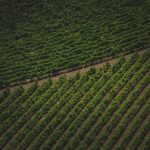
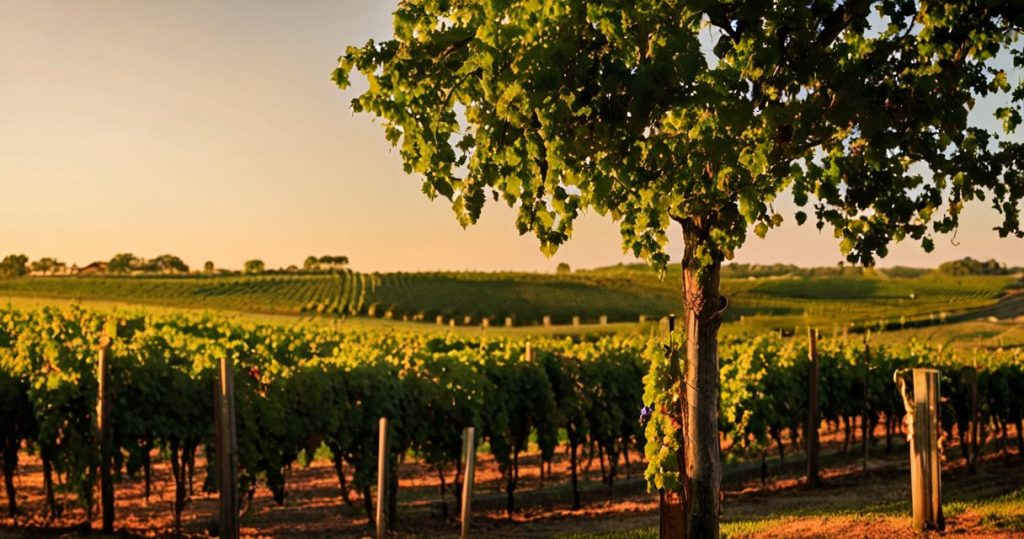
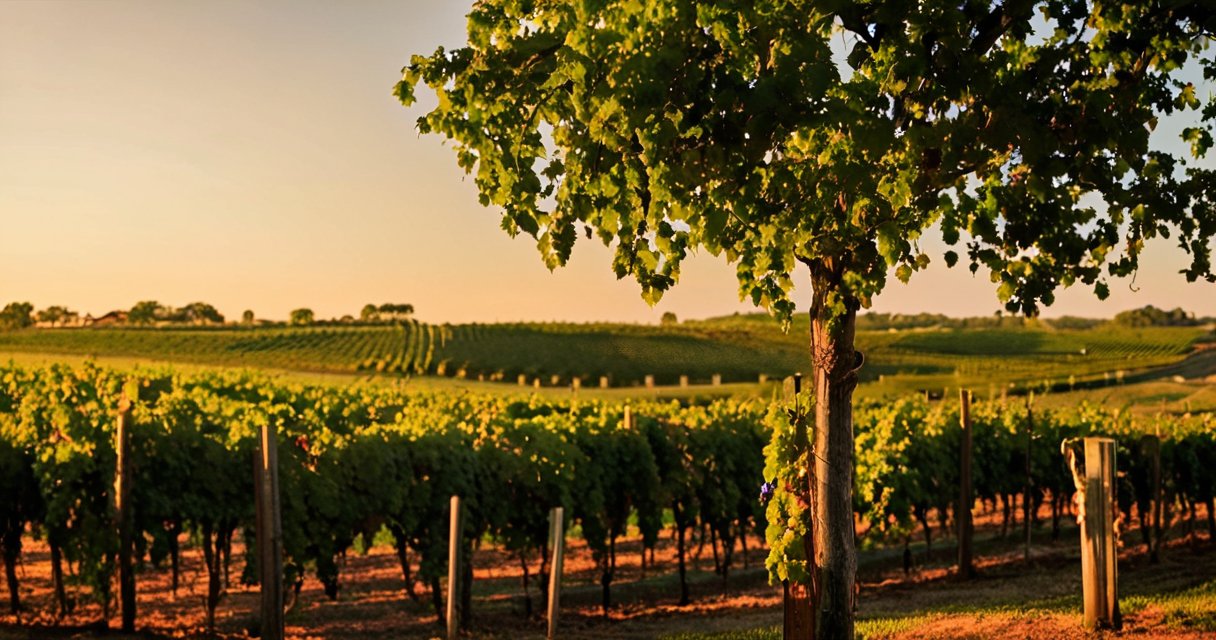
The Gulf Coast climate delivers long, hot summers and mild winters, creating a growing season that stretches well beyond the typical 120‑day window found in more temperate regions. Vines receive abundant sunshine, which promotes rapid sugar accumulation in grapes, but the pervasive humidity also encourages fungal pressure that can threaten fruit quality. To preserve the dry character of their wines, growers often harvest early in the morning when temperatures are lower, allowing them to lock in acidity before sugars become excessive. This disciplined timing, combined with canopy management techniques that improve airflow, helps maintain the bright acidity essential for dry wine styles.
Soil composition across the state’s wine districts adds another layer of complexity. In the fertile alluvial plains near the Atchafalaya Basin, loamy soils retain moisture, encouraging vigorous vine growth that must be tempered to avoid overly jammy flavors. Conversely, the sandy loam found around the historic Vacherie area drains quickly, encouraging deeper root development and subtle mineral notes that translate into a cleaner mouthfeel. Winemakers balance these soil influences with careful pruning and selective thinning, ensuring that the final product delivers the dryness and precision expected by discerning drinkers.
Grape varieties that thrive in the Pelican State
While classic French‑American hybrids such as Seyval Blanc and Vidal Blanc have long been staples in humid regions, Louisiana winemakers have begun to experiment with varieties that naturally resist rot and maintain acidity. Blanc du Bois, a disease‑resistant white grape, consistently yields wines with citrus zest and a crisp finish, making it a favorite for dry white blends. On the red side, the Portuguese grape Touriga Nacional has adapted well to the state’s heat, producing wines with firm tannins and a dry palate that can rival European counterparts.
Beyond hybrids, some vineyards have successfully cultivated lesser‑known Vitis vinifera cultivars like Chenin Blanc and Grenache Blanc. These grapes benefit from the state’s long daylight hours, developing aromatic compounds that enhance the dry expression of the wine. The strategic selection of these varieties allows Louisiana producers to craft dry wines that showcase both fruit intensity and structural balance, setting them apart from the sweeter profiles often associated with Southern winemaking.
Vineyards and winemakers leading the dry wine movement
Felicia Cellars, located just outside Baton Rouge, has become a benchmark for dry wine excellence in the state. Their flagship dry white, a blend of Blanc du Bois and Chenin Blanc, consistently scores above 86 points in regional tastings, thanks to a meticulous cold‑crash fermentation that preserves volatile acidity. Owner‑winemaker Marie Felicia emphasizes minimal oak influence, allowing the natural citrus and green apple notes to dominate the palate. The winery’s commitment to sustainable practices, such as cover‑cropping and reduced pesticide use, also contributes to the health of the vines and the purity of the dry wine style.
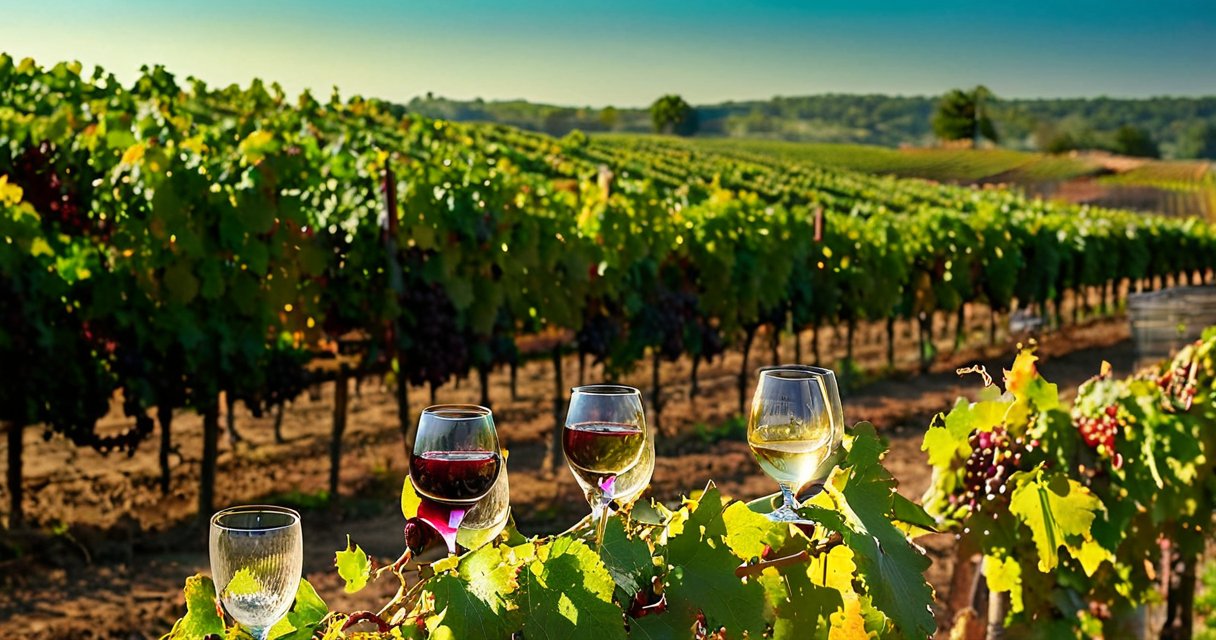
Another notable operation, Riverbank Vineyards in Shreveport, focuses on dry reds produced from Touriga Nacional and a small portion of Cabernet Franc. Their recent release, a dry, medium‑bodied red, showcases firm tannins and a lingering finish of black pepper and smoked plum, qualities achieved through a combination of extended maceration and gentle barrel aging. The winemaker, Thomas LeBlanc, often hosts educational tastings that highlight the importance of acidity management in warm climates, reinforcing the notion that dry wines can flourish even under Louisiana’s demanding conditions.
Tasting notes: what to expect from Louisiana dry whites
Dry white wines from Louisiana typically open with bright aromas of lime zest, white peach, and a hint of tropical fruit that immediately signal freshness. On the palate, the acidity is pronounced, often ranging between 6.5 and 7.0 percent, providing a clean, lively sensation that cuts through the heat of the region. Flavors evolve to reveal subtle mineral undertones, sometimes described as wet stone or riverbank clay, that reflect the alluvial soils where the grapes are grown.
Texturally, these wines balance a delicate mouthfeel with a firm backbone, allowing them to stand up to both simple appetizers and more robust dishes. The finish is generally crisp, with a lingering citrus edge that encourages a second sip. For those accustomed to sweeter Southern wines, the dry profile may initially surprise, but the harmonious integration of fruit, acidity, and mineral nuance quickly reveals a sophisticated drinking experience unique to Louisiana’s terroir.
Pairing Louisiana dry wines with local cuisine
Louisiana’s culinary heritage offers a perfect canvas for the state’s dry wines, especially when the dishes feature bold spices and rich textures. A dry Blanc du Bois pairs exceptionally well with gumbo that contains a tomato base, as the wine’s acidity balances the stew’s depth while complementing the herbal aromatics of thyme and bay leaf. The citrus notes also echo the lemon and green onion garnish traditionally added to the dish.
When it comes to red dry wines, the medium‑bodied Touriga Nacional blends shine alongside blackened catfish or jambalaya with Andouille sausage. The wine’s firm tannins and subtle peppery spice cut through the smoky heat, while the fruit-driven palate mirrors the caramelized edges of the rice. Even a simple plate of fried oysters benefits from a dry white’s crisp finish, which lifts the fried batter and highlights the briny oyster interior.
What a tasting experience at a Louisiana winery looks like
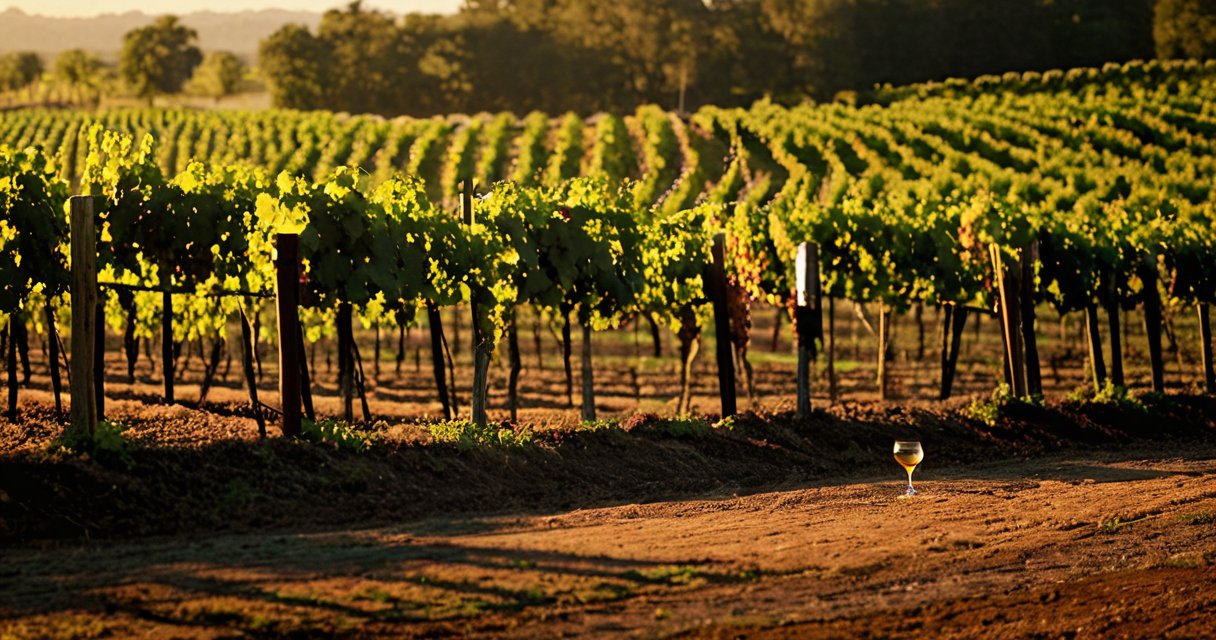
Visiting a Louisiana winery typically begins with a stroll through the vineyard, where guides point out the specific canopy‑management techniques used to combat humidity. Many estates, including Felicia Cellars, offer guided tastings that start with a brief overview of the climate challenges before moving on to the wines themselves. Guests are encouraged to sample the dry white on a chilled glass, noting the bright acidity, then transition to the dry red, allowing the palate to adjust to the tannic structure.
Beyond the standard flight, many wineries host “dry wine workshops” that delve into the science of acidity retention, fermentation temperature control, and the role of oak in shaping flavor. These sessions often include a hands‑on component where participants can smell the volatile compounds released during a short fermentation pause. The immersive nature of these experiences not only educates visitors but also fosters a deeper appreciation for the effort required to produce a high‑quality dry wine in a challenging environment.
Storing and enjoying Louisiana dry wines at home
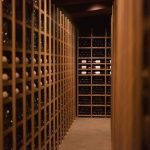
Proper storage is essential to preserve the delicate balance of acidity and fruit found in Louisiana’s dry wines. Because these wines are typically released within a year of bottling, they benefit from a cool, dark cellar where temperatures hover around 55°F and humidity stays near 70 percent. Maintaining a consistent environment prevents premature oxidation, which can mute the crisp finish that defines these wines.
When serving, a dry white should be chilled to 45–50°F, allowing the citrus aromatics to shine without becoming muted. For dry reds, a slightly cooler room temperature of 60–65°F ensures that the tannins remain supple and the fruit flavors stay vibrant. Decanting is optional but can be advantageous for younger reds, as it softens the tannic edge and opens up the nuanced spice notes that develop during aging. By respecting these guidelines, home enthusiasts can enjoy Louisiana’s dry wines with the same clarity and freshness found straight from the barrel.

Winemaker with 12 years in the cellar. I write about fermentation, terroir, and the honest mistakes that taught me more than any textbook. I’ve ruined more barrels than most people have tasted. That’s not a disclaimer — that’s a résumé. Twelve years making wine in France, now making sense of it in words.