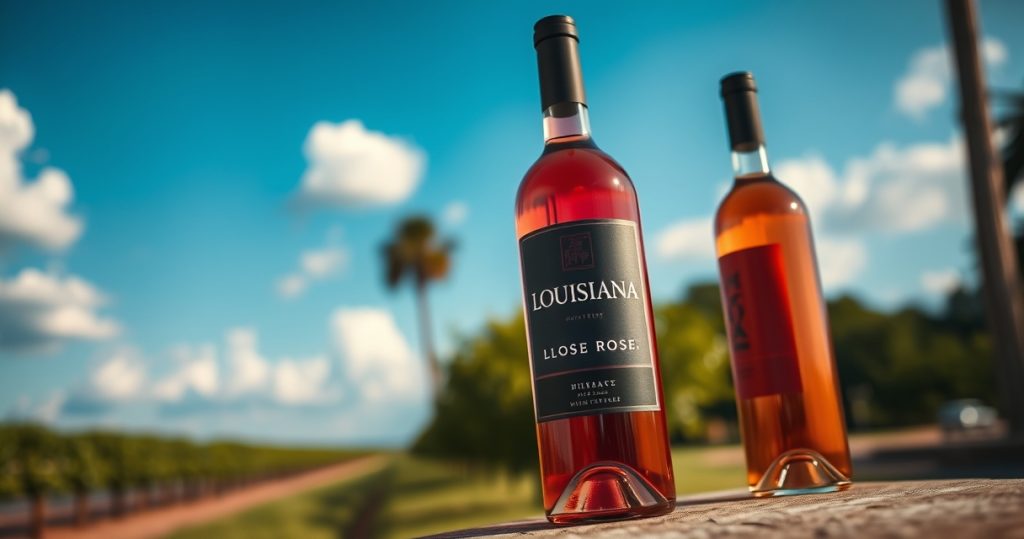
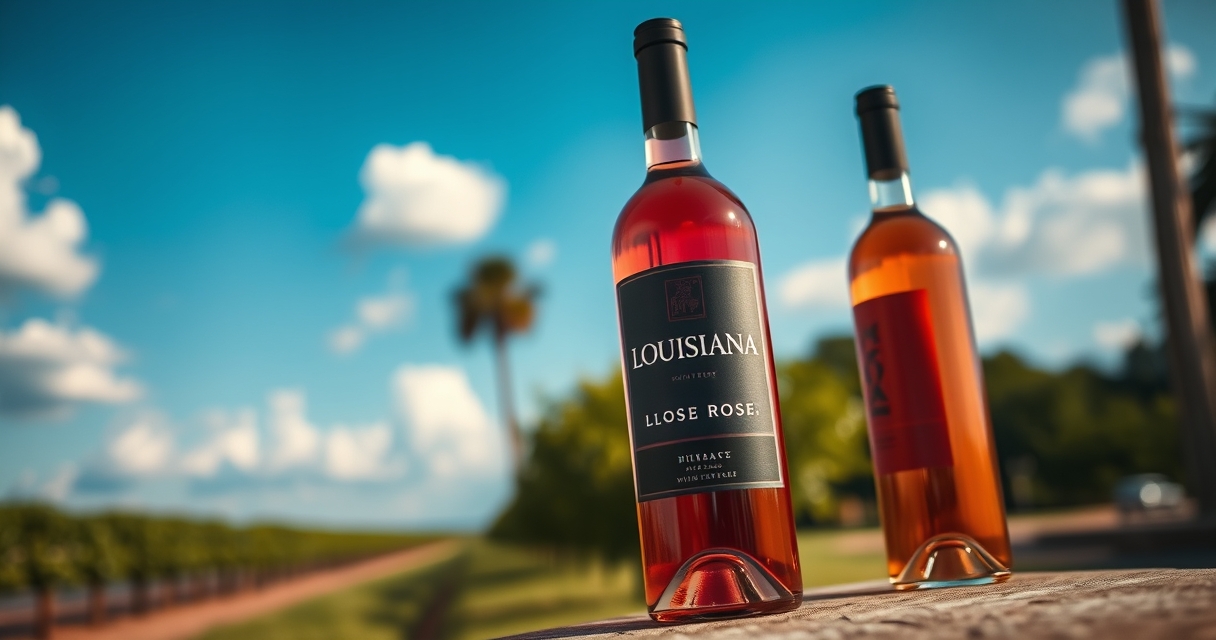
Louisiana may not be the first place that comes to mind when you think of rosé wine, but the state’s winemakers are quietly crafting bottles that reflect the unique terroir of the Gulf South. With a climate that blends humidity, heat, and the occasional tropical storm, local vineyards have adapted by focusing on grape varieties that thrive in these conditions, producing rosés that are crisp, fruit-forward, and distinctly Southern. Unlike the pale Provence-style rosés that dominate shelves elsewhere, Louisiana’s versions often carry a bolder personality, with notes of ripe berries, citrus, and even a hint of spice, perfect for sipping on a steamy afternoon or pairing with the region’s iconic Cajun and Creole dishes. If you’ve ever assumed that great rosé only comes from France or California, a visit to one of Louisiana’s wineries might just change your mind.
Why Louisiana’s Climate Shapes Its Rosé Wines
Louisiana’s subtropical climate presents both challenges and opportunities for winemakers, especially when it comes to rosé. The long, hot summers and high humidity can stress vines, but they also accelerate ripening, leading to grapes with intense flavors and higher sugar content. This means Louisiana rosés often have a richer, more pronounced fruit profile compared to their European counterparts. For example, wineries like Feliciana Cellars use early-picked grapes to retain acidity, balancing the wine’s natural sweetness with a refreshing finish. The state’s proximity to the Gulf of Mexico also plays a role, with coastal breezes helping to moderate temperatures and reduce fungal pressures that can plague vineyards in wetter climates. These factors combine to create rosés that are vibrant and food-friendly, with enough structure to stand up to Louisiana’s bold cuisine.
Another key factor is the state’s soil composition. Much of Louisiana’s wine country sits on alluvial plains, where sediment deposited by the Mississippi River over centuries has created nutrient-rich, well-draining soils. This terroir imparts a subtle earthiness to the wines, grounding the bright fruit flavors that are characteristic of Louisiana rosé. Winemakers here often experiment with blending different grape varieties to achieve the ideal balance, such as mixing the floral notes of Blanc du Bois with the tropical hints of Muscadine. The result is a rosé that feels distinctly local, offering a taste of the region’s landscape in every sip.
The Grape Varieties Behind Louisiana Rosé
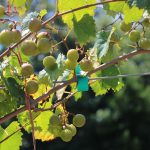
While traditional rosé grapes like Grenache and Syrah struggle in Louisiana’s climate, local winemakers have turned to hybrid and native varieties that are better suited to the heat and humidity. One of the most popular choices is Blanc du Bois, a white grape developed in Florida that thrives in the Southeast. Blanc du Bois produces rosés with bright citrus and stone fruit notes, often with a slight herbal undertone that pairs beautifully with seafood. Another standout is Muscadine, a native grape that’s been cultivated in the South for centuries. Muscadine rosés tend to be bolder, with flavors of ripe watermelon, strawberry, and even a touch of honey, making them a great match for spicy dishes like crawfish étouffée.
For those who prefer a drier style, some wineries are experimenting with Norton, a red grape that’s gaining traction in the region. Norton rosés are deeper in color and offer more tannic structure, with dark cherry and plum flavors that set them apart from the lighter, fruitier options. These wines are often aged briefly in stainless steel or neutral oak to soften their edges, resulting in a rosé that’s versatile enough to pair with grilled meats or rich, creamy sauces. The diversity of grape varieties available in Louisiana means there’s a rosé for every palate, whether you prefer something crisp and refreshing or bold and complex.
How Louisiana Winemakers Craft Their Rosé
The process of making rosé in Louisiana is as much about adaptation as it is about tradition. Unlike in cooler climates, where grapes are often harvested at night to preserve acidity, Louisiana winemakers typically pick their fruit early in the morning when temperatures are still relatively low. This helps prevent the grapes from becoming overripe and losing their delicate flavors. Once harvested, the grapes are quickly pressed to extract just enough color from the skins to achieve the desired hue, which can range from pale salmon to deep coral. The juice is then fermented at cool temperatures to retain freshness, a step that’s especially important in Louisiana’s warm climate.
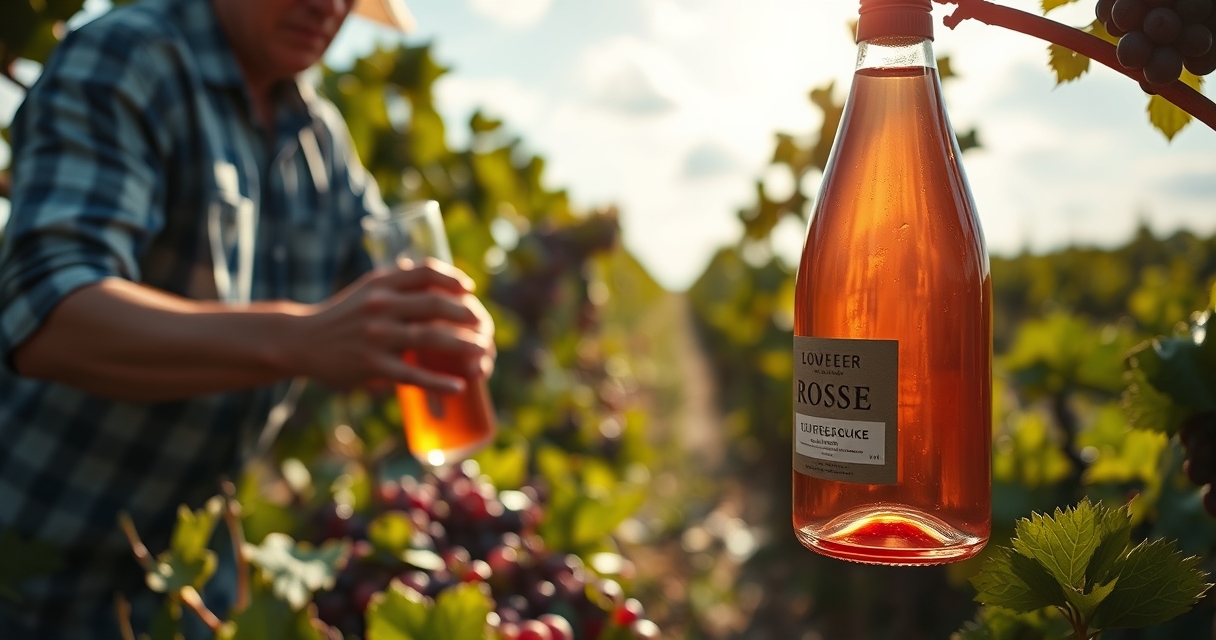
Many local wineries also use a technique called saignée, where a portion of juice is bled off from red wine fermentation to concentrate the remaining wine. This method not only produces a richer red wine but also yields a rosé with more depth and complexity. For example, at Feliciana Cellars, the saignée rosé is aged on its lees for a few months to add texture and roundness, resulting in a wine that’s both crisp and creamy. Some winemakers even incorporate a small amount of oak aging to introduce subtle vanilla or spice notes, though this is less common due to the risk of overpowering the wine’s natural fruitiness. The result is a rosé that’s uniquely Louisiana, with a balance of freshness and body that reflects the state’s winemaking ingenuity.
Pairing Louisiana Rosé with Local Cuisine
One of the joys of drinking Louisiana rosé is discovering how well it pairs with the state’s iconic dishes. The wine’s bright acidity and fruit-forward profile make it an ideal match for the rich, spicy flavors of Cajun and Creole cuisine. For instance, a crisp Blanc du Bois rosé cuts through the heat of a bowl of gumbo, while its citrus notes complement the smoky depth of andouille sausage. Similarly, a Muscadine rosé’s natural sweetness balances the tangy kick of a crawfish boil, making it a refreshing counterpoint to the buttery, spiced seafood. Even lighter dishes, like a classic shrimp remoulade, benefit from the wine’s acidity, which cleanses the palate and enhances the dish’s briny flavors.
Beyond seafood, Louisiana rosé also shines alongside the state’s famous barbecue and grilled meats. A Norton rosé, with its darker fruit flavors and slight tannins, stands up to the bold, smoky flavors of slow-cooked ribs or pulled pork. For a vegetarian option, try pairing a dry rosé with a plate of fried green tomatoes or a Creole-style ratatouille, where the wine’s acidity can cut through the richness of the dish. And let’s not forget dessert, Muscadine rosés, with their honeyed notes, are a natural match for sweet treats like pecan pie or bread pudding. The key is to experiment and find the right balance, but with Louisiana’s diverse rosé offerings, there’s a perfect pairing for every meal.
Where to Taste and Buy Louisiana Rosé
If you’re eager to explore Louisiana rosé, the best place to start is at one of the state’s many wineries, where you can taste a variety of styles and learn about the winemaking process firsthand. Feliciana Cellars, located in St. Francisville, is a must-visit, offering a selection of rosés made from locally grown grapes. Their tasting room provides a relaxed setting to sample wines like their signature Blanc du Bois rosé, which has won awards for its bright, refreshing profile. Another great option is Landry Vineyards in West Monroe, where you can enjoy a glass of rosé on their scenic patio while taking in views of the Ouachita River. Many wineries also offer tours, giving you a behind-the-scenes look at how Louisiana rosé is crafted from vine to bottle.
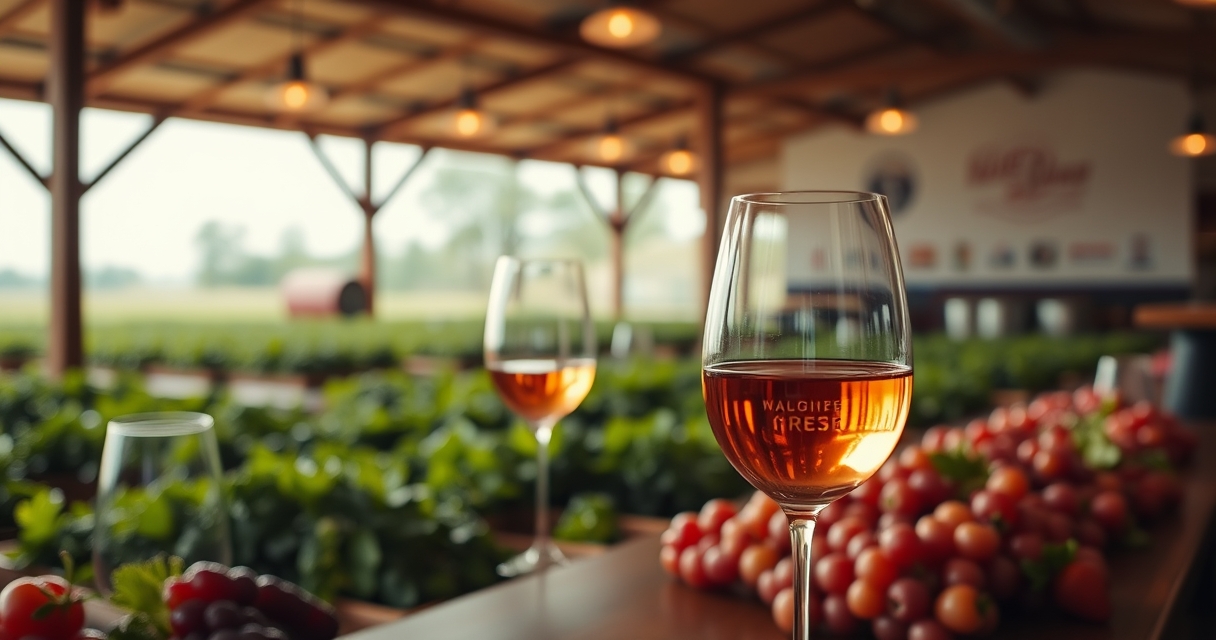
For those who prefer to shop from home, several Louisiana wineries sell their rosés online, with shipping available to most states. Local wine shops, particularly in cities like New Orleans and Baton Rouge, often carry a selection of Louisiana-made rosés, and some even host tastings or events featuring local winemakers. If you’re visiting the state, be sure to check out farmers’ markets, where you might find smaller producers offering unique, small-batch rosés that aren’t widely distributed. Whether you’re sipping a glass at a winery or enjoying a bottle at home, Louisiana rosé offers a taste of the region’s creativity and passion for winemaking.
The Future of Rosé in Louisiana’s Wine Industry
As Louisiana’s wine industry continues to grow, rosé is emerging as one of the state’s most exciting categories. Winemakers are increasingly experimenting with new techniques and grape varieties, pushing the boundaries of what Louisiana rosé can be. For example, some are exploring organic and sustainable farming practices, which not only benefit the environment but also produce grapes with more concentrated flavors. Others are experimenting with extended skin contact to create deeper-colored rosés with more complexity, appealing to drinkers who prefer a bolder style. The rise of rosé-focused events, like tastings and food pairings, is also helping to elevate the profile of Louisiana rosé, attracting both locals and visitors eager to discover something new.
Looking ahead, the future of Louisiana rosé seems bright. With a growing number of wineries investing in quality production and marketing, the state’s rosés are gaining recognition beyond the Gulf South. Some producers are even beginning to export their wines, introducing drinkers across the country to the unique flavors of Louisiana. As more people seek out wines with a sense of place, Louisiana rosé stands out for its authenticity and connection to the region’s culture and landscape. Whether you’re a longtime rosé enthusiast or a curious newcomer, there’s never been a better time to explore what Louisiana has to offer.

Winemaker with 12 years in the cellar. I write about fermentation, terroir, and the honest mistakes that taught me more than any textbook. I’ve ruined more barrels than most people have tasted. That’s not a disclaimer — that’s a résumé. Twelve years making wine in France, now making sense of it in words.