The Rise of Craft Wine in Louisiana
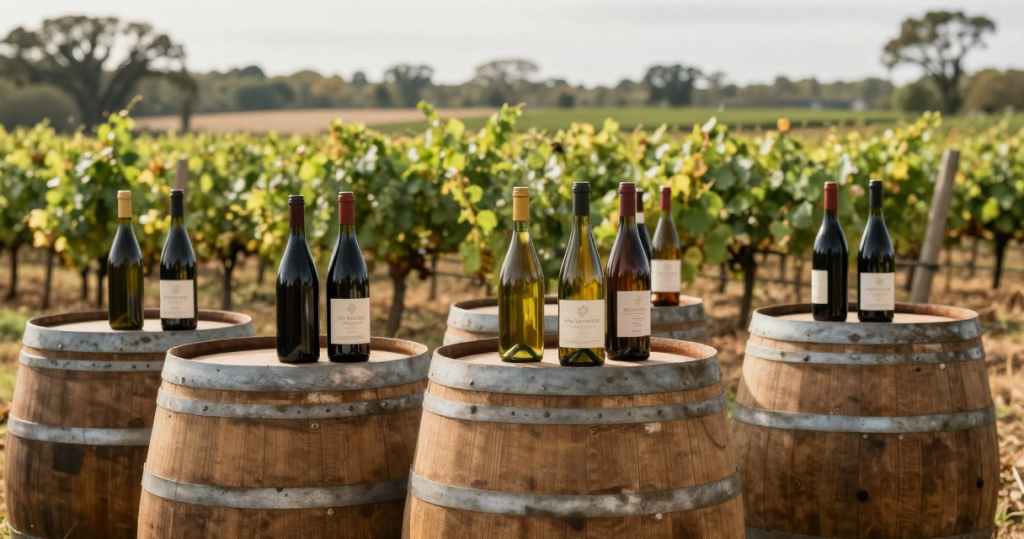
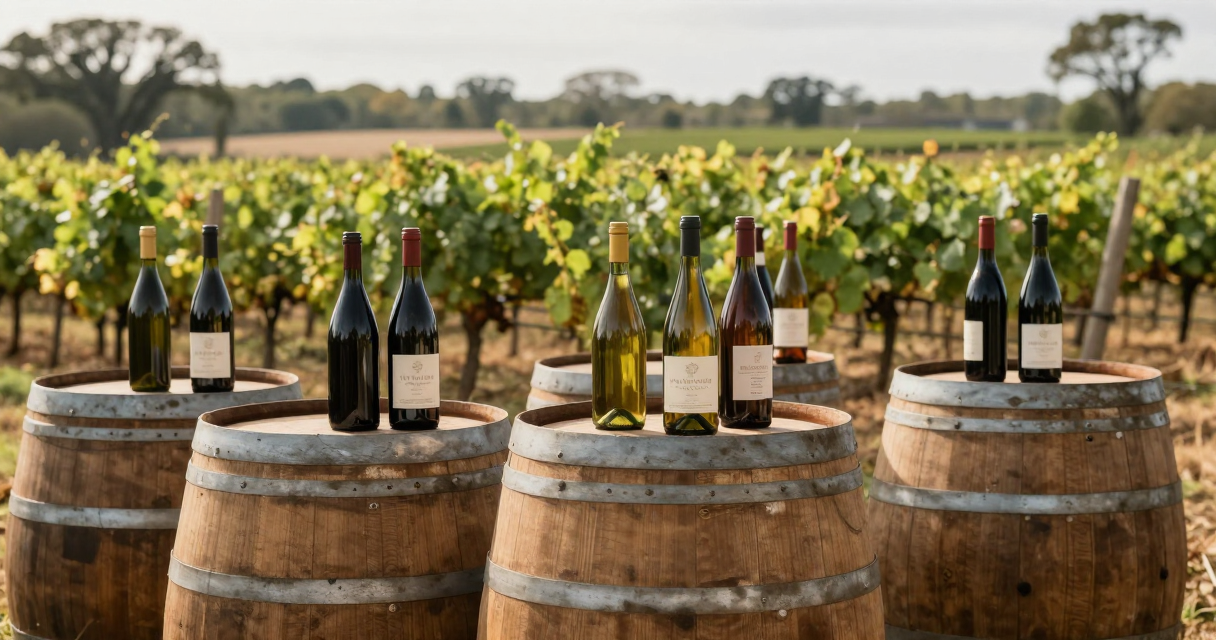
Craft wine production in Louisiana is experiencing a notable resurgence, reflecting a growing appreciation for locally made wines. This trend is not merely a reflection of consumer curiosity but also an acknowledgment of the unique terroir that Louisiana offers. The state’s climate, soil, and agricultural practices are increasingly recognized for their potential to produce distinctive wines that stand out in the crowded American wine scene. As more wineries open their doors, they invite enthusiasts to explore the rich flavors and stories behind Louisiana’s craft wine offerings.
The emergence of craft wineries in Louisiana has led to a diverse range of wine styles, from traditional varietals to innovative blends. Many local winemakers are experimenting with grapes that thrive in the southern climate, such as Muscadine, which is native to the region. This exploration not only showcases the adaptability of Louisiana’s wine industry but also highlights the potential for growth and recognition on a national scale.
Exploring Local Varietals and Blends
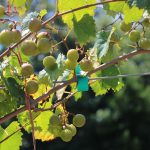
One of the most exciting aspects of Louisiana’s craft wine scene is the focus on local varietals that are often overlooked elsewhere. Muscadine grapes are particularly popular due to their resilience to heat and humidity, making them well-suited for the state’s climate. These grapes produce fruity, sweet wines that capture the essence of Southern hospitality. Wineries like Pontchartrain Vineyards and Landry Vineyards are leading the way in showcasing these unique flavors, offering wines that are both approachable and complex.
In addition to Muscadine, winemakers are experimenting with other varietals, including Blanc du Bois and Lenoir. These grapes not only adapt well to the local environment but also contribute to the creation of intriguing blends that reflect the winemaker’s vision. The result is a dynamic wine culture that encourages innovation while honoring traditional winemaking techniques.
The Winemaking Process: From Grapes to Glass
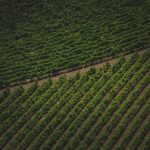
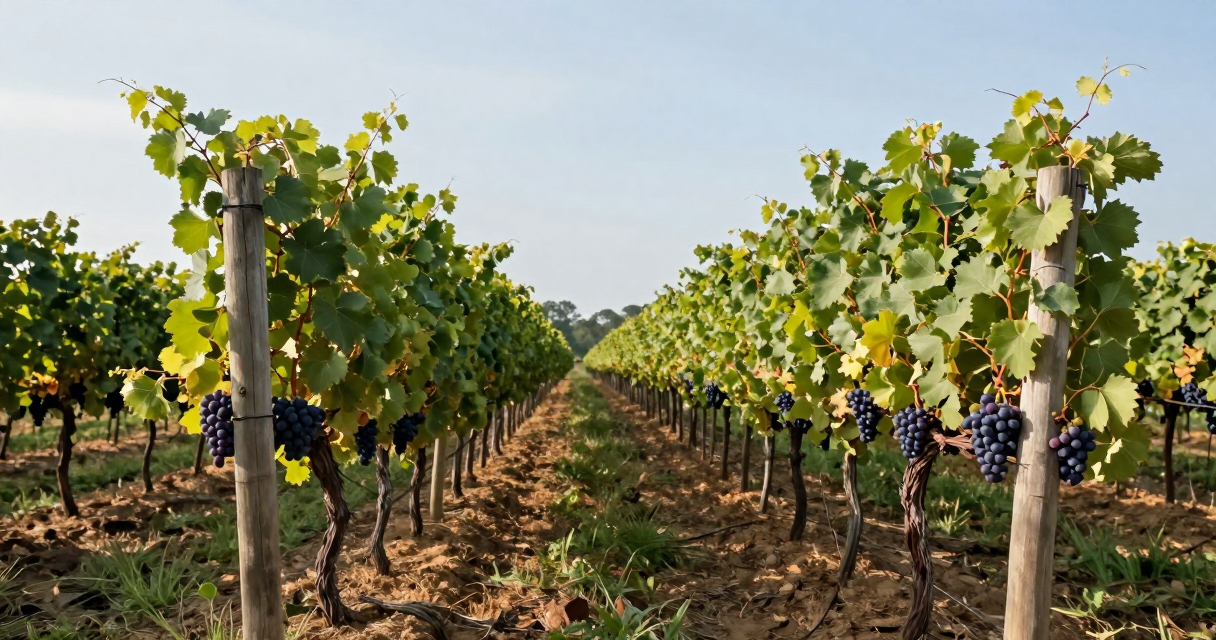
The craft of winemaking in Louisiana involves a meticulous process that highlights the skills and artistry of local vintners. The journey begins in the vineyard, where careful attention is paid to grape cultivation. Winemakers often employ sustainable practices, focusing on organic farming and minimal intervention to preserve the natural characteristics of the grapes. This commitment to quality is evident in the final product, as each bottle tells a story of the land and the people who nurture it.
Wine Tourism: A Growing Attraction
As awareness of craft wine in Louisiana grows, so does the interest in wine tourism. The state offers a variety of wine trails and festivals that invite visitors to experience the local wine culture firsthand. Events like the Louisiana Seafood and Wine Festival showcase the best of the region’s food and wine pairings, attracting both locals and tourists alike. These gatherings not only promote the wineries but also foster a sense of community among wine lovers.
Many wineries are also enhancing their visitor experiences by offering tours, tastings, and educational workshops. This interactive approach allows guests to engage with the winemaking process and learn about the significance of local grapes. As a result, wine tourism in Louisiana is becoming a vibrant part of the state’s cultural fabric, encouraging economic growth and community development.
Pairing Louisiana Cuisine with Local Wines
The synergy between Louisiana cuisine and craft wine is undeniable. The state’s rich culinary heritage, known for its bold flavors and diverse influences, pairs beautifully with the unique profiles of local wines. Winemakers and chefs are increasingly collaborating to create food and wine pairings that highlight the best of both worlds. For instance, a sweet Muscadine wine complements the spiciness of Cajun dishes, while a crisp Blanc du Bois can enhance seafood flavors.
Restaurants across Louisiana are beginning to feature local wines on their menus, encouraging diners to explore these pairings. This trend not only supports local wineries but also enriches the dining experience, allowing patrons to savor the essence of Louisiana in every bite and sip. As more chefs embrace local wines, the connection between food and wine continues to flourish, creating a unique culinary landscape.
Sustainability in Louisiana Vineyards
As the craft wine industry in Louisiana continues to grow, sustainability has become a key focus for many wineries. Winemakers are increasingly adopting eco-friendly practices to minimize their environmental impact. This includes using organic farming methods, conserving water, and employing renewable energy sources. By prioritizing sustainability, these wineries are ensuring that they can produce high-quality wines while also preserving the land for future generations.
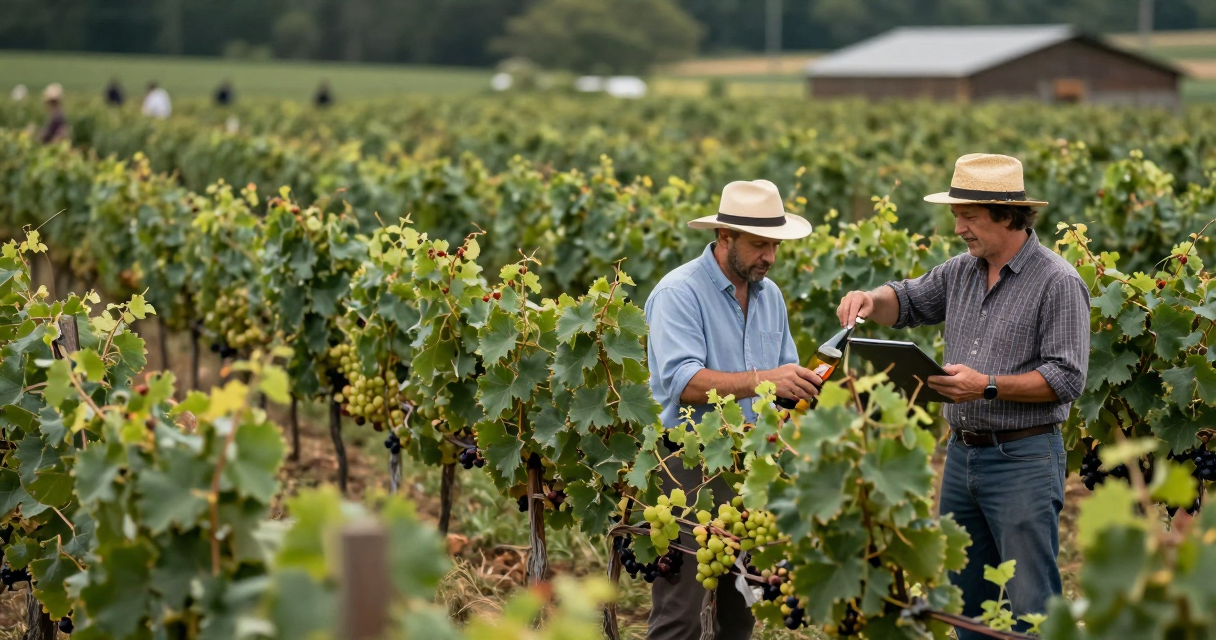
Some vineyards are also engaging in community initiatives, such as planting cover crops to improve soil health and reduce erosion. These practices not only enhance the quality of the grapes but also contribute to the overall health of the local ecosystem. As consumers become more environmentally conscious, the emphasis on sustainability in winemaking is likely to resonate with wine enthusiasts seeking to support responsible producers.
The Future of Craft Wine in Louisiana
The future of craft wine in Louisiana looks promising, with a burgeoning community of passionate winemakers dedicated to their craft. As more individuals recognize the potential of Louisiana’s unique terroir, the industry is poised for continued growth. This momentum is supported by an increasing number of wine festivals, tasting events, and educational programs aimed at fostering a deeper appreciation for local wines.
Moreover, the state’s wineries are beginning to gain recognition beyond regional borders, with awards and accolades highlighting the quality of their offerings. As Louisiana’s craft wine scene evolves, it has the potential to carve out a distinctive identity within the broader American wine landscape, inviting wine lovers to explore its rich flavors and vibrant culture.

Winemaker with 12 years in the cellar. I write about fermentation, terroir, and the honest mistakes that taught me more than any textbook. I’ve ruined more barrels than most people have tasted. That’s not a disclaimer — that’s a résumé. Twelve years making wine in France, now making sense of it in words.