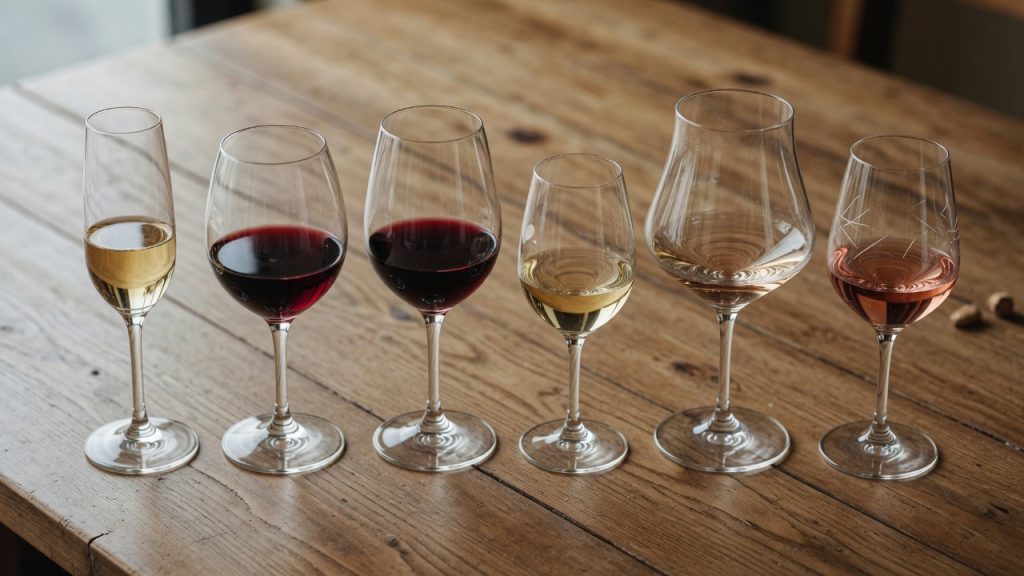
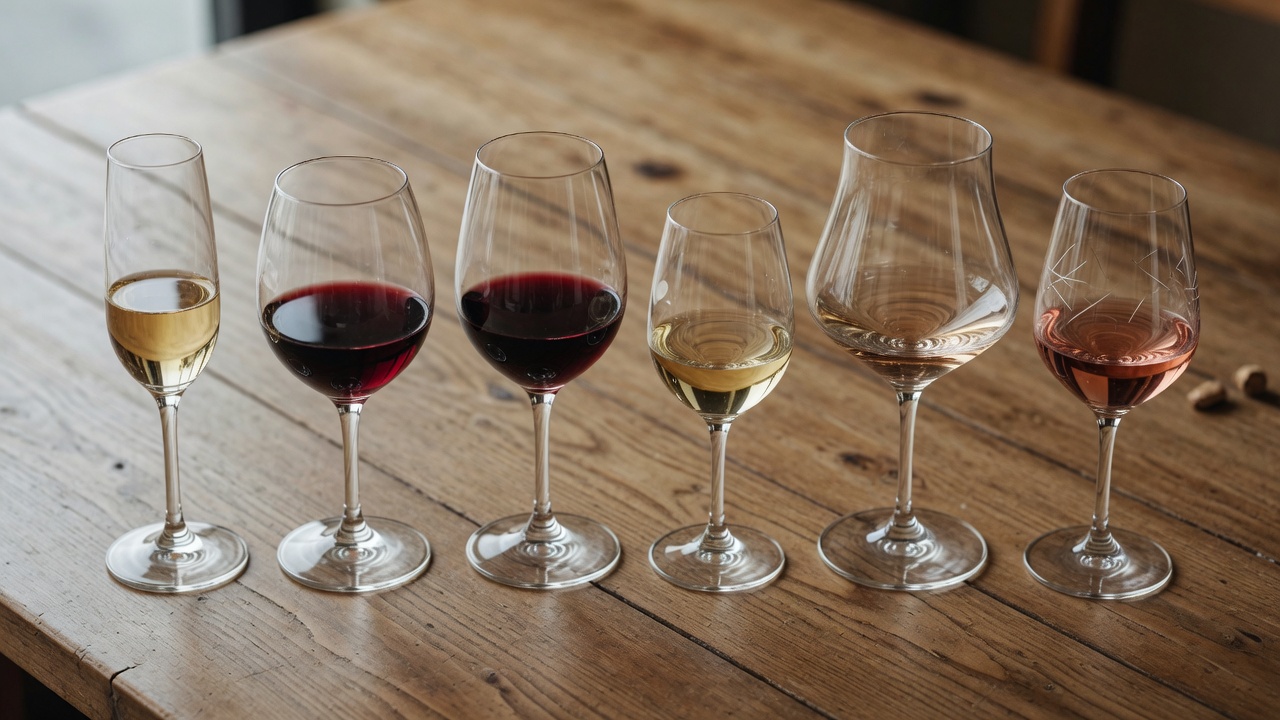
The bowl’s smaller size also concentrates the delicate aromas, allowing the drinker to better appreciate the subtle floral and fruity notes typical of white wines. Additionally, the tapered opening directs the wine to the tip and sides of the tongue, areas that are most sensitive to acidity, enhancing the overall taste experience by emphasizing the wine’s brightness and acidity.
Temperature retention is crucial for white wines, as serving them too warm can mask their flavors and crispness. The specific shape of white wine glasses plays a significant role in keeping the wine cooler longer, ensuring that the taste stays fresh from the first sip to the last. When selecting white wine glasses, choosing ones with the proper glass bowl shape can significantly elevate the enjoyment and enhance the nuanced flavors of your favorite white wines.
How Glass Shape Affects Wine Experience
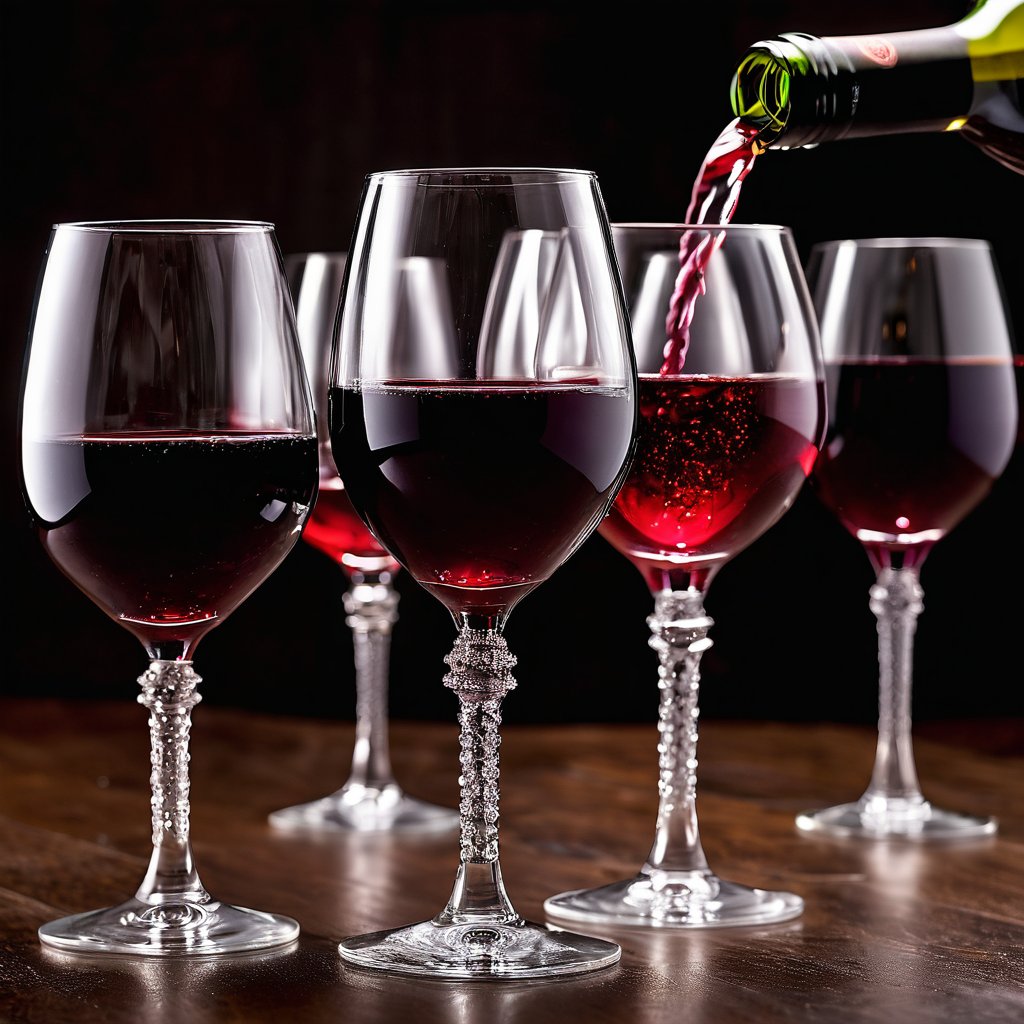
The wine experience is profoundly influenced by the shape of the glass in which it is served. This influence extends beyond mere appearance or aesthetics; it has a tangible impact on taste, aroma, and overall enjoyment. The science behind how different wine glass shapes affect these factors lies in the interaction between the wine, the air, and the sensory receptors in our mouths and noses.
One primary way a glass shape affects the wine experience is by directing the wine to specific parts of the palate. Different shapes guide the liquid toward areas of the tongue that detect acidity, sweetness, bitterness, or saltiness, shaping the perceived flavor balance. For example, a wider bowl allows more aeration, which enhances the wine’s aroma and softens tannins, especially important for bold red wines. Conversely, glasses with narrower rims can focus the wine onto the tip of the tongue, highlighting sweeter or fruitier notes typical in white wines or sparkling varieties.
Another significant aspect of glass shape impact is its effect on aroma, which heavily influences wine taste perception. The bowl’s size and width determine how much the wine’s bouquet is concentrated or diffused. Glasses with a wide bowl and narrower opening trap and channel volatile compounds toward the nose, making the aroma more pronounced. This enhanced aroma allows wine drinkers to better appreciate subtle floral, fruity, or spicy notes that define the character of the wine.
Moreover, the thinness and shape of the rim affect how the wine flows onto the palate and interacts with the lips and mouth. A thin, smooth rim provides a more elegant drinking experience, delivering wine gently and evenly, while thicker rims can disrupt this flow and alter taste perception. The glass’s height can also influence temperature control, which is critical as temperature changes can mask or reveal flavor nuances.
Overall, understanding the wine glass shape impact is essential for wine enthusiasts wanting to maximize their wine experience. Each wine style benefits from a particular glass shape designed to optimize taste and aroma, thereby enhancing the entire sensory journey. Selecting the proper glass is not just a matter of tradition or style, but a scientific way to deepen appreciation of wine’s complex and diverse characteristics.
Aroma Concentration
The shape of a wine glass plays a crucial role in concentrating wine aromas, which directly impacts the intensity of the wine bouquet experienced by the drinker. Specific glass designs are crafted to funnel and focus aromatic compounds towards the nose, enhancing the sensory perception of the wine. This phenomenon is primarily influenced by the curvature and size of the bowl as well as the glass rim design.
A glass with a narrower opening and a wider bowl allows the volatile aroma molecules to accumulate and concentrate. This design traps the aromas within the bowl, preventing them from dissipating too quickly. When the glass rim is shaped to gently taper inward, it further directs the concentrated aromas towards the nose with each sip. This creates a more intense and immersive bouquet experience, often highlighting delicate floral or fruity notes that might otherwise be missed.
By contrast, glasses with wider openings tend to disperse aromas more quickly, which can be preferable for certain wine styles where a lighter aromatic presence is intended. Thus, choosing the right glass with the appropriate bowl shape and glass rim design can amplify the wine bouquet, enriching the tasting experience through enhanced aroma concentration. This subtle yet significant detail underscores why wine enthusiasts and sommeliers emphasize the importance of glassware in wine appreciation.
Flavor Perception
The shape and angle of a wine glass play a crucial role in flavor perception by directing the wine to specific areas of the tongue. Different parts of the tongue are sensitive to different taste sensations, such as sweetness, acidity, bitterness, and umami. A glass’s design influences how the wine flows across the taste buds, enhancing or diminishing certain flavor notes.
For instance, a glass with a narrower rim focuses the wine toward the tip of the tongue, where sweetness is most perceptible. This can enhance fruity or sweet characteristics in the wine. Conversely, a wider bowl with a gently flared rim allows the wine to spread more broadly, reaching areas sensitive to acidity and bitterness, balancing the flavor profile and emphasizing crispness or tannins.
The angle at which the wine hits the tongue is equally important. Glass shapes that encourage wine to flow toward the sides of the tongue highlight acidity, making the wine taste fresher and more vibrant. Meanwhile, designs that direct flow toward the back of the tongue emphasize bitterness and structure, which can enhance the complexity of bold reds.
Ultimately, the wine glass influence on flavor perception is a subtle but significant factor in the tasting experience. By guiding wine to different parts of the tongue, the glass shape subtly shifts the balance of taste sensations, making the enjoyment of wine highly nuanced and personal.
Choosing the Right Wine Glass for You
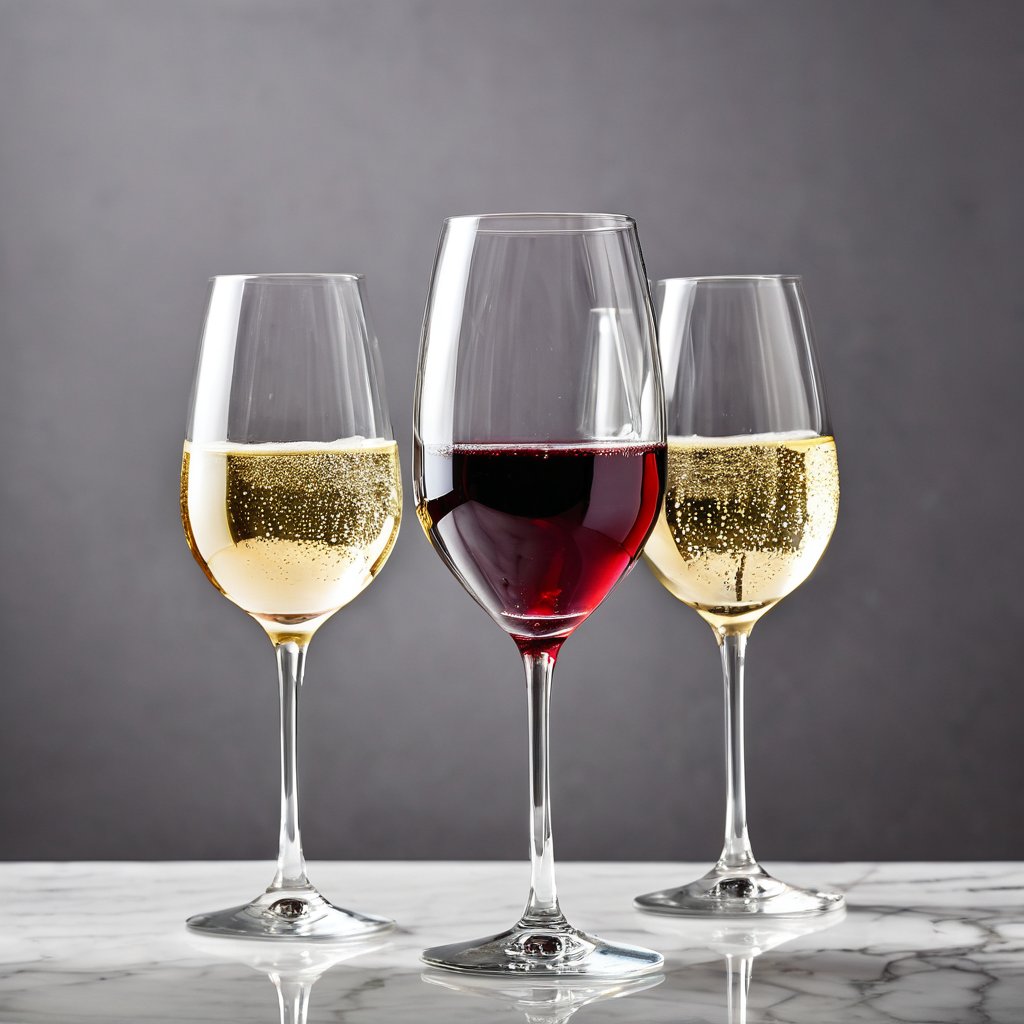
Choosing wine glass shapes is more than just an aesthetic decision; it influences the overall wine-drinking experience. When selecting the best wine glass for your needs, consider several practical factors beyond just the look of the glass. Your personal preference, the type of wine, and the occasion all play crucial roles in the glass selection process.
First, think about your personal preferences. Do you prefer a glass that feels comfortable in your hand? The thickness of the rim, the weight of the glass, and the size of the bowl can all affect how enjoyable the glass feels. Some people like a larger bowl to swirl and aerate the wine, while others prefer a smaller, more delicate glass for ease of handling and sipping. Experimentation with different styles can help you find the best wine glass that suits your comfort and style.
Next, consider the type of wine you usually enjoy. Red, white, sparkling, and dessert wines each benefit from specific glass shapes that enhance their aromas and flavors. For example, a wider bowl allows reds to aerate and release complex aromas, while a narrower glass keeps whites cooler for longer. Sparkling wines are best served in tall, slender flutes to preserve their bubbles, whereas dessert wines often benefit from smaller glasses to concentrate their sweetness. Choosing the right glass shape tailored to your favorite wine type will amplify your tasting experience.
Finally, think about the occasion. For casual, everyday drinking, versatile glasses that work well with multiple wine types might be the best choice, balancing practicality with elegance. For formal dinners or special celebrations, investing in high-quality, wine-specific glasses can elevate the experience, impressing guests and enhancing the enjoyment of fine wines. Glass selection tips include having a mix of glass types in your collection, ensuring you are prepared for any wine style or event.
In summary, choosing the right wine glass involves balancing your personal comfort, the nuances of the wine you drink, and the setting in which you enjoy it. By focusing on these factors, you can select the best wine glass that not only complements your preferences but also enhances every sip you take.
Considerations for Different Wines
Choosing the right wine glass is crucial for enhancing your wine pairing experience. Different wine varieties have distinct aromatic profiles and flavor characteristics that can be maximized through proper glass choice. For example, red wines generally benefit from larger bowls that allow for better aeration, boosting both aroma and taste. In contrast, white wines are often served in smaller glasses to maintain cooler temperatures and focus their more delicate scents.
When selecting glasses, consider the wine type selection carefully. A glass designed for Pinot Noir usually has a wider bowl to emphasize the wine’s complex bouquet, while a glass for Chardonnay typically features a narrower rim to control its buttery or oaky notes. Sparkling wines require flute-shaped glasses to preserve the bubbles and highlight their crispness.
Ultimately, enhancing the tasting experience depends on matching the wine glass to the wine style. Thoughtful wine pairing with the appropriate glass shape not only elevates the aromas but also balances the wine’s taste and texture on the palate. Paying attention to these factors can transform every sip into a more enjoyable and nuanced journey.
Glass Material and Quality
The choice of glass material plays a crucial role in the overall wine drinking experience. High-quality glass material, such as crystal wine glasses, not only enhances the aesthetic appeal but also significantly affects the clarity and presentation of the wine. Crystal glasses tend to offer better transparency, allowing drinkers to fully appreciate the wine’s color and brilliance. This visual clarity helps to set expectations and heightens the sensory anticipation of each sip.
Durability is another important factor when it comes to glass material. While fine crystal offers elegance and excellent tactile sensations, it is often more fragile compared to standard glass varieties. However, advancements in manufacturing have produced crystal wine glasses that combine elegance with improved glass durability, making them suitable for both casual and formal settings. Investing in durable yet high-quality glassware ensures longevity and provides a consistent experience over time.
Ultimately, the combination of superior glass material and meticulous craftsmanship enhances the bouquet and flavor profile of the wine by preventing any off-odors or tastes that inferior materials might impart. Selecting glasses made from quality crystal or similarly refined materials enriches the enjoyment by fully capturing and conveying the subtle nuances of aroma and taste. Thus, understanding the impact of glass material, quality, and clarity should be a priority for any wine enthusiast seeking to maximize their wine enjoyment.

The balloon-like shape with a broad base narrows slightly at the rim, which helps concentrate the intense aromas of red wines, making it easier for the drinker to detect subtle notes such as berries, spices, and earthy undertones. This aroma enhancement is vital for appreciating the full sensory experience of red wines ranging from robust Cabernets to more delicate Pinot Noirs.
Additionally, the design directs the wine to the back of the mouth and the palate, where the flavors can be fully appreciated, balancing acidity, sweetness, and bitterness. Red wine glasses vary in size depending on the type of red wine served, but their shared purpose is to maximize the wine’s potential by elevating its aromatic essence and enhancing its overall taste profile.
White Wine Glasses
White wine glasses are distinctly designed to enhance the unique characteristics of white wines, emphasizing their crispness and subtle aroma. One of the key features of white wine glasses is the glass bowl shape, which is typically narrower and more upright compared to red wine glasses. This shape helps to preserve the cooler temperature of white wines by minimizing the surface area exposed to the air, which is essential for maintaining the wine’s refreshing qualities.
The bowl’s smaller size also concentrates the delicate aromas, allowing the drinker to better appreciate the subtle floral and fruity notes typical of white wines. Additionally, the tapered opening directs the wine to the tip and sides of the tongue, areas that are most sensitive to acidity, enhancing the overall taste experience by emphasizing the wine’s brightness and acidity.
Temperature retention is crucial for white wines, as serving them too warm can mask their flavors and crispness. The specific shape of white wine glasses plays a significant role in keeping the wine cooler longer, ensuring that the taste stays fresh from the first sip to the last. When selecting white wine glasses, choosing ones with the proper glass bowl shape can significantly elevate the enjoyment and enhance the nuanced flavors of your favorite white wines.
How Glass Shape Affects Wine Experience

The wine experience is profoundly influenced by the shape of the glass in which it is served. This influence extends beyond mere appearance or aesthetics; it has a tangible impact on taste, aroma, and overall enjoyment. The science behind how different wine glass shapes affect these factors lies in the interaction between the wine, the air, and the sensory receptors in our mouths and noses.
One primary way a glass shape affects the wine experience is by directing the wine to specific parts of the palate. Different shapes guide the liquid toward areas of the tongue that detect acidity, sweetness, bitterness, or saltiness, shaping the perceived flavor balance. For example, a wider bowl allows more aeration, which enhances the wine’s aroma and softens tannins, especially important for bold red wines. Conversely, glasses with narrower rims can focus the wine onto the tip of the tongue, highlighting sweeter or fruitier notes typical in white wines or sparkling varieties.
Another significant aspect of glass shape impact is its effect on aroma, which heavily influences wine taste perception. The bowl’s size and width determine how much the wine’s bouquet is concentrated or diffused. Glasses with a wide bowl and narrower opening trap and channel volatile compounds toward the nose, making the aroma more pronounced. This enhanced aroma allows wine drinkers to better appreciate subtle floral, fruity, or spicy notes that define the character of the wine.
Moreover, the thinness and shape of the rim affect how the wine flows onto the palate and interacts with the lips and mouth. A thin, smooth rim provides a more elegant drinking experience, delivering wine gently and evenly, while thicker rims can disrupt this flow and alter taste perception. The glass’s height can also influence temperature control, which is critical as temperature changes can mask or reveal flavor nuances.
Overall, understanding the wine glass shape impact is essential for wine enthusiasts wanting to maximize their wine experience. Each wine style benefits from a particular glass shape designed to optimize taste and aroma, thereby enhancing the entire sensory journey. Selecting the proper glass is not just a matter of tradition or style, but a scientific way to deepen appreciation of wine’s complex and diverse characteristics.
Aroma Concentration
The shape of a wine glass plays a crucial role in concentrating wine aromas, which directly impacts the intensity of the wine bouquet experienced by the drinker. Specific glass designs are crafted to funnel and focus aromatic compounds towards the nose, enhancing the sensory perception of the wine. This phenomenon is primarily influenced by the curvature and size of the bowl as well as the glass rim design.
A glass with a narrower opening and a wider bowl allows the volatile aroma molecules to accumulate and concentrate. This design traps the aromas within the bowl, preventing them from dissipating too quickly. When the glass rim is shaped to gently taper inward, it further directs the concentrated aromas towards the nose with each sip. This creates a more intense and immersive bouquet experience, often highlighting delicate floral or fruity notes that might otherwise be missed.
By contrast, glasses with wider openings tend to disperse aromas more quickly, which can be preferable for certain wine styles where a lighter aromatic presence is intended. Thus, choosing the right glass with the appropriate bowl shape and glass rim design can amplify the wine bouquet, enriching the tasting experience through enhanced aroma concentration. This subtle yet significant detail underscores why wine enthusiasts and sommeliers emphasize the importance of glassware in wine appreciation.
Flavor Perception
The shape and angle of a wine glass play a crucial role in flavor perception by directing the wine to specific areas of the tongue. Different parts of the tongue are sensitive to different taste sensations, such as sweetness, acidity, bitterness, and umami. A glass’s design influences how the wine flows across the taste buds, enhancing or diminishing certain flavor notes.
For instance, a glass with a narrower rim focuses the wine toward the tip of the tongue, where sweetness is most perceptible. This can enhance fruity or sweet characteristics in the wine. Conversely, a wider bowl with a gently flared rim allows the wine to spread more broadly, reaching areas sensitive to acidity and bitterness, balancing the flavor profile and emphasizing crispness or tannins.
The angle at which the wine hits the tongue is equally important. Glass shapes that encourage wine to flow toward the sides of the tongue highlight acidity, making the wine taste fresher and more vibrant. Meanwhile, designs that direct flow toward the back of the tongue emphasize bitterness and structure, which can enhance the complexity of bold reds.
Ultimately, the wine glass influence on flavor perception is a subtle but significant factor in the tasting experience. By guiding wine to different parts of the tongue, the glass shape subtly shifts the balance of taste sensations, making the enjoyment of wine highly nuanced and personal.
Choosing the Right Wine Glass for You

Choosing wine glass shapes is more than just an aesthetic decision; it influences the overall wine-drinking experience. When selecting the best wine glass for your needs, consider several practical factors beyond just the look of the glass. Your personal preference, the type of wine, and the occasion all play crucial roles in the glass selection process.
First, think about your personal preferences. Do you prefer a glass that feels comfortable in your hand? The thickness of the rim, the weight of the glass, and the size of the bowl can all affect how enjoyable the glass feels. Some people like a larger bowl to swirl and aerate the wine, while others prefer a smaller, more delicate glass for ease of handling and sipping. Experimentation with different styles can help you find the best wine glass that suits your comfort and style.
Next, consider the type of wine you usually enjoy. Red, white, sparkling, and dessert wines each benefit from specific glass shapes that enhance their aromas and flavors. For example, a wider bowl allows reds to aerate and release complex aromas, while a narrower glass keeps whites cooler for longer. Sparkling wines are best served in tall, slender flutes to preserve their bubbles, whereas dessert wines often benefit from smaller glasses to concentrate their sweetness. Choosing the right glass shape tailored to your favorite wine type will amplify your tasting experience.
Finally, think about the occasion. For casual, everyday drinking, versatile glasses that work well with multiple wine types might be the best choice, balancing practicality with elegance. For formal dinners or special celebrations, investing in high-quality, wine-specific glasses can elevate the experience, impressing guests and enhancing the enjoyment of fine wines. Glass selection tips include having a mix of glass types in your collection, ensuring you are prepared for any wine style or event.
In summary, choosing the right wine glass involves balancing your personal comfort, the nuances of the wine you drink, and the setting in which you enjoy it. By focusing on these factors, you can select the best wine glass that not only complements your preferences but also enhances every sip you take.
Considerations for Different Wines
Choosing the right wine glass is crucial for enhancing your wine pairing experience. Different wine varieties have distinct aromatic profiles and flavor characteristics that can be maximized through proper glass choice. For example, red wines generally benefit from larger bowls that allow for better aeration, boosting both aroma and taste. In contrast, white wines are often served in smaller glasses to maintain cooler temperatures and focus their more delicate scents.
When selecting glasses, consider the wine type selection carefully. A glass designed for Pinot Noir usually has a wider bowl to emphasize the wine’s complex bouquet, while a glass for Chardonnay typically features a narrower rim to control its buttery or oaky notes. Sparkling wines require flute-shaped glasses to preserve the bubbles and highlight their crispness.
Ultimately, enhancing the tasting experience depends on matching the wine glass to the wine style. Thoughtful wine pairing with the appropriate glass shape not only elevates the aromas but also balances the wine’s taste and texture on the palate. Paying attention to these factors can transform every sip into a more enjoyable and nuanced journey.
Glass Material and Quality
The choice of glass material plays a crucial role in the overall wine drinking experience. High-quality glass material, such as crystal wine glasses, not only enhances the aesthetic appeal but also significantly affects the clarity and presentation of the wine. Crystal glasses tend to offer better transparency, allowing drinkers to fully appreciate the wine’s color and brilliance. This visual clarity helps to set expectations and heightens the sensory anticipation of each sip.
Durability is another important factor when it comes to glass material. While fine crystal offers elegance and excellent tactile sensations, it is often more fragile compared to standard glass varieties. However, advancements in manufacturing have produced crystal wine glasses that combine elegance with improved glass durability, making them suitable for both casual and formal settings. Investing in durable yet high-quality glassware ensures longevity and provides a consistent experience over time.
Ultimately, the combination of superior glass material and meticulous craftsmanship enhances the bouquet and flavor profile of the wine by preventing any off-odors or tastes that inferior materials might impart. Selecting glasses made from quality crystal or similarly refined materials enriches the enjoyment by fully capturing and conveying the subtle nuances of aroma and taste. Thus, understanding the impact of glass material, quality, and clarity should be a priority for any wine enthusiast seeking to maximize their wine enjoyment.
The balloon-like shape with a broad base narrows slightly at the rim, which helps concentrate the intense aromas of red wines, making it easier for the drinker to detect subtle notes such as berries, spices, and earthy undertones. This aroma enhancement is vital for appreciating the full sensory experience of red wines ranging from robust Cabernets to more delicate Pinot Noirs.
Additionally, the design directs the wine to the back of the mouth and the palate, where the flavors can be fully appreciated, balancing acidity, sweetness, and bitterness. Red wine glasses vary in size depending on the type of red wine served, but their shared purpose is to maximize the wine’s potential by elevating its aromatic essence and enhancing its overall taste profile.
White Wine Glasses
White wine glasses are distinctly designed to enhance the unique characteristics of white wines, emphasizing their crispness and subtle aroma. One of the key features of white wine glasses is the glass bowl shape, which is typically narrower and more upright compared to red wine glasses. This shape helps to preserve the cooler temperature of white wines by minimizing the surface area exposed to the air, which is essential for maintaining the wine’s refreshing qualities.
The bowl’s smaller size also concentrates the delicate aromas, allowing the drinker to better appreciate the subtle floral and fruity notes typical of white wines. Additionally, the tapered opening directs the wine to the tip and sides of the tongue, areas that are most sensitive to acidity, enhancing the overall taste experience by emphasizing the wine’s brightness and acidity.
Temperature retention is crucial for white wines, as serving them too warm can mask their flavors and crispness. The specific shape of white wine glasses plays a significant role in keeping the wine cooler longer, ensuring that the taste stays fresh from the first sip to the last. When selecting white wine glasses, choosing ones with the proper glass bowl shape can significantly elevate the enjoyment and enhance the nuanced flavors of your favorite white wines.
How Glass Shape Affects Wine Experience

The wine experience is profoundly influenced by the shape of the glass in which it is served. This influence extends beyond mere appearance or aesthetics; it has a tangible impact on taste, aroma, and overall enjoyment. The science behind how different wine glass shapes affect these factors lies in the interaction between the wine, the air, and the sensory receptors in our mouths and noses.
One primary way a glass shape affects the wine experience is by directing the wine to specific parts of the palate. Different shapes guide the liquid toward areas of the tongue that detect acidity, sweetness, bitterness, or saltiness, shaping the perceived flavor balance. For example, a wider bowl allows more aeration, which enhances the wine’s aroma and softens tannins, especially important for bold red wines. Conversely, glasses with narrower rims can focus the wine onto the tip of the tongue, highlighting sweeter or fruitier notes typical in white wines or sparkling varieties.
Another significant aspect of glass shape impact is its effect on aroma, which heavily influences wine taste perception. The bowl’s size and width determine how much the wine’s bouquet is concentrated or diffused. Glasses with a wide bowl and narrower opening trap and channel volatile compounds toward the nose, making the aroma more pronounced. This enhanced aroma allows wine drinkers to better appreciate subtle floral, fruity, or spicy notes that define the character of the wine.
Moreover, the thinness and shape of the rim affect how the wine flows onto the palate and interacts with the lips and mouth. A thin, smooth rim provides a more elegant drinking experience, delivering wine gently and evenly, while thicker rims can disrupt this flow and alter taste perception. The glass’s height can also influence temperature control, which is critical as temperature changes can mask or reveal flavor nuances.
Overall, understanding the wine glass shape impact is essential for wine enthusiasts wanting to maximize their wine experience. Each wine style benefits from a particular glass shape designed to optimize taste and aroma, thereby enhancing the entire sensory journey. Selecting the proper glass is not just a matter of tradition or style, but a scientific way to deepen appreciation of wine’s complex and diverse characteristics.
Aroma Concentration
The shape of a wine glass plays a crucial role in concentrating wine aromas, which directly impacts the intensity of the wine bouquet experienced by the drinker. Specific glass designs are crafted to funnel and focus aromatic compounds towards the nose, enhancing the sensory perception of the wine. This phenomenon is primarily influenced by the curvature and size of the bowl as well as the glass rim design.
A glass with a narrower opening and a wider bowl allows the volatile aroma molecules to accumulate and concentrate. This design traps the aromas within the bowl, preventing them from dissipating too quickly. When the glass rim is shaped to gently taper inward, it further directs the concentrated aromas towards the nose with each sip. This creates a more intense and immersive bouquet experience, often highlighting delicate floral or fruity notes that might otherwise be missed.
By contrast, glasses with wider openings tend to disperse aromas more quickly, which can be preferable for certain wine styles where a lighter aromatic presence is intended. Thus, choosing the right glass with the appropriate bowl shape and glass rim design can amplify the wine bouquet, enriching the tasting experience through enhanced aroma concentration. This subtle yet significant detail underscores why wine enthusiasts and sommeliers emphasize the importance of glassware in wine appreciation.
Flavor Perception
The shape and angle of a wine glass play a crucial role in flavor perception by directing the wine to specific areas of the tongue. Different parts of the tongue are sensitive to different taste sensations, such as sweetness, acidity, bitterness, and umami. A glass’s design influences how the wine flows across the taste buds, enhancing or diminishing certain flavor notes.
For instance, a glass with a narrower rim focuses the wine toward the tip of the tongue, where sweetness is most perceptible. This can enhance fruity or sweet characteristics in the wine. Conversely, a wider bowl with a gently flared rim allows the wine to spread more broadly, reaching areas sensitive to acidity and bitterness, balancing the flavor profile and emphasizing crispness or tannins.
The angle at which the wine hits the tongue is equally important. Glass shapes that encourage wine to flow toward the sides of the tongue highlight acidity, making the wine taste fresher and more vibrant. Meanwhile, designs that direct flow toward the back of the tongue emphasize bitterness and structure, which can enhance the complexity of bold reds.
Ultimately, the wine glass influence on flavor perception is a subtle but significant factor in the tasting experience. By guiding wine to different parts of the tongue, the glass shape subtly shifts the balance of taste sensations, making the enjoyment of wine highly nuanced and personal.
Choosing the Right Wine Glass for You

Choosing wine glass shapes is more than just an aesthetic decision; it influences the overall wine-drinking experience. When selecting the best wine glass for your needs, consider several practical factors beyond just the look of the glass. Your personal preference, the type of wine, and the occasion all play crucial roles in the glass selection process.
First, think about your personal preferences. Do you prefer a glass that feels comfortable in your hand? The thickness of the rim, the weight of the glass, and the size of the bowl can all affect how enjoyable the glass feels. Some people like a larger bowl to swirl and aerate the wine, while others prefer a smaller, more delicate glass for ease of handling and sipping. Experimentation with different styles can help you find the best wine glass that suits your comfort and style.
Next, consider the type of wine you usually enjoy. Red, white, sparkling, and dessert wines each benefit from specific glass shapes that enhance their aromas and flavors. For example, a wider bowl allows reds to aerate and release complex aromas, while a narrower glass keeps whites cooler for longer. Sparkling wines are best served in tall, slender flutes to preserve their bubbles, whereas dessert wines often benefit from smaller glasses to concentrate their sweetness. Choosing the right glass shape tailored to your favorite wine type will amplify your tasting experience.
Finally, think about the occasion. For casual, everyday drinking, versatile glasses that work well with multiple wine types might be the best choice, balancing practicality with elegance. For formal dinners or special celebrations, investing in high-quality, wine-specific glasses can elevate the experience, impressing guests and enhancing the enjoyment of fine wines. Glass selection tips include having a mix of glass types in your collection, ensuring you are prepared for any wine style or event.
In summary, choosing the right wine glass involves balancing your personal comfort, the nuances of the wine you drink, and the setting in which you enjoy it. By focusing on these factors, you can select the best wine glass that not only complements your preferences but also enhances every sip you take.
Considerations for Different Wines
Choosing the right wine glass is crucial for enhancing your wine pairing experience. Different wine varieties have distinct aromatic profiles and flavor characteristics that can be maximized through proper glass choice. For example, red wines generally benefit from larger bowls that allow for better aeration, boosting both aroma and taste. In contrast, white wines are often served in smaller glasses to maintain cooler temperatures and focus their more delicate scents.
When selecting glasses, consider the wine type selection carefully. A glass designed for Pinot Noir usually has a wider bowl to emphasize the wine’s complex bouquet, while a glass for Chardonnay typically features a narrower rim to control its buttery or oaky notes. Sparkling wines require flute-shaped glasses to preserve the bubbles and highlight their crispness.
Ultimately, enhancing the tasting experience depends on matching the wine glass to the wine style. Thoughtful wine pairing with the appropriate glass shape not only elevates the aromas but also balances the wine’s taste and texture on the palate. Paying attention to these factors can transform every sip into a more enjoyable and nuanced journey.
Glass Material and Quality
The choice of glass material plays a crucial role in the overall wine drinking experience. High-quality glass material, such as crystal wine glasses, not only enhances the aesthetic appeal but also significantly affects the clarity and presentation of the wine. Crystal glasses tend to offer better transparency, allowing drinkers to fully appreciate the wine’s color and brilliance. This visual clarity helps to set expectations and heightens the sensory anticipation of each sip.
Durability is another important factor when it comes to glass material. While fine crystal offers elegance and excellent tactile sensations, it is often more fragile compared to standard glass varieties. However, advancements in manufacturing have produced crystal wine glasses that combine elegance with improved glass durability, making them suitable for both casual and formal settings. Investing in durable yet high-quality glassware ensures longevity and provides a consistent experience over time.
Ultimately, the combination of superior glass material and meticulous craftsmanship enhances the bouquet and flavor profile of the wine by preventing any off-odors or tastes that inferior materials might impart. Selecting glasses made from quality crystal or similarly refined materials enriches the enjoyment by fully capturing and conveying the subtle nuances of aroma and taste. Thus, understanding the impact of glass material, quality, and clarity should be a priority for any wine enthusiast seeking to maximize their wine enjoyment.
Understanding Wine Glass Shapes
Wine glass shapes play a crucial role in enhancing the tasting experience, as they are designed to complement different types of wine and highlight their unique characteristics. The design of a wine glass influences the wine’s aroma, flavor, and overall enjoyment, making it important to choose the right glass shape for the type of wine being served.
One of the most common types of wine glasses is the Bordeaux glass, which has a tall bowl with a broad opening. This shape is specifically designed for full-bodied red wines like Cabernet Sauvignon, Merlot, and Malbec. The large bowl allows the wine to breathe, enhancing its complex aromas and flavors, while the wide opening directs the wine to the back of the mouth to emphasize its bold, firm tannins.
The Burgundy glass is distinguished by a wider and rounder bowl compared to the Bordeaux glass. It is ideal for delicate red wines such as Pinot Noir and Gamay. The wide bowl maximizes surface area, allowing the wine to oxidize and release its subtle bouquet. The narrower rim funnels the aroma to the nose, making it easier to detect the nuanced scents and flavors that characterize these types of wines.
For white wines, glasses typically have a smaller bowl and narrower opening than those for reds. This design helps preserve the cooler temperature of the wine and directs it to the tip and sides of the tongue, fostering a crisp, refreshing taste. Chardonnay and Sauvignon Blanc are often served in these types of glasses to emphasize their acidity and fruity qualities.
Sparkling wines and Champagnes benefit from flute-shaped glasses. The tall, narrow design helps preserve carbonation, keeping the bubbles lively for longer. Additionally, the slender shape concentrates the aromas toward the nose, enhancing the overall sensory experience of sparkling wines.
Beyond these main types, there are specialized glass designs such as glasses for dessert wines or universal wine glasses that aim to accommodate a variety of wine types. Understanding wine glass shapes and their specific uses can significantly elevate the pleasure of wine tasting, making every sip a more enjoyable and sensory-rich experience.
Red Wine Glasses
Red wine glasses typically feature a larger and rounder bowl compared to white wine glasses. This distinctive glass shape impact plays a crucial role in enhancing both the aroma and flavor profiles of red wines. The wide bowl allows for increased surface area exposure to air, promoting oxidation that softens the tannins and opens up the wine’s complex bouquet.
The balloon-like shape with a broad base narrows slightly at the rim, which helps concentrate the intense aromas of red wines, making it easier for the drinker to detect subtle notes such as berries, spices, and earthy undertones. This aroma enhancement is vital for appreciating the full sensory experience of red wines ranging from robust Cabernets to more delicate Pinot Noirs.
Additionally, the design directs the wine to the back of the mouth and the palate, where the flavors can be fully appreciated, balancing acidity, sweetness, and bitterness. Red wine glasses vary in size depending on the type of red wine served, but their shared purpose is to maximize the wine’s potential by elevating its aromatic essence and enhancing its overall taste profile.
White Wine Glasses
White wine glasses are distinctly designed to enhance the unique characteristics of white wines, emphasizing their crispness and subtle aroma. One of the key features of white wine glasses is the glass bowl shape, which is typically narrower and more upright compared to red wine glasses. This shape helps to preserve the cooler temperature of white wines by minimizing the surface area exposed to the air, which is essential for maintaining the wine’s refreshing qualities.
The bowl’s smaller size also concentrates the delicate aromas, allowing the drinker to better appreciate the subtle floral and fruity notes typical of white wines. Additionally, the tapered opening directs the wine to the tip and sides of the tongue, areas that are most sensitive to acidity, enhancing the overall taste experience by emphasizing the wine’s brightness and acidity.
Temperature retention is crucial for white wines, as serving them too warm can mask their flavors and crispness. The specific shape of white wine glasses plays a significant role in keeping the wine cooler longer, ensuring that the taste stays fresh from the first sip to the last. When selecting white wine glasses, choosing ones with the proper glass bowl shape can significantly elevate the enjoyment and enhance the nuanced flavors of your favorite white wines.
How Glass Shape Affects Wine Experience

The wine experience is profoundly influenced by the shape of the glass in which it is served. This influence extends beyond mere appearance or aesthetics; it has a tangible impact on taste, aroma, and overall enjoyment. The science behind how different wine glass shapes affect these factors lies in the interaction between the wine, the air, and the sensory receptors in our mouths and noses.
One primary way a glass shape affects the wine experience is by directing the wine to specific parts of the palate. Different shapes guide the liquid toward areas of the tongue that detect acidity, sweetness, bitterness, or saltiness, shaping the perceived flavor balance. For example, a wider bowl allows more aeration, which enhances the wine’s aroma and softens tannins, especially important for bold red wines. Conversely, glasses with narrower rims can focus the wine onto the tip of the tongue, highlighting sweeter or fruitier notes typical in white wines or sparkling varieties.
Another significant aspect of glass shape impact is its effect on aroma, which heavily influences wine taste perception. The bowl’s size and width determine how much the wine’s bouquet is concentrated or diffused. Glasses with a wide bowl and narrower opening trap and channel volatile compounds toward the nose, making the aroma more pronounced. This enhanced aroma allows wine drinkers to better appreciate subtle floral, fruity, or spicy notes that define the character of the wine.
Moreover, the thinness and shape of the rim affect how the wine flows onto the palate and interacts with the lips and mouth. A thin, smooth rim provides a more elegant drinking experience, delivering wine gently and evenly, while thicker rims can disrupt this flow and alter taste perception. The glass’s height can also influence temperature control, which is critical as temperature changes can mask or reveal flavor nuances.
Overall, understanding the wine glass shape impact is essential for wine enthusiasts wanting to maximize their wine experience. Each wine style benefits from a particular glass shape designed to optimize taste and aroma, thereby enhancing the entire sensory journey. Selecting the proper glass is not just a matter of tradition or style, but a scientific way to deepen appreciation of wine’s complex and diverse characteristics.
Aroma Concentration
The shape of a wine glass plays a crucial role in concentrating wine aromas, which directly impacts the intensity of the wine bouquet experienced by the drinker. Specific glass designs are crafted to funnel and focus aromatic compounds towards the nose, enhancing the sensory perception of the wine. This phenomenon is primarily influenced by the curvature and size of the bowl as well as the glass rim design.
A glass with a narrower opening and a wider bowl allows the volatile aroma molecules to accumulate and concentrate. This design traps the aromas within the bowl, preventing them from dissipating too quickly. When the glass rim is shaped to gently taper inward, it further directs the concentrated aromas towards the nose with each sip. This creates a more intense and immersive bouquet experience, often highlighting delicate floral or fruity notes that might otherwise be missed.
By contrast, glasses with wider openings tend to disperse aromas more quickly, which can be preferable for certain wine styles where a lighter aromatic presence is intended. Thus, choosing the right glass with the appropriate bowl shape and glass rim design can amplify the wine bouquet, enriching the tasting experience through enhanced aroma concentration. This subtle yet significant detail underscores why wine enthusiasts and sommeliers emphasize the importance of glassware in wine appreciation.
Flavor Perception
The shape and angle of a wine glass play a crucial role in flavor perception by directing the wine to specific areas of the tongue. Different parts of the tongue are sensitive to different taste sensations, such as sweetness, acidity, bitterness, and umami. A glass’s design influences how the wine flows across the taste buds, enhancing or diminishing certain flavor notes.
For instance, a glass with a narrower rim focuses the wine toward the tip of the tongue, where sweetness is most perceptible. This can enhance fruity or sweet characteristics in the wine. Conversely, a wider bowl with a gently flared rim allows the wine to spread more broadly, reaching areas sensitive to acidity and bitterness, balancing the flavor profile and emphasizing crispness or tannins.
The angle at which the wine hits the tongue is equally important. Glass shapes that encourage wine to flow toward the sides of the tongue highlight acidity, making the wine taste fresher and more vibrant. Meanwhile, designs that direct flow toward the back of the tongue emphasize bitterness and structure, which can enhance the complexity of bold reds.
Ultimately, the wine glass influence on flavor perception is a subtle but significant factor in the tasting experience. By guiding wine to different parts of the tongue, the glass shape subtly shifts the balance of taste sensations, making the enjoyment of wine highly nuanced and personal.
Choosing the Right Wine Glass for You

Choosing wine glass shapes is more than just an aesthetic decision; it influences the overall wine-drinking experience. When selecting the best wine glass for your needs, consider several practical factors beyond just the look of the glass. Your personal preference, the type of wine, and the occasion all play crucial roles in the glass selection process.
First, think about your personal preferences. Do you prefer a glass that feels comfortable in your hand? The thickness of the rim, the weight of the glass, and the size of the bowl can all affect how enjoyable the glass feels. Some people like a larger bowl to swirl and aerate the wine, while others prefer a smaller, more delicate glass for ease of handling and sipping. Experimentation with different styles can help you find the best wine glass that suits your comfort and style.
Next, consider the type of wine you usually enjoy. Red, white, sparkling, and dessert wines each benefit from specific glass shapes that enhance their aromas and flavors. For example, a wider bowl allows reds to aerate and release complex aromas, while a narrower glass keeps whites cooler for longer. Sparkling wines are best served in tall, slender flutes to preserve their bubbles, whereas dessert wines often benefit from smaller glasses to concentrate their sweetness. Choosing the right glass shape tailored to your favorite wine type will amplify your tasting experience.
Finally, think about the occasion. For casual, everyday drinking, versatile glasses that work well with multiple wine types might be the best choice, balancing practicality with elegance. For formal dinners or special celebrations, investing in high-quality, wine-specific glasses can elevate the experience, impressing guests and enhancing the enjoyment of fine wines. Glass selection tips include having a mix of glass types in your collection, ensuring you are prepared for any wine style or event.
In summary, choosing the right wine glass involves balancing your personal comfort, the nuances of the wine you drink, and the setting in which you enjoy it. By focusing on these factors, you can select the best wine glass that not only complements your preferences but also enhances every sip you take.
Considerations for Different Wines
Choosing the right wine glass is crucial for enhancing your wine pairing experience. Different wine varieties have distinct aromatic profiles and flavor characteristics that can be maximized through proper glass choice. For example, red wines generally benefit from larger bowls that allow for better aeration, boosting both aroma and taste. In contrast, white wines are often served in smaller glasses to maintain cooler temperatures and focus their more delicate scents.
When selecting glasses, consider the wine type selection carefully. A glass designed for Pinot Noir usually has a wider bowl to emphasize the wine’s complex bouquet, while a glass for Chardonnay typically features a narrower rim to control its buttery or oaky notes. Sparkling wines require flute-shaped glasses to preserve the bubbles and highlight their crispness.
Ultimately, enhancing the tasting experience depends on matching the wine glass to the wine style. Thoughtful wine pairing with the appropriate glass shape not only elevates the aromas but also balances the wine’s taste and texture on the palate. Paying attention to these factors can transform every sip into a more enjoyable and nuanced journey.
Glass Material and Quality
The choice of glass material plays a crucial role in the overall wine drinking experience. High-quality glass material, such as crystal wine glasses, not only enhances the aesthetic appeal but also significantly affects the clarity and presentation of the wine. Crystal glasses tend to offer better transparency, allowing drinkers to fully appreciate the wine’s color and brilliance. This visual clarity helps to set expectations and heightens the sensory anticipation of each sip.
Durability is another important factor when it comes to glass material. While fine crystal offers elegance and excellent tactile sensations, it is often more fragile compared to standard glass varieties. However, advancements in manufacturing have produced crystal wine glasses that combine elegance with improved glass durability, making them suitable for both casual and formal settings. Investing in durable yet high-quality glassware ensures longevity and provides a consistent experience over time.
Ultimately, the combination of superior glass material and meticulous craftsmanship enhances the bouquet and flavor profile of the wine by preventing any off-odors or tastes that inferior materials might impart. Selecting glasses made from quality crystal or similarly refined materials enriches the enjoyment by fully capturing and conveying the subtle nuances of aroma and taste. Thus, understanding the impact of glass material, quality, and clarity should be a priority for any wine enthusiast seeking to maximize their wine enjoyment.
The balloon-like shape with a broad base narrows slightly at the rim, which helps concentrate the intense aromas of red wines, making it easier for the drinker to detect subtle notes such as berries, spices, and earthy undertones. This aroma enhancement is vital for appreciating the full sensory experience of red wines ranging from robust Cabernets to more delicate Pinot Noirs.
Additionally, the design directs the wine to the back of the mouth and the palate, where the flavors can be fully appreciated, balancing acidity, sweetness, and bitterness. Red wine glasses vary in size depending on the type of red wine served, but their shared purpose is to maximize the wine’s potential by elevating its aromatic essence and enhancing its overall taste profile.
White Wine Glasses
White wine glasses are distinctly designed to enhance the unique characteristics of white wines, emphasizing their crispness and subtle aroma. One of the key features of white wine glasses is the glass bowl shape, which is typically narrower and more upright compared to red wine glasses. This shape helps to preserve the cooler temperature of white wines by minimizing the surface area exposed to the air, which is essential for maintaining the wine’s refreshing qualities.
The bowl’s smaller size also concentrates the delicate aromas, allowing the drinker to better appreciate the subtle floral and fruity notes typical of white wines. Additionally, the tapered opening directs the wine to the tip and sides of the tongue, areas that are most sensitive to acidity, enhancing the overall taste experience by emphasizing the wine’s brightness and acidity.
Temperature retention is crucial for white wines, as serving them too warm can mask their flavors and crispness. The specific shape of white wine glasses plays a significant role in keeping the wine cooler longer, ensuring that the taste stays fresh from the first sip to the last. When selecting white wine glasses, choosing ones with the proper glass bowl shape can significantly elevate the enjoyment and enhance the nuanced flavors of your favorite white wines.
How Glass Shape Affects Wine Experience

The wine experience is profoundly influenced by the shape of the glass in which it is served. This influence extends beyond mere appearance or aesthetics; it has a tangible impact on taste, aroma, and overall enjoyment. The science behind how different wine glass shapes affect these factors lies in the interaction between the wine, the air, and the sensory receptors in our mouths and noses.
One primary way a glass shape affects the wine experience is by directing the wine to specific parts of the palate. Different shapes guide the liquid toward areas of the tongue that detect acidity, sweetness, bitterness, or saltiness, shaping the perceived flavor balance. For example, a wider bowl allows more aeration, which enhances the wine’s aroma and softens tannins, especially important for bold red wines. Conversely, glasses with narrower rims can focus the wine onto the tip of the tongue, highlighting sweeter or fruitier notes typical in white wines or sparkling varieties.
Another significant aspect of glass shape impact is its effect on aroma, which heavily influences wine taste perception. The bowl’s size and width determine how much the wine’s bouquet is concentrated or diffused. Glasses with a wide bowl and narrower opening trap and channel volatile compounds toward the nose, making the aroma more pronounced. This enhanced aroma allows wine drinkers to better appreciate subtle floral, fruity, or spicy notes that define the character of the wine.
Moreover, the thinness and shape of the rim affect how the wine flows onto the palate and interacts with the lips and mouth. A thin, smooth rim provides a more elegant drinking experience, delivering wine gently and evenly, while thicker rims can disrupt this flow and alter taste perception. The glass’s height can also influence temperature control, which is critical as temperature changes can mask or reveal flavor nuances.
Overall, understanding the wine glass shape impact is essential for wine enthusiasts wanting to maximize their wine experience. Each wine style benefits from a particular glass shape designed to optimize taste and aroma, thereby enhancing the entire sensory journey. Selecting the proper glass is not just a matter of tradition or style, but a scientific way to deepen appreciation of wine’s complex and diverse characteristics.
Aroma Concentration
The shape of a wine glass plays a crucial role in concentrating wine aromas, which directly impacts the intensity of the wine bouquet experienced by the drinker. Specific glass designs are crafted to funnel and focus aromatic compounds towards the nose, enhancing the sensory perception of the wine. This phenomenon is primarily influenced by the curvature and size of the bowl as well as the glass rim design.
A glass with a narrower opening and a wider bowl allows the volatile aroma molecules to accumulate and concentrate. This design traps the aromas within the bowl, preventing them from dissipating too quickly. When the glass rim is shaped to gently taper inward, it further directs the concentrated aromas towards the nose with each sip. This creates a more intense and immersive bouquet experience, often highlighting delicate floral or fruity notes that might otherwise be missed.
By contrast, glasses with wider openings tend to disperse aromas more quickly, which can be preferable for certain wine styles where a lighter aromatic presence is intended. Thus, choosing the right glass with the appropriate bowl shape and glass rim design can amplify the wine bouquet, enriching the tasting experience through enhanced aroma concentration. This subtle yet significant detail underscores why wine enthusiasts and sommeliers emphasize the importance of glassware in wine appreciation.
Flavor Perception
The shape and angle of a wine glass play a crucial role in flavor perception by directing the wine to specific areas of the tongue. Different parts of the tongue are sensitive to different taste sensations, such as sweetness, acidity, bitterness, and umami. A glass’s design influences how the wine flows across the taste buds, enhancing or diminishing certain flavor notes.
For instance, a glass with a narrower rim focuses the wine toward the tip of the tongue, where sweetness is most perceptible. This can enhance fruity or sweet characteristics in the wine. Conversely, a wider bowl with a gently flared rim allows the wine to spread more broadly, reaching areas sensitive to acidity and bitterness, balancing the flavor profile and emphasizing crispness or tannins.
The angle at which the wine hits the tongue is equally important. Glass shapes that encourage wine to flow toward the sides of the tongue highlight acidity, making the wine taste fresher and more vibrant. Meanwhile, designs that direct flow toward the back of the tongue emphasize bitterness and structure, which can enhance the complexity of bold reds.
Ultimately, the wine glass influence on flavor perception is a subtle but significant factor in the tasting experience. By guiding wine to different parts of the tongue, the glass shape subtly shifts the balance of taste sensations, making the enjoyment of wine highly nuanced and personal.
Choosing the Right Wine Glass for You

Choosing wine glass shapes is more than just an aesthetic decision; it influences the overall wine-drinking experience. When selecting the best wine glass for your needs, consider several practical factors beyond just the look of the glass. Your personal preference, the type of wine, and the occasion all play crucial roles in the glass selection process.
First, think about your personal preferences. Do you prefer a glass that feels comfortable in your hand? The thickness of the rim, the weight of the glass, and the size of the bowl can all affect how enjoyable the glass feels. Some people like a larger bowl to swirl and aerate the wine, while others prefer a smaller, more delicate glass for ease of handling and sipping. Experimentation with different styles can help you find the best wine glass that suits your comfort and style.
Next, consider the type of wine you usually enjoy. Red, white, sparkling, and dessert wines each benefit from specific glass shapes that enhance their aromas and flavors. For example, a wider bowl allows reds to aerate and release complex aromas, while a narrower glass keeps whites cooler for longer. Sparkling wines are best served in tall, slender flutes to preserve their bubbles, whereas dessert wines often benefit from smaller glasses to concentrate their sweetness. Choosing the right glass shape tailored to your favorite wine type will amplify your tasting experience.
Finally, think about the occasion. For casual, everyday drinking, versatile glasses that work well with multiple wine types might be the best choice, balancing practicality with elegance. For formal dinners or special celebrations, investing in high-quality, wine-specific glasses can elevate the experience, impressing guests and enhancing the enjoyment of fine wines. Glass selection tips include having a mix of glass types in your collection, ensuring you are prepared for any wine style or event.
In summary, choosing the right wine glass involves balancing your personal comfort, the nuances of the wine you drink, and the setting in which you enjoy it. By focusing on these factors, you can select the best wine glass that not only complements your preferences but also enhances every sip you take.
Considerations for Different Wines
Choosing the right wine glass is crucial for enhancing your wine pairing experience. Different wine varieties have distinct aromatic profiles and flavor characteristics that can be maximized through proper glass choice. For example, red wines generally benefit from larger bowls that allow for better aeration, boosting both aroma and taste. In contrast, white wines are often served in smaller glasses to maintain cooler temperatures and focus their more delicate scents.
When selecting glasses, consider the wine type selection carefully. A glass designed for Pinot Noir usually has a wider bowl to emphasize the wine’s complex bouquet, while a glass for Chardonnay typically features a narrower rim to control its buttery or oaky notes. Sparkling wines require flute-shaped glasses to preserve the bubbles and highlight their crispness.
Ultimately, enhancing the tasting experience depends on matching the wine glass to the wine style. Thoughtful wine pairing with the appropriate glass shape not only elevates the aromas but also balances the wine’s taste and texture on the palate. Paying attention to these factors can transform every sip into a more enjoyable and nuanced journey.
Glass Material and Quality
The choice of glass material plays a crucial role in the overall wine drinking experience. High-quality glass material, such as crystal wine glasses, not only enhances the aesthetic appeal but also significantly affects the clarity and presentation of the wine. Crystal glasses tend to offer better transparency, allowing drinkers to fully appreciate the wine’s color and brilliance. This visual clarity helps to set expectations and heightens the sensory anticipation of each sip.
Durability is another important factor when it comes to glass material. While fine crystal offers elegance and excellent tactile sensations, it is often more fragile compared to standard glass varieties. However, advancements in manufacturing have produced crystal wine glasses that combine elegance with improved glass durability, making them suitable for both casual and formal settings. Investing in durable yet high-quality glassware ensures longevity and provides a consistent experience over time.
Ultimately, the combination of superior glass material and meticulous craftsmanship enhances the bouquet and flavor profile of the wine by preventing any off-odors or tastes that inferior materials might impart. Selecting glasses made from quality crystal or similarly refined materials enriches the enjoyment by fully capturing and conveying the subtle nuances of aroma and taste. Thus, understanding the impact of glass material, quality, and clarity should be a priority for any wine enthusiast seeking to maximize their wine enjoyment.
Understanding Wine Glass Shapes
Wine glass shapes play a crucial role in enhancing the tasting experience, as they are designed to complement different types of wine and highlight their unique characteristics. The design of a wine glass influences the wine’s aroma, flavor, and overall enjoyment, making it important to choose the right glass shape for the type of wine being served.
One of the most common types of wine glasses is the Bordeaux glass, which has a tall bowl with a broad opening. This shape is specifically designed for full-bodied red wines like Cabernet Sauvignon, Merlot, and Malbec. The large bowl allows the wine to breathe, enhancing its complex aromas and flavors, while the wide opening directs the wine to the back of the mouth to emphasize its bold, firm tannins.
The Burgundy glass is distinguished by a wider and rounder bowl compared to the Bordeaux glass. It is ideal for delicate red wines such as Pinot Noir and Gamay. The wide bowl maximizes surface area, allowing the wine to oxidize and release its subtle bouquet. The narrower rim funnels the aroma to the nose, making it easier to detect the nuanced scents and flavors that characterize these types of wines.
For white wines, glasses typically have a smaller bowl and narrower opening than those for reds. This design helps preserve the cooler temperature of the wine and directs it to the tip and sides of the tongue, fostering a crisp, refreshing taste. Chardonnay and Sauvignon Blanc are often served in these types of glasses to emphasize their acidity and fruity qualities.
Sparkling wines and Champagnes benefit from flute-shaped glasses. The tall, narrow design helps preserve carbonation, keeping the bubbles lively for longer. Additionally, the slender shape concentrates the aromas toward the nose, enhancing the overall sensory experience of sparkling wines.
Beyond these main types, there are specialized glass designs such as glasses for dessert wines or universal wine glasses that aim to accommodate a variety of wine types. Understanding wine glass shapes and their specific uses can significantly elevate the pleasure of wine tasting, making every sip a more enjoyable and sensory-rich experience.
Red Wine Glasses
Red wine glasses typically feature a larger and rounder bowl compared to white wine glasses. This distinctive glass shape impact plays a crucial role in enhancing both the aroma and flavor profiles of red wines. The wide bowl allows for increased surface area exposure to air, promoting oxidation that softens the tannins and opens up the wine’s complex bouquet.
The balloon-like shape with a broad base narrows slightly at the rim, which helps concentrate the intense aromas of red wines, making it easier for the drinker to detect subtle notes such as berries, spices, and earthy undertones. This aroma enhancement is vital for appreciating the full sensory experience of red wines ranging from robust Cabernets to more delicate Pinot Noirs.
Additionally, the design directs the wine to the back of the mouth and the palate, where the flavors can be fully appreciated, balancing acidity, sweetness, and bitterness. Red wine glasses vary in size depending on the type of red wine served, but their shared purpose is to maximize the wine’s potential by elevating its aromatic essence and enhancing its overall taste profile.
White Wine Glasses
White wine glasses are distinctly designed to enhance the unique characteristics of white wines, emphasizing their crispness and subtle aroma. One of the key features of white wine glasses is the glass bowl shape, which is typically narrower and more upright compared to red wine glasses. This shape helps to preserve the cooler temperature of white wines by minimizing the surface area exposed to the air, which is essential for maintaining the wine’s refreshing qualities.
The bowl’s smaller size also concentrates the delicate aromas, allowing the drinker to better appreciate the subtle floral and fruity notes typical of white wines. Additionally, the tapered opening directs the wine to the tip and sides of the tongue, areas that are most sensitive to acidity, enhancing the overall taste experience by emphasizing the wine’s brightness and acidity.
Temperature retention is crucial for white wines, as serving them too warm can mask their flavors and crispness. The specific shape of white wine glasses plays a significant role in keeping the wine cooler longer, ensuring that the taste stays fresh from the first sip to the last. When selecting white wine glasses, choosing ones with the proper glass bowl shape can significantly elevate the enjoyment and enhance the nuanced flavors of your favorite white wines.
How Glass Shape Affects Wine Experience

The wine experience is profoundly influenced by the shape of the glass in which it is served. This influence extends beyond mere appearance or aesthetics; it has a tangible impact on taste, aroma, and overall enjoyment. The science behind how different wine glass shapes affect these factors lies in the interaction between the wine, the air, and the sensory receptors in our mouths and noses.
One primary way a glass shape affects the wine experience is by directing the wine to specific parts of the palate. Different shapes guide the liquid toward areas of the tongue that detect acidity, sweetness, bitterness, or saltiness, shaping the perceived flavor balance. For example, a wider bowl allows more aeration, which enhances the wine’s aroma and softens tannins, especially important for bold red wines. Conversely, glasses with narrower rims can focus the wine onto the tip of the tongue, highlighting sweeter or fruitier notes typical in white wines or sparkling varieties.
Another significant aspect of glass shape impact is its effect on aroma, which heavily influences wine taste perception. The bowl’s size and width determine how much the wine’s bouquet is concentrated or diffused. Glasses with a wide bowl and narrower opening trap and channel volatile compounds toward the nose, making the aroma more pronounced. This enhanced aroma allows wine drinkers to better appreciate subtle floral, fruity, or spicy notes that define the character of the wine.
Moreover, the thinness and shape of the rim affect how the wine flows onto the palate and interacts with the lips and mouth. A thin, smooth rim provides a more elegant drinking experience, delivering wine gently and evenly, while thicker rims can disrupt this flow and alter taste perception. The glass’s height can also influence temperature control, which is critical as temperature changes can mask or reveal flavor nuances.
Overall, understanding the wine glass shape impact is essential for wine enthusiasts wanting to maximize their wine experience. Each wine style benefits from a particular glass shape designed to optimize taste and aroma, thereby enhancing the entire sensory journey. Selecting the proper glass is not just a matter of tradition or style, but a scientific way to deepen appreciation of wine’s complex and diverse characteristics.
Aroma Concentration
The shape of a wine glass plays a crucial role in concentrating wine aromas, which directly impacts the intensity of the wine bouquet experienced by the drinker. Specific glass designs are crafted to funnel and focus aromatic compounds towards the nose, enhancing the sensory perception of the wine. This phenomenon is primarily influenced by the curvature and size of the bowl as well as the glass rim design.
A glass with a narrower opening and a wider bowl allows the volatile aroma molecules to accumulate and concentrate. This design traps the aromas within the bowl, preventing them from dissipating too quickly. When the glass rim is shaped to gently taper inward, it further directs the concentrated aromas towards the nose with each sip. This creates a more intense and immersive bouquet experience, often highlighting delicate floral or fruity notes that might otherwise be missed.
By contrast, glasses with wider openings tend to disperse aromas more quickly, which can be preferable for certain wine styles where a lighter aromatic presence is intended. Thus, choosing the right glass with the appropriate bowl shape and glass rim design can amplify the wine bouquet, enriching the tasting experience through enhanced aroma concentration. This subtle yet significant detail underscores why wine enthusiasts and sommeliers emphasize the importance of glassware in wine appreciation.
Flavor Perception
The shape and angle of a wine glass play a crucial role in flavor perception by directing the wine to specific areas of the tongue. Different parts of the tongue are sensitive to different taste sensations, such as sweetness, acidity, bitterness, and umami. A glass’s design influences how the wine flows across the taste buds, enhancing or diminishing certain flavor notes.
For instance, a glass with a narrower rim focuses the wine toward the tip of the tongue, where sweetness is most perceptible. This can enhance fruity or sweet characteristics in the wine. Conversely, a wider bowl with a gently flared rim allows the wine to spread more broadly, reaching areas sensitive to acidity and bitterness, balancing the flavor profile and emphasizing crispness or tannins.
The angle at which the wine hits the tongue is equally important. Glass shapes that encourage wine to flow toward the sides of the tongue highlight acidity, making the wine taste fresher and more vibrant. Meanwhile, designs that direct flow toward the back of the tongue emphasize bitterness and structure, which can enhance the complexity of bold reds.
Ultimately, the wine glass influence on flavor perception is a subtle but significant factor in the tasting experience. By guiding wine to different parts of the tongue, the glass shape subtly shifts the balance of taste sensations, making the enjoyment of wine highly nuanced and personal.
Choosing the Right Wine Glass for You

Choosing wine glass shapes is more than just an aesthetic decision; it influences the overall wine-drinking experience. When selecting the best wine glass for your needs, consider several practical factors beyond just the look of the glass. Your personal preference, the type of wine, and the occasion all play crucial roles in the glass selection process.
First, think about your personal preferences. Do you prefer a glass that feels comfortable in your hand? The thickness of the rim, the weight of the glass, and the size of the bowl can all affect how enjoyable the glass feels. Some people like a larger bowl to swirl and aerate the wine, while others prefer a smaller, more delicate glass for ease of handling and sipping. Experimentation with different styles can help you find the best wine glass that suits your comfort and style.
Next, consider the type of wine you usually enjoy. Red, white, sparkling, and dessert wines each benefit from specific glass shapes that enhance their aromas and flavors. For example, a wider bowl allows reds to aerate and release complex aromas, while a narrower glass keeps whites cooler for longer. Sparkling wines are best served in tall, slender flutes to preserve their bubbles, whereas dessert wines often benefit from smaller glasses to concentrate their sweetness. Choosing the right glass shape tailored to your favorite wine type will amplify your tasting experience.
Finally, think about the occasion. For casual, everyday drinking, versatile glasses that work well with multiple wine types might be the best choice, balancing practicality with elegance. For formal dinners or special celebrations, investing in high-quality, wine-specific glasses can elevate the experience, impressing guests and enhancing the enjoyment of fine wines. Glass selection tips include having a mix of glass types in your collection, ensuring you are prepared for any wine style or event.
In summary, choosing the right wine glass involves balancing your personal comfort, the nuances of the wine you drink, and the setting in which you enjoy it. By focusing on these factors, you can select the best wine glass that not only complements your preferences but also enhances every sip you take.
Considerations for Different Wines
Choosing the right wine glass is crucial for enhancing your wine pairing experience. Different wine varieties have distinct aromatic profiles and flavor characteristics that can be maximized through proper glass choice. For example, red wines generally benefit from larger bowls that allow for better aeration, boosting both aroma and taste. In contrast, white wines are often served in smaller glasses to maintain cooler temperatures and focus their more delicate scents.
When selecting glasses, consider the wine type selection carefully. A glass designed for Pinot Noir usually has a wider bowl to emphasize the wine’s complex bouquet, while a glass for Chardonnay typically features a narrower rim to control its buttery or oaky notes. Sparkling wines require flute-shaped glasses to preserve the bubbles and highlight their crispness.
Ultimately, enhancing the tasting experience depends on matching the wine glass to the wine style. Thoughtful wine pairing with the appropriate glass shape not only elevates the aromas but also balances the wine’s taste and texture on the palate. Paying attention to these factors can transform every sip into a more enjoyable and nuanced journey.
Glass Material and Quality
The choice of glass material plays a crucial role in the overall wine drinking experience. High-quality glass material, such as crystal wine glasses, not only enhances the aesthetic appeal but also significantly affects the clarity and presentation of the wine. Crystal glasses tend to offer better transparency, allowing drinkers to fully appreciate the wine’s color and brilliance. This visual clarity helps to set expectations and heightens the sensory anticipation of each sip.
Durability is another important factor when it comes to glass material. While fine crystal offers elegance and excellent tactile sensations, it is often more fragile compared to standard glass varieties. However, advancements in manufacturing have produced crystal wine glasses that combine elegance with improved glass durability, making them suitable for both casual and formal settings. Investing in durable yet high-quality glassware ensures longevity and provides a consistent experience over time.
Ultimately, the combination of superior glass material and meticulous craftsmanship enhances the bouquet and flavor profile of the wine by preventing any off-odors or tastes that inferior materials might impart. Selecting glasses made from quality crystal or similarly refined materials enriches the enjoyment by fully capturing and conveying the subtle nuances of aroma and taste. Thus, understanding the impact of glass material, quality, and clarity should be a priority for any wine enthusiast seeking to maximize their wine enjoyment.
The balloon-like shape with a broad base narrows slightly at the rim, which helps concentrate the intense aromas of red wines, making it easier for the drinker to detect subtle notes such as berries, spices, and earthy undertones. This aroma enhancement is vital for appreciating the full sensory experience of red wines ranging from robust Cabernets to more delicate Pinot Noirs.
Additionally, the design directs the wine to the back of the mouth and the palate, where the flavors can be fully appreciated, balancing acidity, sweetness, and bitterness. Red wine glasses vary in size depending on the type of red wine served, but their shared purpose is to maximize the wine’s potential by elevating its aromatic essence and enhancing its overall taste profile.
White Wine Glasses
White wine glasses are distinctly designed to enhance the unique characteristics of white wines, emphasizing their crispness and subtle aroma. One of the key features of white wine glasses is the glass bowl shape, which is typically narrower and more upright compared to red wine glasses. This shape helps to preserve the cooler temperature of white wines by minimizing the surface area exposed to the air, which is essential for maintaining the wine’s refreshing qualities.
The bowl’s smaller size also concentrates the delicate aromas, allowing the drinker to better appreciate the subtle floral and fruity notes typical of white wines. Additionally, the tapered opening directs the wine to the tip and sides of the tongue, areas that are most sensitive to acidity, enhancing the overall taste experience by emphasizing the wine’s brightness and acidity.
Temperature retention is crucial for white wines, as serving them too warm can mask their flavors and crispness. The specific shape of white wine glasses plays a significant role in keeping the wine cooler longer, ensuring that the taste stays fresh from the first sip to the last. When selecting white wine glasses, choosing ones with the proper glass bowl shape can significantly elevate the enjoyment and enhance the nuanced flavors of your favorite white wines.
How Glass Shape Affects Wine Experience

The wine experience is profoundly influenced by the shape of the glass in which it is served. This influence extends beyond mere appearance or aesthetics; it has a tangible impact on taste, aroma, and overall enjoyment. The science behind how different wine glass shapes affect these factors lies in the interaction between the wine, the air, and the sensory receptors in our mouths and noses.
One primary way a glass shape affects the wine experience is by directing the wine to specific parts of the palate. Different shapes guide the liquid toward areas of the tongue that detect acidity, sweetness, bitterness, or saltiness, shaping the perceived flavor balance. For example, a wider bowl allows more aeration, which enhances the wine’s aroma and softens tannins, especially important for bold red wines. Conversely, glasses with narrower rims can focus the wine onto the tip of the tongue, highlighting sweeter or fruitier notes typical in white wines or sparkling varieties.
Another significant aspect of glass shape impact is its effect on aroma, which heavily influences wine taste perception. The bowl’s size and width determine how much the wine’s bouquet is concentrated or diffused. Glasses with a wide bowl and narrower opening trap and channel volatile compounds toward the nose, making the aroma more pronounced. This enhanced aroma allows wine drinkers to better appreciate subtle floral, fruity, or spicy notes that define the character of the wine.
Moreover, the thinness and shape of the rim affect how the wine flows onto the palate and interacts with the lips and mouth. A thin, smooth rim provides a more elegant drinking experience, delivering wine gently and evenly, while thicker rims can disrupt this flow and alter taste perception. The glass’s height can also influence temperature control, which is critical as temperature changes can mask or reveal flavor nuances.
Overall, understanding the wine glass shape impact is essential for wine enthusiasts wanting to maximize their wine experience. Each wine style benefits from a particular glass shape designed to optimize taste and aroma, thereby enhancing the entire sensory journey. Selecting the proper glass is not just a matter of tradition or style, but a scientific way to deepen appreciation of wine’s complex and diverse characteristics.
Aroma Concentration
The shape of a wine glass plays a crucial role in concentrating wine aromas, which directly impacts the intensity of the wine bouquet experienced by the drinker. Specific glass designs are crafted to funnel and focus aromatic compounds towards the nose, enhancing the sensory perception of the wine. This phenomenon is primarily influenced by the curvature and size of the bowl as well as the glass rim design.
A glass with a narrower opening and a wider bowl allows the volatile aroma molecules to accumulate and concentrate. This design traps the aromas within the bowl, preventing them from dissipating too quickly. When the glass rim is shaped to gently taper inward, it further directs the concentrated aromas towards the nose with each sip. This creates a more intense and immersive bouquet experience, often highlighting delicate floral or fruity notes that might otherwise be missed.
By contrast, glasses with wider openings tend to disperse aromas more quickly, which can be preferable for certain wine styles where a lighter aromatic presence is intended. Thus, choosing the right glass with the appropriate bowl shape and glass rim design can amplify the wine bouquet, enriching the tasting experience through enhanced aroma concentration. This subtle yet significant detail underscores why wine enthusiasts and sommeliers emphasize the importance of glassware in wine appreciation.
Flavor Perception
The shape and angle of a wine glass play a crucial role in flavor perception by directing the wine to specific areas of the tongue. Different parts of the tongue are sensitive to different taste sensations, such as sweetness, acidity, bitterness, and umami. A glass’s design influences how the wine flows across the taste buds, enhancing or diminishing certain flavor notes.
For instance, a glass with a narrower rim focuses the wine toward the tip of the tongue, where sweetness is most perceptible. This can enhance fruity or sweet characteristics in the wine. Conversely, a wider bowl with a gently flared rim allows the wine to spread more broadly, reaching areas sensitive to acidity and bitterness, balancing the flavor profile and emphasizing crispness or tannins.
The angle at which the wine hits the tongue is equally important. Glass shapes that encourage wine to flow toward the sides of the tongue highlight acidity, making the wine taste fresher and more vibrant. Meanwhile, designs that direct flow toward the back of the tongue emphasize bitterness and structure, which can enhance the complexity of bold reds.
Ultimately, the wine glass influence on flavor perception is a subtle but significant factor in the tasting experience. By guiding wine to different parts of the tongue, the glass shape subtly shifts the balance of taste sensations, making the enjoyment of wine highly nuanced and personal.
Choosing the Right Wine Glass for You

Choosing wine glass shapes is more than just an aesthetic decision; it influences the overall wine-drinking experience. When selecting the best wine glass for your needs, consider several practical factors beyond just the look of the glass. Your personal preference, the type of wine, and the occasion all play crucial roles in the glass selection process.
First, think about your personal preferences. Do you prefer a glass that feels comfortable in your hand? The thickness of the rim, the weight of the glass, and the size of the bowl can all affect how enjoyable the glass feels. Some people like a larger bowl to swirl and aerate the wine, while others prefer a smaller, more delicate glass for ease of handling and sipping. Experimentation with different styles can help you find the best wine glass that suits your comfort and style.
Next, consider the type of wine you usually enjoy. Red, white, sparkling, and dessert wines each benefit from specific glass shapes that enhance their aromas and flavors. For example, a wider bowl allows reds to aerate and release complex aromas, while a narrower glass keeps whites cooler for longer. Sparkling wines are best served in tall, slender flutes to preserve their bubbles, whereas dessert wines often benefit from smaller glasses to concentrate their sweetness. Choosing the right glass shape tailored to your favorite wine type will amplify your tasting experience.
Finally, think about the occasion. For casual, everyday drinking, versatile glasses that work well with multiple wine types might be the best choice, balancing practicality with elegance. For formal dinners or special celebrations, investing in high-quality, wine-specific glasses can elevate the experience, impressing guests and enhancing the enjoyment of fine wines. Glass selection tips include having a mix of glass types in your collection, ensuring you are prepared for any wine style or event.
In summary, choosing the right wine glass involves balancing your personal comfort, the nuances of the wine you drink, and the setting in which you enjoy it. By focusing on these factors, you can select the best wine glass that not only complements your preferences but also enhances every sip you take.
Considerations for Different Wines
Choosing the right wine glass is crucial for enhancing your wine pairing experience. Different wine varieties have distinct aromatic profiles and flavor characteristics that can be maximized through proper glass choice. For example, red wines generally benefit from larger bowls that allow for better aeration, boosting both aroma and taste. In contrast, white wines are often served in smaller glasses to maintain cooler temperatures and focus their more delicate scents.
When selecting glasses, consider the wine type selection carefully. A glass designed for Pinot Noir usually has a wider bowl to emphasize the wine’s complex bouquet, while a glass for Chardonnay typically features a narrower rim to control its buttery or oaky notes. Sparkling wines require flute-shaped glasses to preserve the bubbles and highlight their crispness.
Ultimately, enhancing the tasting experience depends on matching the wine glass to the wine style. Thoughtful wine pairing with the appropriate glass shape not only elevates the aromas but also balances the wine’s taste and texture on the palate. Paying attention to these factors can transform every sip into a more enjoyable and nuanced journey.
Glass Material and Quality
The choice of glass material plays a crucial role in the overall wine drinking experience. High-quality glass material, such as crystal wine glasses, not only enhances the aesthetic appeal but also significantly affects the clarity and presentation of the wine. Crystal glasses tend to offer better transparency, allowing drinkers to fully appreciate the wine’s color and brilliance. This visual clarity helps to set expectations and heightens the sensory anticipation of each sip.
Durability is another important factor when it comes to glass material. While fine crystal offers elegance and excellent tactile sensations, it is often more fragile compared to standard glass varieties. However, advancements in manufacturing have produced crystal wine glasses that combine elegance with improved glass durability, making them suitable for both casual and formal settings. Investing in durable yet high-quality glassware ensures longevity and provides a consistent experience over time.
Ultimately, the combination of superior glass material and meticulous craftsmanship enhances the bouquet and flavor profile of the wine by preventing any off-odors or tastes that inferior materials might impart. Selecting glasses made from quality crystal or similarly refined materials enriches the enjoyment by fully capturing and conveying the subtle nuances of aroma and taste. Thus, understanding the impact of glass material, quality, and clarity should be a priority for any wine enthusiast seeking to maximize their wine enjoyment.
Understanding Wine Glass Shapes
Wine glass shapes play a crucial role in enhancing the tasting experience, as they are designed to complement different types of wine and highlight their unique characteristics. The design of a wine glass influences the wine’s aroma, flavor, and overall enjoyment, making it important to choose the right glass shape for the type of wine being served.
One of the most common types of wine glasses is the Bordeaux glass, which has a tall bowl with a broad opening. This shape is specifically designed for full-bodied red wines like Cabernet Sauvignon, Merlot, and Malbec. The large bowl allows the wine to breathe, enhancing its complex aromas and flavors, while the wide opening directs the wine to the back of the mouth to emphasize its bold, firm tannins.
The Burgundy glass is distinguished by a wider and rounder bowl compared to the Bordeaux glass. It is ideal for delicate red wines such as Pinot Noir and Gamay. The wide bowl maximizes surface area, allowing the wine to oxidize and release its subtle bouquet. The narrower rim funnels the aroma to the nose, making it easier to detect the nuanced scents and flavors that characterize these types of wines.
For white wines, glasses typically have a smaller bowl and narrower opening than those for reds. This design helps preserve the cooler temperature of the wine and directs it to the tip and sides of the tongue, fostering a crisp, refreshing taste. Chardonnay and Sauvignon Blanc are often served in these types of glasses to emphasize their acidity and fruity qualities.
Sparkling wines and Champagnes benefit from flute-shaped glasses. The tall, narrow design helps preserve carbonation, keeping the bubbles lively for longer. Additionally, the slender shape concentrates the aromas toward the nose, enhancing the overall sensory experience of sparkling wines.
Beyond these main types, there are specialized glass designs such as glasses for dessert wines or universal wine glasses that aim to accommodate a variety of wine types. Understanding wine glass shapes and their specific uses can significantly elevate the pleasure of wine tasting, making every sip a more enjoyable and sensory-rich experience.
Red Wine Glasses
Red wine glasses typically feature a larger and rounder bowl compared to white wine glasses. This distinctive glass shape impact plays a crucial role in enhancing both the aroma and flavor profiles of red wines. The wide bowl allows for increased surface area exposure to air, promoting oxidation that softens the tannins and opens up the wine’s complex bouquet.
The balloon-like shape with a broad base narrows slightly at the rim, which helps concentrate the intense aromas of red wines, making it easier for the drinker to detect subtle notes such as berries, spices, and earthy undertones. This aroma enhancement is vital for appreciating the full sensory experience of red wines ranging from robust Cabernets to more delicate Pinot Noirs.
Additionally, the design directs the wine to the back of the mouth and the palate, where the flavors can be fully appreciated, balancing acidity, sweetness, and bitterness. Red wine glasses vary in size depending on the type of red wine served, but their shared purpose is to maximize the wine’s potential by elevating its aromatic essence and enhancing its overall taste profile.
White Wine Glasses
White wine glasses are distinctly designed to enhance the unique characteristics of white wines, emphasizing their crispness and subtle aroma. One of the key features of white wine glasses is the glass bowl shape, which is typically narrower and more upright compared to red wine glasses. This shape helps to preserve the cooler temperature of white wines by minimizing the surface area exposed to the air, which is essential for maintaining the wine’s refreshing qualities.
The bowl’s smaller size also concentrates the delicate aromas, allowing the drinker to better appreciate the subtle floral and fruity notes typical of white wines. Additionally, the tapered opening directs the wine to the tip and sides of the tongue, areas that are most sensitive to acidity, enhancing the overall taste experience by emphasizing the wine’s brightness and acidity.
Temperature retention is crucial for white wines, as serving them too warm can mask their flavors and crispness. The specific shape of white wine glasses plays a significant role in keeping the wine cooler longer, ensuring that the taste stays fresh from the first sip to the last. When selecting white wine glasses, choosing ones with the proper glass bowl shape can significantly elevate the enjoyment and enhance the nuanced flavors of your favorite white wines.
How Glass Shape Affects Wine Experience

The wine experience is profoundly influenced by the shape of the glass in which it is served. This influence extends beyond mere appearance or aesthetics; it has a tangible impact on taste, aroma, and overall enjoyment. The science behind how different wine glass shapes affect these factors lies in the interaction between the wine, the air, and the sensory receptors in our mouths and noses.
One primary way a glass shape affects the wine experience is by directing the wine to specific parts of the palate. Different shapes guide the liquid toward areas of the tongue that detect acidity, sweetness, bitterness, or saltiness, shaping the perceived flavor balance. For example, a wider bowl allows more aeration, which enhances the wine’s aroma and softens tannins, especially important for bold red wines. Conversely, glasses with narrower rims can focus the wine onto the tip of the tongue, highlighting sweeter or fruitier notes typical in white wines or sparkling varieties.
Another significant aspect of glass shape impact is its effect on aroma, which heavily influences wine taste perception. The bowl’s size and width determine how much the wine’s bouquet is concentrated or diffused. Glasses with a wide bowl and narrower opening trap and channel volatile compounds toward the nose, making the aroma more pronounced. This enhanced aroma allows wine drinkers to better appreciate subtle floral, fruity, or spicy notes that define the character of the wine.
Moreover, the thinness and shape of the rim affect how the wine flows onto the palate and interacts with the lips and mouth. A thin, smooth rim provides a more elegant drinking experience, delivering wine gently and evenly, while thicker rims can disrupt this flow and alter taste perception. The glass’s height can also influence temperature control, which is critical as temperature changes can mask or reveal flavor nuances.
Overall, understanding the wine glass shape impact is essential for wine enthusiasts wanting to maximize their wine experience. Each wine style benefits from a particular glass shape designed to optimize taste and aroma, thereby enhancing the entire sensory journey. Selecting the proper glass is not just a matter of tradition or style, but a scientific way to deepen appreciation of wine’s complex and diverse characteristics.
Aroma Concentration
The shape of a wine glass plays a crucial role in concentrating wine aromas, which directly impacts the intensity of the wine bouquet experienced by the drinker. Specific glass designs are crafted to funnel and focus aromatic compounds towards the nose, enhancing the sensory perception of the wine. This phenomenon is primarily influenced by the curvature and size of the bowl as well as the glass rim design.
A glass with a narrower opening and a wider bowl allows the volatile aroma molecules to accumulate and concentrate. This design traps the aromas within the bowl, preventing them from dissipating too quickly. When the glass rim is shaped to gently taper inward, it further directs the concentrated aromas towards the nose with each sip. This creates a more intense and immersive bouquet experience, often highlighting delicate floral or fruity notes that might otherwise be missed.
By contrast, glasses with wider openings tend to disperse aromas more quickly, which can be preferable for certain wine styles where a lighter aromatic presence is intended. Thus, choosing the right glass with the appropriate bowl shape and glass rim design can amplify the wine bouquet, enriching the tasting experience through enhanced aroma concentration. This subtle yet significant detail underscores why wine enthusiasts and sommeliers emphasize the importance of glassware in wine appreciation.
Flavor Perception
The shape and angle of a wine glass play a crucial role in flavor perception by directing the wine to specific areas of the tongue. Different parts of the tongue are sensitive to different taste sensations, such as sweetness, acidity, bitterness, and umami. A glass’s design influences how the wine flows across the taste buds, enhancing or diminishing certain flavor notes.
For instance, a glass with a narrower rim focuses the wine toward the tip of the tongue, where sweetness is most perceptible. This can enhance fruity or sweet characteristics in the wine. Conversely, a wider bowl with a gently flared rim allows the wine to spread more broadly, reaching areas sensitive to acidity and bitterness, balancing the flavor profile and emphasizing crispness or tannins.
The angle at which the wine hits the tongue is equally important. Glass shapes that encourage wine to flow toward the sides of the tongue highlight acidity, making the wine taste fresher and more vibrant. Meanwhile, designs that direct flow toward the back of the tongue emphasize bitterness and structure, which can enhance the complexity of bold reds.
Ultimately, the wine glass influence on flavor perception is a subtle but significant factor in the tasting experience. By guiding wine to different parts of the tongue, the glass shape subtly shifts the balance of taste sensations, making the enjoyment of wine highly nuanced and personal.
Choosing the Right Wine Glass for You

Choosing wine glass shapes is more than just an aesthetic decision; it influences the overall wine-drinking experience. When selecting the best wine glass for your needs, consider several practical factors beyond just the look of the glass. Your personal preference, the type of wine, and the occasion all play crucial roles in the glass selection process.
First, think about your personal preferences. Do you prefer a glass that feels comfortable in your hand? The thickness of the rim, the weight of the glass, and the size of the bowl can all affect how enjoyable the glass feels. Some people like a larger bowl to swirl and aerate the wine, while others prefer a smaller, more delicate glass for ease of handling and sipping. Experimentation with different styles can help you find the best wine glass that suits your comfort and style.
Next, consider the type of wine you usually enjoy. Red, white, sparkling, and dessert wines each benefit from specific glass shapes that enhance their aromas and flavors. For example, a wider bowl allows reds to aerate and release complex aromas, while a narrower glass keeps whites cooler for longer. Sparkling wines are best served in tall, slender flutes to preserve their bubbles, whereas dessert wines often benefit from smaller glasses to concentrate their sweetness. Choosing the right glass shape tailored to your favorite wine type will amplify your tasting experience.
Finally, think about the occasion. For casual, everyday drinking, versatile glasses that work well with multiple wine types might be the best choice, balancing practicality with elegance. For formal dinners or special celebrations, investing in high-quality, wine-specific glasses can elevate the experience, impressing guests and enhancing the enjoyment of fine wines. Glass selection tips include having a mix of glass types in your collection, ensuring you are prepared for any wine style or event.
In summary, choosing the right wine glass involves balancing your personal comfort, the nuances of the wine you drink, and the setting in which you enjoy it. By focusing on these factors, you can select the best wine glass that not only complements your preferences but also enhances every sip you take.
Considerations for Different Wines
Choosing the right wine glass is crucial for enhancing your wine pairing experience. Different wine varieties have distinct aromatic profiles and flavor characteristics that can be maximized through proper glass choice. For example, red wines generally benefit from larger bowls that allow for better aeration, boosting both aroma and taste. In contrast, white wines are often served in smaller glasses to maintain cooler temperatures and focus their more delicate scents.
When selecting glasses, consider the wine type selection carefully. A glass designed for Pinot Noir usually has a wider bowl to emphasize the wine’s complex bouquet, while a glass for Chardonnay typically features a narrower rim to control its buttery or oaky notes. Sparkling wines require flute-shaped glasses to preserve the bubbles and highlight their crispness.
Ultimately, enhancing the tasting experience depends on matching the wine glass to the wine style. Thoughtful wine pairing with the appropriate glass shape not only elevates the aromas but also balances the wine’s taste and texture on the palate. Paying attention to these factors can transform every sip into a more enjoyable and nuanced journey.
Glass Material and Quality
The choice of glass material plays a crucial role in the overall wine drinking experience. High-quality glass material, such as crystal wine glasses, not only enhances the aesthetic appeal but also significantly affects the clarity and presentation of the wine. Crystal glasses tend to offer better transparency, allowing drinkers to fully appreciate the wine’s color and brilliance. This visual clarity helps to set expectations and heightens the sensory anticipation of each sip.
Durability is another important factor when it comes to glass material. While fine crystal offers elegance and excellent tactile sensations, it is often more fragile compared to standard glass varieties. However, advancements in manufacturing have produced crystal wine glasses that combine elegance with improved glass durability, making them suitable for both casual and formal settings. Investing in durable yet high-quality glassware ensures longevity and provides a consistent experience over time.
Ultimately, the combination of superior glass material and meticulous craftsmanship enhances the bouquet and flavor profile of the wine by preventing any off-odors or tastes that inferior materials might impart. Selecting glasses made from quality crystal or similarly refined materials enriches the enjoyment by fully capturing and conveying the subtle nuances of aroma and taste. Thus, understanding the impact of glass material, quality, and clarity should be a priority for any wine enthusiast seeking to maximize their wine enjoyment.
The balloon-like shape with a broad base narrows slightly at the rim, which helps concentrate the intense aromas of red wines, making it easier for the drinker to detect subtle notes such as berries, spices, and earthy undertones. This aroma enhancement is vital for appreciating the full sensory experience of red wines ranging from robust Cabernets to more delicate Pinot Noirs.
Additionally, the design directs the wine to the back of the mouth and the palate, where the flavors can be fully appreciated, balancing acidity, sweetness, and bitterness. Red wine glasses vary in size depending on the type of red wine served, but their shared purpose is to maximize the wine’s potential by elevating its aromatic essence and enhancing its overall taste profile.
White Wine Glasses
White wine glasses are distinctly designed to enhance the unique characteristics of white wines, emphasizing their crispness and subtle aroma. One of the key features of white wine glasses is the glass bowl shape, which is typically narrower and more upright compared to red wine glasses. This shape helps to preserve the cooler temperature of white wines by minimizing the surface area exposed to the air, which is essential for maintaining the wine’s refreshing qualities.
The bowl’s smaller size also concentrates the delicate aromas, allowing the drinker to better appreciate the subtle floral and fruity notes typical of white wines. Additionally, the tapered opening directs the wine to the tip and sides of the tongue, areas that are most sensitive to acidity, enhancing the overall taste experience by emphasizing the wine’s brightness and acidity.
Temperature retention is crucial for white wines, as serving them too warm can mask their flavors and crispness. The specific shape of white wine glasses plays a significant role in keeping the wine cooler longer, ensuring that the taste stays fresh from the first sip to the last. When selecting white wine glasses, choosing ones with the proper glass bowl shape can significantly elevate the enjoyment and enhance the nuanced flavors of your favorite white wines.
How Glass Shape Affects Wine Experience

The wine experience is profoundly influenced by the shape of the glass in which it is served. This influence extends beyond mere appearance or aesthetics; it has a tangible impact on taste, aroma, and overall enjoyment. The science behind how different wine glass shapes affect these factors lies in the interaction between the wine, the air, and the sensory receptors in our mouths and noses.
One primary way a glass shape affects the wine experience is by directing the wine to specific parts of the palate. Different shapes guide the liquid toward areas of the tongue that detect acidity, sweetness, bitterness, or saltiness, shaping the perceived flavor balance. For example, a wider bowl allows more aeration, which enhances the wine’s aroma and softens tannins, especially important for bold red wines. Conversely, glasses with narrower rims can focus the wine onto the tip of the tongue, highlighting sweeter or fruitier notes typical in white wines or sparkling varieties.
Another significant aspect of glass shape impact is its effect on aroma, which heavily influences wine taste perception. The bowl’s size and width determine how much the wine’s bouquet is concentrated or diffused. Glasses with a wide bowl and narrower opening trap and channel volatile compounds toward the nose, making the aroma more pronounced. This enhanced aroma allows wine drinkers to better appreciate subtle floral, fruity, or spicy notes that define the character of the wine.
Moreover, the thinness and shape of the rim affect how the wine flows onto the palate and interacts with the lips and mouth. A thin, smooth rim provides a more elegant drinking experience, delivering wine gently and evenly, while thicker rims can disrupt this flow and alter taste perception. The glass’s height can also influence temperature control, which is critical as temperature changes can mask or reveal flavor nuances.
Overall, understanding the wine glass shape impact is essential for wine enthusiasts wanting to maximize their wine experience. Each wine style benefits from a particular glass shape designed to optimize taste and aroma, thereby enhancing the entire sensory journey. Selecting the proper glass is not just a matter of tradition or style, but a scientific way to deepen appreciation of wine’s complex and diverse characteristics.
Aroma Concentration
The shape of a wine glass plays a crucial role in concentrating wine aromas, which directly impacts the intensity of the wine bouquet experienced by the drinker. Specific glass designs are crafted to funnel and focus aromatic compounds towards the nose, enhancing the sensory perception of the wine. This phenomenon is primarily influenced by the curvature and size of the bowl as well as the glass rim design.
A glass with a narrower opening and a wider bowl allows the volatile aroma molecules to accumulate and concentrate. This design traps the aromas within the bowl, preventing them from dissipating too quickly. When the glass rim is shaped to gently taper inward, it further directs the concentrated aromas towards the nose with each sip. This creates a more intense and immersive bouquet experience, often highlighting delicate floral or fruity notes that might otherwise be missed.
By contrast, glasses with wider openings tend to disperse aromas more quickly, which can be preferable for certain wine styles where a lighter aromatic presence is intended. Thus, choosing the right glass with the appropriate bowl shape and glass rim design can amplify the wine bouquet, enriching the tasting experience through enhanced aroma concentration. This subtle yet significant detail underscores why wine enthusiasts and sommeliers emphasize the importance of glassware in wine appreciation.
Flavor Perception
The shape and angle of a wine glass play a crucial role in flavor perception by directing the wine to specific areas of the tongue. Different parts of the tongue are sensitive to different taste sensations, such as sweetness, acidity, bitterness, and umami. A glass’s design influences how the wine flows across the taste buds, enhancing or diminishing certain flavor notes.
For instance, a glass with a narrower rim focuses the wine toward the tip of the tongue, where sweetness is most perceptible. This can enhance fruity or sweet characteristics in the wine. Conversely, a wider bowl with a gently flared rim allows the wine to spread more broadly, reaching areas sensitive to acidity and bitterness, balancing the flavor profile and emphasizing crispness or tannins.
The angle at which the wine hits the tongue is equally important. Glass shapes that encourage wine to flow toward the sides of the tongue highlight acidity, making the wine taste fresher and more vibrant. Meanwhile, designs that direct flow toward the back of the tongue emphasize bitterness and structure, which can enhance the complexity of bold reds.
Ultimately, the wine glass influence on flavor perception is a subtle but significant factor in the tasting experience. By guiding wine to different parts of the tongue, the glass shape subtly shifts the balance of taste sensations, making the enjoyment of wine highly nuanced and personal.
Choosing the Right Wine Glass for You

Choosing wine glass shapes is more than just an aesthetic decision; it influences the overall wine-drinking experience. When selecting the best wine glass for your needs, consider several practical factors beyond just the look of the glass. Your personal preference, the type of wine, and the occasion all play crucial roles in the glass selection process.
First, think about your personal preferences. Do you prefer a glass that feels comfortable in your hand? The thickness of the rim, the weight of the glass, and the size of the bowl can all affect how enjoyable the glass feels. Some people like a larger bowl to swirl and aerate the wine, while others prefer a smaller, more delicate glass for ease of handling and sipping. Experimentation with different styles can help you find the best wine glass that suits your comfort and style.
Next, consider the type of wine you usually enjoy. Red, white, sparkling, and dessert wines each benefit from specific glass shapes that enhance their aromas and flavors. For example, a wider bowl allows reds to aerate and release complex aromas, while a narrower glass keeps whites cooler for longer. Sparkling wines are best served in tall, slender flutes to preserve their bubbles, whereas dessert wines often benefit from smaller glasses to concentrate their sweetness. Choosing the right glass shape tailored to your favorite wine type will amplify your tasting experience.
Finally, think about the occasion. For casual, everyday drinking, versatile glasses that work well with multiple wine types might be the best choice, balancing practicality with elegance. For formal dinners or special celebrations, investing in high-quality, wine-specific glasses can elevate the experience, impressing guests and enhancing the enjoyment of fine wines. Glass selection tips include having a mix of glass types in your collection, ensuring you are prepared for any wine style or event.
In summary, choosing the right wine glass involves balancing your personal comfort, the nuances of the wine you drink, and the setting in which you enjoy it. By focusing on these factors, you can select the best wine glass that not only complements your preferences but also enhances every sip you take.
Considerations for Different Wines
Choosing the right wine glass is crucial for enhancing your wine pairing experience. Different wine varieties have distinct aromatic profiles and flavor characteristics that can be maximized through proper glass choice. For example, red wines generally benefit from larger bowls that allow for better aeration, boosting both aroma and taste. In contrast, white wines are often served in smaller glasses to maintain cooler temperatures and focus their more delicate scents.
When selecting glasses, consider the wine type selection carefully. A glass designed for Pinot Noir usually has a wider bowl to emphasize the wine’s complex bouquet, while a glass for Chardonnay typically features a narrower rim to control its buttery or oaky notes. Sparkling wines require flute-shaped glasses to preserve the bubbles and highlight their crispness.
Ultimately, enhancing the tasting experience depends on matching the wine glass to the wine style. Thoughtful wine pairing with the appropriate glass shape not only elevates the aromas but also balances the wine’s taste and texture on the palate. Paying attention to these factors can transform every sip into a more enjoyable and nuanced journey.
Glass Material and Quality
The choice of glass material plays a crucial role in the overall wine drinking experience. High-quality glass material, such as crystal wine glasses, not only enhances the aesthetic appeal but also significantly affects the clarity and presentation of the wine. Crystal glasses tend to offer better transparency, allowing drinkers to fully appreciate the wine’s color and brilliance. This visual clarity helps to set expectations and heightens the sensory anticipation of each sip.
Durability is another important factor when it comes to glass material. While fine crystal offers elegance and excellent tactile sensations, it is often more fragile compared to standard glass varieties. However, advancements in manufacturing have produced crystal wine glasses that combine elegance with improved glass durability, making them suitable for both casual and formal settings. Investing in durable yet high-quality glassware ensures longevity and provides a consistent experience over time.
Ultimately, the combination of superior glass material and meticulous craftsmanship enhances the bouquet and flavor profile of the wine by preventing any off-odors or tastes that inferior materials might impart. Selecting glasses made from quality crystal or similarly refined materials enriches the enjoyment by fully capturing and conveying the subtle nuances of aroma and taste. Thus, understanding the impact of glass material, quality, and clarity should be a priority for any wine enthusiast seeking to maximize their wine enjoyment.
The balloon-like shape with a broad base narrows slightly at the rim, which helps concentrate the intense aromas of red wines, making it easier for the drinker to detect subtle notes such as berries, spices, and earthy undertones. This aroma enhancement is vital for appreciating the full sensory experience of red wines ranging from robust Cabernets to more delicate Pinot Noirs.
Additionally, the design directs the wine to the back of the mouth and the palate, where the flavors can be fully appreciated, balancing acidity, sweetness, and bitterness. Red wine glasses vary in size depending on the type of red wine served, but their shared purpose is to maximize the wine’s potential by elevating its aromatic essence and enhancing its overall taste profile.
White Wine Glasses
White wine glasses are distinctly designed to enhance the unique characteristics of white wines, emphasizing their crispness and subtle aroma. One of the key features of white wine glasses is the glass bowl shape, which is typically narrower and more upright compared to red wine glasses. This shape helps to preserve the cooler temperature of white wines by minimizing the surface area exposed to the air, which is essential for maintaining the wine’s refreshing qualities.
The bowl’s smaller size also concentrates the delicate aromas, allowing the drinker to better appreciate the subtle floral and fruity notes typical of white wines. Additionally, the tapered opening directs the wine to the tip and sides of the tongue, areas that are most sensitive to acidity, enhancing the overall taste experience by emphasizing the wine’s brightness and acidity.
Temperature retention is crucial for white wines, as serving them too warm can mask their flavors and crispness. The specific shape of white wine glasses plays a significant role in keeping the wine cooler longer, ensuring that the taste stays fresh from the first sip to the last. When selecting white wine glasses, choosing ones with the proper glass bowl shape can significantly elevate the enjoyment and enhance the nuanced flavors of your favorite white wines.
How Glass Shape Affects Wine Experience

The wine experience is profoundly influenced by the shape of the glass in which it is served. This influence extends beyond mere appearance or aesthetics; it has a tangible impact on taste, aroma, and overall enjoyment. The science behind how different wine glass shapes affect these factors lies in the interaction between the wine, the air, and the sensory receptors in our mouths and noses.
One primary way a glass shape affects the wine experience is by directing the wine to specific parts of the palate. Different shapes guide the liquid toward areas of the tongue that detect acidity, sweetness, bitterness, or saltiness, shaping the perceived flavor balance. For example, a wider bowl allows more aeration, which enhances the wine’s aroma and softens tannins, especially important for bold red wines. Conversely, glasses with narrower rims can focus the wine onto the tip of the tongue, highlighting sweeter or fruitier notes typical in white wines or sparkling varieties.
Another significant aspect of glass shape impact is its effect on aroma, which heavily influences wine taste perception. The bowl’s size and width determine how much the wine’s bouquet is concentrated or diffused. Glasses with a wide bowl and narrower opening trap and channel volatile compounds toward the nose, making the aroma more pronounced. This enhanced aroma allows wine drinkers to better appreciate subtle floral, fruity, or spicy notes that define the character of the wine.
Moreover, the thinness and shape of the rim affect how the wine flows onto the palate and interacts with the lips and mouth. A thin, smooth rim provides a more elegant drinking experience, delivering wine gently and evenly, while thicker rims can disrupt this flow and alter taste perception. The glass’s height can also influence temperature control, which is critical as temperature changes can mask or reveal flavor nuances.
Overall, understanding the wine glass shape impact is essential for wine enthusiasts wanting to maximize their wine experience. Each wine style benefits from a particular glass shape designed to optimize taste and aroma, thereby enhancing the entire sensory journey. Selecting the proper glass is not just a matter of tradition or style, but a scientific way to deepen appreciation of wine’s complex and diverse characteristics.
Aroma Concentration
The shape of a wine glass plays a crucial role in concentrating wine aromas, which directly impacts the intensity of the wine bouquet experienced by the drinker. Specific glass designs are crafted to funnel and focus aromatic compounds towards the nose, enhancing the sensory perception of the wine. This phenomenon is primarily influenced by the curvature and size of the bowl as well as the glass rim design.
A glass with a narrower opening and a wider bowl allows the volatile aroma molecules to accumulate and concentrate. This design traps the aromas within the bowl, preventing them from dissipating too quickly. When the glass rim is shaped to gently taper inward, it further directs the concentrated aromas towards the nose with each sip. This creates a more intense and immersive bouquet experience, often highlighting delicate floral or fruity notes that might otherwise be missed.
By contrast, glasses with wider openings tend to disperse aromas more quickly, which can be preferable for certain wine styles where a lighter aromatic presence is intended. Thus, choosing the right glass with the appropriate bowl shape and glass rim design can amplify the wine bouquet, enriching the tasting experience through enhanced aroma concentration. This subtle yet significant detail underscores why wine enthusiasts and sommeliers emphasize the importance of glassware in wine appreciation.
Flavor Perception
The shape and angle of a wine glass play a crucial role in flavor perception by directing the wine to specific areas of the tongue. Different parts of the tongue are sensitive to different taste sensations, such as sweetness, acidity, bitterness, and umami. A glass’s design influences how the wine flows across the taste buds, enhancing or diminishing certain flavor notes.
For instance, a glass with a narrower rim focuses the wine toward the tip of the tongue, where sweetness is most perceptible. This can enhance fruity or sweet characteristics in the wine. Conversely, a wider bowl with a gently flared rim allows the wine to spread more broadly, reaching areas sensitive to acidity and bitterness, balancing the flavor profile and emphasizing crispness or tannins.
The angle at which the wine hits the tongue is equally important. Glass shapes that encourage wine to flow toward the sides of the tongue highlight acidity, making the wine taste fresher and more vibrant. Meanwhile, designs that direct flow toward the back of the tongue emphasize bitterness and structure, which can enhance the complexity of bold reds.
Ultimately, the wine glass influence on flavor perception is a subtle but significant factor in the tasting experience. By guiding wine to different parts of the tongue, the glass shape subtly shifts the balance of taste sensations, making the enjoyment of wine highly nuanced and personal.
Choosing the Right Wine Glass for You

Choosing wine glass shapes is more than just an aesthetic decision; it influences the overall wine-drinking experience. When selecting the best wine glass for your needs, consider several practical factors beyond just the look of the glass. Your personal preference, the type of wine, and the occasion all play crucial roles in the glass selection process.
First, think about your personal preferences. Do you prefer a glass that feels comfortable in your hand? The thickness of the rim, the weight of the glass, and the size of the bowl can all affect how enjoyable the glass feels. Some people like a larger bowl to swirl and aerate the wine, while others prefer a smaller, more delicate glass for ease of handling and sipping. Experimentation with different styles can help you find the best wine glass that suits your comfort and style.
Next, consider the type of wine you usually enjoy. Red, white, sparkling, and dessert wines each benefit from specific glass shapes that enhance their aromas and flavors. For example, a wider bowl allows reds to aerate and release complex aromas, while a narrower glass keeps whites cooler for longer. Sparkling wines are best served in tall, slender flutes to preserve their bubbles, whereas dessert wines often benefit from smaller glasses to concentrate their sweetness. Choosing the right glass shape tailored to your favorite wine type will amplify your tasting experience.
Finally, think about the occasion. For casual, everyday drinking, versatile glasses that work well with multiple wine types might be the best choice, balancing practicality with elegance. For formal dinners or special celebrations, investing in high-quality, wine-specific glasses can elevate the experience, impressing guests and enhancing the enjoyment of fine wines. Glass selection tips include having a mix of glass types in your collection, ensuring you are prepared for any wine style or event.
In summary, choosing the right wine glass involves balancing your personal comfort, the nuances of the wine you drink, and the setting in which you enjoy it. By focusing on these factors, you can select the best wine glass that not only complements your preferences but also enhances every sip you take.
Considerations for Different Wines
Choosing the right wine glass is crucial for enhancing your wine pairing experience. Different wine varieties have distinct aromatic profiles and flavor characteristics that can be maximized through proper glass choice. For example, red wines generally benefit from larger bowls that allow for better aeration, boosting both aroma and taste. In contrast, white wines are often served in smaller glasses to maintain cooler temperatures and focus their more delicate scents.
When selecting glasses, consider the wine type selection carefully. A glass designed for Pinot Noir usually has a wider bowl to emphasize the wine’s complex bouquet, while a glass for Chardonnay typically features a narrower rim to control its buttery or oaky notes. Sparkling wines require flute-shaped glasses to preserve the bubbles and highlight their crispness.
Ultimately, enhancing the tasting experience depends on matching the wine glass to the wine style. Thoughtful wine pairing with the appropriate glass shape not only elevates the aromas but also balances the wine’s taste and texture on the palate. Paying attention to these factors can transform every sip into a more enjoyable and nuanced journey.
Glass Material and Quality
The choice of glass material plays a crucial role in the overall wine drinking experience. High-quality glass material, such as crystal wine glasses, not only enhances the aesthetic appeal but also significantly affects the clarity and presentation of the wine. Crystal glasses tend to offer better transparency, allowing drinkers to fully appreciate the wine’s color and brilliance. This visual clarity helps to set expectations and heightens the sensory anticipation of each sip.
Durability is another important factor when it comes to glass material. While fine crystal offers elegance and excellent tactile sensations, it is often more fragile compared to standard glass varieties. However, advancements in manufacturing have produced crystal wine glasses that combine elegance with improved glass durability, making them suitable for both casual and formal settings. Investing in durable yet high-quality glassware ensures longevity and provides a consistent experience over time.
Ultimately, the combination of superior glass material and meticulous craftsmanship enhances the bouquet and flavor profile of the wine by preventing any off-odors or tastes that inferior materials might impart. Selecting glasses made from quality crystal or similarly refined materials enriches the enjoyment by fully capturing and conveying the subtle nuances of aroma and taste. Thus, understanding the impact of glass material, quality, and clarity should be a priority for any wine enthusiast seeking to maximize their wine enjoyment.
Understanding Wine Glass Shapes
Wine glass shapes play a crucial role in enhancing the tasting experience, as they are designed to complement different types of wine and highlight their unique characteristics. The design of a wine glass influences the wine’s aroma, flavor, and overall enjoyment, making it important to choose the right glass shape for the type of wine being served.
One of the most common types of wine glasses is the Bordeaux glass, which has a tall bowl with a broad opening. This shape is specifically designed for full-bodied red wines like Cabernet Sauvignon, Merlot, and Malbec. The large bowl allows the wine to breathe, enhancing its complex aromas and flavors, while the wide opening directs the wine to the back of the mouth to emphasize its bold, firm tannins.
The Burgundy glass is distinguished by a wider and rounder bowl compared to the Bordeaux glass. It is ideal for delicate red wines such as Pinot Noir and Gamay. The wide bowl maximizes surface area, allowing the wine to oxidize and release its subtle bouquet. The narrower rim funnels the aroma to the nose, making it easier to detect the nuanced scents and flavors that characterize these types of wines.
For white wines, glasses typically have a smaller bowl and narrower opening than those for reds. This design helps preserve the cooler temperature of the wine and directs it to the tip and sides of the tongue, fostering a crisp, refreshing taste. Chardonnay and Sauvignon Blanc are often served in these types of glasses to emphasize their acidity and fruity qualities.
Sparkling wines and Champagnes benefit from flute-shaped glasses. The tall, narrow design helps preserve carbonation, keeping the bubbles lively for longer. Additionally, the slender shape concentrates the aromas toward the nose, enhancing the overall sensory experience of sparkling wines.
Beyond these main types, there are specialized glass designs such as glasses for dessert wines or universal wine glasses that aim to accommodate a variety of wine types. Understanding wine glass shapes and their specific uses can significantly elevate the pleasure of wine tasting, making every sip a more enjoyable and sensory-rich experience.
Red Wine Glasses
Red wine glasses typically feature a larger and rounder bowl compared to white wine glasses. This distinctive glass shape impact plays a crucial role in enhancing both the aroma and flavor profiles of red wines. The wide bowl allows for increased surface area exposure to air, promoting oxidation that softens the tannins and opens up the wine’s complex bouquet.
The balloon-like shape with a broad base narrows slightly at the rim, which helps concentrate the intense aromas of red wines, making it easier for the drinker to detect subtle notes such as berries, spices, and earthy undertones. This aroma enhancement is vital for appreciating the full sensory experience of red wines ranging from robust Cabernets to more delicate Pinot Noirs.
Additionally, the design directs the wine to the back of the mouth and the palate, where the flavors can be fully appreciated, balancing acidity, sweetness, and bitterness. Red wine glasses vary in size depending on the type of red wine served, but their shared purpose is to maximize the wine’s potential by elevating its aromatic essence and enhancing its overall taste profile.
White Wine Glasses
White wine glasses are distinctly designed to enhance the unique characteristics of white wines, emphasizing their crispness and subtle aroma. One of the key features of white wine glasses is the glass bowl shape, which is typically narrower and more upright compared to red wine glasses. This shape helps to preserve the cooler temperature of white wines by minimizing the surface area exposed to the air, which is essential for maintaining the wine’s refreshing qualities.
The bowl’s smaller size also concentrates the delicate aromas, allowing the drinker to better appreciate the subtle floral and fruity notes typical of white wines. Additionally, the tapered opening directs the wine to the tip and sides of the tongue, areas that are most sensitive to acidity, enhancing the overall taste experience by emphasizing the wine’s brightness and acidity.
Temperature retention is crucial for white wines, as serving them too warm can mask their flavors and crispness. The specific shape of white wine glasses plays a significant role in keeping the wine cooler longer, ensuring that the taste stays fresh from the first sip to the last. When selecting white wine glasses, choosing ones with the proper glass bowl shape can significantly elevate the enjoyment and enhance the nuanced flavors of your favorite white wines.
How Glass Shape Affects Wine Experience

The wine experience is profoundly influenced by the shape of the glass in which it is served. This influence extends beyond mere appearance or aesthetics; it has a tangible impact on taste, aroma, and overall enjoyment. The science behind how different wine glass shapes affect these factors lies in the interaction between the wine, the air, and the sensory receptors in our mouths and noses.
One primary way a glass shape affects the wine experience is by directing the wine to specific parts of the palate. Different shapes guide the liquid toward areas of the tongue that detect acidity, sweetness, bitterness, or saltiness, shaping the perceived flavor balance. For example, a wider bowl allows more aeration, which enhances the wine’s aroma and softens tannins, especially important for bold red wines. Conversely, glasses with narrower rims can focus the wine onto the tip of the tongue, highlighting sweeter or fruitier notes typical in white wines or sparkling varieties.
Another significant aspect of glass shape impact is its effect on aroma, which heavily influences wine taste perception. The bowl’s size and width determine how much the wine’s bouquet is concentrated or diffused. Glasses with a wide bowl and narrower opening trap and channel volatile compounds toward the nose, making the aroma more pronounced. This enhanced aroma allows wine drinkers to better appreciate subtle floral, fruity, or spicy notes that define the character of the wine.
Moreover, the thinness and shape of the rim affect how the wine flows onto the palate and interacts with the lips and mouth. A thin, smooth rim provides a more elegant drinking experience, delivering wine gently and evenly, while thicker rims can disrupt this flow and alter taste perception. The glass’s height can also influence temperature control, which is critical as temperature changes can mask or reveal flavor nuances.
Overall, understanding the wine glass shape impact is essential for wine enthusiasts wanting to maximize their wine experience. Each wine style benefits from a particular glass shape designed to optimize taste and aroma, thereby enhancing the entire sensory journey. Selecting the proper glass is not just a matter of tradition or style, but a scientific way to deepen appreciation of wine’s complex and diverse characteristics.
Aroma Concentration
The shape of a wine glass plays a crucial role in concentrating wine aromas, which directly impacts the intensity of the wine bouquet experienced by the drinker. Specific glass designs are crafted to funnel and focus aromatic compounds towards the nose, enhancing the sensory perception of the wine. This phenomenon is primarily influenced by the curvature and size of the bowl as well as the glass rim design.
A glass with a narrower opening and a wider bowl allows the volatile aroma molecules to accumulate and concentrate. This design traps the aromas within the bowl, preventing them from dissipating too quickly. When the glass rim is shaped to gently taper inward, it further directs the concentrated aromas towards the nose with each sip. This creates a more intense and immersive bouquet experience, often highlighting delicate floral or fruity notes that might otherwise be missed.
By contrast, glasses with wider openings tend to disperse aromas more quickly, which can be preferable for certain wine styles where a lighter aromatic presence is intended. Thus, choosing the right glass with the appropriate bowl shape and glass rim design can amplify the wine bouquet, enriching the tasting experience through enhanced aroma concentration. This subtle yet significant detail underscores why wine enthusiasts and sommeliers emphasize the importance of glassware in wine appreciation.
Flavor Perception
The shape and angle of a wine glass play a crucial role in flavor perception by directing the wine to specific areas of the tongue. Different parts of the tongue are sensitive to different taste sensations, such as sweetness, acidity, bitterness, and umami. A glass’s design influences how the wine flows across the taste buds, enhancing or diminishing certain flavor notes.
For instance, a glass with a narrower rim focuses the wine toward the tip of the tongue, where sweetness is most perceptible. This can enhance fruity or sweet characteristics in the wine. Conversely, a wider bowl with a gently flared rim allows the wine to spread more broadly, reaching areas sensitive to acidity and bitterness, balancing the flavor profile and emphasizing crispness or tannins.
The angle at which the wine hits the tongue is equally important. Glass shapes that encourage wine to flow toward the sides of the tongue highlight acidity, making the wine taste fresher and more vibrant. Meanwhile, designs that direct flow toward the back of the tongue emphasize bitterness and structure, which can enhance the complexity of bold reds.
Ultimately, the wine glass influence on flavor perception is a subtle but significant factor in the tasting experience. By guiding wine to different parts of the tongue, the glass shape subtly shifts the balance of taste sensations, making the enjoyment of wine highly nuanced and personal.
Choosing the Right Wine Glass for You

Choosing wine glass shapes is more than just an aesthetic decision; it influences the overall wine-drinking experience. When selecting the best wine glass for your needs, consider several practical factors beyond just the look of the glass. Your personal preference, the type of wine, and the occasion all play crucial roles in the glass selection process.
First, think about your personal preferences. Do you prefer a glass that feels comfortable in your hand? The thickness of the rim, the weight of the glass, and the size of the bowl can all affect how enjoyable the glass feels. Some people like a larger bowl to swirl and aerate the wine, while others prefer a smaller, more delicate glass for ease of handling and sipping. Experimentation with different styles can help you find the best wine glass that suits your comfort and style.
Next, consider the type of wine you usually enjoy. Red, white, sparkling, and dessert wines each benefit from specific glass shapes that enhance their aromas and flavors. For example, a wider bowl allows reds to aerate and release complex aromas, while a narrower glass keeps whites cooler for longer. Sparkling wines are best served in tall, slender flutes to preserve their bubbles, whereas dessert wines often benefit from smaller glasses to concentrate their sweetness. Choosing the right glass shape tailored to your favorite wine type will amplify your tasting experience.
Finally, think about the occasion. For casual, everyday drinking, versatile glasses that work well with multiple wine types might be the best choice, balancing practicality with elegance. For formal dinners or special celebrations, investing in high-quality, wine-specific glasses can elevate the experience, impressing guests and enhancing the enjoyment of fine wines. Glass selection tips include having a mix of glass types in your collection, ensuring you are prepared for any wine style or event.
In summary, choosing the right wine glass involves balancing your personal comfort, the nuances of the wine you drink, and the setting in which you enjoy it. By focusing on these factors, you can select the best wine glass that not only complements your preferences but also enhances every sip you take.
Considerations for Different Wines
Choosing the right wine glass is crucial for enhancing your wine pairing experience. Different wine varieties have distinct aromatic profiles and flavor characteristics that can be maximized through proper glass choice. For example, red wines generally benefit from larger bowls that allow for better aeration, boosting both aroma and taste. In contrast, white wines are often served in smaller glasses to maintain cooler temperatures and focus their more delicate scents.
When selecting glasses, consider the wine type selection carefully. A glass designed for Pinot Noir usually has a wider bowl to emphasize the wine’s complex bouquet, while a glass for Chardonnay typically features a narrower rim to control its buttery or oaky notes. Sparkling wines require flute-shaped glasses to preserve the bubbles and highlight their crispness.
Ultimately, enhancing the tasting experience depends on matching the wine glass to the wine style. Thoughtful wine pairing with the appropriate glass shape not only elevates the aromas but also balances the wine’s taste and texture on the palate. Paying attention to these factors can transform every sip into a more enjoyable and nuanced journey.
Glass Material and Quality
The choice of glass material plays a crucial role in the overall wine drinking experience. High-quality glass material, such as crystal wine glasses, not only enhances the aesthetic appeal but also significantly affects the clarity and presentation of the wine. Crystal glasses tend to offer better transparency, allowing drinkers to fully appreciate the wine’s color and brilliance. This visual clarity helps to set expectations and heightens the sensory anticipation of each sip.
Durability is another important factor when it comes to glass material. While fine crystal offers elegance and excellent tactile sensations, it is often more fragile compared to standard glass varieties. However, advancements in manufacturing have produced crystal wine glasses that combine elegance with improved glass durability, making them suitable for both casual and formal settings. Investing in durable yet high-quality glassware ensures longevity and provides a consistent experience over time.
Ultimately, the combination of superior glass material and meticulous craftsmanship enhances the bouquet and flavor profile of the wine by preventing any off-odors or tastes that inferior materials might impart. Selecting glasses made from quality crystal or similarly refined materials enriches the enjoyment by fully capturing and conveying the subtle nuances of aroma and taste. Thus, understanding the impact of glass material, quality, and clarity should be a priority for any wine enthusiast seeking to maximize their wine enjoyment.