The Intersection of Wine and Farm-to-Table Dining
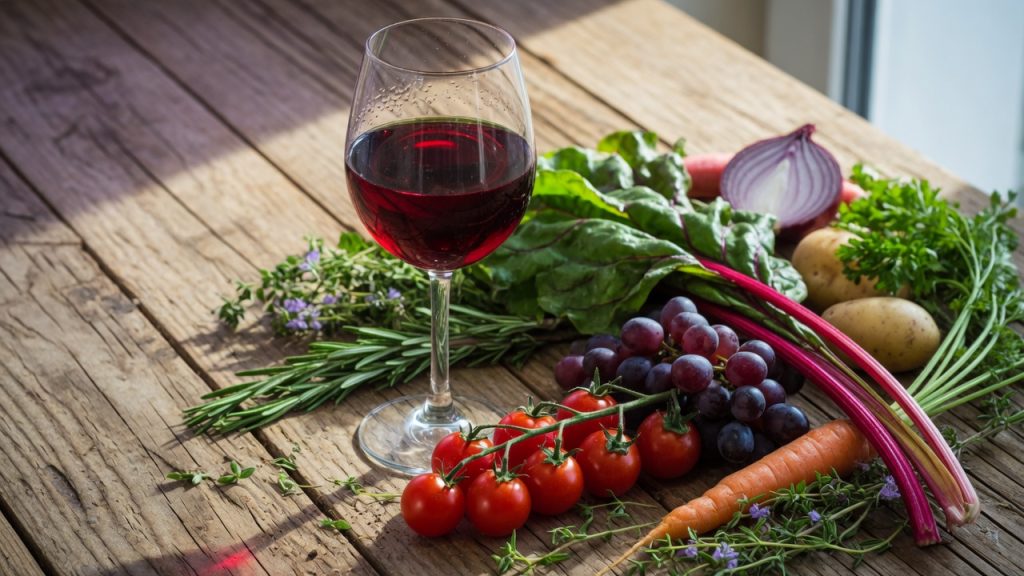
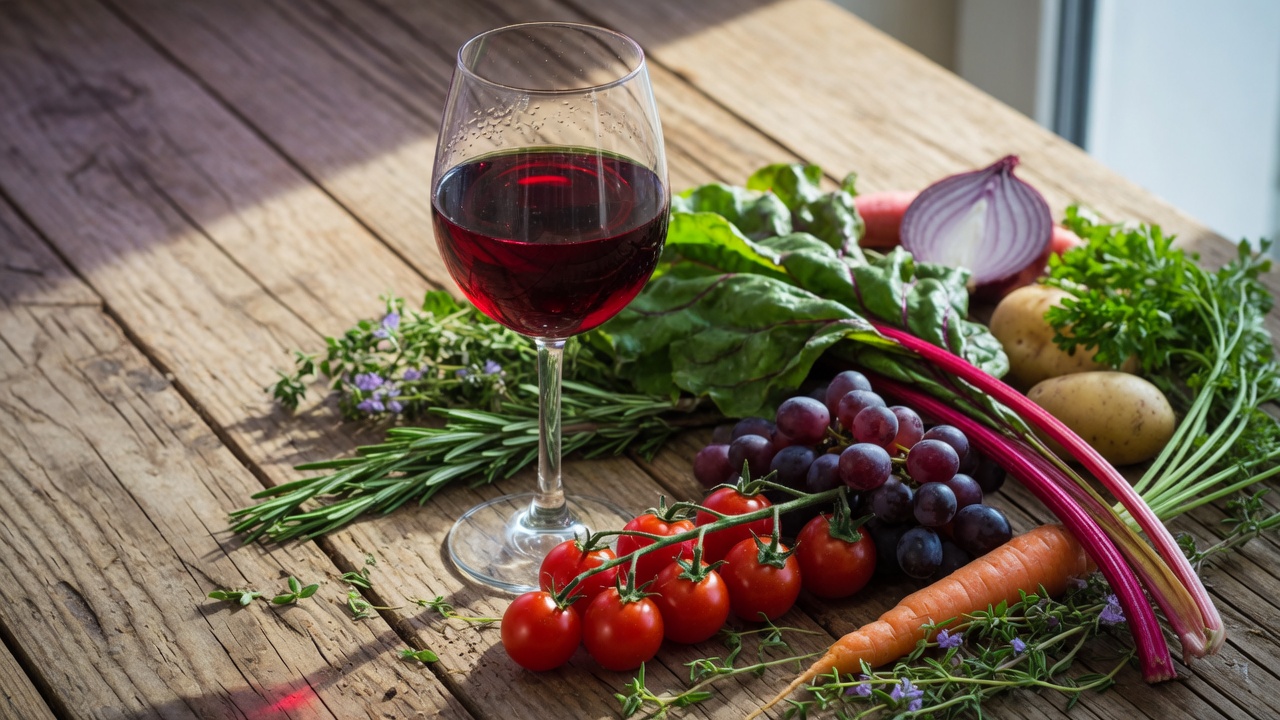
The relationship between wine culture and farm-to-table dining epitomizes an emerging trend that champions sustainability and celebrates local ingredients. At the core of this connection lies the farm-to-table concept, which emphasizes sourcing fresh, seasonal products directly from local farms. This approach not only supports local agriculture but also aligns perfectly with the principles of sustainable dining.
Wine pairing plays a pivotal role in enhancing the farm-to-table dining experience. By selecting wines that complement the freshness and flavors of locally sourced ingredients, sommeliers and chefs create harmonious meals that elevate both the food and the wine. The synergy between wine and food crafted from local produce fosters a deeper appreciation for terroir—the environmental factors that influence the taste of wine and food alike.
Embracing sustainable dining means valuing not only the origin of food but also how it is produced. Many wineries engaged with the farm-to-table movement practice organic or biodynamic farming, reducing chemical use and promoting biodiversity. This sustainable approach extends to the wine itself, ensuring that every bottle enjoyed alongside a meal supports environmental health and ethical practices.
Locally sourced ingredients are the foundation of farm-to-table cuisine, and pairing them with wines from nearby vineyards reinforces community ties and reduces the carbon footprint associated with long-distance transportation. This locally focused dining experience invites diners to indulge in the unique flavors of their region, making every meal and wine pairing a celebration of place.
In conclusion, the intersection of wine and farm-to-table dining is defined by a commitment to sustainability, respect for local ingredients, and a refined wine pairing strategy that highlights the best of what each season and region have to offer. This relationship enriches both the culinary and wine worlds, creating memorable and responsible dining experiences.
Understanding Farm-to-Table Dining
Farm-to-table dining is a culinary approach that celebrates the farm-to-table meaning by focusing on the direct sourcing of food from local farms to the dining table. This concept prioritizes the use of fresh, local produce that embodies the true essence of seasonal ingredients. By highlighting local farmers and producers, farm-to-table dining ensures that the ingredients are harvested at their peak ripeness and delivered shortly after to maintain maximum freshness and flavor.
One of the core principles of farm-to-table dining is the emphasis on seasonal ingredients. This means that the menu evolves with the changing seasons, reflecting what is naturally available in the region at any given time. This not only supports sustainable agriculture but also encourages diners to enjoy a diverse range of tastes throughout the year. Using seasonal ingredients helps reduce the carbon footprint associated with long-distance transportation and storage while offering nutritional benefits that come with consuming food in its natural, freshest state.
In summary, farm-to-table dining is more than just a trend; it is a commitment to celebrating local food culture and enhancing the dining experience through the use of freshly harvested, local produce and seasonal ingredients. This approach fosters a deeper connection between consumers, farmers, and the environment, promoting sustainability and quality in every meal served.
Choosing Wines to Complement Local Cuisine
When selecting wines to complement farm-to-table dining, it is essential to focus on regional compatibility and balancing flavors. One of the best wine pairing tips is to choose local wines that reflect the terroir and ingredients of the region. This approach not only supports local vintners but also enhances the authenticity of the culinary experience.
Start by considering the main components of the dish—proteins, vegetables, and sauces—and look for wines with complementary flavor profiles. For example, a light-bodied white wine with bright acidity pairs wonderfully with fresh herbs and crisp vegetables, while a fuller-bodied red wine with moderate tannins can balance the richness of grilled or roasted meats.
The key is to achieve harmony between the wine’s flavor intensity and the dish’s complexity. A bold, tannic wine might overpower delicate farm-fresh flavors, whereas a delicate wine may be lost alongside a heavily spiced meal. Sampling local wines alongside various farm-to-table dishes can lead to delightful discoveries of perfectly balanced flavor combinations.
Embracing seasonality is also crucial; wines produced in the same season as the ingredients tend to share a natural affinity, making pairing more intuitive. By focusing on local wines and their unique characteristics, diners can truly savor the essence of farm-to-table cuisine.
Benefits of Integrating Wine with Farm-to-Table Experiences
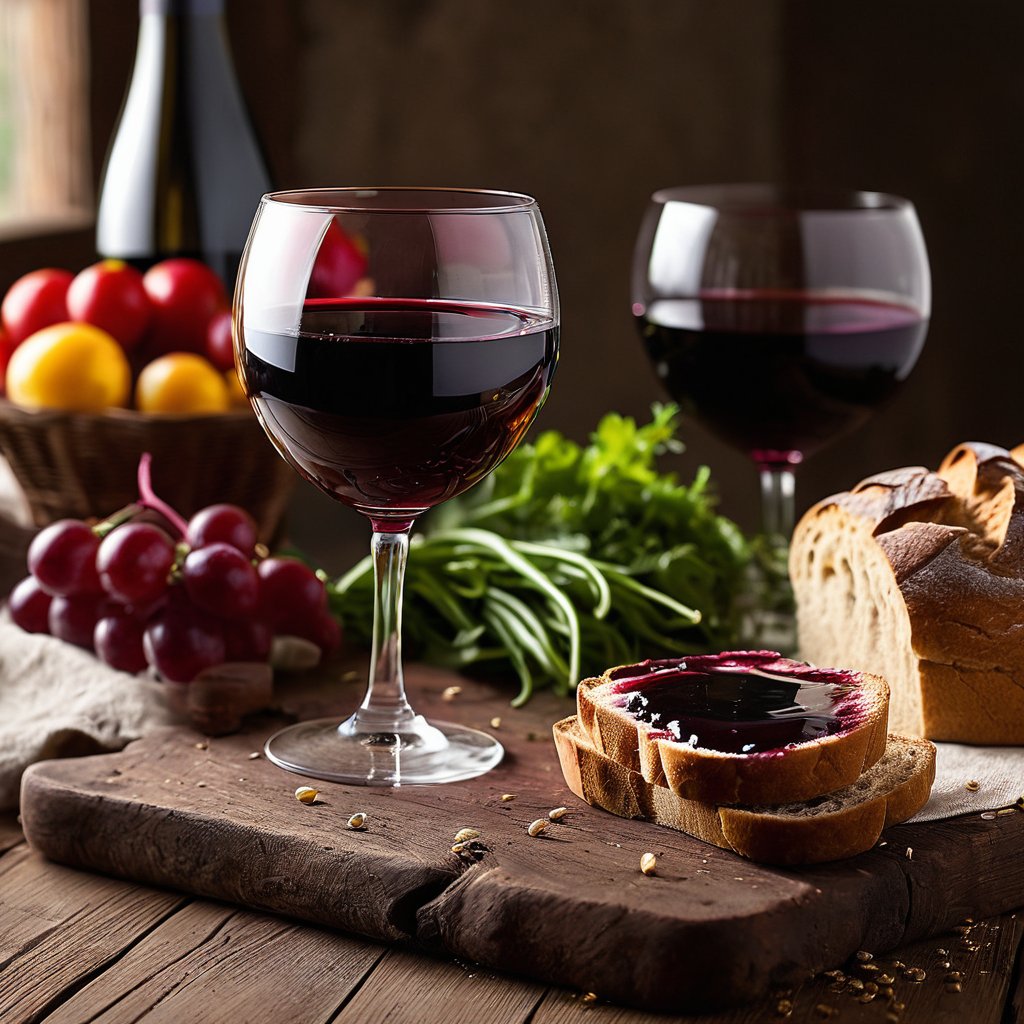
Integrating wine with farm-to-table dining offers numerous benefits that enhance both the culinary experience and support broader sustainable practices. This synergy between wine and food elevates the dining experience by unlocking enhanced flavors and promoting a connection to sustainable agriculture, while also offering potential health benefits.
| Benefit | Description | Impact on Dining Experience |
|---|---|---|
| Enhanced Flavors | Pairing locally produced wines with fresh, farm-to-table dishes brings out the unique flavor profiles of both, creating a balanced taste experience that highlights regional characteristics. | Elevates the sensory journey by intensifying taste and aroma, making each bite and sip more memorable. |
| Sustainable Agriculture | Choosing wines from vineyards that practice sustainable farming aligns perfectly with farm-to-table principles, supporting eco-friendly methods and minimizing environmental impact. | Supports ethical dining choices and encourages a farm-to-bottle approach, fostering environmental stewardship. |
| Wine and Food Synergy | The natural pairing of wine with farm-fresh ingredients creates a harmonious blend where both components enhance each other’s qualities, delivering an elevated palate experience. | Improves meal satisfaction through complementary textures and flavors, deepening appreciation of local terroir. |
| Health Benefits | Moderate consumption of certain wines, especially those made from organic or sustainably farmed grapes, can offer antioxidants and other compounds beneficial to health. | Contributes to overall wellness and aligns with a wholesome dining philosophy centered on natural, minimally processed foods. |
By combining wine with farm-to-table dining, guests not only enjoy a richer sensory experience but also contribute to sustainable agriculture practices. This integration showcases the philosophy of local sourcing and environmental responsibility, while celebrating the intricate harmony that exists between wine and food. Ultimately, this dynamic pairing enhances the meal, supports the planet, and promotes well-being.
Supporting Local Farmers and Winemakers
Farm-to-table dining goes beyond just serving fresh food; it actively fosters the growth of local economies by supporting artisan producers directly. By sourcing ingredients and wines from neighborhood farmers and winemakers, restaurants help sustain small businesses and encourage sustainable agricultural practices unique to the region. This direct support strengthens the financial stability of local growers and vintners, allowing them to invest in quality improvements and innovative farming techniques that benefit both their craft and the environment.
When diners choose farm-to-table experiences, their spending circulates within the community, creating a positive community impact that extends far beyond the dinner plate. Money invested in local farms and wineries helps create jobs, maintain farmland, and preserve cultural heritage, making the community more resilient and vibrant. Artisan producers, free from the pressures of mass production, can focus on quality and traditional methods, resulting in unique flavors and exceptional products that reflect their terroir.
This dining approach builds a meaningful connection between consumers and the source of their food and drink. It invites diners to appreciate the craftsmanship involved in every bottle of wine and every bite of their meal, while contributing to a thriving local economy. Ultimately, supporting local farmers and winemakers fosters a sustainable food system that benefits everyone involved—from the land and the producers to the community and the diners themselves.
Enhancing the Dining Experience with Wine Pairings
Thoughtful wine pairings play a crucial role in elevating the overall sensory experience of farm-to-table dining. By selecting wines that complement the natural flavors and textures of locally sourced ingredients, the harmony between food and wine pairing can heighten taste enhancement, making each bite and sip more memorable. This mindful approach to pairing allows the nuances of both the wine and the dish to shine, creating a balanced and delightful dining experience.
When wine is carefully matched with farm-fresh dishes, it can accentuate the freshness and distinctiveness of the produce while enhancing the wine’s own characteristics. The acidity, tannins, and aromatic profiles of wine interact with the flavors of the meal, producing a symphony of sensations that enriches the palate. This synergy transforms the meal into an event where taste enhancement is key, bringing out layers of complexity and depth that would otherwise go unnoticed.
The impact of wine pairing on the dining experience extends beyond taste alone—it also engages the senses of smell, sight, and even touch, thanks to the wine’s bouquet, color, and texture. This multidimensional interaction turns every course into an exploration of flavors and sensations, heightening enjoyment and appreciation for the farm-to-table philosophy.
Tips for Hosting a Wine and Farm-to-Table Dinner
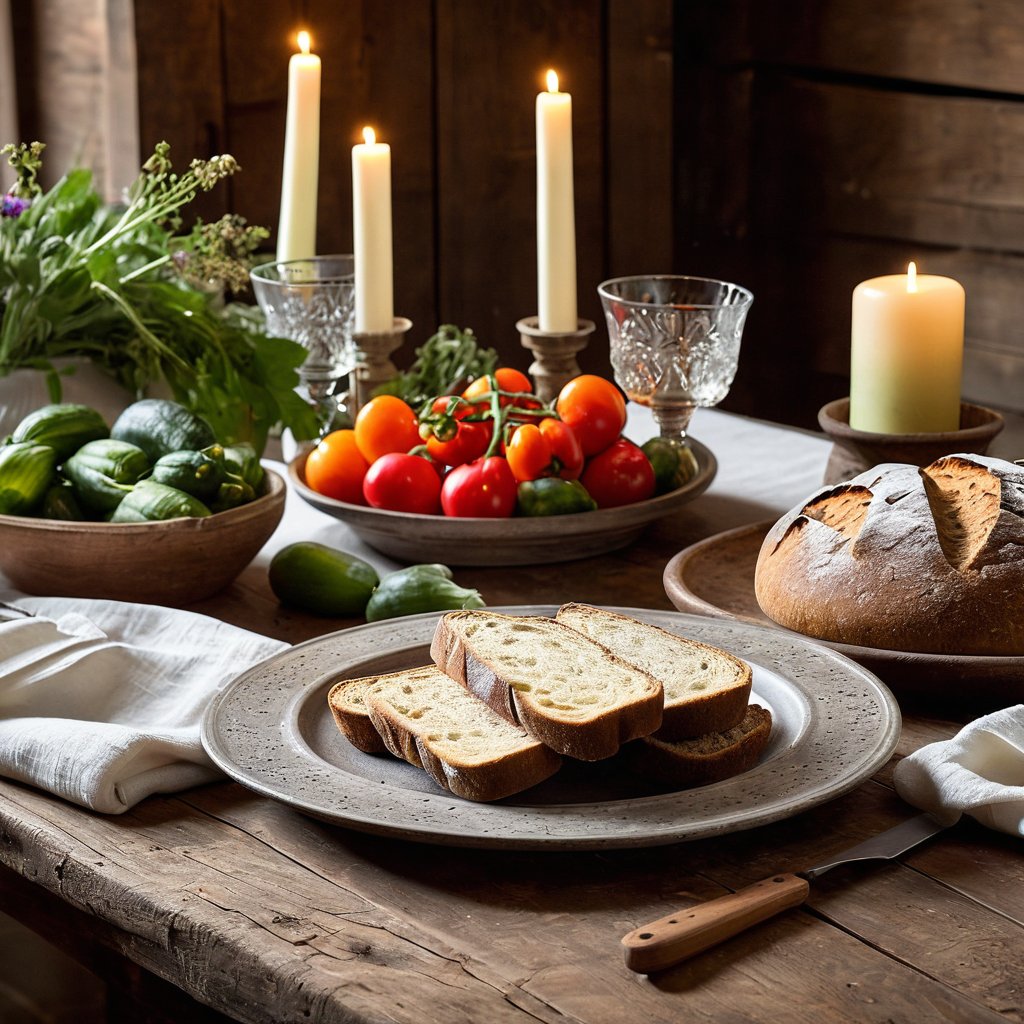
Hosting a successful farm-to-table dinner requires thoughtful dinner planning, focusing on fresh, seasonal ingredients paired perfectly with your wine selection. Here are practical tips to ensure your evening is both delightful and memorable.
| Aspect | Tips for Success | Wine Pairing Considerations |
|---|---|---|
| Dinner Planning | Start by sourcing local and seasonal produce to create a menu that showcases the best flavors of the current season. Plan courses that balance textures and flavors for a harmonious dining experience. | Choose wines that complement the dominant flavors and textures of your dishes. Light, crisp whites and rosés can enhance fresh vegetables, while fuller-bodied reds pair well with heartier mains. |
| Seasonal Menu | Design your menu around what is available locally—fresh herbs, root vegetables, and organic meats, ensuring each course highlights the season’s peaks. | Adjust wine choices to match the season—spring and summer menus pair wonderfully with vibrant, aromatic wines, while autumn and winter dishes call for richer, spiced wines. |
| Wine Selection | Include a variety of wines to suit different palates, offering both reds and whites. Consider wine characteristics such as acidity, tannins, and sweetness to match specific dishes. | Offer tasting notes and suggest food pairings for each wine to educate guests and enhance their tasting experience. |
| Entertaining Tips | Create an inviting atmosphere with rustic décor that complements the farm-to-table theme. Keep the service relaxed but attentive to encourage enjoyable conversation and engagement. | Serve wines at the ideal temperature and in appropriate glassware to maximize flavor profiles and guest enjoyment throughout the meal. |
By integrating these dinner planning strategies with careful wine selection and attention to seasonal details, you can host an exceptional farm-to-table dinner that highlights the best of local produce and harmonious wine pairings.
Selecting the Right Wines for Seasonal Ingredients
Choosing the perfect wine to complement seasonal menus is an art that enhances farm-to-table dining experiences. Seasonal wine pairing involves selecting wines that harmonize with the fresh, changing ingredients of each season, highlighting their natural flavors without overpowering them. This approach ensures your wine selection is always in sync with the menu, boosting the overall palate experience.
Here are essential wine selection tips for seasonal menus:
| Season | Seasonal Ingredients | Recommended Wine Types | Wine Selection Tips |
|---|---|---|---|
| Spring | Asparagus, peas, artichokes, light greens | Grüner Veltliner, Sauvignon Blanc, Rosé | Opt for crisp, herbaceous wines that lift fresh flavors without overwhelming delicate textures. |
| Summer | Tomatoes, zucchini, peppers, berries | Chardonnay, Pinot Noir, Rosé | Choose bright, fruity wines that complement vibrant and often acidic produce. |
| Fall | Squash, mushrooms, root vegetables, apples | Syrah, Merlot, Chardonnay | Go for medium to full-bodied wines with earthy or spicy notes that match the richness of fall ingredients. |
| Winter | Root vegetables, hearty greens, braised meats | Cabernet Sauvignon, Zinfandel, Malbec | Select robust, full-bodied wines capable of matching the intensity of winter dishes. |
By aligning your wine choices with seasonal ingredients, you can elevate the dining experience, creating harmony between the farm-fresh dishes and their complementary wines. Keeping these seasonal wine pairing guidelines in mind ensures thoughtful, engaging selections that celebrate each season’s unique produce and flavors.
Creating a Balanced Farm-to-Table Menu
Designing a farm-to-table menu that pairs harmoniously with selected wines requires thoughtful menu planning focused on balanced flavors and ingredient pairing. The goal is to complement the wines served, enhancing both the food and the drink. Start by selecting fresh, seasonal ingredients that highlight natural tastes without overpowering the palate. Balanced flavors in the dishes should include a mix of savory, sweet, acidic, and umami elements to match the complexity of the wine.
Consider the body and intensity of the wine when pairing. Light-bodied wines, such as a crisp Sauvignon Blanc, go well with lighter dishes featuring fresh herbs, citrus, and delicate textures. For fuller-bodied wines like a robust Cabernet Sauvignon, opt for rich, hearty dishes with earthy or smoky flavors such as grilled vegetables, roasted meats, or aged cheeses. Ingredient pairing is key; for example, ingredients with natural acidity like tomatoes or vinaigrette can enhance wines with good acidity, creating a lively harmony.
Avoid overwhelming the palate by balancing strong flavors. If a dish is intensely flavored, choose a wine with enough structure or sweetness to balance it. Conversely, mild dishes shine best with subtle, nuanced wines. Creative menu planning should also consider texture contrasts and complementary aromas, creating an engaging dining experience that highlights both the farm-fresh ingredients and the wine’s character.

Winemaker with 12 years in the cellar. I write about fermentation, terroir, and the honest mistakes that taught me more than any textbook. I’ve ruined more barrels than most people have tasted. That’s not a disclaimer — that’s a résumé. Twelve years making wine in France, now making sense of it in words.