Introduction to Wine and Cajun Cuisine Pairing
Pairing wine with Cajun cuisine is a delightful way to elevate your dining experience, blending the rich, bold flavors of this unique regional cuisine with the nuanced expressions of carefully chosen wines. Cajun cuisine, known for its robust spices, hearty ingredients, and complex seasoning, demands a thoughtful approach to wine pairing to ensure that the wine complements rather than overpowers the food.
Understanding pairing basics is essential when combining wine with Cajun dishes. The goal is to strike a balance between the intensity of the food and the characteristics of the wine. Whether it’s the smokiness of Andouille sausage, the fiery heat of Cajun spices, or the sweetness of slow-cooked meats, the right wine pairing can enhance every bite, amplifying the sensory experience on your palate.
Wine pairing with Cajun cuisine hinges on balancing flavors — acidity, sweetness, tannins, and alcohol levels in the wine must harmonize with the layers of spice, salt, and savoriness in the food. For example, a wine with good acidity can cut through the richness of a jambalaya, while a slightly sweet wine might mellow the heat of a spicy gumbo. This interplay ensures that neither the wine nor the dish dominates but that both shine together in perfect harmony.
Moreover, understanding food and wine synergy in the context of Cajun cuisine opens the door to exploring diverse wine styles, from crisp whites to spicy reds, that enhance the regional flavors. Whether you are a seasoned wine enthusiast or exploring pairing basics for the first time, approaching Cajun cuisine with a balanced wine pairing mindset transforms a simple meal into a memorable culinary adventure.
Characteristics of Cajun Cuisine
Cajun cuisine is renowned for its bold and vibrant cajun flavors that reflect a rich cultural heritage rooted in the American South, particularly Louisiana. This cuisine profile is defined by its combination of fresh, local ingredients and a variety of aromatic spices that create a distinctive taste experience. Central to many cajun dishes is the use of the “holy trinity” of vegetables: onions, bell peppers, and celery. These ingredients form the flavor base for many recipes, lending both depth and complexity.
Spicy food lovers will appreciate the characteristic heat that cajun cuisine brings to the table. The cuisine often incorporates spices such as cayenne pepper, paprika, black pepper, and garlic powder—each adding layers of warmth and intensity without overpowering the natural flavors of the main ingredients. The balance of spices is crucial, allowing dishes to maintain a robust yet harmonious flavor profile.
In addition to spices, cajun dishes prominently feature proteins like shrimp, crawfish, chicken, and pork, all often cooked using traditional techniques such as smoking, grilling, or slow simmering in stews and gumbos. These cooking methods amplify the savory and smoky notes that are signature to the cuisine. Cajun stews and sauces, thickened with a dark roux, demonstrate the skillful layering of flavors and textures that make the cuisine so beloved.
Another hallmark of cajun cuisine is its rustic and hearty nature. Meals are designed to be satisfying and flavorful, often served family-style which encourages communal dining. This reflects the culture’s emphasis on both flavor and fellowship. From spicy jambalaya to blackened fish, each cajun dish is a celebration of the region’s vibrant culinary traditions, marrying spice and soul in every bite.
Common Cajun Ingredients and Spices
Cajun cuisine is celebrated for its bold and vibrant flavors, which come from a unique blend of key ingredients and cajun spices that define its character. Understanding these cajun ingredients is essential when considering wine pairing, as the intensity and spice levels in the dishes greatly influence the choice of wine.
The foundation of many Cajun dishes is the “holy trinity” of vegetables: onions, bell peppers, and celery. These provide a savory base that complements the more intense cajun seasoning used throughout the recipes. Cajun seasoning itself is a spicy blend typically consisting of paprika, cayenne pepper, garlic powder, onion powder, black pepper, and oregano. This mix brings a warm heat and complexity to the food, making spicy food an integral part of the cuisine.
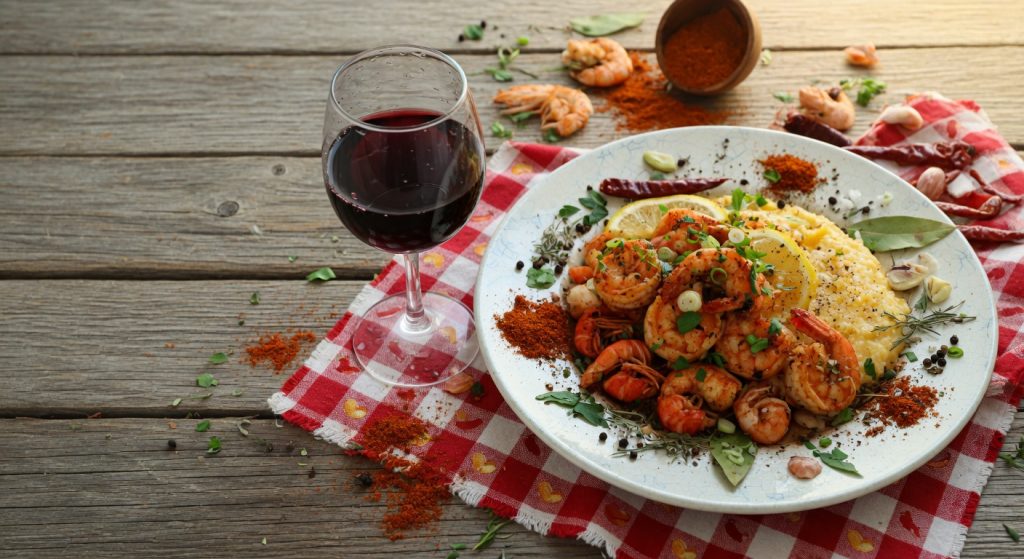
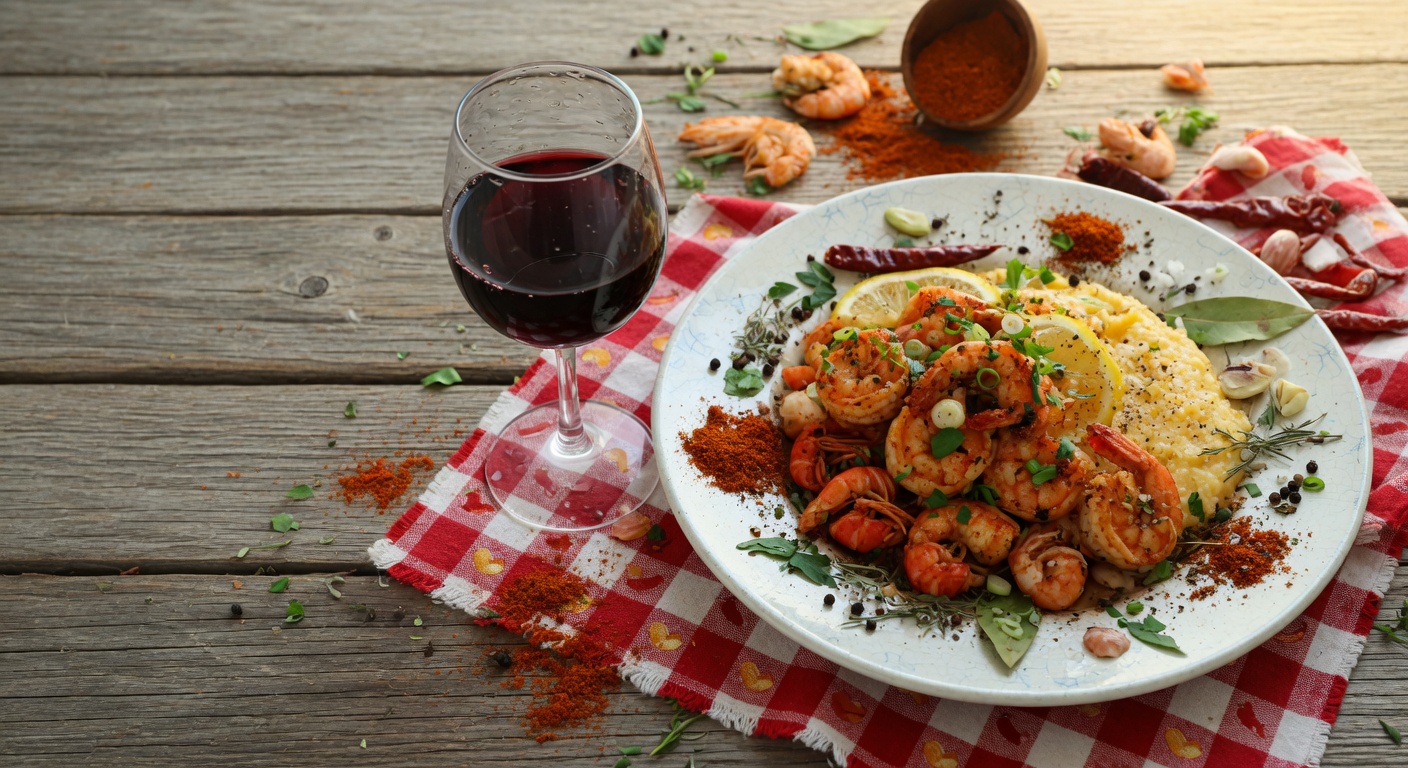
Other important cajun ingredients include smoked sausage (andouille), seafood like crawfish and shrimp, and protein such as chicken or pork, all of which absorb and showcase the boldness of the spices. The interplay of smoky, spicy, and earthy flavors means that wine pairings must either complement or temper the heat and richness. For instance, wines with a touch of sweetness or crisp acidity can balance out the heat from the cajun spices, while full-bodied reds might clash with the spicy food.
By recognizing the distinctive cajun ingredients and their seasoning profiles, you can better select wines that enhance rather than overpower the complex, spicy flavors typical of Cajun cuisine.
Flavor Profiles of Popular Cajun Dishes
Cajun dishes are known for their bold and vibrant flavor profiles, often characterized by a combination of spicy, smoky, and savory notes. Popular cajun dishes such as jambalaya, gumbo, crawfish étouffée, and blackened catfish each bring unique taste elements that influence pairing choices. For example, jambalaya is a hearty rice dish seasoned with a blend of spices, including paprika, cayenne, and garlic, delivering a rich and slightly spicy experience that complements many wines with a hint of fruitiness or acidity.
Gumbo, another staple in cajun food, features a robust flavor profile combining the earthiness of okra, the smokiness of sausage or seafood, and the depth of a dark roux. It’s often spicy, making it a great match for wines that can balance heat with refreshing acidity or subtle sweetness. Crawfish étouffée, rich and creamy with a spicy kick, demands wines with enough body to stand up to its intensity without overwhelming the palate.
Blackened catfish offers a more intense, charred flavor profile with a peppery crust that enhances the dish’s spiciness. This dish pairs well with wines that can handle spicy dishes and emphasize bright, crisp notes to cut through the richness. Understanding the diverse flavor profiles of cajun dishes is essential for successful wine pairings, ensuring that the wine harmonizes with the dish’s spice and flavor complexities.
Best Wine Pairings for Cajun Cuisine
When it comes to wine pairing with Cajun cuisine, the key is to balance the bold, spicy flavors with wines that complement the acidity, sweetness, and heat levels of the dishes. Cajun food pairing requires a thoughtful approach to highlight the complex spices while preventing any overpowering sensations from both wine and food. Here are some of the best wines to enjoy alongside classic Cajun fare.
For dishes with a good amount of spice, such as Cajun jambalaya or blackened fish, wines with crisp acidity and bright fruit flavors work wonders. Sauvignon Blanc is an excellent choice, as its zesty acidity and herbal notes complement the seasoning without overwhelming the palate. Similarly, an unoaked Chardonnay can offer a rich mouthfeel with lively acidity, balancing creamy or buttery elements in dishes like crawfish étouffée.
When considering sweetness levels, wines with a touch of residual sugar help tame the heat and enhance the natural sweetness in dishes. Off-dry Rieslings and Gewürztraminers are superb options, especially with spicier Cajun meals. Their fruity and floral aromas create a harmonious bridge between the piquant spices and the refreshing qualities of the wine, making these excellent wine recommendations for those hot and spicy Cajun flavors.
For red wine lovers, look for lighter-bodied reds with fresh acidity to avoid clashing with the food’s spice level. Pinot Noir fits this profile perfectly, offering red berry fruit and earthiness that complements grilled or smoked Cajun meats without adding more heat. Gamay-based wines, such as Beaujolais, are also great for their bright fruitiness and moderate tannins, making them versatile for a wide range of Cajun dishes.
Lastly, sparkling wines and rosés can be fantastic choices for Cajun food pairing. Their bubbles and crisp profiles refresh the palate after each spicy bite, while rosés add a pleasant hint of red fruit that pairs well with many Cajun flavors. Consider Brut Champagne or sparkling wines from other regions as excellent alternatives for a lively dining experience.
Overall, the best wines for Cajun cuisine are those that balance acidity, moderate sweetness, and subtle fruit notes. Whether you prefer whites, reds, or sparkling wines, experimenting with these wine recommendations will elevate your Cajun dining experience and accentuate the complex spices and flavors that define this vibrant cuisine.
White Wines for Spicy Cajun Dishes
When pairing white wine with spicy Cajun cuisine, it’s essential to choose varieties that can both complement and balance the heat. White wines with a touch of sweetness or crisp acidity work exceptionally well to enhance the rich, bold flavors of Cajun dishes while taming their spicy kick. For instance, off-dry Rieslings are a classic choice for spicy food pairing. Their natural sweetness and vibrant acidity create a refreshing contrast that smooths out the heat without overpowering the wine and spice interplay inherent in Cajun cuisine.
Sauvignon Blanc is another standout white wine for spicy Cajun dishes. Known for its zesty citrus notes and herbaceous nuances, Sauvignon Blanc amplifies the fresh, bold flavors of Cajun spices, making each bite more vibrant. The wine’s bright acidity also acts as a palate cleanser, cutting through the richness of the dishes. Similarly, Grüner Veltliner, with its peppery undertones and lively acidity, pairs beautifully with the complex spices and peppery heat typical of Cajun cooking.
Chenin Blanc, which can range from dry to off-dry, also deserves mention for its versatility in wine and spice pairing. Its fruit-forward profile and balanced acidity complement the layers of spice without clashing. Overall, choosing the right white wine to pair with spicy Cajun cuisine enhances both the food and the wine, creating a harmonious sensory experience where the flavors dance together on the palate.
Red Wines That Enhance Cajun Flavors
When it comes to pairing red wine with richer or heartier Cajun dishes, it’s essential to choose bold wines that complement the intense and complex flavors of Cajun cuisine. Dishes such as jambalaya, blackened redfish, and spicy gumbo require red wines that can stand up to their robust seasoning and smoky components.
Cabernet Sauvignon is a classic choice for Cajun food pairing due to its full body, high tannins, and deep fruit flavors. The wine’s structure helps cut through the richness of meat-based stews and grilled dishes, providing excellent flavor enhancement without overwhelming the palate. Additionally, Syrah or Shiraz offers spicy notes and dark berry flavors, which mirror the seasoning profile often found in Cajun cooking, creating a harmonious balance.
For those who prefer a wine with both boldness and smoothness, Malbec is another great option. Its robust tannins and luscious fruit make it a versatile partner for dishes with smoky or spicy elements, amplifying the dish’s flavors while adding its own complexity. Similarly, Zinfandel works well with the heavier, spice-laden dishes, as its ripe fruit and peppery undertones complement the characteristic Cajun heat.
Ultimately, red wines that are bold yet balanced provide the best flavor enhancement for Cajun food pairing. Selecting these wines allows you to fully enjoy the depth and richness of Cajun cuisine without losing the wine’s distinctive qualities in the mix.

Winemaker with 12 years in the cellar. I write about fermentation, terroir, and the honest mistakes that taught me more than any textbook. I’ve ruined more barrels than most people have tasted. That’s not a disclaimer — that’s a résumé. Twelve years making wine in France, now making sense of it in words.