Basics of Wine and Cheese Pairing
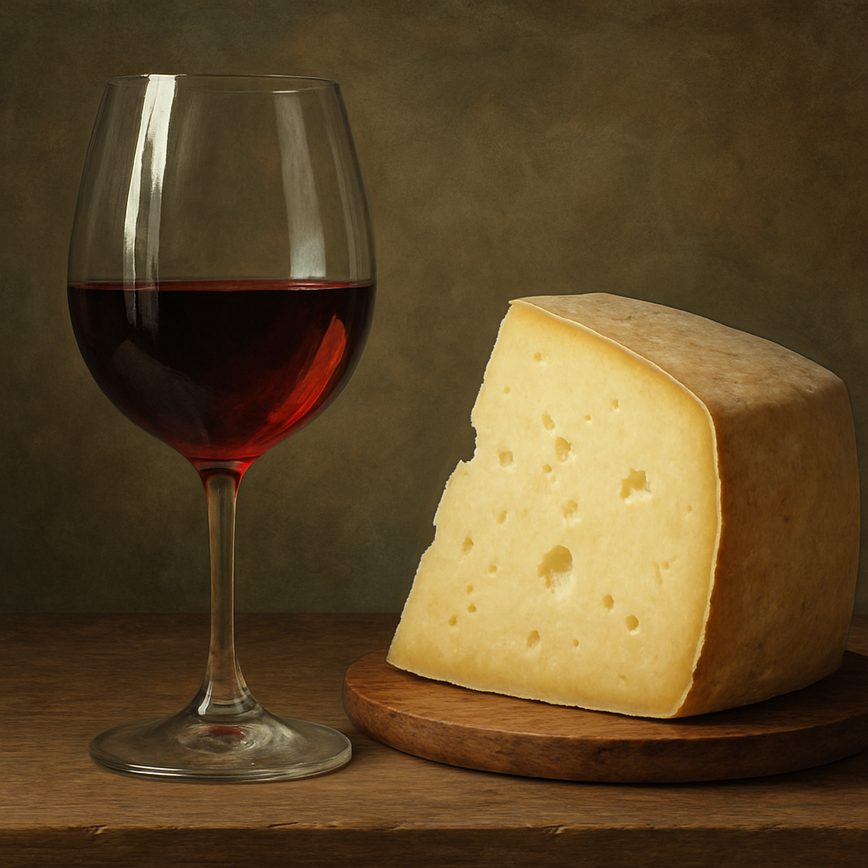
Wine and cheese pairing is an art that enhances the flavors of both, creating a delightful tasting experience. Understanding the core pairing principles is essential for anyone looking to appreciate the harmony between these two beloved indulgences. The primary goal is to achieve a taste balance where neither the wine nor the cheese overpowers the other.
One fundamental principle of wine and cheese pairing involves matching intensity. For example, rich and creamy cheeses pair well with full-bodied wines because their robust flavors complement each other. Conversely, lighter cheeses are better suited to more delicate wines that won’t overwhelm the subtle cheese flavors. This balance helps to bring out the best qualities of both the wine and the cheese, making each bite and sip more enjoyable.
Another important consideration is the contrast and complement in flavors. Sometimes pairing a sharp, tangy cheese with a fruity and sweet wine creates a beautiful balance, as the sweetness in the wine can counteract the acidity and saltiness of the cheese. Similarly, earthy wines often complement aged, nutty cheeses, enhancing the complexity and depth of taste in both.
Why does pairing wine with cheese matter? The answer lies in the enhanced sensory experience. When paired correctly, the interaction between the flavors, aromas, and textures of wine and cheese can elevate both to new heights. It encourages exploration of different varieties and styles, revealing how versatile and enjoyable these combinations can be. This understanding allows for tailored pairings that delight personal taste preferences and make any occasion special.
In essence, wine and cheese pairing is about uniting two seemingly simple pleasures to create a richer, more refined experience. Mastering the pairing principles ensures that every tasting moment is balanced, enjoyable, and memorable.
Flavor Profiles to Consider
When pairing wine and cheese, understanding the flavor matching between wine flavors and cheese taste is essential for a harmonious experience. Wines vary widely in flavor profiles, from crisp and acidic whites to bold, tannic reds. Similarly, cheeses range from mild and creamy to sharp and pungent. The key is to find complementary or contrasting flavors that enhance each other.
For example, wines with high acidity, such as Sauvignon Blanc or Champagne, pair beautifully with creamy cheeses like Brie or Camembert. The acidity cuts through the richness, balancing the palate. In contrast, rich, buttery Chardonnay works well with equally creamy or nutty cheeses, highlighting the wine’s fruitiness and texture.
Bold red wines like Cabernet Sauvignon or Syrah with robust tannins complement aged, sharp cheeses like aged Cheddar or Gouda. The firm structure and deep flavors of these wines match the intensity of the cheese, creating a powerful flavor match. Conversely, lighter reds such as Pinot Noir suit softer cheeses like Gruyère, where fruity, earthy wine flavors blend seamlessly with the cheese taste.
Sweet wines, like Riesling or Port, pair excellently with blue cheeses or salty varieties. The sweetness balances the pungency and salt content, creating a delightful contrast. Understanding these key flavor profiles will help you craft perfect wine and cheese pairings that elevate your tasting experience.
Texture and Aroma Influences
When pairing wine and cheese, understanding the texture pairing and aroma profiles plays a crucial role in enhancing the overall tasting experience. Texture, or mouthfeel, refers to the physical sensation of the cheese and wine in your mouth. This can range from creamy and smooth to firm and crumbly, and it greatly influences how the flavors interact. For example, a dense, creamy cheese like Brie pairs beautifully with a wine that offers a lighter, crisp mouthfeel such as a Sauvignon Blanc. The contrast in textures elevates each sip and bite, preventing one from overwhelming the other.
Aroma is another key factor in pairing choices. Both wine and cheese have complex aromas that can either complement or clash. A wine with floral or fruity notes can highlight subtle earthy or nutty aromas found in many cheeses. Conversely, a strong-smelling cheese may overpower a delicate wine, making the pairing less enjoyable. When selecting a pairing, consider matching similar aroma intensities to create a balanced sensory experience.
Ultimately, the art of pairing goes beyond just matching flavors—it’s about harmonizing texture pairing and aroma to create a cohesive mouthfeel and olfactory delight. Paying close attention to how these elements interact will lead to more refined and pleasurable wine and cheese pairings.
Classic Wine and Cheese Pairing Ideas
When exploring classic pairings of wine and cheese, understanding the harmony between flavors is key to a delightful tasting experience. Wine lovers often seek perfect matches that highlight the distinctive notes of both red wine cheese and white wine cheese combinations. Here are some popular and effective classic pairings to enhance your appreciation of this timeless duo.
For red wine cheese pairings, robust and bold wines such as Cabernet Sauvignon, Merlot, and Syrah are exceptional choices. Their rich tannins and dark fruit flavors complement strong cheeses like aged Cheddar, Gouda, and Gruyère. Aged Cheddar’s sharpness cuts through the wine’s tannins, creating a balanced and satisfying bite. Similarly, the nutty and slightly sweet notes of Gruyère enhance the berry undertones in Syrah, making this a refined pairing for any occasion.
White wine cheese pairings offer a lighter, more delicate experience. Crisp Chardonnay, Sauvignon Blanc, and Riesling wines pair beautifully with soft and mild cheeses. For example, a buttery Chardonnay matches the creamy texture and subtle flavors of Brie or Camembert. Their combined smoothness on the palate makes for a classic and elegant taste. Sauvignon Blanc, with its bright acidity and grassy notes, pairs excellently with goats’ cheese, highlighting the fresh and tangy qualities of both the wine and the cheese.
Don’t overlook sparkling wine cheese pairings, as effervescent wines such as Champagne, Prosecco, and Cava bring a festive and refreshing twist. The bubbles and acidity in sparkling wines act as a palate cleanser, making them perfect companions for salty and creamy cheeses like Parmesan, Asiago, and triple-cream cheeses. Parmesan’s grainy texture and savory depth contrast beautifully with the bright and bubbly nature of Champagne, offering a joyful tasting experience.
These classic pairings showcase how the interplay of wine and cheese can be both simple and sophisticated. Whether enjoying a flavorful red wine cheese pairing or a crisp white wine cheese combination, these timeless ideas are sure to impress and delight at any gathering.
Red Wine and Cheese Combinations
Red wine pairings offer a delightful interplay of flavors and textures, especially when matched with the right cheeses. One classic example is Cabernet Sauvignon paired with a sharp, tangy cheddar. The full-bodied richness and tannins of Cabernet cut through the creaminess of cheddar, bringing out a symphony of bold, savory notes that linger on the palate. Merlot, known for its smooth and plummy characteristics, pairs beautifully with semi-hard cheeses like Gouda or aged Havarti, which complement Merlot’s softness with their slightly nutty and buttery flavors.
Pinot Noir, with its light to medium body and bright acidity, is incredibly versatile with cheese pairings. It pairs best with softer cheeses such as Brie or Camembert, where the wine’s red fruit notes and subtle earthiness highlight the creamy texture and mild tang of the cheese. When tasting these red wine and cheese combinations, expect a balanced experience where the subtle spice and fruitiness of the wine enhance the cheese’s savory and aromatic qualities, creating an inviting contrast that highlights the best of both.
White Wine and Cheese Matches
- Brie Cheese – The creamy and mild flavor of Brie complements the buttery and oak notes of Chardonnay, enhancing the wine’s smooth texture and subtle fruitiness.
- Goat Cheese (Chèvre) – Its tangy and slightly acidic profile pairs beautifully with the crispness of Sauvignon Blanc, highlighting the wine’s citrus and herbaceous elements.
- Gruyère – This nutty and slightly sweet cheese balances well with the mineral and floral hints of Riesling, creating a harmonious taste experience.
- Camembert – Similar to Brie but with a more robust flavor, Camembert pairs nicely with the soft fruit flavors and light acidity of Chardonnay.
- Manchego – The firm texture and buttery flavor of Manchego accentuate the vibrant and fresh notes of Sauvignon Blanc.
- Gouda – Aged Gouda’s caramel and nutty tones match well with the fruity and aromatic profile of Riesling.
Sparkling Wine and Specialty Cheeses
Sparkling wine brings an element of elegance and festivity to any cheese pairing experience. The effervescence and acidity of champagne pairing make it an ideal companion for a variety of specialty cheeses, cutting through richness while enhancing delicate flavors. Whether you’re celebrating a special occasion or simply enjoying a sophisticated tasting, these combinations elevate the experience.
Creamy cheeses work beautifully with sparkling wine. Triple-cream Brie and Camembert develop a luxurious interaction with Champagne or Prosecco, as the bubbles cleanse the palate between bites of buttery cheese. The slight toastiness in aged Champagne complements the earthy notes in bloomy-rind varieties. Fresh goat cheese also pairs wonderfully, with its tangy profile balancing the wine’s crisp acidity.
For tangy specialty cheeses, consider sharp aged Cheddar or Gruyère. The nutty, crystalline texture of aged varieties contrasts beautifully with the fine bubbles of sparkling wine. Blue cheeses like Roquefort or Gorgonzola create an adventurous pairing, with the wine’s sweetness offsetting the cheese’s bold, salty character. Sparkling Rosé adds a fruity dimension that works particularly well with these stronger flavors.
Don’t overlook washed-rind specialty cheeses like Taleggio or Époisses. Their pungent aromatics and creamy interiors find harmony with vintage Champagne’s complex yeasty notes. The key to successful champagne pairing lies in matching intensity levels while letting the effervescence refresh your palate, making each bite and sip feel like a celebration.
Creative and Uncommon Pairing Ideas
For those eager to explore beyond traditional wine and cheese combinations, creative pairings offer a world of flavors that challenge the palate and inspire adventurous eaters. By venturing into the realm of unique cheese varieties and experimental wines, you can discover surprisingly harmonious matches that highlight the nuances of both.
One intriguing pairing to try is a creamy French Morbier cheese with an orange wine. Morbier’s semi-soft texture and mild, fruity flavor with a hint of smokiness pairs excellently with the tannic, slightly nutty notes in orange wines. This unconventional combination brings out the depth in both the cheese and the wine, perfect for those seeking unusual flavor journeys.
Another standout creative pairing involves pairing a pungent Italian Taleggio with a natural sparkling wine made from lesser-known grape varieties. Taleggio’s rich, tangy character complements the lively acidity and effervescence of natural sparkling wines, creating a refreshing and balanced tasting experience that breaks free from classic expectations.
To add a touch of boldness, consider experimenting with Aged Blue Stilton and a dry Chenin Blanc from South Africa. The blue mold’s sharp saltiness harmonizes beautifully with the wine’s vibrant acidity and textured finish. This pairing exemplifies how creative pairings can elevate both elements, making the tasting dynamic and memorable.
Lastly, explore the exotic with a slice of creamy Persian Feta matched with a lightly chilled Gewürztraminer. The salty creaminess of the cheese contrasts intriguingly with the wine’s aromatic spiciness and subtle sweetness, showcasing how experimental wines can transform traditional cheese encounters into extraordinary experiences.
These unique cheese and experimental wine pairings encourage you to step outside the norm and indulge in the unexpected. By embracing creative pairings, you unlock a new world of taste sensations that celebrate the art of discovery in wine and cheese enjoyment.
Pairing with Blue and Aged Cheeses
Blue cheese and aged cheese have bold, intense flavors that demand equally robust wine pairings. To balance their powerful profiles, it’s essential to find wines that complement and contrast these cheeses without overwhelming your palate. For blue cheese, the key is to match its saltiness and pungency with wines that offer sweetness and acidity. Classic pairings include sweet dessert wines like Sauternes or Port, which provide a luscious counterpoint to the cheese’s sharp bite. The sweetness helps tame the saltiness, creating a harmonious experience.
Aged cheeses, on the other hand, develop deep, nutty, and sometimes tangy flavors through their maturation process. To pair well, look for wines with ample body and complexity such as Cabernet Sauvignon, Syrah, or aged Rioja. These wines have bold tannins and rich fruit notes that can stand up to the intensity of aged cheese. Additionally, the wine’s acidity helps cut through the richness, balancing the cheese’s dense texture and enhancing the overall tasting experience.
When experimenting with blue cheese or aged cheese pairings, keep in mind that wine pairing tips often emphasize the importance of balance—neither the wine nor the cheese should overpower the other. For a safer approach, try pairing blue cheeses with dessert wines or fortified wines, while aged cheeses can shine with full-bodied reds or even oaked whites. This balance will allow both the cheese’s complexity and the wine’s character to shine.
Regional Pairings and Local Varietals
Exploring regional wines and local cheeses offers a unique and authentic tasting experience that celebrates the essence of terroir pairing. Much like how grapes express the characteristics of their origin, local cheeses reflect the environment, diet, and traditions of their region. When pairing, matching wines and cheeses from the same geographic area often creates harmonious combinations that elevate both components.
For example, the lush wine regions of Burgundy pair wonderfully with the creamy and nutty cheeses produced nearby, such as Époisses or Comté. These cheeses mirror the wine’s terroir, making the pairing feel natural and balanced. Similarly, Tuscany’s robust Chianti wines find a delicious partner in Pecorino Toscano, showcasing how local varietals complement each other through familiar flavors shaped by soil and climate.
In the United States, pairing California’s diverse regional wines with artisan cheeses from the same areas unlocks distinct terroir expressions. From the crisp Sauvignon Blancs of Napa Valley with tangy goat cheeses to rich Zinfandels matched with aged Cheddars from Sonoma, these pairings highlight the close relationship between local terroir and flavor profiles. By focusing on regional specialties, wine and cheese enthusiasts can enjoy a curated experience that deepens appreciation for both crafts.

Winemaker with 12 years in the cellar. I write about fermentation, terroir, and the honest mistakes that taught me more than any textbook. I’ve ruined more barrels than most people have tasted. That’s not a disclaimer — that’s a résumé. Twelve years making wine in France, now making sense of it in words.