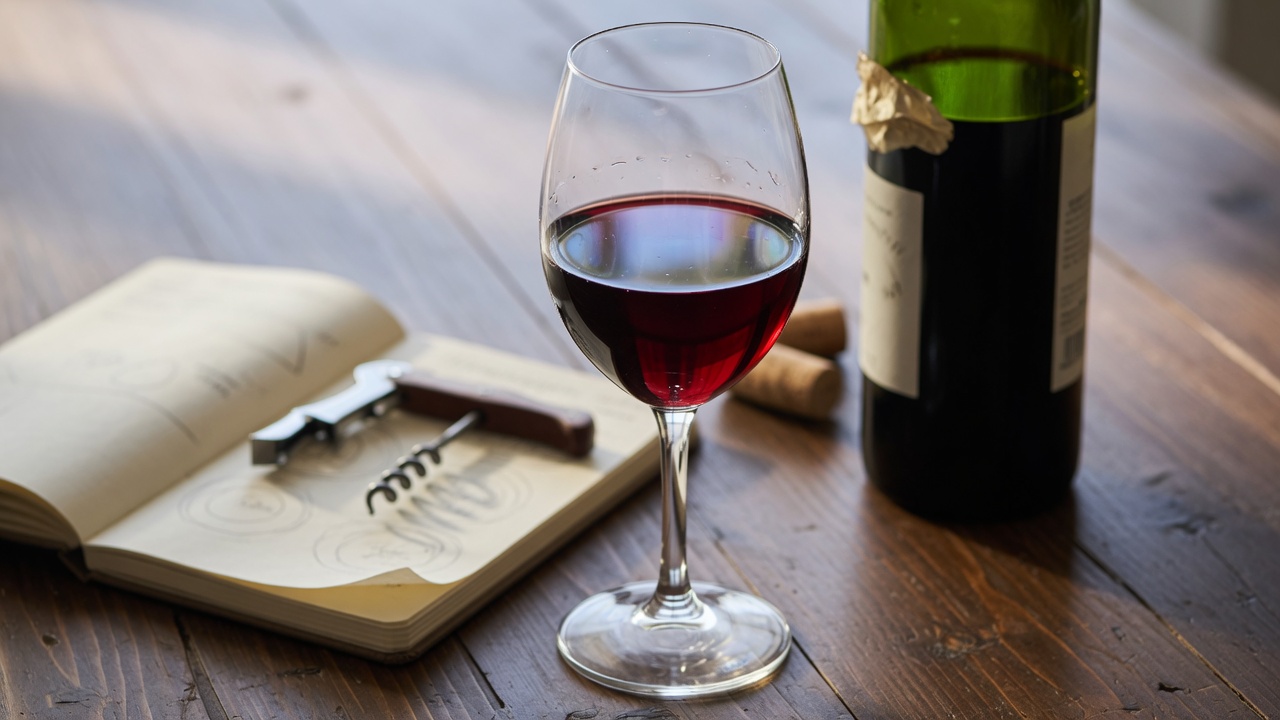
Understanding the Basics of Wine Quality
Wine quality is a fundamental concept that plays a crucial role not only for connoisseurs and experts but also for casual drinkers. Understanding what makes wine quality truly exceptional can greatly enhance your appreciation and enjoyment. At its core, wine quality refers to the overall excellence of the wine, which encompasses various factors that influence its taste, aroma, balance, and longevity.
To evaluate wine quality effectively, one must first grasp the wine basics — including the grape variety, the region where it was grown, and the winemaking techniques used. Each of these components contributes significantly to the final product. For instance, the terroir, which is the environmental conditions where the grapes are cultivated, such as soil type, weather, and altitude, can impact the flavor profile and complexity of the wine.
Quality factors in wine evaluation often revolve around several key elements: appearance, aroma, taste, and finish. The appearance gives a first impression; clarity and color intensity can indicate the wine’s age and grape variety. A wine’s bouquet or aroma offers clues about its character and richness. Taste involves a balance of sweetness, acidity, tannins, and alcohol content that together define the wine’s structure and smoothness. Finally, the finish, or aftertaste, reveals how long the flavors linger, which is a hallmark of higher-quality wines.
For casual drinkers, understanding wine quality serves to improve the drinking experience by guiding choices that best suit their palate preferences and occasions. For wine connoisseurs, it is an art and science of discerning subtle differences and complexities that elevate some wines above others. Whether you are selecting a bottle for a dinner party or building a collection, recognizing these quality factors will help you make informed decisions that bring greater satisfaction and enjoyment.
In summary, wine quality is a multi-faceted concept grounded in wine basics and assessed by a set of quality factors that influence its overall evaluation. Knowing how to evaluate wine quality ensures that both casual drinkers and experts can appreciate the nuances and richness that a fine wine delivers.
What Defines Wine Quality
When evaluating wine quality, several key wine characteristics come into focus. Among the primary quality factors are aroma, taste, appearance, and balance, each contributing uniquely to the overall perception of the wine. Aroma is the first attribute to consider, as the bouquet or fragrance provides an immediate sensory impression, revealing nuances such as fruitiness, spiciness, and earthiness. These scent notes are essential wine traits that signal the wine’s varietal origin and production methods.
Taste evaluation centers on the palate experience, encompassing sweetness, acidity, tannins, and flavor intensity. These elements determine how well the flavors harmonize, reflecting the wine’s complexity and depth. Appearance also plays a crucial role; clarity, color, and viscosity can indicate the wine’s age, grape variety, and possible flaws. A vibrant, clear wine often suggests freshness and proper handling.
Balance is a critical evaluation criterion, referring to how well the structural components such as acidity, tannins, alcohol, and sugar integrate. A balanced wine neither overwhelms nor underwhelms but provides a seamless and enjoyable drinking experience. In essence, the interplay of these wine traits and quality factors shape the wine’s character and define its excellence in the eyes of connoisseurs and casual drinkers alike.
Common Wine Quality Standards
When it comes to evaluating wine, several quality standards have been established worldwide to provide consistent and reliable wine grading. These systems help consumers, sommeliers, and producers alike to assess the merit of a wine through structured wine rating and wine scoring techniques. One of the most well-known standards is the 100-point scale, popularized by critics such as Robert Parker. This system rates wines on a scale from 50 to 100, with scores above 90 indicating exceptional quality.
In Europe, particularly in France, classification systems like the Appellation d’Origine Contrôlée (AOC) are vital in defining wine quality standards by regulating the geographic origin and production methods. Similarly, Italy’s Denominazione di Origine Controllata (DOC) and Germany’s Qualitätswein classifications emphasize regional authenticity and traditional winemaking criteria in their wine grading processes.
Other popular wine scoring systems include the international 20-point system used in parts of Europe and the UK, and the more descriptive wine classification scales employed by various wine publications and competition panels. These standards collectively contribute to a transparent and trusted judging framework, making it easier for buyers to understand the wine’s quality and ensure a consistent experience.
Understanding these quality standards and wine scoring methods is essential for anyone looking to deepen their knowledge of wine or make informed purchasing decisions. Each system offers a unique lens through which wine quality can be appreciated and assessed on a global scale.
Step-by-Step Guide to Evaluating Wine Quality
Evaluating wine quality is an art that combines sensory analysis with methodical tasting steps to provide a comprehensive assessment of the wine’s characteristics. This wine evaluation guide will walk you through the key stages to assess a wine effectively.
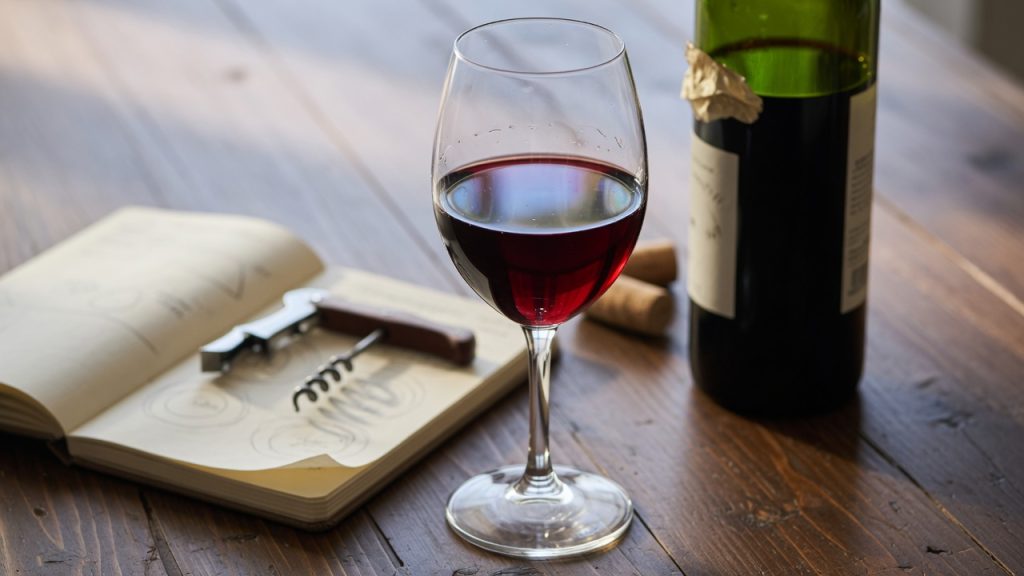
Begin with the visual examination. Pour the wine into a clear glass and hold it against a white background to observe its color and clarity. The hue can indicate the wine’s age and grape variety; young red wines are typically deep ruby, while older reds lean towards garnet or brick tones. Clarity reflects the wine’s filtration and condition, as a quality wine should be clear, not cloudy or hazy.
Next is the olfactory assessment. Swirl the wine gently in the glass to release its aromas, then take a deep sniff. This step is crucial for evaluating wine quality, as the bouquet reveals the complexity and intensity of the wine. You may detect fruit, floral, spice, earthy, or oak notes depending on the wine’s style and production. A wine with a rich and well-defined aroma profile usually points to higher quality.
Following the nose, move to the tasting phase. Take a modest sip and let it coat your palate. Focus on identifying the primary flavors — sweetness, acidity, tannin levels, body, and alcohol presence. These components should be balanced, with no overwhelming element. High-quality wines often have a harmonious interplay between these factors, providing a smooth and pleasurable taste experience.
Finally, consider the finish or aftertaste. Quality wines tend to have a long, persistent finish that echoes the flavors detected during tasting. A short or harsh finish might indicate lower quality or faults. Reflecting on the overall experience — the look, aroma, taste, and finish — will enable you to evaluate wine confidently and appreciate its unique qualities fully.
Visual Examination of Wine
Visual analysis is a crucial first step in evaluating wine quality. To begin, observe the wine’s color by tilting the glass against a white background. The hue and intensity can reveal much about the wine’s age, grape variety, and potential flavor profile. For example, young red wines tend to have vibrant, purplish tones, while older reds shift towards brick or tawny hues. White wines deepen from pale straw to golden amber as they age.
Next, assess the clarity of the wine. A high-quality wine should appear clear and bright, free from any haziness or cloudiness. Any particles or sediments may indicate a lack of filtration or potential faults in the wine. Swirling the wine gently in the glass can also help highlight its clarity and viscosity, which relates to body and texture.
Finally, consider the overall appearance, including the wine’s legs or tears—those streaks that form on the inside of the glass after swirling. These can provide clues about alcohol content and sugar levels. A well-made wine will present a balanced and appealing visual profile, instilling confidence before even taking the first sip.
Assessing Aroma and Bouquet
When evaluating wine quality, assessing the wine aroma and bouquet is crucial. The olfactory evaluation begins with gently swirling the wine in the glass to release its volatile compounds. This action helps in volatilizing the aromatic molecules, making it easier to smell the wine’s full profile. To smell wine effectively, bring the glass to your nose and take a few short, gentle sniffs. This technique prevents overwhelming your olfactory senses and allows you to detect subtle notes.
The wine aroma refers to the scents derived from the grape itself, such as fruity, floral, or herbal characteristics. The bouquet, however, develops during fermentation and aging, offering more complex aromas like vanilla, spices, or earthy tones. Identifying these layers helps in understanding the wine’s origin, grape variety, and quality.
During olfactory evaluation, focus on distinguishing primary, secondary, and tertiary aromas. Primary aromas relate to the fruit and flower scents, secondary aromas come from winemaking processes like yeast and fermentation, and tertiary aromas develop as the wine ages in the bottle or barrel. A balanced and intense aroma profile often indicates a higher quality wine.
Ultimately, the ability to smell wine with intention unlocks clues about its complexity and depth, influencing your perception of its value and enjoyment. Mastering these smelling techniques enhances wine tasting experiences and guides informed evaluation of wine quality.
Tasting and Flavor Profile Analysis
The process of wine tasting is a crucial step in evaluating wine quality. It begins with observing the wine’s appearance, which can hint at its age and grape variety. Next, the wine is swirled gently in the glass to release its aromas. Smelling the wine allows the taster to detect complex flavors, ranging from fruity and floral to earthy and spicy notes, which form the wine’s unique flavor profile.
When tasting, take a small sip and let the wine coat your palate. Pay attention to the balance between sweetness, acidity, tannins, and alcohol. A well-balanced wine will have harmonious elements that complement each other without overwhelming the senses. The body of the wine, referring to its weight and texture in the mouth, should also be considered—whether it is light, medium, or full-bodied impacts the overall impression.
Finally, note the finish, or aftertaste, which is the lingering flavor once the wine is swallowed. A long, pleasant finish often indicates a high-quality wine. Through careful palate analysis and taste evaluation, you can better appreciate the complexity and craftsmanship behind each bottle, making wine tasting not just a sensory experience but an insightful journey into the world of wine.
Tips and Tools for Enhancing Wine Evaluation Skills
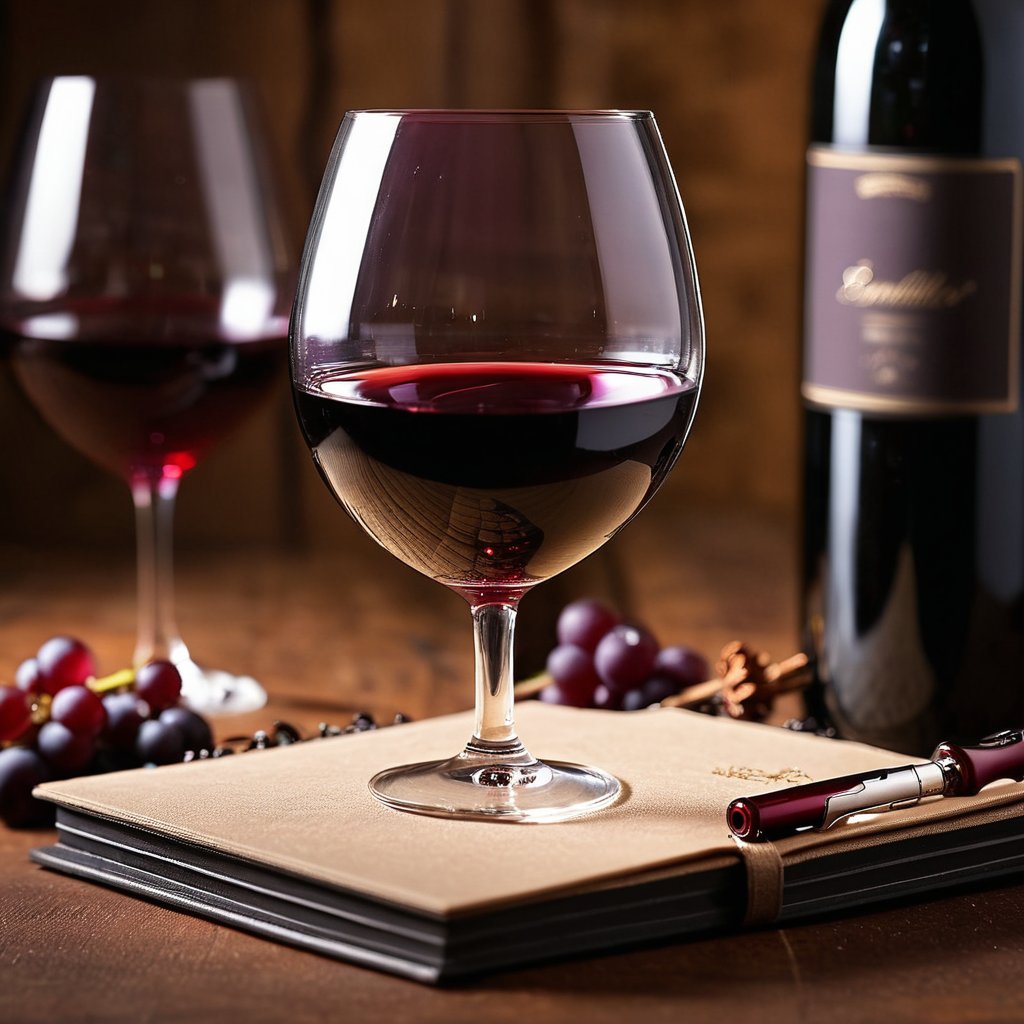
Improving your ability to assess wine quality requires both practice and the right resources. Whether you are a beginner or an enthusiast, adopting effective wine tasting tips and utilizing evaluation tools can significantly enhance your wine assessment skills.
First, make it a habit to taste wines systematically. Begin by examining the wine’s appearance, swirl the glass gently to release aromas, and then take slow, mindful sips. This approach allows you to identify key characteristics such as acidity, sweetness, tannins, and body more accurately. Keeping a tasting journal where you record your observations also helps you track your progress and recognize patterns in different wines.
Utilizing specialized evaluation tools can further improve your tasting skills. Portable wine aroma kits, for example, expose you to a wide range of scents commonly found in wines, training your nose to detect subtle notes during tastings. Additionally, apps designed for wine tasting can guide you through the evaluation process, offering structured frameworks that support learning and enhance memory.
Joining wine tasting groups or attending workshops provides practical exposure and feedback, which are invaluable for skill development. Engaging with experienced tasters and participating in blind tastings challenge your palate and increase your confidence in making objective wine assessments. Online resources, including wine blogs and video tutorials, also offer expert tips and detailed explanations that complement hands-on experience.
Lastly, expand your wine knowledge by exploring different grape varieties, regions, and winemaking techniques. This broadens your understanding and appreciation, enabling you to make more nuanced evaluations. By combining practical advice, evaluation tools, and continuous learning, you will steadily improve your ability to judge wine quality and enjoy the rich complexity wine has to offer.
Using Wine Scoring Sheets and Apps
Wine scoring sheets and evaluation apps are invaluable digital tools that help both novice and experienced wine enthusiasts conduct a structured wine evaluation. These tools provide a standardized format to note down observations about the wine’s appearance, aroma, taste, and finish, making the wine rating process more precise and organized.
Wine scoring sheets often include categories for clarity, color intensity, bouquet, balance, and overall impression. By using these sheets, wine evaluators can ensure that they consider all important aspects of the wine, avoiding subjective bias and making notes easy to compare across different tastings. Many sheets are available in printable formats or integrated into mobile applications.
Evaluation apps take this concept further by offering interactive platforms on smartphones or tablets. These apps not only assist in note-taking but often feature built-in wine databases, photo uploads, and sharing capabilities. Some apps automatically calculate scores based on your inputs and allow users to track their tasting history over time. This enhances the educational experience and supports more consistent and reliable wine rating.
Overall, the combination of wine scoring sheets and digital evaluation apps empowers wine lovers to document their tasting experiences systematically, refine their palate, and make informed decisions when selecting wines. These modern tools are essential companions for anyone serious about understanding and appreciating wine quality.
Practice Techniques for Improving Palate Sensitivity
Developing a refined palate is essential for truly appreciating the nuances of wine. Palate training involves deliberate sensory practice to heighten your ability to detect subtle flavors and aromas. Begin by focusing on individual tastes such as sweetness, acidity, bitterness, and tannin presence in different wines. This foundational exercise helps distinguish key components that make up wine profiles.
To improve taste improvement, engage in routine wine aroma training. Sniff various wines with intention—try to identify fruits, spices, floral notes, and earthy undertones. Practice with aroma kits or natural ingredients like herbs, fruits, and spices to simulate common wine scents. This sensory exercise strengthens your olfactory memory and sharpens your perception.
Sensory practice should also include comparative tastings. Sample wines of the same grape variety or region side-by-side to recognize differences and similarities. Taking detailed notes during these sessions enhances your focus and ability to articulate what you taste. Gradually increase the complexity of wines as your palate gains confidence and acuity.
Consistency is key; dedicating time daily or weekly to palate training ensures steady progress. Combine these strategies to build a comprehensive approach that nurtures greater sensory sensitivity, ultimately enriching your overall wine tasting experience.

Winemaker with 12 years in the cellar. I write about fermentation, terroir, and the honest mistakes that taught me more than any textbook. I’ve ruined more barrels than most people have tasted. That’s not a disclaimer — that’s a résumé. Twelve years making wine in France, now making sense of it in words.