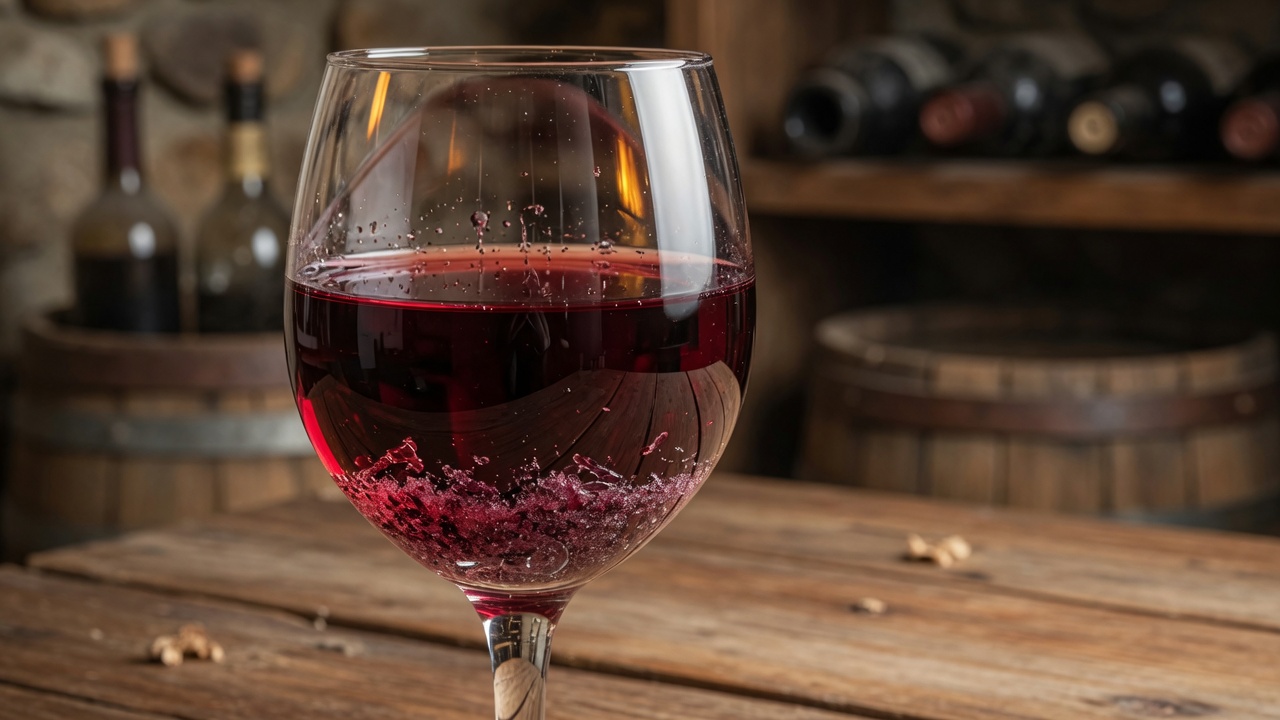
Factors Influencing Residual Sugar Levels

The level of residual sugar in wine is influenced by a combination of biological processes and decisions made during the winemaking process. At the core of this is the fermentation process, where yeast converts the natural grape sugar into alcohol and carbon dioxide. The extent to which this conversion occurs plays a significant role in determining the amount of residual sugar left in the finished wine.
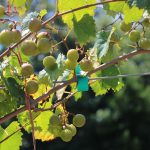
The amount of grape sugar present at the start of fermentation is critical. Grapes ripen on the vine accumulating sugars, primarily glucose and fructose. The sugar content, often measured as Brix, varies depending on grape variety, climate, and vineyard practices. Higher sugar concentrations provide more “fuel” for yeast, potentially leading to higher alcohol content unless fermentation is stopped or moderated.
Yeast activity itself is a major biological factor. Different strains of yeast have varying tolerance to alcohol and differing rates of sugar consumption. Some yeast strains ferment sugar more completely, resulting in very dry wines with low residual sugar. Others might naturally leave more sugar unfermented due to their metabolic characteristics or because fermentation is intentionally halted before all sugar is converted.
The winemaking process includes several techniques that impact residual sugar levels. Winemakers may stop fermentation early to retain a desired amount of sugar for sweetness, using methods such as chilling the wine or adding sulfur dioxide to inhibit yeast. Alternatively, fortification by adding distilled spirits can halt fermentation and preserve residual sugar. The timing and method of harvesting grapes also influence sugar levels, with late harvest grapes having higher sugar concentrations that often result in sweeter wines.
In summary, residual sugar content in wine is not solely a product of the natural sugar in grapes but is also shaped by yeast activity and deliberate winemaking choices. Understanding these biological and technical factors helps explain why wines vary from bone dry to richly sweet, with residual sugar levels tailored to a wide range of tastes and styles.
Role of Fermentation in Sugar Levels
Fermentation is a crucial biochemical process in winemaking where yeast converts sugar present in grape juice into alcohol and carbon dioxide. This yeast fermentation primarily involves the breakdown of glucose and fructose, the main sugars in grapes, into ethanol and other by-products. The efficiency of this sugar conversion directly affects the residual sugar content in the final wine.
During fermentation, yeast consumes the sugars, producing alcohol as a result. If the fermentation process runs its full course, nearly all the sugar is converted, resulting in a dry wine with minimal residual sugar. However, if fermentation is stopped or slows down before all sugar is converted, the remaining unfermented sugar contributes to the sweetness and body of the wine.
The balance between sugar conversion and alcohol production is sensitive to various factors including yeast strain, temperature, and nutrient availability. Winemakers can influence fermentation to achieve the desired residual sugar level, impacting the wine’s sweetness and texture. Thus, understanding yeast fermentation and its role is essential to controlling the final sugar levels in wine.
Winemaking Techniques that Affect Sweetness
Winemakers use several key techniques to control or alter the residual sugar levels in wine, ultimately shaping the sweetness of the final product. One common approach is stopping fermentation early. By halting the fermentation process before all the grape sugars are converted into alcohol, some natural sugar remains in the wine, resulting in a sweeter taste. This can be achieved by chilling the wine, adding sulfur dioxide, or using filtration methods to remove the yeast.
Another technique involves adding sugar directly to the grape must or juice before fermentation, a process known as chaptalization. This technique does not increase sweetness but boosts the alcohol content by providing more fermentable sugar for the yeast. However, if fermentation is stopped soon after chaptalization, residual sugar may remain, affecting sweetness levels.
Some winemakers also add sugar after fermentation to adjust sweetness. This practice, called back-sweetening, involves blending in unfermented grape juice or sugar syrup to achieve the desired sweetness. Winemaking techniques like these provide flexibility in crafting wines with a range of sweetness levels, from dry to lusciously sweet, catering to varied palates and styles.
Understanding Wine Labels and Residual Sugar
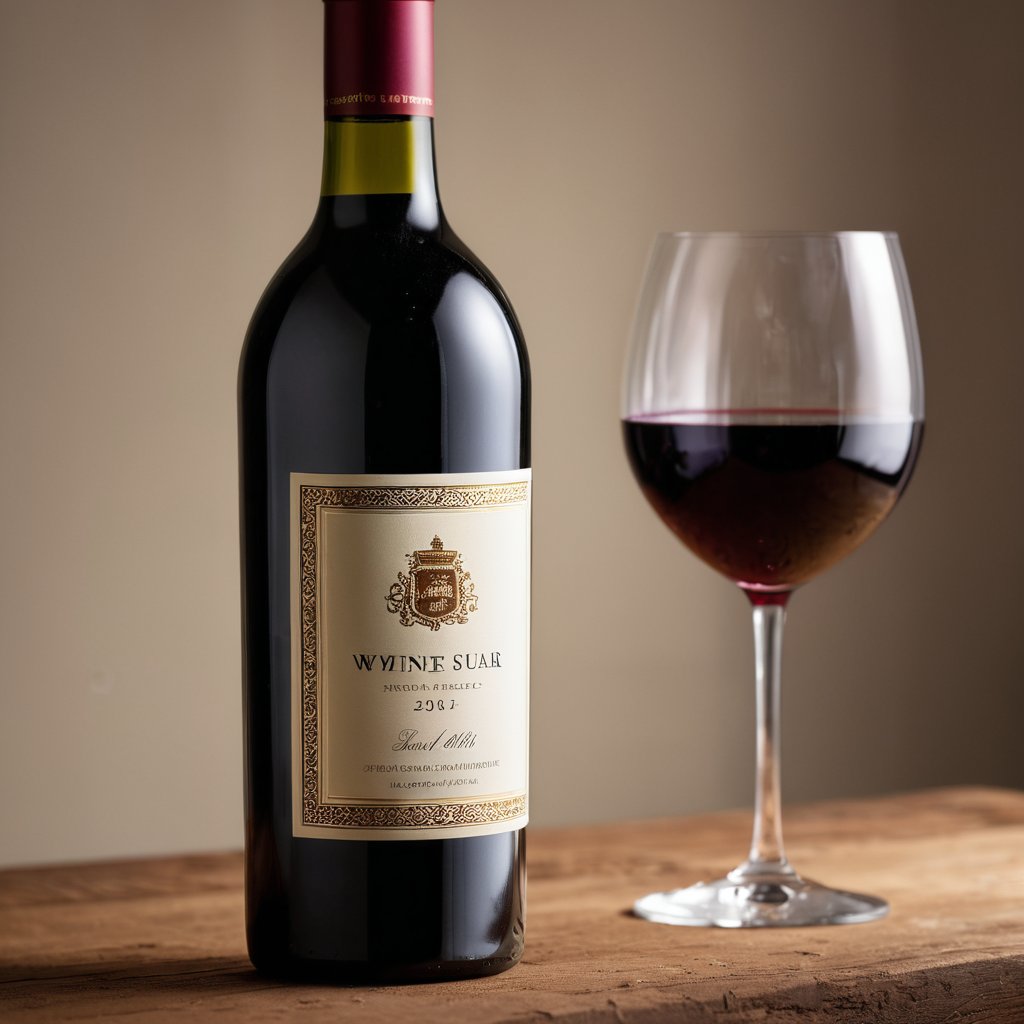
When it comes to selecting a bottle of wine, understanding the label can make a significant difference in your wine experience, especially in terms of sweetness. Wine labels often include information about residual sugar (RS), which indicates how much sugar remains in the wine after fermentation. Knowing how to interpret this residual sugar indication can help you choose the style you prefer, from dry to sweet.
Residual sugar is typically measured in grams per liter (g/L) and can sometimes be found explicitly noted on the label, although not all wines display this information directly. Instead, many wines use terminology or symbols that help convey the wine’s sweetness level. For example, a “dry wine label” suggests that the wine has very little residual sugar, generally less than 4 g/L, making it taste crisp and less sweet.
Besides explicit numbers, wine labels may use descriptive terms such as “Brut,” “Extra Dry,” “Demi-Sec,” or “Sweet,” especially on sparkling wines, which correspond to different levels on the sweetness scale. These terms act as indicators to help consumers estimate the residual sugar content. For still wines, simpler terms like “dry,” “off-dry,” or “sweet” are often used.
Some wine producers include a sweetness scale on their labels or packaging, visually representing the wine’s position on the spectrum from dry to sweet. This is particularly helpful for casual wine drinkers who may be unfamiliar with technical terminology but want to understand how the wine might taste. Look for icons or scales that might use symbols such as dots, bars, or grapes to denote increasing sweetness levels.
Remember, while residual sugar is a key factor in a wine’s taste profile, acid levels and alcohol content also influence perceived sweetness. However, understanding the residual sugar indication on wine labels offers a useful guide to finding wines that match your sweetness preferences. Next time you pick up a bottle, check the label closely for these clues, and you’ll be better equipped to enjoy the wine your palate desires.
Decoding Label Terms for Sweetness Levels
When selecting a bottle of wine, understanding the label terminology can greatly enhance your tasting experience, especially when it comes to sweetness levels. These terms are indicators of the residual sugar present in the wine, which influences its taste profile. For those who prefer a dry wine, look for words like “dry,” “brut,” or “seco.” These labels signify wines that have little to no residual sugar, offering a crisp and less sweet flavor.
In contrast, if you enjoy a slight hint of sweetness without it being overpowering, the term “off-dry” is what you need to watch for. This designation indicates a wine that retains a moderate level of sweetness, often found in varieties such as Riesling or Chenin Blanc. It balances nicely between dry and sweet, making it versatile for different palettes.
For those with a sweet tooth, “sweet wine” or descriptors like “dessert wine” on the label are clear indicators of high residual sugar content. These wines tend to be richer and more luscious, perfect for pairing with desserts or savoring on their own. Other terms you might find include “late harvest” or “ice wine,” both hinting at concentrated sweetness.
Familiarizing yourself with these label terminologies allows you to make informed choices that match your taste preference. Whether you seek the dryness of a robust red or the sweetness of a luscious dessert wine, understanding these terms helps decode the residual sugar levels that shape your wine experience.
Regional Labeling Standards and Regulations
Labeling standards and regulations for residual sugar content in wine vary significantly across different wine regions and countries. In the United States, wine labels must comply with regulations set by the Alcohol and Tobacco Tax and Trade Bureau (TTB), which mandates that residual sugar levels be declared accurately if the label references sweetness or if the wine is fortified. US wine labels often specify categories such as “dry,” “semi-sweet,” or “sweet” based on measurable sugar thresholds, although explicit sugar content is less frequently displayed.
Across the Atlantic, the European Union enforces strict labeling rules that require producers to indicate residual sugar levels, particularly for certain wine styles. EU labeling rules categorize wines by residual sugar into groups like dry (up to 4 g/L), off-dry, medium-sweet, and sweet, with exact sugar ranges defined by regulations. These categories help consumers understand the wine’s taste profile before purchase and are compulsory for wine appellations governed by protected designation of origin (PDO) and protected geographical indication (PGI).
Different wine-producing countries within the EU may have additional specific rules that align with these broader EU wine regulations. For example, German wine law strictly classifies wines by their residual sugar content and ripeness at harvest, which directly influences label wording. In contrast, labeling in countries outside these regions can be less standardized, but global trends show increasing demand for transparency regarding residual sugar levels to help consumers make informed choices.
What is Residual Sugar in Wine?
Residual sugar refers to the natural grape sugars that remain unfermented in wine after the fermentation process is complete. During fermentation, yeast converts most of the grape sugars into alcohol, but sometimes not all sugars are consumed. The amount of residual sugar left in the wine directly influences its overall sweetness level, ranging from completely dry wines with little to no residual sugar to sweet dessert wines with high residual sugar content.
The residual sugar level in wine is typically measured in grams per liter (g/L), and this measurement helps winemakers and consumers understand the wine’s sweetness profile. Wines with less than 1 g/L of residual sugar are considered dry, while those with higher levels will have noticeable sweetness. For example, wines with 10-30 g/L residual sugar are often classified as off-dry or semi-sweet, and wines exceeding 45 g/L are generally sweet, making residual sugar a key factor in determining wine sweetness.
Wine sugar content can vary widely depending on the grape variety, winemaking style, and desired flavor profile. Some grape varieties naturally contain higher sugar levels, which can result in wines with more residual sugar. Additionally, winemakers may choose to stop fermentation early or add sweetening agents to create wines with specific sweetness characteristics. This control over residual sugar allows for a broad spectrum of wine sweetness, catering to diverse consumer preferences.
Understanding residual sugar is essential for anyone exploring wine, as it affects not only sweetness but also body, balance, and mouthfeel. High residual sugar can enhance the richness and texture of the wine, while lower residual sugar tends to highlight acidity and tannins, contributing to a drier, crisper taste. By recognizing how residual sugar influences wine sweetness, enthusiasts can make more informed decisions when selecting wines that match their taste preferences.
Measuring Residual Sugar
Measuring sugar in wine is essential for understanding its sweetness and overall profile. Residual sugar refers to the natural grape sugar that remains after fermentation. To quantify this sugar, winemakers use various methods and units, allowing them to gauge wine sugar levels accurately.
One common method to measure sugar in wine involves using a refractometer or a hydrometer. A refractometer measures the sugar concentration by assessing the bending of light (refraction) as it passes through the wine sample. This result is often expressed in degrees Brix, where one degree Brix corresponds to one gram of sugar per 100 grams of solution. Brix is a widely used unit for determining the sugar content in grapes and grape juice before fermentation, as well as residual sugar after fermentation.
Another unit used by winemakers is grams per liter (g/L), which directly measures the weight of sugar present in a liter of wine. This metric provides a clear and straightforward understanding of how much residual sugar remains. Analytical instruments such as enzymatic analyzers or high-performance liquid chromatography (HPLC) are often used for precise measurement of grams per liter in a laboratory setting.
By accurately measuring residual sugar using units like Brix or grams per liter, winemakers can control the sweetness level, label wines appropriately, and ensure consistency throughout production. This measurement is essential for producing wines that meet consumer preferences and regulatory standards related to wine sugar levels.
Impact on Wine Taste and Style
Residual sugar plays a crucial role in shaping the wine taste and defining the style of the wine. Wines with very low levels of residual sugar are classified as dry wines, which tend to have a crisp and refreshing flavor profile. The dryness emphasizes acidity, tannins, and other structural components, making dry wines ideal for pairing with a wide range of foods.
On the other end of the spectrum, sweet wines contain higher residual sugar levels, resulting in a noticeably sweeter taste. These wines often have rich, fruity, and luscious flavor profiles. Sweet wines can range from off-dry, with just a hint of sweetness, to intensely sweet dessert wines. The sweetness balances acidity and can enhance aromas, creating a harmonious and rounded wine experience.
The amount of residual sugar affects how a wine is perceived and classified. For example, a wine with moderate residual sugar might be labeled as semi-sweet or off-dry, bridging the gap between dry and sweet wines. Winemakers carefully control the residual sugar to achieve the desired style and appeal.
Ultimately, understanding the impact of residual sugar helps wine enthusiasts appreciate the diversity of wine styles and their distinct flavor profiles. Whether preferring a dry wine with its subtle complexity or a sweet wine with its rich sweetness, residual sugar is key to the sensory experience.

Winemaker with 12 years in the cellar. I write about fermentation, terroir, and the honest mistakes that taught me more than any textbook. I’ve ruined more barrels than most people have tasted. That’s not a disclaimer — that’s a résumé. Twelve years making wine in France, now making sense of it in words.