The recent resurgence of interest in Louisiana viticulture has sparked a lively debate about what truly defines the character of wines emerging from the Bayou state. While many assume that the humid subtropical climate renders quality viticulture impossible, a closer look at the specialized vineyards taking root along the Mississippi River and in the northern hill regions reveals a different narrative. The interplay of alluvial deposits, ancient marine terraces, and the moderating influence of the Gulf creates a complex matrix that shapes the aromatic profile of the grapes. Understanding this intricate relationship between earth and atmosphere is essential for anyone seeking to appreciate the emerging identity of Louisiana wines.
Geological Foundations and Soil Diversity
The geological history of Louisiana is written in the layers of its soil, and these deposits serve as the literal foundation for vine growth, Louisiana Terroir and Its Influence on Flavor. In the southern delta regions, growers contend with heavy clay soils that retain moisture but can restrict root penetration if not managed carefully. Moving northward, the terrain transitions to sandier loams and gravelly substrates derived from ancient river channels. These well-draining soils are particularly prized for red varietals, as they force the vines to develop deeper root systems, often resulting in more concentrated flavors and structured tannins. The variability across short distances means that a vineyard situated on a slight rise may produce a markedly different wine than one in a low-lying basin, even within the same AVA.
Mineral composition further complicates the picture, with pockets of calcium carbonate and iron oxide influencing both vine health and the resulting chemistry of the juice. Viticulturists who have studied the region note that the presence of these minerals can subtly affect the perception of acidity and mouthfeel. For instance, vineyards planted on limestone-rich ground often exhibit a brighter, more vibrant acidity that cuts through the richness of the fruit. This geological diversity is not merely a curiosity; it is a practical tool that winemakers use to match specific grape clones to the most suitable plots, optimizing the expression of terroir in every bottle.
Climate Patterns and Growing Season Dynamics
The humidity and rainfall patterns in Louisiana’s climate play a crucial role in shaping the wine production process. The growing season typically stretches from early spring through late autumn, but the high humidity levels pose a constant challenge for disease pressure, particularly powdery and downy mildew. Growers must employ rigorous canopy management and precision spraying schedules to mitigate these risks, which can otherwise decimate yields and alter the intended style of the wine. The heat units accumulated during the summer months are sufficient for late-ripening varieties, but the temperature swings between day and night are often less dramatic than in more northern climes.
Rainfall patterns play a decisive role in both the quantity and quality of the harvest. While the ample rain supports vigorous vine growth, untimely deluges during the critical veraison and harvest windows can dilute sugars and increase the risk of fruit rot. Consequently, many Louisiana wineries have invested in drainage infrastructure and select south-facing slopes to ensure rapid water runoff. The moderating effect of the Gulf of Mexico also means that frost events are rare in the southern parishes, allowing for a longer growing season and the cultivation of varieties that might struggle in more temperate regions. This climatic resilience is a key factor in the state’s ability to produce consistent vintage after vintage.
Signature Grape Varieties and Their Expression
Among the grapes thriving in this environment, the hybrid and French-American varieties have found a particular niche, though traditional Vitis vinifera plantings are steadily increasing. Varieties such as Vidal Blanc and Seyval Blanc have become staples for many producers due to their proven ability to withstand the humid conditions while maintaining good acidity levels. These grapes often display flavor profiles characterized by crisp citrus notes, green apple, and a distinct mineral backbone that reflects the underlying soil structure. The winemaking approach for these whites typically emphasizes preserving freshness through controlled fermentation temperatures and minimal oak influence.
Quimper Geological Society: Tasting Terroir | Scott Burns | January 9, 2021
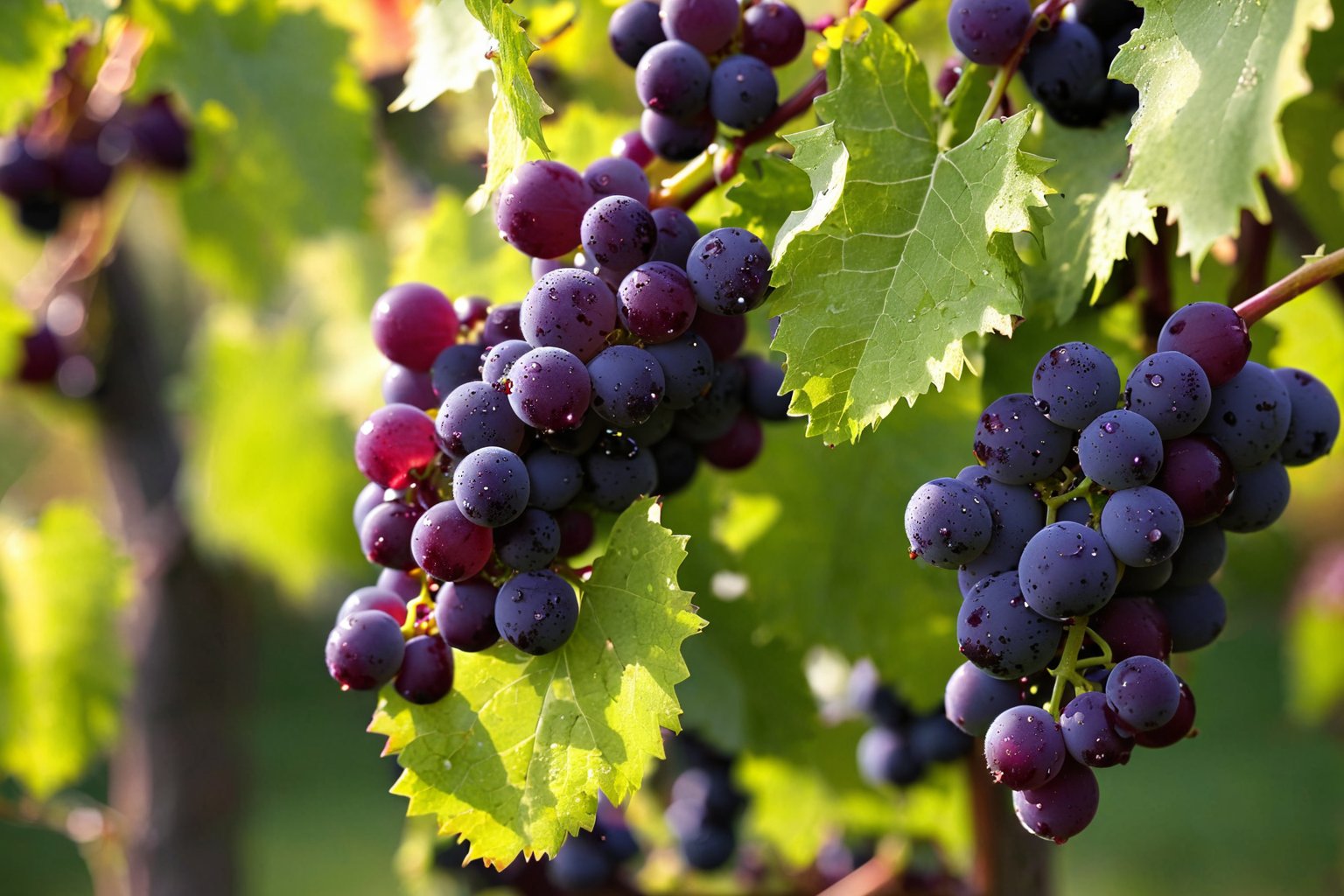
On the red side, the focus has shifted toward varieties like Maréchal Foch and Norton, which have deep roots in the region’s viticultural history. These grapes tend to produce wines with deeper color and robust fruit flavors, often accompanied by earthy undertones that speak to the terroir. The warmer microclimates found in the northern parts of the state allow these varieties to achieve full phenolic ripeness, resulting in wines that are approachable in their youth yet possess the structure for short-term aging. Winemakers experimenting with these selections often find that the unique soil combinations enhance the spice and dark fruit components, creating a signature style that is distinctly Louisiana.
The Role of Human Intervention and Viticultural Practices
While the natural elements of soil and climate provide the raw materials, it is the human hand that shapes how those materials are expressed in the glass. Precision viticulture techniques, such as leaf removal timing and crop thinning, are employed to balance vigor with fruit quality. In a region where disease pressure is high, many growers have turned to sustainable and organic practices, not only for environmental reasons but also to enhance the terroir-driven character of the wine. By reducing chemical inputs, they allow the subtle expressions of the soil microbiome to surface, often resulting in more complex aromatic profiles.
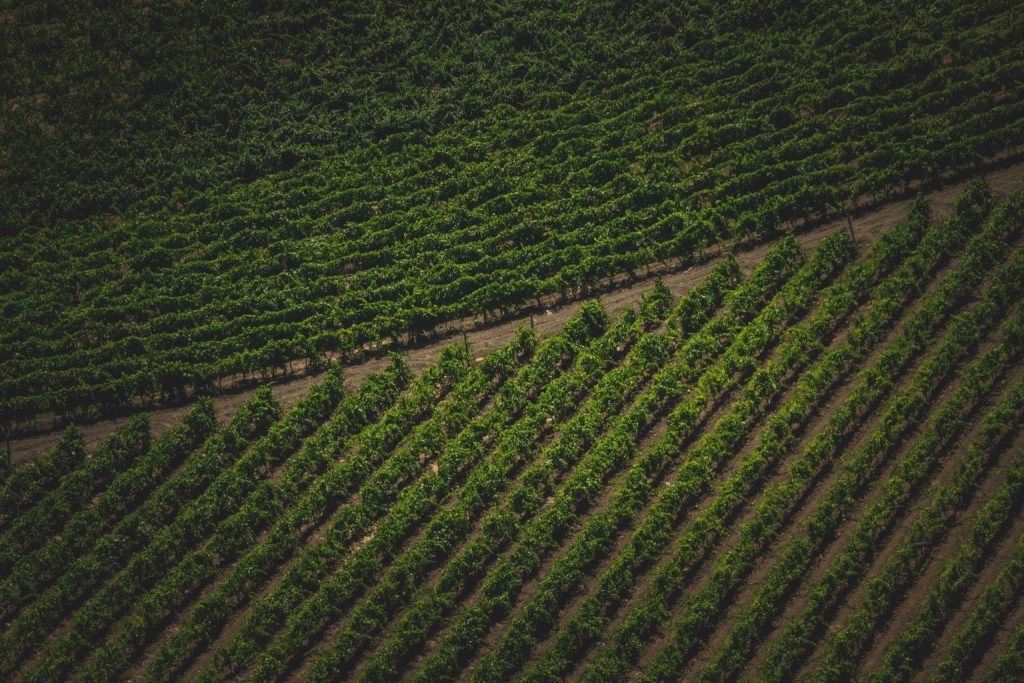
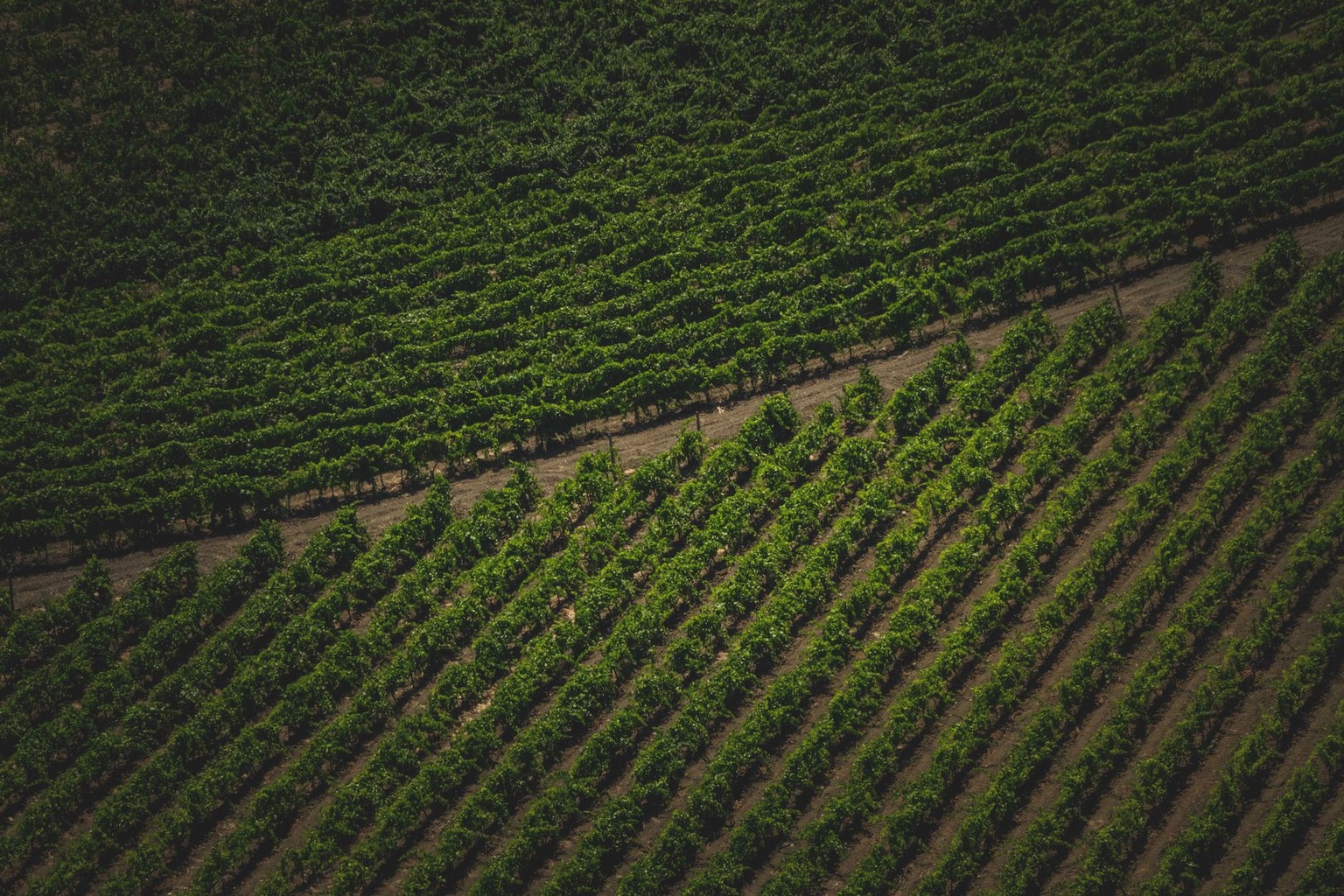
The choice of training system and trellis height also plays a crucial role in managing the intense sunlight and wind patterns specific to different locales. High-wire configurations are common in the hotter regions to promote air circulation around the clusters, reducing the risk of bunch rot. Conversely, in cooler, more shaded areas, lower canopy positions help trap heat and protect the fruit from early frost. These management decisions, rooted in a deep understanding of the local environment, ensure that the potential of the terroir is fully realized, translating the geological and climatic nuances into a coherent wine style.
Emerging Trends and the Future of Louisiana Wine
As the industry matures, there is a growing movement toward single-vineyard bottlings that highlight the specific characteristics of a given plot of land. This micro-terroir approach allows consumers to taste the nuances between vineyards that may be only a few miles apart. Data-driven farming, including the use of soil moisture sensors and drone imagery, is becoming more prevalent, helping growers make real-time decisions about irrigation and canopy management. This technological integration is vital for a region where weather volatility can shift the balance of a vintage in a matter of days.
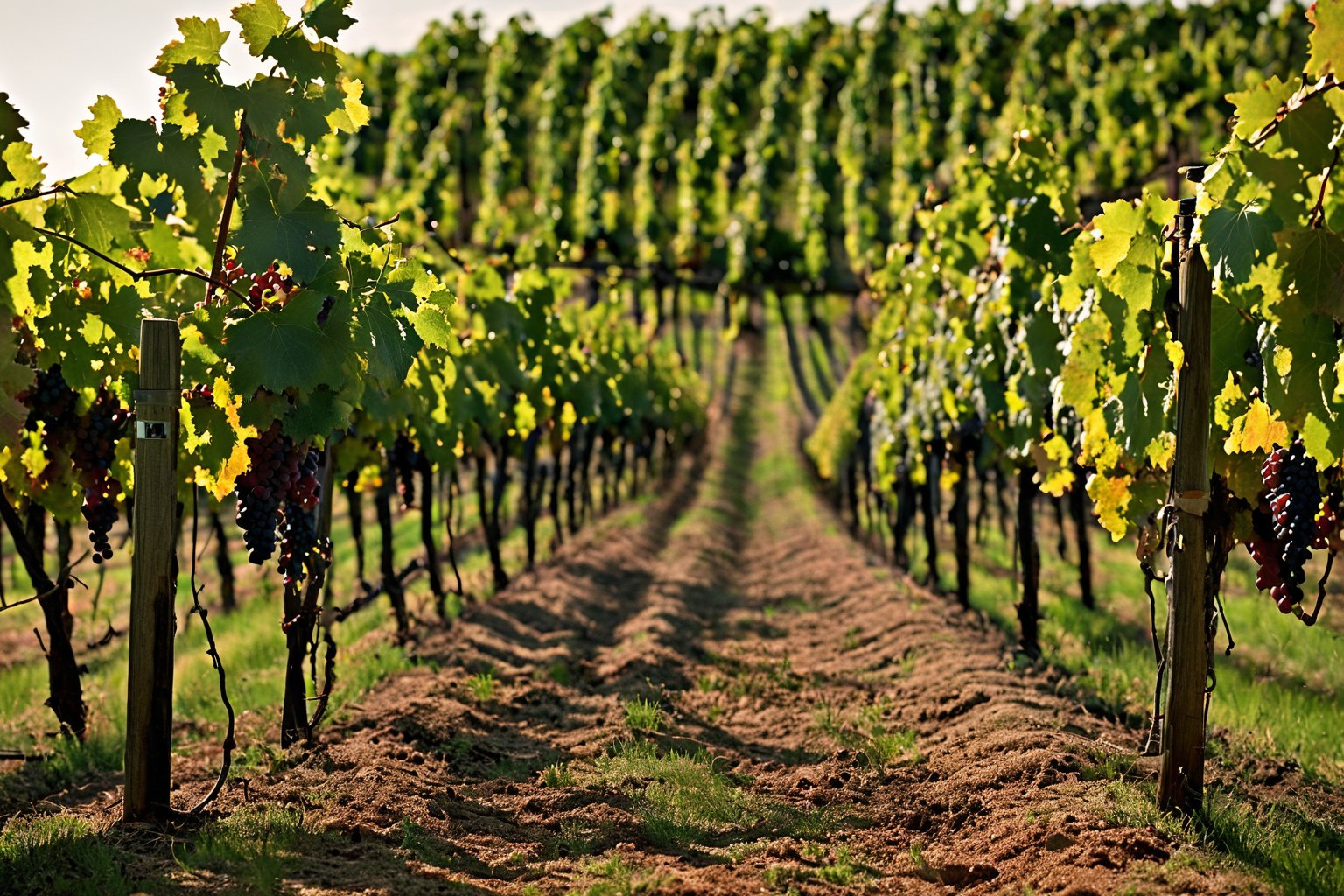
Consumer education is also a focal point, as the unique profile of Louisiana wines differs markedly from the more established regions of California or France. Tasting events and vineyard tours are increasingly focusing on the story of the land, explaining how the specific soil composition and climate idiosyncrasies shape the final product. This narrative-driven approach is helping to build a loyal following among wine enthusiasts who are eager to explore beyond the traditional offerings. The future looks promising, with a new generation of growers committed to honoring the terroir while innovating for quality and sustainability.

Winemaker with 12 years in the cellar. I write about fermentation, terroir, and the honest mistakes that taught me more than any textbook. I’ve ruined more barrels than most people have tasted. That’s not a disclaimer — that’s a résumé. Twelve years making wine in France, now making sense of it in words.