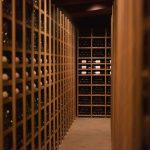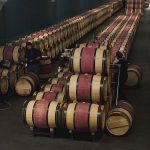
Louisiana wine aging is a fascinating journey where the unique climate of the Bayou State shapes the evolution of flavors in ways few other regions can match. Unlike traditional wine-producing areas, Louisiana’s humid summers, mild winters, and unpredictable weather patterns create a distinct aging environment that demands careful attention from winemakers and enthusiasts alike. The interplay between temperature, humidity, and even the occasional storm influences how tannins soften, how aromas develop, and how the wine’s structure transforms over months or years. For those invested in Louisiana wine aging, understanding these climate-driven changes isn’t just academic, it’s practical knowledge that can mean the difference between a wine that thrives and one that struggles to reach its full potential.
Understanding Louisiana’s Aging Climate: The Humidity Factor
Louisiana’s humidity is one of the most defining, and often overlooked, factors in Louisiana wine aging. At 70 to 80 percent year-round, this moisture level creates an ideal environment for microbial activity but also poses risks like oxidation or spoilage if not managed properly. Unlike drier regions where wines age in controlled cellars, Louisiana’s humidity accelerates chemical reactions, particularly in red wines where tannins and phenolics can break down faster. For example, a Cabernet Franc from Feliciani Cellars, a winery deeply rooted in the state’s terroir, will develop its signature herbal notes more quickly in this climate than it would in cooler California or Oregon. The key is balancing humidity with temperature, keeping wines in a space where condensation isn’t constant but where the air remains moist enough to prevent excessive drying of the bottle’s cork. This is why many Louisiana wineries invest in dehumidifiers or specialized aging chambers, ensuring their wines evolve smoothly rather than erratically.
Humidity also plays a subtle but critical role in how Louisiana wines express their fruit flavors. In regions with lower humidity, wines often retain bright acidity and crisp fruitiness for longer. But in Louisiana, the humidity softens those edges more rapidly, turning tart cherry notes into ripe, jammy textures or citrusy acidity into a smoother, almost tropical sweetness. This shift is particularly noticeable in white wines like Viognier, where the climate’s influence transforms the wine’s structure from lean and mineral-driven to richer and more approachable. For winemakers, this means adjusting expectations, what might take a decade to develop in Bordeaux could unfold in half that time in Louisiana, if not managed with precision. The challenge is to harness this accelerated aging rather than fight it, letting the climate work with the wine rather than against it.
Another practical consideration is how humidity affects storage materials. Corks, for instance, can absorb moisture and swell, leading to leaks or premature oxidation. Louisiana wineries often turn to alternative closures like screw caps or synthetic corks to mitigate this risk, though these choices introduce their own trade-offs in terms of aging potential. Even the wood used in barrels, whether oak or alternative materials, reacts to humidity, with some woods absorbing moisture and others resisting it. This is why Feliciani Cellars, for example, carefully selects aging vessels based on the wine’s profile and the local climate, ensuring that the environment doesn’t compromise the wine’s integrity. Understanding these nuances is essential for anyone serious about Louisiana wine aging, as small adjustments in storage can make a significant difference in the final product.
Temperature Fluctuations: The Double-Edged Sword of Louisiana’s Climate
Louisiana’s temperature swings, from scorching summers to mild winters, create a volatile but dynamic environment for Louisiana wine aging. Unlike stable climates like those in Tuscany or the Rhône Valley, where temperatures remain consistent year-round, Louisiana’s variations can accelerate aging processes in unpredictable ways. In summer, temperatures often exceed 90°F (32°C), which can cause wines to age too quickly, leading to over-ripeness or even premature spoilage if not stored properly. Conversely, the cooler winters, while beneficial for slowing down aging, can introduce their own challenges, such as condensation forming on bottles if they’re moved between indoor and outdoor spaces. For red wines like Petit Verdot, which are already prone to tannic structure, these fluctuations can either refine their texture or, if unchecked, cause them to lose their grip and become flabby.
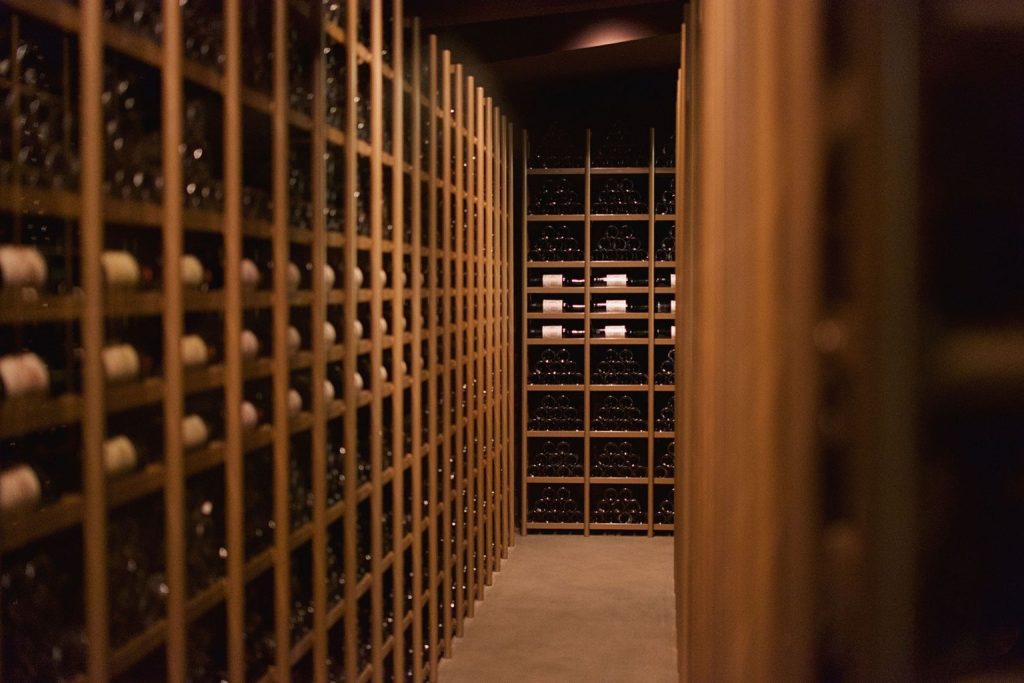
The solution lies in temperature control, but not in the traditional sense of a climate-controlled cellar. Instead, Louisiana wineries often use insulated storage units, underground caves, or even repurposed shipping containers to buffer extreme temperatures. These methods create microclimates where wines can age more predictably, avoiding the extremes of the outside world. For instance, a wine like Feliciani’s Bordeaux-style blend might be stored in a temperature-regulated space where it experiences gradual, controlled warming rather than sudden spikes. This approach mimics the slow, steady aging seen in European wines but adapts to Louisiana’s climate. The goal isn’t to replicate a cooler region’s conditions but to create a stable, if slightly warmer, environment that allows the wine to evolve without stress. Without this control, Louisiana wines risk developing flavors that are either too aggressive or too muted, losing the balance that makes them unique.
Temperature also interacts with humidity in ways that further complicate Louisiana wine aging. For example, higher temperatures increase evaporation rates, which can dry out the wine’s mouthfeel and intensify its alcohol perception. This is why many Louisiana winemakers opt for lower-alcohol wines to begin with, knowing that the climate will push them toward a fuller-bodied profile over time. White wines, in particular, suffer if exposed to heat, as their delicate aromatics can become muddled or oxidized. To combat this, some producers use reflective materials or shading in their aging areas to keep bottles cooler. The result is a wine that retains its freshness longer, even in the face of Louisiana’s heat. This careful management of temperature and humidity is what separates a good Louisiana wine from a great one, ensuring that the climate’s influence is an asset rather than a liability.
How Louisiana’s Weather Patterns Accelerate or Delay Flavor Development
Louisiana’s weather isn’t just about humidity and temperature, it’s also about unpredictability, from sudden thunderstorms to prolonged droughts, each of which can alter the trajectory of Louisiana wine aging. For example, a heavy rainfall during harvest can dilute the grapes’ sugars, leading to wines with lower alcohol and more subdued flavors. Conversely, a dry spell can concentrate the fruit, resulting in wines with more intense, jammy characteristics. These variations aren’t just quirks of nature; they’re deliberate influences on the aging process. A winemaker like those at Feliciani Cellars might choose to harvest during a brief dry period to ensure the grapes reach optimal ripeness, knowing that the subsequent aging will build on that foundation. The key is to work with these patterns rather than against them, using the climate’s natural rhythms to guide the wine’s development.
One of the most striking examples of weather’s impact is how Louisiana’s occasional hurricanes can disrupt aging plans. While most wines are stored away from direct storm damage, the humidity and temperature shifts that follow a hurricane can still affect bottle aging. For instance, a wine left in an unprotected space during a storm might experience rapid temperature drops followed by sudden heat as the storm passes, causing condensation and potential oxidation. To mitigate this, many Louisiana wineries have backup storage solutions, such as underground caves or reinforced cellars, that can withstand extreme conditions. Even then, the post-storm environment can alter the wine’s aging trajectory, sometimes speeding up oxidation or softening tannins in ways that aren’t entirely predictable. This is why flexibility is key, Louisiana winemakers must be prepared to adjust their aging strategies based on the latest weather forecasts, ensuring that their wines aren’t caught off guard by nature’s whims.
The unpredictability of Louisiana’s weather also extends to the aging process itself. For example, a wine that ages through a particularly hot summer might develop early, with flavors like blackberry and spice emerging sooner than expected. If that same wine then faces a cooler winter, its development could slow, allowing those flavors to integrate more smoothly. This back-and-forth can create a wine with layers of complexity that wouldn’t be possible in a stable climate. Take Feliciani’s Merlot, for instance, a wine that benefits from this dynamic aging environment, as its bold fruitiness and velvety tannins are shaped by the climate’s fluctuations. The result is a wine that feels alive, with flavors that evolve rather than stagnate. For enthusiasts, this means that Louisiana wines often have a sense of urgency in the glass, as if they’re constantly reinventing themselves with each sip.
The Role of Oak and Alternative Aging Methods in Louisiana’s Climate
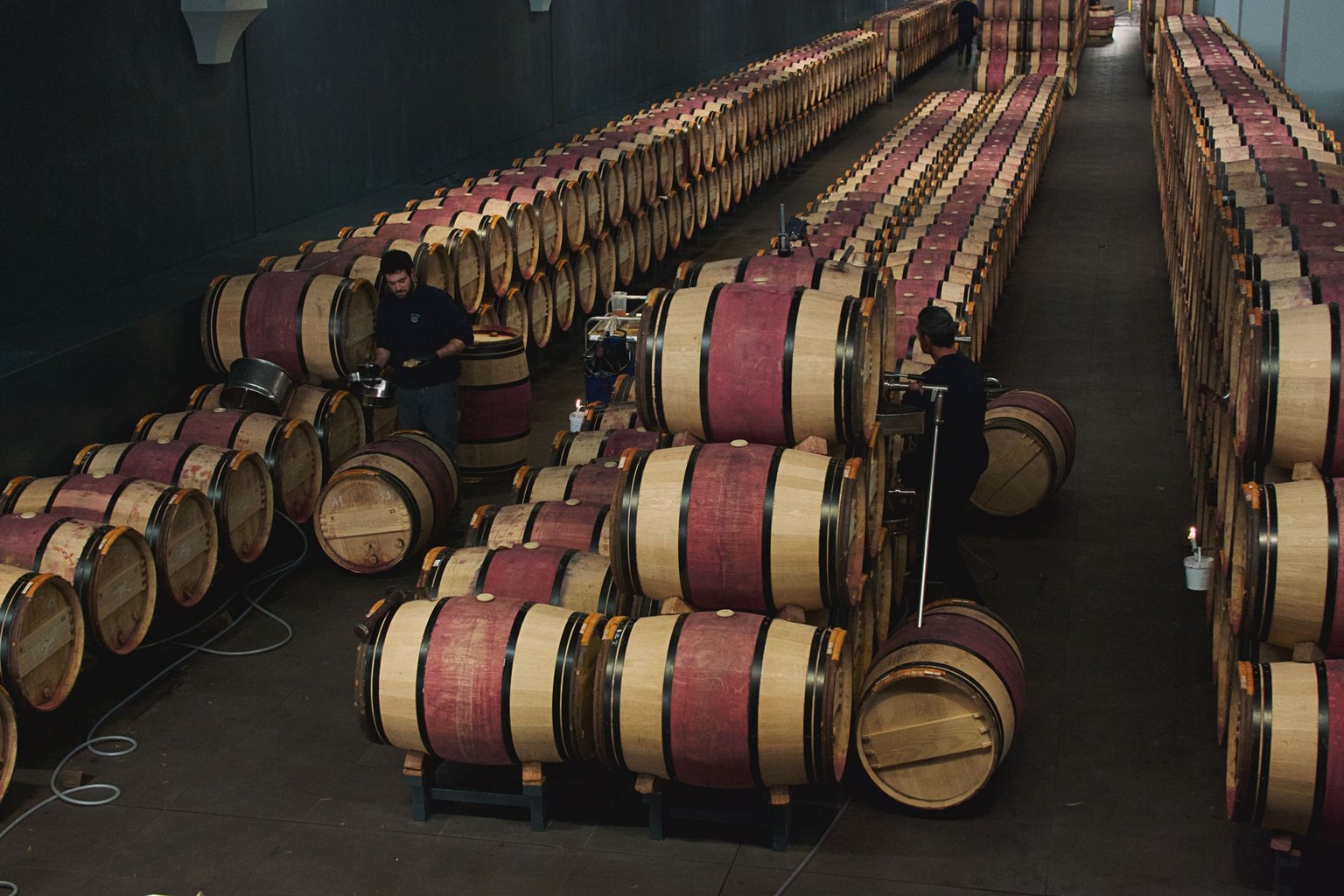
Oak aging is a cornerstone of wine production, but in Louisiana’s climate, its role takes on a different dimension than in traditional wine regions. Traditional oak barrels, with their porous wood, can absorb moisture from the humid air, leading to uneven extraction of tannins and flavors. This makes oak a double-edged tool in Louisiana, it can add complexity and structure, but it also requires careful management to avoid over-extraction or spoilage. Many Louisiana wineries, including Feliciani Cellars, use a combination of new and used oak barrels, as well as alternative aging vessels like stainless steel or concrete eggs, to control the influence of the climate. Stainless steel, for example, resists humidity and temperature fluctuations, allowing wines to age more predictably, while concrete eggs provide a neutral surface that still allows for some oxygen exchange. This hybrid approach ensures that the wine’s development isn’t dictated solely by the barrel’s interaction with the environment but is instead guided by the winemaker’s intent.
The choice of oak also affects how Louisiana wines express their terroir. In cooler regions, oak can add spice and vanilla notes that complement the wine’s natural acidity. But in Louisiana, where the climate already pushes wines toward riper fruit and softer tannins, oak must be used judiciously. Over-oaking can make a wine feel heavy or overly vanilla-forward, masking the wine’s unique characteristics. Feliciani Cellars, for example, often uses French oak for its wines, which imparts subtle spice and baking notes without overpowering the fruit. The result is a wine that feels balanced, where the oak’s influence enhances rather than dominates. This careful selection of aging methods is what allows Louisiana wines to stand out in a crowded market, proving that the climate isn’t a limitation but a creative opportunity.
Beyond traditional oak, Louisiana wineries are experimenting with alternative aging methods to better suit their climate. For instance, some producers use large-format bottles, like magnums or jeroboams, which have a smaller surface area relative to their volume, reducing oxidation and allowing wines to age more slowly. Others turn to inert materials like glass or plastic, which don’t interact with the wine but still allow for controlled aging. These methods are particularly useful for wines that are sensitive to humidity or temperature shifts, ensuring that the aging process remains consistent despite the climate’s challenges. For example, a white wine like Feliciani’s Sauvignon Blanc might benefit from aging in stainless steel tanks, where it retains its crisp acidity and vibrant fruit flavors without the risk of oxidation. By diversifying their aging methods, Louisiana winemakers can adapt to their unique environment while still producing wines of exceptional quality.
Common Mistakes in Aging Louisiana Wine, and How to Avoid Them
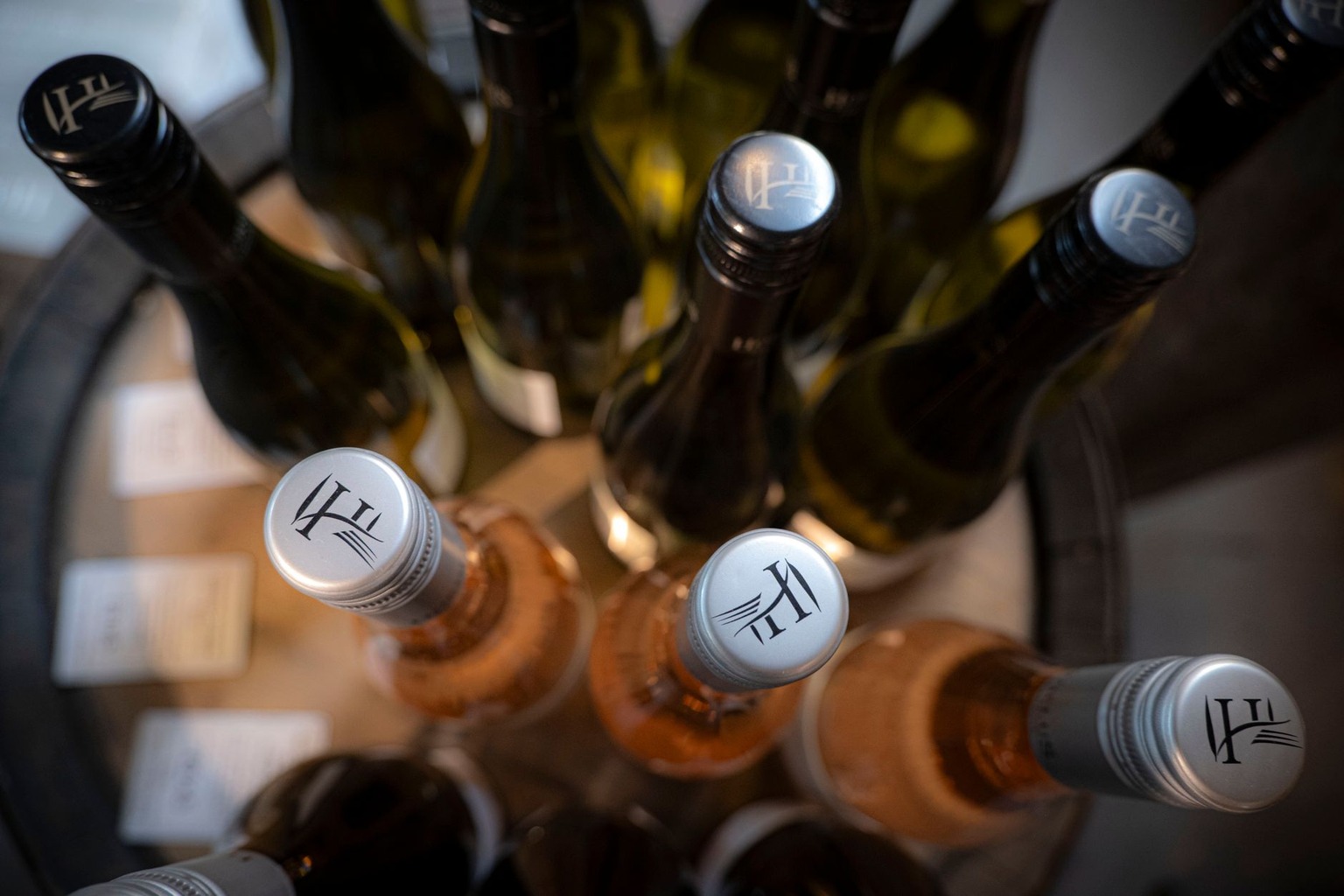
One of the most frequent mistakes in Louisiana wine aging is assuming that the wine will age like those from cooler climates. Many enthusiasts store their bottles horizontally in a humid basement, only to find that the wine develops off-flavors or loses its structure too quickly. The humidity in Louisiana’s climate can cause corks to swell and leak, leading to oxidation or even spoilage. To prevent this, it’s essential to use alternative closures like screw caps or synthetic corks, which are less affected by moisture. Additionally, storing bottles in a cool, dry space, even if it’s not perfectly humid, can help mitigate these risks. Feliciani Cellars, for instance, recommends using dehumidifiers in home cellars to maintain a relative humidity of around 60 to 70 percent, striking a balance that keeps the wine safe without stifling its development.
Another common error is neglecting temperature stability. Many Louisiana wine drinkers assume that their wine will age fine in a garage or outdoor shed, but the extreme temperature swings can cause the wine to age unevenly. For example, a wine left in a garage during a heatwave might develop prematurely, losing its freshness, while a wine stored in a cold basement during winter could become overly tannic or stiff. The solution is to invest in a temperature-controlled storage solution, even if it’s as simple as a well-insulated cabinet. Some enthusiasts also use wine refrigerators with humidity controls, which can replicate the ideal aging conditions found in professional cellars. The goal is to keep the wine within a stable range of 50 to 65°F (10 to 18°C), regardless of the outside climate. This consistency ensures that the wine’s flavors develop at a steady pace, rather than being thrown off by sudden changes.
Perhaps the most overlooked mistake is not accounting for the wine’s natural evolution. Many Louisiana wines, particularly those made from varieties like Cabernet Franc or Viognier, are designed to age quickly and develop rich, complex flavors within a few years. Storing them for decades, as one might with Bordeaux or Burgundy, can lead to over-aging and the development of vinegar or other unwanted flavors. Instead, it’s often better to enjoy these wines at their peak, typically between 3 to 7 years, and then move on to newer vintages. Feliciani Cellars advises wine lovers to taste their bottles regularly, noting how the flavors shift over time. This practice not only helps avoid over-aging but also deepens the appreciation for the wine’s unique development in Louisiana’s climate. By understanding the wine’s natural timeline, enthusiasts can enjoy it at its best without letting the climate’s influence turn it into something less than its potential.

Winemaker with 12 years in the cellar. I write about fermentation, terroir, and the honest mistakes that taught me more than any textbook. I’ve ruined more barrels than most people have tasted. That’s not a disclaimer — that’s a résumé. Twelve years making wine in France, now making sense of it in words.