The southern wine movement operates under conditions that consistently surprise traditionalists who are accustomed to classic European climates. Every successful vintage in this humid region depends heavily on how the local earth interacts with native and hybrid grape varieties. Understanding terroir down here requires looking past standard viticultural assumptions and examining the physical composition beneath the vines. Each parcel presents distinct drainage challenges and mineral profiles that dictate how a vine drinks and matures throughout the long growing season. This intricate relationship between earth and vine sets the parameters for what ends up in the bottle.
Alluvial Silt Along the River Basins
The vast floodplains bordering major waterways deposit rich alluvial silt that shapes some of the most fertile patches in the state. Vines planted in these dynamic areas encounter high levels of organic matter and deep nutrient reservoirs that encourage vigorous canopy growth. Managing this natural abundance demands constant attention from the grower to prevent shade from blocking crucial sunlight from reaching the developing clusters. Too much vigor often translates to herbaceous flavors in the juice unless canopy management keeps the fruiting zone open and well-aerated.
Drainage characteristics in these silty regions vary wildly depending on how close a block sits to historical river channels. Lower sections retain moisture for days after heavy summer downpours, which can stress root systems if oxygen fails to penetrate the compacted layers. Winemakers working with fruit from these heavy zones typically notice a softer texture and lower natural acidity in the finished wine. Balancing that natural roundness requires precise picking decisions to preserve freshness before the fruit loses its underlying structural tension.
Coastal Prairie Sediments and Clay Substrates
Moving away from the waterways reveals expansive prairie terraces dominated by dense clay and silt loam formations. The subsoil in these zones acts like a stubborn sponge that holds water tightly during dry spells while swelling aggressively after heavy precipitation. Working with a Louisiana vineyard soil of this heavy clay type means implementing careful tillage practices to avoid turning the ground into impermeable bricks. Roots struggle to penetrate the deepest layers unless cover crops actively break up the dense mineral packing over multiple seasons.
The chemical makeup of these prairie soils usually leans toward the acidic side, requiring thoughtful amendments to keep nutrient uptake balanced for the vines. Grape varieties like Blanc du Bois and Lenoir show remarkable tolerance for these challenging subterranean conditions without showing signs of nutrient lockout. Wines harvested from these dense blocks frequently display darker fruit characteristics and a firmer tannic backbone than their alluvial counterparts. The mineral persistence in these heavier sites translates directly into a savory finish that lingers on the palate long after the first sip.
Sandy Loam Ridges and Coastal Plain Deposits
Ancient marine terraces and coastal plain remnants provide a completely different set of physical dynamics for regional vignerons. These elevated ridges consist primarily of sandy loam textures that warm up quickly in the spring and promote deep root exploration. Because water drains rapidly through the coarse particles, vines planted here experience moderate moisture stress that naturally limits excessive vegetative growth. This controlled restriction forces the plant to concentrate its metabolic energy into smaller, thicker-skinned berries packed with concentrated flavor compounds.
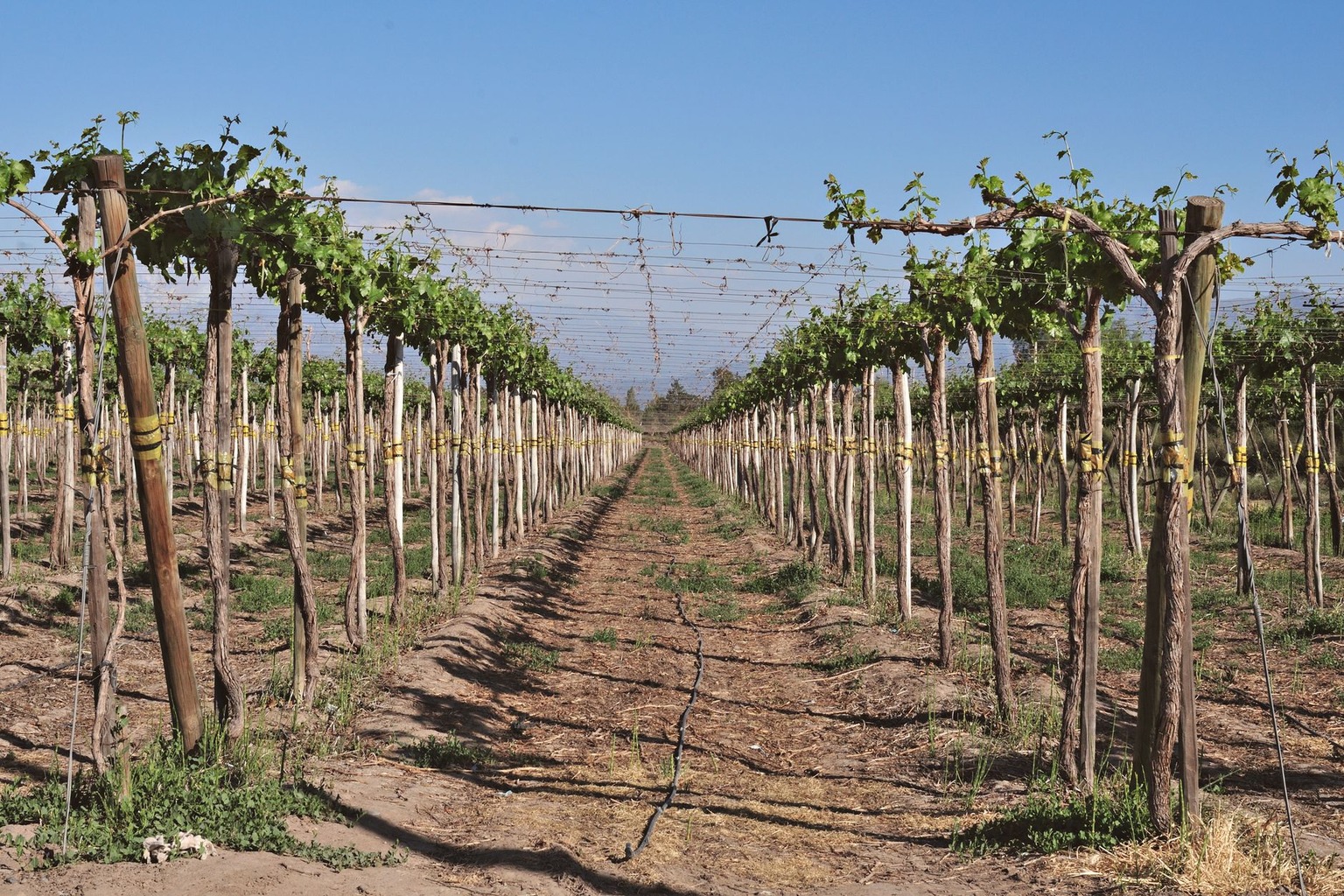
Managing nutrient levels in sandy plots requires frequent, measured applications of organic compost because leaching washes essential elements away during intense storms. The resulting wines from these lighter soils lean toward aromatic brightness and a lighter body that highlights floral and red fruit notes. Acidity retention remains notably higher in sandy blocks due to the cooler root temperatures during overnight cooling cycles in mid-summer. This natural crispness provides a refreshing counterpoint to the heavy humidity that characterizes the surrounding southern atmosphere.
Iron Rich Red Clays and Uplands
Pockets of rolling upland terrain feature striking red soils stained by high concentrations of weathered iron oxides. These distinct patches offer better natural drainage than the flat prairie lands due to the sloping topography that encourages excess water to run off safely. Vines planted in these mineralized zones develop deep anchorage networks that tap into complex subsoil layers rich in trace elements. The abundance of iron and other metallic compounds frequently imparts a subtle earthy nuance to the aromatic profile of the resulting fermentations.
Harvest yields from these upland blocks tend to be naturally lower because the thin topsoil layer restricts massive vine expansion. Winemakers appreciate this natural limitation because smaller crop loads consistently yield higher phenolic ripeness and deeper color concentration in red varietals. The tannin profile from iron rich sites possesses a fine-grained texture that softens gracefully after a short period in neutral oak vessels. This structural refinement proves that local earth can indeed support wines with genuine ageability and aromatic complexity.
Salinity Challenges in Coastal Proximity
Vineyards established closer to the salt marshes and tidal estuaries face unique subterranean pressures from elevated salinity levels in the groundwater. High sodium concentrations can disrupt normal osmotic pressure within the vine, making it difficult for roots to absorb pure water efficiently. Growers in these low-lying coastal zones must install elaborate drainage tiles and monitor soil electrical conductivity with extreme precision. Selecting salt-tolerant rootstocks becomes the single most important decision a producer makes when planting vines in these brackish environments.
The subtle influence of marine salts often manifests in the glass as a distinct saline minerality that complements seafood pairings brilliantly. This coastal character gives regional bottlings an unmistakable sense of place that sets them apart from continental wine regions. Fermentations from high sodium plots require careful yeast selection to prevent stuck fermentations caused by mineral imbalances in the must. Navigating these difficult saline conditions demands agronomic skill and a deep respect for the resilience required by vines growing near the gulf.
Microbial Life and Organic Matter Management
The invisible ecosystem operating beneath the surface plays just as large a role in wine style as the visible mineral composition. Fungal networks and beneficial bacteria break down organic debris into usable nutrients while creating crumbly aggregate structures in otherwise stubborn earth. Maintaining this biological engine requires minimizing heavy tilling and using permanent cover crops that feed the soil microbiome year-round. A biologically active floor helps buffer the vines against extreme weather swings by regulating soil temperatures and moisture retention naturally.
Producers who invest time in building organic matter notice a distinct improvement in vine health and wine complexity across all varietals. The microbial activity helps unlock bound minerals that would otherwise remain unavailable to the shallow feeder roots during peak ripening stages. This biological vitality translates into wines with greater aromatic depth and a truer expression of southern terroir. Ignoring the living fraction of the dirt leads to stagnant vines that produce flat, uninspired juice regardless of the macroclimate.

Winemaker with 12 years in the cellar. I write about fermentation, terroir, and the honest mistakes that taught me more than any textbook. I’ve ruined more barrels than most people have tasted. That’s not a disclaimer — that’s a résumé. Twelve years making wine in France, now making sense of it in words.