Challenges of Humid Climates for Vineyards
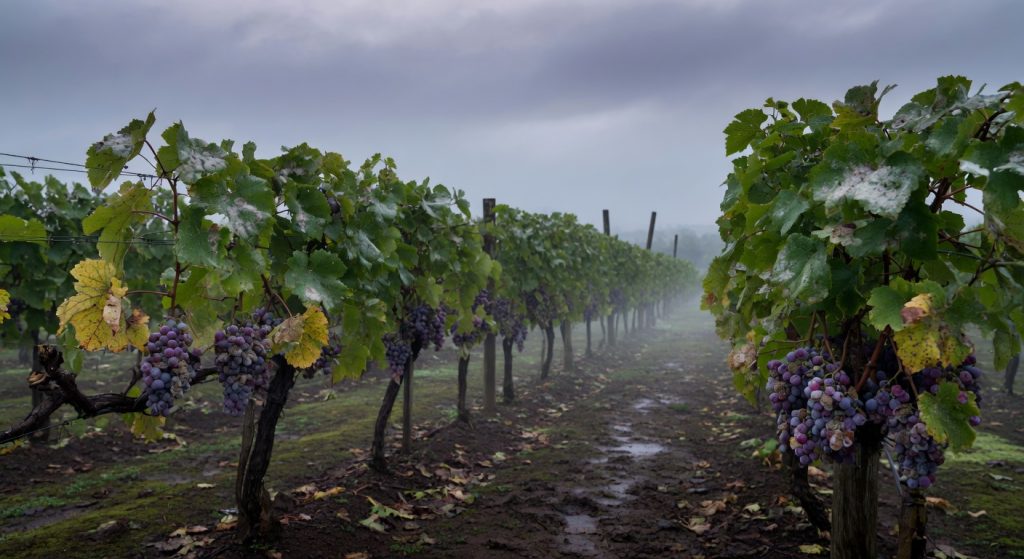
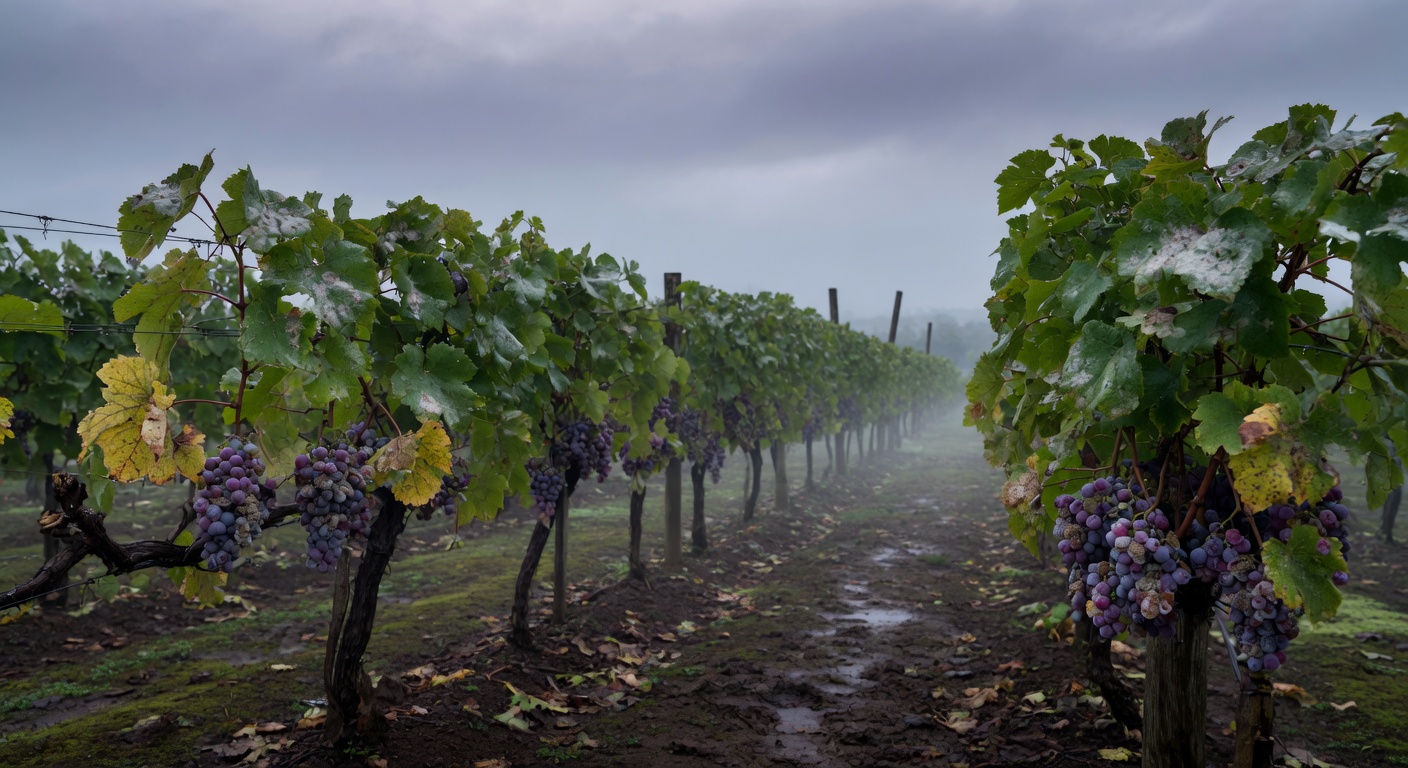
Vineyards located in humid climates face a unique set of challenges that can significantly impact both grape quality and overall vineyard health. One of the primary issues caused by excessive humidity is increased disease pressure. The moist environment creates ideal conditions for pathogens such as mildew, botrytis, and other fungal infections to thrive. These diseases can easily spread across the vineyard, leading to damaged clusters and often requiring meticulous monitoring and intensified use of fungicides.
Mold development is another major concern for vineyards in humid regions. High humidity levels promote the growth of mold on grape skins, which can degrade grape quality and reduce the marketability of the harvest. Mold not only affects the appearance of the grapes but also introduces off-flavors into the wine, complicating the winemaking process. Without careful management, mold can lead to significant crop losses and increased production costs.
Humidity effects on grapes extend beyond disease and mold; it also affects berry composition and ripening consistency. In humid conditions, the grapes often have thicker skins to protect against moisture, which can alter tannin levels and flavor profiles. Additionally, uneven ripening is a frequent vineyard problem due to excess rainfall and humidity, causing clusters to mature at different rates. This heterogeneity challenges vintners in deciding the optimal harvest time to balance sugar, acidity, and flavor development.
Overall, humid climate challenges require vineyard managers to adopt strategic approaches such as optimizing canopy management to improve air flow, selecting disease-resistant grape varieties, and implementing integrated pest and disease management systems. Addressing these vineyard problems effectively is crucial to maintaining healthy vines and producing premium grapes despite the difficulties posed by high humidity.
Common Diseases in Humid Vineyards
Vineyards in humid climates face significant challenges from various vineyard diseases, primarily fungal and bacterial in nature. The persistent moisture creates an ideal environment for these pathogens to thrive, often leading to serious health issues for grapevines and affecting grape production negatively.
One of the most prevalent fungal threats in humid environments is powdery mildew, which coats leaves, shoots, and grape clusters with a white, powdery fungus. This disease reduces photosynthesis, weakens vine health, and ultimately lowers grape yield and quality. Downy mildew is another fungal issue aggravated by humidity, causing yellowish spots on leaves and a downy growth on the underside, leading to premature leaf drop and diminished fruit development.
Bacterial diseases, such as Pierce’s disease, fueled by humid climate pests like sharpshooters, also jeopardize vineyards. This disease clogs the vine’s water-conducting system, resulting in leaf scorch, reduced fruit size, and eventually vine death. These grapevine diseases demand vigilant monitoring and effective management strategies to mitigate their impact and sustain vine health.
In summary, vineyard diseases in humid climates pose a constant threat to grape quality and quantity. Understanding and addressing fungal and bacterial pathogens through integrated pest management and appropriate vineyard practices is essential for maintaining productivity and vine longevity.
Impact of Excess Moisture on Grape Quality
Prolonged exposure to excess moisture and high humidity significantly impacts grape quality in vineyards. When grapes experience sustained wet conditions, the ripening process can be delayed, as moisture interferes with the vines’ ability to concentrate sugars effectively. This results in lower sugar levels in the grapes, which are crucial for developing the alcohol content and overall balance in wine production.
Humidity effects also extend to flavor development. Excess moisture can lead to diluted flavors, causing grapes to lack the intensity and complexity desired in quality wines. The presence of too much water in the grape berries can inhibit the concentration of important flavor compounds, leading to wines that are less vibrant and aromatic. Moreover, consistent humidity creates an environment favorable for fungal diseases, like powdery mildew and botrytis, which further degrade grape quality by damaging the fruit.
Overall, managing excess moisture is critical in humid climates to protect grape quality. Vineyard managers often adopt strategies such as improving air circulation, canopy management, and soil drainage to mitigate the negative effects of prolonged humidity. These practices aim to safeguard the ripening process, ensuring grape sugar levels and flavor profiles develop optimally despite challenging moisture conditions.
Viticulture Practices for Humid Environments
Growing grapes in humid climates presents unique challenges, requiring specialized viticulture techniques to maintain healthy vineyards and produce quality fruit. Effective humid vineyard practices focus heavily on managing moisture, improving airflow, and preventing fungal diseases that thrive in damp conditions. Implementing strategic grape growing strategies can help growers adapt successfully to these demanding environments.
One of the foremost viticulture techniques for humid regions is choosing the right grape varieties that demonstrate resistance to common diseases such as powdery mildew, downy mildew, and botrytis bunch rot. Hybrid varieties and disease-resistant cultivars often perform better under constant humidity and wet weather, reducing the need for heavy chemical interventions and promoting sustainable farming.
Vineyard layout and canopy management play crucial roles in humid vineyard practices. Vines are often trained with systems that optimize sunlight penetration and air circulation, such as vertical shoot positioning or modified VSP trellising. These methods reduce canopy density, allowing leaves and grape clusters to dry faster after rain or dew, which is critical in minimizing fungal infections.
Soil management also supports vine health in humid climates. Good drainage is essential, so growers may install subsurface drains or plant on slopes to prevent waterlogging. Cover crops are commonly used to improve soil structure and reduce excess moisture near the vine roots. These cover crops also help in weed suppression and provide additional organic matter to the soil.
Routine vineyard maintenance such as timely leaf removal around grape clusters and regular monitoring for disease outbreaks is vital. Using predictive disease models and regular scouting allows for targeted applications of organic fungicides or biocontrol agents rather than broad-spectrum chemicals, aligning with environmentally conscious viticulture techniques.
Overall, adapting grape growing strategies to humid environments requires an integrated approach balancing disease resistance, canopy management, soil health, and vigilant monitoring. By combining these viticulture practices effectively, vineyard managers can mitigate risks associated with excess moisture and cultivate healthy, productive vineyards in humid climates.
Canopy Management and Airflow Optimization
Effective canopy management is essential for maintaining optimal airflow in vineyards, especially in humid climates where excess moisture can lead to disease and rot. Pruning and training methods play a crucial role by shaping the vine canopy to maximize air circulation around grape clusters. This reduction in humidity not only helps protect the grapes but also promotes healthier vine growth.
Pruning techniques focus on removing excess leaves and shoots that block airflow. By carefully thinning the canopy, wind can penetrate more freely, carrying away moisture that would otherwise accumulate. Training methods, such as vertical shoot positioning or spur pruning, help organize the growth pattern of the vines, spacing clusters to minimize overcrowding. This strategic spacing improves exposure to sunlight and air movement, which are critical factors in humidity control.
Furthermore, by managing the canopy to prevent dense foliage, the microclimate around the grape clusters becomes less hospitable to fungal diseases common in humid environments. Winemakers often combine these practices with timely leaf removal around the fruit zone to further enhance airflow in vineyards. Such integrated canopy management approaches are vital for sustaining grape quality and vineyard health in humid regions.
Soil and Irrigation Management Strategies
Effective soil management and irrigation in humid climates are crucial for controlling excess moisture in vineyards. Soil composition plays a vital role in preventing water retention that can damage vine roots and promote disease. Vineyards must prioritize well-draining soils, often achieved by amending heavy clay soils with organic matter or sand to improve aeration and water percolation. This helps maintain optimal moisture levels, ensuring roots receive adequate air and nutrients.
In addition to soil management, vineyard water control through irrigation systems designed specifically for humid conditions is essential. Controlled irrigation minimizes the risk of overwatering by delivering precise amounts of water only when necessary. Drip irrigation, for example, targets root zones directly, reducing surface moisture and limiting the proliferation of fungal diseases common in humid environments. This approach not only conserves water but also promotes healthier root development and enhances grape quality.
Combining thoughtful soil management with strategic irrigation in humid climates creates a balanced environment where excess moisture is curtailed, and healthy root growth is supported. This integrated approach allows vineyards to thrive despite the challenges posed by high humidity, ensuring sustainable production while protecting vine health and fruit quality year after year.
Technological Innovations Aiding Humid Climate Vineyards
Vineyards situated in humid climates face unique challenges, particularly related to managing excess moisture and preventing diseases caused by high humidity. Recent advancements in vineyard technology have introduced innovative tools and systems designed to monitor and mitigate these humidity-related risks, empowering vintners to protect their crops and improve grape quality.
One of the most significant technological developments is the use of advanced humidity sensors integrated directly into vineyard environments. These sensors provide real-time data on moisture levels in the air and soil, allowing vineyard managers to make informed decisions quickly. By utilizing humidity sensors, vintners can detect early warning signs of fungal diseases like powdery mildew and botrytis, which thrive in damp conditions. Early detection is crucial for timely intervention and reduces the need for excessive fungicide application.
Modern viticulture tools extending beyond humidity sensors include automated weather stations and climate monitoring systems tailored specifically for vineyards. These systems collect a wide range of meteorological data such as temperature, rainfall, wind speed, and leaf wetness duration, alongside humidity. This comprehensive data ecosystem supports predictive models that forecast disease outbreaks and ideal spraying windows, enhancing the efficiency of vineyard treatments and lowering operational costs.
Another remarkable innovation is the integration of IoT (Internet of Things) devices with vineyard technology. These IoT-enabled tools allow for remote monitoring and control, providing vineyard managers with access to real-time humidity data via smartphones or computers. This connectivity facilitates precise irrigation management, ensuring that vines receive adequate hydration without oversaturation, which is vital in humid climates to minimize rot and water stress.
Furthermore, cutting-edge vineyard technology includes the use of drone surveillance combined with multispectral imaging to assess vine health and detect humidity-related stress over large vineyard areas. These drones can identify subtle variations in plant vitality that may not be visible to the naked eye, allowing for targeted interventions and better resource allocation.
In summary, the convergence of vineyard technology, humidity sensors, and modern viticulture tools is transforming how vineyards manage the complexities of humid climates. These innovations not only enhance disease management and water usage efficiency but also contribute to sustainable and high-quality grape production. As technology continues to evolve, humid climate vineyards are better equipped than ever to thrive in challenging conditions.
Use of Climate Monitoring and Humidity Sensors
In modern vineyards, climate monitoring and humidity sensors play a crucial role in ensuring optimal grape growth, especially in humid climates. These advanced vineyard data tools provide real-time information about environmental conditions such as temperature, moisture, and humidity levels. By utilizing weather stations equipped with sophisticated sensors, vineyard managers can gather accurate data around the clock, enabling them to make informed decisions that improve vine health and grape quality.
Humidity sensors are particularly valuable in tracking changes in moisture levels that may promote fungal diseases, which are common challenges in humid regions. With timely alerts from these sensors, vineyard managers can implement targeted interventions—such as adjusting canopy management or applying fungicides—before problems escalate. This proactive approach reduces crop losses and optimizes the use of resources.
Moreover, climate monitoring systems integrate various data points to create comprehensive vineyard maps and forecasts. These vineyard data tools help in predicting weather patterns and assessing microclimates within different vineyard sections, allowing for site-specific management strategies. The enhanced visibility into climatic trends also aids in scheduling irrigation efficiently, preventing water stress or overwatering.
Overall, technology like humidity sensors and climate monitoring stations transforms vineyard management by providing precise, actionable data. This technological advantage helps vineyard owners adapt to the challenges of humid environments, maintaining the health of their vines and securing a high-quality grape harvest year after year.
Chemical and Biological Disease Control Solutions
In vineyards situated in humid climates, disease control is a critical challenge due to the favorable conditions for fungal and bacterial proliferation. To address these issues, there has been significant progress in developing eco-friendly chemicals and biological treatments that serve as effective fungicide alternatives. These innovative solutions aim to minimize environmental impact while providing sustainable disease management options for growers.
Biological treatments harness the power of naturally occurring microorganisms such as beneficial bacteria and fungi that inhibit the growth or activity of harmful pathogens. These biological agents are applied to vines to create a protective barrier, reducing the incidence of humidity-related diseases without the risks associated with traditional chemical fungicides. Their compatibility with organic vineyard practices makes them highly desirable in regions where environmental stewardship is a priority.
Simultaneously, advancements in chemical formulations have focused on eco-friendly compounds that degrade quickly in the environment, posing less risk to non-target organisms and soil health. These newer chemical agents are designed to work synergistically with biological treatments, enhancing overall disease control efficacy. By integrating these disease control approaches, vineyard managers can effectively combat humidity-driven diseases such as powdery mildew and downy mildew while reducing chemical residues and promoting vineyard sustainability.

Winemaker with 12 years in the cellar. I write about fermentation, terroir, and the honest mistakes that taught me more than any textbook. I’ve ruined more barrels than most people have tasted. That’s not a disclaimer — that’s a résumé. Twelve years making wine in France, now making sense of it in words.