Introduction to Oak in Flavor Development
Oak wood has long held a prestigious role in the world of flavor development, particularly in the crafting of wine and spirits. The unique characteristics of oak influence the flavor profile of these beverages through a process known as oak aging, which imparts a complexity and richness impossible to achieve otherwise. This natural wood interacts with the liquid, allowing slow oxygenation and the release of flavor compounds that create depth and enhance aromatic qualities. Whether it’s the subtle vanilla notes or the robust hints of spice and toastiness, oak flavor is central to elevating the sensory experience.
Historically, the use of oak barrels dates back centuries, recognized not only for storing wine and spirits securely but also for improving their taste. Winemakers and distillers observed that aging their products in oak resulted in a more refined and desirable product. This tradition has endured through time because the influence of oak on flavor development is irreplaceable. The type of oak, the region it comes from, and the age and treatment of barrels all contribute distinct nuances to the flavor profile, making oak aging an art form as much as a science.
The importance of oak in flavor development extends beyond just wine and spirits. Various gourmet food products also benefit from oak’s influence, highlighting its versatility. From enhancing the aroma to softening harsh edges in a beverage, oak works as a natural flavor enhancer that adds sophistication and balance. Understanding the oak influence allows producers to craft unique and memorable flavors, underscoring the essential role this wood plays in culinary and beverage traditions worldwide.
In summary, oak wood’s enduring use throughout history highlights its pivotal role in flavor development. By facilitating oak aging, it enriches the sensory profile of many products, particularly wine and spirits, making it an indispensable component in the pursuit of quality and flavor excellence.
Historical Use of Oak in Flavoring
Oak has played a pivotal role in the development of flavors across many centuries, particularly through the practice of aging beverages in oak barrels. Historically, oak barrels were prized not only for their durability but also for their unique contribution to the flavor profiles of wines, spirits, and other fermented products. The traditional aging process involves storing liquids in oak barrels, which allows for subtle chemical interactions that enhance complexity, aroma, and taste.
Historically, tradesmen and artisans relied on oak barrels as an essential vessel for maturing their products. The wood’s porous nature enables controlled oxygen exposure, which softens harsh flavors and promotes the development of desirable characteristics such as vanilla, caramel, and spice notes. This method of traditional aging remains a cornerstone practice in industries focused on flavor refinement.
Moreover, historical practices often included toasting or charring the inside of oak barrels to further influence flavor development. This step allowed producers to tailor the taste by adjusting the level of wood interaction. The enduring use of oak barrels throughout history demonstrates the wood’s integral role in creating rich, balanced flavors that continue to captivate connoisseurs and casual consumers alike.
Why Oak Influences Flavor
Oak is a unique wood with a complex chemical composition that plays a crucial role in flavor development during aging processes, especially in winemaking and spirits. The wood chemistry of oak includes various compounds such as lignins, hemicelluloses, tannins, and extractives, each contributing to the complex interaction of oak compounds with the liquid it contacts.
One of the key ways oak influences flavor is through the release of aromatic flavor compounds. Lignins in oak break down during toasting or charring, producing vanillin, which imparts a rich vanilla note. Additionally, the breakdown of lignins also generates other phenolic aldehydes that contribute sweet and spicy nuances.
Hemicelluloses in the oak undergo caramelization during the toasting process, resulting in sweet, toasted sugar flavors and contributing to the overall complexity of the final product. Oak tannins provide astringency and texture, helping to round out the flavor profile and add structure. These tannins also interact with other flavor compounds, enhancing the mouthfeel and balance.
Moreover, the porous nature of oak wood allows slow oxygen exchange, which triggers chemical reactions that further develop flavor compounds. This wood chemistry interaction releases subtle notes of spice, smoke, coconut, and wood resin, all crucial for the layered aroma and taste that oak-aged products are known for. Understanding these oak compounds helps craftsmen tailor flavor profiles with precision.
Types of Oak and Their Flavor Contributions
Oak is an essential ingredient in flavor development, especially in the realms of winemaking, whiskey aging, and gourmet cooking. Of the many oak varieties available, American oak and French oak are among the most commonly used, each providing distinct oak flavor profiles that influence the character of the final product.
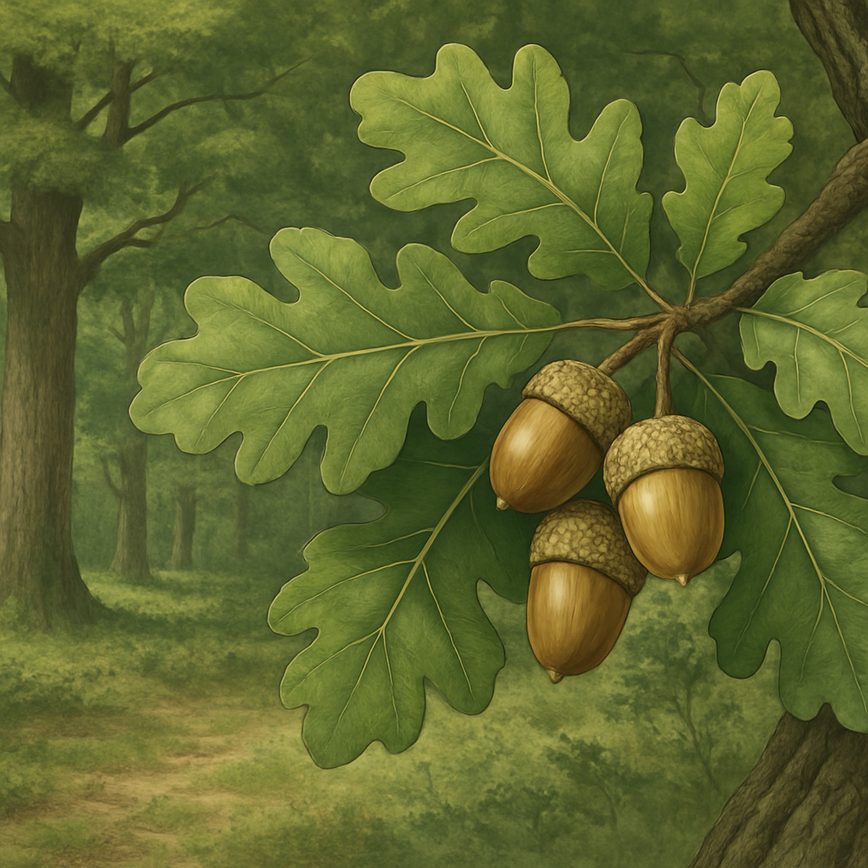
American oak, often derived from the species Quercus alba, is renowned for its robust and distinctive flavor contribution. This oak variety tends to impart bold, sweet notes, such as vanilla, coconut, and caramel, due to its higher levels of lactones. These pronounced aromas make American oak a popular choice in bourbon and some rich, full-bodied wines. Additionally, the grain of American oak is relatively wide, which facilitates more rapid aging and flavor extraction, contributing to its dynamic and assertive flavor profile.
In contrast, French oak typically comes from species such as Quercus robur and Quercus petraea. This oak variety is prized for its more subtle and elegant influence on flavor. French oak provides finer tannins and complex spice notes, including hints of clove, cedar, and subtle smokiness. Its tighter grain results in a slower, more delicate infusion, producing oak flavor profiles that are often described as silky and refined. Winemakers and distillers often use French oak to enhance the complexity and balance of their products without overwhelming the natural flavors.
Besides American and French oak, other oak varieties like Hungarian oak and Eastern European oak are gaining recognition for their unique flavor contributions. These oaks often blend characteristics of the two main types, offering moderate tannin structures and nuanced spice complements. Selecting the appropriate oak variety depends largely on the desired flavor outcome, the type of beverage or food product, and the aging process.
Understanding the differences in oak flavor profiles among various oak species is crucial for artisans and producers aiming to achieve specific sensory qualities. The choice between American oak, French oak, or other oak varieties allows for tailored flavor development that can dramatically alter the taste, aroma, and mouthfeel of the final creation. Whether seeking the bold and sweet essence of American oak or the delicate, spiced subtlety of French oak, each oak variety brings a unique palette of flavors to the table.
American Oak Characteristics
American oak is renowned for its distinctive flavor profile, which significantly enhances the aging process of spirits and wines. One of the key contributors to the american oak flavor is vanillin, a compound that imparts a creamy and sweet vanilla aroma and taste. This element is often more pronounced in American oak compared to other oak species, making it highly desirable in barrel aging for those seeking rich, full-bodied flavor nuances.
In addition to vanillin, American oak barrels introduce a variety of spice notes to the aging liquid. These spice elements can range from mild cloves and cinnamon to subtle hints of nutmeg, creating layers of complexity in the final product. The roasted and toasted characteristics developed during barrel toasting contribute further to these spicy undertones, balancing sweetness with warm, aromatic qualities.
Overall, the combination of pronounced vanillin sweetness and vibrant spice notes gives American oak its unique character. This makes it a preferred choice for aging bourbon, whiskey, and some wines where a bold and flavorful oak influence is desired. The interplay between these flavor compounds enriches the sensory experience, delivering a well-rounded and inviting beverage with depth and warmth.
French Oak Characteristics
French oak is renowned for its elegant and refined flavor profile, which significantly influences the character of wines and spirits aged in it. The tannin structure derived from French oak is typically fine-grained and silky, contributing to a smooth mouthfeel without overpowering bitterness. This quality makes French oak a preferred choice when a subtler, more sophisticated complexity is desired in the flavor profile.
The flavor notes imparted by French oak often include hints of spice, vanilla, and subtle nuttiness, which enhance the original flavors of the beverage. The level of toast applied to the oak barrels plays a critical role in shaping these flavors. Light toasting preserves more of the wood’s natural tannins and imparts delicate aromas of almond and coconut, while medium toast introduces richer vanilla and sweet caramel notes, deepening the complexity.
Heavier toast levels create more pronounced smoky and roasted flavors, which can add layers of depth and intensity to the final product. However, too much toast can overshadow the elegant characteristics typical of French oak, so winemakers carefully select the toast level to balance the imparted flavors. Overall, the combination of fine tannins and carefully controlled toast levels defines the distinct french oak flavor that elevates the sensory experience.
Impact of Oak Aging on Flavor Profiles
The oak aging process plays a crucial role in the development of complex flavor profiles in various beverages, especially wine and spirits. As the liquid ages in oak barrels, chemical interactions occur between the beverage and the wood, leading to an evolution in taste, aroma, and texture. This process, often referred to as flavor maturation, transforms the initial raw flavors into a more harmonious and layered experience for the palate.
Several factors influence the oak aging process. The type of oak used—whether American, French, or Hungarian—impacts the flavor compounds imparted. For example, American oak tends to contribute more pronounced vanilla and coconut notes, while French oak provides subtler, spicier characteristics. The barrel’s toast level also affects the flavors released; a heavy toast can introduce smoky and charred elements, while a lighter toast preserves more natural wood aromas.
Aging time effects are particularly significant in flavor development. As the beverage remains in contact with the oak, it gradually absorbs tannins, lignins, and hemicellulose compounds that contribute to bitterness, sweetness, and vanilla-like aromas. The maturation period allows these elements to integrate and soften over time, producing a rich and balanced profile. However, aging too long can sometimes result in overpowering oak flavors, masking the original character of the beverage.
Environmental factors within the aging cellar, such as temperature and humidity, also shape the oak barrel aging process outcomes. Warmer conditions speed up the extraction of wood characteristics but may cause premature aging, while cooler environments slow the process, allowing for gradual and subtle development. Additionally, the size and condition of the barrel influence how much oxygen interacts with the beverage, further impacting the maturation process.
In summary, the oak aging process is fundamental to creating the intricate flavor profiles admired in aged wines and spirits. By carefully controlling factors such as the choice of oak, barrel treatment, aging time effects, and cellar conditions, producers can guide the flavor maturation to achieve a distinctive and refined final product.
Chemical Changes During Oak Aging
The aging process in oak barrels initiates intricate chemical changes that significantly influence the flavor profile of the beverage. A primary transformation involves oxidation, where controlled exposure to oxygen subtly alters the liquid’s compounds. This delicate oxidation enhances complexity by softening harsh tannins and fostering the development of nuanced aromas and flavors. Oxygen interacts with phenolic compounds extracted from the oak, facilitating polymerization reactions that result in a smoother mouthfeel and richer taste.
Simultaneously, extraction plays a crucial role as the liquid draws various compounds from the oak wood itself. Key flavor constituents such as vanillin, lignins, tannins, and hemicellulose dissolve into the beverage, imparting distinctive notes of vanilla, spice, toast, and caramel. The level of extraction depends on several factors, including the oak’s origin, age, and the level of barrel toasting. These compounds undergo complex interactions and transformations during aging, combining to create a dynamic flavor profile.
Ultimately, the chemical changes in oak aging constitute a flavor transformation that balances the beverage’s original characteristics with the rich, multifaceted qualities derived from the wood. This intricate dance of oxidation and extraction results in a final product celebrated for its depth, harmony, and lasting palatal impression.
Influence of Aging Duration
The duration of aging plays a crucial role in shaping the flavor profile of beverages matured in oak barrels. Aging time directly influences the intensity and complexity of flavors imparted by the oak, as the interaction between the liquid and the wood evolves over the maturation period. Shorter aging periods tend to contribute more delicate and subtle notes, offering hints of vanilla, light toast, and mild spice. As the aging time extends, these flavors deepen and become more pronounced, enriching the beverage with robust oak characteristics.
Extended maturation allows for a greater extraction of oak compounds such as tannins, lactones, and phenols, which significantly enhances the flavor intensity. This prolonged contact not only intensifies the woody and smoky notes but also introduces layers of complexity, including nuances of caramel, chocolate, and dried fruit. However, it is important to balance the aging time carefully, as excessive maturation may lead to overpowering oak flavors that can dominate the natural essence of the beverage.
Ultimately, selecting the optimal aging duration depends on the desired flavor profile and the characteristics of the liquid being aged. Winemakers and distillers often experiment with varying periods to find the perfect balance where oak influences complement rather than overshadow the inherent qualities. By understanding how aging time affects flavor intensity and complexity, producers can tailor their maturation processes to achieve distinct and refined outcomes in their final products.

Winemaker with 12 years in the cellar. I write about fermentation, terroir, and the honest mistakes that taught me more than any textbook. I’ve ruined more barrels than most people have tasted. That’s not a disclaimer — that’s a résumé. Twelve years making wine in France, now making sense of it in words.