
Understanding the Basics of Wine and Seafood Pairing
Wine and seafood pairing is an art that relies on understanding several key principles to create harmonious and enjoyable dining experiences. At the core of pairing principles lies the concept of flavor matching and taste balance, which helps to highlight and complement the unique characteristics of both the wine and the seafood dish.
One of the first factors to consider in wine and seafood pairing is the flavor profile of the seafood. Seafood has a delicate and sometimes subtle flavor, which means strong or heavily oaked wines can easily overpower the dish. Light-bodied white wines with crisp acidity are often ideal as they complement the mild and fresh taste of most seafood. For example, a Sauvignon Blanc or Pinot Grigio can enhance the natural flavors of shellfish without overwhelming them.
Acidity plays a crucial role in pairing wine with seafood. A wine with a good level of acidity can cleanse the palate by cutting through the richness or oiliness found in some seafood like salmon or mackerel. This acid balance prevents the pairing from feeling too heavy and ensures that the flavors remain bright and refreshing. Wines such as Chablis or Champagne are excellent choices when you want to balance the creamy or buttery textures often found in seafood dishes.
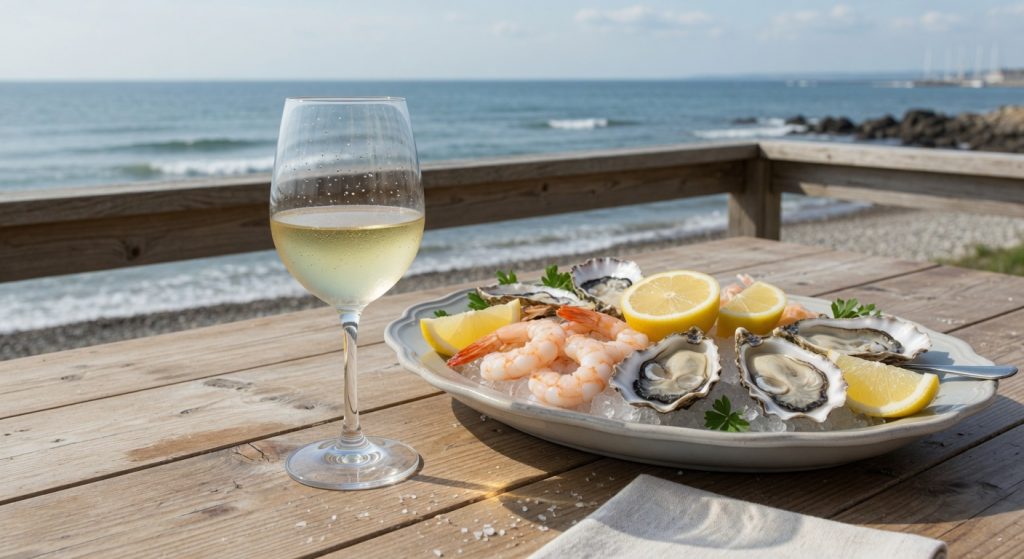
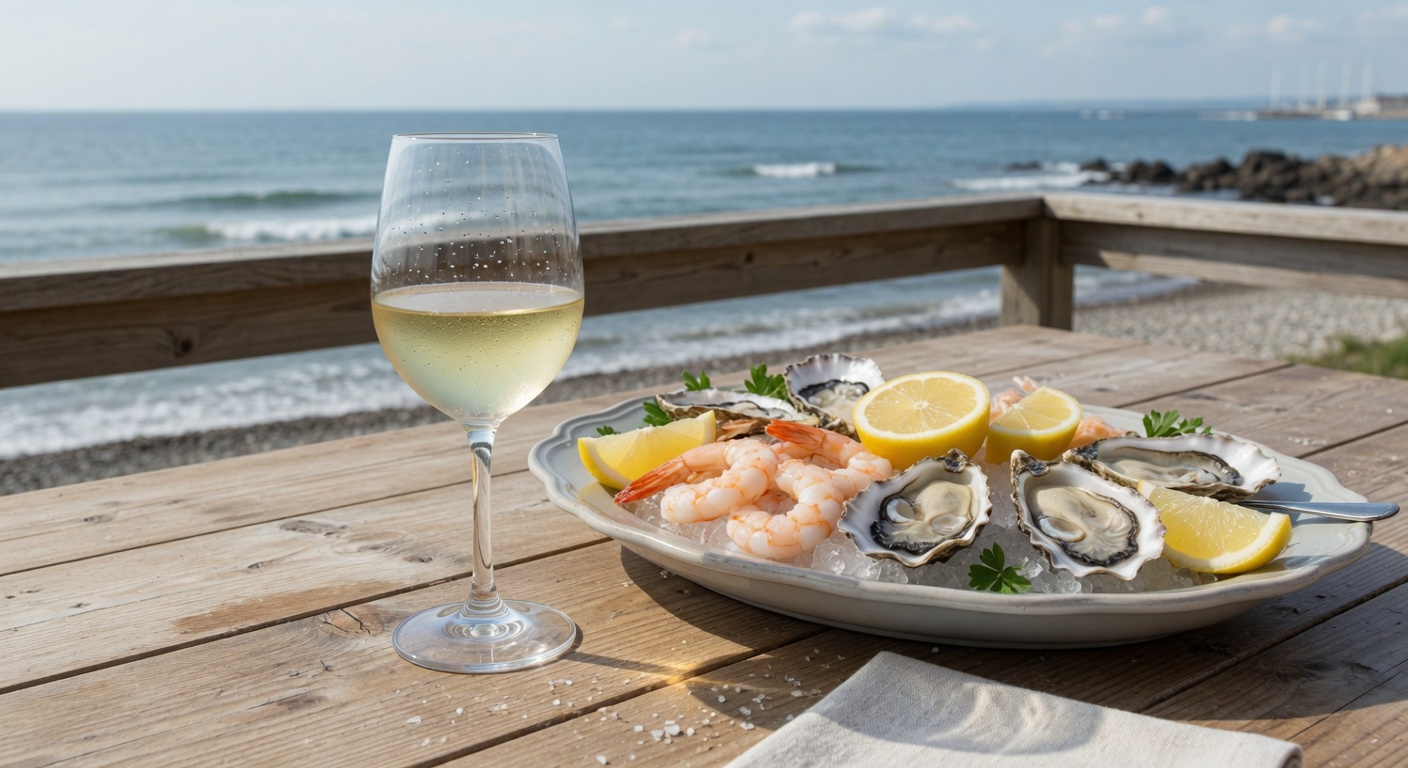
Texture consideration is another vital aspect of successful wine and seafood pairing. The texture of the wine should ideally match or contrast pleasingly with the texture of the seafood. For example, a bubbly, effervescent sparkling wine pairs wonderfully with the firm texture of oysters, while a rich, full-bodied white wine can complement the tender and flaky texture of grilled fish. The goal is to create a balance where both the wine and seafood enhance each other without one overshadowing the other.
Ultimately, successful wine and seafood pairing requires attention to the subtle interplay of flavor profiles, acidity, and texture. By following these pairing principles, you can achieve a taste balance that elevates your dining experience and brings out the best in both your wine and seafood. Whether you prefer crisp and light wines or richer, more complex options, understanding these fundamental principles will help you make confident pairing choices every time.
Why Pairing Matters
The importance of pairing wine and seafood cannot be overstated when it comes to enhancing the overall dining experience. Proper pairing serves as a bridge that connects the flavors of the wine with the delicate and distinct taste of seafood, elevating both components to new heights. This synergy is essential because the right wine can complement and accentuate the natural sweetness, saltiness, and texture of seafood, creating a harmonious balance on the palate.
When wine is thoughtfully paired with seafood, it brings out subtle flavor notes that might otherwise go unnoticed. For example, a crisp, acidic white wine can cut through the richness of buttery lobster or creamy scallops, refreshing the palate with each sip. Meanwhile, a mineral-driven wine can match the briny, oceanic qualities of shellfish, highlighting the sea-inspired nuances and making the taste experience more vivid and memorable.
Ultimately, the importance of pairing lies in its ability to create a more enjoyable and sophisticated meal. This attention to detail not only enhances flavors but also allows diners to appreciate the complexity and craftsmanship behind both the wine and seafood. By carefully selecting wine to match specific types of seafood, you unlock a dynamic taste experience that delights the senses and leaves a lasting impression.
Key Factors to Consider
When pairing wine with seafood, several key factors come into play that can significantly enhance the dining experience. One of the most important is acidity. Seafood often has a delicate, fresh flavor profile that benefits greatly from the crispness and brightness that acidic wines provide. High acidity in wine can cut through the natural oils and richness of certain seafood types, creating a balanced and refreshing combination.
Texture is another crucial consideration. The texture of both the seafood and the wine should complement each other. For example, a flaky and tender fish like sole pairs well with light-bodied white wines that have a smooth mouthfeel, whereas firmer seafood like lobster or crab can stand up to fuller-bodied whites or even some lighter reds with more structure. Matching textures ensures that neither the wine nor the seafood overwhelms the palate.
Seafood types vary widely, from shellfish to oily fish, and each type has its unique characteristics that influence the ideal wine pairing. Generally, lighter seafood pairs best with lighter wines, while richer, meatier seafood may call for wines with more body and complexity. Understanding these differences is essential for a successful pairing.
Finally, temperature plays a subtle but important role. Both the serving temperature of the wine and the temperature at which the seafood is enjoyed can affect the interaction of flavors and textures. Cooler wines tend to enhance the brightness and freshness of seafood dishes, making the overall pairing more harmonious.
Popular Wine and Seafood Pairings
- Chardonnay and Lobster: Chardonnay is one of the most popular pairings for lobster due to its rich, buttery flavors and full body. The oak aging in many Chardonnays brings out creamy notes that perfectly complement the succulent and slightly sweet taste of lobster meat. The acidity in Chardonnay also helps to balance the richness of lobster dishes, making this pairing a classic favorite.
- Sauvignon Blanc and Shellfish: Sauvignon Blanc and shellfish are a match made in heaven. This wine’s crisp acidity and bright citrus flavors work wonderfully with the briny, fresh qualities of shellfish like oysters, clams, and mussels. The herbaceous and mineral notes often found in Sauvignon Blanc enhance the natural flavors of shellfish without overpowering them.
- Rosé and Shrimp: Rosé wines have gained popularity as a versatile seafood pairing, especially with shrimp. The light, fruity, and slightly floral profile of rosé pairs beautifully with the delicate sweetness of shrimp. Whether served chilled in summer or as part of a warm seafood dish, rosé complements shrimp’s subtle flavors and adds a refreshing contrast.
- Riesling and Spicy Seafood: For those enjoying spicy seafood dishes like Cajun or Asian cuisine, Riesling is an excellent choice. Its natural sweetness and vibrant acidity help to cool down heat from spices while enhancing the flavor complexity of the dish. Riesling’s aromatic qualities also add a pleasing contrast to intense seafood flavors.
- Pinot Grigio and White Fish: The light, crisp nature of Pinot Grigio pairs perfectly with mild white fish such as cod or sole. Its refreshing acidity and subtle fruitiness complement the clean flavors of the fish without overwhelming them, making it ideal for simple, light seafood preparations.
- Champagne and Caviar or Oysters: Champagne’s sparkling acidity and effervescence cut through the richness of luxurious seafood like caviar or oysters. The wine’s yeasty, toasty notes provide a lovely balance to the salty, briny flavors, making it a sophisticated pairing for special occasions.
White Wines with Shellfish
White wines such as Sauvignon Blanc and Chablis make exceptional matches for a variety of shellfish including oysters, clams, and mussels. Their crisp acidity and mineral-driven profiles complement the delicate brininess of shellfish, creating a perfect balance on the palate. Sauvignon Blanc, known for its vibrant citrus and green herb notes, enhances the fresh flavors of shellfish without overpowering them. This makes it an ideal white wine for shellfish pairing, as its bright and zesty character mirrors the natural oceanic essence of these seafood delights.
Chablis, a French white wine made from Chardonnay grapes, is another outstanding choice for pairing with shellfish. Its hallmark flinty minerality and clean, lean structure directly complement the subtle sweetness and texture of clams and mussels. The wine’s acidity cuts through the richness of shellfish, cleansing the palate with every sip and allowing the natural flavors of both the wine and the seafood to shine. This harmonious interaction elevates the dining experience, making every bite and sip memorable.
When selecting a white wine for shellfish pairing, look for wines with bright acidity and mineral notes — traits that Sauvignon Blanc and Chablis deliver beautifully. Together, they enhance the ocean-fresh qualities of shellfish and create a refined and refreshing combination that is well-loved by seafood aficionados and casual diners alike.
Rosé and Light Fish Pairings
Rosé wine is an excellent choice for pairing with lighter fish dishes due to its bright acidity and subtle fruit flavors that enhance rather than overpower the delicate nature of these foods. When it comes to pairing tips, rosé’s versatility and refreshing character make it a natural match for a variety of light fish preparations.
One popular example is grilled salmon, where the wine’s crispness cuts through the richness of the fish, balancing its flavor without masking it. The slight berry notes in rosé elevate the salmon’s natural taste, creating a harmonious interaction on the palate. This pairing highlights the freshness of both the wine and the fish, making it especially delightful in warm weather or as part of a light meal.
Additionally, rosé’s moderate tannins and fruit-forward profile provide a refreshing drinking experience that complements not only grilled salmon but also other lighter fish such as sea bass, sole, and trout. Its ability to stand up to gentle seasoning and herbs without overwhelming the dish makes it a go-to wine for those seeking a bright, balanced, and enjoyable pairing.
Overall, rosé wine paired with light fish offers a refreshing and elegant dining experience, perfect for bringing out the best in both the food and the wine. Whether you’re serving it with grilled salmon or other delicate fish dishes, this pairing ensures a delightful harmony of flavors that enhances the mealtime enjoyment.
Sparkling Wines with Fried Seafood
The pairing of sparkling wine with fried seafood is gaining significant popularity among food and wine enthusiasts alike. This combination offers a delightful contrast that enhances the dining experience. One of the primary pairing benefits is the unique cleansing effect of the bubbles on the palate. The effervescence of sparkling wines, including champagne, cuts through the rich, often greasy texture of fried seafood, refreshing the taste buds between bites.
Champagne and fried food have long been a celebrated duo, but sparkling wines in general are now taking their place alongside a wide variety of fried seafood dishes. The lively carbonation in sparkling wine acts almost like a palate cleanser, breaking down the oiliness and leaving the mouth feeling light and ready for the next bite. This makes the experience more balanced and enjoyable, preventing the heaviness that can sometimes overwhelm the flavors in fried seafood.
Additionally, the acidity in sparkling wine complements the crispy, savory notes of fried seafood, enhancing the flavors and adding brightness to the overall taste profile. Whether it’s tempura shrimp, fried calamari, or crispy fish, pairing these dishes with a well-chilled sparkling wine brings out a harmony of textures and flavors, expanding the versatility of sparkling wines beyond traditional occasions. This trend is quickly becoming a favorite choice for those seeking an elevated and refreshing seafood experience.
Tips for Pairing Wine with Different Types of Seafood
Pairing tips for seafood vary greatly depending on the type of seafood and its flavor profile. When selecting a wine, it’s important to consider the delicacy and richness of the seafood to enhance your dining experience fully. Light seafood types such as white fish, shellfish, and sushi typically pair best with crisp, refreshing white wines. Sauvignon Blanc, Pinot Grigio, and Albariño are popular choices that complement the subtle flavors without overpowering them.
For more flavorful seafood like lobster, crab, and scallops, a richer white wine such as Chardonnay or Viognier works wonderfully. These wines have enough body and complexity to match the richer textures and sweeter flavors of these shellfish. Avoid overly oaked Chardonnays; instead, opt for those with balanced acidity to complement the creamy and buttery notes of the seafood.
When it comes to oily fish like salmon, mackerel, or tuna, the wine selection can be a bit more versatile. You can explore fuller-bodied white wines such as oaked Chardonnay or even lean into some red wine options. Light-bodied reds like Pinot Noir or Gamay (Beaujolais) have enough acidity and gentle tannins to pair well without clashing with the oily texture, providing a delightful alternative for red wine lovers.
Rich, meaty seafood such as swordfish or bluefin tuna call for bolder red wine options. Medium-bodied reds like Merlot, Grenache, or even a young Tempranillo can stand up to the intensity and firm texture of these seafood types. Their fruit-forward profiles and moderate tannins provide balance, making your meal enjoyable without overwhelming the flavors.
To summarize, successful wine selection for seafood involves understanding the seafood types from light to rich flavors and choosing wines that either complement or contrast their characteristics. Whether you prefer white or red wine options, matching the wine’s body, acidity, and flavor intensity to the seafood ensures a harmonious pairing. Experimentation is encouraged, but these practical pairing tips will help guide your choices for a memorable seafood and wine experience.
Pairing Wine with Oily Fish
Oily fish such as mackerel and salmon possess rich, full-bodied flavors that call for equally dynamic wine pairings. When considering wine pairing strategies for these fish, it’s essential to select wines that balance their oily texture while complementing their robust taste. Pinot Noir and Gewürztraminer are two standout options that excel in this regard.
Pinot Noir, with its bright acidity, red fruit nuances, and subtle earthiness, is a classic choice for oily fish. The acidity cuts through the richness of the fish, cleansing the palate, while the wine’s delicate flavors enhance the natural taste of mackerel or salmon without overpowering it. This pairing works especially well when the fish is grilled or smoked, allowing the wine’s complexity to shine alongside the smoky notes.
Alternatively, Gewürztraminer offers a different but equally effective wine pairing approach. Known for its aromatic profile and slightly sweet undertones, Gewürztraminer beautifully complements the oiliness and sometimes stronger flavors of these fish. The wine’s perfumed, floral character and vibrant acidity provide a refreshing counterbalance, making it a great choice for preparations with richer sauces or spices.
In summary, pairing oily fish like mackerel and salmon with wines such as Pinot Noir and Gewürztraminer elevates the dining experience by harmonizing contrasting textures and flavors. Selecting either wine depends on the preparation and accompanying ingredients, but both options offer elegant and satisfying pairings that highlight the best qualities of oily fish.
Pairing Wine with Crustaceans
When it comes to pairing wine with crustaceans such as lobster and crab, the key is to complement the rich, buttery flavors and delicate sweetness of the seafood. Buttery and oaked Chardonnay is a classic wine match for crustaceans, as it beautifully enhances their luxurious texture and flavor profile. The creamy texture and subtle oakiness of this wine echo the savory richness found in lobster and crab meat, creating a harmonious balance on the palate.
Choosing a Chardonnay with a restrained oak influence allows the natural flavors of the crustaceans to shine through while adding layers of complexity. For instance, a full-bodied Chardonnay with notes of vanilla, butter, and toasted almonds pairs exceptionally well with lobster drenched in drawn butter or crab cakes. The wine’s acidity cuts through the richness, refreshing the palate between bites.
Alternatively, if you prefer a lighter wine, a unoaked Chardonnay can offer bright citrus and green apple notes that complement the sweetness of crab meat and enhance the freshness of seafood dishes. However, when focusing on traditional, buttery crustacean dishes, the oaked variety remains top choice for wine pairing.
In summary, to pick the best wine match for crustaceans, lean towards a buttery and oaked Chardonnay that highlights the luxurious texture and flavors of lobster, crab, and similar seafood, making each bite more enjoyable with every sip.

Winemaker with 12 years in the cellar. I write about fermentation, terroir, and the honest mistakes that taught me more than any textbook. I’ve ruined more barrels than most people have tasted. That’s not a disclaimer — that’s a résumé. Twelve years making wine in France, now making sense of it in words.