Understanding Wine Aging Potential
Wine aging potential refers to the ability of a wine to improve in quality, flavor, and complexity over time when stored under proper conditions. This concept is crucial for wine enthusiasts and collectors who seek to experience the evolution of a wine beyond its initial release. Understanding wine aging allows one to appreciate how various factors such as grape variety, winemaking techniques, and storage conditions influence wine longevity and maturation.
The aging potential of a wine depends largely on its structure, including acidity, tannins, alcohol content, and sugar levels. Wines with higher acidity and tannins often have greater aging potential, as these elements act as natural preservatives, enabling the wine to mature gracefully over years or even decades. On the other hand, wines that are designed for early consumption, like many light, fresh whites or simple reds, typically have limited aging potential and are best enjoyed young.
For collectors, understanding aging potential is vital for making informed decisions about which wines to purchase and cellar. Investing in wines with long aging potential can enhance the wine’s value and provide a rewarding tasting experience over time. It also helps in planning the optimum time to open and enjoy the wine, as premature consumption might obscure the true character that maturity can reveal.
Moreover, knowledge of aging potential enriches the appreciation of wine as a dynamic product that changes and develops new aromas, textures, and flavors through maturation. It turns wine consumption into a journey of discovery, where enthusiasts track the transformation from youthful vibrancy to mature elegance. In essence, wine aging potential is a key aspect that deepens the relationship between wine lovers and their collections, fostering a greater connection to the art and science of winemaking.
Definition of Wine Aging Potential
Wine aging potential refers to the capacity of a wine to improve and develop desirable qualities over time when properly stored. This concept is central to understanding the nuances of wine maturity, which is the stage at which a wine reaches its optimal balance of flavors, aromas, and texture. Understanding wine aging definition helps enthusiasts and collectors anticipate how a wine might evolve in complexity and character beyond its immediate consumption.
What is aging potential? It is determined by several factors, including the wine’s grape variety, tannin structure, acidity, sugar content, and overall balance. Wines with high aging potential tend to have stronger tannins, higher acidity, and robust flavors that can withstand and benefit from prolonged cellaring. Over time, these wines gradually develop secondary and tertiary aromas—such as nutty, earthy, or spicy notes—that contribute to a richer tasting experience.
The significance of wine aging potential lies in its ability to transform a wine’s profile, often increasing its value and appreciation. For collectors and connoisseurs, understanding which wines have strong aging potential allows for strategic investment and enjoyment at the wine’s peak maturity. Properly aged wines offer a more complex, refined experience compared to their youthful counterparts, making the knowledge of wine aging an essential aspect of wine appreciation.
Factors Influencing Aging Potential
The aging potential of wine is determined by several key aging factors, which deeply influence the wine characteristics over time. One of the primary factors is the grape variety used in the production. Different grape varieties have varying levels of natural tannins, acidity, and sugar content, all of which contribute to how well a wine can age. For instance, Cabernet Sauvignon and Nebbiolo grapes are known for their strong tannic structure, which allows wines made from them to age gracefully for many years.
Tannins play a crucial role as they act as natural preservatives, providing the structural backbone that supports long-term aging. Wines with higher tannin content typically develop more complex flavors and soften in texture as they mature. Acidity is another essential factor that influences aging; a higher acidity helps maintain the wine’s freshness and prevents it from becoming dull over time. This balance between tannins and acidity is vital to preserving the wine’s integrity during the aging process.
Storage conditions also have a significant impact on the wine’s aging potential. Temperature control, humidity, and light exposure directly affect how well the wine ages. Ideal storage environments maintain a consistent, cool temperature (around 55°F or 13°C) with moderate humidity levels, which help slow the aging process and protect the wine from spoilage. Poor storage, on the other hand, can accelerate deterioration and result in loss of flavor and aroma.
Understanding these key influences on aging allows wine enthusiasts to better anticipate how a particular wine will evolve. By considering grape variety, tannins, acidity, and proper storage, one can make more informed decisions about when to enjoy their wine at its peak or cellar it for future enjoyment.
Evaluating Wine for Aging
When it comes to wine evaluation, selecting wines with the potential to age gracefully requires a keen understanding of specific aging indicators. Not all wines benefit from prolonged cellaring; hence, quality assessment plays a pivotal role in determining which bottles will improve over time. To identify wines suited for aging, one must look for certain characteristics that signal longevity and development potential.
Firstly, acidity is a fundamental aging indicator. Wines with high acidity typically have a refreshing vibrancy that aids preservation and allows flavors to evolve. Whether it’s a crisp white or a structured red, acidity acts as the backbone during the aging process, maintaining balance as other components soften and meld together.
Tannin structure is another critical factor in assessing wine for aging. Tannins provide texture and astringency, especially in red wines, and their presence suggests the wine can withstand the passage of time. A wine with firm but well-integrated tannins will likely develop complexity and roundness as it matures. Conversely, wines with weak or overly harsh tannins may not benefit from long-term aging.
Concentration of fruit flavors and alcohol content also influence aging potential. A wine with concentrated, intense fruit flavors often indicates a robust profile that can endure aging. Alcohol, when balanced, aids in preservation but excessive levels can prematurely age the wine. Harmony between these elements ensures the wine can evolve gracefully.
Finally, the wine’s overall balance and structure must be considered in the quality assessment. A well-balanced wine, where acidity, tannins, alcohol, and flavor intensity complement each other, has the best chance of developing positively over time. Unbalanced wines might deteriorate instead of improve. Additionally, personal preference should guide the decision process, but understanding these aging indicators enhances one’s ability to select wine to age with confidence.
In summary, evaluating wine for aging involves a careful examination of acidity, tannin structure, fruit concentration, alcohol, and overall balance. Mastering these aging indicators empowers wine enthusiasts to make informed choices, ensuring that the wines they select to age will deliver rewarding experiences over the years.
Tasting and Visual Cues
When evaluating the aging potential of a wine, careful wine tasting and visual inspection are essential. One of the first aging potential indicators is the wine’s color. Young red wines typically display vibrant purples and ruby hues, while wines that have started to age take on garnet or brick-red tones. White wines, on the other hand, darken from pale straw to deeper golden shades as they mature. These color shifts can hint at the wine’s oxidation level and development stage, both crucial for assessing longevity.
The wine’s tannin structure is another critical factor. Tannins are bitter compounds found mostly in red wines, providing a backbone that helps preserve the wine over time. Wines with firm, well-integrated tannins tend to have greater aging potential, as these compounds soften and evolve during maturation, enriching the wine’s complexity and mouthfeel. Conversely, wines with thin or harsh tannins may not age as gracefully.
Acidity also plays a vital role as an aging potential indicator. Wines with high acidity maintain freshness and balance as they age, preventing them from becoming flat or dull. Acidity acts as a natural preservative, supporting the wine’s structure and enhancing its flavor profile through the aging process. Together, these wine characteristics—color, tannin structure, and acidity—provide reliable visual and tasting cues to gauge a wine’s ability to improve with age.
Wine Types with High Aging Potential
When exploring aging wine types, certain red wines and white wines stand out for their exceptional aging potential. These varieties offer enhanced flavors and complexities as they mature, making them prized choices for collectors and enthusiasts looking for wine varieties to age properly.
- Cabernet Sauvignon: One of the most renowned red wines for aging, Cabernet Sauvignon develops rich tannins and deep flavors of blackcurrant, cedar, and tobacco over time. Iconic examples come from Bordeaux and Napa Valley.
- Pinot Noir: Known for its lighter body but complex structure, Pinot Noir from regions like Burgundy can age gracefully, revealing layered aromas of cherry, earth, and spice.
- Syrah/Shiraz: This red wine boasts strong aging potential with flavors of dark fruits, pepper, and smoky undertones that evolve beautifully over years, especially from Northern Rhône and Barossa Valley.
- Chardonnay: Among white wines, high-quality Chardonnay, especially from Burgundy, ages well, developing creamy, nutty, and honeyed notes that enrich the wine.
- Riesling: Particularly when produced in cooler climates like Germany’s Mosel, Riesling can age for decades, improving in complexity with vibrant acidity balancing sweet and mineral characters.
- Merlot: Known for its softer tannins, aged Merlot from regions like Bordeaux yields plush, velvety textures with rich fruit and earthy flavors.
- Sangiovese: The grape behind Chianti and Brunello di Montalcino, Sangiovese exhibits excellent aging potential, combining bright acidity with savory cherry and herbal qualities.
Best Practices for Aging Wine at Home
Aging wine at home can be a rewarding experience if done with care and attention to detail. Proper wine storage is crucial to maximize the aging potential of your bottles, allowing the flavors and aromas to develop fully over time. Ensuring consistent cellar conditions is the first step towards successful wine preservation.
Temperature control is vital when aging wine at home. The ideal temperature range is between 55°F and 59°F (13°C to 15°C). Fluctuations can cause the wine to expand and contract, potentially pushing the cork out or letting unwanted air in, which accelerates spoilage. Avoid storing wine in areas with direct sunlight or near heat sources, as light and heat deteriorate wine quality quickly.
Humidity also plays an important role in wine storage. Maintaining a humidity level around 70% helps keep corks moist and tight, preventing air from entering the bottle. If the environment is too dry, corks can shrink, leading to oxidation. Using a humidifier in your cellar or storage area can help maintain proper conditions.
Another critical factor is the positioning of the bottles. Store wine horizontally so the liquid stays in contact with the cork, preventing it from drying out. If the cork dries out, air can seep in, compromising the wine’s aging potential. Additionally, keep bottles away from vibrations caused by appliances or frequent movement, as vibrations can disturb sediment and speed up chemical reactions.
Ventilation in your wine cellar or storage area is essential to prevent mold growth and musty odors, which might affect the cork and wine taste. A well-ventilated space with stable temperature and humidity levels creates the ideal environment for wine preservation.
Investing in wine storage solutions such as wine refrigerators or dedicated wine racks can help maintain cellar conditions suitable for aging wine at home. These tools provide consistent temperature and humidity, protecting your wine collection and allowing it to reach its full potential.
By following these best practices for wine storage and cellar conditions, you can enjoy the unique experience of aging wine at home and savor exquisite flavors that develop over time.
Optimal Storage Conditions
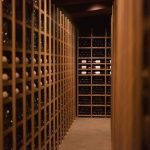
Proper storage conditions are essential to maximize the aging potential of wine. A dedicated wine cellar is the ideal environment, designed to maintain stable conditions that protect the wine’s integrity over time. The most critical factor is storage temperature. Wine should be stored at a consistent temperature, ideally between 50°F and 59°F (10°C to 15°C). Fluctuations in temperature can cause the wine to expand and contract, which may lead to premature aging and spoilage.
Humidity control is equally important in a wine cellar. Maintaining relative humidity levels between 60% and 70% helps to keep corks moist, preventing them from drying out and allowing air to seep into the bottle. Excessive dryness can cause cork shrinkage, while too much humidity can encourage mold growth, so balancing this is key for long-term storage.
Light exposure should be minimized, as ultraviolet rays can degrade and prematurely age wine by breaking down its compounds. Wine bottles are best stored in dark conditions or kept in UV-protected glass shelves within the wine cellar. Avoid direct sunlight or bright artificial light to preserve the wine’s flavor and aroma during its aging process.
Common Mistakes to Avoid When Aging Wine
One of the most frequent wine aging mistakes is incorrect storage. Many enthusiasts store wine in areas with fluctuating temperatures, which can cause premature aging or spoilage. Ideally, wine should be stored in a cool, consistent environment between 50-59°F (10-15°C). Temperature spikes can expand and contract the liquid, forcing air into the bottle and damaging the wine’s quality.
Another common error is exposing wine to light. Direct sunlight or strong artificial lighting can degrade wine by breaking down its chemical compounds, leading to off-flavors. To prevent wine damage, always store bottles in a dark place or use protective boxes or wine fridges with UV-resistant glass.
Incorrect humidity levels are also a culprit behind wine spoilage. If the air is too dry, corks can shrink and let air in, spoiling the wine. Conversely, excessive humidity can encourage mold growth. Aim for around 70% humidity to keep corks moist and secure while avoiding mold issues.
Vibration is another overlooked factor. Constant movement can disturb the sediment and accelerate the aging process negatively. Choose a vibration-free storage area for optimal aging. By avoiding these common wine aging mistakes, you can better preserve your collection and enjoy your wine at its finest.

Winemaker with 12 years in the cellar. I write about fermentation, terroir, and the honest mistakes that taught me more than any textbook. I’ve ruined more barrels than most people have tasted. That’s not a disclaimer — that’s a résumé. Twelve years making wine in France, now making sense of it in words.