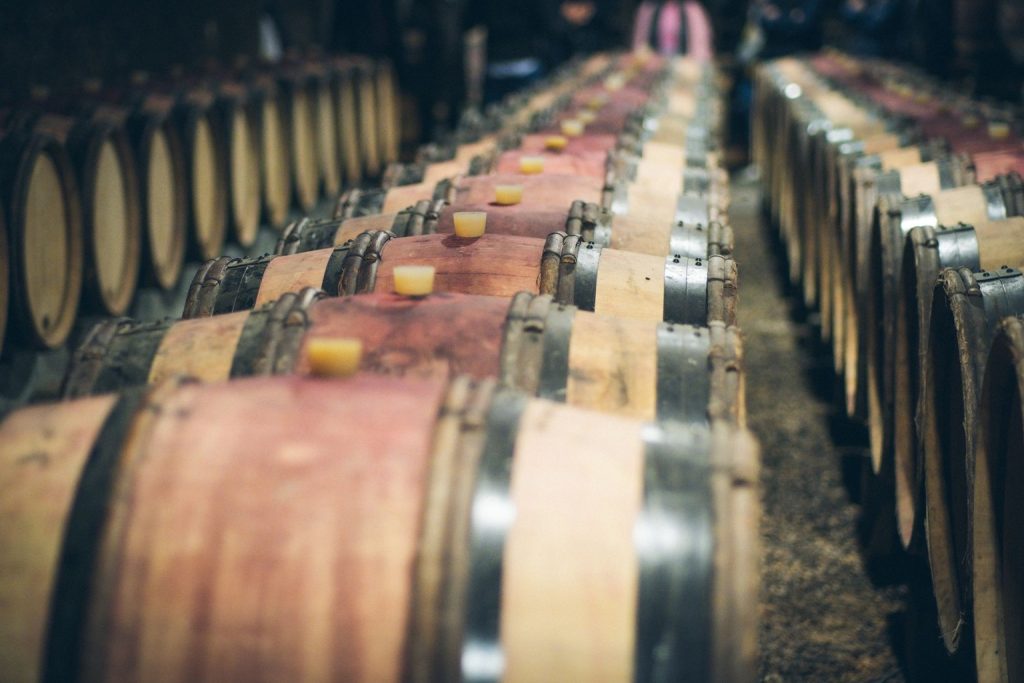
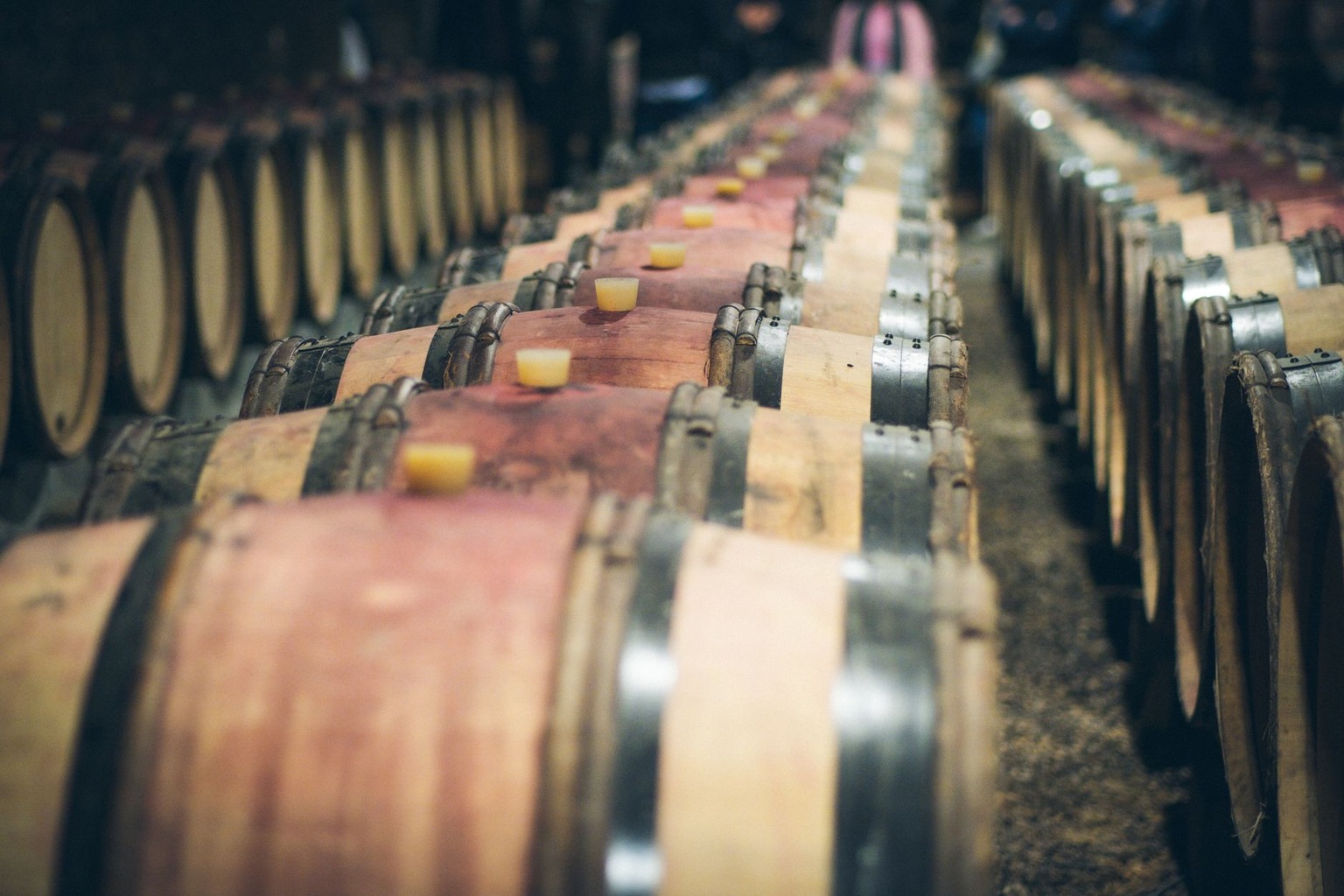
Louisiana stands as a cornerstone of American viticulture, blending a rich tapestry of soil, climate, and centuries of winemaking tradition. The state’s unique terroir, shaped by the Mississippi River’s silt and the Gulf’s humidity, produces wines that carry a distinct sense of place. From the crisp, mineral-driven whites of the north to the bold, fruit-forward reds of the south, Louisiana offers a diverse palette for the modern connoisseur. This exploration delves into how the state’s emerging wine scene intersects with its most iconic culinary expressions, creating a dialogue between glass and plate that defines the region’s evolving identity. As we look toward 2026, the conversation naturally turns to the pairing of time-honored dishes with the next generation of Louisiana labels.
Heritage and Terroir in the Bayou State
The story of Louisiana wine begins long before the first bottle was corked. The region’s viticultural heritage is a mosaic of French, Spanish, and Acadian influences, each leaving an indelible mark on the land. Early settlers brought cuttings from Europe, attempting to graft Vitis vinifera onto the native soil, a struggle that shaped the resilience of the vines grown today. Modern winemakers in Louisiana have embraced both these historic roots and innovative techniques, focusing on hybrid grapes that can withstand the humid subtropical climate. The result is a wine profile that balances traditional European characteristics with a distinct Southern flair, offering notes of citrus, stone fruit, and a subtle saline minerality that mirrors the nearby waters. This foundation is essential for understanding why Louisiana wines pair so dynamically with the region’s famed cuisine.
The Rise of Hybrid Varietals
In recent decades, there has been a deliberate shift toward planting hybrid varieties that offer better disease resistance and adaptability to the local environment. Grapes such as Vidal Blanc, Chambourcin, and Maréchal Foch have become staples in Louisiana vineyards, allowing producers to reduce reliance on chemical interventions while maintaining quality. These hybrids often produce wines with intense aromatics and a robust structure that can stand up to the bold flavors of the region. For the consumer, this means access to wines that are both sustainable and expressive of their specific vineyard site. The focus on these varieties represents a pragmatic approach to winemaking that honors the land’s limitations while pushing the boundaries of flavor.
Gumbo Jambalaya and the Art of Pairing
When discussing the intersection of food and wine in Louisiana, the conversation inevitably circles back to the legendary dishes of gumbo and jambalaya. These stews and rice-based meals are complex, layering spices, proteins, and textures in a single pot. The challenge for any wine pairing is to find a label that can complement the heat of the cayenne, the richness of the roux, and the savory depth of the seafood or sausage without overwhelming the palate. A well-chosen Louisiana white, with its bright acidity and citrus notes, can cut through the richness of a seafood gumbo, while a medium-bodied red with soft tannins can bridge the gap between the smoky Andouille and the tender rice of a jambalaya. The synergy between these dishes and local vintages is not merely culinary; it is a reflection of the state’s ability to produce beverages that echo the complexity of its plates.
Regional Expressions and Climate Impact
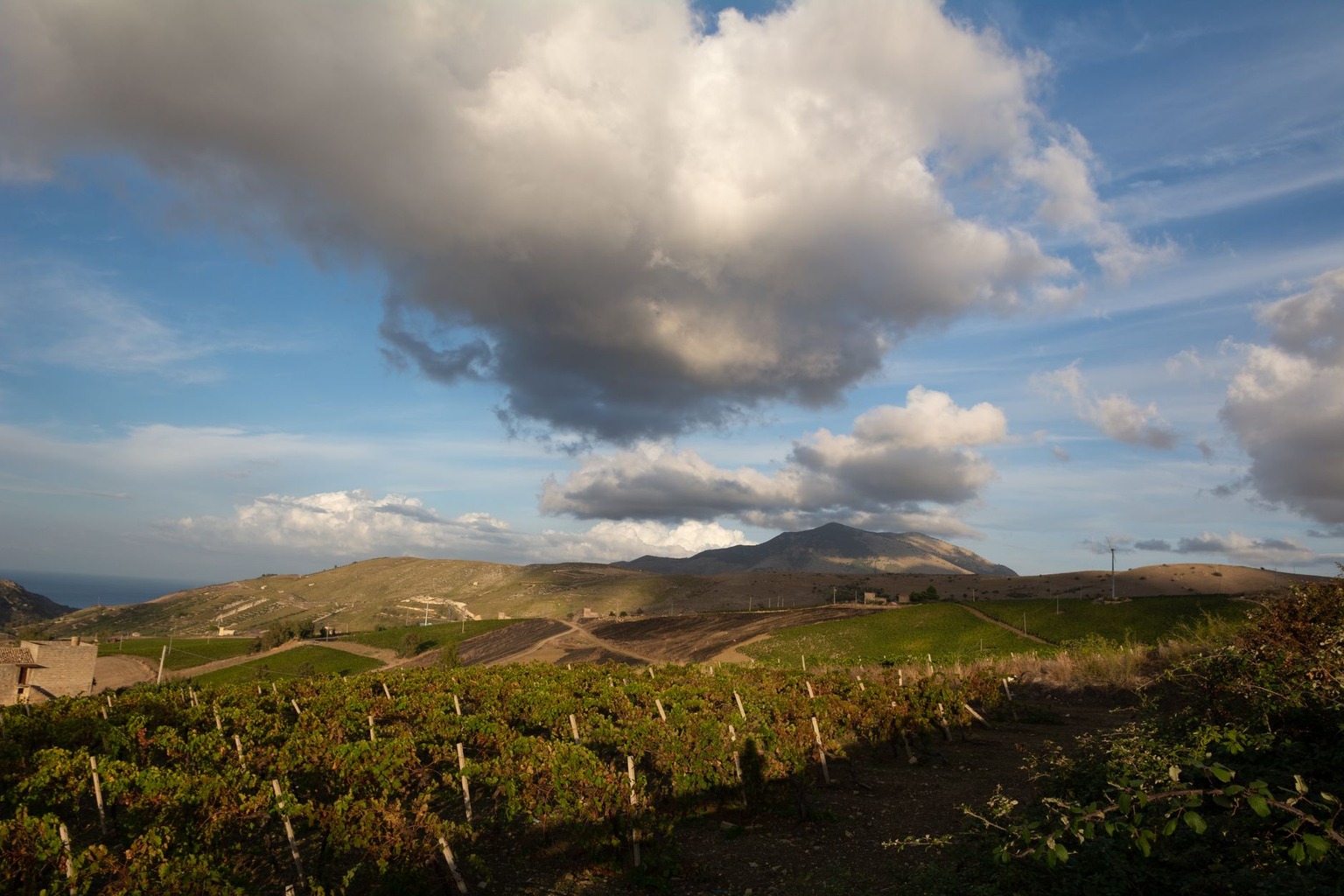
The diversity of Louisiana’s AVAs (American Viticultural Areas) creates a spectrum of wine styles that vary dramatically from one parish to another. In the cooler, more elevated regions of the north, winemakers produce crisp, aromatic whites that showcase the grape’s natural acidity. Conversely, the southern regions, closer to the Gulf, yield riper, more full-bodied reds and whites with a lush, rounded mouthfeel. This geographic variance is a direct result of the state’s topography and the moderating influence of its waterways. For the enthusiast, exploring these regional differences offers a map of the state’s character, one glass at a time. Understanding these nuances is key to selecting the perfect bottle to accompany a specific regional dish.
Sustainability and the Future of Louisiana Wine
Looking ahead to 2026 and beyond, sustainability is becoming a central theme for Louisiana’s winegrowers. Facing the challenges of climate change, including increased rainfall and shifting temperature patterns, many vineyards are adopting regenerative practices. This includes cover cropping, reduced tillage, and the integration of native flora to promote biodiversity. These efforts not only protect the environment but also enhance the quality of the fruit, as healthier vines produce more balanced wines. The commitment to sustainable viticulture ensures that the unique terroir of Louisiana will be preserved for future generations. It also signals a maturing industry that values long-term land health over short-term yields.
For those new to the Louisiana wine scene, the tasting experience can be surprisingly approachable yet deeply rewarding. A typical tasting flight might begin with a Vidal Blanc, offering notes of green apple and honeysuckle, perfect for an appetizer or light salad. Moving toward the reds, a Chambourcin might present flavors of dark cherry and spice, ideal for those exploring the heartier side of the menu. When selecting a bottle to pair with a traditional gumbo jambalaya, look for labels that emphasize balance and acidity rather than heavy oak or high alcohol. Engaging with local sommeliers or visiting tasting rooms can provide personalized recommendations that enhance the overall dining experience. The goal is to find a wine that feels like a natural extension of the meal, enhancing rather than competing with the flavors.

Winemaker with 12 years in the cellar. I write about fermentation, terroir, and the honest mistakes that taught me more than any textbook. I’ve ruined more barrels than most people have tasted. That’s not a disclaimer — that’s a résumé. Twelve years making wine in France, now making sense of it in words.