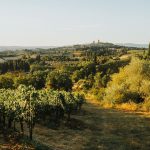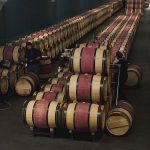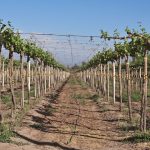
The Bayou State’s relentless humidity isn’t just a summer nuisance, it’s a defining force behind the bold, layered profiles of Louisiana wines. From the vineyards of Feliciani Cellars to the experimental plots of Napa’s southern neighbors, this climate factor transforms grape chemistry in ways that dry, alpine regions simply can’t replicate. The way moisture clings to leaves, slows ripening, and interacts with native grape varieties like Petit Manseng and Grenache Gris creates aromas that are unmistakably Southern. For winemakers navigating this environment, understanding how humidity affects Louisiana wine production means the difference between a wine that feels like a humid afternoon and one that captures the essence of the region’s unique terroir.
How Humidity Slows Ripening and Concentrates Sweetness
In cooler wine regions, grapes ripen quickly under bright sun, leading to crisp acidity and high tannins. Louisiana’s humidity, however, creates a slower, more deliberate maturation process. The moisture in the air keeps temperatures stable and reduces diurnal shifts, which means grapes like Vidal Blanc and Muscadine don’t rush toward full ripeness. Instead, they develop concentrated sugars and complex fruit flavors over a longer period. Feliciani Cellars’ 2023 Vidal Blanc, for instance, shows notes of peach and apricot with a honeyed finish, qualities that stem from the vine’s extended exposure to warm, humid conditions. This delayed ripening isn’t just about sweetness; it also allows secondary aromas, like white flowers and citrus zest, to deepen, making Louisiana whites stand out in a market dominated by crisp, dry styles.
For red wines, this effect is even more pronounced. Varieties like Grenache Gris and Cabernet Franc thrive in Louisiana’s humidity because the slower ripening preserves their natural acidity while allowing them to build structure. Without the heat stress of Mediterranean climates, these grapes develop softer tannins and a more supple texture. A 2022 Feliciani Cabernet Franc, for example, offers red fruit and spice with a velvety finish, qualities that would be muted in a hotter, drier region. The key here is patience; winemakers must resist the urge to harvest early to avoid underripe flavors, trusting that the humidity will do the work of concentrating the fruit over time.
The trade-off, however, is that humidity can also encourage fungal pressures like botrytis or mildew. Winemakers must carefully manage canopy density and leaf removal to ensure airflow, a practice that becomes non-negotiable in Louisiana’s sticky conditions. Without proper vineyard management, the same humidity that enhances ripening can also introduce off-flavors, turning what could be a luscious peach aroma into a musty note. Feliciani Cellars mitigates this by using a combination of organic sprays and strategic pruning, ensuring that the grapes retain their purity while benefiting from the climate’s natural sweetness.
How Humidity Amplifies Tropical and Floral Aromas
Dry climates like those in California or Oregon tend to produce wines with bright, citrusy notes and herbal undertones. Louisiana’s humidity, by contrast, coaxes out tropical and floral complexities that feel distinctly Southern. Varieties like Petit Manseng, which thrives in the state’s heat and moisture, develop aromas of mango, pineapple, and even tropical flowers when grown under these conditions. A 2024 Feliciani Petit Manseng, for instance, bursts with notes of lychee and jasmine, a profile that would be rare in a cooler region. This isn’t just about the grape’s natural tendencies; it’s the humidity working in tandem with the warm nights to soften the fruit’s acidity while intensifying its sweetness.
The same principle applies to red wines, where humidity can unlock floral and spicy dimensions. Grenache Gris, for example, often shows violet and rose petal notes in Louisiana, a contrast to its more earthy, berry-focused expressions in Provence. This shift happens because the humidity encourages the grapes to retain more volatile compounds, those aromatic molecules that evaporate quickly in dry climates. Feliciani’s Grenache Gris, aged in oak, picks up subtle vanilla and cedar notes alongside its red fruit, creating a wine that feels both elegant and approachable. For winemakers, this means experimenting with oak regimes: shorter contact can preserve the wine’s fresh, floral edge, while longer aging allows the oak to complement rather than overpower the humidity-driven aromas.
One downside is that this same humidity can sometimes mute certain herbal or green notes that winemakers in drier regions rely on for complexity. In California, for example, Cabernet Sauvignon often shows bell pepper and tobacco flavors, but in Louisiana, these characteristics can get lost in the wine’s tropical sweetness. To counteract this, Feliciani Cellars uses a mix of native and international varieties, ensuring that even in a humid climate, there’s a balance between the region’s signature fruitiness and the structure of grapes like Cabernet Franc. The result is a wine that feels distinctly Louisiana without sacrificing depth.
When Humidity Threatens Structure: Managing Acidity and Tannins
One of the biggest challenges of Louisiana’s humidity is its effect on acidity and tannin development. In cooler climates, grapes naturally retain higher acidity, which cuts through the wine’s sweetness and adds freshness. But in Louisiana, the warm, moist air can dilute acidity, leading to wines that feel flabby or one-dimensional if not managed carefully. Feliciani Cellars addresses this by harvesting at optimal ripeness levels, waiting until the grapes have just enough sugar to balance the acidity, then using cold stabilization techniques to preserve the wine’s crispness. This is particularly important for whites like Chenin Blanc, which can lose its signature zing if left too long on the vine.
For red wines, the challenge is tannin development. In dry climates, grapes naturally produce more tannins, which age gracefully and add structure. Louisiana’s humidity, however, can soften tannins prematurely, leading to wines that lack the grip needed for aging. To compensate, Feliciani Cellars often uses small-barrel fermentation and extended maceration to extract more tannin from the skins. This isn’t just about quantity, it’s about quality. The goal is to create tannins that are smooth yet firm, capable of holding up to the wine’s natural sweetness without feeling harsh. For example, their 2022 Cabernet Franc benefits from this approach, with tannins that feel like silk rather than chalk.
The solution isn’t just in the winery, though. Vineyard management plays a crucial role. By thinning clusters and ensuring proper airflow, winemakers can mitigate the humidity’s dampening effect on tannins. Feliciani Cellars also experiments with different rootstocks, some of which are more resilient to humidity-induced stress. The result is a wine that retains its structure while still reflecting the region’s signature sweetness. It’s a delicate balance, but one that’s essential for producing wines that age well in a climate where humidity is both friend and foe.
How Humidity Alters Fermentation and Aging Potential
Fermentation in a humid climate isn’t just about temperature, it’s about the environment’s impact on yeast and bacteria. In Louisiana, the moisture in the air can create a more stable fermentation environment, reducing the risk of temperature swings that might stress the yeast. This consistency allows for cleaner fermentations, with fewer off-flavors like hydrogen sulfide or Brettanomyces. Feliciani Cellars takes advantage of this by using native Louisiana yeast strains, which are well-adapted to the region’s conditions. The result is wines with more purity of fruit and less reliance on commercial yeast, which can sometimes introduce unwanted aromas.
However, humidity can also slow fermentation, leading to longer times in tank. This might seem like a good thing, more time for extraction and integration, but it can also risk stuck fermentations if not monitored closely. To avoid this, Feliciani Cellars uses a combination of temperature control and careful nutrient management. They also experiment with different fermentation vessels, from stainless steel to neutral oak, to see how each interacts with the humidity. For example, their Petit Manseng often ferments in stainless steel to preserve its freshness, while their Cabernet Franc benefits from a short oak stint to add subtle spice without overpowering the fruit.
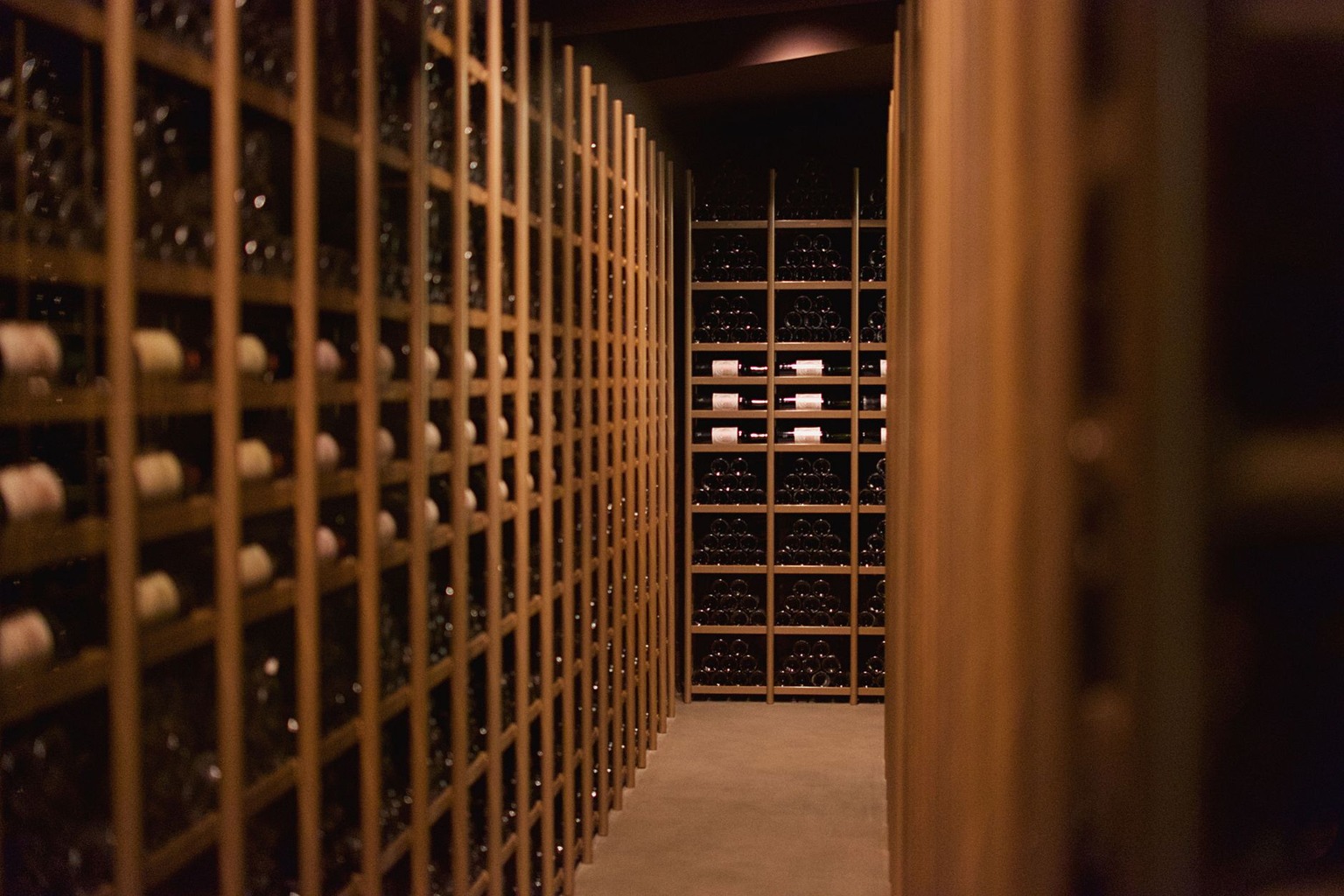
The aging potential of Louisiana wines is another area where humidity plays a key role. In dry climates, wines often age more predictably due to stable conditions, but in Louisiana, the humidity can accelerate oxidation or encourage bacterial growth if not managed. Feliciani Cellars mitigates this by using sulfur dioxide judiciously and aging wines in a controlled environment with precise humidity levels. This careful balance ensures that the wine’s natural sweetness and complexity develop without the risk of spoilage. The result is wines that can age beautifully, like their 2021 Grenache Gris, which has shown remarkable evolution over the past few years, while still retaining the fresh, vibrant qualities that define Louisiana’s style.
Comparing Louisiana’s Humidity to Other Warm Climates
When comparing Louisiana’s humidity to other warm wine regions, the differences become clear. In Australia, for example, humidity is less of a factor due to coastal breezes and lower overall moisture levels. Wines from regions like Barossa Valley tend to be more structured and tannic, with a focus on bold, dry styles. In contrast, Louisiana’s humidity creates wines that are inherently sweeter and more aromatic, with a softer texture. Feliciani Cellars’ approach, balancing native varieties with careful winemaking, mirrors the success of New Zealand’s Sauvignon Blanc, which also benefits from a humid, maritime climate. Both regions produce wines that are fruit-forward and easy-drinking, but Louisiana’s wines carry a distinct Southern character that sets them apart.
Another comparison is with Spain’s Rioja region, where humidity is less pronounced but where oak aging plays a major role in shaping wine profiles. In Louisiana, oak is used more sparingly, with a focus on highlighting the grape’s natural sweetness rather than masking it. Feliciani Cellars’ use of French oak for their reds, for example, adds subtle vanilla and spice without overpowering the wine’s tropical fruit. This approach is closer to the style of Portugal’s Douro Valley, where humidity and warmth create rich, sweet wines that benefit from minimal intervention. The key difference is that Louisiana’s wines are more consistently sweet, reflecting the region’s unique climate and grape choices.
The lesson here is that humidity isn’t just a challenge, it’s an opportunity to create wines that are distinctly different from those in drier regions. By understanding how humidity affects Louisiana wine production, winemakers can craft styles that are both innovative and true to the terroir. Feliciani Cellars’ success is a testament to this approach, proving that the state’s humidity isn’t a limitation but a defining feature of its wines.

Winemaker with 12 years in the cellar. I write about fermentation, terroir, and the honest mistakes that taught me more than any textbook. I’ve ruined more barrels than most people have tasted. That’s not a disclaimer — that’s a résumé. Twelve years making wine in France, now making sense of it in words.