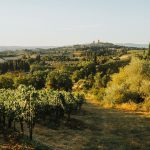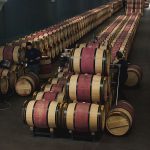
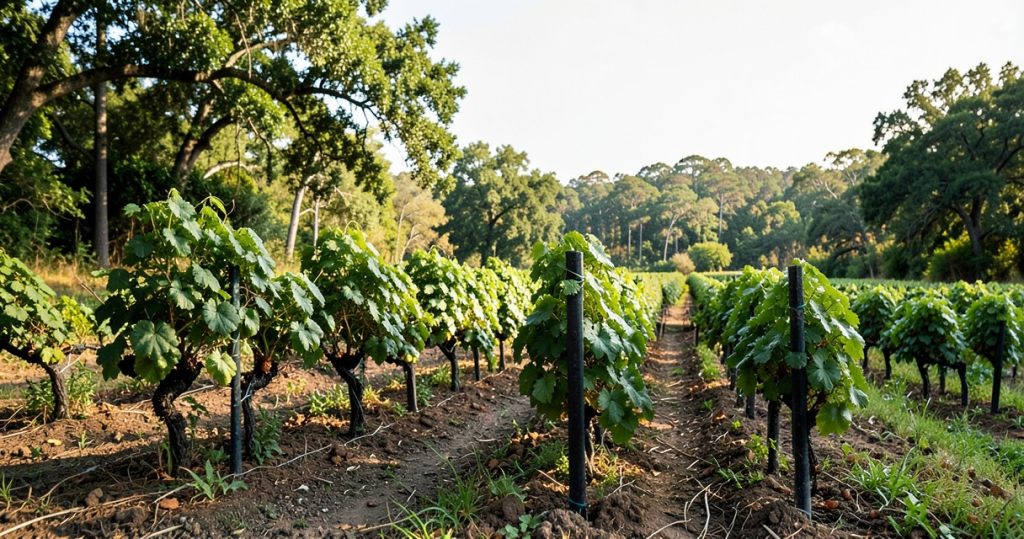
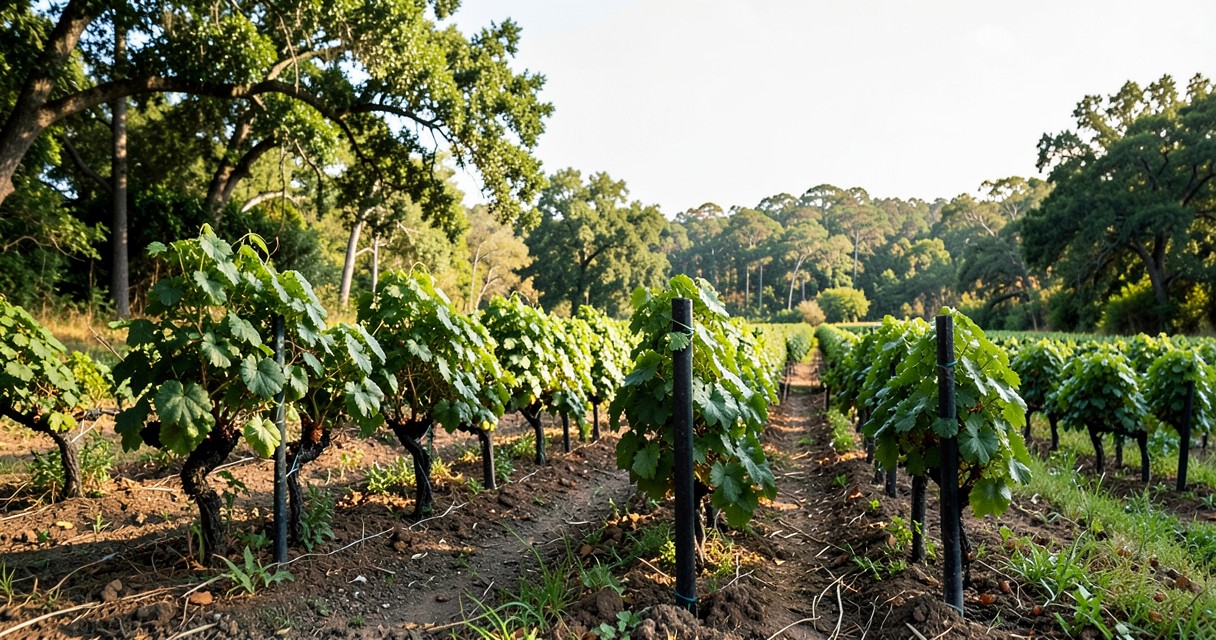
Louisiana wine is often dismissed as a curiosity, but Feliciana Cellars has spent the last decade proving that the state’s humid climate and native muscadine grapes can produce wines worth aging. The secret lies not in fighting the environment, but in adapting oak barrel techniques to Louisiana’s unique conditions. Unlike Napa or Bordeaux, where temperature-controlled caves are standard, Feliciana’s cellars rely on thick cypress walls and strategic airflow to mimic the slow, steady oxidation of traditional aging. The result is a wine that develops complexity without losing the bright, fruity character that defines Louisiana’s terroir. Here, oak barrels aren’t just vessels, they’re tools for balancing the state’s heat and humidity, turning what many consider a liability into an advantage.
The Science Behind Louisiana’s Oak Barrel Aging
Oak barrels do more than store wine in Louisiana, they actively shape its evolution. Feliciana Cellars uses American oak, primarily from Missouri and Arkansas, because its tighter grain and higher vanillin content complement the state’s native muscadine and hybrid grapes. The barrels allow micro-oxygenation at a rate of about 5 to 10 milliliters of oxygen per liter per year, which softens tannins and integrates flavors without overpowering the wine’s natural fruitiness. In a climate where temperatures can swing 20 degrees in a single day, the wood acts as a buffer, slowing down chemical reactions that would otherwise make the wine taste flabby or cooked. The cellar’s humidity, often above 80 percent, keeps the barrels from drying out, but it also demands constant monitoring to prevent mold or excessive evaporation.
What sets Louisiana aging apart is the interaction between oak and the state’s native yeasts. Unlike European or Californian wines, which rely on commercial yeast strains, Feliciana’s ferments often include wild yeasts that thrive in the humid air. These yeasts produce esters and phenols that react differently with oak tannins, creating a profile that’s less about vanilla and spice and more about subtle earthiness and dried fruit. The barrels themselves are toasted to a medium level, around 450 degrees Fahrenheit, to avoid overwhelming the wine with smoky or charred notes. This balance is critical, too light a toast, and the oak doesn’t contribute enough structure; too heavy, and it masks the wine’s natural vibrancy.
Why Feliciana Cellars Chooses American Oak Over French
Most premium wineries default to French oak, but Feliciana Cellars has built its reputation on American oak for a simple reason: it works better with Louisiana’s grapes. French oak, with its finer grain and higher tannin content, can make muscadine and hybrid wines taste astringent or bitter. American oak, on the other hand, has a looser grain that releases its flavors more gradually, which is ideal for wines that already have bold fruit characteristics. The barrels used at Feliciana are sourced from forests in the Ozarks, where the trees grow slower due to the region’s rocky soil, resulting in a tighter grain than typical American oak. This means the wine absorbs less oak flavor upfront, allowing it to develop complexity over time without becoming oaky.
The cost difference is also a factor. French oak barrels can run $1,200 or more, while American oak barrels average around $600. In a state where wine production is still finding its footing, that savings allows Feliciana to experiment with different aging techniques without breaking the bank. The winery has also found that American oak’s higher lactone content, compounds that contribute coconut and dill notes, pairs well with the tropical fruit flavors of Louisiana grapes. This isn’t to say French oak is off the table; Feliciana occasionally uses it for small-batch experiments, but for their flagship wines, American oak remains the backbone of their aging program.
How Humidity and Heat Shape Barrel Aging in Louisiana
Louisiana’s climate is the elephant in the room for any winemaker trying to age wine in oak. The state’s average humidity hovers around 75 to 85 percent, and summer temperatures can push 95 degrees with matching heat indexes. Most winemakers would see this as a nightmare, but Feliciana Cellars has turned it into an advantage. The high humidity keeps the barrels from losing too much wine to evaporation, what’s known as the “angel’s share”, which can be as high as 10 percent in drier climates. Instead, Feliciana loses about 3 to 5 percent annually, meaning more wine makes it to the bottle. The trade-off is that the barrels must be monitored constantly for mold, which can develop on the staves if airflow isn’t managed properly.
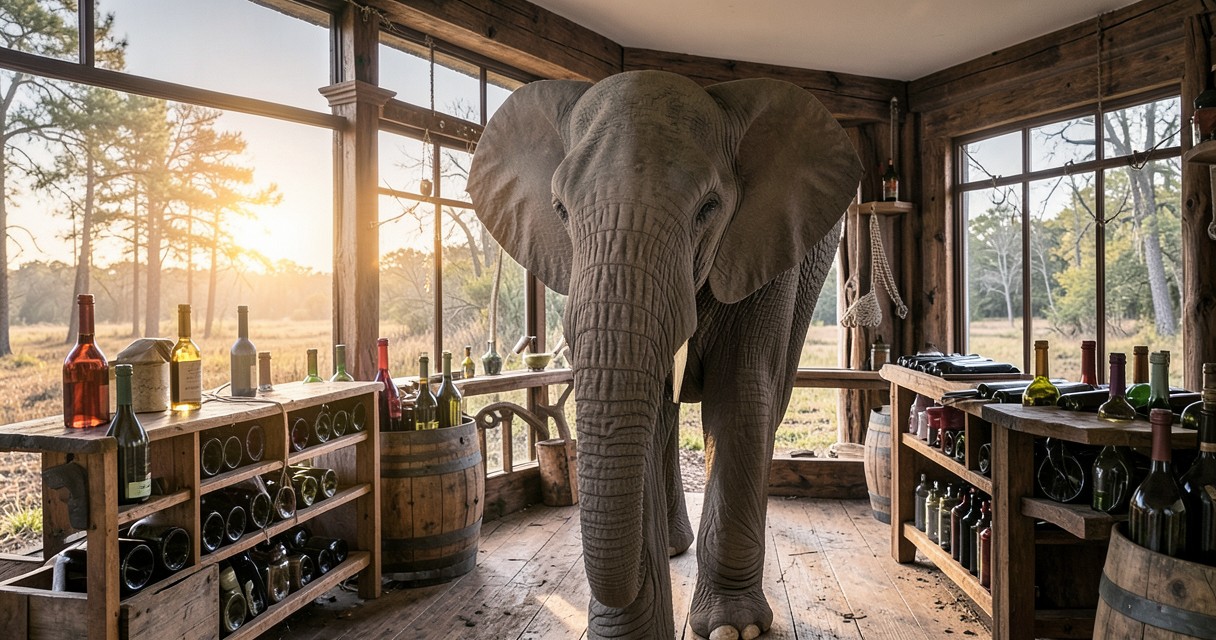
The heat, however, is a different challenge. In traditional wine regions, cooler temperatures slow down aging, allowing flavors to integrate gradually. In Louisiana, the opposite happens: the heat accelerates chemical reactions, which can make wines taste older than they are. Feliciana combats this by using thicker barrels, often 50-gallon instead of the standard 60-gallon, to slow down oxygen exchange. They also store barrels in a cellar with cypress walls, which naturally regulate temperature by absorbing and releasing heat slowly. The result is a wine that ages in about half the time it would in California or Europe, but without tasting rushed. The key is consistency, keeping the cellar within a 10-degree range year-round, which requires a mix of insulation, ventilation, and occasional dehumidification.
The Role of Barrel Rotation in Feliciana’s Aging Process
Barrel rotation isn’t just about moving wine from one vessel to another, it’s a deliberate strategy to ensure even aging and flavor development. At Feliciana Cellars, wines are rotated every six months, with the oldest barrels (those that have held wine for two or more years) being used for blending, while newer barrels impart fresh oak character. This rotation prevents the wine from becoming too oaky or stagnant, which is a risk in Louisiana’s humid environment where barrels can develop off-flavors if left undisturbed. The winery also practices a technique called “topping up,” where they add a small amount of the same wine to each barrel every month to compensate for evaporation. This keeps the wine in contact with the oak and prevents oxidation from air exposure.
The rotation schedule is tailored to each wine. For example, their Norton-based reds, which have higher tannins, spend 18 months in oak with rotations every four months to soften the structure. Their muscadine whites, on the other hand, only spend 12 months in oak and are rotated every eight months to preserve their fruitiness. The barrels themselves are never reused for more than three vintages, as Louisiana’s climate causes the wood to break down faster than in drier regions. After their third use, the barrels are either repurposed for aging spirits or sold to local breweries, where their worn-in character is prized for adding depth to stouts and porters.
Muscadine and Hybrid Grapes: How Oak Barrels Enhance Louisiana’s Native Varietals
Muscadine grapes, native to the southeastern United States, are often overlooked in the wine world because their high acidity and bold fruit flavors can be polarizing. But at Feliciana Cellars, oak barrels are the key to transforming these grapes into wines with depth and balance. Muscadines have thick skins and high tannin levels, which can make them taste harsh when young. Oak aging softens these tannins while adding layers of vanilla, caramel, and spice that complement the grape’s natural notes of lychee, citrus, and tropical fruit. The winery uses a mix of new and used barrels to avoid overpowering the wine, with new oak making up no more than 30 percent of the blend for muscadine-based wines.
Hybrid grapes, like Blanc du Bois and Norton, also benefit from oak aging but require a different approach. Blanc du Bois, a white hybrid, is often fermented in stainless steel before being transferred to neutral oak barrels for aging. This preserves its crisp acidity while adding subtle creaminess and toasted almond notes. Norton, a red hybrid, is more tannic and benefits from longer oak aging, up to 24 months, to round out its structure. Feliciana has found that American oak’s sweeter, more approachable profile works better for these grapes than French oak, which can make them taste astringent. The winery also experiments with mixed oak regimes, using American oak for the first year and French oak for the second, to add complexity without overwhelming the wine’s natural character.
Maintaining Oak Barrels in Louisiana’s Challenging Climate
Keeping oak barrels in good condition in Louisiana’s climate is a year-round job. The high humidity means barrels must be stored in a well-ventilated cellar to prevent mold growth, which can ruin both the wood and the wine. Feliciana Cellars uses a combination of natural airflow and industrial fans to keep air circulating, especially during the summer months when humidity peaks. The barrels are also inspected monthly for leaks or cracks, which are more common in Louisiana due to the wood’s constant expansion and contraction. When a barrel does develop a leak, it’s either repaired with food-grade epoxy or retired, depending on the severity of the damage.
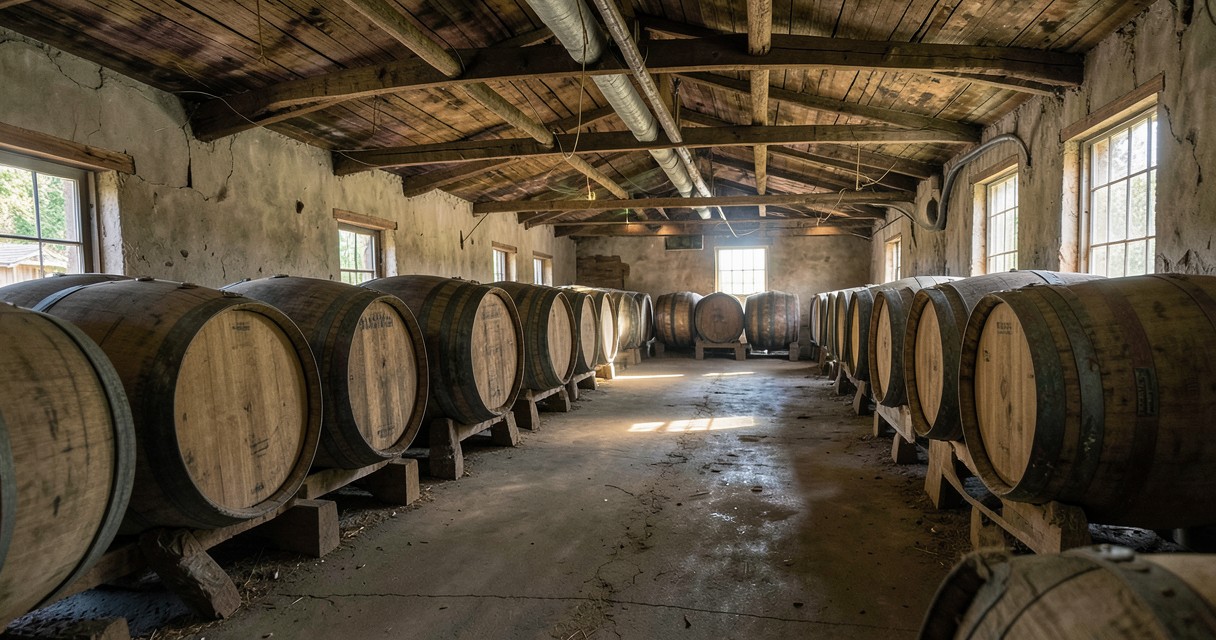
Cleaning the barrels is another critical task. After each use, the barrels are rinsed with hot water and steam to remove any residual wine or tartrates, which can harbor bacteria. Unlike wineries in drier climates, Feliciana can’t rely on the barrels drying out naturally between uses, so they use a mixture of citric acid and sulfur dioxide to sanitize them. The barrels are then stored empty for a few weeks to allow any remaining moisture to evaporate before being refilled. This process is labor-intensive, but it’s the only way to ensure the barrels remain in good condition for multiple vintages. The winery also rotates its barrel stock regularly, replacing about 20 percent of its barrels each year to maintain consistency in its aging program.
Tasting the Difference: How Oak Barrels Define Feliciana’s Signature Wines
Feliciana Cellars’ oak-aged wines stand out for their balance, bright fruit flavors harmonize with subtle oak notes, rather than one overpowering the other. Their Norton Reserve, aged 24 months in American oak, is a perfect example. The wine starts with aromas of black cherry and plum, but the oak adds layers of vanilla, baking spice, and a hint of tobacco that lingers on the finish. The tannins are firm but polished, a result of the barrel’s slow oxygen exchange in Louisiana’s humid cellar. Their muscadine-based wines, like the Blanc du Bois, show a different side of oak aging. The wine’s natural lychee and citrus notes are complemented by creamy textures and a touch of butterscotch, a signature of the American oak’s influence.
The winery’s approach to oak aging also allows them to experiment with blends. Their “Feliciana Red,” a blend of Norton and Cabernet Franc, spends 18 months in a mix of new and used oak barrels, resulting in a wine that’s both structured and approachable. The new oak contributes spice and depth, while the used barrels soften the tannins and add subtle complexity. This careful balance is what makes Feliciana’s wines unique, they don’t taste like they’ve been aged in oak so much as they’ve been shaped by it. The result is a style that’s distinctly Louisiana: bold, fruity, and full of character, with oak playing a supporting role rather than stealing the show.

Winemaker with 12 years in the cellar. I write about fermentation, terroir, and the honest mistakes that taught me more than any textbook. I’ve ruined more barrels than most people have tasted. That’s not a disclaimer — that’s a résumé. Twelve years making wine in France, now making sense of it in words.