Introduction to Louisiana Wine
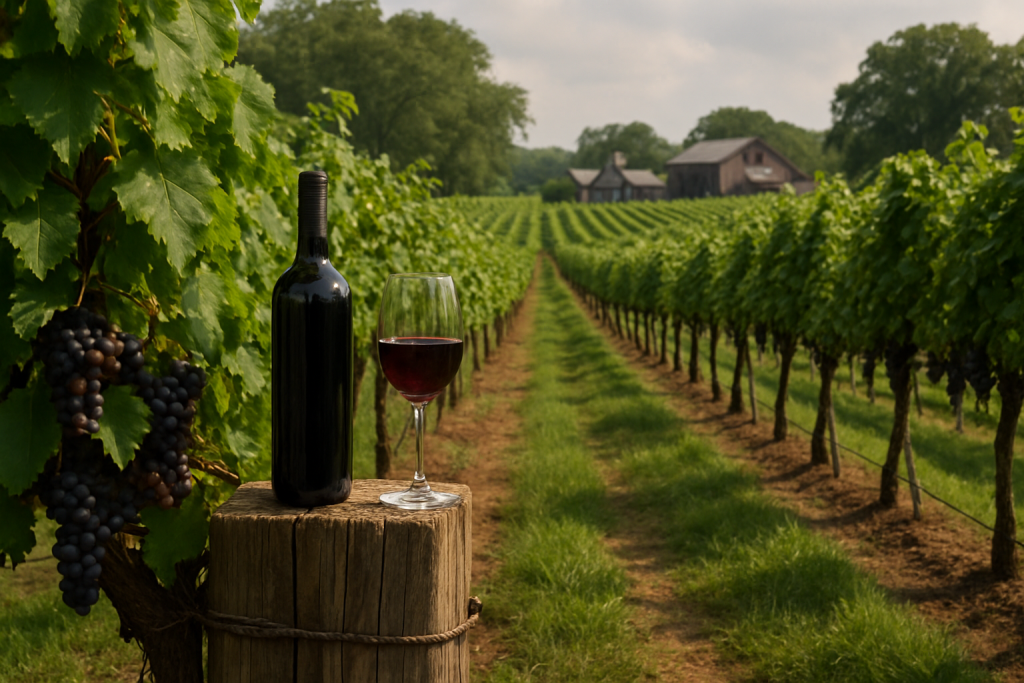
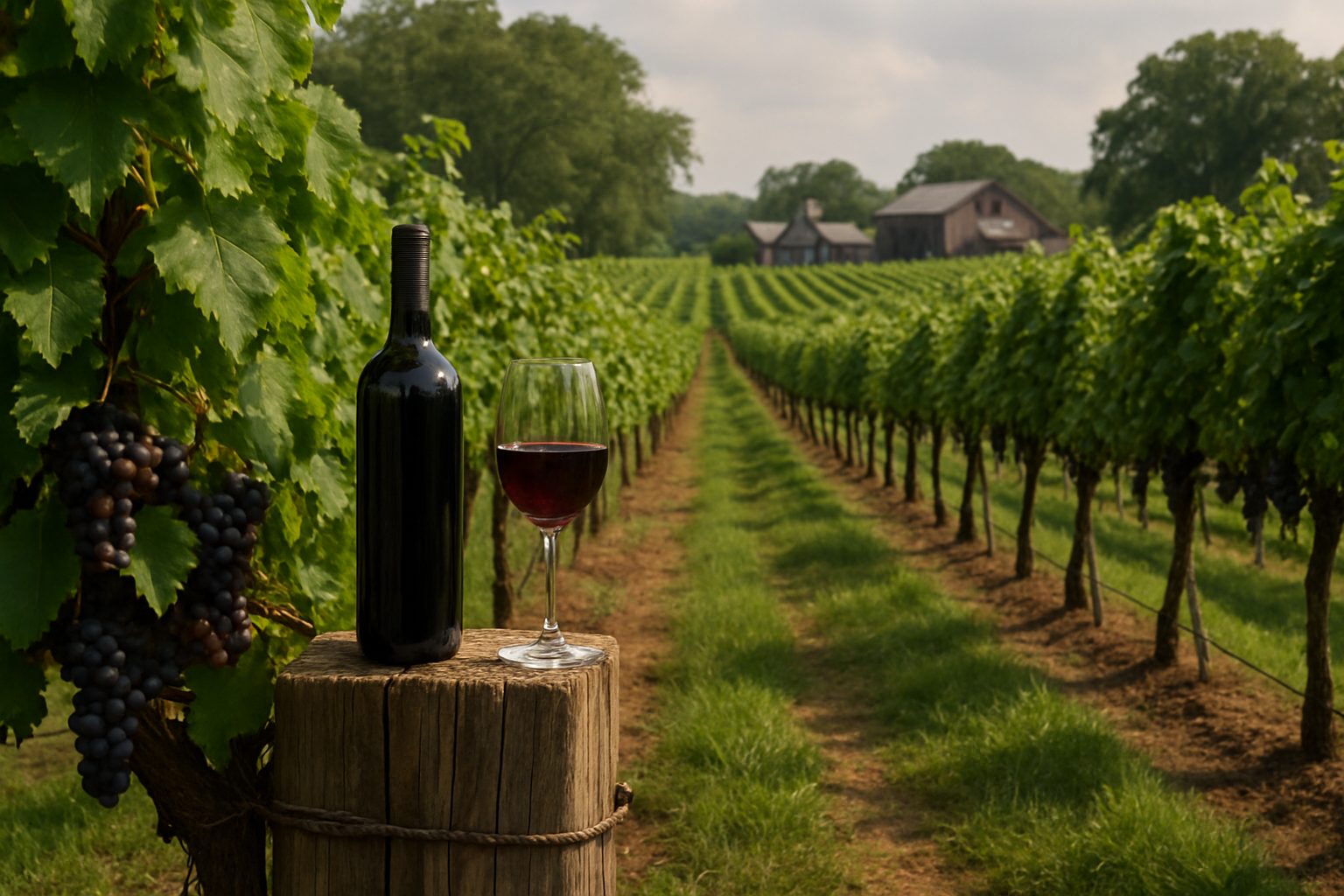
Louisiana wine has been steadily gaining recognition as a unique and emerging segment within the American wine industry. Unlike more traditional wine regions, Louisiana offers a distinct climate and landscape that shapes its wine industry in special ways. From its humid subtropical weather to its rich soil varieties, the state presents both challenges and opportunities for viticulture. As a result, Louisiana wine reflects the character and resilience of the region’s winemakers and vineyards.
The Louisiana wine industry is characterized by its innovative approach to grape growing and winemaking, adapting techniques to thrive in a warm and humid environment. Compared to the more established wine regions of the country, Louisiana vineyards focus on hardy grape varieties that can withstand local conditions. This includes native grapes as well as hybrid cultivars specially suited for resisting fungal diseases and heat stress. The ingenuity of the local winemakers has helped build a diverse portfolio of wines that highlight the state’s terroir.
Louisiana vineyards are often smaller boutique operations that emphasize quality and authenticity. These vineyards contribute not only to the growing reputation of Louisiana wine but also to the local economy and tourism. Many of these wineries are family-owned and deeply committed to sustainable farming practices, fostering a close connection to their land. Visitors to Louisiana wine country can expect a welcoming atmosphere combined with unique flavors that celebrate the state’s heritage and natural environment.
Despite its relatively young wine industry, Louisiana has made impressive strides in cultivating a distinctive wine culture. The combination of traditional knowledge and modern innovation continues to expand its foothold in the broader wine market. Whether through wine festivals, tastings, or vineyard tours, enthusiasts have ample opportunities to explore and appreciate the evolving Louisiana wine scene. This introduction to Louisiana wine offers a glimpse into a vibrant industry that honors both its roots and its future potential.
History of Wine Making in Louisiana
The history of Louisiana wine dates back to the early colonial period, when European settlers first attempted to cultivate grapes and produce wine in the region. Despite the challenges presented by the humid subtropical climate and the prevalence of native pests, early settlers showed a strong commitment to developing a winemaking tradition that would eventually contribute to the unique character of Louisiana wine. Over time, this dedication helped establish a foundation for the state’s burgeoning wine industry.
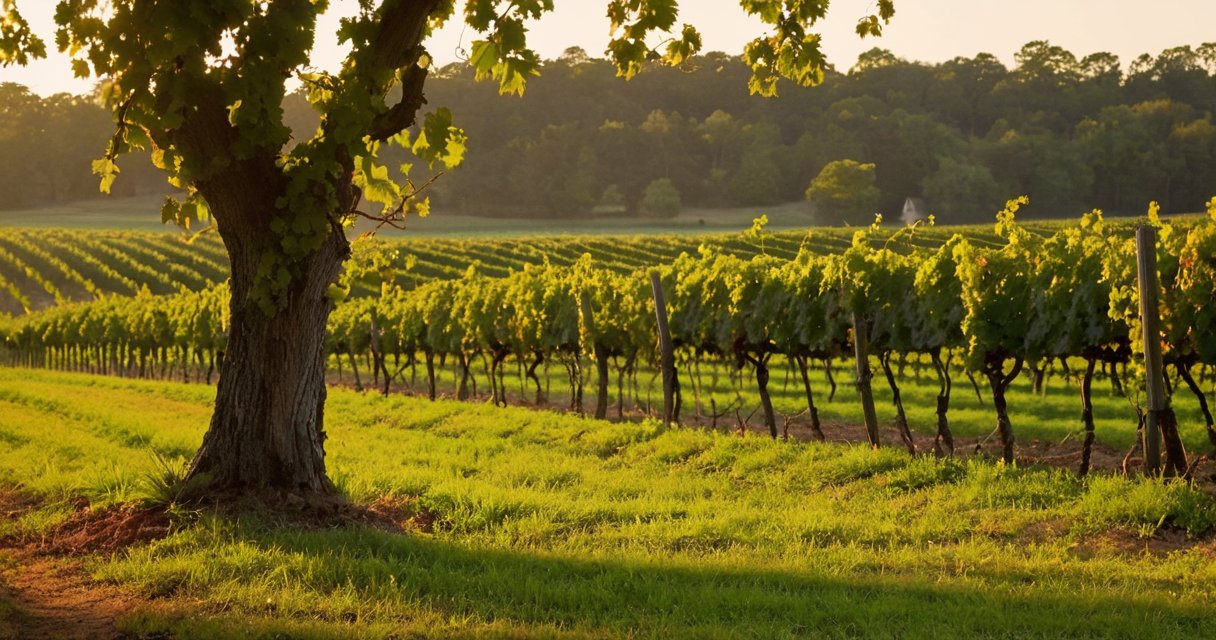
Louisiana wine history is deeply intertwined with the cultural influences brought by the French, Spanish, and other European settlers who arrived in the area. These groups brought with them their knowledge of viticulture and winemaking techniques, which they adapted to local conditions. While traditional European grape varieties often struggled in Louisiana’s climate, early vintners experimented with native grape species and hybrids. This experimentation paved the way for the success of Louisiana’s winemaking tradition that combines both innovation and respect for time-honored methods.
Throughout the 19th century, many historic vineyards emerged across Louisiana, showcasing the region’s growing potential for wine production. These vineyards often served as centers of agricultural experimentation, where growers developed specialized cultivation techniques suited to Louisiana’s environment. While challenges remained, including the constant threat of fungal diseases and pests, the perseverance of these early vineyard operators helped sustain a vibrant winemaking tradition that still influences modern Louisiana wine producers.
Louisiana’s winemaking tradition also reflects the cultural diversity and resilience of its people. Winemakers have historically incorporated native grape varieties such as Muscadine and Scuppernong, which are well adapted to the region’s warm, humid climate. This reliance on native grapes has contributed to a distinctive profile for Louisiana wines, setting them apart from wines produced in more traditional grape-growing regions. The integration of historic vineyards and modern winemaking practices continues to define the evolving landscape of Louisiana wine.
Today, the Louisiana wine history is celebrated by vineyards and wineries that honor these historical roots while advancing innovative approaches to viticulture and enology. The preservation of historic vineyards and the continued cultivation of grape varieties suited to the region are central to the state’s ongoing efforts to establish itself as a notable wine-producing area. As Louisiana wine continues to gain recognition, its storied past serves as a strong foundation for a promising future in winemaking.
Popular Grape Varieties in Louisiana
Louisiana’s unique climate and soil create an interesting environment for growing grapes, making it a distinctive region for wine production. Despite the challenges posed by high humidity and frequent rainfall, local wineries have successfully cultivated several grape varieties that thrive in these conditions. Understanding Louisiana grapes and their specific needs is essential for appreciating the state’s growing wine industry.
One of the most popular grape varieties cultivated in Louisiana is the Muscadine grape. Native to the southeastern United States, Muscadine grapes are well-adapted to Louisiana’s hot and humid climate. Known for their thick skins and natural resistance to pests and diseases, these grapes are a favorite among local wineries for producing sweet, fruity wines with unique floral and earthy notes.
Another widely grown variety is the Blanc Du Bois grape, a hybrid grape developed to withstand warmer climates and humidity. This grape variety has gained popularity in Louisiana for its ability to produce crisp, versatile white wines with citrus and tropical fruit flavors. Local wineries often choose Blanc Du Bois for its resilience, making it ideal for sustainable grape production in Louisiana’s challenging environment.
In addition to Muscadine and Blanc Du Bois, Chambourcin is a notable hybrid grape variety thriving in the state. Chambourcin is a dark-skinned grape known for producing medium-bodied red wines with rich berry and spice characteristics. Local wineries increasingly rely on this grape variety to diversify their offerings and cater to red wine enthusiasts while managing Louisiana’s humid conditions.
Other grape varieties such as Concord and Niagara also find success in Louisiana’s vineyards. These grapes are traditionally used for juice and table grapes but have begun to play a role in the state’s burgeoning wine scene. By experimenting with different varieties that suit the local terroir, Louisiana wineries contribute to a growing wine culture reflective of the region’s agricultural strengths.
Overall, the success of Louisiana grapes depends on careful selection of grape varieties that can endure the state’s climate challenges. Local wineries continue to innovate and develop winemaking techniques that highlight the best qualities of these unique grape varieties. As a result, Louisiana is steadily establishing itself as an intriguing wine-producing region with varieties that truly express the spirit of the local land.
Native Grape Varieties
Louisiana viticulture faces unique challenges due to its hot, humid climate and frequent rainfall, making the choice of grape varieties essential for successful grape cultivation. Native grapes play a crucial role in this region, as they are naturally adapted to withstand the local environmental conditions, pests, and diseases that commonly affect vineyards here.
Among the native grapes favored by Louisiana winemakers, Muscadine stands out as a cornerstone of grape cultivation. Muscadine grapes are known for their thick skins, which provide resistance against molds and insects prevalent in Louisiana’s climate. This variety produces robust, flavorful wines with distinctive aromas ranging from sweet to slightly musky, reflecting the deep heritage of Louisiana viticulture.
Another native grape variety that has gained attention is Scuppernong, a type of Muscadine known for its greenish-yellow berries and rich flavor profile. Scuppernong thrives in the humid Louisiana environment and is often used in producing both sweet and dry wines. Its adaptability and historical significance make it a key player in local grape cultivation efforts.
Overall, native grapes continue to shape the identity of Louisiana wine. By leveraging these resilient varieties, winemakers ensure that their vineyards can flourish despite climatic challenges, while also preserving the unique characteristics of Louisiana viticulture in every bottle.
Hybrid Grape Varieties
Louisiana’s warm, humid climate and frequent rainfall pose unique challenges for grape cultivation. Traditional European grape varieties often struggle here due to their susceptibility to fungal diseases and pests. To address these issues, growers rely heavily on hybrid grapes, which are specifically bred to be more resilient and better adapted to such demanding conditions.
Hybrid grapes are the result of crossing native American grape species with European varieties, creating vines that combine desirable qualities from both. One of the key advantages of these Louisiana hybrids is their enhanced resistance to diseases like powdery mildew, downy mildew, and Pierce’s disease, which are prevalent in the region. This disease resistance reduces the need for chemical interventions and helps ensure healthier yields.
Some popular hybrid grape varieties suited for Louisiana include Blanc Du Bois, Norton, and Muscadine. Blanc Du Bois, in particular, thrives in the hot, humid conditions and produces aromatic white wines with good acidity. Norton, known for its deep color and robust flavor, is another excellent choice that tolerates local pests well. Muscadine, a native grape, offers exceptional disease resistance and is prized for its unique, sweet character.
By focusing on these disease resistant grapes and embracing Louisiana hybrids, local vintners are able to craft distinctive wines that showcase the region’s terroir while overcoming climatic challenges. Hybrid grapes represent a vital component of Louisiana’s growing wine industry, ensuring both sustainability and quality.
Top Louisiana Wineries to Visit
Louisiana wineries offer a unique blend of Southern charm and delightful wines, making them a must-visit for enthusiasts and casual visitors alike. Exploring the best wineries Louisiana has to offer unveils a rich tapestry of flavors, history, and scenic beauty. Whether you’re planning your first wine tours or are a seasoned wine lover, the state’s vineyards promise memorable experiences and exceptional wines.
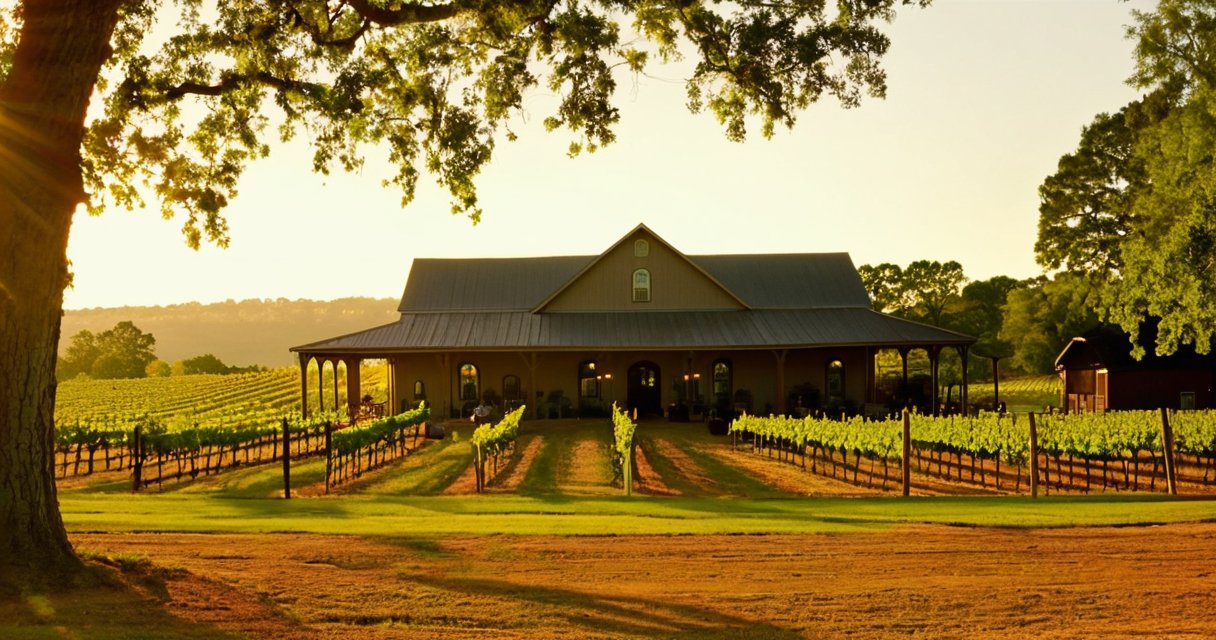
One of the top Louisiana wineries to visit is the Landry Vineyards, nestled near Opelousas. Known for producing award-winning muscadine and hybrid wines, Landry Vineyards delivers a warm and inviting tasting room experience. Visitors on wine tours here get a chance to sample a variety of reds, whites, and fruit wines, all crafted with care and passion. The picturesque grounds also offer perfect spots for picnics and relaxing afternoons.
Another gem among Louisiana wineries is the Pontchartrain Vineyards. Located in the historic River Parishes, this vineyard balances tradition with modern techniques to create premium wines such as their popular Concord and Blanc Du Bois selections. Wine tours here often include guided tastings and detailed insights into grape cultivation in the Louisiana climate, making it an educational and enjoyable outing.
For those seeking an all-around visitor experience, Rust Family Winery stands out as one of the best wineries Louisiana boasts. Established as one of the largest producers in the South, Rust Family Winery offers extensive wine tours that highlight their multi-generational approach to winemaking. Guests can explore a diverse range of wines, attend seasonal events, and stroll through beautiful tasting rooms that showcase Louisiana hospitality at its finest.
When planning your visit to Louisiana wineries, keep a few tips in mind to enhance your experience. Arrive early to avoid crowds and secure a personalized tasting. Many wineries provide food pairings that elevate the wine flavors, so don’t miss out on local cheese or charcuterie boards. Also, consider joining wine clubs or signing up for special events to enjoy farm-to-table dinners, live music, and exclusive tastings throughout the year.
In summary, wine tours across Louisiana offer more than just great wine; they provide a chance to discover vibrant cultures, stunning landscapes, and the dedication behind each bottle. From Landry Vineyards to Pontchartrain Vineyards and the Rust Family Winery, these destinations represent the best wineries Louisiana has to explore for anyone passionate about wine and memorable travel experiences.

Winemaker with 12 years in the cellar. I write about fermentation, terroir, and the honest mistakes that taught me more than any textbook. I’ve ruined more barrels than most people have tasted. That’s not a disclaimer — that’s a résumé. Twelve years making wine in France, now making sense of it in words.