Louisiana may be famous for its rich culinary traditions and vibrant culture, but its white wines often fly under the radar. Yet, the state’s winemaking scene is quietly thriving, with local producers crafting crisp, aromatic whites that reflect the unique terroir of the Gulf South. From the humid river valleys near Baton Rouge to the sandy soils of the Florida Parishes, Louisiana’s wineries are proving that good wine doesn’t need a Mediterranean climate. These bottles offer a refreshing counterpoint to the state’s bold Cajun flavors, pairing just as well with Gulf oysters as they do with spicy étouffée. For those willing to explore beyond the usual suspects, Louisiana’s white wines deliver surprising complexity and a true sense of place.
Why Louisiana’s Climate Shapes Its White Wines
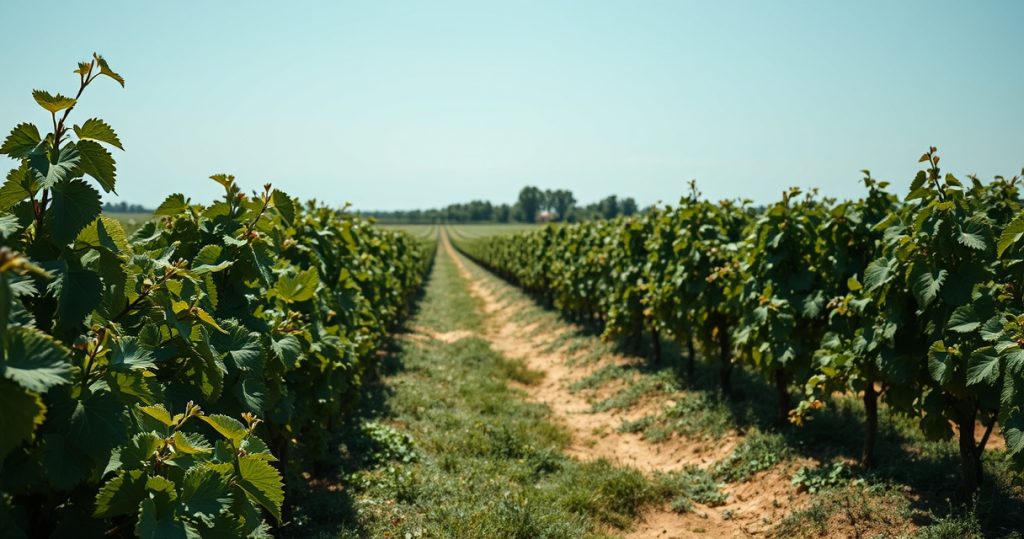
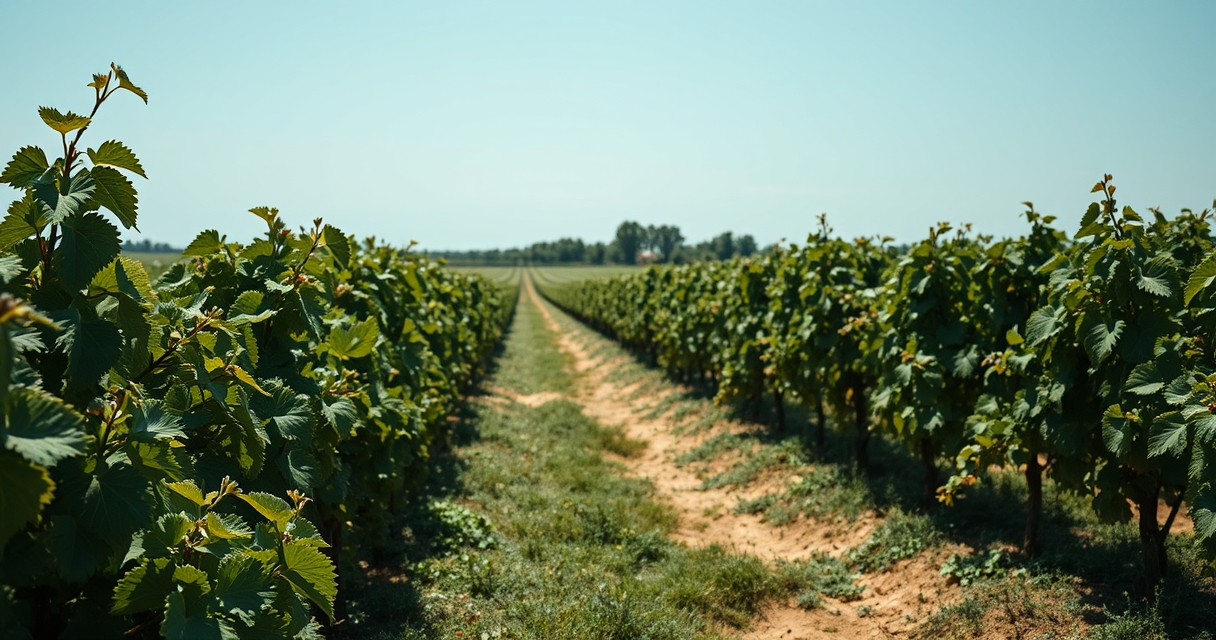
The subtropical humidity and warm nights of Louisiana present both challenges and opportunities for white wine production. Unlike the cool, dry climates of California’s Napa Valley or France’s Loire Valley, Louisiana’s vineyards contend with high rainfall, intense heat, and the ever-present threat of fungal diseases. However, these conditions also encourage the development of grapes with vibrant acidity and pronounced tropical fruit flavors, characteristics that set local whites apart. Muscadine and hybrid varieties like Blanc du Bois and Villard Blanc thrive here, producing wines with a bright, almost citrusy edge that cuts through the state’s rich cuisine. Winemakers have learned to work with the climate, not against it, by selecting disease-resistant rootstocks and carefully timing harvests to avoid excessive sugar ripeness.
Soil composition plays an equally critical role in shaping Louisiana’s white wines. The state’s vineyards are often planted in sandy loam or alluvial soils, which drain quickly and force vines to dig deep for nutrients. This stress results in smaller berries with concentrated flavors, a hallmark of many high-quality whites. In the Feliciana Hills near St. Francisville, for example, the iron-rich soils impart a subtle mineral note to wines, while the Mississippi River’s floodplains contribute a rounder, more textured mouthfeel. These nuances are what make Louisiana’s whites distinct, offering a refreshing alternative to the more predictable profiles of mass-produced wines.
The Most Prominent White Wine Grapes Grown in Louisiana
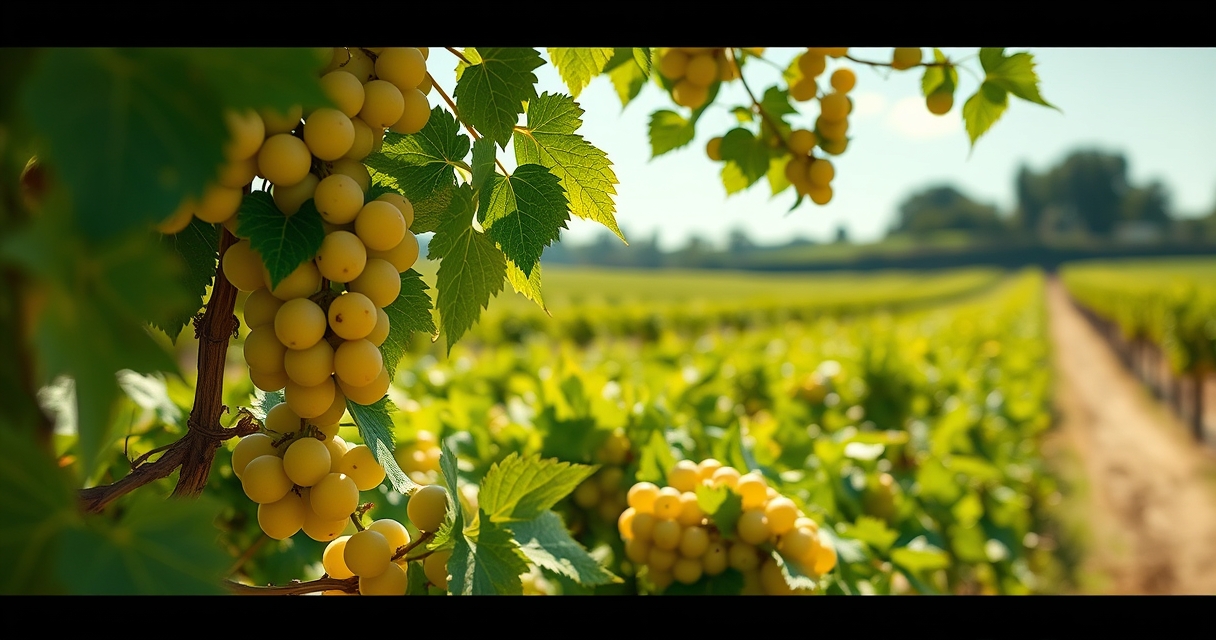
Muscadine grapes dominate Louisiana’s white wine production, particularly the Carlos and Noble varieties. These native American grapes are prized for their resistance to humidity and pests, making them a practical choice for local growers. Carlos, in particular, yields wines with a honeyed sweetness and notes of ripe pear and melon, while Noble produces a drier, more floral profile with hints of citrus zest. Both varieties benefit from the state’s long growing season, which allows them to develop complex flavors without losing their natural acidity. While Muscadine wines are often dismissed as overly sweet, skilled winemakers in Louisiana are crafting balanced, food-friendly versions that highlight the grape’s versatility.
Hybrid grapes like Blanc du Bois and Villard Blanc are also gaining traction among Louisiana’s winemakers. Blanc du Bois, developed at the University of Florida, is particularly well-suited to the region’s climate, producing wines with crisp acidity and flavors of green apple, peach, and a touch of spice. Villard Blanc, another hybrid, offers a lighter body and delicate floral aromas, making it an excellent choice for those who prefer a more restrained white. These grapes are often fermented in stainless steel to preserve their freshness, though some producers experiment with oak aging to add depth and complexity. The result is a growing portfolio of Louisiana whites that defy expectations and hold their own against more established wine regions.
How Louisiana Wineries Are Innovating with White Wine Production
Louisiana’s wineries are embracing innovation to overcome the challenges of the region’s climate and elevate their white wines. One key strategy is the use of controlled fermentation techniques, which allow winemakers to fine-tune the balance between sweetness and acidity. For example, Feliciana Cellars in St. Francisville employs temperature-controlled stainless steel tanks to slow fermentation, preserving the delicate aromatics of their Blanc du Bois. This method ensures that the wine retains its bright, fruity character without becoming overly alcoholic or flabby. Other wineries, like Landry Vineyards in West Monroe, experiment with skin contact for their whites, a technique more commonly associated with orange wines, to add texture and depth to their Muscadine-based blends.
Sustainability is another area where Louisiana’s winemakers are leading the way. With the state’s fragile coastal ecosystems under constant threat, many vineyards are adopting eco-friendly practices to reduce their environmental impact. Some, like Pontchartrain Vineyards, use cover crops to prevent soil erosion and natural predators to control pests, minimizing the need for chemical interventions. Others are exploring the use of recycled materials, such as crushed glass from local recycling programs, to improve drainage in their vineyards. These efforts not only protect the land but also contribute to the unique character of Louisiana’s white wines, which often carry a subtle earthiness that reflects the region’s commitment to sustainability.
Pairing Louisiana White Wines with Local Cuisine
Louisiana’s white wines are tailor-made for the state’s bold, flavorful cuisine. A chilled glass of Blanc du Bois pairs beautifully with Gulf seafood, particularly dishes like shrimp remoulade or oysters Rockefeller, where the wine’s crisp acidity cuts through the richness of butter and cream. The grape’s natural citrus notes also complement the tangy heat of Cajun seasoning, making it a versatile choice for everything from crawfish étouffée to blackened catfish. For those who prefer a sweeter profile, a Muscadine-based white wine can stand up to the smoky complexity of andouille sausage or the caramelized flavors of a slow-cooked gumbo, balancing the dish’s depth with its honeyed fruitiness.
Beyond seafood and Cajun classics, Louisiana’s white wines also shine alongside the state’s lesser-known culinary traditions. A dry Villard Blanc, for instance, is an excellent match for Creole tomato salad, where its floral aromas and bright acidity enhance the tomatoes’ natural sweetness. Similarly, a lightly oaked Blanc du Bois can hold its own against the spicy, vinegar-based flavors of a traditional cochon de lait, the wine’s subtle oak notes adding a layer of complexity to the dish. Even Louisiana’s famous king cake finds a perfect partner in a semi-sweet Muscadine wine, where the grape’s tropical fruit flavors echo the cake’s cinnamon and sugar while providing a refreshing contrast to its buttery pastry.
Where to Find the Best Louisiana White Wines
Feliciana Cellars in St. Francisville is one of the most accessible places to sample Louisiana’s best white wines. Their tasting room offers a curated selection of local whites, including a standout Blanc du Bois that has earned praise for its balance and complexity. Visitors can tour the vineyard, which sits on a historic plantation, and learn about the winery’s commitment to sustainable practices. The staff is knowledgeable and eager to share insights into the nuances of Louisiana’s wine industry, making it an ideal starting point for anyone new to the state’s offerings. For those who prefer to explore from home, Feliciana Cellars ships its wines across Louisiana, ensuring that even those outside the region can experience the best of what the state has to offer.
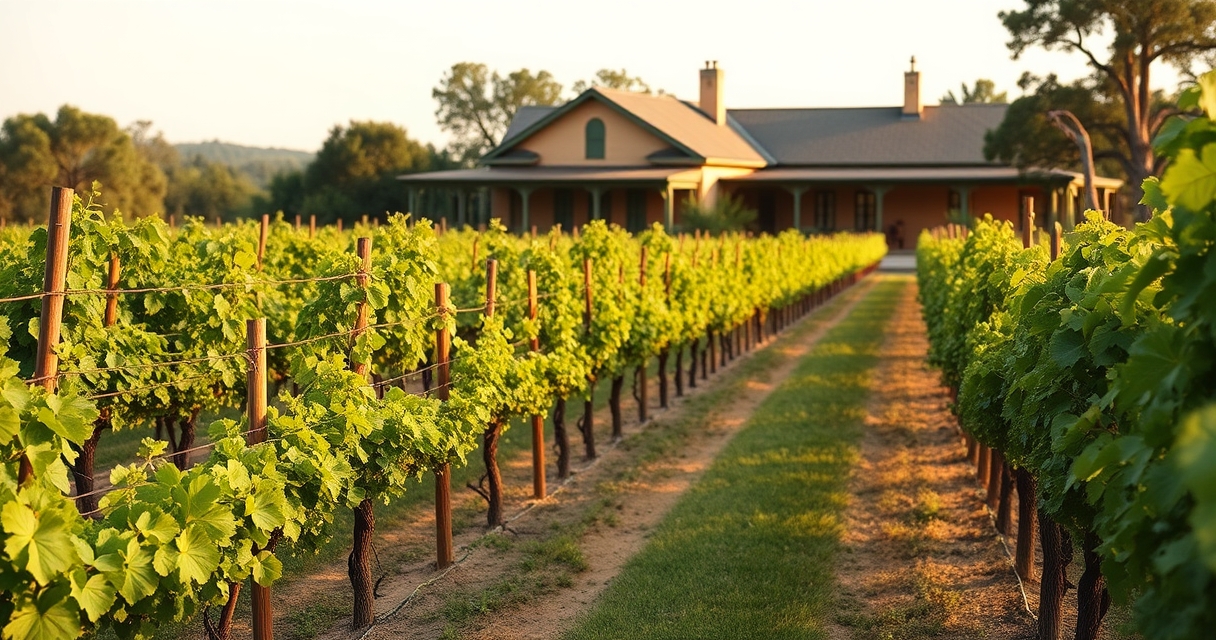
Other notable wineries include Landry Vineyards in West Monroe, which produces a crisp, dry Villard Blanc that has become a local favorite, and Pontchartrain Vineyards in Bush, known for its award-winning Muscadine wines. Both wineries offer tastings and tours, providing an opportunity to see firsthand how Louisiana’s unique climate and soil influence the final product. For those in New Orleans, specialty wine shops like Martin Wine Cellar and Swirl Wine Bar & Market often carry a selection of Louisiana whites, making it easy to pick up a bottle or two for a dinner party. Whether you’re a seasoned wine enthusiast or a curious newcomer, these destinations offer a chance to discover the unexpected delights of Louisiana’s white wine scene.
The Future of White Wine in Louisiana
Louisiana’s white wine industry is poised for growth, thanks in part to a new generation of winemakers who are pushing the boundaries of what’s possible in the region. These innovators are experimenting with lesser-known hybrid grapes, such as the aromatic Traminette and the crisp Seyval Blanc, to expand the state’s wine portfolio. Some are even exploring the potential of European varieties like Chardonnay and Sauvignon Blanc, which have traditionally struggled in the humid climate but are now being cultivated with the help of advanced viticultural techniques. These efforts are not only diversifying Louisiana’s wine offerings but also attracting attention from critics and consumers alike, who are increasingly eager to explore wines with a sense of place.
The state’s wineries are also investing in infrastructure to support the industry’s expansion. New tasting rooms, like the one recently opened by Feliciana Cellars, are designed to attract tourists and educate visitors about Louisiana’s wine culture. Meanwhile, collaborations between local wineries and restaurants are helping to elevate the profile of Louisiana whites, with chefs incorporating them into their menus and sommeliers recommending them to diners. As the industry continues to mature, there’s a growing recognition that Louisiana’s white wines have the potential to stand alongside those from more established regions, offering a unique and compelling alternative for wine lovers. The key to this future lies in the state’s ability to embrace its terroir, celebrate its differences, and continue innovating in the vineyard and the cellar.

Winemaker with 12 years in the cellar. I write about fermentation, terroir, and the honest mistakes that taught me more than any textbook. I’ve ruined more barrels than most people have tasted. That’s not a disclaimer — that’s a résumé. Twelve years making wine in France, now making sense of it in words.