In the rolling hills and river valleys of the American South, winemaking carries a legacy that stretches back centuries. While the region is often associated with bold reds and sweet desserts, a new wave of producers is redefining the palate. The emergence of dry riesling in Louisiana offers a refreshing contrast, bringing cool-climate precision to a traditionally warm terroir. This style of wine challenges expectations, delivering bright acidity and mineral notes that cut through the humidity. For those seeking something beyond the expected, a bottle from this region provides a sophisticated, crisp experience that feels both familiar and entirely novel.
Climate and Terroir: Adapting to the Heat
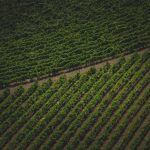
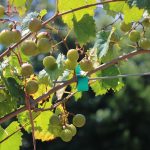
Louisiana’s growing season is characterized by intense heat and high humidity, conditions that typically favor grapes like Muscadine or Norton. However, producing dry riesling in such an environment requires innovative viticulture. Vineyard managers often employ canopy management techniques to protect the delicate clusters from sunburn while maintaining airflow to prevent rot. The soils, a mix of clay and alluvial deposits along the Mississippi, impart a distinct mineral quality to the fruit. Winemakers must carefully select clones that can retain acidity despite the heat, often harvesting earlier than traditional Southern varieties to preserve that essential crispness.
The result is a wine that captures the essence of its origin without being weighed down by it. Unlike the heavy, oak-driven reds often found on local tables, this white offers a lift that feels invigorating. The terroir expression is subtle, marked by a saline undertone that hints at the nearby Gulf, rather than overt fruit bomb characteristics. It is a testament to the adaptability of the winemaker and the potential of the land to produce something unexpected. For the drinker, it means a glass that cools the palate in the sweltering summer months.
Winemaking Philosophy: From Barrel to Bottle
The approach to crafting dry riesling in Louisiana often diverges from Old World traditions, embracing a more minimalist stance. Many producers opt for stainless steel fermentation to preserve the pure, fresh fruit character and avoid the creamy textures associated with oak aging. This method allows the natural grape flavors, think green apple, citrus zest, and a hint of wet stone, to shine through unobstructed. The decision to skip malolactic fermentation is also common, ensuring the wine retains its signature zing and does not soften into a buttery profile.
However, some local wineries experiment with subtle oak alternatives, such as a brief stint in large-format neutral oak barrels, to add a whisper of complexity without overwhelming the delicate structure. This balance between stainless steel purity and a touch of oak integration is where the artistry lies. The goal is never to mask the grape but to enhance its innate qualities. The resulting liquid is typically bottled young, often within six to twelve months of harvest, to capture the vibrant, youthful energy that defines the style.
Tasting Profile: A Study in Contrast
When pouring a glass of dry riesling from this region, the immediate visual cue is a pale, straw-yellow hue, often with glints of green that signal freshness. On the nose, the aroma profile is typically an inviting bouquet of lime, green pear, and white flowers, underpinned by a distinct flinty minerality. This aromatic intensity is a direct result of the cool fermentation temperatures used during production, which lock in the volatile compounds responsible for these scents. There is rarely any residual sugar, making it a truly dry experience from the first sip to the finish.
The palate is where the “crisp twist” truly manifests. The high acidity acts as a cleansing agent, cutting through rich, fatty foods or the spicy kick of Cajun cuisine with ease. Flavors evolve from an initial citrus burst to a mid-palate of crisp apple and subtle saline notes, finishing with a clean, refreshing finish that leaves the mouth watering for another sip. This structure makes it an incredibly versatile partner for food, moving beyond the typical “white wine with fish” pairing to something more adventurous. It is a wine that demands attention not through weight, but through its vibrant, electric energy.
Food Pairing: Beyond the Expected
Pairing food with dry riesling from Louisiana opens up a world of culinary possibilities that break the mold of traditional Southern pairing norms. While a buttery Chardonnay might seek out cream sauces, this wine’s high acidity and mineral drive make it a stellar match for the region’s famous seafood boils. Imagine a plate of steamed crawfish or shrimp, seasoned with lemon and spices; the wine’s acidity cuts through the richness of the shellfish and the oil used in cooking, while its fruit notes complement the citrus garnish perfectly. It is a pairing that feels both authentic and sophisticated.
Beyond seafood, the wine’s profile works beautifully with spicy Asian fusion or vegetarian dishes. The touch of sweetness often perceived in the aroma is balanced by the dry finish, making it tolerant of heat without becoming overwhelming. Consider pairing it with a spicy Szechuan tofu stir-fry or fresh spring rolls with a tangy peanut sauce. The wine’s ability to refresh the palate between bites of spicy food is unmatched. It transforms a simple meal into a cross-cultural experience, proving that a crisp white can hold its own against the boldest flavors the table has to offer.
Market Position and Consumer Appeal
In the current marketplace, there is a growing consumer appetite for wines that offer a sense of place and a break from the ordinary. Dry riesling from Louisiana fits this niche perfectly, offering a “local” alternative to the imported German or Alsatian bottles that often grace high-end shelves. For the local consumer, it represents a point of pride, a high-quality product born from their own soil and climate, rather than imported from across an ocean. This regional identity is a powerful marketing tool, appealing to the “buy local” movement that has swept the nation in recent years.
For the wine enthusiast, the appeal lies in the value proposition. Often priced more accessibly than their European counterparts, these bottles offer a quality-to-price ratio that is hard to ignore. The availability is expanding, with more tasting rooms and local retailers dedicating shelf space to Southern whites. However, consumers should watch for vintage variation, as the climate can be unpredictable; a particularly hot year might produce a riper, less acidic style. Checking the vintage and seeking out producers known for consistent acidity management is key to finding the perfect bottle.

Winemaker with 12 years in the cellar. I write about fermentation, terroir, and the honest mistakes that taught me more than any textbook. I’ve ruined more barrels than most people have tasted. That’s not a disclaimer — that’s a résumé. Twelve years making wine in France, now making sense of it in words.