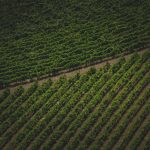
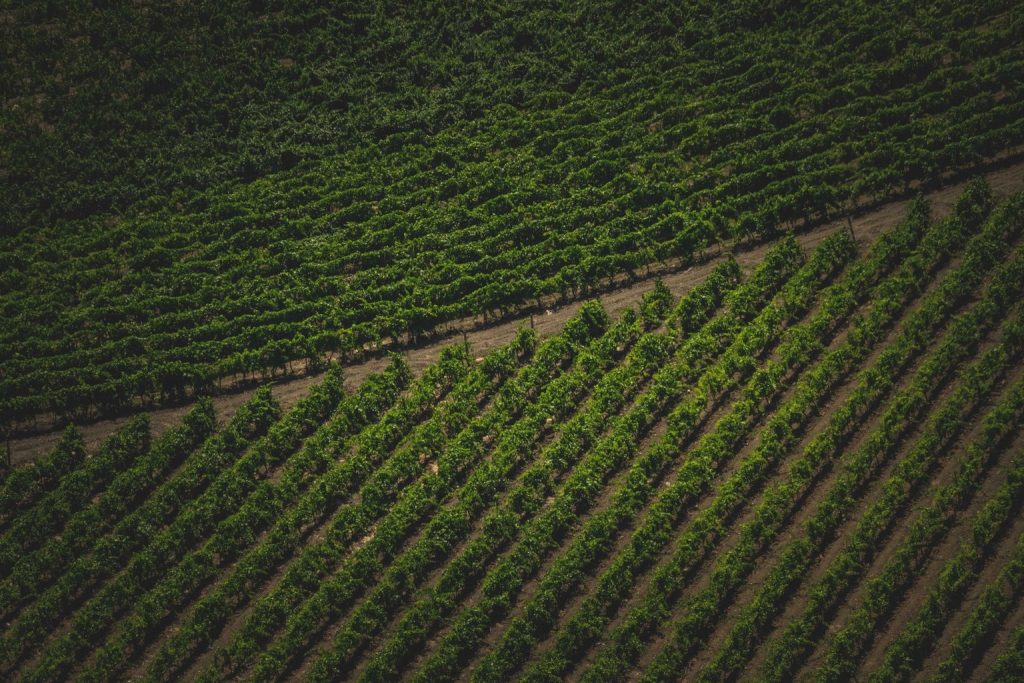
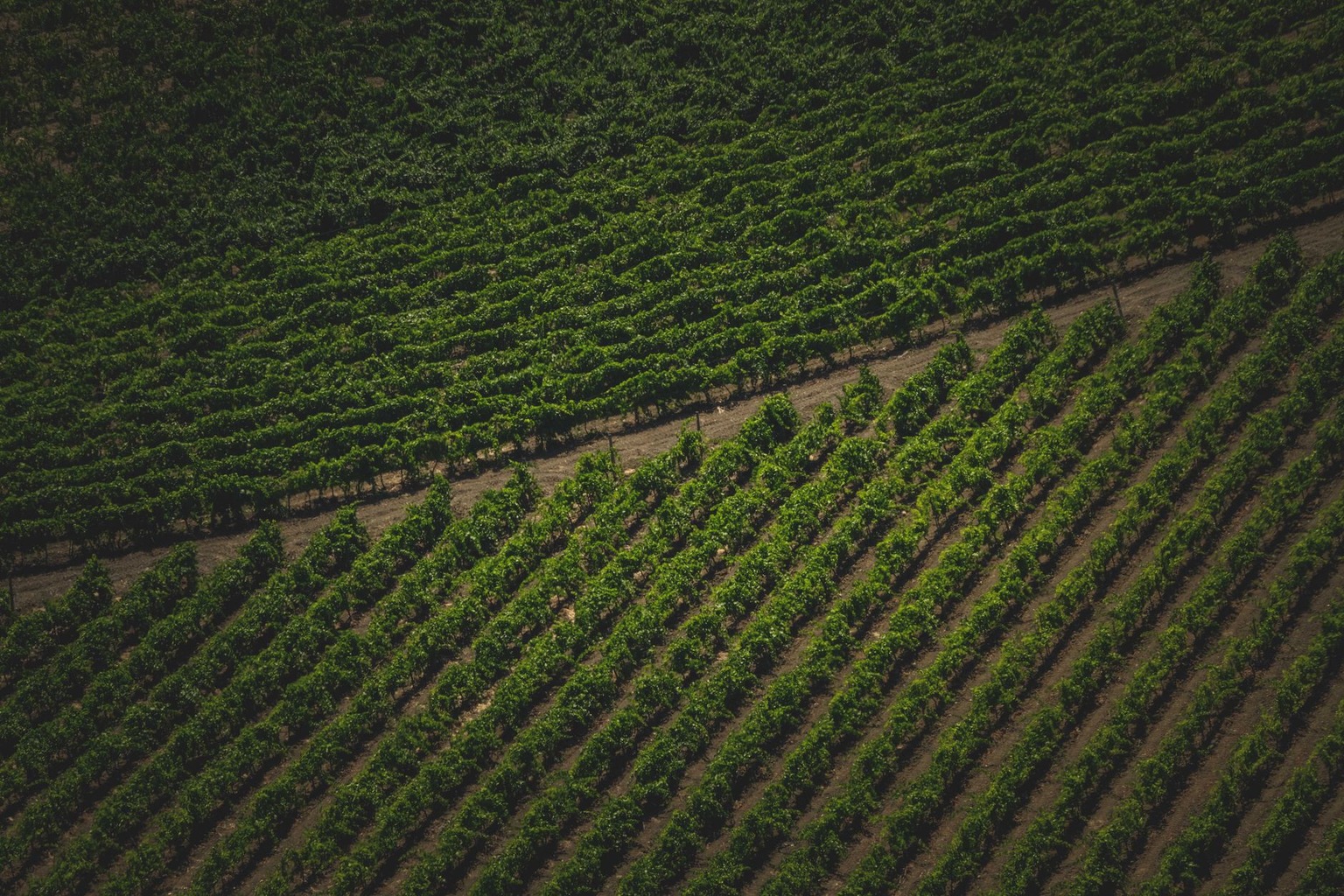
Louisiana winemakers are entering 2026 with a sharpened focus on environmental stewardship because sustainable practices in Louisiana vineyards have moved from optional experimentation to operational necessity across the Gulf South. The state’s signature combination of oppressive humidity, unpredictable hurricane tracks, and heavy clay soils forces growers to adapt or lose entire vintages to fungal pressure and erosion. Muscadine and hybrid varieties such as Blanc du Bois and Lenoir dominate plantings precisely because they tolerate conditions that would devastate Vitis vinifera, yet even these tough cultivars demand precise canopy management and soil stewardship to reach premium quality. Growers who ignore the intersection of climate data and vine physiology now face rising input costs and shrinking market access as buyers prioritize verified low-impact fruit. This article compares the leading approaches across seven critical dimensions so producers can match tactics to their specific site constraints and business scale.
Disease Management Strategies Compared
Conventional calendar spraying remains common on larger Muscadine blocks because it guarantees coverage during the critical bloom-to-veraison window when downy mildew and black rot explode in ninety percent humidity. The trade-off is escalating resistance risk and residue limits that complicate out-of-state sales to retailers demanding stricter maximum residue levels. Integrated pest management programs scout weekly using degree-day models tied to the LSU AgCenter weather stations, allowing growers to stretch spray intervals by ten to fourteen days when pressure stays below threshold. Biological alternatives such as Bacillus subtilis and potassium bicarbonate now anchor many organic programs, though they require application every five to seven days during wet springs and cost roughly forty percent more per acre than synthetic rotations. The decision hinges on whether the winery sells primarily through the tasting room, where storytelling offsets higher cost, or through wholesale channels where margin compression penalizes expensive inputs.
Copper-based fungicides remain the backbone of certified organic disease control because they suppress both downy and powdery mildew without synthetic chemistry, yet copper accumulation in acidic Louisiana soils eventually suppresses beneficial microbial activity and vine vigor. Several vineyards in the Florida Parishes have begun rotating copper with hydrogen peroxide-based oxidizers and timed sulfur dustings to slow soil loading while maintaining certification. Trials at the Hammond Research Station show that alternating copper hydroxide at one pound metallic copper equivalent per acre with a peroxide tank mix every ten days kept disease incidence below five percent on Blanc du Bois clusters through harvest. Growers must budget for annual soil testing and foliar nutrient analysis because copper toxicity mimics iron deficiency, leading to misdiagnosis and wasted chelate applications. The comparison ultimately centers on long-term soil health versus short-term certification premiums.
Water Management and Irrigation Efficiency
Supplemental irrigation was rare in Louisiana vineyards a decade ago because annual rainfall exceeds sixty inches, but shifting precipitation patterns now deliver spring deluges followed by six-week summer droughts that stall ripening and spike brix volatility. Drip tape buried twelve inches deep reduces evaporation losses by thirty percent compared to overhead sprinklers and keeps foliage dry, cutting disease pressure without extra fungicide passes. Pressure-compensating emitters rated at 0.5 gallons per hour allow precise deficit irrigation during the lag phase, concentrating flavors in Lenoir and Norton without inducing vine stress that triggers premature leaf drop. Installation costs average twenty-two hundred dollars per acre including filtration and automation, a figure that pays back in three seasons through water savings and yield consistency.
Rainwater capture from packing shed roofs and equipment barns provides a zero-energy water source for frost protection and early-season irrigation, yet storage capacity remains the bottleneck. A ten-thousand-gallon poly tank fills from a single inch of rain on a four-thousand-square-foot roof, supplying roughly one acre-inch of water for emergency frost events in March. Growers in the Alexandria region pair these tanks with solar-powered transfer pumps to avoid grid dependence during hurricane-related outages. The trade-off is upfront capital versus operational resilience; vineyards without capture systems must rent diesel pumps at three hundred dollars per day during freeze alerts, a cost that erodes margins quickly in low-yield years. Comparing the two approaches reveals that capture systems favor established operations with infrastructure budgets, while rental flexibility suits new plantings still proving site viability.
Soil Health and Cover Crop Systems
Heavy alluvial clays along the Mississippi and Red River floodplains compact under tractor traffic, restricting root penetration to the top eighteen inches where oxygen depletion during wet spells triggers root dieback. Deep-rooted cover crops such as tillage radish and cereal rye drilled post-harvest in November fracture compaction layers down to three feet, creating macropores that improve drainage and aeration for the following spring. Biomass measurements from a St. Francisville trial showed rye producing four thousand pounds of dry matter per acre by March termination, contributing eighty pounds of nitrogen and suppressing winter annual weeds that harbor grape berry moth. The challenge is timely termination before seed set; roller-crimping works well on flat blocks but fails on the terraced rows common in the Kisatchie foothills where mowing and incorporation remain necessary.
On the mjnvsadmin1 channel, they explain how to maintain a natural setting in a vineyard, and you can watch it right here.
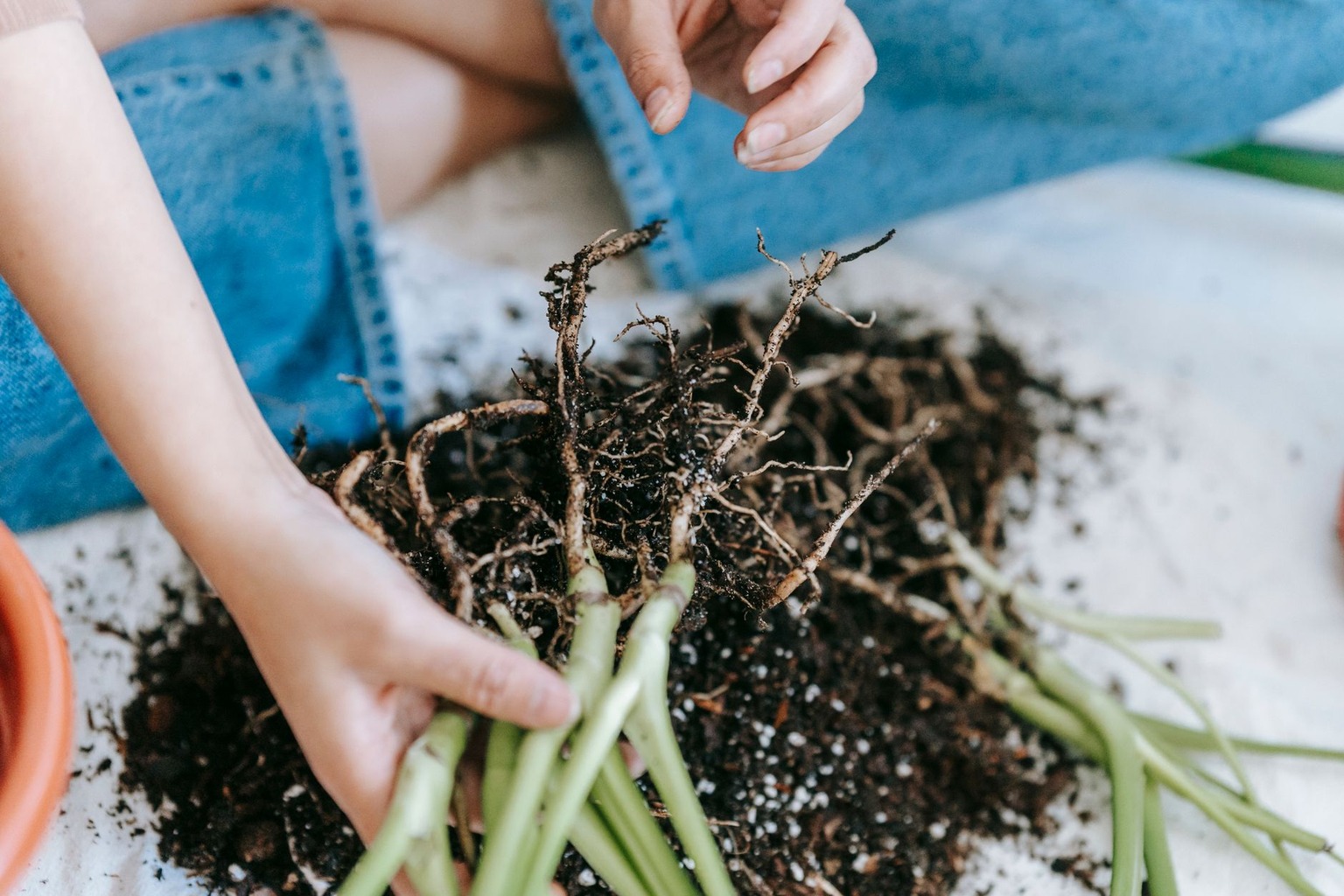
Compost application at five tons per acre every third year raises organic matter from a baseline of one percent to nearly three percent over a decade, dramatically increasing water-holding capacity and buffering pH swings in acidic soils. Wineries producing their own pomace compost close the nutrient loop, recycling potassium and calcium removed in the harvest back into the vineyard. A Baton Rouge area producer documented a fifteen percent reduction in purchased potassium sulfate after three compost cycles, saving roughly ninety dollars per acre annually. However, compost high in soluble salts can burn young roots if applied within sixty days of bud break, so timing and source verification are critical. The comparison highlights that cover crops deliver immediate structural benefits while compost builds long-term fertility, and the most resilient programs layer both rather than choosing one.
Energy Use and Carbon Footprint Reduction
Refrigeration for cold stabilization and tank cooling accounts for sixty percent of winery electricity demand, making it the primary target for carbon reduction. Variable-speed drive compressors matched to glycol loop demand cut kilowatt-hour consumption by thirty-five percent compared to fixed-speed units cycling on and off, and the utility rebate from Entergy often covers forty percent of the retrofit cost. Solar arrays sized to offset daytime cooling loads perform best on south-facing warehouse roofs with minimal shading; a twenty-kilowatt system at a Hammond facility generates thirty-two thousand kilowatt-hours annually, covering eighty percent of harvest-season demand. Battery storage remains economically marginal at current lithium-ion prices unless the winery faces demand charges exceeding fifteen dollars per kilowatt, which applies mainly to facilities over fifty thousand cases.
Lightweight glass bottles weighing three hundred eighty grams reduce shipping weight by twenty percent compared to standard five-hundred-gram bottles, lowering freight emissions and per-case transport cost by roughly forty cents. Several Louisiana labels have adopted screw caps for white and rosé wines to eliminate cork-related oxidation waste, which can claim two to three percent of production in humid cellars. The trade-off is consumer perception; tasting room surveys indicate that twenty percent of visitors associate screw caps with lower quality despite blind trials showing superior freshness retention. Wineries targeting the premium gift market often retain heavier glass and natural cork for reserve tiers while moving volume wines to lightweight and alternative closures, a segmented approach that balances sustainability metrics with brand positioning.
Biodiversity and Habitat Integration
Bat houses and bluebird boxes installed on row posts provide biological control of grape berry moth and leafhoppers, with each bat consuming up to one thousand insects nightly during peak flight periods. A three-year monitoring project near Lafayette recorded a forty percent reduction in berry moth pheromone trap catches in blocks with active bat colonies versus control blocks, allowing one fewer insecticide application per season. Native wildflower strips planted along field margins support parasitic wasps that target grape root borer larvae, a pest that chemical controls reach poorly due to soil penetration limits. Establishment costs average three hundred dollars per acre for seed and site prep, but USDA EQIP contracts can reimburse fifty percent when plantings meet pollinator habitat standards.
Riparian buffer zones of thirty-five feet along bayous and drainage ditches filter sediment and nutrient runoff, protecting water quality and maintaining compliance with Louisiana Department of Environmental Quality regulations. Planting bald cypress and water tupelo in these buffers stabilizes banks during flood events that would otherwise undercut vineyard roads and trellis anchors. The opportunity cost is land removed from production, roughly one acre per thousand linear feet of buffer, which small growers under ten acres struggle to absorb. Larger estates treat buffers as insurance against regulatory fines and erosion repair bills that can exceed twenty thousand dollars after a single hurricane. The comparison shows that habitat investments scale favorably with acreage, while smaller vineyards may prioritize targeted insectary plantings that fit within existing headlands.
Certification Pathways and Market Access
LIVE certification from the Pacific Northwest has gained traction among Louisiana hybrids because its point-based system accommodates regional disease pressure better than rigid national organic standards, allowing limited synthetic use when biological options fail. The audit fee of twelve hundred dollars plus travel expenses fits mid-sized wineries producing five thousand to twenty thousand cases, and the logo resonates with retail buyers in Texas and Florida markets where “sustainable” outperforms “organic” in consumer surveys. Certified Sustainable by the Louisiana Department of Agriculture offers a state-specific alternative with lower fees and auditors familiar with Muscadine physiology, though it lacks national retail recognition. The choice depends on whether the sales strategy prioritizes regional grocery chains or national wine club distribution.

Carbon neutral certification through third-party verifiers such as Climate Neutral requires full scope one, two, and three emissions accounting, pushing wineries to quantify glass manufacturing, distribution trucking, and even consumer travel to the tasting room. A ten-thousand-case producer in the Northshore region spent eighteen months and forty thousand dollars to achieve certification, then leveraged the claim into a placement with a national restaurant group that mandates verified sustainability for all by-the-glass pours. The return on investment materializes only when premium placements or direct-to-consumer price premiums exceed the ongoing verification cost of five thousand dollars annually. Smaller operations often find that transparent self-reported metrics on the website, energy use per case, water use per gallon, compost tons applied, satisfy eco-conscious visitors without the audit burden, a pragmatic middle ground that builds trust without certifying bodies.
Economic Viability and Long-Term Planning
Capital expenditure for sustainable infrastructure competes directly with replanting budgets, especially when hybrid vines reach twenty-five years and yield decline accelerates. A phased approach spreads costs: year one funds drip irrigation and weather stations, year two adds cover crop equipment and compost spreaders, year three targets solar and refrigeration upgrades. This sequencing matches cash flow to harvest revenue and allows each investment to generate savings that fund the next. Growers who attempted full conversion in a single season reported cash crunches that delayed pruning and harvest labor, ultimately reducing quality more than the sustainability gains improved it. The lesson is that financial sustainability underpins environmental sustainability; a bankrupt vineyard reverts to row crops or development, erasing decades of soil building.
Crop insurance through the USDA Whole-Farm Revenue Protection program now recognizes sustainable practices as risk mitigation, offering premium discounts of up to fifteen percent for documented cover cropping, integrated pest management, and irrigation efficiency. A grower in the Cane River region reduced annual premiums by four thousand dollars after submitting three years of scouting logs and soil test records, effectively monetizing the data collection already required for certification. Long-term planning also includes climate adaptation scenarios; LSU climate models project a two-degree Fahrenheit increase in average growing season temperature by 2040, shifting viable varieties toward later-ripening hybrids such as Villard Blanc and Cabernet Doré. Vineyards that trial these cultivars now in observation blocks of twenty vines each will have performance data when replanting decisions arrive, turning uncertainty into a managed transition rather than a crisis reaction.

Winemaker with 12 years in the cellar. I write about fermentation, terroir, and the honest mistakes that taught me more than any textbook. I’ve ruined more barrels than most people have tasted. That’s not a disclaimer — that’s a résumé. Twelve years making wine in France, now making sense of it in words.