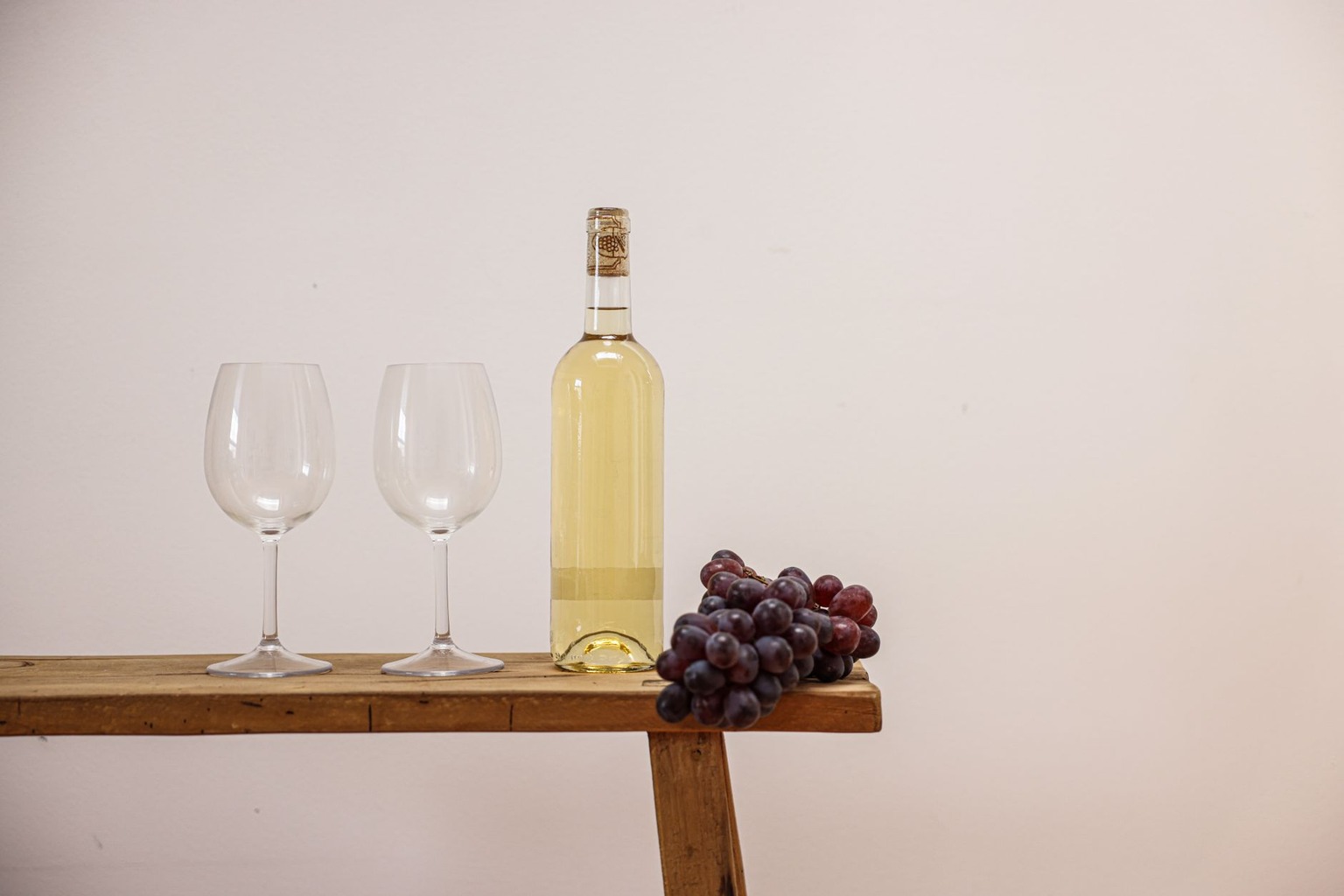
Scuppernong wine is the backbone of Southern American viticulture, offering a flavor profile that shifts dramatically depending on how the winemaker manages residual sugar and fermentation. Located in the heart of Louisiana, Felicianacellars.com focuses on understanding these variations to help you choose a bottle that matches your specific palate preferences. The distinction between dry, semi-sweet, and off-dry styles is not merely a label detail but a fundamental difference in the chemical structure of the final product. Understanding these nuances allows you to appreciate the craftsmanship involved in turning a native grape into a refined beverage. We will break down the sensory characteristics, production methods, and best food pairings for each style. This analysis will help you navigate the tasting menu with confidence and avoid common mismatches.
The Chemistry of Residual Sugar Levels
Determining whether a wine is dry, off-dry, or semi-sweet comes down to the precise amount of sugar left in the liquid after fermentation is complete. Dry wines have residual sugar levels below one gram per liter, which means the yeast has consumed almost all available glucose and fructose. Off-dry wines typically sit between one and three grams per liter, providing a subtle sweetness that you taste but do not immediately notice. Semi-sweet wines range from three to four grams per liter, creating a distinct sugary note on the palate without becoming cloying. These numbers matter because human taste buds perceive sweetness non-linearly, so small changes in sugar content create large perceptual differences.
The perception of dryness is also heavily influenced by acidity and tannin levels, which can mask or balance out residual sugars. A high-acid wine with low sugar tastes crisp and sharp, while a low-acid wine with the same sugar level feels flat and flabby. Winemakers in Louisiana often aim for a specific acid-to-sugar ratio to ensure the wine remains refreshing despite the warm climate. You can taste this balance when you swirl the glass and take a sip, as the finish length indicates how well the components are integrated. If the sweetness fades quickly, the wine is likely more dry; if it lingers, it is leaning toward semi-sweet.
By studying the wine’s chemical boundaries, you can forecast its aging potential and aroma evolution. Oxidation can slightly increase perceived sweetness as acids degrade, meaning a perfectly balanced off-dry wine might taste drier after a year of cellaring. Conversely, a semi-sweet wine might seem less sweet if it has been stored at too high a temperature, accelerating the breakdown of aromatic compounds. Checking the technical sheet on the back label can give you the exact residual sugar figure, which is a more reliable guide than marketing terms alone. This data point is crucial for consistent purchasing decisions across different vintages and producers.
Terroir Impact on Native Grape Expressions
The Scuppernong grape thrives in the humid subtropical climate of the American South, where heat and humidity drive specific ripening patterns that affect wine style. In Louisiana vineyards, the grape often reaches peak sugar levels before achieving full phenolic maturity, which can result in wines with lower acidity than their European counterparts. This natural tendency makes it challenging to produce a truly bone-dry wine without adding acid during winemaking, a practice known as acid adjustment. The soil composition also plays a role, with sandy loams allowing for deeper root systems that access moisture reserves during dry spells. These environmental factors mean that the base juice entering fermentation often has a higher sugar-to-acid ratio than ideal for dry styles.
Winemakers must adapt their techniques to counteract or embrace these terroir-driven characteristics, leading to distinct stylistic choices in different regions. Some producers in the Gulf Coast area focus on early harvesting to preserve acidity, resulting in lighter, drier wines with intense floral notes. Others wait for full ripeness, accepting the lower acid levels and compensating by stopping fermentation early to retain natural sweetness. This decision point defines whether the final product will be labeled off-dry or semi-sweet. The variation across different vineyards in Louisiana shows that there is no single correct way to make this wine, but rather a spectrum of valid approaches.
The influence of microclimates within specific vineyard blocks adds another layer of complexity to the final wine profile. A slope facing the sun might produce grapes with higher sugar concentrations than a shaded flatland plot nearby. This intra-vineyard variability allows winemakers to blend different lots to achieve a target sweetness level and flavor balance. By selecting fruit from specific rows, they can craft a consistent house style year after year despite changing weather conditions. This precision in viticulture is what separates premium bottles from generic table wines found in mass-market stores.
Fermentation Control and Winemaking Techniques
The decision to produce a dry or sweet wine is often made during the fermentation stage, where winemakers control how much sugar the yeast converts into alcohol. For a dry wine, fermentation runs to completion, meaning all fermentable sugars are consumed by the yeast. This process can take several weeks, depending on temperature and yeast strain, requiring constant monitoring to prevent stuck fermentations. In contrast, for an off-dry or semi-sweet wine, the winemaker intentionally stops fermentation early to preserve residual sugars. This is achieved by dropping the temperature, adding sulfur dioxide, or using sterile filtration to deactivate the yeast.
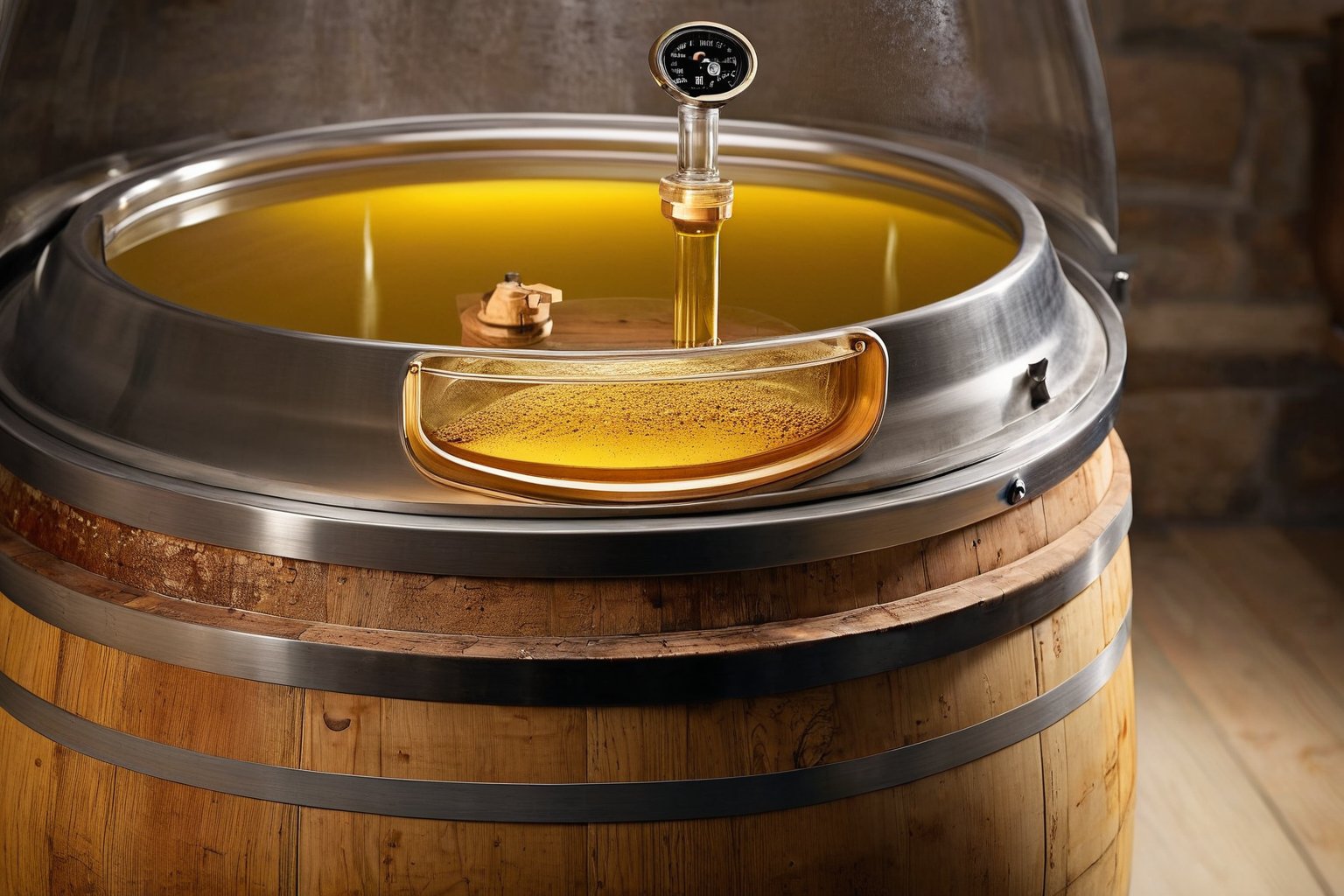
The choice of vessel and aging method also impacts the perceived sweetness and texture of the final wine. Aging in stainless steel tanks preserves fresh fruit flavors and keeps acidity bright, which can make a semi-sweet wine taste sharper and more refreshing. Oak barrel aging introduces vanillin and tannins that round out the edges of the wine, making the sweetness feel smoother and more integrated. Some producers use a combination of both, starting in oak for structure and finishing in steel for freshness. This hybrid approach is common in modern Louisiana wineries seeking to balance traditional style with contemporary palates.
Clarification methods after fermentation play a subtle but important role in how the wine tastes on the palate. Fine lees contact can add body and a creamy texture that masks the perception of dryness, making a technically dry wine feel richer. Conversely, aggressive racking and filtering produce a crisp, clear wine where every note of acidity is visible and distinct. The winemaker’s philosophy on intervention levels determines whether the wine feels rustic and complex or polished and precise. Understanding these techniques helps you appreciate why two wines from the same vineyard can taste completely different despite similar grape varieties.
Sensory Profiles and Aromatic Nuances
Tasting a dry Scuppernong wine reveals a profile dominated by high acidity and intense fruit aromas, often including notes of green apple, citrus zest, and herbal undertones. The lack of sugar allows the volatile acidity and sulfides to be more prominent if not managed correctly, so a clean production process is essential. The finish is typically short and crisp, drying out quickly on the palate without lingering sweetness. This style appeals to those who prefer sharp, refreshing wines that cut through rich foods. It is less forgiving of faults, making it a true test of winemaking skill.
Off-dry Scuppernong wines offer a middle ground where a hint of sweetness softens the acidity without overpowering the fruit character. You will detect a gentle sweetness in the mid-palate that fades into a dry finish, creating a sense of balance and harmony. Aromatic compounds like peach, apricot, and honeysuckle become more pronounced as the sugar levels rise slightly. This style is often considered the most versatile for food pairing because it bridges the gap between sharp dryness and full sweetness. It is the default choice for many casual drinkers who find fully dry wines too harsh.
Semi-sweet Scuppernong wines present a lush, jammy texture with obvious sweetness that persists from the first sip to the finish. The aroma profile shifts toward ripe tropical fruits, dried apricots, and sometimes caramel or toffee notes if aged in oak. These wines are heavier in body and have lower perceived acidity, making them feel coating on the tongue. They are best enjoyed chilled, as higher temperatures can make the sweetness feel cloying and overwhelming. This style is particularly popular for special occasions and dessert pairings due to its rich character.
Food Pairing Strategies by Sweetness Level
Pairing dry Scuppernong wine with food requires focusing on dishes that benefit from high acidity and low sweetness, such as seafood or spicy cuisines. The crisp nature of the wine helps cleanse the palate between bites of rich, oily fish like catfish or shrimp. It also works well with light poultry salads where the acidity cuts through the dressing. Avoid pairing dry wines with very sweet desserts, as the lack of sugar will make the wine taste harsh and acidic by comparison. The goal is to find a balance where neither the food nor the wine overpowers the other.
Off-dry wines are excellent companions for Asian cuisine, particularly dishes with sweet and sour sauces or mild spiciness. The slight sweetness in the wine complements the glaze on teriyaki chicken or the heat in Thai curry without adding more sugar to the dish. It also pairs beautifully with blue cheeses, where the salty tang of the cheese is softened by the wine’s gentle sweetness. This style is versatile enough to work with both savory and mildly sweet foods, making it a safe bet for mixed groups. The balance between fruit and acid ensures that the wine does not disappear into the background of the meal.
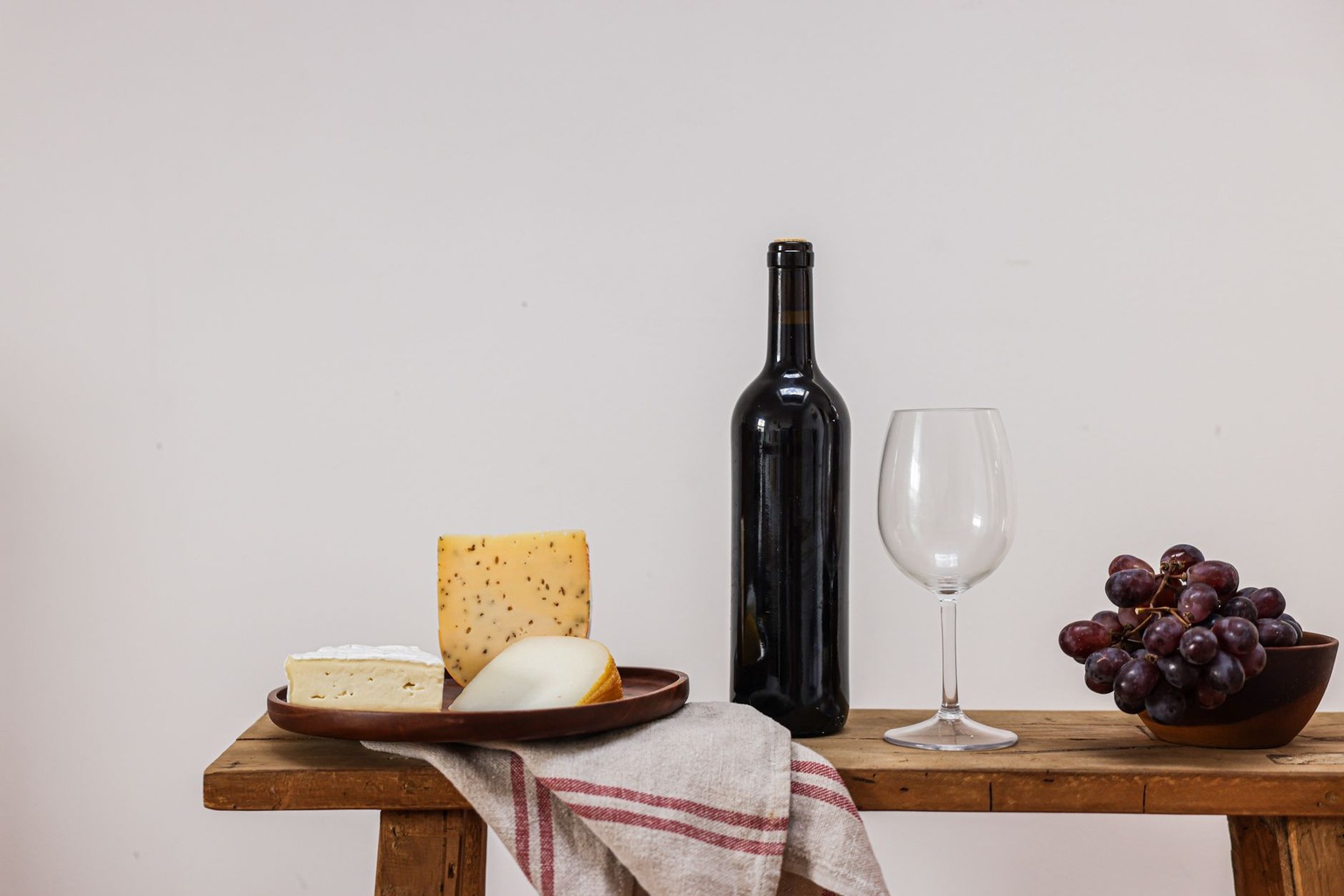
Semi-sweet Scuppernong wines shine when paired with desserts that have their own intensity, such as pecan pie or fruit tarts. The richness of the wine matches the heaviness of the dessert, creating a harmonious experience where flavors enhance each other. It also works well with cheese boards featuring creamy brie or soft goat cheeses, where the sweetness cuts through the fat. Avoid pairing these wines with very light or delicate dishes, as the strong sweetness will dominate and obscure subtle flavors. Chilling the wine slightly before serving can help balance the intensity of both the food and the drink.
Market Positioning and Consumer Preferences
The demand for Scuppernong wine in Louisiana is driven by a growing appreciation for local agriculture and terroir-specific products. Consumers are increasingly seeking out wines that reflect their regional identity, leading to higher sales of native grape varieties compared to imported international grapes. Dry styles tend to appeal to younger demographics who prefer lower-alcohol, refreshing options, while semi-sweet styles attract older consumers with a taste for traditional dessert wines. This demographic split allows wineries to produce multiple styles from the same harvest, maximizing yield and meeting diverse market needs.
Pricing structures also reflect the complexity of production, with dry wines often commanding higher prices due to the precision required in fermentation control. Semi-sweet wines are generally more accessible, as they are easier to produce consistently and appeal to a broader audience. The label terminology is carefully chosen to guide consumer expectations, with terms like “estate grown” or “reserve” signaling higher quality levels within each style. Understanding these market dynamics helps buyers make informed decisions about value and quality.
The rise of direct-to-consumer sales channels has allowed small wineries to communicate their specific stylistic choices directly to the public. Tasting notes on websites and social media provide detailed descriptions of sugar levels and flavor profiles, reducing the guesswork for remote buyers. This transparency builds trust and loyalty, as customers know exactly what to expect from each bottle. The educational aspect of wine marketing is becoming a key differentiator in a crowded market.
Preservation and Serving Recommendations
Proper storage temperature is critical for maintaining the balance of Scuppernong wines across all sweetness levels. Dry and off-dry wines should be stored at cooler temperatures to preserve their acidity and fresh fruit aromas, ideally between 50 and 55 degrees Fahrenheit. Semi-sweet wines are more forgiving but still benefit from consistent cool storage to prevent oxidation and flavor degradation. Fluctuating temperatures can cause the cork to expand and contract, allowing air to enter and spoil the wine. A dedicated wine fridge or a cool cellar is the best investment for long-term aging.
Serving temperature significantly impacts the perception of sweetness and acidity, so adjust based on the style you are drinking. Dry wines are best served slightly chilled at around 50 degrees Fahrenheit to emphasize their crispness and structure. Off-dry wines can be served a few degrees warmer, around 55 degrees, to allow the fruit flavors to open up. Semi-sweet wines should be served slightly cooler than room temperature to keep the sweetness from becoming cloying. Using proper wine glasses with a wide bowl helps aerate the wine and release its aromatic potential.
Opening a bottle of Scuppernong wine and letting it breathe for 15 to 30 minutes can enhance the experience by allowing volatile aromatics to dissipate. This is especially important for younger wines that may have strong reduction notes or sulfide smells from fermentation. As the wine breathes, the fruit flavors become more prominent and the overall balance improves. However, do not leave the bottle open for too long, as oxidation will eventually degrade the quality of all wine styles. Enjoying the wine within a few days of opening ensures the best possible taste.

Winemaker with 12 years in the cellar. I write about fermentation, terroir, and the honest mistakes that taught me more than any textbook. I’ve ruined more barrels than most people have tasted. That’s not a disclaimer — that’s a résumé. Twelve years making wine in France, now making sense of it in words.