


When it comes to producing high-quality grapes, vineyard soil fertility and nutrient management are paramount, fertilizer and soil insights. Achieving balanced fertilization is essential for enhancing grapevine nutrition, which directly affects the quality of the grapes harvested. Understanding the intricate relationship between soil fertility and grape quality will empower vineyard managers to make informed decisions about fertilizer application and crop nutrition strategies. This article delves into key aspects of vineyard fertilization, focusing on how nutrient management can lead to superior grape quality.
Understanding Soil Fertility in Vineyards
Soil fertility refers to the ability of soil to provide essential nutrients to plants, a critical factor for successful vineyard management. Healthy soil supports robust grapevine nutrition by supplying macro and micronutrients necessary for vine growth and grape development. Key nutrients include nitrogen, phosphorus, and potassium, each playing a distinct role in plant health. Nitrogen fertilizer, for instance, enhances vegetative growth, while phosphorus is vital for root development and flowering. Potassium contributes to disease resistance and fruit quality, making it crucial during the ripening phase.
Soil testing is the first step in assessing soil fertility. By conducting thorough soil tests, vineyard managers can determine nutrient levels, pH, and organic matter content. This information guides the selection of appropriate fertilizers and amendments, ensuring that the soil environment is optimized for grapevine growth. Regular soil testing is essential for monitoring changes over time, allowing for timely adjustments in nutrient management practices.
In addition to chemical properties, soil structure and microbial activity also significantly influence soil fertility. Healthy soils with good structure promote air and water movement, supporting root systems and enhancing nutrient uptake. Furthermore, beneficial soil microorganisms play a crucial role in nutrient cycling, breaking down organic matter and making nutrients more accessible to vines. Sustainable viticulture practices that focus on enhancing soil health can lead to long-term improvements in vineyard productivity and grape quality.
The Role of Nitrogen in Vineyard Fertilization
Nitrogen is one of the most critical nutrients for grapevines, influencing both growth and fruit quality. It primarily supports vegetative growth, promoting leaf development and overall vine vigor. However, excessive nitrogen can lead to overly lush foliage at the expense of fruit quality. Therefore, careful management of nitrogen fertilizer is essential to strike a balance that fosters healthy growth without compromising grape quality.
Timing and method of nitrogen application are crucial factors in vineyard fertilization. Applying nitrogen in early spring, before bud break, can encourage robust growth during the growing season. However, late-season nitrogen applications can delay ripening and reduce sugar concentration in grapes, negatively impacting wine quality. Therefore, vineyard managers must tailor nitrogen application rates and timings to the specific needs of their vines and the desired outcomes for grape quality.
Incorporating cover crops and organic amendments can also enhance nitrogen availability in the soil. Leguminous cover crops, for instance, fix atmospheric nitrogen, enriching the soil naturally. This practice not only improves soil fertility but also supports sustainable viticulture by reducing reliance on synthetic fertilizers.
Phosphorus Management for Optimal Grape Quality
Phosphorus is another essential nutrient that plays a significant role in grapevine nutrition. It is vital for root development, flowering, and fruit set, making it crucial during the early stages of vine growth. Adequate phosphorus levels ensure strong root systems, which are essential for nutrient and water uptake, particularly in the face of environmental stressors.
Soil testing helps determine phosphorus availability in the soil, as this nutrient can become immobilized in certain soil types, particularly those with high pH or high iron and aluminum content. In such cases, vineyard managers may need to apply phosphorus fertilizers in forms that are more readily available to plants, such as monoammonium phosphate (MAP) or diammonium phosphate (DAP).
Timing of phosphorus application is equally important. Applying phosphorus before planting or during early vine development can significantly enhance root establishment and overall vine vigor. However, excessive phosphorus can lead to environmental issues, such as runoff into water bodies. Therefore, vineyard managers should adopt a targeted approach to phosphorus fertilization, aligning applications with the specific needs of their vines.
Potassium’s Influence on Grapevine Health and Quality
Potassium is crucial for grapevine health, influencing various physiological processes. It plays a significant role in osmoregulation, photosynthesis, and enzyme activation, all of which are essential for optimal grape development. Adequate potassium levels are particularly important during the ripening phase, as they contribute to sugar accumulation and fruit quality.
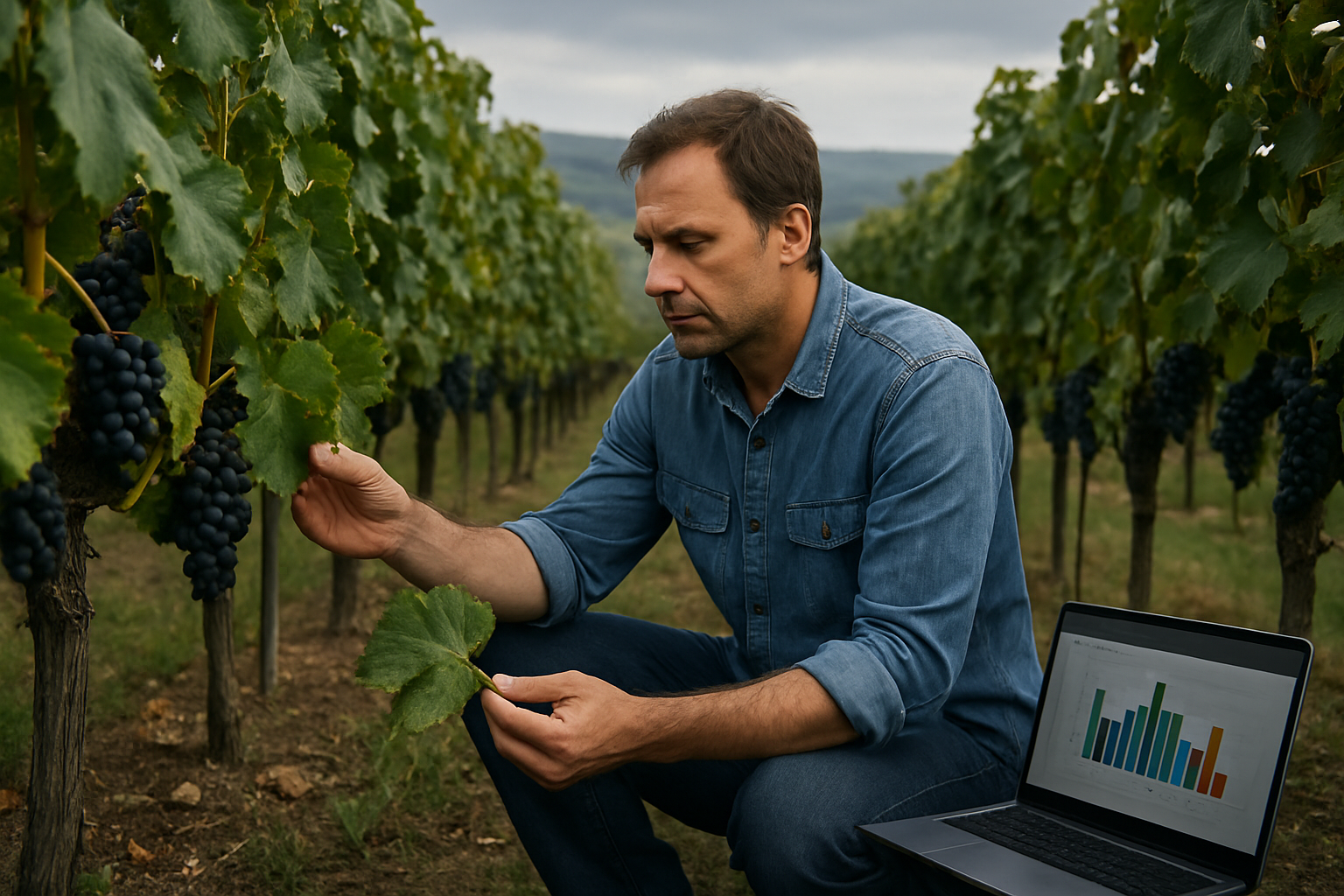
Soil testing for potassium levels will help vineyard managers determine if additional potassium fertilizer is necessary. Common sources of potassium include potassium sulfate and potassium nitrate, each providing potassium in forms that are readily absorbed by grapevines. The timing of potassium application should coincide with the period leading up to harvest to ensure that nutrient levels are sufficient during critical growth stages.
Moreover, balancing potassium with other nutrients is essential. An excess of potassium can interfere with the uptake of magnesium and calcium, leading to nutrient deficiencies that can adversely affect plant health. Therefore, a comprehensive understanding of soil nutrient interactions is essential for effective vineyard fertilization practices.
Implementing Effective Fertilizer Application Strategies
Effective fertilizer application is a cornerstone of successful vineyard management. The method of application can significantly impact nutrient availability and uptake by grapevines. Common methods include broadcasting, banding, and fertigation. Broadcasting involves spreading fertilizers over the soil surface, while banding places fertilizers in concentrated bands near the root zone. Fertigation, the application of fertilizers through irrigation systems, allows for precise nutrient delivery and can be highly effective for maintaining optimal nutrient levels throughout the growing season.
Timing is another critical factor in fertilizer application. Applying fertilizers at the right time ensures that nutrients are available when grapevines need them most. For instance, early spring applications can support vigorous growth, while late-season applications should be avoided to prevent interference with ripening.
In addition to timing and method, monitoring the effectiveness of fertilizer applications through regular soil testing can inform future practices. By assessing how well nutrients are being utilized, vineyard managers can refine their fertilization strategies, ensuring they meet the specific needs of their vines while minimizing environmental impact.
Common Mistakes in Vineyard Nutrient Management
Despite the best intentions, vineyard managers can make common mistakes in nutrient management that hinder grape quality. One frequent error is over-fertilization, which can lead to nutrient imbalances and negatively impact grapevine health. Excessive nitrogen, for instance, can result in vigorous growth with poor fruit set, while too much potassium can disrupt the uptake of other essential nutrients.
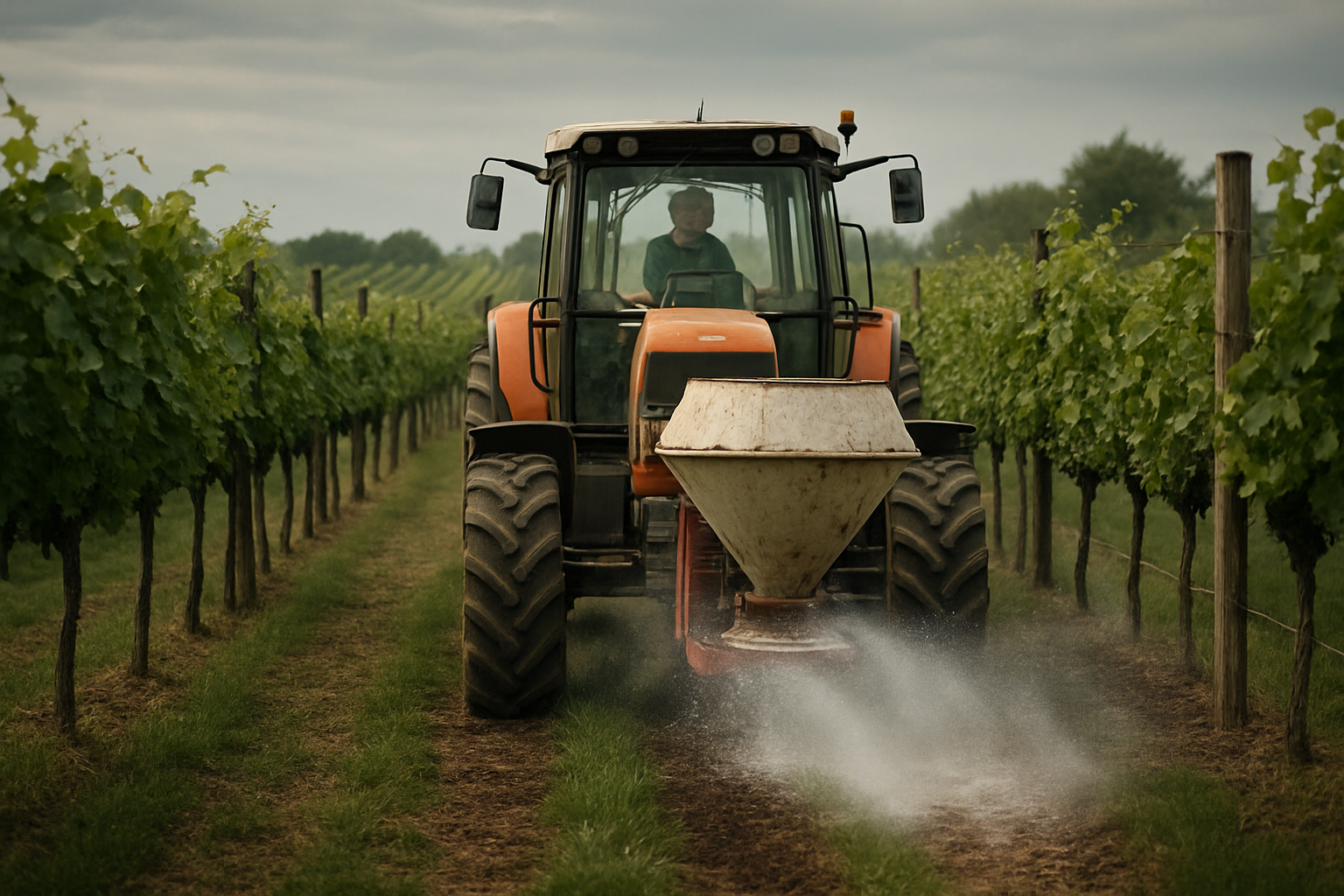
Another mistake is neglecting to conduct regular soil testing. Without comprehensive soil data, vineyard managers may apply fertilizers based on assumptions rather than actual nutrient needs. This oversight can lead to inefficient fertilizer use and compromised grape quality. Regular soil testing provides vital information that can guide precise fertilizer applications, optimizing grapevine nutrition.
Finally, failing to consider the impact of environmental conditions on nutrient uptake can also lead to suboptimal results. Factors such as soil moisture, temperature, and pH can significantly influence how well nutrients are absorbed by grapevines. Therefore, vineyard managers should remain vigilant about environmental conditions and adjust their nutrient management practices accordingly.
Adopting Sustainable Practices in Vineyard Management
Sustainable viticulture is increasingly recognized as essential for maintaining soil fertility and enhancing grape quality. Practices such as cover cropping, reduced tillage, and organic amendments contribute to healthier soils and more resilient grapevines. For instance, cover crops can improve soil structure, enhance microbial activity, and provide additional nutrients through natural processes.
Organic amendments, such as compost and green manures, enrich the soil with organic matter, promoting nutrient cycling and improving overall soil health. These sustainable practices not only support grapevine nutrition but also reduce reliance on synthetic fertilizers, aligning with environmentally responsible vineyard management.
Moreover, implementing integrated pest management (IPM) strategies can further enhance plant health. By fostering biodiversity and encouraging beneficial organisms, vineyard managers can create a more balanced ecosystem that supports grapevine nutrition and minimizes the need for chemical interventions.
Continuous Improvement Through Monitoring and Adaptation
Continuous improvement is a hallmark of effective vineyard management. Regular monitoring of soil health, grapevine growth, and fruit quality allows vineyard managers to adapt their practices based on real-time data. This proactive approach ensures that nutrient management strategies remain aligned with the evolving needs of the vineyard.
Utilizing technology, such as precision agriculture tools, can enhance monitoring efforts. Soil sensors, drone imagery, and data analytics can provide valuable insights into soil moisture levels, nutrient status, and even vine health. By leveraging these tools, vineyard managers can make informed decisions about fertilizer application and overall crop nutrition.
Ultimately, improving grape quality through balanced fertilization requires a holistic understanding of vineyard dynamics. By combining knowledge of soil fertility, nutrient management, and sustainable practices, vineyard managers can cultivate thriving grapevines that yield high-quality fruit year after year.

Winemaker with 12 years in the cellar. I write about fermentation, terroir, and the honest mistakes that taught me more than any textbook. I’ve ruined more barrels than most people have tasted. That’s not a disclaimer — that’s a résumé. Twelve years making wine in France, now making sense of it in words.