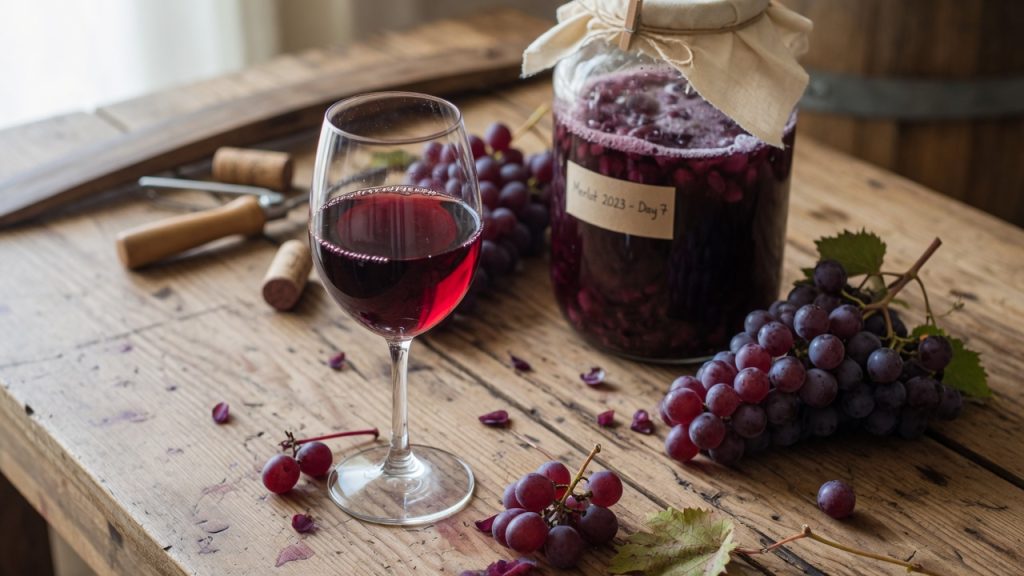
Introduction to Wine Fermentation
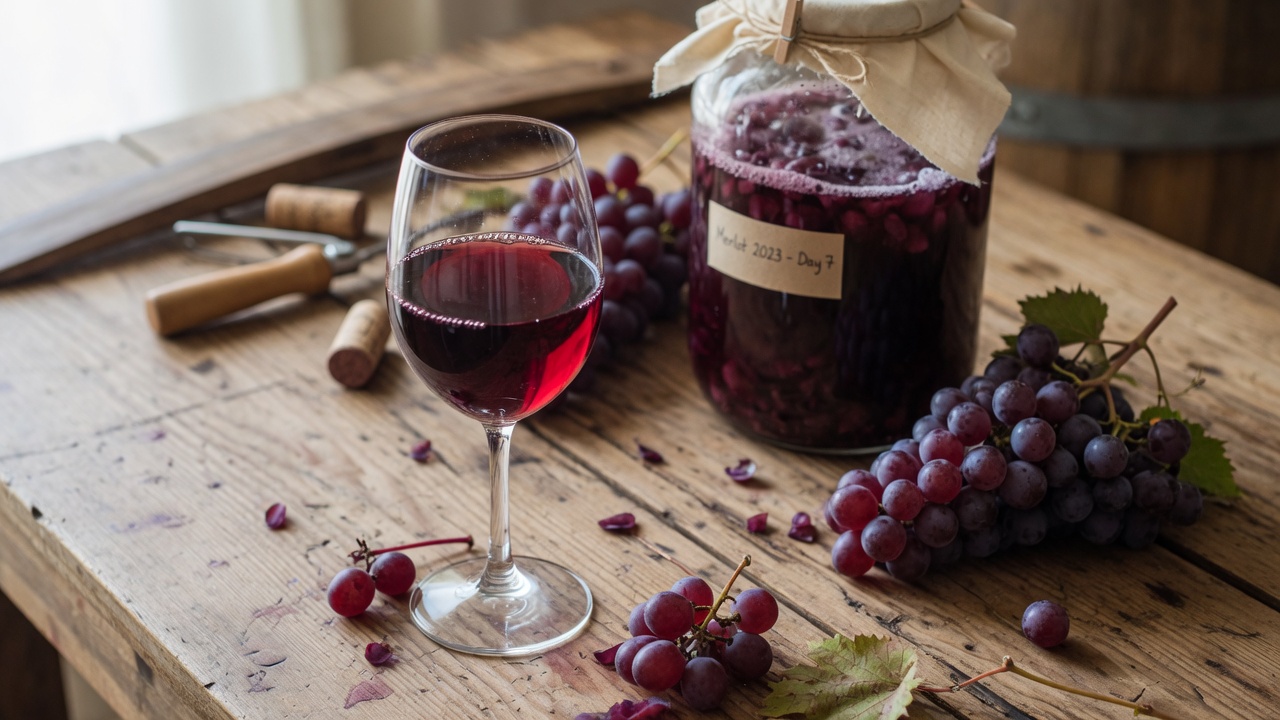
Wine fermentation is a fundamental process in winemaking that transforms grape juice into wine through the activity of yeast and other microorganisms. During fermentation, yeast consumes the sugars present in the grape juice and converts them into alcohol and carbon dioxide, which is what ultimately produces the alcoholic content in the wine. This natural biochemical process is crucial for creating the diverse range of flavors, aromas, and textures found in different types of wines.
Understanding the fermentation process is essential for anyone interested in winemaking basics, as it directly impacts the quality and character of the final product. The fermentation process not only produces alcohol but also influences the wine’s acidity, sweetness, and mouthfeel. Winemakers carefully monitor and control various factors such as temperature, yeast strains, and fermentation duration to achieve the desired style and flavor profile.
The wine fermentation timeline typically begins shortly after the grapes are harvested and crushed to release their juice. Initially, a lag phase may occur where yeast acclimates to its environment before vigorous fermentation starts. This active fermentation phase can last from several days to a few weeks, depending on the type of wine being produced and the conditions set by the winemaker. After the primary fermentation, wines often undergo additional stages like malolactic fermentation, which further refines their taste and texture.
Overall, the wine fermentation timeline is a dynamic and essential aspect of winemaking, guiding the transformation from simple grape juice to a complex and enjoyable beverage. This overview of the fermentation process highlights its importance and provides a foundational understanding for anyone exploring wine production and appreciation.
What is Wine Fermentation?
Wine fermentation is a natural biochemical process in which yeast converts the sugars present in grape juice into alcohol and carbon dioxide. This fermentation process is the fundamental step in winemaking, transforming the sweet grape must into an alcoholic beverage. Understanding the wine fermentation definition is key to appreciating how intricate and essential this stage of winemaking truly is.
The yeast role during fermentation is to consume the sugars—primarily glucose and fructose—found in the grape juice. As the yeast metabolizes these sugars, it produces ethanol (alcohol) and carbon dioxide as byproducts. This conversion not only creates the alcohol content in wine but also influences its flavor profile and aroma. Different strains of yeast can impart varying characteristics to the wine, making their selection an important part of the winemaker’s craft.
During the fermentation process, careful monitoring is required to maintain the right temperature and environment for the yeast to thrive. If conditions are optimal, fermentation will proceed smoothly, leading to wine with balanced alcohol and desired taste qualities. Conversely, if yeast activity is inhibited or uncontrolled, it may result in stalled fermentation or undesirable flavors.
Factors Affecting Fermentation Timeline
The fermentation timeline is influenced by several critical fermentation factors that winemakers must carefully manage to achieve the desired wine quality. One of the most significant elements is temperature effects. Fermentation temperature regulates yeast activity, as warmer conditions tend to accelerate fermentation, while cooler temperatures slow it down. Maintaining an optimal temperature is essential to prevent stuck fermentation and to preserve the wine’s flavor profile.
Yeast strains also play a crucial role in determining the timing of fermentation. Different strains have unique metabolic rates and tolerances for alcohol and temperature, impacting how fast or slow sugar is converted into alcohol and carbon dioxide. Selecting the appropriate yeast according to the style of wine and environmental conditions can fine-tune the fermentation process. Some yeast strains are robust and ferment quickly, while others produce more complex flavors but take a longer time.
Sugar content in the grape must is another major factor affecting fermentation duration. Higher sugar levels provide more fuel for yeast, potentially prolonging the fermentation as yeast converts all available sugars into alcohol. However, too high sugar concentration can stress yeast cells and cause fermentation to halt prematurely. Balancing sugar content with the right yeast strain and managing temperature effects ensures a smooth and consistent fermentation timeline.
–>Stages of Wine Fermentation Timeline
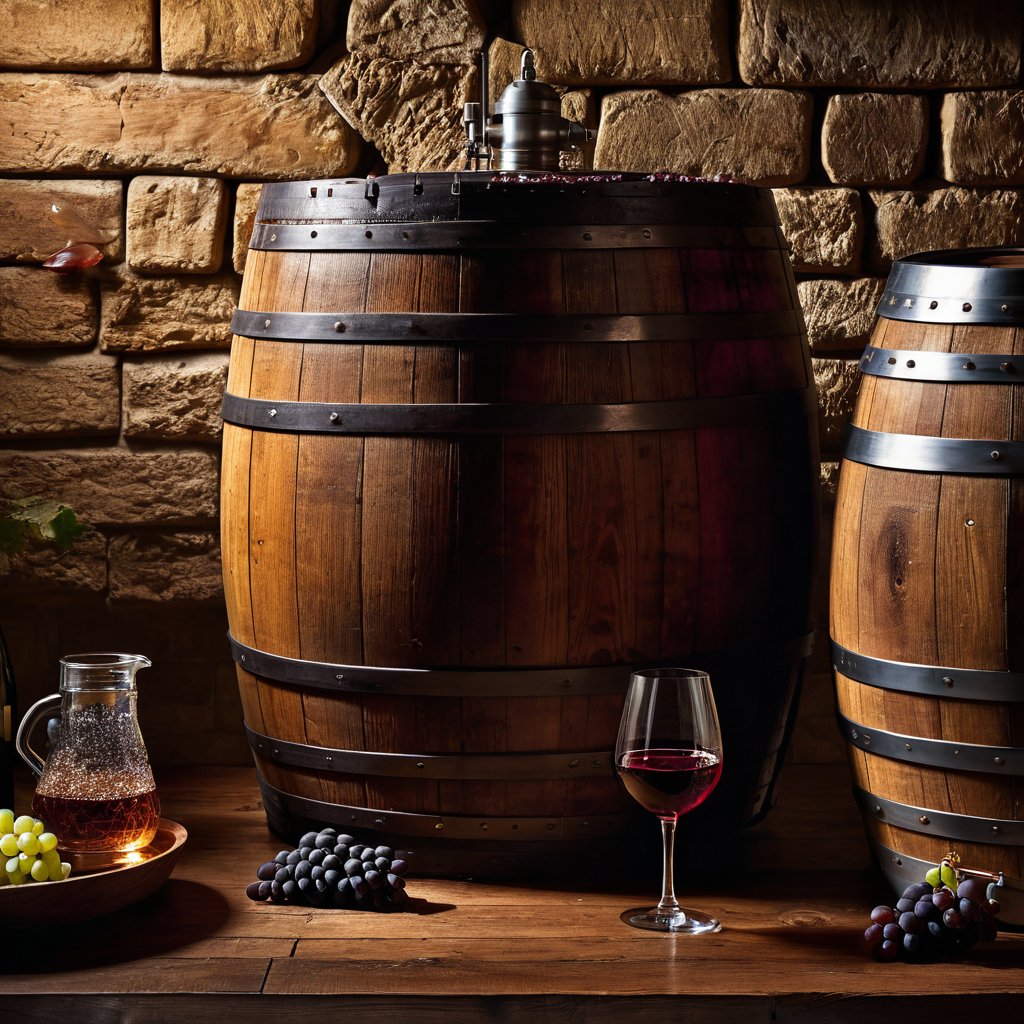
The wine fermentation timeline consists of distinct fermentation stages that are critical to transforming grape juice into wine. Each phase brings unique chemical changes and impacts the flavor, aroma, and quality of the final product. Understanding these timeline phases helps winemakers control the process and produce consistent results. The main stages include primary fermentation, secondary fermentation, and sometimes additional aging steps.
The initial and most crucial stage is the primary fermentation. This phase begins when yeast is added to the grape juice. Yeast consumes the sugars in the juice, converting them into alcohol and carbon dioxide. Primary fermentation typically lasts from one to two weeks but can vary depending on the type of wine and fermentation conditions such as temperature. During this stage, vigorous bubbling occurs as carbon dioxide is released, and the wine’s sugar content sharply decreases. This phase lays the foundation for the wine’s alcohol level and basic flavor profile.
Following primary fermentation, the wine enters the secondary fermentation stage, also known as malolactic fermentation in many cases. This phase is often slower and involves different bacteria rather than yeast. These bacteria convert malic acid into lactic acid, softening the wine’s taste and adding complexity. Secondary fermentation can last several weeks to months, depending on the type of wine and desired flavor characteristics. It reduces acidity and enhances the wine’s mouthfeel, producing a smoother, creamier texture in wines such as Chardonnay or red varieties like Cabernet Sauvignon.
Some wines undergo additional fermentation or aging phases after secondary fermentation. These timeline phases might include barrel aging or bottle aging, where subtle flavor developments and chemical changes continue. While not technically fermentation stages, these phases are part of the overall wine production timeline and influence the final product’s quality and character.
In summary, the fermentation stages form a well-structured timeline. Primary fermentation initiates the crucial alcohol formation, followed by secondary fermentation that refines acidity and complexity. Understanding these fermentation stages within the wine fermentation timeline allows vintners to carefully monitor and adjust their winemaking process, producing wines that delight the palate with balanced and rich flavors.
Primary Fermentation Stage
The primary fermentation stage is a crucial phase in the winemaking process, marking the initial fermentation where yeast activity is at its peak. During this period, the yeast consumes the sugars present in the grape juice, converting them into alcohol and carbon dioxide gas. This transformation is the foundation of alcohol production, and it releases gases that often cause bubbling or foaming in the fermentation vessel. This vigorous activity typically lasts from several days to over a week, depending on the type and condition of the yeast, temperature control, and sugar levels.
At this stage, the transformation is rapid and energetic. Yeast cells multiply quickly, thriving in the nutrient-rich environment, which intensifies the metabolic processes that create alcohol and gases. The primary fermentation not only reduces the sugar content but also influences the wine’s flavor profile and aromatic complexity. Managing temperature is vital during initial fermentation to maintain yeast health and avoid unwanted off-flavors. Winemakers monitor this phase carefully to ensure complete fermentation and to prevent any fermentation issues that could impact the final wine quality.
In summary, the primary fermentation stage is where the magic of alcohol production begins, driven by yeast’s transformation of sugars into alcohol and carbon dioxide gas. This active phase sets the foundation for the subsequent aging and clarification stages, playing a pivotal role in defining the wine’s character and strength.
Secondary Fermentation and Maturation
Secondary fermentation, commonly known as malolactic fermentation, is a crucial stage in the winemaking process that follows the primary alcoholic fermentation. During this phase, lactic acid bacteria convert the sharper malic acid in the wine into the softer lactic acid, resulting in a smoother mouthfeel and reduced acidity. This transformation not only enhances the stability of the wine but also contributes significantly to its flavor complexity.
Wine maturation often takes place in oak barrels or stainless steel tanks, where secondary fermentation continues to influence the profile of the wine. The interaction between the wine and the container, combined with slow oxygen exposure, fosters the development of nuanced flavors such as creamy, buttery, or nutty notes. These characteristics are highly prized in certain wine styles, especially in many white wines like Chardonnay.
The process of secondary fermentation and subsequent maturation ensures that wine develops a balanced and refined taste over time. It stabilizes the wine by reducing the potential for unwanted microbial activity and encourages the integration of flavors. Winemakers carefully control this phase to achieve the desired flavor development, often deciding how long the wine should age to reach optimal complexity and harmony before bottling.
In summary, secondary fermentation and wine maturation play vital roles in shaping the wine’s final flavor profile and stability, making them essential steps in creating high-quality wines that offer both pleasure and longevity.
Signs of Fermentation Completion
Knowing the signs of fermentation completion is essential for winemakers to ensure the final product meets desired quality standards. One of the primary indicators is the residual sugar level. As fermentation progresses, yeast consumes sugar, converting it into alcohol. When fermentation is complete, the sugar level in the wine stabilizes at a low point, meaning most sugars have been converted.
Another clear sign is the cessation of bubbling. During active fermentation, carbon dioxide is released, causing bubbles and foam on the surface of the fermenting wine. When this bubbling stops entirely, it usually indicates that the yeast has consumed all the available sugars and is no longer producing gas.
Clarity is also a crucial factor in determining fermentation completion. At the start, wine appears cloudy due to suspended yeast and other particles. As fermentation finishes and the wine settles, it becomes noticeably clearer. This clarity shows that the fermentation process has slowed down or ended, allowing solids to settle at the bottom.
In summary, to confirm fermentation completion, monitor the residual sugar levels, watch for the end of bubbling activity, and assess the wine’s clarity. These end signs are vital checkpoints before moving on to the next steps in winemaking.
Managing and Optimizing the Fermentation Timeline
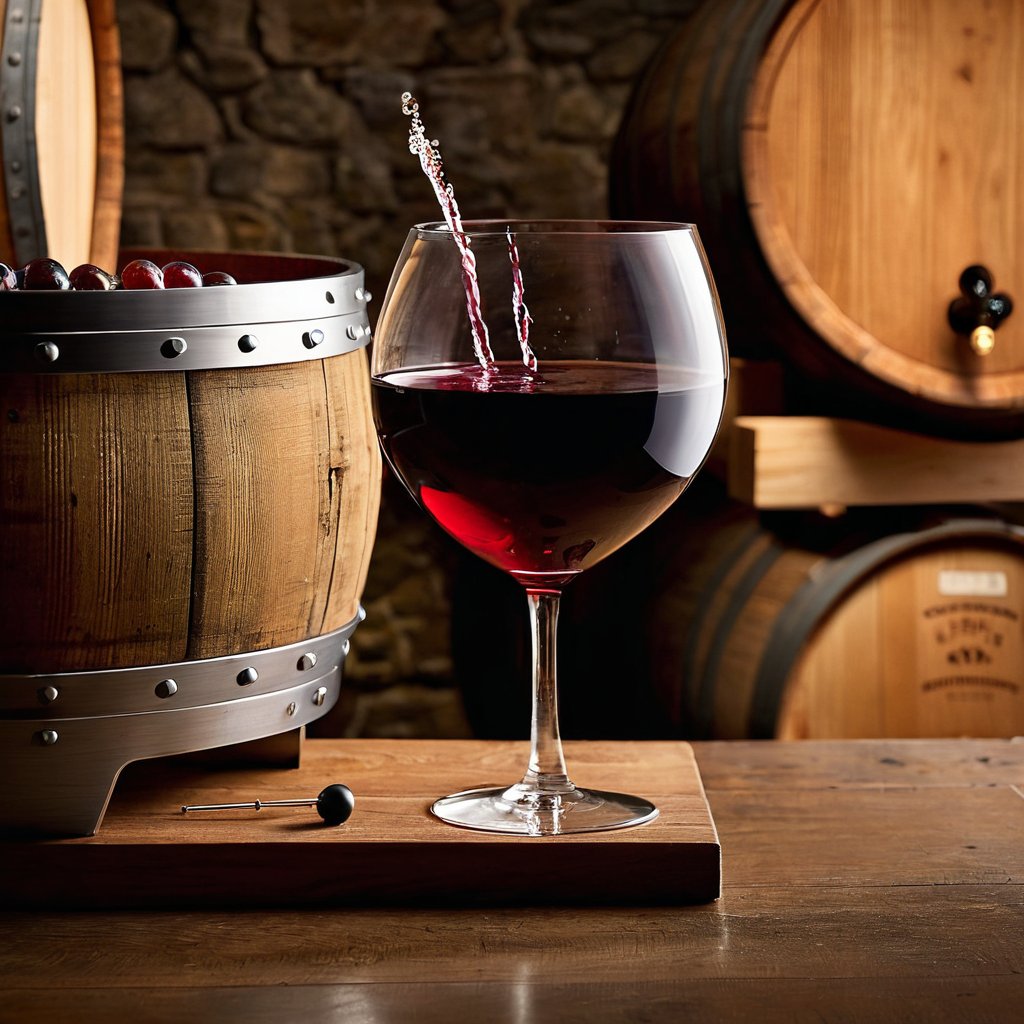
Effectively managing the fermentation timeline is crucial for producing high-quality wine. Achieving optimal results involves a combination of careful fermentation management, precise timeline optimization, vigilant temperature control, and expert yeast management. Each factor plays a pivotal role in ensuring the fermentation process proceeds smoothly and yields the desired wine characteristics.
The first step to successful fermentation management is planning the timeline based on the grape variety and wine style you aim to produce. By understanding the typical duration of fermentation for your specific conditions, you can anticipate and react to changes swiftly. Regularly monitoring the progress through daily measurements of sugar levels and temperature helps maintain control over the fermentation pace.
Temperature control is fundamental in optimizing the fermentation timeline. Yeasts are temperature-sensitive organisms, and maintaining the ideal temperature range prevents sluggish or stuck fermentations. For most wines, maintaining a temperature between 60-75°F (15-24°C) is recommended. Using temperature-controlled fermentation tanks or cooling jackets allows winemakers to precisely regulate the environment, enhancing yeast activity and flavor development.
Yeast management is another critical factor. Selecting the appropriate yeast strain for the desired wine style and fermentation conditions ensures a healthy fermentation. Regularly rehydrating yeast and pitching at the right concentration prevents fermentation delays. Additionally, nutrient additions can support yeast health and vitality, which is beneficial for maintaining a consistent fermentation timeline.
Incorporating timeline optimization strategies such as staggered nutrient additions, aeration during early fermentation stages, and timely clarification of the must can shorten fermentation duration and improve wine quality. Keeping detailed records of fermentation parameters also allows future adjustments and fine-tuning for subsequent batches, continuously enhancing the fermentation process.
In conclusion, managing and optimizing the fermentation timeline requires a proactive approach incorporating precise temperature control, yeast management, and regular monitoring. When executed carefully, these practices ensure fermentation proceeds efficiently, resulting in a balanced, flavorful wine that meets the winemaker’s expectations.
Temperature Control Strategies
Effective temperature control is crucial in managing the fermentation temperature to optimize yeast activity and streamline the fermentation timeline. Yeast is highly sensitive to temperature changes, and maintaining an ideal environment ensures a consistent and high-quality fermentation process.
One common method for temperature control is using cooling techniques such as glycol jackets or cooling coils around fermentation tanks. These systems circulate chilled fluid to absorb excess heat generated by yeast metabolism, preventing the fermentation temperature from rising too high. This approach allows winemakers to keep fermentation within a narrow temperature range, which is especially important for delicate white and sparkling wines.
Another strategy involves temperature-controlled rooms or fermentation chambers, where ambient temperature can be adjusted to suit the stage of fermentation. By placing fermentation vessels in these rooms, winemakers gain precise control, enabling slow and steady yeast activity, reducing the risk of off-flavors caused by temperature spikes.
For small-scale or home winemakers, simple cooling techniques such as placing fermentation vessels in a water bath with ice packs or using refrigeration units can serve as practical temperature control methods. Monitoring tools like digital thermometers and temperature controllers help maintain consistent fermentation temperature, ensuring an optimal environment for yeast to thrive and complete fermentation within the desired timeline.
Choosing and Handling Yeast
Selecting the right yeast strain is crucial for optimizing fermentation speed and influencing the final flavor profile of your wine. Different yeast strains possess distinct characteristics that impact how quickly they ferment sugars and what flavor compounds they produce. Yeast selection tailored to the grape variety and desired wine style can lead to a smoother, more controlled fermentation process, reducing the risk of stuck or sluggish fermentation.
Proper yeast handling is equally important to ensure yeast cells remain healthy and active. Rehydrating dry yeast correctly or acclimating liquid yeast before pitching helps maximize yeast viability, boosting fermentation speed. Additionally, maintaining appropriate temperature ranges and nutrient levels creates an optimal environment for yeast to thrive, which is essential for consistent fermentation kinetics and avoiding off-flavors.
By focusing on yeast optimization, winemakers can enhance not only the speed of fermentation but also control over aromatic and flavor development. Some yeast strains contribute fruity esters or spicy phenolics, adding complexity to the wine, while others focus on producing clean and neutral profiles. Understanding yeast behavior allows precise manipulation of fermentation to achieve the desired wine character.
Ultimately, yeast selection combined with careful handling techniques ensures a healthy fermentation process, improving efficiency and enriching the wine’s sensory qualities.

Winemaker with 12 years in the cellar. I write about fermentation, terroir, and the honest mistakes that taught me more than any textbook. I’ve ruined more barrels than most people have tasted. That’s not a disclaimer — that’s a résumé. Twelve years making wine in France, now making sense of it in words.