
Overview of Hand Harvest and Machine Harvest
Harvesting is a critical phase in agriculture, and understanding the different harvesting methods is essential for both traditional farmers and modern agricultural enterprises. The two primary methods of harvesting are hand harvest and machine harvest, each with distinct principles, techniques, and historical backgrounds.
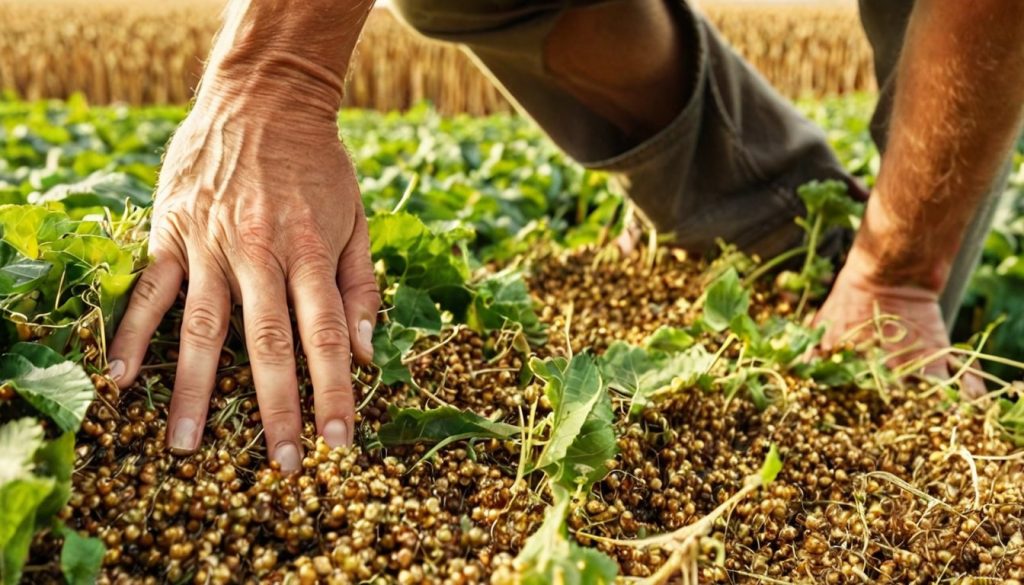
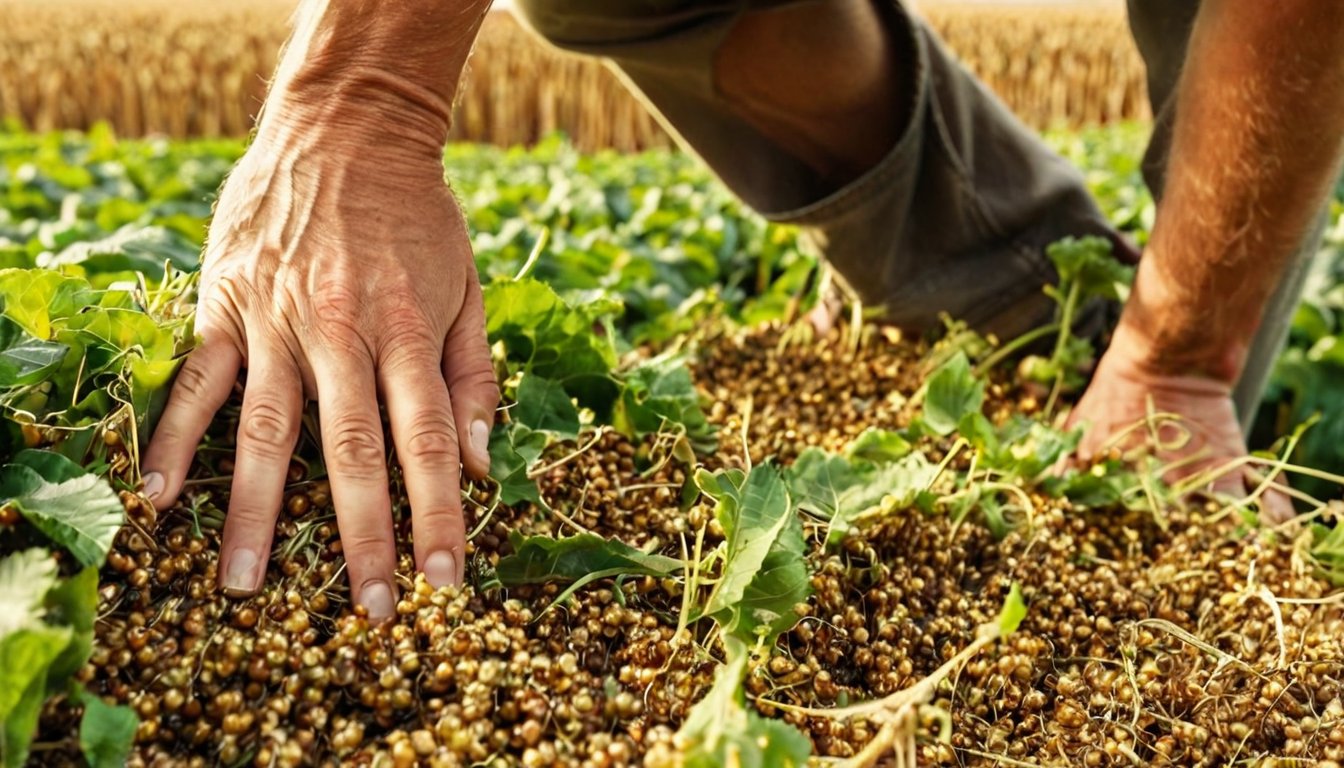
Hand harvest, also known as manual harvesting, involves the direct involvement of laborers who use simple tools such as sickles, knives, or even their hands to gather crops. This method has been practiced for thousands of years, dating back to the dawn of agriculture, when early humans began cultivating plants for sustenance. Hand harvesting requires skill and experience to carefully collect crops without damaging them, making it suitable for delicate produce like fruits, certain vegetables, and specialty crops.
The basic principle behind hand harvest is the selective and careful picking of crops by human hands, which allows farmers to evaluate the ripeness and quality of each individual plant or fruit. This method ensures that only the best crops are gathered, maintaining higher quality standards. Historically, hand harvesting has been labor-intensive, often requiring entire communities or families to come together during harvesting season. Despite its labor demands, it remains relevant in many regions where mechanization is either too costly or impractical due to terrain or crop variety.
In contrast, machine harvest uses mechanical equipment to collect crops from fields quickly and efficiently. This method emerged with the industrial revolution and the advancement of agricultural technology in the 19th and 20th centuries. The invention of machines such as the combine harvester revolutionized large-scale farming by significantly reducing the time and labor required to gather crops like wheat, corn, and soybeans.
Machine harvesting operates on mechanical principles, where specialized machines cut, thresh, and clean the harvested crop as they traverse the field. These agricultural techniques increase productivity and scale, making it feasible to farm vast tracts of land with fewer laborers. As mechanization continues to advance, machine harvest is becoming more sophisticated, adaptable to different crops, and increasingly efficient.
While both hand and machine harvest methods have their advantages, the choice between them depends on various factors such as crop type, farm size, labor availability, and economic considerations. Understanding these harvesting methods and their historical context provides insight into the evolution of agricultural techniques and highlights how farmers balance tradition and innovation to meet current food production demands.
Definition and Process of Hand Harvest
Hand harvest, also known as manual harvesting, is a traditional and labor-intensive method of gathering crops by hand without the use of machines. This process involves workers physically picking fruits, vegetables, or grains directly from the plants. The hand harvest process is valued for its precision and care, allowing harvesters to select ripe produce while leaving unripe or damaged items behind.
The typical tools used during hand harvesting include simple instruments such as knives, shears, or small sickles, which help to cut or detach the produce gently. Baskets, crates, or bags are often used to collect and transport the harvested items. Workers must be skilled and attentive to ensure minimal damage to the crops and plants, maintaining quality from field to market.
Manual harvesting requires significant human effort, often involving long hours of bending, reaching, and carrying heavy loads. It demands physical stamina as well as knowledge of the crop’s growth cycles. Despite being labor-intensive, hand harvesting remains essential in regions where delicate or specialty crops are grown, and where mechanized harvesting is impractical or could cause damage.
Overall, the hand harvest process embodies the essence of traditional harvesting methods, relying on dedicated labor and simple tools to bring in the crop carefully and selectively.
Definition and Process of Machine Harvest
Machine harvest, also known as mechanized harvesting, is a modern agricultural technique that uses advanced machinery to collect crops efficiently and quickly. This process revolutionizes traditional hand harvesting by significantly reducing labor costs and increasing productivity on farms. The machine harvest process involves the use of various types of equipment designed to suit different crops, such as combines, harvesters, pickers, and threshers.
Modern agricultural machinery used in mechanized harvesting varies depending on the crop type and terrain. For example, combine harvesters are popular for grains like wheat and corn, performing cutting, threshing, and cleaning simultaneously. For fruit and vegetable crops, specialized pickers and conveyors carefully harvest the produce to minimize damage. The mechanics behind mechanization rely heavily on automation in farming, where sensors, GPS, and computer systems guide the machinery to optimize performance and ensure precise harvesting.
The automation in farming employed in machine harvest processes improves not only speed but also accuracy and consistency. These machines are designed to reduce crop loss by gently handling fragile produce and adjusting to field conditions. Overall, machine harvesting represents a blend of agricultural engineering and technology advancements, providing a reliable and scalable solution to meet the demands of modern agriculture.
Comparative Advantages and Disadvantages
When weighing the advantages and disadvantages of hand vs machine harvest methods, it’s important to consider various perspectives including efficiency, cost, quality, and environmental impact. Both approaches offer distinct pros and cons that influence their suitability depending on the context and crop type.
Hand harvesting provides unmatched precision and selectivity, allowing workers to carefully pick only ripe or high-quality produce, thereby reducing waste and damage. This method is particularly advantageous for delicate fruits and vegetables where maintaining integrity is crucial. Additionally, hand harvesters can adapt to uneven terrain and irregular planting patterns, making it a flexible choice for smaller or diversified farms. However, the main disadvantages include higher labor costs, slower pace, and increased physical strain on workers, which can limit the volume harvested in a given time.
Machine harvesting, in contrast, excels in efficiency and speed, covering large areas quickly and reducing the need for extensive labor. This method often leads to lower operational costs over time, making it economically beneficial for large-scale agricultural operations. Mechanical harvesters also minimize human contact with the crops, which can reduce contamination risks. On the downside, machines can cause more damage to crops through bruising or incomplete harvesting, especially with delicate produce. They also require significant upfront investment and maintenance, and are less effective on uneven terrain or in fields with irregular planting designs.
From an environmental perspective, hand harvesting tends to have a smaller carbon footprint as it relies less on fossil fuels compared to mechanized methods. However, the slower pace can limit productivity and necessitate larger workforce availability. Machine harvesting boosts productivity but may contribute more to soil compaction and fuel consumption. Choosing between these methods involves balancing these factors along with crop type, farm size, and market demands.
Ultimately, the decision between hand vs machine harvest hinges on the specific advantages and disadvantages each method brings to the table. Farms prioritizing quality and precision might lean towards hand harvesting, while those focused on cost efficiency and speed could prefer mechanized solutions. Understanding the pros and cons from multiple perspectives ensures informed choices that best suit the farm’s unique needs.
Advantages of Hand Harvest
Hand harvesting offers several benefits of hand harvesting that make it a preferred choice for many growers. One of the main advantages is the enhanced quality control it provides. Unlike machine harvesting, hand picking allows workers to carefully select ripe and healthy crops, ensuring only the best produce is harvested. This selective harvesting method prevents unripe or damaged items from being collected, which maintains high quality standards throughout the supply chain.
Another significant benefit is the reduced crop damage associated with hand harvesting. Mechanical methods can be harsh on delicate fruits and vegetables, causing bruising and breakage during the process. In contrast, hands allow for a gentle touch, preserving the integrity of each individual item. This not only improves the overall appearance but also extends the shelf life of the produce, making it more attractive to consumers and reducing food waste.
Additionally, hand harvesting provides flexibility in managing the timing and method of collection. Workers can adapt to varying conditions in the field and adjust their techniques to specific crop needs. This adaptability ensures that harvesting is conducted at the optimal time, contributing to superior flavor and nutritional value. For specialty crops or those grown in challenging terrains, hand harvesting remains an invaluable method that balances efficiency with quality output.
Advantages of Machine Harvest
Machine harvesting offers numerous benefits that have transformed agricultural practices worldwide. One of the primary advantages is the significant increase in efficiency. Machines are capable of harvesting crops much faster than manual labor, allowing farmers to cover large areas in less time. This speed is particularly crucial during harvesting windows when timing can affect the quality and yield of the crops.
In addition to speed, machine harvesting greatly reduces the need for human labor. This labor savings not only lowers overall costs but also helps mitigate the challenges of labor shortages that many farming communities face. By relying on machines, farmers can allocate their human resources to other important tasks, improving overall farm management.
Another important benefit of machine harvesting is scalability. As farms grow larger, the ability to quickly and efficiently harvest crops becomes increasingly important. Machine harvesting systems can be scaled up to meet the demands of larger operations without a proportional increase in labor costs. This scalability supports the expansion of agricultural production and can lead to higher profits.
In summary, the benefits of machine harvesting—speed, labor savings, and scalability—make it an indispensable tool for modern agriculture. These advantages help farmers optimize their harvests, reduce costs, and enhance productivity, ensuring they remain competitive in an evolving agricultural landscape.
Disadvantages of Both Methods
Both hand harvest and machine harvest methods come with their unique challenges and limitations. Hand harvest challenges primarily revolve around labor intensity and higher costs. Skilled labor is required for efficient picking, and finding enough workers during peak harvest times can be difficult. This method is also slower, prolonging the harvest period and potentially exposing crops to adverse weather. Additionally, hand harvesting can increase labor costs significantly, making it less economical for large-scale operations.
On the other hand, machine harvest drawbacks often include the risk of crop damage and the substantial upfront investment required. Machines can be less selective than human pickers, leading to bruising or damage, which affects the quality of the final product. The high cost of purchasing and maintaining harvesting machinery also poses a barrier, especially for smaller farms. Furthermore, machine harvesting may not be suitable for all types of crops or terrains, reducing its versatility.
Both methods share certain limitations such as the risk of crop loss and efficiency concerns under different conditions. Weather can impact both hand and machine harvesting, potentially causing delays or damage. Additionally, both methods require careful planning to minimize costs and optimize yield quality. Understanding these drawbacks helps farmers make informed decisions based on their specific circumstances, crop types, and economic considerations.
Choosing the Right Harvest Method
When it comes to harvest method selection, several critical factors must be evaluated to determine whether hand harvesting or machine harvesting is best suited for a particular agricultural operation. Understanding the unique needs of your crop, budget constraints, and environmental goals is essential to making an informed choice.
First and foremost, crop type considerations play a major role in this decision. Certain crops with delicate fruits or those grown in terrains that are difficult to navigate may benefit more from hand harvesting. This method allows for careful selection and minimizes damage, preserving the quality and value of the produce. Conversely, sturdier crops, such as grains or root vegetables, often withstand machine harvesting well, which can significantly speed up the process.
Cost analysis is another vital component of harvest method selection. Hand harvesting, while labor-intensive and potentially more expensive in terms of wages and time, can be more precise and less wasteful. Machine harvesting requires a substantial upfront investment in equipment and maintenance but can reduce labor costs and increase efficiency in large-scale operations. Farmers must weigh short-term expenses against long-term returns, considering both direct costs and potential impacts on crop quality.
Environmental impact also influences the choice between hand and machine harvesting. Machinery often consumes fuel and can compact soil or damage ecosystems, leading to a larger carbon footprint. Hand harvesting, while more labor-demanding, tends to be gentler on the environment. Sustainable farming practices may prioritize this method to maintain soil health and biodiversity.
Ultimately, the right harvest method depends on your specific circumstance, including crop type considerations, financial resources, and sustainability goals. Careful evaluation of these aspects ensures that your harvest method selection leads to optimal yield, quality, and environmental stewardship.
Factors Influencing Harvest Method Choice
Choosing the appropriate harvest method depends on several key factors, including crop type, farm size, budget, and labor availability. Each of these criteria plays a crucial role in determining whether hand harvesting or machine harvesting is more suitable for a particular operation.
Crop characteristics are fundamental; delicate or irregularly shaped crops often require careful hand harvesting to avoid damage, while sturdier crops can be efficiently gathered by machines. For example, fruits like grapes or berries tend to be hand-picked to preserve quality, whereas grains and certain vegetables adapt well to mechanical harvesting.
Farm size also influences the choice. Smaller farms might find hand harvesting more economical due to lower initial investment, whereas larger farms typically benefit from the speed and scale of machine harvesting to save time and labor costs. The scale of operations dictates how quickly harvest needs to be completed and the feasibility of investing in machinery.
Budget constraints impact the selection significantly. Machines require substantial capital for purchase and maintenance, making hand harvesting more accessible for smaller or lower-budget farms. Conversely, farms with adequate financial resources may prefer machinery that improves efficiency and long-term productivity.
Lastly, labor availability is a determining factor. Hand harvesting relies heavily on a skilled workforce, which can be scarce or costly during peak seasons. Mechanization reduces dependency on labor, providing a consistent harvest pace regardless of labor shortages.
In summary, the interplay between crop type, farm dimensions, budget, and labor availability frames the decision-making process when choosing the most appropriate harvest method for any agricultural operation.
Economic and Environmental Considerations
When comparing hand harvest and machine harvest methods, cost-effectiveness plays a crucial role. Hand harvesting, while labor-intensive and often resulting in higher labor costs, allows for selective picking that can enhance crop quality and reduce waste. Machine harvesting significantly reduces labor expenses and accelerates the harvesting process, making it financially attractive for large-scale operations. However, the initial investment in machinery and ongoing maintenance costs must be factored in to assess true cost-effectiveness.
From a sustainability perspective, hand harvesting generally has a lower carbon footprint because it avoids the fuel consumption and emissions associated with heavy machinery. Machines can compact soil, disrupt ecosystems, and increase fossil fuel use, which contributes to environmental degradation over time. Conversely, hand harvesting supports more sustainable practices by preserving soil health and biodiversity, leading to a more balanced ecosystem.
Considering the long-term impact, hand harvesting may promote sustainable agriculture and environmental stewardship, albeit with higher immediate labor costs. Machine harvesting, while economically beneficial in the short term, can pose sustainability challenges if not managed carefully. Ultimately, the choice depends on balancing financial goals with environmental responsibility, aiming for practices that support both profitability and the preservation of natural resources.

Winemaker with 12 years in the cellar. I write about fermentation, terroir, and the honest mistakes that taught me more than any textbook. I’ve ruined more barrels than most people have tasted. That’s not a disclaimer — that’s a résumé. Twelve years making wine in France, now making sense of it in words.