Understanding Yeast and Its Role in Winemaking
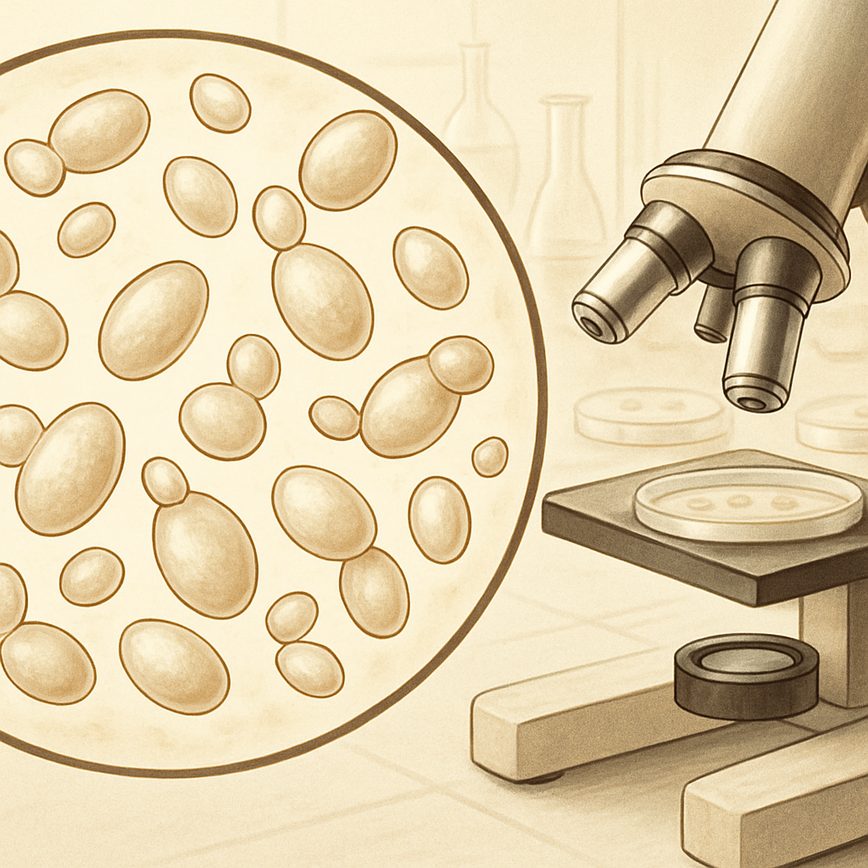
Yeast is a single-celled microorganism belonging to the fungi kingdom, playing a pivotal role in the winemaking process. These microscopic organisms are essential in transforming grape juice into wine through a natural process known as fermentation. Yeast cells consume the sugars present in the grape juice and convert them into alcohol and carbon dioxide, along with various flavor and aroma compounds that influence the wine’s final profile.
Biologically, yeast is classified as a eukaryote, meaning each cell contains a defined nucleus and specialized cellular machinery that support its functions. Its ability to metabolize sugars anaerobically—without oxygen—is crucial for winemaking because fermentation typically occurs in an oxygen-limited environment. Common winemaking yeast species include Saccharomyces cerevisiae, known for its reliability and efficiency in producing alcohol, as well as other wild yeast strains that can contribute distinct sensory characteristics to the wine.
In the winemaking process, yeast performs the vital task of fermentation, which not only produces alcohol but also generates carbon dioxide that helps to develop the wine’s texture and bubbles in sparkling varieties. Additionally, yeast synthesizes secondary metabolites such as esters, phenols, and acids that add complexity to the wine’s flavor and aroma spectrum. For instance, esters may impart fruity and floral notes, which enhance the sensory appeal of the wine.
Winemakers carefully select yeast strains to control fermentation kinetics and influence the wine’s style and quality. Some strains promote faster fermentation, while others contribute to lingering, nuanced flavors. Moreover, the interaction between yeast and the grape must—the freshly crushed juice containing skins and seeds—is a dynamic process that directly affects factors such as mouthfeel, acidity, and the development of desirable compounds. Without yeast, the transformation from juice to wine would be impossible, making yeast in wine indispensable to the art and science of winemaking.
Types of Yeast Used in Wine Production
In winemaking, the choice of yeast plays a crucial role in shaping the final flavor and quality of the wine. There are primarily two types of yeast used: wild yeast and cultured yeast. Wild yeast refers to the naturally occurring yeast strains found on grape skins and in the winery environment. These yeasts can initiate spontaneous fermentation, contributing unique and complex flavors to the wine. However, wild yeast fermentation can be unpredictable and may sometimes produce off-flavors or inconsistent results.
Cultured yeast, on the other hand, consists of carefully selected yeast strains that are specifically grown and prepared for use in winemaking. These strains are chosen for their reliability, fermentation efficiency, and ability to enhance desirable flavor profiles. Using cultured yeast allows winemakers to exert greater control over the fermentation process, resulting in consistent quality and targeted flavor characteristics.
Different yeast strains impart different flavors and aromas to the wine. For example, some strains can enhance fruity notes, while others may emphasize floral or spicy characteristics. Additionally, yeast influences the texture and mouthfeel of the wine, as well as factors such as acidity and alcohol content. By selecting appropriate yeast strains, winemakers can craft wines with specific profiles that appeal to various consumer preferences, ensuring both complexity and balance in the final product.
The Fermentation Process and Yeast Activity
During the process of wine fermentation, yeast plays a crucial role in converting sugars present in grape juice into alcohol. This biochemical transformation is known as alcohol fermentation, where yeast metabolism drives the conversion of glucose and fructose into ethanol and carbon dioxide. Yeast cells consume the sugars as a primary energy source, breaking them down in anaerobic conditions through a series of enzymatic reactions.
The key biochemical pathway involved is glycolysis, where sugars are first converted into pyruvate. In the absence of oxygen, yeast cells then catalyze the decarboxylation of pyruvate into acetaldehyde and carbon dioxide. Subsequently, the enzyme alcohol dehydrogenase reduces acetaldehyde to ethanol, completing the alcohol fermentation process. This production of ethanol not only contributes to the alcohol content of wine but also influences its flavor profile and aroma.
Yeast metabolism during wine fermentation is highly sensitive to environmental conditions such as temperature, nutrient availability, and pH. Proper management of these factors ensures a controlled fermentation process, preventing the development of off-flavors and undesirable compounds. The activity of yeast strains varies, with some strains producing more complex flavors, thereby highlighting the importance of yeast selection in winemaking. Overall, wine fermentation is a delicate and dynamic biological process driven by yeast that transforms grape sugars into the distinctive alcoholic beverage enjoyed worldwide.
Impact of Yeast on Wine Flavor and Aroma
Yeast plays a crucial role in shaping the wine flavor and aroma, acting as a catalyst for the transformation of grape sugars into alcohol and a wide array of aroma compounds. Different yeast strains contribute unique characteristics that directly influence the sensory profile of the finished wine. This influence can range from subtle nuances to bold, distinguishable flavors that define varietal styles and regional identities.
Various yeast strains are selected by winemakers not only for their fermentation efficiency but also for their ability to produce specific aroma compounds such as esters, higher alcohols, acids, and aldehydes. For instance, some yeast strains excel at generating fruity esters like isoamyl acetate, which imparts aromas of banana and pear, while others may produce more complex spicy or floral notes that add depth to the wine’s bouquet. This diversity in yeast metabolism is valuable for tailoring the wine flavor to suit particular stylistic goals.
The interaction between yeast and grape must also influences the development of sulfur-containing compounds, which can either enhance or detract from the wine’s aroma depending on their concentration and the strain involved. Winemakers can therefore carefully manage yeast selection and fermentation conditions to balance these compounds, enhancing the desired aromatic qualities while minimizing off-flavors.
Beyond aroma, yeast impacts the mouthfeel and structure of wine by producing glycerol, polysaccharides, and other secondary metabolites during fermentation. These compounds contribute to the perception of sweetness, body, and overall harmony, tying together the complex array of flavors generated. The yeast influence, combined with the natural grape characteristics, creates unique profiles that offer endless diversity in wine styles.
In conclusion, the choice of yeast strain is a powerful tool in winemaking that significantly shapes the wine flavor and aroma. By selecting strains with particular metabolic traits, winemakers can guide the sensory development of their wines, enhancing varietal expression and crafting distinctive aromatic profiles. Understanding yeast influence enables greater control over the final product, ensuring a wine with balanced and appealing characteristics.
Yeast-Derived Aromatic Compounds in Wine
Yeast plays a critical role in shaping the aromatic profile and complexity of wine through the production of various chemical compounds during fermentation. Among these compounds, esters, higher alcohols, and thiols are particularly significant contributors to wine’s sensory characteristics.
Esters are formed by the reaction of alcohols and acids within the yeast cells and are responsible for many of the fruity and floral aromas found in wine. These compounds can impart scents reminiscent of apples, pears, bananas, and even tropical fruits, enhancing the wine’s bouquet and overall appeal. The concentration and type of esters produced depend on the yeast strain and fermentation conditions.
Higher alcohols, also known as fusel alcohols, are produced through the metabolism of amino acids by yeast. Although they contribute to the alcoholic strength of wine, in moderate amounts, these compounds add complexity with spicy, floral, and sometimes solvent-like notes. Their presence can influence mouthfeel and balance, further enriching the wine’s character.
Thiols are sulfur-containing compounds often released by yeast from precursors found in grape must. They are notable for their intense and distinctive aromas, such as passion fruit, grapefruit, and box tree, which are highly prized in certain white and aromatic wines. Thiols can dramatically elevate the aroma intensity and diversity of wine, making them a key factor in the sensory experience.
In summary, the yeast-derived esters, higher alcohols, and thiols contribute essential aromatic complexity to wine, transforming simple grape juice into a rich and multifaceted beverage cherished by wine enthusiasts worldwide.
Managing Yeast to Enhance Wine Quality
Effective yeast management is crucial for achieving superior wine quality. Selecting the appropriate yeast strains based on the desired wine style plays a fundamental role in shaping the wine’s aroma, flavor, and mouthfeel. Winemakers often choose between native wild yeasts and cultured commercial yeasts, each offering unique fermentation characteristics that can influence the final profile of the wine.
Fermentation control is equally important to prevent off-flavors and ensure a complete, consistent fermentation. Maintaining optimal temperature ranges for the specific yeast strain encourages healthy activity and reduces the risk of stuck or sluggish fermentations. Additionally, monitoring the nutrient levels, especially nitrogen compounds, supports yeast viability and fermentation kinetics, which directly contribute to quality improvement.
Practices such as staggered nutrient addition and oxygen management during the early stages of fermentation can further enhance yeast performance. Avoiding excessive oxygen exposure is necessary to prevent spoilage, while timely micro-oxygenation can benefit yeast metabolism. Continuous monitoring and analysis allow winemakers to adjust conditions dynamically, ensuring yeast health throughout the fermentation process.
In summary, disciplined yeast management and precise fermentation control are essential tools for winemakers aiming to improve wine quality. By understanding and optimizing these variables, the potential of yeast to transform grape juice into complex, well-balanced wine is fully realized.
Challenges and Innovations in Yeast Use for Winemaking
Yeast plays a pivotal role in winemaking, but its application is not without challenges. One of the primary yeast challenges faced by winemakers is controlling fermentation to ensure consistency and quality. Unpredictable yeast behavior can lead to stuck or sluggish fermentations, which compromise the final product’s flavor and stability. Additionally, contamination by wild yeasts and bacteria is a constant concern, as they can produce off-flavors or spoil the wine entirely.
Another significant hurdle is managing yeast’s tolerance to alcohol and temperature. Some strains may struggle to survive in high alcohol environments or fluctuating temperatures, limiting their suitability for certain wine styles. Winemakers often need to carefully select yeast strains that match their desired fermentation profile while balancing robustness and sensory outcomes.
In response to these challenges, recent winemaking innovations have focused heavily on yeast research and technology. Advances in genetic and metabolic engineering have enabled the development of specialized yeast strains that offer enhanced fermentation control, improved stress tolerance, and beneficial flavor contributions. These innovative yeast strains can reduce fermentation time, increase yield, and enhance the complexity of aromas and tastes in the finished wine.
Moreover, modern biotechnological tools allow for better monitoring and management of yeast populations during fermentation. Techniques such as real-time PCR and metabolomics provide winemakers with detailed insights into yeast performance and stress responses, facilitating more precise interventions when needed. This deeper understanding leads to improved consistency and quality in winemaking processes.
Beyond strain development, research is exploring the potential of mixed yeast cultures and non-traditional yeasts to create novel wine styles and enhance complexity. These winemaking innovations open new opportunities for experimentation while maintaining control over fermentation dynamics. As yeast research continues to evolve, the integration of these technologies promises to overcome longstanding yeast challenges and further elevate the art and science of winemaking.
Common Yeast-Related Issues in Wine Production
Yeast plays a crucial role in wine fermentation, but several issues related to yeast can significantly impact wine quality. One of the most common problems is stuck fermentation, where the yeast stops converting sugars into alcohol before the process is complete. This can result in wines with residual sweetness, poor flavor balance, and a lower alcohol content than intended. Stuck fermentation often occurs due to nutrient deficiencies, temperature fluctuations, or high alcohol levels that inhibit yeast activity.
Another significant concern is the development of off-flavors during fermentation. These unwanted aromas and tastes can arise from metabolic by-products produced by stressed or contaminated yeast strains. Common off-flavors include volatile acidity, sulfur compounds, and medicinal or chemical odors, all of which can detract from the wine’s intended profile and consumer appeal.
Yeast contamination is also a critical issue in wine production. Foreign or wild yeast strains can invade fermentation, competing with desired yeasts and sometimes causing spoilage. Contamination can alter the fermentation dynamics, leading to unpredictable flavors, aromas, and even wine spoilage. Careful monitoring and sanitation are essential to prevent yeast contamination and preserve the wine’s quality.
Addressing these yeast-related problems requires vigilant management during fermentation. Winemakers must control fermentation conditions and yeast selection to ensure a smooth fermentation process and produce a wine with balanced flavors and aromas.
Technological Advances and Future Directions
Modern science is revolutionizing the field of winemaking through significant advancements in yeast biotechnology. Researchers are developing genetically modified yeast strains that offer improved fermentation efficiency, enhanced flavor profiles, and greater resistance to environmental stresses. These innovations allow winemakers to tailor the fermentation process more precisely, resulting in wines with consistent quality and unique characteristics.
One of the key areas of focus is the bioengineering of yeast to optimize sugar metabolism and reduce the production of undesirable byproducts. By fine-tuning these yeast strains, scientists can ensure a cleaner fermentation process that preserves the natural aromas and taste of the grapes. This progress in yeast biotechnology not only benefits large-scale wine production but also empowers artisanal producers to experiment with new styles and expressions.
Furthermore, advances in genomic sequencing and synthetic biology have opened new possibilities for creating yeast variants that can survive harsher fermentation conditions, such as higher alcohol content or fluctuating temperatures. These improvements enhance the reliability and sustainability of winemaking, making it more adaptable to changing climate conditions.
Looking ahead, the future of winemaking will likely be shaped by continued innovation in yeast science. The integration of artificial intelligence and machine learning with yeast biotechnology promises to accelerate strain development and fermentation monitoring, paving the way for more refined control over the winemaking process. Such technological progress ensures that yeast will remain an essential—and evolving—component in the art and science of producing exceptional wines.

Winemaker with 12 years in the cellar. I write about fermentation, terroir, and the honest mistakes that taught me more than any textbook. I’ve ruined more barrels than most people have tasted. That’s not a disclaimer — that’s a résumé. Twelve years making wine in France, now making sense of it in words.