Introduction to Wine Barrel Aging
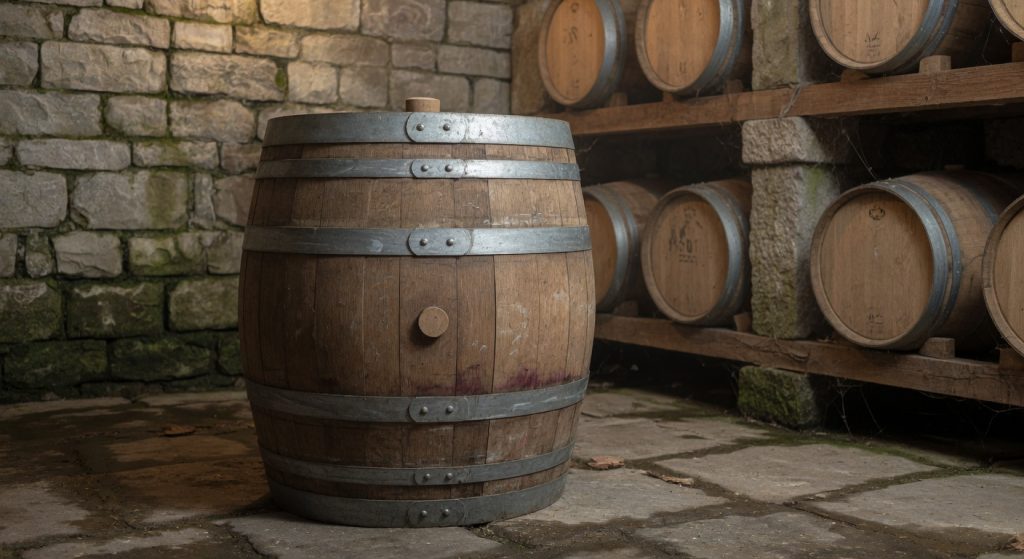
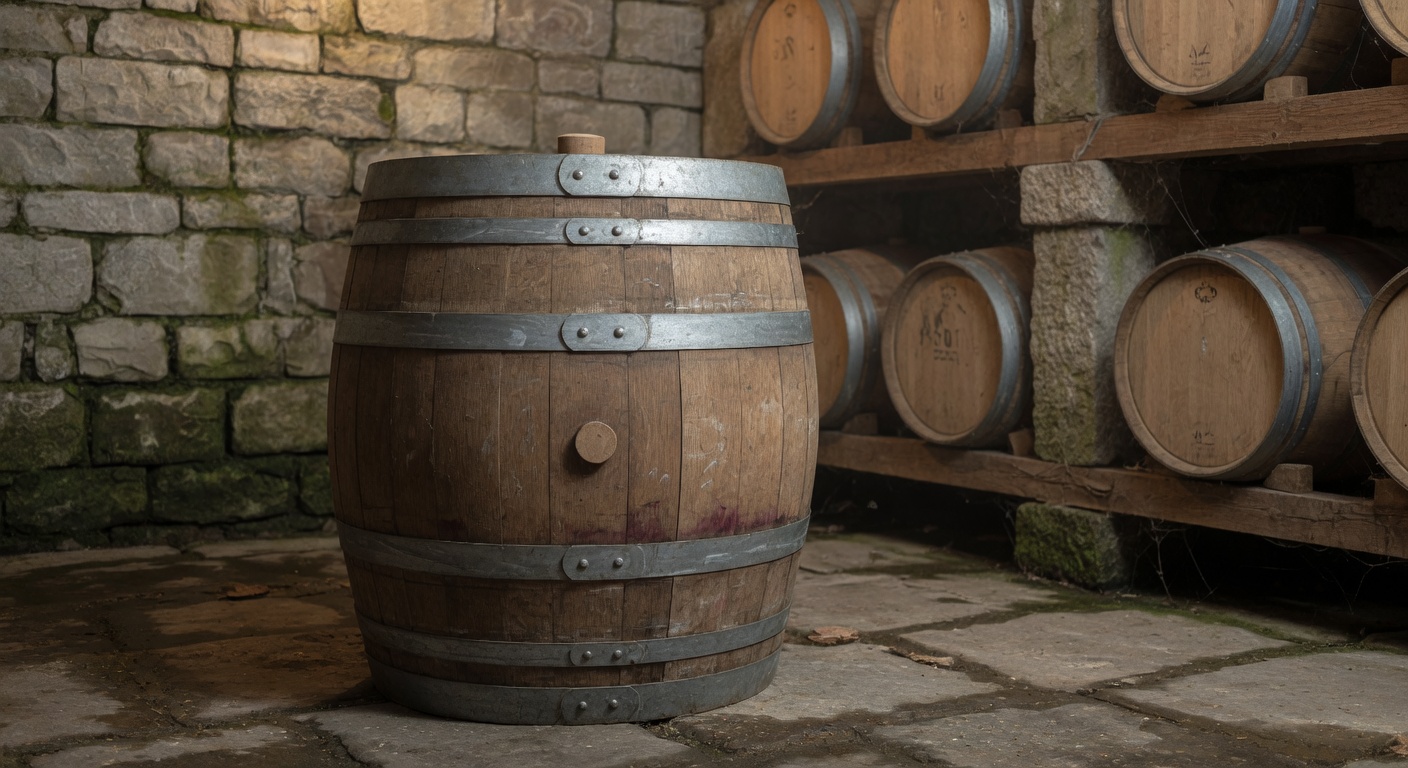
Wine barrel aging is a crucial stage in the wine aging process, where freshly fermented wine is matured in oak barrels to enhance its flavor, aroma, and overall quality. This traditional method has been practiced for centuries and remains a preferred technique among winemakers seeking to add complexity and sophistication to their wines.
The purpose of wine barrel aging is not only to age the wine but also to influence its character by allowing subtle interactions between the wine and the oak. Oak barrels, typically made from American, French, or Hungarian oak, impart unique flavor compounds such as vanilla, spice, and toasted notes that soften the wine’s tannins and structure. These barrels also allow a small amount of oxygen to interact with the wine, which helps in the gradual development of flavors and the smoothing of harsher elements.
The effects of wine barrel aging on wine flavor are profound. As the wine ages in the oak barrel, it takes on complex layers of flavor that cannot be achieved through stainless steel or other inert containers. The wood contributes subtle sweetness, smoky undertones, and sometimes even nutty or caramelized hints, depending on the level of barrel toasting and the type of oak used. Additionally, the slow exposure to oxygen can enhance the wine’s aroma intensity and texture, making it rounder and fuller on the palate.
Overall, wine barrel aging enhances the quality of wine by adding depth and balance to its taste profile. Crafting the perfect wine barrel aging timeline requires careful attention from the winemaker to determine the ideal aging period and barrel type. With the right approach, wine barrel aging transforms young, vibrant wine into a rich and elegant beverage that wine enthusiasts cherish for its intricate flavors and smooth finish.
History and Tradition of Barrel Aging
The history of barrel aging is deeply intertwined with the evolution of winemaking heritage worldwide. For centuries, oak barrels have played a crucial role in the tradition of wine maturation, serving not just as storage vessels but as instruments that shape the flavor, aroma, and texture of the wine. The practice dates back to ancient civilizations, including the Celts who are credited with inventing the wooden barrel, which later became an essential tool in European winemaking traditions.
This barrel aging tradition has been passed down through generations, becoming a symbol of craftsmanship in viticulture. Oak barrels, prized for their durability and unique chemical properties, influence the wine by allowing gradual oxygen exposure while imparting subtle notes of vanilla, spice, and toast. These characteristics are foundational to many of the world’s most celebrated wines, underscoring the profound impact of barrel aging on winemaking culture.
Globally, the historical role of barrel aging reflects the broader winemaking heritage that values patience and precision. From the rolling hills of Bordeaux to the sunlit valleys of California, this aging method preserves and enhances the identity of each wine, linking the present with centuries-old traditions. The continued use of oak barrels today celebrates their longstanding contribution to the art and science of winemaking, making barrel aging an enduring emblem of quality and tradition in wine production.
Types of Barrels Used for Aging
Oak barrels are the most traditional and widely used aging vessels in winemaking. They come in various types, each contributing unique characteristics to the wine’s final taste profile. French oak barrels, known for their fine grain and tight pores, impart subtle, elegant flavors such as vanilla, spice, and toasted nuts. These barrels tend to provide a smooth, refined influence that enhances the wine’s complexity without overpowering its natural fruit notes.
American oak barrels, on the other hand, are known for their coarser grain, which allows a quicker and more intense extraction of flavor. Wines aged in American oak typically exhibit bolder notes of coconut, vanilla, and sweet spices, resulting in a richer, more robust taste profile. This type of barrel is popular for wines that aim for a more pronounced oak influence and fuller body.
Beyond oak, some winemakers experiment with alternative barrel types such as chestnut or acacia, but these are less common. The choice of barrel type—whether French oak, American oak, or others—significantly shapes the wine’s aroma and flavor, balancing the natural characteristics of the grape with the complexities introduced during aging. Selecting the right aging vessel is crucial in crafting a wine’s signature style.
Understanding the Wine Barrel Aging Timeline
The aging timeline is a crucial factor in wine production, especially when it comes to barrel aging. Understanding the wine development stages and how the barrel aging duration influences the final product helps both producers and enthusiasts appreciate the complexity and depth of aged wines. Generally, the timeline effects of barrel aging can be broken down into several key phases that highlight the transformation in flavors and characteristics over time.
In the initial stage of barrel aging, usually the first three to six months, the wine interacts intensely with the wood. This interaction imparts fresh oak aromas such as vanilla, coconut, and spice to the wine. During this period, the wine undergoes oxygenation through the barrel’s porous wood, which starts to soften harsh tannins and improves the wine’s overall texture. This phase is essential for beginning the mellowing process and setting the foundation for deeper flavor integration.
As the wine continues aging beyond six months and up to about a year, more complex flavors develop. The timeline effects become evident as the wine starts to show tertiary notes like toasted nuts, caramel, and smoky undertones. During this stage, the wine’s structure becomes more balanced due to the gradual polymerization of tannins and acids. The oak influence remains distinct but starts to blend harmoniously with the fruit character and other natural elements of the wine.
When barrel aging extends beyond a year, which is common for premium wines, the aging timeline marks the final development stages. At this point, the wine’s flavors have fully integrated, resulting in a silky mouthfeel and complexities that showcase subtle nuances like earthy tones and dried fruit. The barrel aging duration influences how mellow and sophisticated the wine becomes, with excessive aging sometimes leading to over-oaking and loss of freshness if not carefully monitored.
In summary, the aging timeline in barrels transforms the wine step by step, from initial fresh oak infusion to deep, complex character development. Each stage in the wine development stages during barrel aging contributes to the overall quality, highlighting why monitoring the barrel aging duration is critical to achieving the perfect balance of flavors and structure. Understanding these timeline effects helps winemakers decide the optimal aging period to enhance their wine’s unique profile.
Early Stage: First 3 Months
During the early aging phase of wine, specifically within the first 3 months, significant transformations begin to shape the wine’s character. This initial period is crucial for wine maturation as it sets the foundation for how the wine will evolve in flavor and aroma. One of the most notable changes is the integration of tannins. As the wine interacts with the wood barrel, harsh and astringent tannins start to soften, becoming more balanced and harmonious with the wine’s natural structure.
In addition to tannin integration, the first 3 months of barrel aging are marked by the development of complex aromas. The porous nature of oak barrels allows for gradual oxygen exposure, which facilitates subtle chemical reactions within the wine. This oxygenation process helps to release and enhance aromatic compounds, contributing to richer and more nuanced bouquet profiles. Aromas such as vanilla, spice, and toasted notes begin to emerge, blending seamlessly with the fruit characteristics of the wine.
Early aging also encourages the expansion of the wine’s flavor profile. As the wine interacts with the oak, new flavor dimensions unfold, creating a layered and textured palate. These combined processes during the initial 3 months are essential for building complexity and preparing the wine for further development in the barrel. Overall, the early stage sets the tone for successful maturation, emphasizing smooth tannin integration and vibrant flavor development.
Mid Stage: 6 to 12 Months
During the mid aging phase of 6 to 12 months, wine undergoes significant transformation and intensification of its characteristics. This crucial period allows the wine to deepen and develop complexity as the oak influence becomes more pronounced. The interaction between the wine and the wood contributes to a harmonious balance of flavors, often bringing forward nuanced notes of vanilla, spice, and toasted oak. The tannins begin to soften, creating a smoother mouthfeel while preserving the structure essential to the wine’s longevity.
Wine evolution during this stage is marked by a notable enhancement in both aroma and taste profiles. The porous nature of the barrel facilitates a subtle oxygen exchange, which helps round out harsh edges and melds the various sensory elements. This gradual change cultivates depth and richness, allowing the wine’s fruit characteristics to integrate seamlessly with the oak-derived elements.
As the mid aging continues through the 6 to 12 months timeframe, winemakers monitor the process carefully to ensure that the oak influence complements rather than overpowers the wine’s natural traits. This stage is essential for achieving a wine that feels balanced, layered, and sophisticated—ready to transition smoothly into the final aging phases or bottling.
Long-Term Aging: Over 12 Months
Long-term aging in wine barrels, extending beyond 12 months, greatly influences the wine’s character and complexity. Over this prolonged period, the wine continues to develop deeper layers of flavor and aroma as it interacts slowly with the wood. This gradual maturation enhances the wine’s complexity, introducing subtle notes of vanilla, spice, and toasted oak that shorter aging periods cannot fully achieve.
However, aging wine in barrels for over 12 months also involves risks. Extended barrel time increases exposure to oxygen through the wood, which can lead to oxidation, potentially spoiling the wine or dulling its vibrancy if not carefully monitored. The risk of evaporation or “angel’s share” also rises, which can reduce volume and concentrate flavors, but sometimes to an undesirable extent.
The benefits of long-term aging include achieving a well-rounded mouthfeel and a more harmonious balance of tannins and acids. This aging process allows the wine to integrate its structural components gently while maintaining freshness. Yet, winemakers must be vigilant and skilled to manage the aging environment, ensuring the wine does not fall victim to spoilage or excessive barrel influence.
In summary, long-term aging offers an opportunity to elevate wines with enhanced complexity and more refined character, but this must be weighed against the aging risks inherent in extended barrel time. Striking the right balance is key to producing a wine that reflects both mastery and patience.
Factors Influencing the Aging Timeline
The aging timeline of wine in barrels is a complex process influenced by several key aging factors that determine both the duration and the quality of the final product. Understanding these wine aging variables helps winemakers decide how long to age wine to achieve the desired flavor profile and balance. Among the most influential factors are temperature, barrel size, and wood type, all of which interact to affect the maturation pace and overall character of the wine.
Temperature plays a crucial role in the aging timeline, as it directly impacts the chemical reactions that occur within the wine. Warmer temperatures generally accelerate the aging process by increasing the rate of oxidation and esterification, which develops complex aromas and softens tannins. Conversely, cooler temperatures slow these reactions, resulting in a longer aging period but often preserving freshness and acidity. Consistent temperature control is essential because fluctuations can cause unwanted stress and spoilage in the wine.
Barrel size is another significant variable affecting how long wine is aged. Smaller barrels have a higher surface area-to-volume ratio, which means more wine is in contact with the wood. This results in quicker extraction of flavors such as vanilla, spice, and tannins from the barrel, thus shortening the aging timeline needed for the desired taste. Larger barrels, on the other hand, provide a slower exchange with the environment and wood, extending the aging process and allowing for more gradual flavor development.
The type of wood used for the barrel, typically oak, is also a critical factor. Different oak species—such as American, French, or Hungarian—impart distinct flavor profiles and tannin structures to the wine. The level of toasting or charring inside the barrel further influences the flavors, from smoky and caramel notes to lighter, more delicate vanilla hints. Winemakers select wood type carefully to complement the wine’s character and tailor the aging timeline accordingly, ensuring the wine evolves with a harmonious and complex bouquet.
In summary, the aging timeline is not a fixed schedule but a dynamic process shaped by temperature, barrel size, and wood type. These factors interact to influence the speed of aging and the depth of flavors developed in the barrel. Mastering these variables allows winemakers to control the maturation precisely, balancing tradition with innovation to craft wines with remarkable depth and complexity.
Impact of Barrel Size and Wood Type
The size of the barrel and the type of wood used play critical roles in the wine aging process, influencing the speed and quality of maturation. Smaller barrels, such as 10 to 30 gallons, have a higher surface area to volume ratio compared to larger barrels. This means that wines aged in smaller barrels tend to mature faster as they have more contact with the wood, accelerating the exchange of oxygen and the infusion of wood-derived compounds.
On the other hand, larger barrels slow down the aging process due to less surface contact between the wine and the wood, allowing for more subtle and gradual development of flavors. Winemakers often choose barrel size based on the desired aging speed and the style of wine they aim to produce.
Wood type is equally important. Oak is the most commonly used wood, but within oak itself, different oak varieties influence aging distinctly. For example, American oak tends to impart stronger, more robust flavors and can age wine faster due to its looser grain structure, allowing more oxygen penetration. French oak, by contrast, has a tighter grain and delivers more subtle, nuanced flavors while promoting a slower aging process.
Additionally, the origin of the oak, such as Hungarian or Slavonian, also affects the wood type’s chemical composition and flavor contributions, impacting the overall character of the wine. Ultimately, the careful selection of barrel size and oak variety allows winemakers to control the aging speed and achieve the desired complexity and balance in their wines.
Role of Temperature and Humidity
Temperature and humidity are crucial environmental factors that significantly affect the wine barrel aging timeline and the quality of the final product. Consistent temperature control is vital because fluctuations can accelerate or slow down the aging process. Typically, a stable environment around 55-65°F (13-18°C) is ideal for aging wine, as it allows for a gradual maturation that enhances complexity and flavor development.
Humidity levels also play a pivotal role in maintaining the balance between evaporation and oxidation within the barrel. High humidity, generally around 70-80%, helps minimize the loss of water content from the wine, preventing excessive concentration of flavors that can disrupt the intended taste profile. Conversely, lower humidity can increase evaporation rates, causing higher alcohol concentration and potential imbalance.
Both temperature and humidity impact how the wood interacts with the wine. Warm temperatures can cause the wood to expand, increasing the wine’s exposure to oxygen, which speeds up aging but might reduce subtle flavor notes if not carefully monitored. On the other hand, cooler, humid conditions slow down this interaction, promoting a more delicate and nuanced effect over time.
Understanding and managing these aging conditions is essential for winemakers aiming to achieve desired wine characteristics. The environment’s effects on temperature and humidity directly influence the barrel’s performance and ultimately dictate the wine’s aging timeline and overall quality, highlighting the importance of meticulous cellar management.

Winemaker with 12 years in the cellar. I write about fermentation, terroir, and the honest mistakes that taught me more than any textbook. I’ve ruined more barrels than most people have tasted. That’s not a disclaimer — that’s a résumé. Twelve years making wine in France, now making sense of it in words.