Overview of Vine Training Systems
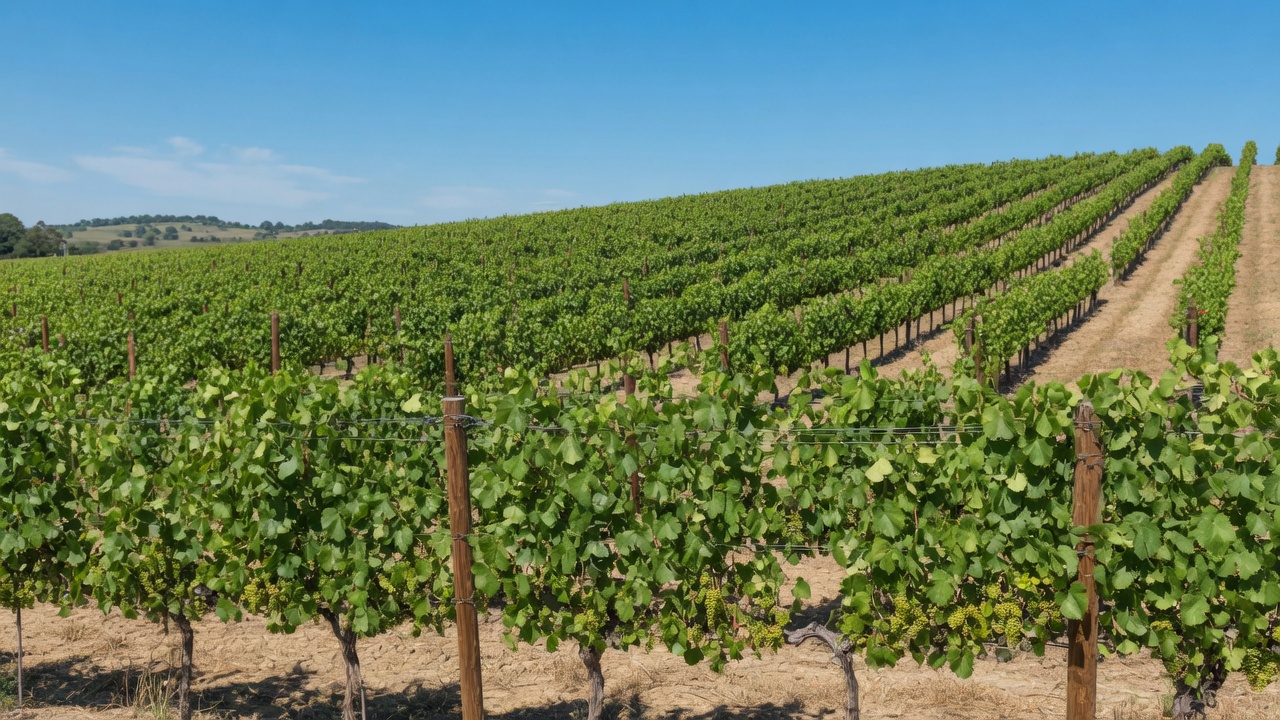
Vine training systems are a fundamental aspect of grapevine management, playing a crucial role in the success of any vineyard setup. These systems refer to the structured methods used to guide and support the growth of grapevines, ensuring optimal exposure to sunlight, air circulation, and ease of maintenance. Implementing effective vine training methods allows growers to maximize grape quality, improve yield, and facilitate vineyard operations such as pruning, spraying, and harvesting.
The choice of vine training system directly impacts the health and productivity of the vineyard. It influences how vines grow and develop, affecting everything from canopy density to fruit cluster positioning. Proper training methods help prevent diseases by improving air flow around the plants and reducing moisture accumulation. This is particularly important in regions like Louisiana, where warm and humid conditions can increase the risk of fungal infections.
There are several common vine training systems used in vineyards, each with its specific advantages tailored to different grape varieties, climate conditions, and vineyard management goals. Some systems promote vertical shoot positioning, which enhances sunlight penetration and uniform ripening of grapes. Others focus on canopy management techniques that balance vegetative growth and fruit production, ensuring the vines are not overwhelmed with excessive foliage, which can hinder fruit development.
Adopting the right vine training system not only improves grapevine management but also contributes to the long-term sustainability of the vineyard. It optimizes resource use, such as water and nutrients, by directing growth in a controlled manner. Additionally, these methods facilitate mechanization and labor efficiency, ultimately reducing operational costs and increasing profitability. For vineyard owners in Louisiana, understanding and implementing suitable vine training systems is essential for overcoming regional challenges and producing high-quality grapes consistently.
In summary, vine training systems are a cornerstone of effective grapevine management and vineyard setup. By selecting appropriate vine training methods, growers can enhance vine health, improve fruit quality, and streamline vineyard maintenance. These benefits underscore the significance of investing time and effort into mastering vine training techniques to support the growth and success of Louisiana’s vineyards.
Types of Vine Training Systems
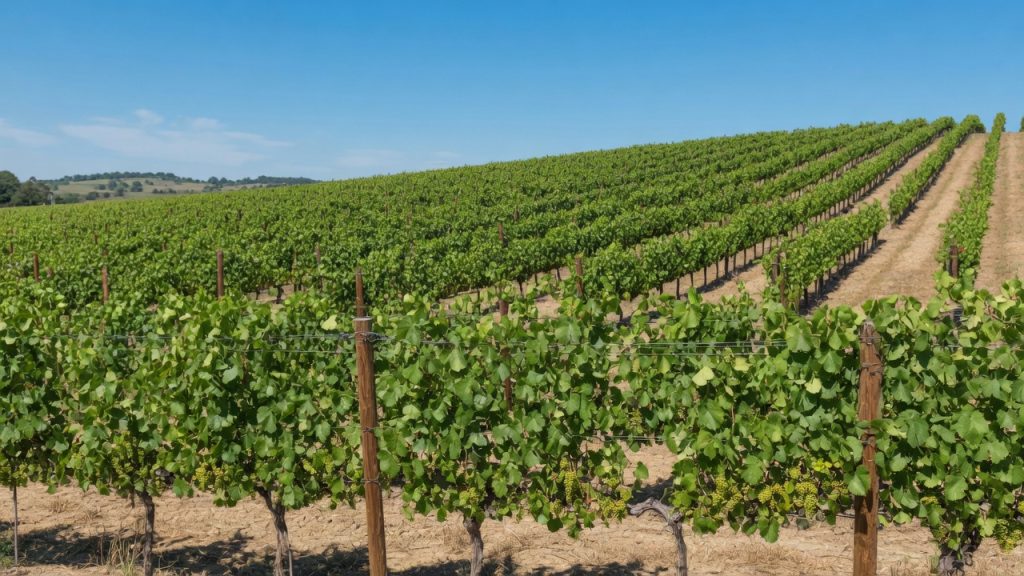
Among the various vine training types, cordon training and vertical shoot positioning (VSP) are some of the most popular systems used in vineyards. Cordon training involves growing the vine with a permanent horizontal arm (cordon) from which fruiting canes or spurs emerge. This system provides a structured canopy that promotes air circulation and sunlight penetration, reducing disease risk. It is often favored for grape varieties that respond well to spur pruning, such as Chardonnay and Cabernet Sauvignon.
Vertical shoot positioning (VSP) is a training system where shoots are trained upward in a vertical plane, typically tied to wires. VSP facilitates efficient canopy management and maximizes sunlight interception, making it suitable for high-density planting. This system works particularly well with varieties that produce upright shoots and benefit from shoot thinning, such as Pinot Noir and Sauvignon Blanc. Spur pruning is commonly employed in VSP to maintain vine balance and control yield.
Each vine training type offers unique advantages and is selected based on grape variety, climate, and vineyard goals. While cordon training offers simplicity and durability, VSP allows for precision in canopy management and fruit quality optimization. Understanding these systems helps growers in Louisiana and beyond to tailor their practices to achieve healthier vines and better grape production.
Benefits of Effective Vine Training
Effective vine training systems play a critical role in maximizing vineyard productivity by directly influencing yield improvement. By guiding vine growth optimization, these systems ensure that vines develop with proper spacing, sunlight exposure, and airflow, all of which are essential for healthy grape development. Proper training methods allow grape clusters to receive ample light and air, which not only boosts photosynthesis but also improves the overall quality of the grapes produced.
Additionally, well-executed vine training enhances disease control in vineyards. Good airflow around the vine canopy reduces humidity levels, limiting the proliferation of fungal diseases like powdery mildew and botrytis bunch rot. This reduction in disease pressure helps maintain vine health and decreases the need for chemical interventions, promoting sustainable viticulture practices.
Moreover, optimized vine growth through effective training systems leads to better grape quality by ensuring uniform ripening and consistent berry size. This results in grapes with superior flavor profiles and sugar content, vital for producing high-quality wines. In summary, proper vine training not only supports yield improvement but also fosters better disease management and enhances grape quality, making it an indispensable practice for successful vineyard management.
Vine Training Systems Suitable for Louisiana
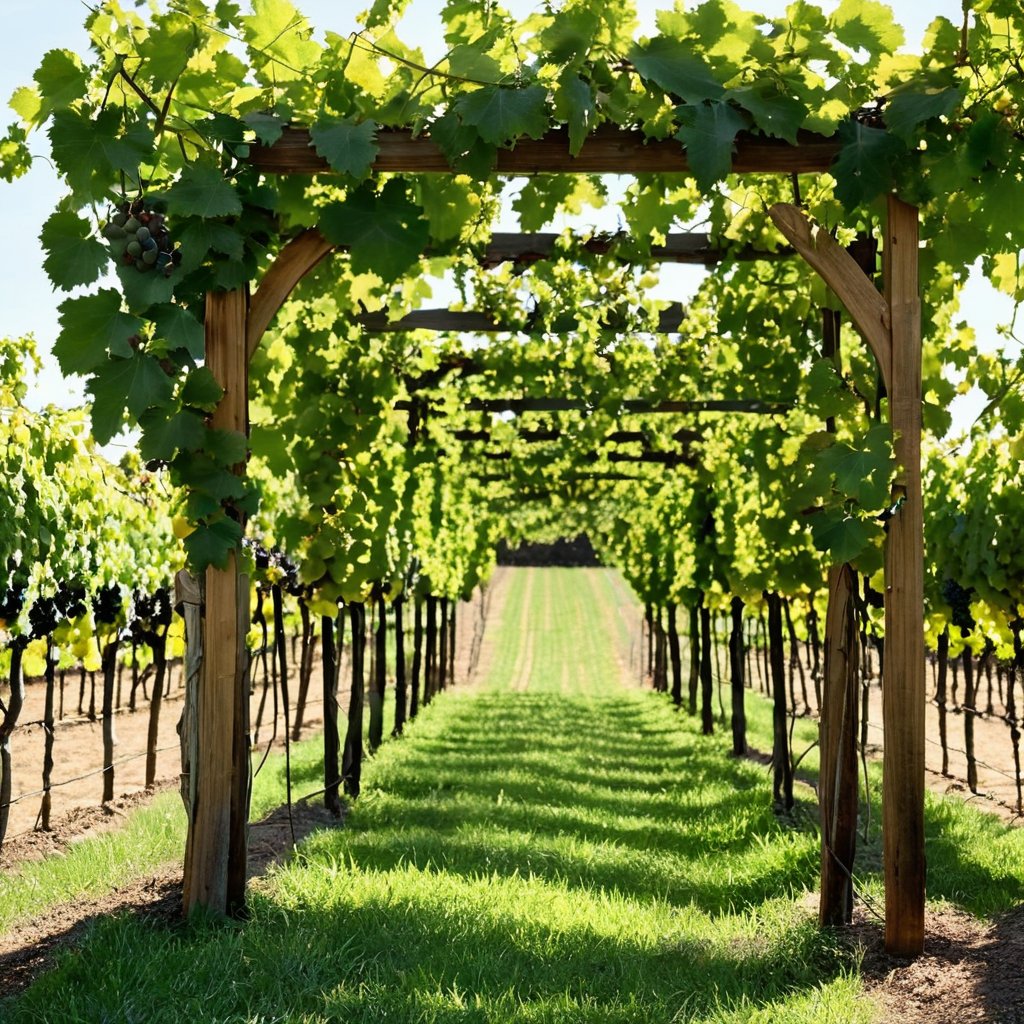
Louisiana vineyards face unique challenges due to the state’s hot, humid climate, variable soils, and the specific local grape varieties best suited for the region. To maximize grape quality and yield, vine training systems implemented in Louisiana must prioritize airflow, sunlight penetration, and disease management. These factors are crucial in such a climate that tends to promote fungal diseases and requires careful canopy management.
One of the most effective vine training systems in Louisiana is the Vertical Shoot Positioning (VSP) system. VSP involves training the shoots vertically, which encourages better sunlight exposure to the leaves and fruit, enhancing photosynthesis and improving grape ripening. This system also facilitates better air circulation within the canopy, helping reduce the high moisture levels that can lead to mildew and other fungal problems common in Louisiana vineyards. VSP is easy to manage and adapts well to both the soil variations and the most popular grape varieties, including muscadine, native to the South, and hybrid varieties developed for disease resistance.
Another suitable approach is the Modified Geneva Double Curtain (GDC) training system, which is particularly useful in regions where vigor control is a priority. In Louisiana, soils can vary substantially in fertility, and GDC helps spread out the vine canopy horizontally, allowing for excellent light penetration and airflow. This system also helps manage the vigorous growth typical of local grape varieties in warm conditions, providing a balanced crop load and improving fruit quality.
Due to the humid Louisiana climate, it is essential to avoid dense canopies that trap humidity. Systems like Smart-Dyson or Lyre training, which split the canopy into two curtains, have shown promise in balancing vigor, enhancing sunlight exposure, and maintaining ventilation. These vine training systems also align well with the growth habits of native grapes and hybrids, reducing the need for chemical fungicides and supporting more sustainable vineyard practices.
Ultimately, selecting the right vine training system in Louisiana vineyards requires consideration of climate adaptation, soil conditions, and grape variety characteristics. Strategies such as Vertical Shoot Positioning, Modified Geneva Double Curtain, and open canopy systems best meet these challenges, promoting healthy grape growth and high-quality fruit production. These approaches help Louisiana growers optimize their vineyards by managing humidity and fostering the optimal environment for local grape varieties to thrive.
Climate Considerations for Louisiana Vineyards
Louisiana’s climate presents unique challenges and opportunities for vineyards, fundamentally impacting the choice of vine training systems. The state’s warm, humid environment creates a vineyard microclimate characterized by high humidity levels that can increase the risk of fungal diseases. This humidity impact necessitates training systems that promote good air circulation around the vines to reduce moisture buildup and disease pressure.
The weather challenges include frequent rainfall and intense summer heat, which can stress the vines and complicate disease management. Growers often select training systems like the Geneva Double Curtain or high cordon systems. These allow better sun exposure and airflow, which help mitigate humidity and humidity-related issues in Louisiana vineyards. A well-ventilated canopy also assists in managing vineyard microclimate by fostering quicker drying of foliage after rain or dew.
Furthermore, Louisiana’s climate encourages the use of durable, adaptable training systems that can withstand the state’s severe weather fluctuations, including occasional storms and high winds. The choice of system must balance optimizing vine health while maximizing fruit quality in a humid environment. Understanding the intricate interaction between Louisiana climate and vineyard microclimate is crucial to selecting a vine training system that ensures sustainable vineyard management and successful grape production.
Recommended Training Methods for Local Varieties
When cultivating native grape varieties in Louisiana, selecting appropriate training methods is crucial to achieve optimal grapevine growth and maximize fruit production. Due to the region’s humid subtropical climate and disease pressures, vineyard best practices emphasize training systems that promote good air circulation and sunlight penetration.
One highly recommended method is the Vertical Shoot Positioning (VSP) system, which helps maintain an upright canopy, facilitating airflow to reduce humidity and disease incidence. This system supports native grape varieties such as Muscadine and Blanc Du Bois effectively, enhancing both vine vigor and fruit quality under Louisiana’s specific climatic conditions.
Another beneficial training method for Louisiana vineyards is the Geneva Double Curtain (GDC), especially suited for vigorous native varieties where canopy management is more challenging. By dividing shoots into two curtains, the GDC system increases sunlight exposure and airflow, reduces disease risk, and supports high yields. This practice aligns well with vineyard best practices tailored to Louisiana’s growing season.
Additionally, employing spur pruning combined with these systems encourages balanced grapevine growth in Louisiana, ensuring sustainable production even in fluctuating weather patterns. Adapting training methods to local native grape varieties thus plays a vital role in thriving vineyards and successful harvests in the state.
Implementing Vine Training Systems in Louisiana Vineyards
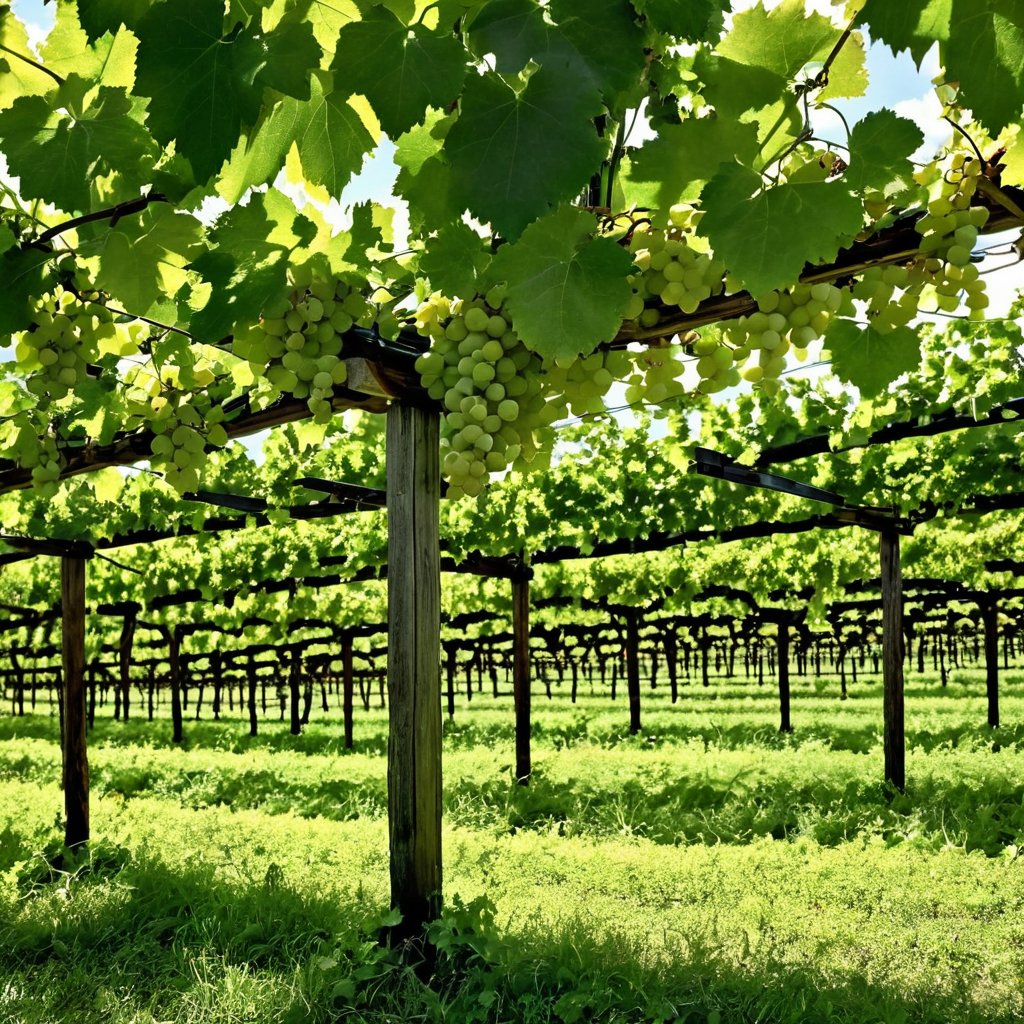
Implementing vine training systems in Louisiana vineyards requires a strategic approach that balances the unique climate challenges with effective vineyard management. The process begins with selecting the appropriate training system tailored to your vineyard’s goals and environmental conditions. Whether you’re adopting Vertical Shoot Positioning (VSP), Geneva Double Curtain (GDC), or another suitable method, understanding your vineyard layout and vine growth habits is essential.
Successful vine training implementation hinges on regular seasonal tasks that adapt to Louisiana’s humid subtropical climate. In early spring, focus on pruning to control vine growth, improve air circulation, and prepare shoots for training. Summer tasks include shoot positioning, leaf removal, and managing vine spacing to prevent disease and optimize sunlight exposure. As the growing season ends, post-harvest canopy management ensures the health of vines for the following year.
Proper equipment and tools are crucial for both the installation and maintenance of vine training systems. Essential tools include high-quality pruning shears, tying materials such as twine or clips, irrigation systems suited for the training style, and trellising hardware like posts and wires. Additionally, investing in mechanized tools for large vineyards can boost efficiency during pruning, training, and harvesting tasks.
Another key aspect of vineyard management in Louisiana is monitoring vine growth and environmental factors throughout the season. Regularly inspect the training system for tension in wires and the positioning of shoots to prevent damage and to support healthy, vigorous growth. Maintain records of seasonal tasks and adjustments made to training systems, which will inform improvements and adaptations in future seasons.
Integrating these practical steps ensures that vine training systems contribute positively to vine health and grape quality in Louisiana. Proper vine training implementation paired with diligent seasonal management and the right tools forms the foundation for sustainable vineyard success, despite the region’s challenges.
Step-by-Step Guide to Setting Up Vine Training
Setting up vine training systems in Louisiana requires careful planning and adaptation to local conditions. The installation process involves selecting the appropriate vineyard layout and erecting durable support structures that suit both the size of your vineyard and the regional climate. Follow these steps to ensure a successful vine training setup tailored to Louisiana’s unique environment.
- Plan your vineyard layout: Begin by mapping out the rows and spacing according to the grape variety and soil conditions. Louisiana’s humid climate necessitates wider row spacing for adequate air circulation to reduce disease risk.
- Choose suitable support structures: Opt for materials resistant to moisture and pests, such as treated wood or galvanized steel, which withstand Louisiana’s weather. Typical systems include vertical shoot positioning (VSP) or high wire cordon tailored to your vineyard size.
- Install posts and wires: Drive posts firmly into the ground at regular intervals while maintaining tension in the supporting wires. This framework should allow easy vine growth and pruning management.
- Plant vines carefully: Position young vines evenly along the rows, ensuring root zones are well-drained to prevent waterlogging common in Louisiana soils.
- Train the vines initially: Begin training shoots onto wires as they grow, gently tying them to the support structure to promote vertical growth and better sunlight exposure.
- Maintain the system: Regularly check the integrity of your installation process by tightening wires, replacing damaged posts, and monitoring vine health. Adjust spacing or structure as necessary to accommodate vineyard growth or changing environmental factors.
Maintenance and Troubleshooting
Ongoing vineyard maintenance is crucial for ensuring vine health in Louisiana’s unique climate. Regular vineyard maintenance includes careful pruning techniques to manage vine growth and optimize fruit production. Pruning not only controls the shape and size of the vines but also helps prevent diseases by improving air circulation within the canopy. Louisiana vineyard managers often adopt spur or cane pruning methods, adapted to local growth patterns.
Common issues faced in Louisiana vineyards include fungal diseases, pest infestations, and variable weather conditions. High humidity and rainfall create a challenging environment for controlling powdery mildew and downy mildew, which can severely impact vine health. Early identification and treatment using appropriate fungicides and cultural practices like canopy management are essential to mitigate these problems.
In addition to diseases, vine health Louisiana growers must address soil fertility and irrigation management. Monitoring nutrient levels and applying balanced fertilizers help maintain vigorous growth and fruit quality. Adequate drainage and irrigation practices prevent water stress while avoiding excess moisture, which can exacerbate fungal outbreaks.
By combining diligent vineyard maintenance, pruning techniques, and proactive troubleshooting of common issues, Louisiana grape growers can sustain healthy vines and ensure successful harvests each year. Adapting these practices to the local environment is key to overcoming the challenges specific to Louisiana’s vineyards.

Winemaker with 12 years in the cellar. I write about fermentation, terroir, and the honest mistakes that taught me more than any textbook. I’ve ruined more barrels than most people have tasted. That’s not a disclaimer — that’s a résumé. Twelve years making wine in France, now making sense of it in words.