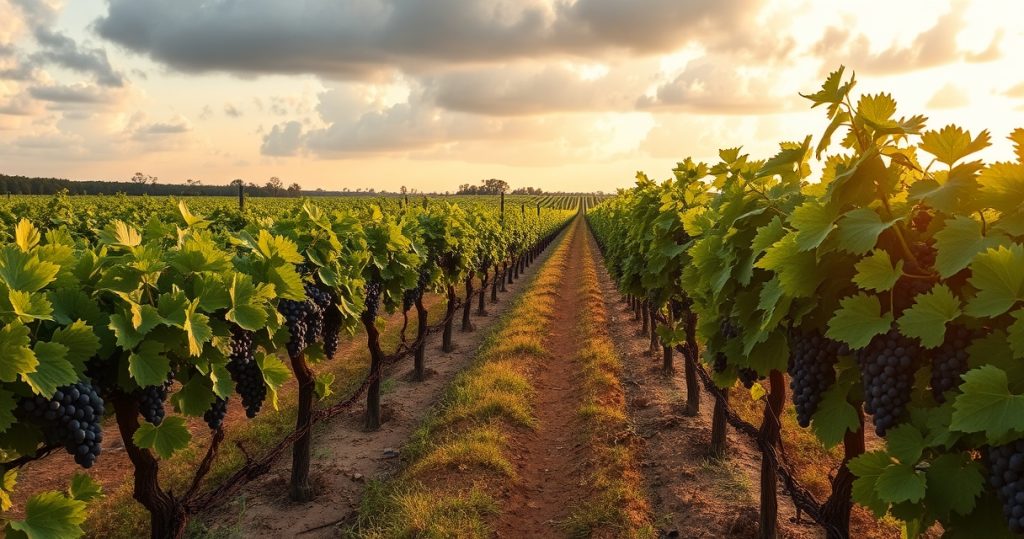
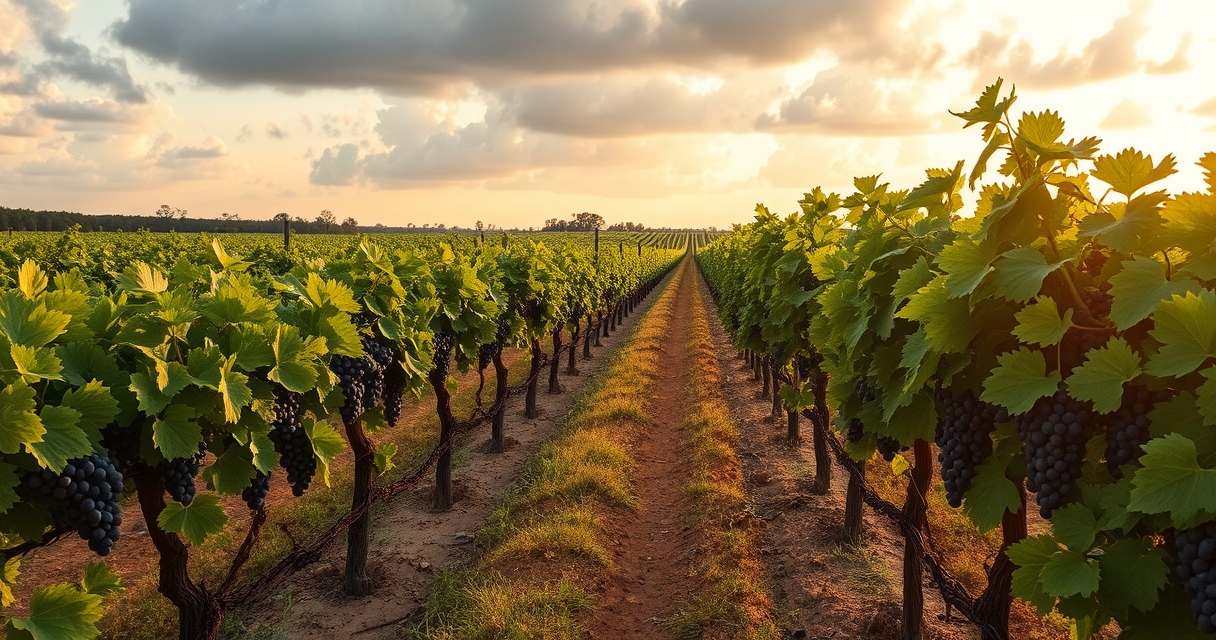
Introduction to Cabernet Sauvignon Grown in Louisiana Vineyards
Cabernet Sauvignon has found an unexpected yet promising home in Louisiana’s subtropical climate, where heat, humidity, and ample rainfall create both challenges and opportunities for this classic varietal. Traditionally linked to cooler regions, cabernet sauvignon louisiana demonstrates impressive resilience when growers employ innovative canopy management and irrigation strategies to balance the intense summer conditions.
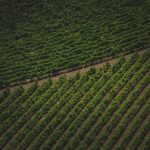
Key growing regions across northern parishes and areas near the Red River have become hubs for louisiana cabernet sauvignon production. These louisiana vineyards benefit from well-drained soils and longer growing seasons that allow the grapes to ripen fully while retaining vibrant acidity and bold fruit character.
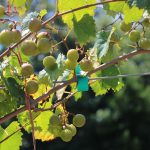
The resulting wines often feature rich blackcurrant and dark cherry notes tempered by softer tannins, a direct result of the warm climate accelerating phenolic development. Enthusiasts appreciate how growing cabernet sauvignon louisiana yields expressive bottles that reflect the unique terroir of the South.
As interest in domestic wines continues to rise, this varietal is capturing attention throughout the southern United States. Its ability to thrive in Louisiana’s environment offers wine lovers fresh, regionally distinctive options that stand apart from traditional California or Bordeaux expressions.
With ongoing experimentation in vineyard practices, cabernet sauvignon louisiana is poised for greater recognition, drawing both local consumers and visitors eager to explore emerging southern wine destinations.
Climate and Soil Conditions for Louisiana Cabernet Sauvignon
The humid subtropical climate of Louisiana creates a distinctive setting for viticulture. For louisiana climate cabernet, average temperatures range from mild winters to scorching summers that accelerate photosynthesis and grape development. High relative humidity demands careful canopy management to ensure adequate airflow around the clusters and reduce disease pressure during critical growth stages.
Rainfall patterns are variable, with peak amounts during the hurricane season from June to November. Annual precipitation often exceeds 60 inches, providing ample hydration that supports vine vigor yet requires diligent irrigation scheduling to prevent waterlogging. These patterns can extend the growing season, allowing gradual ripening that preserves acidity while developing complex sugars in the grapes.
Regarding soil types louisiana vineyards boast a variety of textures, prominently loamy and alluvial. Loamy soils offer a balanced mix of sand, silt, and clay that promotes deep root penetration, while alluvial deposits from the Mississippi River enrich the land with organic matter and essential minerals. Such compositions provide natural fertility and moderate water retention suited to Cabernet Sauvignon.
These cabernet sauvignon growing conditions lead to a ripening process shaped by consistent warmth and periodic moisture. The grapes often reach phenolic maturity earlier than in drier regions, resulting in softer tannins and vibrant fruit expression. The unique louisiana wine terroir imparts approachable wines featuring ripe blackberry, plum, and subtle earthy notes that reflect the local environment rather than classic Bordeaux structure.
Overall, Louisiana’s climate and soils challenge growers to adapt traditional practices while highlighting the grape’s versatility. Successful vineyard management focuses on canopy control, drainage improvements, and timely harvest decisions to optimize quality. The resulting wines showcase a distinctive regional character that continues to attract attention among enthusiasts seeking alternatives to conventional Cabernet Sauvignon profiles.
Challenges of Cultivating Cabernet Sauvignon in Louisiana
Louisiana’s warm, subtropical climate creates substantial louisiana vineyard challenges for Cabernet Sauvignon producers seeking to craft premium wines. High temperatures combined with frequent rainfall demand constant vigilance from vintners who must adapt traditional growing techniques to local conditions that differ sharply from the grape’s native Bordeaux origins.
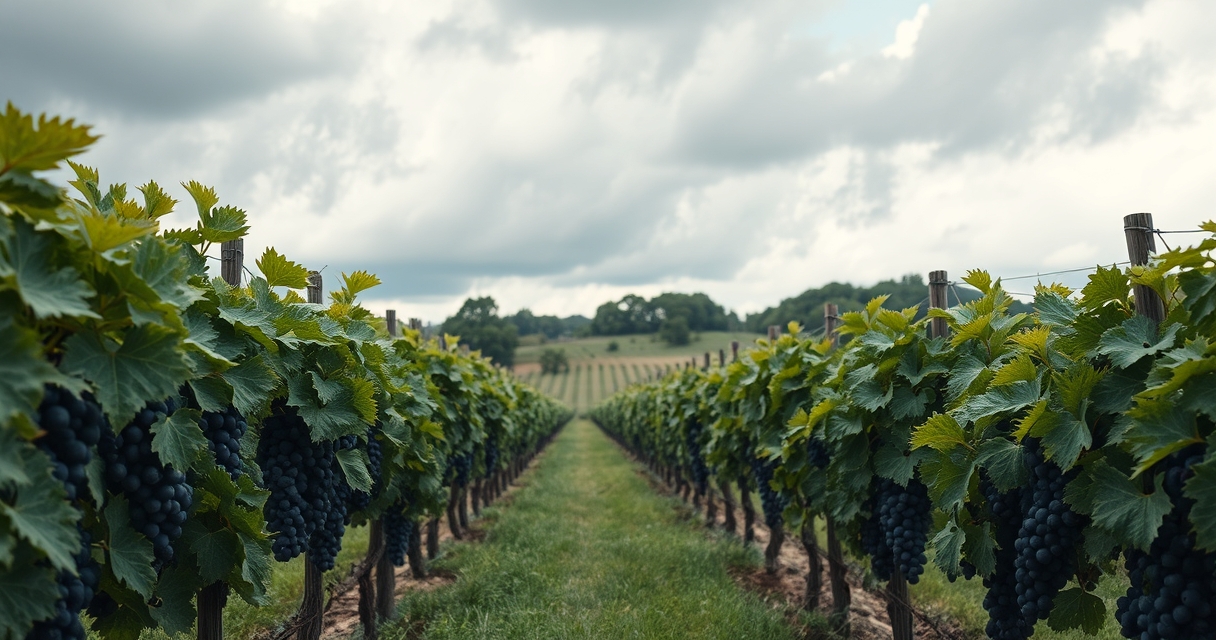
Cabernet sauvignon humidity issues rank among the most persistent obstacles, fostering rapid development of powdery mildew and other fungal pathogens that thrive in moist environments. These conditions accelerate disease pressure throughout the growing season, requiring rigorous canopy management and timely applications of approved fungicides to protect fruit quality and maintain vine health in louisiana wine growing difficulties.
Hurricane season adds another layer of risk, with strong winds and flooding capable of devastating entire vineyards in hours. Growers install windbreaks, select sturdy rootstocks, and employ elevated trellising systems to minimize damage while also addressing irrigation needs during drier spells that can stress vines and reduce berry size.
Effective pest management louisiana grapes further complicates operations, as local insects and wildlife target ripening clusters. Integrated strategies combining monitoring, beneficial insects, and targeted organic controls help vintners safeguard yields without compromising the flavor profile expected from quality Cabernet Sauvignon.
Through these adaptive measures, Louisiana producers continue refining techniques that turn environmental pressures into opportunities for distinctive regional wines.
Notable Louisiana Vineyards Producing Cabernet Sauvignon
Among the top louisiana cabernet producers, a handful of dedicated estates have proven that cabernet sauvignon can thrive in the state’s unique climate. The best louisiana vineyards focus on innovative canopy management and humidity-resistant rootstocks to deliver balanced fruit with vibrant acidity and structured tannins. These cabernet sauvignon louisiana wineries often farm between 12 and 35 acres, using sustainable practices that protect against Gulf moisture while highlighting the grape’s signature blackcurrant and cedar notes.
One standout is Pontchartrain Vineyards near Covington, where 22 acres of cabernet sauvignon are meticulously tended on the Northshore. The winery employs leaf-pulling techniques and night harvesting to preserve freshness, resulting in the acclaimed Reserve Cabernet that ages 18 months in French oak. Visitors praise its polished tannins and subtle spice, proving louisiana wine estates can produce world-class expressions of the varietal.
Further north, Landry Family Vineyards in West Monroe cultivates 28 acres with precision irrigation and organic soil amendments. Their flagship bottling, the 2021 Estate Cabernet Sauvignon, showcases dark cherry and graphite flavors after extended maceration. This producer exemplifies how louisiana cabernet producers adapt traditional Bordeaux methods to subtropical conditions, yielding wines with surprising depth and aging potential.
Along the Mississippi River, Louisiana Wine Estates in St. Francisville manages 18 acres using solar-powered cooling systems during fermentation. Their standout Heritage Cabernet offers plush texture and notes of tobacco and plum, earning regional awards. Together these cabernet sauvignon louisiana wineries illustrate the state’s growing reputation, with each vintage demonstrating how thoughtful viticulture unlocks the full promise of the grape in Louisiana.
Tasting Notes and Pairings for Louisiana Cabernet Sauvignon
Louisiana Cabernet Sauvignon boasts an intriguing profile influenced by the state’s subtropical climate and unique terroir. The louisiana cabernet tasting notes typically feature intense aromas of ripe blackberries, cherries, and cassis, accented by notes of cocoa, leather, and a hint of green bell pepper that differentiates it from the more elegant Bordeaux style or the opulent California versions. Due to abundant rainfall and warm temperatures, the cabernet sauvignon characteristics louisiana include riper fruit expressions and slightly lower acidity, resulting in a wine that is bold yet approachable with well-integrated tannins. These louisiana red wine flavors are further enhanced by local soil minerals, adding complexity and a distinctive earthiness not found in wines from drier regions.
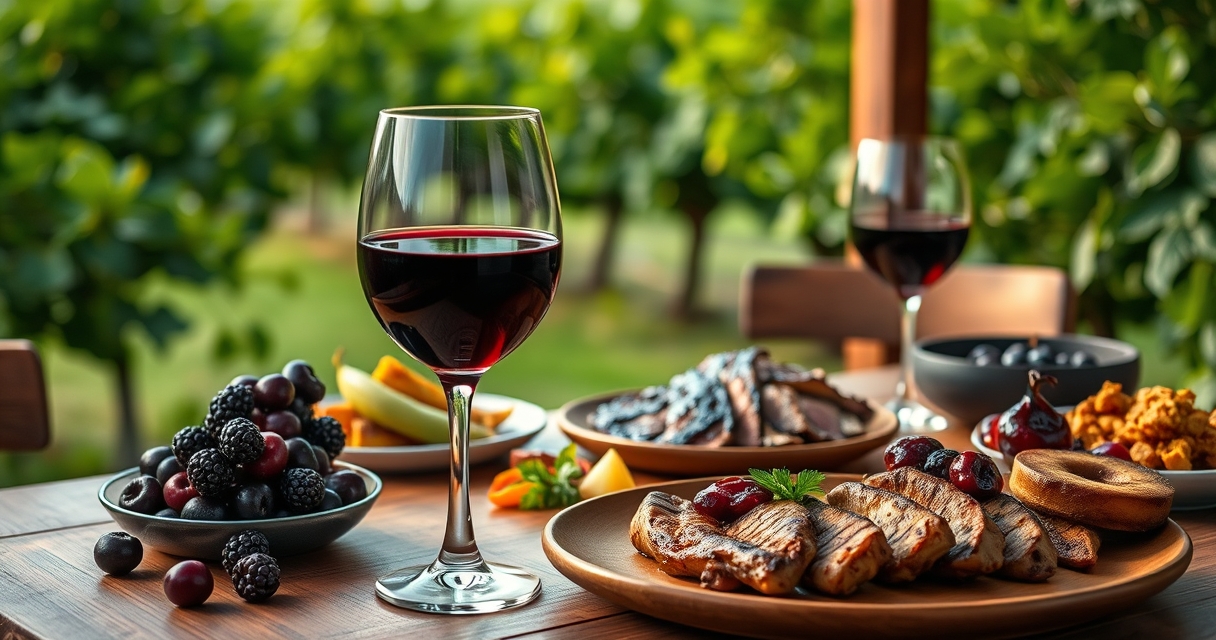
Ideal cabernet sauvignon food pairings leverage these qualities to create memorable dining experiences. Pair it with grilled ribeye steak seasoned with Creole spices to match the bold tannins, or with duck breast and cherry compote to highlight the fruit-forward notes. Louisiana dishes like gumbo, jambalaya, and blackened catfish are excellent choices, as the wine’s structure cuts through the richness and complements the spicy elements. For lighter fare, consider roasted mushrooms or a charcuterie board with aged cheeses, which bring out the wine’s nuanced flavors. Experimenting with these pairings showcases how the local influence makes Louisiana Cabernet Sauvignon a versatile choice for both casual and formal occasions. The region’s viticultural practices, focusing on sustainable methods, ensure that each bottle captures the essence of Louisiana’s vibrant agricultural heritage, offering wine enthusiasts a novel take on a classic varietal.
The differences from classic regions are pronounced in the mouthfeel, where Louisiana versions tend to be fuller bodied with a velvety texture due to the heat units accumulated during the growing season. This leads to wines that age gracefully, developing secondary aromas of dried fruits and tobacco over time. Enthusiasts often note how the local terroir imparts a unique freshness that balances the ripeness, making it stand out in blind tastings against international competitors. Overall, exploring these aspects reveals why Louisiana is emerging as an exciting frontier for Cabernet Sauvignon production, with its distinctive balance of power and approachability appealing to a wide range of palates seeking something beyond traditional benchmarks.

Winemaker with 12 years in the cellar. I write about fermentation, terroir, and the honest mistakes that taught me more than any textbook. I’ve ruined more barrels than most people have tasted. That’s not a disclaimer — that’s a résumé. Twelve years making wine in France, now making sense of it in words.