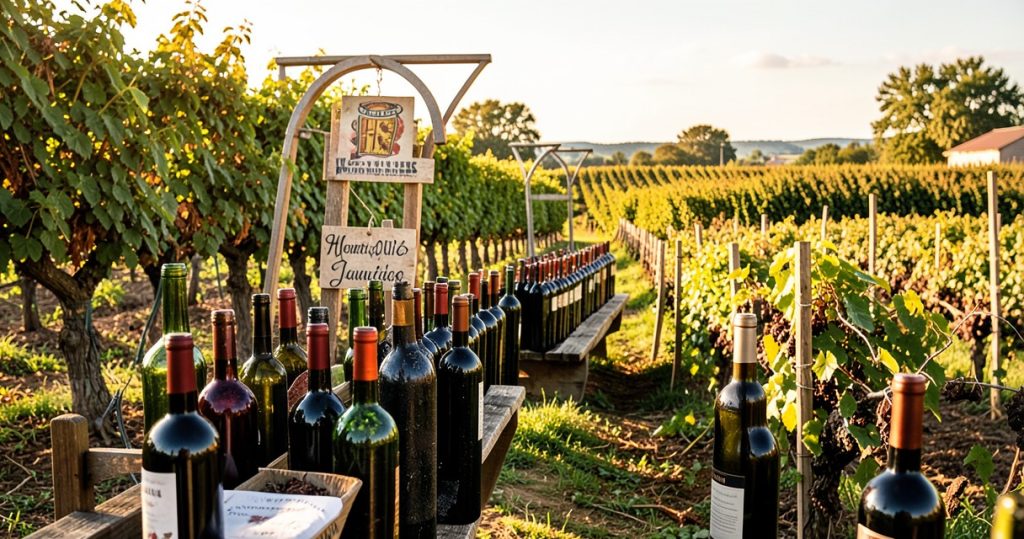
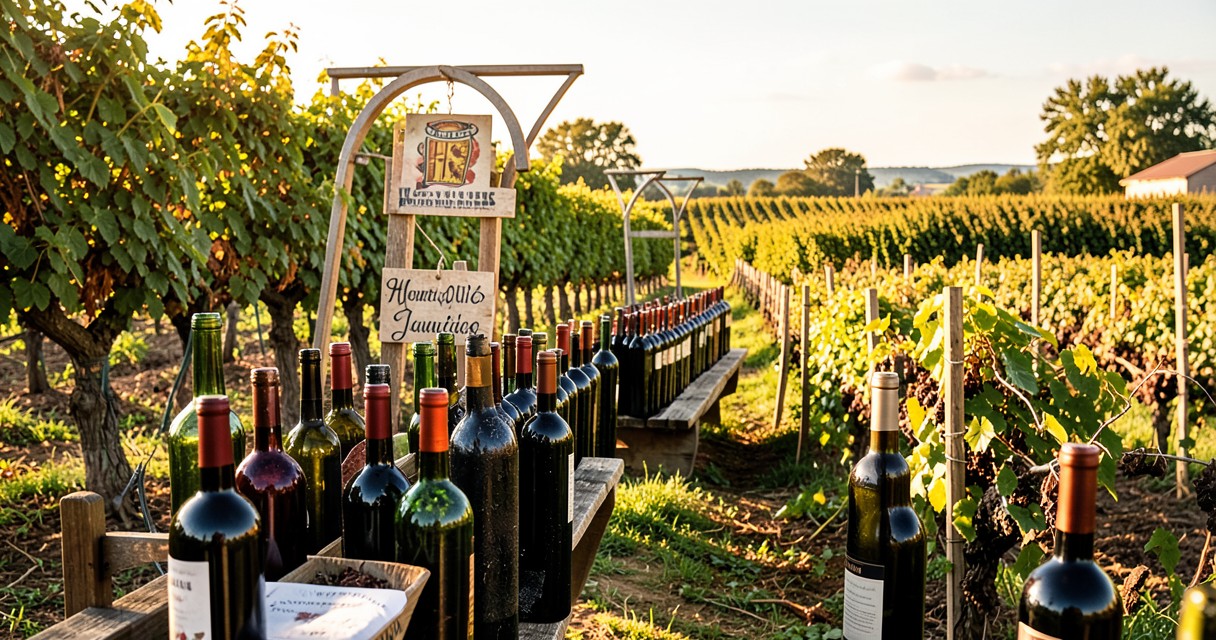
Homemade wine in Louisiana has become a cherished tradition, reflecting the rich cultural heritage and agricultural bounty of the state. With its warm climate and diverse ecosystem, Louisiana is well-suited for growing various grape varieties, particularly the muscadine. This native grape thrives in the humid environment and produces wines with unique flavors that capture the essence of the South. In this article, we will explore the process of making homemade wine in Louisiana, the significance of muscadine grapes, essential equipment, and tips for creating your own delightful batches.
The Muscadine Grape: Louisiana’s Gem
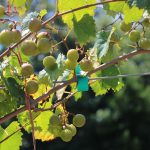
The muscadine grape holds a special place in Louisiana’s wine scene. This grape variety is known for its thick skin and high sugar content, making it perfect for producing sweet wines. There are several cultivars of muscadine, including the popular Carlos and Noble varieties. Each offers distinct flavor profiles, ranging from fruity and floral to rich and earthy. The unique conditions of Louisiana, with its long growing season and abundant rainfall, contribute to the robust flavors found in muscadine wines.
Muscadine grapes are not only delicious but also packed with antioxidants and health benefits. They are known to have higher levels of resveratrol compared to other grape varieties, which can promote heart health and reduce inflammation. This makes homemade muscadine wine not just a delightful treat but also a potential health-conscious choice for wine lovers.
Essential Equipment for Homemade Wine
Creating homemade wine requires some basic equipment, which can be easily sourced or purchased online. The essentials include a fermentation vessel, such as a glass carboy or a food-grade plastic bucket, which allows the fermentation process to occur without contamination. Additionally, you’ll need an airlock to prevent unwanted bacteria from entering the vessel while allowing gases to escape. A hydrometer is also crucial for measuring the specific gravity of the wine, helping you determine sugar levels and alcohol content.
Other necessary tools include a siphon for transferring wine between vessels, bottles for storage, and corks or caps to seal them. While specialized winemaking kits can simplify the process, many home winemakers find joy in assembling their equipment and customizing their setups based on personal preferences. Investing in quality tools can significantly enhance the winemaking experience and the final product.
The Winemaking Process: Step by Step
Making wine at home might seem daunting, but it can be broken down into manageable steps. The first stage involves harvesting the muscadine grapes. Ideally, grapes should be picked when they reach peak ripeness, which usually occurs in late summer. After harvesting, the grapes must be cleaned to remove any dirt or debris. Some winemakers prefer to crush the grapes by hand or with a crusher to release the juice, while others opt for a more gentle approach to preserve the skins.
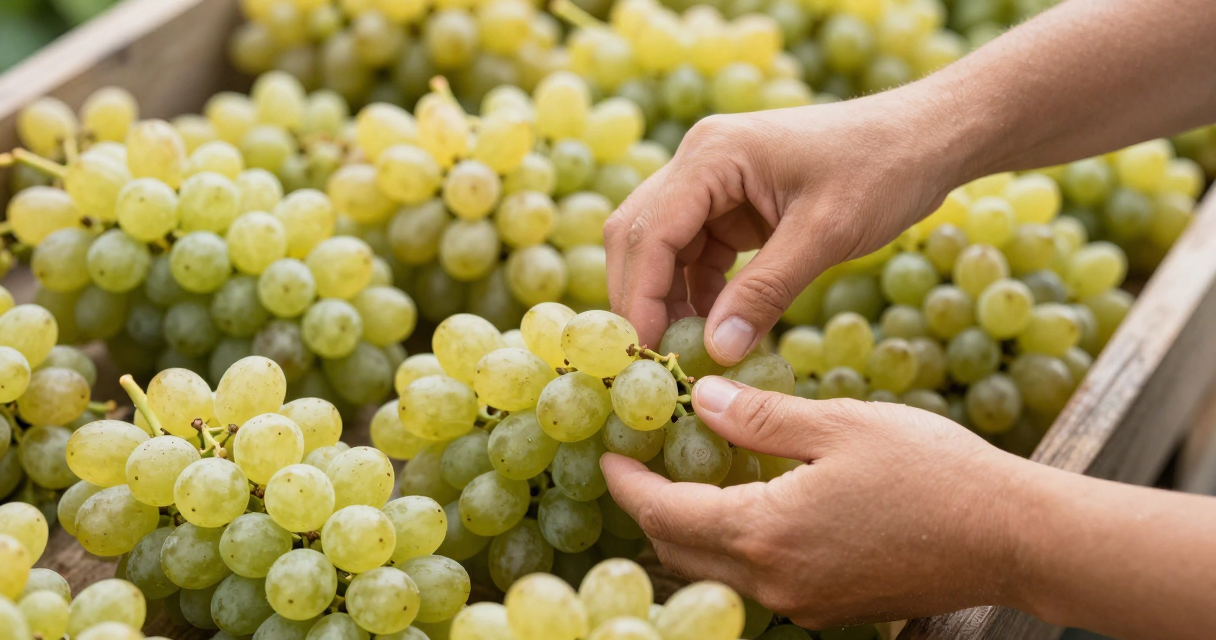
Once the grapes are crushed, the juice is transferred to the fermentation vessel along with the skins, seeds, and pulp. Yeast is added to initiate the fermentation process. Depending on the desired sweetness, fermentation can last anywhere from a few days to several weeks. During this time, the sugars in the grape juice are converted into alcohol. Monitoring the fermentation process is essential to achieve the right balance of flavors and alcohol content.
Flavoring and Aging Your Wine
After fermentation, the wine is typically siphoned off the sediment and transferred to a clean vessel for aging. This step allows the flavors to develop further and can enhance the wine’s complexity. Many home winemakers choose to age their wine in oak barrels or with oak chips to impart additional flavors, such as vanilla and spice. Depending on the style of wine desired, aging can take anywhere from a few months to several years.
Flavoring your wine can also be an exciting part of the process. Some winemakers experiment by adding fruits, herbs, or spices during fermentation or aging. For instance, incorporating citrus or berries can add a refreshing twist to the wine. However, it is essential to maintain a balance so that the added flavors complement rather than overpower the muscadine’s natural characteristics.
Bottling and Enjoying Your Homemade Wine
Once the aging process is complete, it’s time to bottle your homemade wine. This step involves carefully siphoning the wine into clean bottles, leaving some space at the top to allow for expansion. Properly sealing the bottles with corks or caps is crucial to preserve the wine’s quality. Labeling your bottles can also be a fun way to keep track of different batches and their aging dates.
After bottling, most wines benefit from additional aging in the bottle, allowing flavors to meld and mature. However, muscadine wines are often enjoyed young, as their fresh fruitiness can be quite appealing. When ready to serve, consider chilling the wine for a refreshing experience, especially during the hot Louisiana summers. Pairing your homemade wine with local dishes can enhance the enjoyment, making it a perfect accompaniment to seafood, barbecue, or traditional Cajun cuisine.
The Community of Louisiana Winemakers
The homemade wine movement in Louisiana is supported by a vibrant community of winemakers who share their experiences, techniques, and tips. Local winemaking clubs and online forums provide platforms for enthusiasts to connect and learn from one another. These communities often host tasting events, workshops, and competitions, allowing home winemakers to showcase their creations and receive feedback.
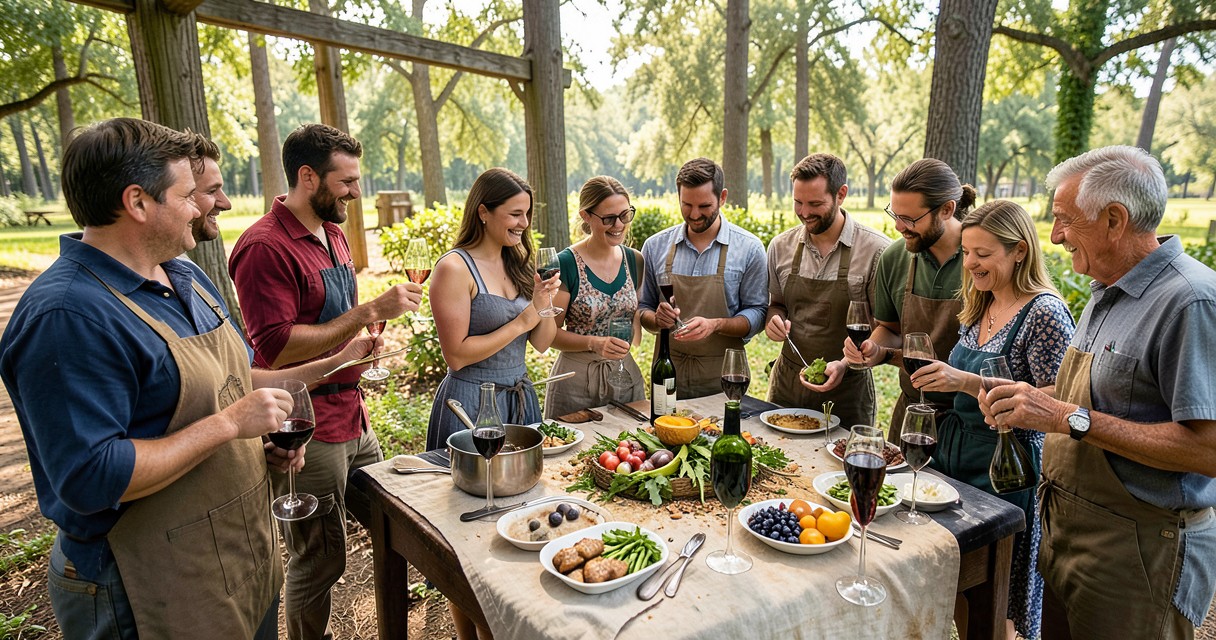
Moreover, Louisiana’s wine festivals celebrate the state’s unique offerings and promote local winemaking. These events often feature tastings of muscadine wines from various producers, giving attendees the chance to explore a range of flavors and styles. Engaging with the local winemaking community can inspire creativity and foster a deeper appreciation for the craft.
Legal Considerations for Homemade Wine in Louisiana
Before embarking on your winemaking journey, it’s essential to understand the legal regulations surrounding homemade wine in Louisiana. Home winemaking is generally permitted for personal use, with specific limits on production quantities. As of now, individuals can legally produce up to 100 gallons of wine per household per year for personal consumption. However, selling homemade wine without a license is prohibited, so it is crucial to keep your production within these limits.
It’s advisable to stay informed about any changes in local laws and regulations regarding home winemaking. This knowledge will not only ensure compliance but also enhance your winemaking experience. Engaging with local authorities or winemaking associations can provide valuable resources and support for aspiring winemakers in Louisiana.

Winemaker with 12 years in the cellar. I write about fermentation, terroir, and the honest mistakes that taught me more than any textbook. I’ve ruined more barrels than most people have tasted. That’s not a disclaimer — that’s a résumé. Twelve years making wine in France, now making sense of it in words.