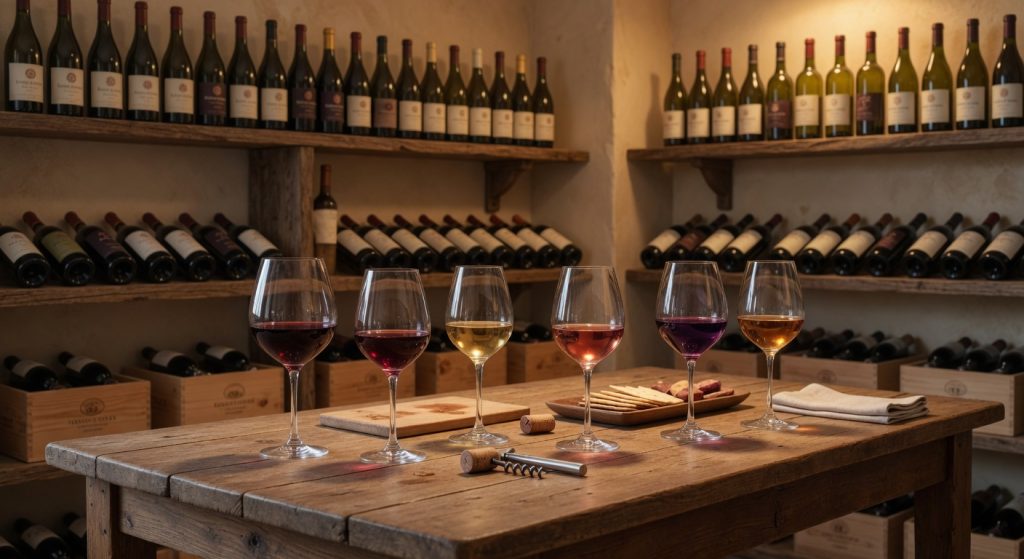
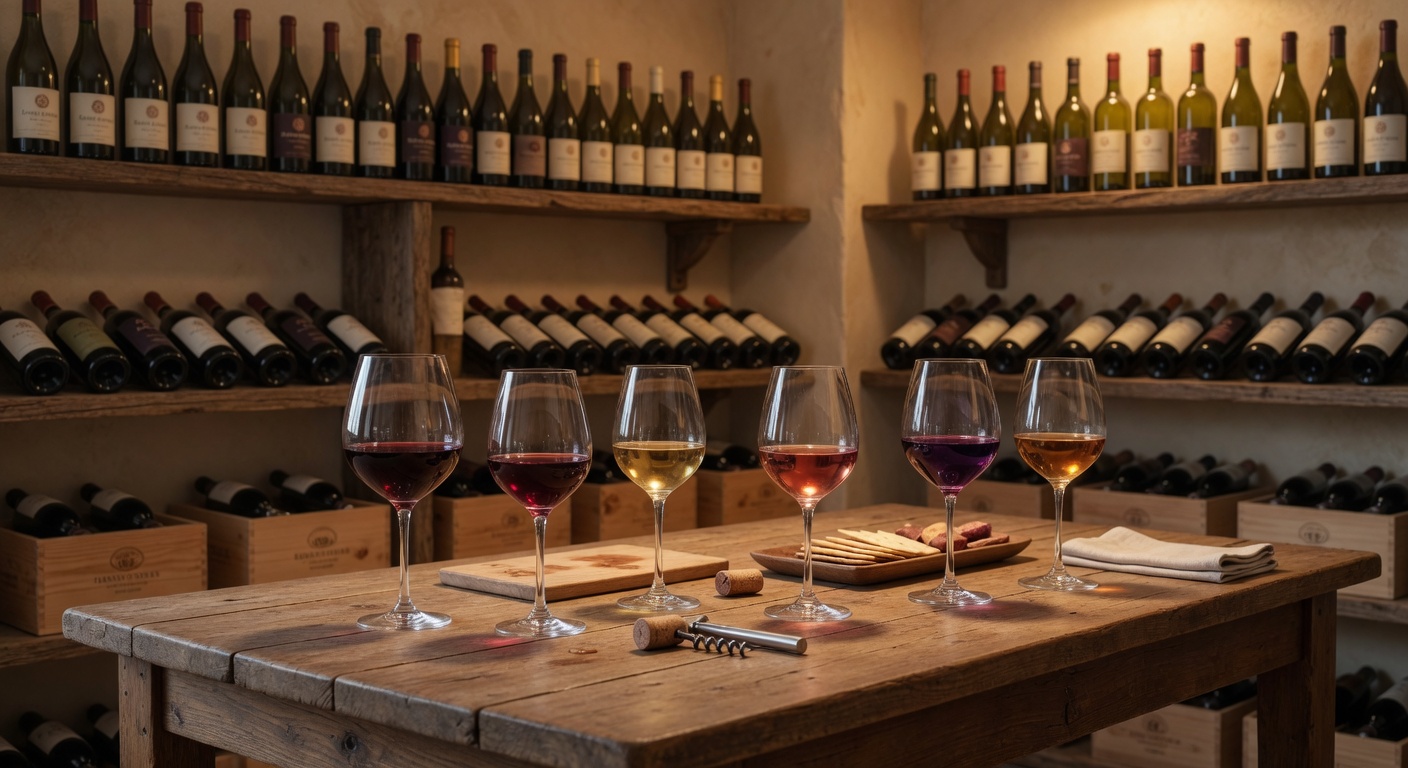
Guest preferences also play a crucial role in selecting wines. When possible, gather information on their tastes to ensure a mix that satisfies both red wine lovers and those who favor whites or sparkling choices. Including a balanced assortment of sweet, dry, acidic, and full-bodied wines enhances the experience and accommodates all palates.
Finally, think about wine pairing opportunities with any food served. Selecting wines that complement the flavors of your appetizers or main dishes will heighten enjoyment and showcase the interplay between wine and cuisine. By thoughtfully selecting wines that marry with your theme and guests’ preferences, your wine tasting event will be both enjoyable and memorable.
Selecting the Venue and Invitations
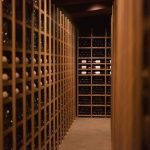
Choosing the right venue selection is a crucial step in organizing a successful wine tasting event. The wine tasting location should be spacious enough to accommodate your guest list comfortably, with good lighting and a welcoming ambiance that complements the theme of your event. Consider venues such as wine cellars, local vineyards, art galleries, or upscale restaurants that provide a cozy yet elegant atmosphere. Accessibility and parking facilities should also be taken into account to ensure convenience for all attendees.
When it comes to event invitations, crafting personalized and visually appealing invites can significantly boost attendance. Use digital invitations to reach a wider audience quickly, or opt for printed cards if you want to add a more intimate touch. Make sure to clearly state the date, time, venue, dress code (if any), and RSVP details. Including a brief description of what guests can expect, such as the types of wines to be sampled or special activities planned, can pique interest and encourage confirmations.
Building a well-thought-out guest list is essential; invite a mix of wine enthusiasts and newcomers to create a lively, engaging atmosphere. Sending reminders a few days before the event can help maintain attendance levels. Finally, consider using social media and email campaigns to spread the word and generate excitement about your wine tasting event, making the entire experience enjoyable from invitations to the final pour.
Setting Up the Wine Tasting Experience
Creating the perfect wine tasting setup is essential to ensure your guests have an enjoyable and memorable experience. From the initial table arrangement to the final touches of decor and accessories, each element plays a role in enhancing the atmosphere and overall guest experience.
- Prepare the Venue Space: Begin by selecting a clean, well-lit area that can comfortably accommodate your guests. Ensure there is enough room for movement and socializing. The layout should encourage interaction while allowing everyone a clear view of the wine selection.
- Table Setup: Arrange tables at an appropriate height for easy access to wines and tasting notes. Use neutral-colored tablecloths to avoid color interference with the wine’s appearance. Provide ample space between each guest’s spot, with a dedicated area for their glasses, tasting sheets, and palate cleansers like crackers or bread.
- Wine Glass Arrangements: Equip each guest with the correct wine glasses, ideally three: one for white wine, red wine, and sparkling wine. Place wine glasses on the table in a logical order, from left to right, according to the tasting sequence. Ensure all glasses are spotless and polished, as glass clarity enhances the wine drinking experience.
- Wine Tasting Accessories: Include essentials such as corkscrews, spittoons, and water pitchers for rinsing glasses or palate cleansing. Provide tasting notes or scorecards, pens, and napkins for guests to jot down their impressions. Decorative wine charms or markers can help guests identify their glass during the event.
- Event Decor: Use subtle, elegant decor to set the tone without overshadowing the wines. Fresh flowers, candlelight, or themed decor tied to the wine region can enrich the ambiance. Avoid strong scents or clutter that might distract from the wine aromas and tasting experience.
- Lighting and Ambiance: Opt for soft, warm lighting to create a welcoming atmosphere while highlighting the wine in the glasses. Dim lighting with focused spotlights on the wine bottles or labels can add a sophisticated touch. Background music at a low volume can enhance mood without interfering with conversations.
- Final Touches for Guest Experience: Welcome guests with a brief introduction and an explanation of the tasting process. Offer water for palate cleansing and small bites that complement rather than overpower the wines. Ensure the space is comfortable, and staff or hosts are available to guide the tasting and answer questions, making it an engaging and educational event.
Presentation and Serving Techniques
Proper wine serving methods significantly enhance the tasting experience. Start with selecting the right wine glassware; different wines benefit from distinct glass shapes that enhance their aromas and flavors. For example, red wines do well in glasses with larger bowls to allow aeration, while white wines are best served in smaller, narrower glasses to preserve their crispness.
When pouring, use steady, controlled motions to avoid spills and overfilling. A standard serving is typically 5 ounces, allowing guests enough wine to smell and taste without overwhelming their palate. Holding the glass by the stem prevents warming the wine with your hand, which is crucial for maintaining the ideal serving temperature.
Speaking of temperature, ensuring wines are served at the correct temperature is essential for bringing out their best qualities. White wines and sparkling wines are generally better served chilled, between 45-55°F (7-13°C), while red wines are ideal at slightly cooler than room temperature, around 60-65°F (15-18°C). Serving wines too warm or too cold can mask their flavors and aromas.
By focusing on wine serving tips, including glassware choice, precise pouring techniques, and maintaining appropriate serving temperatures, you can create a sophisticated and enjoyable wine tasting event that impresses guests and highlights the unique profiles of each wine.
Food Pairings and Palate Cleansers
When organizing a wine tasting event, selecting the right food pairing is essential to enhance the overall experience. Complementary food items such as cheeses, breads, and palate cleansers can elevate the flavors of the wines and refresh the palate between tastings.
Cheese and wine are a classic combination that never fails. Choose a variety of cheeses, including soft, hard, mild, and strong, to match different wine profiles. For example, a creamy Brie pairs wonderfully with a light Chardonnay, while a sharp aged cheddar complements a robust Cabernet Sauvignon. Offering a selection allows guests to experiment and discover their preferred pairings.
In addition to cheese, simple breads like crusty baguettes or mild crackers serve as neutral bases that don’t overpower the palate, allowing the wine’s character to shine. These snacks for wine tasting provide a satisfying texture contrast and help balance the tasting experience.
Palate cleansers such as plain water, cucumber slices, or green apple pieces are crucial to reset the taste buds between different wines. These help prevent flavor carryover, ensuring each wine can be appreciated on its own merit. Including effective palate cleansers supports a more accurate and enjoyable tasting journey for your guests.
Conducting the Wine Tasting Event
Running a wine tasting event smoothly requires thoughtful planning and an engaging host to keep the momentum going. As the host, your role is to guide your guests through the wine tasting flow, ensuring each wine is introduced clearly and the experience remains enjoyable and interactive. Start by welcoming your guests warmly, setting the tone for an educational yet relaxed atmosphere.
Begin each tasting by briefly describing the wine’s origin, grape variety, and any unique production methods. These wine facts not only educate but also spark curiosity among your guests. Share interesting stories about the vineyards or winemakers to personalize the experience and deepen the guests’ connection to the wines they are tasting.
Encourage guests to actively participate by taking tasting notes. Provide them with simple tasting sheets or notepads where they can jot down their impressions—aromas, flavors, and their overall thoughts. This involvement helps guests focus and stimulates discussions as they compare their notes with others.
Foster guest engagement through open-ended questions such as, “What flavors stand out to you?” or “How does this wine compare to the last one?” These prompts invite lively discussions and help guests articulate their tasting experiences. You can also organize brief group discussions between wines to give everyone an opportunity to share and learn from various perspectives.
Keep the wine tasting flow comfortable by pacing the event well—allow enough time for guests to savor each wine without rushing but avoid long pauses that might cause attention to drift. Provide water and neutral palate cleansers like crackers or bread to refresh the palate between tastings. This attention to flow will enhance the overall enjoyment and allow guests to appreciate the nuances of each wine fully.
By balancing structured guidance with open engagement, you ensure that running a wine tasting becomes a memorable experience for all. Your host tips for lively discussion and attentive flow will not only spotlight the wines but also foster a warm community of wine lovers eager to learn and share.
Guiding Guests Through Tasting Notes
When hosting a wine tasting event, guiding your guests through tasting notes is essential to enhance their experience and appreciation of each wine. Begin by explaining what tasting notes are—concise descriptions that help communicate the unique characteristics of a wine, including its aromas, flavors, and overall profile. This sets the stage for guests to explore and identify wine characteristics on their own.
Encourage guests to use their senses methodically when tasting wine. Start with the appearance, noting color and clarity, then move on to the nose. Help them recognize common wine aromas such as fruity, floral, spicy, or earthy scents. Remind them that aromas provide clues to the wine’s grape variety and region, enriching the tasting experience.
Next, guide guests to taste the wine by taking a small sip and allowing it to coat their palate. Prompt them to identify specific wine flavors — whether it’s citrus, berry, oak, or vanilla notes. Emphasize that how to taste wine is about noticing the balance, acidity, tannins, and finish, rather than just liking or disliking the wine. Suggest that they jot down these observations in their tasting notes to remember each wine better.
By teaching guests how to describe wine aromas and flavors effectively, you help them become more confident tasters. This not only makes the event more interactive but also deepens their understanding and enjoyment of wine.
Tips for Hosting a Fun and Educational Experience
When hosting tips for an educational wine tasting event, the key is to balance enjoyment with learning. Start the event with an engaging icebreaker that encourages guest interaction, such as having each participant share their favorite wine or a fun fact about wine. This warms up the group and creates a friendly atmosphere.
Incorporating games into your fun wine events can further boost engagement. Try blind tastings where guests guess the varietal or region, or organize a wine trivia quiz that spotlights interesting wine facts and history. These activities not only entertain but also deepen your guests’ understanding of wine.
To enhance the educational wine tasting aspect, include Q&A sessions where participants can ask questions about the wines being sampled. Provide insights about grape varieties, winemaking techniques, and tasting notes. Encouraging dialogue keeps the event interactive and informative.
By blending icebreakers, games, and Q&A sessions, you create a memorable atmosphere that makes your wine tasting both fun and educational. This combination stimulates guest interaction and ensures everyone leaves with new knowledge and a great experience.
Planning Your Wine Tasting Event
Organizing a successful wine tasting event requires thoughtful wine tasting planning and organized event organization to create an enjoyable experience for your guests. From selecting the perfect date to deciding on the type of event, these initial steps set the foundation for a memorable wine gathering. Here are the key steps to help you start planning your wine event effectively.
- Choose a Date: Selecting the right date is crucial for your wine tasting event. Consider your guests’ availability and pick a date that does not conflict with major holidays or local events. Weekend evenings often work best, allowing guests to relax and enjoy without the pressure of early commitments the next day. Giving ample notice will also help attendees plan ahead and increase your event turnout.
- Set a Budget: Establishing a clear budget early on is essential for guiding your event organization decisions. Your budget will impact the venue, number of wines to feature, catering options, and decorations. Consider all costs such as marketing materials, glassware, and staffing if needed. Being mindful of your budget ensures you stay financially comfortable while delivering an impressive wine tasting experience.
- Decide the Type of Event: There are many wine event ideas to explore, from casual tastings at home to formal seated dinners or vineyard tours. Determine the tone and style of your tasting based on your audience and goals. You might want a themed tasting focused on a particular wine region or grape variety, or a more educational event featuring expert-led discussions. Deciding the format early helps streamline subsequent planning stages.
Following these wine tasting tips in the early planning phase will help you create a structured roadmap. Thoughtful date selection, budgeting, and event type decisions form the cornerstone of a smooth and successful wine tasting event, setting the scene for an enjoyable and engaging experience for all your guests.
Choosing the Wine Selection
When planning the wine selection for your tasting event, it’s essential to create a diverse lineup that appeals to varied palates while aligning with the event’s theme. A well-rounded wine selection typically includes red, white, and sparkling wines, giving guests the opportunity to explore different types of wine throughout the event.
Start by considering the theme of your tasting—whether it’s regional wines, vintage collections, or organic varieties—which will guide your choices in types of wine. For instance, if your theme highlights coastal regions, you might select crisp whites and refreshing sparkling wines unique to those areas. Conversely, for a rustic or hearty food pairing event, bold reds may take center stage.

Winemaker with 12 years in the cellar. I write about fermentation, terroir, and the honest mistakes that taught me more than any textbook. I’ve ruined more barrels than most people have tasted. That’s not a disclaimer — that’s a résumé. Twelve years making wine in France, now making sense of it in words.