
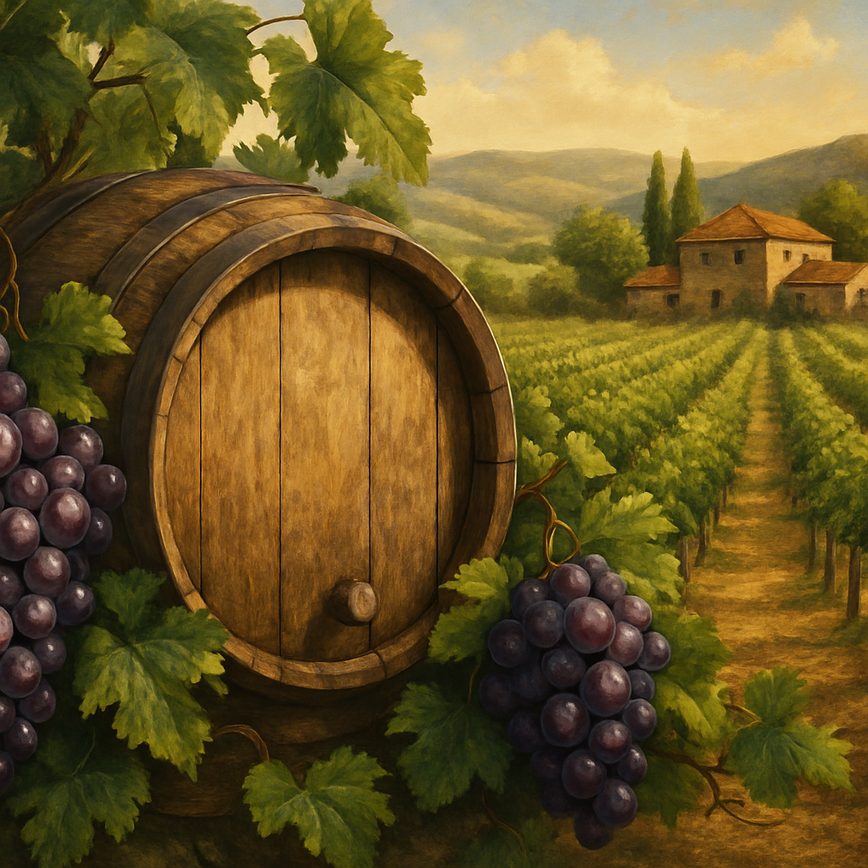
Overview of Southern Wine Traditions
The Southern United States boasts a rich and diverse heritage when it comes to wine culture, with traditions deeply rooted in its unique history and regional characteristics. Southern wine traditions represent a captivating blend of cultural influences, climatic variety, and innovative winemaking practices that have evolved over centuries. Unlike the more widely known wine regions of California or Europe, the South offers a distinctive narrative shaped by its agricultural landscape and the cultural tapestry of its people.
One of the defining aspects of Southern wine culture is its adaptability to the warm and humid climate prevalent in much of the region. Early settlers and local farmers embraced native grape varieties alongside introduced European species, developing resilient vines that could thrive in Southern soil. This regional innovation is a cornerstone of Southern wine traditions, highlighting a commitment to preserving heritage while nurturing growth in challenging environments. The wine culture South reflects not only the natural diversity but also a deep respect for the craft, passed down through generations.
Historically, the South’s wine tradition has been influenced by a variety of cultural currents. From the Native American tribes who cultivated indigenous grapes to the European immigrants who brought their winemaking knowledge, the region’s wine story is a mosaic of traditions converging. This convergence created a wine culture in the South that is both richly diverse and singularly authentic. Southern wineries often celebrate this history through festivals, tastings, and educational programs that invite visitors to explore the roots and evolution of regional wine traditions.
Moreover, Southern wine has gained regional significance not only as a product but also as a symbol of community and identity. Winemakers in the South emphasize sustainable and locally-sourced practices, fostering a connection between the land and the people. This local focus helps strengthen community bonds and promotes a wine culture that values tradition as much as innovation. From Alabama vineyards to the rolling hills of Virginia, regional wine traditions are a testament to the South’s enduring passion for winemaking.
In summary, Southern wine traditions encapsulate a history of resilience, cultural richness, and an unwavering dedication to the craft of winemaking. The wine culture South today stands as a vibrant, evolving testimony to the region’s unique terroir and the legacy of those who cultivated it. It is this blend of history, culture, and regional pride that continues to define and propel the Southern wine industry forward.
Historical Roots of Southern Winemaking
The history of wine in the South is deeply rooted in a blend of traditions brought by early settlers and the influence of indigenous practices. Southern winemaking origins date back to the arrival of European settlers who introduced grapevines and winemaking techniques from France, Spain, and England. These settlers adapted their methods to the unique climate and soil of the region, fostering a distinctive wine heritage in the South. Early winemakers often combined European vineyard management with native grape varieties, which were more resistant to the local pests and diseases.
Indigenous practices also played a significant role in shaping the wine culture in the South. Native peoples had long used local fruits and berries for fermentation purposes, contributing their knowledge of wild harvest and natural fermentation processes. This blend of indigenous and European techniques created a vibrant and diverse wine-making tradition. Over time, Southern vineyards expanded their varieties and honed their craftsmanship, making the South a notable player in American winemaking. The history of wine South is thus a story of cultural exchange and adaptation, embodying a rich wine heritage that continues to influence contemporary Southern winemaking.
Cultural Influences on Southern Wine Traditions
The cultural impact on wine in the South is deeply rooted in the region’s diverse heritage, which has significantly shaped Southern traditions in winemaking. Native American communities, some of the earliest inhabitants of the land, contributed indigenous knowledge of wild grape varieties and natural fermentation processes. Their understanding of the local flora helped lay the groundwork for early winemaking efforts in the region.
African American cultural influences are equally profound, with enslaved people bringing their expertise in agriculture and fermentation techniques that was vital during the colonial period and beyond. This included the cultivation of unique grape varieties and the adaptation of winemaking practices to the Southern climate, which allowed for the distinct characteristics seen in Southern wines today.
European settlers introduced traditional Old World wine styles and viticultural methods, which merged with local practices to create innovative blends and production techniques. This blending of cultures fostered a unique wine culture that reflects the South’s diverse historical tapestry. The fusion of wine and culture in the South results in a rich array of flavors and styles that celebrate the shared heritage of its people, marking the Southern wine tradition as a vivid example of cultural synergy in America.
Popular Grape Varieties and Wine Styles in the South
The Southern United States boasts a unique collection of southern grape varieties that thrive in its warm climate and diverse terroirs. This region’s viticultural landscape has been shaped by specific grape types that demonstrate remarkable resilience and flavor profiles suited to the local environment. As a result, the regional wines South produce today reflect not only the distinctiveness of their grape origins but also the cultural preferences embedded in Southern wine traditions.
One of the hallmark grapes in Southern vineyards is the Muscadine, native to the Southeast. Muscadine grapes are prized for their thick skins and natural resistance to pests and diseases, making them ideal for the Southern climate. Wines made from Muscadine tend to be fruity, with a characteristic sweetness or tartness that aligns well with local tastes. This grape underscores a wine style South enthusiasts value for its fresh, approachable nature, often used in sweet or semi-sweet wines.
Another widely cultivated grape is the Norton (or Cynthiana), the official state grape of Missouri but also prevalent throughout Southern states. Norton produces robust red wines with deep color, full body, and a bold tannic structure. Known for its complex flavor profile featuring blackberry, plum, and subtle spice notes, Norton reflects the terroir’s impact on shaping dense and savory wines. These red blends and varietals have become emblematic of the Southern approach to winemaking.
Besides native grapes, hybrids such as Chambourcin and Seyval Blanc have gained popularity due to their adaptability and reliability across Southern vineyards. Chambourcin is celebrated for its smooth red wines that balance acidity with fruit-forward flavors, while Seyval Blanc is recognized for producing crisp, refreshing white wines that pair well with Southern cuisine. These grapes contribute to a varied spectrum of wine styles South winemakers craft, catering to a range of palates.
Terroir—the combination of soil, climate, and topography—exerts a profound influence on the southern grape varieties grown here. The warm days and humid nights, coupled with diverse soil types from chalky to loamy, enhance grape ripening cycles and boost aromatic complexity. This environmental synergy allows regional wineries to express distinctive characteristics in their wines, ensuring every bottle encapsulates both the essence of the land and the heritage of Southern wine culture.
In summary, the combination of resilient local grapes like Muscadine and Norton with adaptable hybrids shapes the rich tapestry of regional wines South is known for. These southern grape varieties and their resulting wines highlight a diverse range of wine styles South imbues with tradition, local preference, and the inimitable terroir, solidifying the South’s place on the American wine map.
Native and Adapted Grape Varieties
Southern vineyards thrive on a unique blend of native grapes and adapted European varieties, each bringing distinct characteristics perfectly suited to the region’s climate. One of the most celebrated native grape species is the Muscadine. Known for its thick skin and resistance to pests and diseases, Muscadine grapes are exceptionally well-adapted to the hot, humid conditions of the South. Their robust flavor profiles range from sweet and aromatic to tangy and bold, making them a favorite for crafting distinctive Southern wines.
Alongside native grapes, many vineyards in the South cultivate adapted European grape varieties such as Cabernet Sauvignon, Chardonnay, and Viognier. These varieties have been carefully selected and bred over time to endure the warmer temperatures and occasional humidity typical of the region. Adapted grape varieties often undergo specific viticultural practices to enhance their resilience and flavor expression in Southern soils and climates.
Together, native grapes South like Muscadine and adapted European varieties form the backbone of Southern winemaking, contributing to a diverse and rich wine culture. Their ability to flourish in the unique terroir of the South allows winemakers to produce exceptional wines that reflect the natural beauty and heritage of the region.
Distinctive Southern Wine Styles
The South is renowned for its diverse and distinctive Southern red wine and Southern white wine styles, which reflect the region’s climate and rich cultural heritage. Southern red wines are often bold and full-bodied, showcasing flavors of ripe blackberries, cherries, and spice. These wines are typically crafted to be fruit-forward wines South enthusiasts adore, enhancing the rich and warm palate that complements hearty dishes like barbecue and grilled meats.
On the lighter side, Southern white wines often embrace a sweet and fruity character. These whites usually burst with notes of peach, apricot, and citrus, making them refreshingly vibrant and perfect for warm weather sipping. Many Southern white wines are slightly off-dry to balance their natural fruitiness, resulting in an inviting wine style that pairs beautifully with spicy cuisine, seafood, and creamy cheeses.
Whether choosing a sweet or bold wine, Southern vintners emphasize rich flavor profiles that celebrate the fruit-forward wines South culture values. Popular pairings include Southern red wine with smoky ribs or peppered steak, as well as Southern white wine alongside spicy crawfish or a tangy crab dish. These unique styles embody the warmth and spirit of the Southern wine tradition, crafting experiences that resonate deeply with wine lovers new and old.
Modern Trends and Festivals Celebrating Southern Wine
The Southern wine industry is experiencing a dynamic evolution, blending tradition with innovation to create a vibrant and diverse wine culture. Emerging vineyards throughout the South are pioneering modern Southern wines that reflect both the rich terroir and contemporary winemaking techniques. These up-and-coming wineries are not only producing high-quality wines but are also attracting attention from wine enthusiasts and critics alike, helping to put the Southern wine scene firmly on the map.
One of the most exciting aspects of the Southern wine industry’s growth is the surge in Southern wine festivals. These lively events celebrate local varietals and winemaking heritage while fostering community among producers and consumers. Popular events such as the South Carolina Wine + Food Festival and the Georgia Wine Lovers Fest draw both locals and tourists eager to savor the wines and learn more about the unique characteristics of Southern vintages. These festivals also provide a platform for emerging vineyards to showcase their offerings and collaborate with established wineries.
In addition to festivals, wine tourism in the South is flourishing. Many vineyards have enhanced their visitor experiences, offering tours, tastings, and food pairings that highlight Southern flavors. This growth in wine tourism South has proven to be an economic boon for rural areas, encouraging agritourism and the preservation of historic vineyards. Visitors are increasingly seeking out wine trails designed to connect multiple vineyards, providing a comprehensive and immersive wine exploration.
Modern Southern wines often include innovative blends and the revival of native grape varieties, combining old-world wine traditions with new-world experimentation. This trend has sparked curiosity and enthusiasm among both seasoned wine lovers and newcomers, creating a vibrant marketplace for Southern wines. The increasing recognition at national and international wine competitions further underscores the quality and diversity available in the region.
Overall, the Southern wine industry continues to thrive thanks to a passionate community of winemakers, supportive festivals, and growing wine tourism. These modern trends are helping preserve the rich heritage of Southern wine while propelling it forward into an exciting future, making the South a must-visit destination for wine aficionados.
Key Wine Festivals in the Southern United States
The Southern United States is home to some of the most vibrant wine festivals South of the Mason-Dixon Line, celebrated annually to honor the region’s rich viticultural heritage. These annual wine events not only showcase the quality and diversity of Southern wines but also serve as essential cultural gatherings for wine enthusiasts and local communities.
One notable celebration is the Virginia Wine Festival, held each fall, attracting thousands of visitors to enjoy tastings, vineyard tours, and live music. This event has grown over the decades into a beloved tradition, highlighting the state’s unique terroir and the efforts of local winemakers. Similarly, the Georgia Wine Festival offers a mix of wine sampling, culinary delights, and educational seminars that deepen attendees’ appreciation for Southern wine production.
In addition, the Texas Hill Country Wine & Trail Alliance hosts a series of festivals throughout the year, including the popular Terlingua Wine Festival, which celebrates the adventurous spirit of Southern winemaking with food pairings and art displays. These Southern wine celebrations play a crucial role in promoting local wine culture by fostering community engagement and providing a platform for small and emerging vineyards.
Altogether, these wine festivals South not only boost the regional economy but also educate consumers about the distinct flavors and traditions of Southern wines, ensuring the preservation and growth of this vibrant industry.
Emerging Winemakers and Sustainable Practices
The Southern wine industry is witnessing a remarkable rise in emerging Southern wineries that are not only dedicated to producing high-quality wines but also committed to sustainable winemaking South-wide. These new winemakers are pioneering modern vineyard techniques that emphasize organic and eco-friendly approaches to viticulture. By minimizing chemical inputs and focusing on natural soil health and biodiversity, they are setting new standards for environmental responsibility within the region.
Such sustainable winemaking South initiatives include cover cropping to prevent erosion, integrated pest management to reduce the use of harmful pesticides, and efficient water management systems tailored to the often challenging Southern climate. These practices not only protect the local ecosystems but also contribute to the development of unique flavor profiles that truly reflect the terroir of the South.
Moreover, the passion and innovation of these emerging Southern wineries are elevating the overall perception and quality of Southern wines on both national and international stages. By embracing sustainability, they appeal to a new generation of environmentally conscious consumers eager to support ethical and sustainable agricultural practices. This forward-thinking approach ensures that Southern winemaking will continue to thrive while preserving the natural beauty and resources of the region for years to come.

Winemaker with 12 years in the cellar. I write about fermentation, terroir, and the honest mistakes that taught me more than any textbook. I’ve ruined more barrels than most people have tasted. That’s not a disclaimer — that’s a résumé. Twelve years making wine in France, now making sense of it in words.