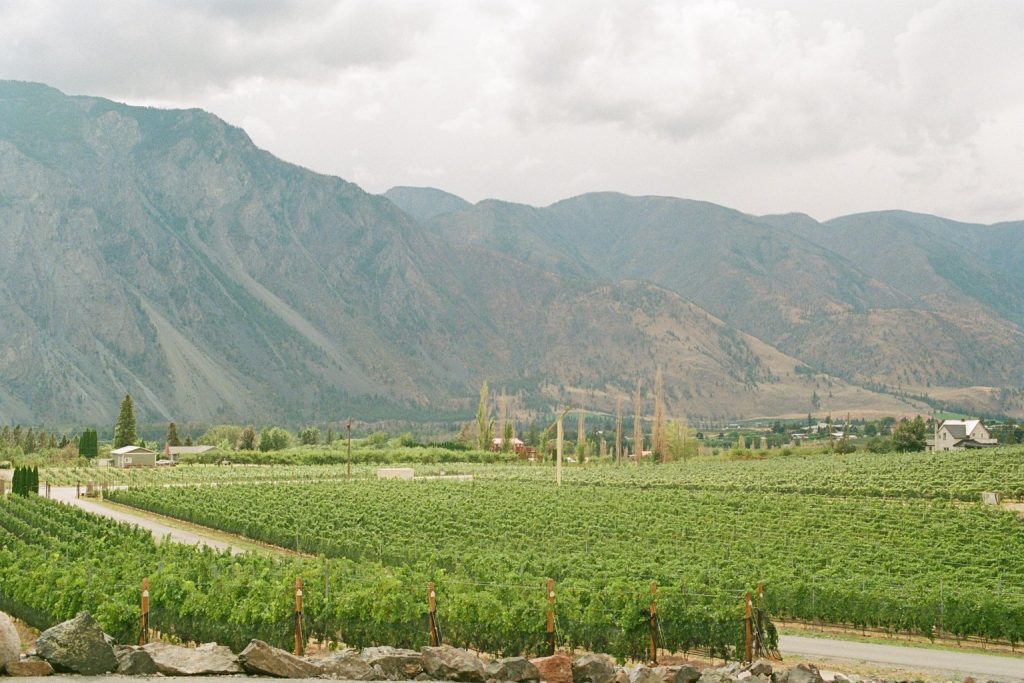
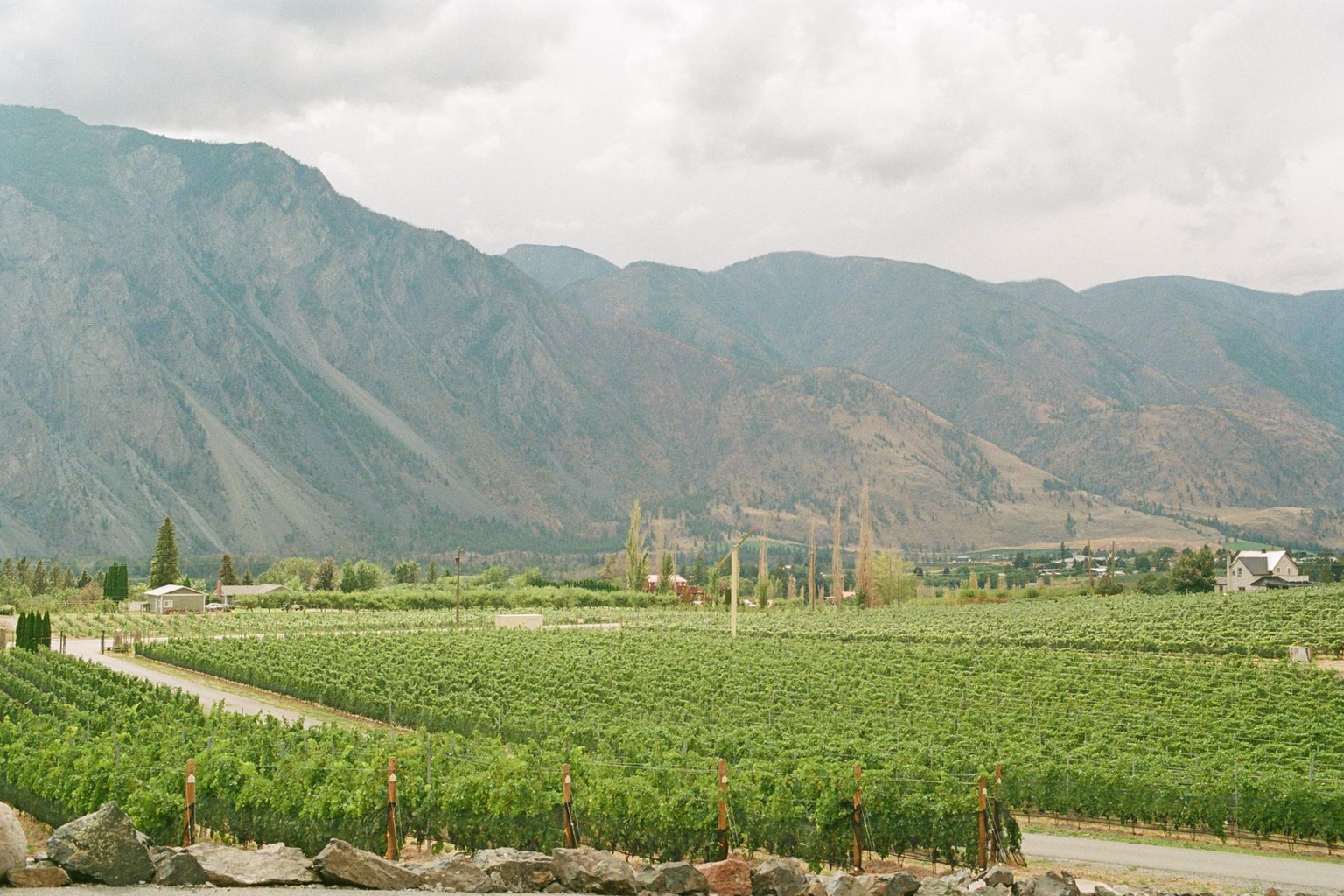
Most visitors to the American South associate wine country with the sun-drenched hills of Napa or the limestone cellars of France, yet the bayou state produces a distinct and growing array of small-scale producers that defy regional stereotypes. The soil composition, humidity levels, and specific varietals cultivated here create a sensory profile that is fundamentally different from cooler climate regions, offering something unique to the curious palate. Boutique wineries in Louisiana represent a microcosm of agricultural adaptation, where growers experiment with heat-tolerant vines to produce wines that reflect the local terroir with surprising fidelity. This analytical breakdown examines the structural factors that define these hidden gems, moving beyond simple tasting notes to explore the economic, climatic, and cultural forces shaping this niche segment of the beverage industry.
Climatic Constraints and Varietal Selection
The primary challenge for any vineyard in this humid subtropical zone is managing fungal pressure during the long, wet growing season. Growers must select varietals with thick skins and high acidity to withstand the muggy summers that last well into September, often relying on native American species like Muscadine grapes. These indigenous vines have evolved over millennia to resist downy mildew and botrytis without the heavy fungicide applications typical in European viticulture. The result is a wine style that tends toward higher natural acidity and lower alcohol content, characteristics that make the finished product refreshingly drinkable even in the peak heat of a July afternoon.
Conversely, some producers attempt to cultivate Vitis vinifera varieties such as Chardonnay or Cabernet Sauvignon, but they do so with extreme precision in canopy management and row spacing. These European vines require careful training systems to ensure air circulation around the fruit clusters, reducing the risk of rot during the humid months. The success rate for these varieties is lower, which pushes many smaller operations to focus on hybrid blends that offer both flavor complexity and disease resistance. This strategic decision defines the character of many local labels, prioritizing reliability over prestige in the vineyard.
The soil profile across the state varies significantly from the sandy loams of the boot heel to the alluvial deposits near the river deltas, creating microclimates within small geographic distances. Vintners who understand these nuances can match specific rootstocks to particular plots, enhancing mineral extraction and flavor development in the fruit. This level of granular control is often absent in larger industrial operations, giving smaller producers a distinct advantage in quality differentiation. The interplay between soil type and varietal choice is the single most important factor in determining whether a local wine will taste generic or distinctly regional.
Economic Viability of Small Scale Production
The economics of running a winery with fewer than one thousand cases per year rely heavily on direct-to-consumer sales and agritourism revenue rather than wholesale distribution margins. Local producers often recoup their production costs through on-site tastings, vineyard events, and merchandise sales, creating a self-sustaining loop that is less vulnerable to market fluctuations. This financial model allows owners to maintain lower overheads by utilizing family labor and leasing equipment from regional cooperatives when necessary. The resulting price points for these wines are often competitive with mass-market imports, offering exceptional value for the quality level achieved.
Wholesale distribution in this region remains fragmented due to high logistics costs and limited shelf space in major grocery chains, which favor established national brands. Consequently, most boutique operations build their brand identity through local restaurant partnerships and farmers market presence, fostering a loyal community base that drives repeat purchases. This direct relationship with the consumer provides immediate feedback loops, allowing producers to adjust blending decisions and marketing strategies in real time based on actual taste preferences. The agility of small teams is a significant competitive advantage over larger corporations that must navigate complex board approval processes for minor product changes.
Grant funding and agricultural extension services have played a pivotal role in supporting the infrastructure needed for small-scale fermentation and bottling facilities. Many producers access specialized equipment through state-supported initiatives that lower the barrier to entry for new entrants in the market. This support structure has stabilized the industry against potential downturns, ensuring that knowledge and capital remain within the local ecosystem rather than being siphoned off by external investors. The stability provided by these public resources allows owners to focus on long-term vineyard health rather than short-term profit maximization.
Territorial Identity and Cultural Narrative
The cultural narrative surrounding wine in this region is deeply tied to the concept of hospitality and community gathering, distinguishing it from the elitist connotations often associated with high-end European appellations. Local producers emphasize accessibility and education, inviting visitors to understand the specific challenges of growing grapes in a humid environment rather than simply selling them a finished product. This transparency builds trust and engagement, transforming a simple tasting into an educational experience about agricultural resilience and adaptation. The storytelling aspect of each bottle becomes a key marketing tool that resonates with tourists seeking authentic local experiences.
For more background on the winery that has recently reopened in Louisiana, you can watch this helpful segment by AP Archive right here.
Regional identity is further reinforced by the integration of local food pairings that highlight the state’s culinary traditions, such as crawfish boils and cajun spices. Winemakers frequently collaborate with nearby chefs to create pairing menus that showcase how their wines complement bold, spicy flavors without being overwhelmed by them. This synergy between wine and food creates a holistic dining experience that visitors rarely find in other parts of the country, enhancing the perceived value of the visit. The emphasis on local sourcing for both grapes and food ingredients strengthens the economic bond between wineries and surrounding agricultural communities.
The narrative also incorporates historical elements, tracing the lineage of grape cultivation back to early settlers who introduced European vines to the region centuries ago. Modern producers often reference this history to establish a sense of continuity and legitimacy in their brand positioning. By connecting contemporary practices to historical roots, they create a compelling story that justifies the premium pricing often seen in their tasting room offerings. This cultural depth adds a layer of sophistication to the brand that purely commercial competitors struggle to replicate effectively.
Logistical Realities of Distribution
Distribution logistics for small producers are complicated by the need to maintain strict temperature controls during transport, which increases shipping costs significantly compared to non-perishable goods. Many wineries mitigate this expense by offering local delivery services and partnering with regional third-party logistics providers who specialize in cold chain management. This approach ensures that the wine arrives at the customer’s door in optimal condition, preserving the delicate aromatic compounds that define the quality of the product. Efficient logistics are not just an operational concern but a direct factor in customer satisfaction and repeat business.
The digital infrastructure for ordering has become essential, with most producers investing heavily in user-friendly e-commerce platforms that allow for easy subscription management and one-off purchases. These platforms reduce the administrative burden on small teams by automating order processing and payment collection, allowing staff to focus on production and customer service. The ability to sell directly online bypasses traditional retail gatekeepers, giving producers full control over their brand presentation and pricing strategy. This direct channel is critical for maintaining profit margins in a market with thin overall profitability.
Regulatory compliance regarding interstate shipping adds another layer of complexity, as laws vary significantly from one state to another, requiring producers to navigate a patchwork of tax codes and labeling requirements. Small teams often hire specialized consultants to ensure full compliance, avoiding potential fines or shipment rejections that could damage their reputation. This administrative overhead is a hidden cost that many new entrants underestimate, leading to financial strain in the early years of operation. Understanding these regulatory nuances is as important as understanding viticultural techniques for long-term business success.
Sensory Profiles and Taste Expectations
The sensory profile of wines from this region is characterized by vibrant fruit acidity and herbal notes that reflect the humid growing conditions, offering a distinct alternative to the heavy, tannin-driven styles of other regions. Tasters should expect bright citrus notes in whites and spicy berry flavors in reds, with a finish that tends to be crisp rather than lingering. This profile makes these wines particularly suitable for consumption alongside spicy local cuisine, where they cut through rich fats and heat effectively. Understanding these expectations helps visitors choose the right bottle for their specific dining context without confusion.
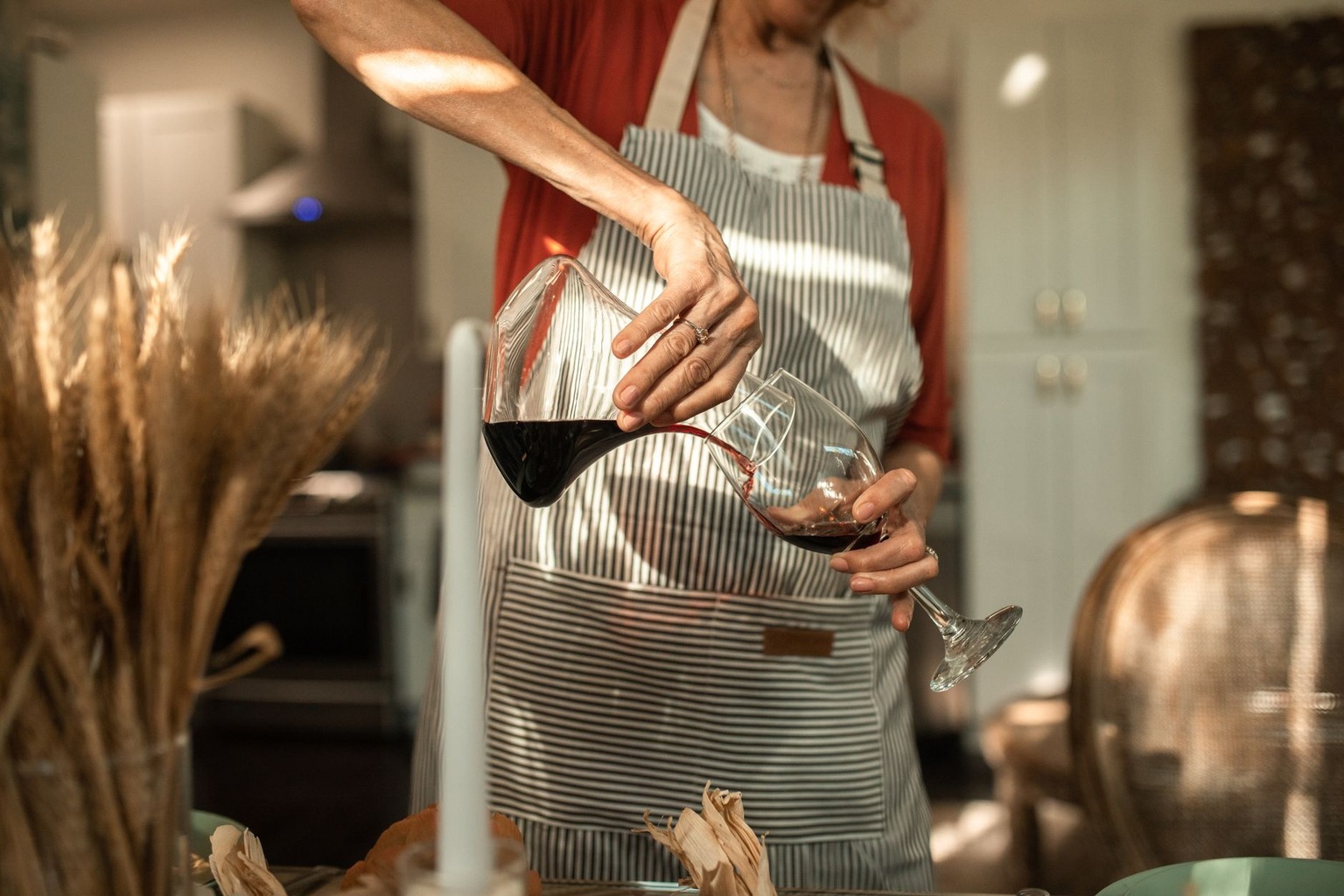
Aromatic complexity in these wines often includes subtle earthy undertones derived from the specific soil compositions and fermentation techniques used by local winemakers. These nuances are best appreciated when the wine is served at slightly cooler temperatures than typical recommendations for similar varietals elsewhere. The cooling effect enhances the perception of freshness and highlights the delicate floral notes that might otherwise be masked by alcohol warmth. Proper serving conditions are crucial for experiencing the full range of flavors intended by the producer.
Variability between vintages is a significant factor to consider, as weather patterns can shift dramatically from one year to the next, affecting sugar accumulation and acid levels in the grapes. Some years produce wines with higher residual sugar due to early harvests triggered by disease pressure, while others yield drier, more structured bottles from later pick dates. This vintage variability adds an element of discovery for collectors, who enjoy tracking how specific plots perform under different climatic conditions over time. It also means that consistent quality control is essential to maintain brand loyalty among regular customers.
Visitor Experience and Tasting Room Dynamics
The physical layout of tasting rooms in this region is designed to maximize comfort during long, hot afternoons, featuring extensive outdoor seating areas shaded by mature live oaks and pergolas. Visitors can enjoy their tastings while observing the vineyard rows stretching into the distance, creating a sensory connection between the wine and its source environment. This immersive design encourages longer stays and higher per-capita spending on food and additional bottle purchases compared to standard indoor-only facilities. The emphasis on comfort and ambiance is a key differentiator in the local tourism market.
Staff training is a critical component of the visitor experience, with most producers investing in extensive education programs to ensure their team can articulate the nuances of each wine confidently and engagingly. Well-trained staff can guide visitors through complex flavor profiles and suggest appropriate food pairings, enhancing the overall value of the tasting session. This human element is what separates a memorable boutique experience from a generic commercial outlet, fostering personal connections that drive word-of-mouth marketing. The expertise of the team directly impacts customer perception of quality and brand credibility.
Special events such as harvest festivals and barrel tastings provide additional touchpoints for engagement, allowing visitors to witness the production process firsthand and interact directly with the winemaking team. These events create a sense of exclusivity and community belonging that standard daily operations do not fully capture. They also serve as important revenue streams during slower seasons, helping to balance cash flow throughout the year. The strategic use of events is a hallmark of successful small-scale operations in this competitive landscape.

Winemaker with 12 years in the cellar. I write about fermentation, terroir, and the honest mistakes that taught me more than any textbook. I’ve ruined more barrels than most people have tasted. That’s not a disclaimer — that’s a résumé. Twelve years making wine in France, now making sense of it in words.